Easy Red Wine Braised Short Ribs Recipe
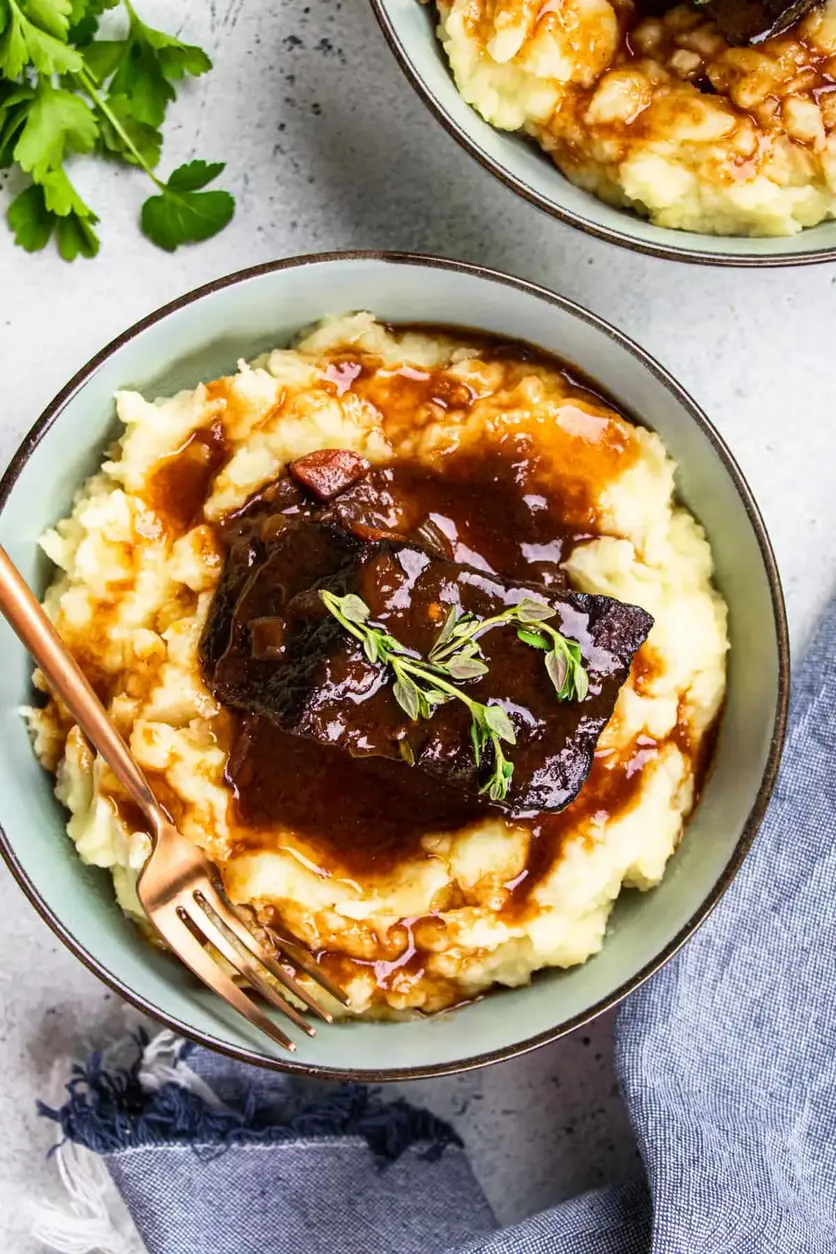
Red Wine Braised Short Ribs in Dutch Oven: A Bistro Classic at Home
Embark on a culinary journey that transports you straight to a cozy French bistro with this exquisite recipe for Red Wine Braised Short Ribs. This dish, a testament to the magic of slow cooking, transforms humble cuts of beef into melt-in-your-mouth tender morsels, bathed in a rich, deeply flavored sauce. It’s the kind of meal that warms the soul and impresses guests with its sophisticated taste and effortless elegance. Prepare to be captivated by the aroma that fills your kitchen and the unparalleled depth of flavor in every bite.
A Symphony of Flavors: Introduction to Red Wine Braised Short Ribs
There’s a reason classic French cuisine is revered worldwide, and this Red Wine Braised Short Rib recipe is a prime example. It embodies the essence of slow cooking: taking tougher cuts of meat and, through patience and gentle heat, transforming them into something extraordinarily tender and flavorful. The magic lies in the braising liquid – a rich blend of robust red wine, savory beef broth, aromatic herbs, and umami-packed tomato paste and Worcestershire sauce. As the short ribs simmer for hours, they absorb these wonderful flavors, becoming impossibly succulent. The resulting sauce is so luscious and intensely flavored that it’s as much a star as the meat itself. This isn’t just a meal; it’s an experience, perfect for special occasions or when you simply want to indulge in something truly comforting and delicious.

Ingredients You’ll Need
The quality of your ingredients will directly impact the final outcome. Opt for well-marbled short ribs for the best flavor and tenderness. For the wine, choose a dry red you would happily drink; its character will permeate the dish.
- 2 (3 to 4 lbs.) beef short ribs, bone-in, preferably chuck: Look for ribs with good marbling, as this is where the flavor and tenderness will come from. Bone-in ribs contribute extra depth to the braising liquid. If chuck short ribs aren’t available, consider English cut short ribs.
- 2 tablespoons olive oil: Extra virgin olive oil provides a lovely base flavor when searing.
- 1 teaspoon salt: Kosher salt or sea salt is recommended for its clean flavor.
- 1 teaspoon black pepper: Freshly ground black pepper offers the most vibrant flavor.
- 1 large yellow onion, chopped: Yellow onions provide a balanced sweetness and aroma when cooked down.
- 2 carrots, peeled and chopped: Carrots add a subtle sweetness and color to the mirepoix.
- 2 celery stalks, chopped: Celery offers a mild, savory note and aromatic foundation.
- 4 cloves garlic, minced: Fresh garlic is essential for its pungent, aromatic qualities.
- 1 (750ml) bottle dry red wine (such as Cabernet Sauvignon, Merlot, or Pinot Noir): This is crucial for developing the rich, deep flavor. Avoid sweet wines. A good quality Cabernet Sauvignon or Merlot will yield robust results.
- 4 cups beef broth: Use a high-quality, low-sodium beef broth for the best flavor control.
- 2 sprigs fresh thyme: Thyme imparts an earthy, slightly minty note that complements beef beautifully.
- 1 sprig fresh rosemary: Rosemary brings a robust, pine-like aroma and flavor.
- 2 bay leaves: Bay leaves add a subtle, herbaceous depth.
- 2 tablespoons tomato paste: This concentrated paste adds a rich, savory, and slightly sweet umami boost.
- 1 tablespoon Worcestershire sauce: A secret ingredient for adding a complex layer of umami and tang.
- For Serving (Optional):
- Mashed potatoes, polenta, or egg noodles: Perfect vehicles for soaking up that incredible sauce.
- Fresh parsley, chopped: For a bright, colorful garnish.
Mastering the Timing
This recipe requires a significant amount of slow cooking time, which is essential for achieving the desired tenderness. Compared to average weeknight meals that might take 30-60 minutes, these short ribs demand patience, clocking in at approximately 3 to 4 hours of braising. The preparation time is relatively quick at about 25 minutes, making it ideal for a weekend project. The total active and passive time is around 4 hours and 25 minutes, ensuring a truly special meal that’s worth the wait.
Prep Time: 25 minutes
Cook Time: 3-4 hours
Total Time: Approx. 4 hours 25 minutes
Step-by-Step Braising Bliss
1. Preheat and Sear
Begin by preheating your oven to a gentle 325 degrees F (160 degrees C). This lower temperature is key for slow, even cooking. Next, pat the short ribs thoroughly dry with paper towels. This step is crucial for achieving a beautiful, deep sear. Season them generously on all sides with salt and freshly ground black pepper. Heat the olive oil in a large, heavy-bottomed Dutch oven or an oven-safe pot over medium-high heat until it shimmers. Carefully add the seasoned short ribs, ensuring not to overcrowd the pot (sear in batches if necessary). Sear them undisturbed for about 3-4 minutes per side, until a rich, dark brown crust forms. This Maillard reaction creates immense flavor. Once seared, remove the ribs from the pot and set them aside on a plate.

2. Sauté Aromatics into Flavorful Foundation
Reduce the heat to medium and add the chopped onion, carrots, and celery to the same pot, using the flavorful rendered fat from the ribs. Cook, stirring occasionally, until these vegetables soften and begin to lightly caramelize, which should take about 8-10 minutes. This process builds a sweet and savory foundation for the sauce. Add the minced garlic and cook for another minute until fragrant, being careful not to burn it.
3. Deglaze with Wine and Reduce
Pour the entire bottle of dry red wine into the pot. As it heats, use a wooden spoon to scrape up all those delicious browned bits stuck to the bottom of the pot – this is concentrated flavor gold! Bring the wine to a simmer and let it bubble away, reducing in volume by about half. This concentrates the wine’s flavor and cooks off some of the alcohol, leaving behind its deep, fruity character. This typically takes about 10-15 minutes.

4. Build the Braising Liquid
Stir in the beef broth, the tomato paste (dissolve it thoroughly in the liquid), and the Worcestershire sauce. Add the fresh thyme sprigs, rosemary sprig, and bay leaves to the pot. These aromatics will infuse the liquid with their wonderful fragrances as everything cooks.
5. Return Ribs and Prepare for Braising
Carefully return the seared short ribs to the Dutch oven, nestling them into the liquid. Ideally, they should be mostly submerged. If there isn’t quite enough liquid to cover them, top up with a little more beef broth or water. Bring the entire mixture back to a gentle simmer on the stovetop. Once simmering, cover the Dutch oven tightly with its lid, or if you don’t have a tight-fitting lid, use a double layer of heavy-duty aluminum foil. This will trap the steam and heat, ensuring a moist cooking environment.
6. Braise Until Fork-Tender
Transfer the covered Dutch oven to the preheated oven. Let the short ribs braise for a generous 3 to 4 hours. The exact cooking time will vary depending on the size and thickness of your ribs. You’ll know they’re ready when the meat is incredibly tender, easily pulling away from the bone with a fork. Check periodically after the 3-hour mark and continue cooking if needed.

7. Finish the Sauce and Assemble
Once the ribs are tender, carefully remove the Dutch oven from the oven. Using tongs, transfer the short ribs to a clean plate or platter and tent loosely with foil to keep warm. Discard the thyme, rosemary, and bay leaves from the braising liquid. At this point, you can skim off any excess fat that has risen to the surface of the sauce using a spoon or a fat separator. This step significantly improves the texture and richness of the sauce. For a thicker, more concentrated sauce, you can simmer the remaining liquid on the stovetop over medium heat until it reaches your desired consistency, stirring occasionally.
8. Serve and Garnish for Maximum Delight
To serve, spoon your chosen accompaniment—creamy mashed potatoes, comforting polenta, or tender egg noodles—onto plates. Place a glorious short rib on top, and generously ladle the rich, reduced braising sauce over everything. Garnish with a sprinkle of fresh, chopped parsley for a burst of color and freshness, which also adds a lovely contrast to the deep flavors of the dish.
Nutritional Insights
While specific nutritional values can vary based on the exact cut of meat and quantity of ingredients used, red wine braised short ribs are typically a rich source of protein and iron due to the beef. The slow braising process breaks down connective tissues, making the meat easily digestible. The vegetables contribute vitamins and fiber, and the braising liquid, while flavorful, can contribute to higher sodium and carbohydrate content if not managed. For a general estimate, a serving might contain around 600-800 calories, with significant protein and fat content. As the Recipe_Nutrition block provided no specific data, the values are not listed here.
Healthier Variations
To make this decadent dish a bit lighter without sacrificing too much flavor:
- Leaner Cuts: While short ribs are ideal, consider using leaner cuts like beef chuck roast and braising them in the same manner. The cooking time might need adjustment.
- Reduced Alcohol: Use slightly less wine and compensate with more beef broth. Ensure the wine is well-reduced to cook off most of the alcohol.
- Low-Sodium Broth: Opt for “low sodium” or “no salt added” beef broth and adjust seasoning with salt at the end.
- Skim Fat Diligently: Be thorough when skimming fat from the sauce before serving.
- Vegetable Boost: Add more vegetables to the braise, such as parsnips, leeks, or mushrooms, for extra nutrients and fiber.
- Lighter Sides: Serve with a large green salad or steamed vegetables instead of or in addition to starchy sides. Cauliflower mash can be a lower-carb alternative to traditional mashed potatoes.
Perfect Pairings and Serving Ideas
The beauty of red wine braised short ribs lies in their versatility. The rich, unctuous sauce begs to be soaked up by something delicious.
- Classic Comfort: Creamy, buttery mashed potatoes are the quintessential accompaniment, offering a soft base for the tender meat and luscious sauce.
- Italian Inspired: Soft polenta, either creamy or slightly firmer, provides a wonderful texture and mild flavor that complements the robust ribs.
- Simple Elegance: Wide egg noodles, lightly buttered, are a straightforward option that efficiently captures every drop of the sauce.
- Hearty Grains: For a slightly different texture, consider serving over barley or farro.
- Green Contrast: A side of simple steamed green beans, asparagus, or a crisp green salad with a light vinaigrette will cut through the richness of the dish beautifully.
- Garnish: Don’t forget the fresh parsley! Its bright green color and fresh flavor provide a lovely finish.
Avoid These Common Pitfalls
Even with a wonderful recipe, a few common mistakes can prevent your short ribs from reaching their full potential.
- Insufficient Searing: Not searing the ribs long enough or at high enough heat will result in less depth of flavor. That dark crust is crucial for building the sauce’s complexity.
- Overcrowding the Pot: Searing too many ribs at once will steam them instead of searing, preventing a good crust. Be patient and sear in batches.
- Burning the Garlic: Adding garlic too early or cooking it on too high heat can make it bitter. Add it towards the end of sautéing the aromatics.
- Not Reducing the Wine Enough: If the wine isn’t reduced sufficiently, the sauce can have a raw alcohol taste.
- Using Low-Quality Wine: If you wouldn’t drink it, don’t cook with it. A flat or unpleasant wine will negatively impact the final dish.
- Not Braising Long Enough: Rushing the braising process will result in tough, chewy meat. Patience is key for tender, fall-off-the-bone results.
- Not Skimming Fat: While some fat is good for flavor, excessive fat can make the dish greasy. Skim thoroughly before serving.
Storing and Reheating for Future Feasts
The good news is that braised short ribs often taste even better the next day! The flavors have more time to meld and deepen.
- Refrigeration: Allow the short ribs and sauce to cool completely. Transfer them to an airtight container and refrigerate for up to 3-4 days. The fat will solidify on top, making it easy to skim off before reheating.
- Freezing: For longer storage, freeze the cooled short ribs and sauce in freezer-safe containers or heavy-duty freezer bags for up to 2-3 months.
- Reheating: The best way to reheat is gently. You can do this on the stovetop over low heat, stirring occasionally, or in a low oven (around 300°F or 150°C) covered until heated through. If the sauce has thickened too much, add a splash of beef broth or water.
- Overnight Magic: For an even richer flavor experience, as noted in the recipe, let the braised short ribs cool completely in the sauce in the refrigerator overnight. Reheat them gently the next day before serving.
The Final Flourish
Red Wine Braised Short Ribs is more than just a recipe; it’s an invitation to savor the art of slow cooking and indulge in deeply satisfying comfort food. The process, though time-consuming, is remarkably straightforward and rewarding. The aromas that fill your home as it cooks are intoxicating, and the final result – impossibly tender meat coated in a velvety, complex sauce – is simply exquisite. Whether you’re celebrating a special occasion or simply seeking to elevate a cozy night in, this bistro-inspired classic is sure to become a cherished favorite. Embrace the journey, enjoy the process, and most importantly, savor every delicious bite.
Frequently Asked Questions
What type of red wine is best for braising short ribs?
A dry, full-bodied red wine works best. Wines like Cabernet Sauvignon, Merlot, Pinot Noir, or even a Zinfandel are excellent choices. Avoid sweet wines, as they can make the sauce overly sweet. The key is to use a wine you would enjoy drinking.
Can I use a different cooking vessel?
Yes, as long as the vessel is oven-safe and has a tight-fitting lid. Alternatives include a heavy-duty roasting pan with foil cover, or a cast-iron dutch oven. The important part is retaining moisture during the long braise.
How do I know when the short ribs are done?
The short ribs are done when they are exceptionally tender and practically falling off the bone. You should be able to easily shred the meat with a fork. This usually takes between 3 to 4 hours, but can vary based on the size and thickness of the ribs.
Can I prepare this dish ahead of time?
Absolutely! Braised short ribs are excellent made a day in advance. The flavors deepen overnight, and the dish reheats beautifully. In fact, cooling the ribs in the sauce overnight and then reheating gently the next day is highly recommended for optimal flavor development.
What if my sauce is too thin?
If your braising liquid is thinner than you’d like after the ribs are cooked, you can easily thicken it. Remove the ribs and simmer the sauce uncovered on the stovetop over medium heat, stirring occasionally, until it reduces and thickens to your desired consistency. Alternatively, you can make a beurre manié (a paste of equal parts softened butter and flour) and whisk small amounts into the simmering sauce until thickened, or mix a tablespoon of cornstarch with a tablespoon of cold water to create a slurry and whisk it into the simmering sauce.
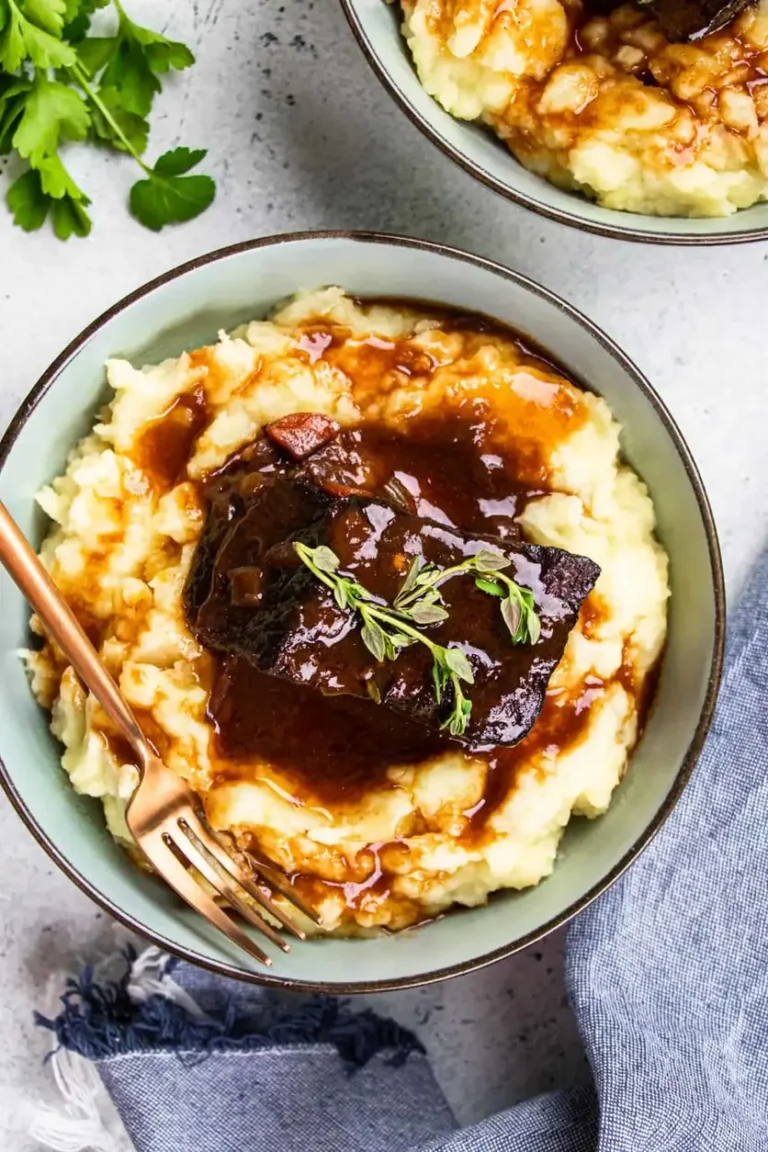
Red Wine Braised Short Ribs
This recipe for red wine braised short ribs is an impressive dish that looks and tastes like it came from a French bistro. The slow braise in red wine and beef broth creates incredibly tender, fall-apart meat that is rich and deeply flavorful.
- Total Time: Approx. 4 hours 25 minutes
- Yield: 4-6 1x
Ingredients
- 2 (3 to 4 lbs.) beef short ribs, bone-in, preferably chuck
- 2 tablespoons olive oil
- 1 teaspoon salt
- 1 teaspoon black pepper
- 1 large yellow onion, chopped
- 2 carrots, peeled and chopped
- 2 celery stalks, chopped
- 4 cloves garlic, minced
- 1 (750ml) bottle dry red wine (such as Cabernet Sauvignon, Merlot, or Pinot Noir)
- 4 cups beef broth
- 2 sprigs fresh thyme
- 1 sprig fresh rosemary
- 2 bay leaves
- 2 tablespoons tomato paste
- 1 tablespoon Worcestershire sauce
- For Serving (Optional):
- Mashed potatoes, polenta, or egg noodles
- Fresh parsley, chopped
Instructions
- Preheat oven to 325 degrees F (160 degrees C).
- Pat the short ribs dry with paper towels and season generously with salt and pepper.
- Heat olive oil in a large Dutch oven or oven-safe pot over medium-high heat. Sear the short ribs on all sides until deeply browned. Remove the ribs from the pot and set aside.
- Add the chopped onion, carrots, and celery to the pot. Cook, stirring occasionally, until softened, about 8-10 minutes. Add the minced garlic and cook for another minute until fragrant.
- Pour in the bottle of red wine, scraping up any browned bits from the bottom of the pot. Bring to a simmer and cook until the wine has reduced by about half, about 10-15 minutes.
- Stir in the beef broth, tomato paste, and Worcestershire sauce. Add the thyme, rosemary, and bay leaves.
- Return the seared short ribs to the pot, ensuring they are mostly submerged in the liquid. Add more beef broth if necessary to cover.
- Bring the liquid to a simmer, then cover the Dutch oven tightly (with lid or foil) and transfer to the preheated oven.
- Braise for 3 to 4 hours, or until the short ribs are very tender and falling off the bone. The exact cooking time will depend on the size and thickness of the ribs.
- Remove the short ribs from the pot and set aside. Discard the thyme, rosemary, and bay leaves.
- If desired, skim off excess fat from the braising liquid. You can also thicken the sauce by simmering it on the stovetop over medium heat until it reaches your desired consistency.
- Serve the short ribs spooned over mashed potatoes, polenta, or egg noodles, with plenty of the braising sauce drizzled over the top. Garnish with fresh parsley, if desired.
Notes
For an even richer flavor, consider letting the braised short ribs cool in the sauce overnight in the refrigerator, then reheating gently before serving. This allows the flavors to meld even further.
- Prep Time: 25 minutes
- Cook Time: 3-4 hours
- Method: Main Course
- Cuisine: French
“`