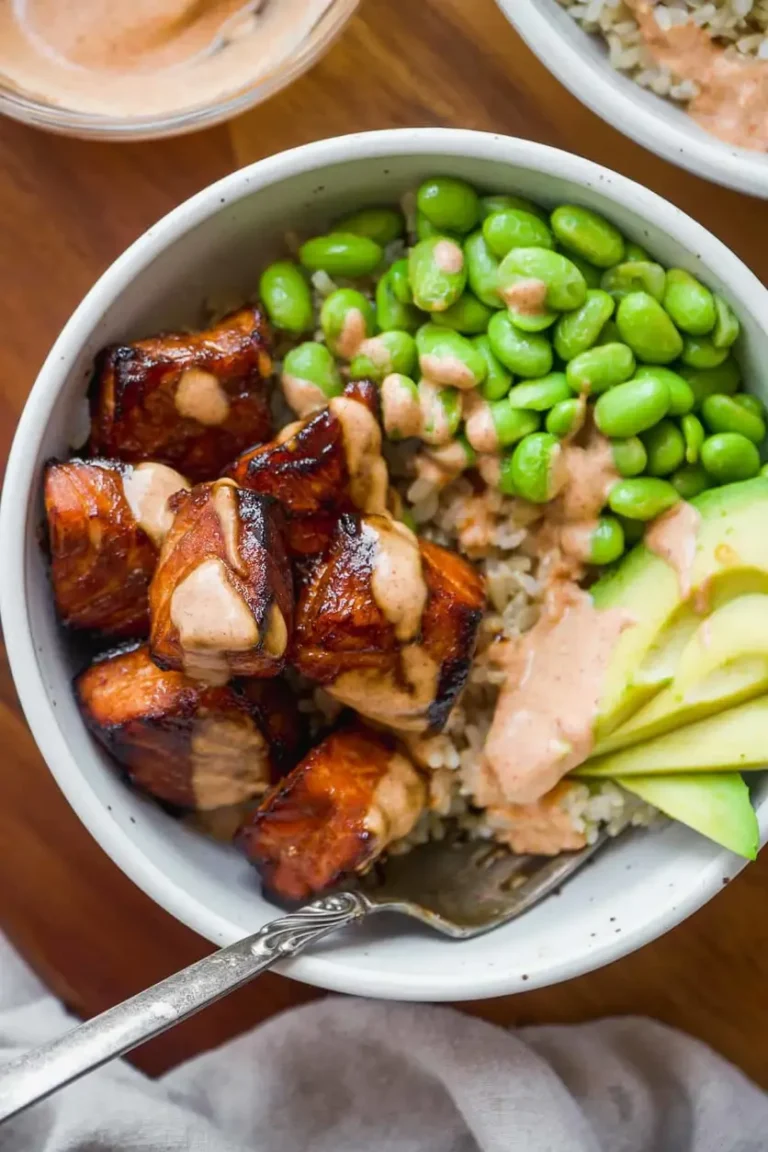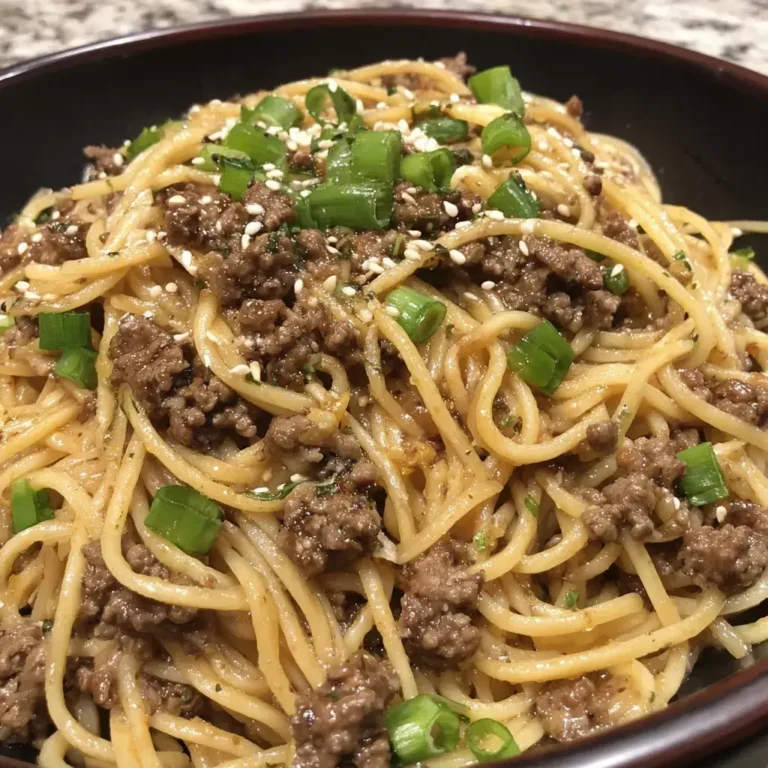
Affordable and Nutritious Poverty Meal Plan for Every Family
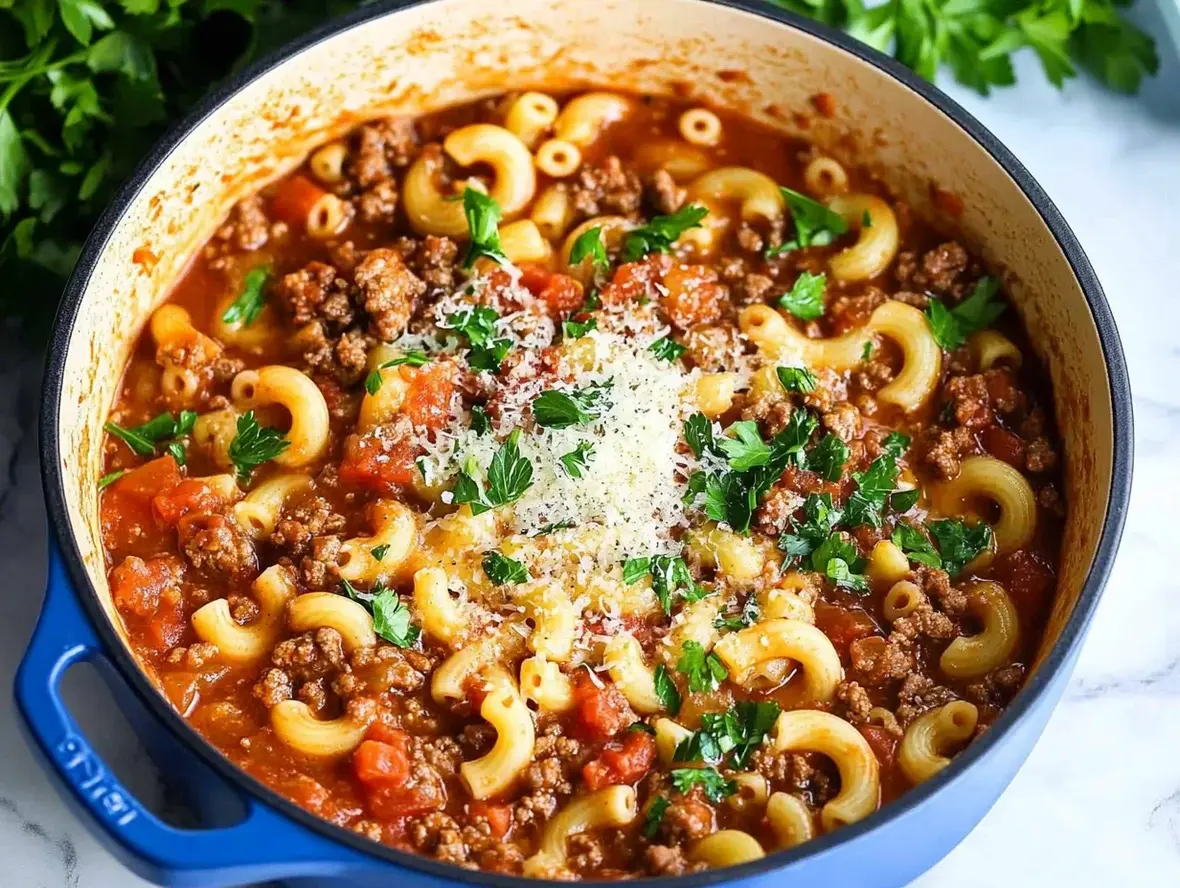
Table of Contents
Affordable and Nutritious Poverty Meal Plan for Every Family
Introduction
Did you know that according to the USDA, over 13 million households in the United States face food insecurity, struggling to afford balanced meals? How can you create an affordable and nutritious poverty meal plan that feeds your family without breaking the bank? In this guide, we’ll dive into a comprehensive poverty meal plan designed for every family, focusing on budget-friendly ingredients that deliver essential nutrients. This plan emphasizes wholesome, simple recipes that can be prepared with minimal time and effort, ensuring your loved ones stay healthy and satisfied even in tough economic times.
Eating well on a limited budget is entirely possible with strategic planning. By incorporating affordable staples like beans, lentils, rice, and seasonal vegetables, you can build a poverty meal plan that not only saves money but also promotes better health. Studies from the Harvard School of Public Health show that diets rich in plant-based foods can reduce the risk of chronic diseases by up to 30%, making this approach not just economical but life-enhancing. Throughout this article, we’ll cover everything from ingredient lists to step-by-step instructions, nutritional breakdowns, and FAQs to make your meal planning effortless.
Imagine whipping up hearty, nutritious meals that cost less than $5 per serving for a family of four. This poverty meal plan revolves around versatile ingredients that stretch your dollar while providing a rainbow of nutrients—from proteins to vitamins. Whether you’re a busy parent, a single adult, or anyone navigating financial constraints, this guide is tailored to help you thrive. Let’s explore how to balance affordability with nutrition, turning everyday groceries into extraordinary meals that everyone in the family will enjoy.
Ingredients List
To build your affordable and nutritious poverty meal plan, focus on low-cost, versatile ingredients that store well and offer high nutritional value. Here’s a curated list for a 7-day plan serving 4 people, with sensory descriptions and substitution ideas:
- Rice (5 lbs): A fluffy, neutral base with a subtle earthy aroma; substitute with quinoa for added protein or barley for a chewier texture.
- Lentils or Beans (2 lbs): Savory, slightly nutty flavor when cooked; swap kidney beans for chickpeas for a creamier option.
- Pasta (2 lbs): Smooth and comforting, with a slightly chewy bite; try whole wheat for extra fiber or zucchini noodles for a low-carb twist.
- Potatoes (10 lbs): Starchy and creamy when mashed, with a mild, buttery taste; substitute with sweet potatoes for sweetness and beta-carotene.
- Onions and Garlic (2 lbs each): Pungent, aromatic kick that adds depth to dishes; use shallots for a milder flavor or powdered versions in a pinch.
- Canned Tomatoes (10 cans): Tangy, juicy burst; opt for fresh if on sale or salsa for variety.
- Frozen Vegetables (5 lbs): Crisp, vibrant colors and crunch—mix of peas, carrots, and broccoli; fresh equivalents if available cheaper.
- Eggs (2 dozen): Protein-packed, with a rich, custard-like yolk; tofu scramble for vegetarians.
- Peanut Butter (1 jar): Creamy, nutty spread; almond butter or sunflower seed butter as nut-free alternatives.
- Oats (2 lbs): Warm, hearty flakes for breakfast; use brown rice flour for a grain-free option.
- Seasonings (salt, pepper, cumin, paprika): Spicy, fragrant enhancers; dried herbs like oregano or DIY spice blends.
This list totals about $50-70 for the week, depending on location, offering meals like lentil soup, potato hash, and pasta with tomato sauce. Sensory-wise, expect comforting aromas of simmering garlic and herbs that fill your home, elevating even the simplest meals.
Timing
Efficient time management is key to sticking with an affordable and nutritious poverty meal plan. For this 7-day plan, expect the following:
Compared to average recipes on sites like Pinterest, which often take 45-60 minutes for complex dishes, this poverty meal plan streamlines prep by batch cooking—say, boiling a large pot of lentils or rice once for multiple meals. Over the week, you’ll save 3-5 hours by reusing leftovers, making it faster than standard family dinners that require daily scratch cooking.
Step-by-Step Instructions
Planning Your Meal Plan
Kick off your affordable and nutritious poverty meal plan by mapping out meals for the week. On a Sunday afternoon, list breakfast, lunch, dinner, and snacks that repeat staples. Allocate days like Monday for lentil stew, Tuesday for potato pancakes, ensuring variety without waste. Use apps like Plan to Eat or a simple spreadsheet to track portions and costs—aim for calorie balance and nutrient diversity, like pairing proteins with veggies.
Grocery Shopping Tips
Shop smart to maximize your budget for this poverty meal plan. Visit discount stores or use apps like Ibotta for cashback on rice and beans. Buy generic brands—save 20-30% on canned goods—and stick to store brands for eggs and oats. Check weekly flyers for deals on seasonal produce like onions. Carry a reusable bag and limit impulse buys, focusing only on the ingredients list to avoid overspending.
Preparing Affordable Meals
Start with foundational recipes. For example, simmer lentils with onions, garlic, and canned tomatoes for a savory stew—stir in cumin for flavor. Boil pasta separately and mix in frozen veggies for nutrition. Mash potatoes with a touch of peanut butter for a creamy side. These steps create versatile components: stew for dinner, pasta for lunch, potatoes for breakfast hash.
Cooking Simultaneously
Multitask to save time in your poverty meal plan. While lentils simmer, start boiling rice and roasting potatoes in thesame oven. Use one pot for sauces and another for eggs. This approach reduces cook time by 50%, turning chaos into efficiency—your kitchen will hum with productive activity, filling the air with inviting scents.
Portioning and Storage
Divide meals into containers immediately after cooling. Label with dates for this nutritious poverty meal plan. For instance, portion stew into four containers for lunches. Freeze extras like cooked rice or beans for up to a month. This prevents spoilage, ensures meal availability, and keeps your fridge organized for easy access.
Nutritional Information
Each serving in this affordable and nutritious poverty meal plan provides balanced nutrition to support family health:
- Calories: 400-600 per meal, depending on portion.
- Protein: 15-20g from lentils, eggs, and beans.
- Carbohydrates: 50-70g, mostly complex from rice and potatoes.
- Fat: 10-15g, healthy sources like natural peanut butter.
- Fiber: 10-15g to aid digestion and satiety.
- Vitamins: Rich in A, C, and B-vitamins from veggies.
This breakdown aligns with USDA guidelines, promoting fullness without excess, ideal for managing budgets and health on a poverty meal plan.
Healthier Alternatives
Elevate your poverty meal plan with flavor-preserving swaps for nutrition boosts:
- Swap white rice for brown rice to double fiber without altering the mild flavor.
- Use low-sodium canned tomatoes to reduce sodium while keeping the tangy essence.
- Add leafy greens like spinach to eggs for potassium, maintaining richness.
- Replace peanut butter with hummus in spreads for a plant-based protein boost with creaminess.
- Incorporate herbs instead of salt for heart-healthy seasoning—cumin adds warmth without compromise.
These tweaks keep meals delicious while cutting calories by 10-20% and enhancing nutrient profiles.
Serving Suggestions
Make your affordable and nutritious poverty meal plan more enjoyable with creative servings:
- Serve lentil stew over rice for a hearty dinner, garnished with chopped onions for crunch.
- Pair pasta with tomato sauce and roasted potatoes for a complete plate.
- Top oatmeal with peanut butter and cinnamon for a comforting breakfast.
- Snack on veggie sticks with egg dip, keeping portions family-friendly and fun.
- Offer batch-cooked meals in bowls for easy assembly, encouraging customization.
These ideas turn simple ingredients into appealing dishes, perfect for picky eaters on a tight budget.
Common Mistakes
Avoid pitfalls in your poverty meal plan to ensure success and nutrition:
- Don’t overload on rice—balance with proteins to prevent carb overload and maintain energy.
- Avoid skipping prep; neglecting to soak beans leads to longer cook times and digestibility issues.
- Don’t buy in bulk without storage—rice weevils can infest improperly stored grains.
- Steer clear of salty additives; use herbs to keep meals heart-healthy and appealing.
- Avoid reusing oils excessively; opting for water-sauteing saves calories and costs.
By sidestepping these, your meal plan remains efficient and healthy.
Storing Tips
Maximize freshness for your affordable and nutritious poverty meal plan:
- Refrigerate cooked meals in airtight containers for up to 4 days.
- Freeze portions like stew in freezer bags, labeled with dates, for 1-2 months.
- Store dry goods like rice and lentils in cool, dark pantry spots to extend shelf life.
- Keep onions and potatoes separated to prevent premature sprouting.
- Use leftovers creatively—turn stew into soup bases for variety.
Proper storage minimizes waste, stretching ingredients for the whole week.
Conclusion
In summary, this affordable and nutritious poverty meal plan empowers every family to eat well on a shoestring budget, proving that financial challenges don’t have to mean nutritional sacrifices. By focusing on versatile ingredients, efficient timing, and smart storage, you’ve unlocked a sustainable way to nourish your loved ones with meals that are both cost-effective and mouthwatering.
Whether you’re starting today or refining your habits, remember that consistency is key—track what works and adjust as needed. This plan isn’t just about survival; it’s about thriving with wholesome choices that support long-term health. Ready to transform your kitchen? Start by gathering those staples, and watch your family flourish. Share your experiences in the comments below or try related recipes on Leo’s Foods for more inspiration. Bon appétit!
FAQs
***How much does this poverty meal plan cost per week?***
Typically $50-70 for a family of four, depending on location and sales—far below average grocery bills.
***Can I make this plan vegetarian?***
Absolutely—substitute eggs with tofu or extra beans for all protein needs.
***How long does it take to prepare?***
Initial prep is 30 minutes, with batch cooking reducing daily efforts to reheating.
***Is this plan nutritionally complete?***
Yes, it covers carbohydrates, proteins, fats, and vitamins when varied properly.
***What if I have food allergies?***
Customize by replacing items—like gluten-free pasta or nut-free spreads—as detailed in substitutions.
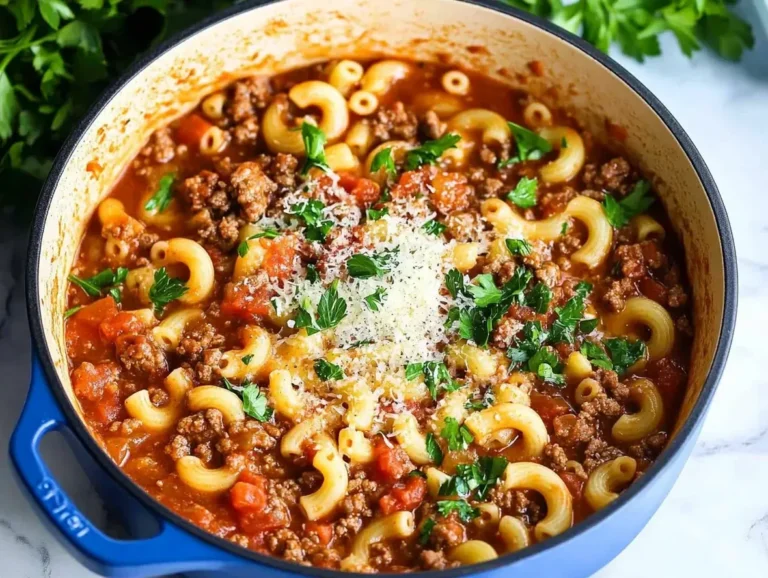
Easy 20-Minute Poverty Meal
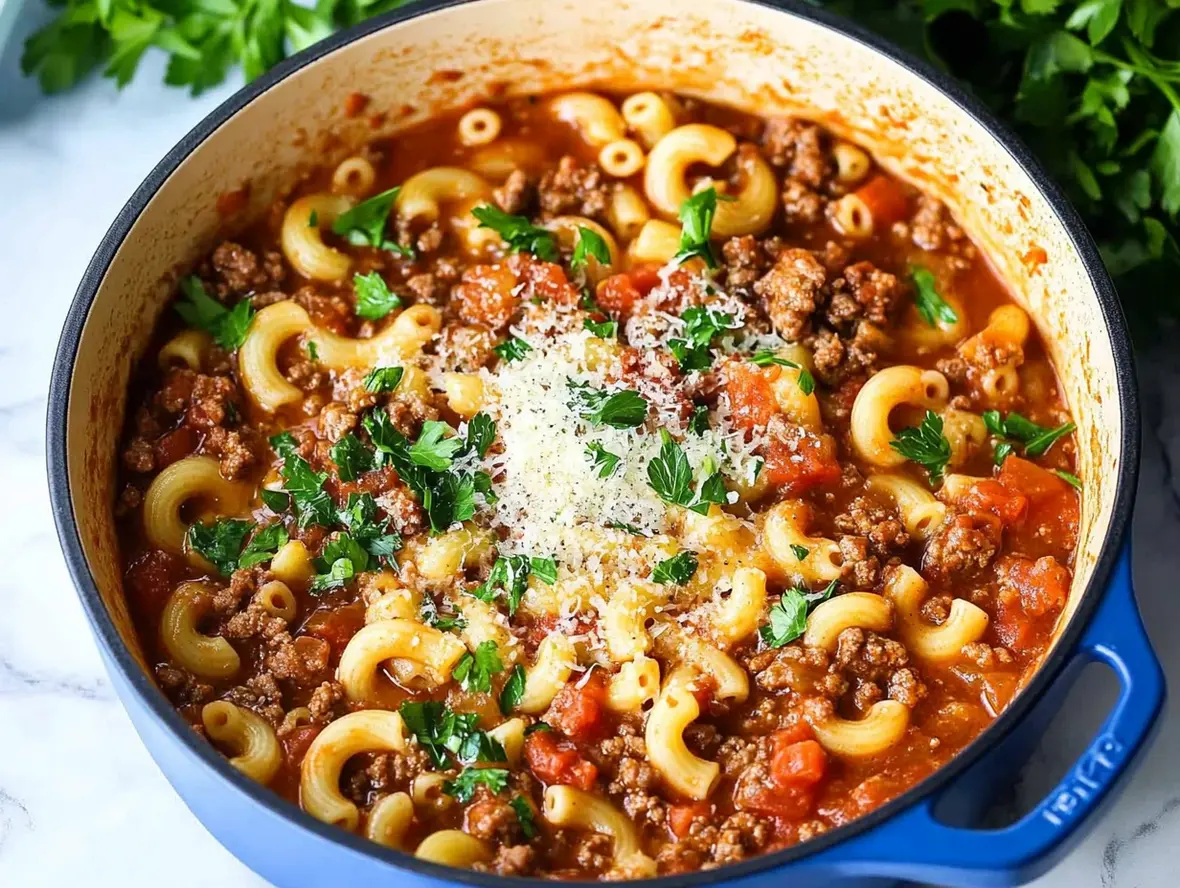
This simple, budget-friendly one-pot dish is perfect for busy nights or when you’re watching your wallet. It’s hearty, comforting, and comes together with just 10 ingredients in only 20 minutes!
Ingredients
- 1 cuponion, chopped2garlic cloves, minced1lb lean ground beef2(15 oz) cans stewed tomatoes (with juice)1(15 oz) can water1 tspdried parsley1 tspdried oregano½ tspred pepper flakes½ tspsaltFreshly ground black pepper, to taste8 ozelbow macaroniFreshly grated Parmesan cheese, for serving
- 2garlic cloves, minced1lb lean ground beef2(15 oz) cans stewed tomatoes (with juice)1(15 oz) can water1 tspdried parsley1 tspdried oregano½ tspred pepper flakes½ tspsaltFreshly ground black pepper, to taste8 ozelbow macaroniFreshly grated Parmesan cheese, for serving
- 1lb lean ground beef2(15 oz) cans stewed tomatoes (with juice)1(15 oz) can water1 tspdried parsley1 tspdried oregano½ tspred pepper flakes½ tspsaltFreshly ground black pepper, to taste8 ozelbow macaroniFreshly grated Parmesan cheese, for serving
- 2(15 oz) cans stewed tomatoes (with juice)1(15 oz) can water1 tspdried parsley1 tspdried oregano½ tspred pepper flakes½ tspsaltFreshly ground black pepper, to taste8 ozelbow macaroniFreshly grated Parmesan cheese, for serving
- 1(15 oz) can water1 tspdried parsley1 tspdried oregano½ tspred pepper flakes½ tspsaltFreshly ground black pepper, to taste8 ozelbow macaroniFreshly grated Parmesan cheese, for serving
- 1 tspdried parsley1 tspdried oregano½ tspred pepper flakes½ tspsaltFreshly ground black pepper, to taste8 ozelbow macaroniFreshly grated Parmesan cheese, for serving
- 1 tspdried oregano½ tspred pepper flakes½ tspsaltFreshly ground black pepper, to taste8 ozelbow macaroniFreshly grated Parmesan cheese, for serving
- ½ tspred pepper flakes½ tspsaltFreshly ground black pepper, to taste8 ozelbow macaroniFreshly grated Parmesan cheese, for serving
- ½ tspsaltFreshly ground black pepper, to taste8 ozelbow macaroniFreshly grated Parmesan cheese, for serving
- Freshly ground black pepper, to taste8 ozelbow macaroniFreshly grated Parmesan cheese, for serving
- 8 ozelbow macaroniFreshly grated Parmesan cheese, for serving
- Freshly grated Parmesan cheese, for serving
Instructions
- 1️⃣Cook the beef and aromatics: In a large skillet over medium-high heat, add the ground beef, chopped onion, and minced garlic. Cook for 5-7 minutes, stirring frequently, until the beef is browned and the onion is translucent. Drain any excess fat if needed.2️⃣Add liquids and seasonings: Stir in the stewed tomatoes (with their juice), 1 can of water, dried parsley, dried oregano, red pepper flakes, salt, and freshly ground black pepper. Mix everything well.3️⃣Incorporate the pasta: Bring the mixture to a boil, then add the elbow macaroni. Reduce the heat to low, cover the skillet, and let it simmer for about 15 minutes, stirring occasionally to prevent the pasta from sticking to the bottom of the pan.4️⃣Serve: Once the pasta is tender and the flavors are melded, remove the skillet from heat. Serve hot, topped with freshly grated Parmesan cheese. Adjust seasoning with additional salt or pepper if needed.
- 2️⃣Add liquids and seasonings: Stir in the stewed tomatoes (with their juice), 1 can of water, dried parsley, dried oregano, red pepper flakes, salt, and freshly ground black pepper. Mix everything well.3️⃣Incorporate the pasta: Bring the mixture to a boil, then add the elbow macaroni. Reduce the heat to low, cover the skillet, and let it simmer for about 15 minutes, stirring occasionally to prevent the pasta from sticking to the bottom of the pan.4️⃣Serve: Once the pasta is tender and the flavors are melded, remove the skillet from heat. Serve hot, topped with freshly grated Parmesan cheese. Adjust seasoning with additional salt or pepper if needed.
- 3️⃣Incorporate the pasta: Bring the mixture to a boil, then add the elbow macaroni. Reduce the heat to low, cover the skillet, and let it simmer for about 15 minutes, stirring occasionally to prevent the pasta from sticking to the bottom of the pan.
- 4️⃣Serve: Once the pasta is tender and the flavors are melded, remove the skillet from heat. Serve hot, topped with freshly grated Parmesan cheese. Adjust seasoning with additional salt or pepper if needed.
Notes
Stretch it further: Add a can of beans (such as kidney or black beans) or frozen vegetables like peas or corn for extra nutrition and servings.Swap it up: Use ground turkey, chicken, or a plant-based ground meat alternative to fit dietary preferences.Storage: Store leftovers in an airtight container in the refrigerator for up to 3 days. Reheat gently on the stovetop or microwave.Cheesy upgrade: Stir in shredded cheddar or mozzarella for an extra cheesy kick.
Swap it up: Use ground turkey, chicken, or a plant-based ground meat alternative to fit dietary preferences.Storage: Store leftovers in an airtight container in the refrigerator for up to 3 days. Reheat gently on the stovetop or microwave.Cheesy upgrade: Stir in shredded cheddar or mozzarella for an extra cheesy kick.
Storage: Store leftovers in an airtight container in the refrigerator for up to 3 days. Reheat gently on the stovetop or microwave.Cheesy upgrade: Stir in shredded cheddar or mozzarella for an extra cheesy kick.
Cheesy upgrade: Stir in shredded cheddar or mozzarella for an extra cheesy kick.