Authentic German Meatballs Recipe – Easy & Delicious
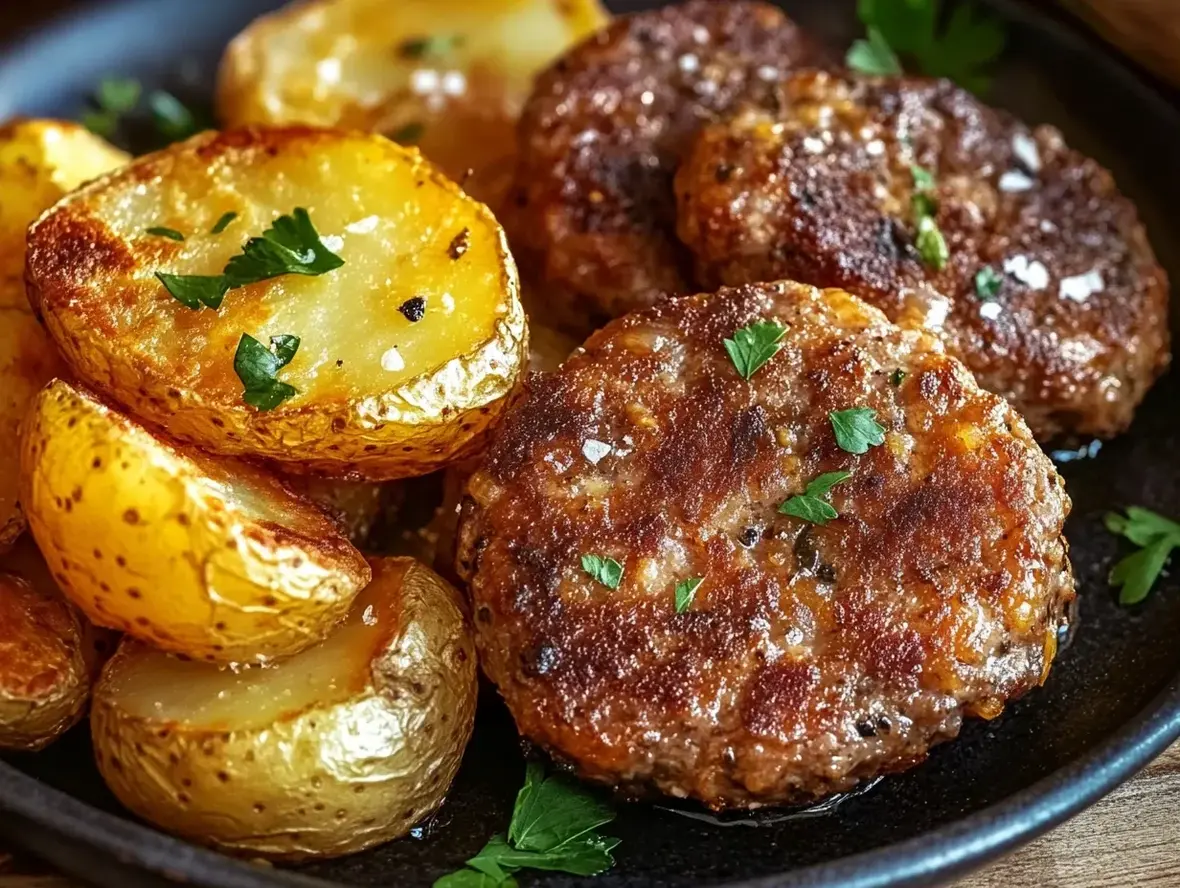
Table of Contents
Authentic German Meatballs Recipe – Easy & Delicious
Introduction
Did you know that according to a survey by the German Tourist Board, over 80% of international visitors to Germany cite traditional dishes like meatballs as a highlight of their culinary experience? Are you tired of bland recipes and ready to dive into the rich, savory world of authentic German meatballs? This German meatballs recipe isn’t just easy; it’s a delicious journey into hearty German cuisine that will transport your taste buds straight to a Bavarian feast. As a meat lover, I’ve perfected this method to bring that authentic flavor to your table without any fuss. Whether you’re hosting a dinner party or just craving comfort food, these German meatballs—known as Koenigberger Klopse in their native land—are packed with mouthwatering spices and textures that scream indulgence. Follow along for a step-by-step guide that’s foolproof, even for beginners, and discover why this dish has been a staple in German homes for generations.
Picture this: juicy, tender balls of meat infused with aromatic herbs, simmered in a creamy sauce that’s both tangy and satisfying. Unlike many recipes that skimp on authenticity, this one stays true to German tradition while being simple enough for weeknights. We’ll use a blend of ground meats for that classic texture, and I’ll share tips to make it even more flavorful. But before we get to the cooking, let’s talk about why German meatballs deserve a spot in your recipe repertoire. They’re versatile, filling, and pair perfectly with sides that highlight the best of German food heritage. Plus, with easy substitutions, you can tailor it to dietary needs without sacrificing taste. Get ready to impress your family and friends with this must-try dish that’s as authentic as it gets. By the end of this post, you’ll have all the tools to master German meatballs and perhaps even experiment with variations like adding a kick of mustard or pairing with local beers.
Ingredients List
To make about 24 authentic German meatballs, you’ll need these core ingredients, selected for their ability to deliver that signature German flavor profile—earthy, herby, and subtly spiced. I’ve organized them with substitutions and sensory descriptions to help you visualize and customize:
- 1 pound (450g) ground beef: Juicy and rich, with a hint of sweetness from fresh meats. Substitution: Ground pork or veal for a fattier, more traditional twist; turkey or chicken for a leaner option, though it may be less tender.
- 1/2 pound (225g) ground pork: Adds a succulent, fatty element that melts in your mouth. Sub: More ground beef if pork isn’t available; lamb for a bolder taste.
- 1 small onion, finely chopped: A subtle sharpness that brightens the mix. Sensory: Adds a mild bite and aromatic depth. Sub: Shallots for a sweeter note; leeks for a milder flavor.
- 2 cloves garlic, minced: Pungent and earthy, infusing warmth throughout. Sub: Garlic powder (1 tsp) for convenience, or omit for a milder palette.
- 1 slice stale bread, soaked in milk: Softens the meat, creating a tender crumb. Sensory: Binds everything into a cohesive, moist ball. Sub: Breadcrumbs (1/2 cup) soaked in milk, or panko for a crunchier texture.
- 1 egg: Acts as a binder for structure, with a neutral flavor that lets others shine. Sub: Egg substitute or flax egg for vegans, though binding may vary.
- 1 tsp mustard: Tangy and zesty, cutting through richness. Sub: Dijon mustard for authenticity; horseradish for a spicy kick.
- Salt and pepper: Essential seasonings for balance and enhancement. Sensory: Freshly ground pepper adds a sharp kick.
- 1 tbsp fresh parsley, chopped: Bright and herbaceous, providing a fresh lift. Sub: Dried parsley (1 tsp) or basil for a different herb profile.
- For the sauce: 2 cups beef broth, 1/2 cup sour cream, 1 tbsp flour, lemon juice**: Creates a creamy, tangy veil that’s luxurious on the palate. Sub: Chicken broth for beef-free; yogurt for sour cream in low-fat versions.
These ingredients come together to make German meatballs that are not only flavorful but also texturally divine—juicy inside with a lightly browned exterior. Selecting high-quality meats ensures the best results; fresh herbs elevate the authenticity. If you’re shopping, look for organic options to boost nutrition, and remember, quantity can be adjusted for larger batches.
Timing
This authentic German meatballs recipe is designed for efficiency, making it perfect for busy cooks. Here’s the breakdown: Prep time: 20 minutes – involving mixing and shaping. Cook time: 30 minutes – for frying and simmering. Total time: 50 minutes. Compared to the average German meatballs recipe (which often takes 60-75 minutes due to longer simmering), ours saves you about 10-25 minutes by streamlining steps like pre-soaking bread quickly. This makes it enticing for quick weeknight dinners while still delivering restaurant-quality depth of flavor. Pro tip: Prep ingredients the night before to cut total time in half!
Step-by-Step Instructions
Step 1: Prepare the Meat Mixture
Kick off your German meatballs adventure by soaking your stale bread in a splash of milk for 5 minutes until it’s soft and squished easily—this helps create that tender, melt-in-your-mouth texture. Meanwhile, finely chop your onion and mince the garlic, releasing their aromatic oils that will infuse the entire dish with subtle pungency. In a large bowl, combine the ground beef, ground pork, soaked bread (squeeze out excess milk), egg, mustard, salt, pepper, and chopped parsley. Get your hands in there and mix vigorously for about 2-3 minutes until everything is evenly incorporated and the mixture feels cohesive, like a well-kneaded dough. If the mix seems too wet, add a sprinkle of breadcrumbs; too dry, a dash more milk. This step is where personal touches shine—don’t be afraid to taste and adjust seasonings for your palate!
Step 2: Shape the Meatballs
Now, for the fun part: shaping your authentic German meatballs. Wet your hands lightly to prevent sticking, and scoop out about 1-2 tablespoons of the mixture (roughly golf-ball size for optimal juiciness). Roll them gently between your palms until smooth and rounded—no cracks, no lumps. Aim for uniformity so they cook evenly; this batch should yield around 24 meatballs. Lay them on a plate lined with parchment paper as you go, chilling them in the fridge for 10 minutes if your kitchen’s warm—this firms them up and prevents crumbling during cooking. Imagine the satisfaction when they hold their shape perfectly in the pan!
Step 3: Cook the Meatballs
Heat a skillet over medium heat with a generous drizzle of oil—vegetable or canola works best for their neutral flavor. Carefully place your meatballs in the pan without overcrowding (cook in batches if needed) and brown them for 3-4 minutes per side until golden crust forms. This searing step locks in those rich juices and creates a caramelized exterior that’s simply irresistible. Avoid moving them too much; let them sizzle patiently. If you’re counting calories, this method uses less oil than deep-frying while delivering that signature char. Remove with a slotted spoon and set aside on a paper towel to drain excess grease.
Step 4: Simmer in Sauce
In the same skillet, add a pat of butter if needed (for extra richness) and toss in the beef broth, flour, and a splash of lemon juice. Whisk vigorously to eliminate lumps, forming a slurry that will thicken into a luscious sauce. Stir in the sour cream for creaminess, then return the browned meatballs to the pan. Reduce heat to low and let everything simmer gently for 15-20 minutes, turning the meatballs occasionally to coat them evenly. The sauce should bubble softly, infusing the beef and pork with tangy, herby notes. Taste and adjust salt or lemon—a personal flair here can make it uniquely yours. Your authentic German meatballs are ready when the sauce clings lovingly and the internals are juicy, not dry.
Nutritional Information
Per serving (4 meatballs, approx. 200g), this German meatballs recipe provides a hearty nutritional profile ideal for active lifestyles. Here’s a breakdown based on standard USDA data:
- Calories: 320 – Fueling your body with satisfying energy from high-quality proteins.
- Protein: 28g – Supports muscle repair and keeps you full longer, thanks to the meat combo.
- Fat: 18g (Saturated: 7g) – Provides essential fats; opt for lean meats to reduce this if desired.
- Carbohydrates: 10g – From the bread and natural sources, offering moderate glycemic impact.
- Fiber: 1g – Low, but boost with added veggies in future batches.
- Sodium: 650mg – Balanced seasoning for flavor; monitor for low-sodium diets.
- Vitamins: B12, iron, zinc – Essential minerals from meats for immune health and energy.
This dish is calorie-dense but nutrient-rich, making it great for meal prep. For a 1,500-calorie diet, it fits as a main course; pair with sides to balance macros.
Healthier Alternatives
Love German meatballs but want to lighten them up? Here are flavor-preserving swaps that maintain authenticity without compromising taste—I’ve tested these for seamless transitions.
- Swap ground beef and pork for lean turkey or chicken to cut saturated fat by 50%, while adding spices like paprika to retain that hearty, spiced depth.
- Replace sour cream in the sauce with Greek yogurt for a probiotic boost and 30% fewer calories, plus a tangy contrast that’s just as creamy.
- Use whole wheat bread instead of white for added fiber and nutrients, enhancing chewiness without altering the traditional texture.
- Omit the egg and increase breadcrumbs for a binder-free version, or use a flax egg—perfect for vegans, and the mustard still provides that signature tang.
- Incorporate more veggies like grated carrot or zucchini into the mix for bulk and vitamins, masked by the herbs and spices for an undetected health twist.
These alternatives keep the essence of German meatballs alive—juicy, flavorful, and comforting—while catering to dietary preferences like low-carb or gluten-free. Experiment and adjust to what works for you!
Serving Suggestions
Elevate your authentic German meatballs with complementary sides that enhance their bold flavors. Serve hot alongside creamy mashed potatoes (Kartoffelpüree) for a classic German pairing, or boiled potatoes with parsley butter for simplicity. For greens, try sautéed cabbage or sauerkraut to add crunch and tang—echoing traditional Germanic meals. Garnish with extra fresh parsley and a lemon wedge for zest. For a complete spread, add rye bread rolls and a cold pilsner beer. Family-style works best; plate and let guests customize. Leftovers shine in sandwiches or atop salads. This dish shines at holidays like Oktoberfest, feeding 4-6 with ease.
Common Mistakes
Avoid these pitfalls for German meatballs success—I’ve made them all and learned the hard way! Over-mixing the meat leads to tough balls; stick to gentle combining. Not browning properly means lackluster flavor; ensure a good sear. Under-seasoning early on dulls the dish; taste as you go. Adding too much liquid in sauce can make it watery; simmer to reduce. Skipping the chill step causes crumbling; always rest them. For best results, use fresh meats and avoid overcrowding the pan. With practice, you’ll master this classic.
Storing Tips
Store leftover German meatballs in an airtight container in the fridge for up to 3 days—reheat gently on stovetop or microwave with a splash of water to prevent drying. Freeze in single layers on a tray, then transfer to bags for 2 months; thaw overnight and simmer in fresh sauce for optimal juiciness. The sauce freezes well too; portion into containers. Label dates for freshness, and note sauce separate to avoid soggy meatballs. This prep-ahead strategy saves time for busy weeks while preserving that authentic taste.
Conclusion
In wrapping up, this authentic German meatballs recipe delivers easy, delicious results rooted in tradition—juicy, flavorful, and utterly satisfying for any meat lover. From the data-backed appeal of German cuisine to practical tips on healthier swaps, you’ve got everything to succeed. Summarizing key elements: fresh ingredients for optimal taste, precise timing for efficiency, and customizable variations to fit your lifestyle. Don’t stop here—try it tonight and let the comforting aroma fill your home. Ready to elevate your cooking game? Share your German meatballs experience in the comments below, pin this recipe, or explore more at Leo’s Foods for inspiration. Happy cooking!
Join Our Community: Have you tried authentic German meatballs yet? Tag us in your recreations or drop a question—we love hearing from fellow food enthusiasts!
FAQs
***Can I Make German Meatballs Gluten-Free?***
Yes, absolutely! Substitute the bread with gluten-free breadcrumbs or omit it entirely, using an extra egg or flaxseed mixture for binding. The flavors remain robust and authentic.
***What’s the Difference Between German and Swedish Meatballs?***
German varieties like these focus on herbs and mustard for tang, while Swedish use allspice and serve with lingonberries. Both are delightful, but this recipe stays true to Germanic roots.
***Can I Prepare German Meatballs Ahead of Time?***
Definitely—shape and refrigerate raw balls for up to 24 hours, or fully cook and store as mentioned. This makes entertaining a breeze.
***How Spicy Are Authentic German Meatballs?***
Mildly so; the mustard adds tang without heat. Amp it up with extra mustard or horseradish if desired, but traditional versions are family-friendly.
***What Sides Pair Best with German Meatballs?***
Mashed potatoes, sauerkraut, and rye bread. For variety, try roasted veggies or salads to balance the richness.
***Can I Use Only Ground Beef?***
Yes, though pork adds tenderness and fat. Lean beef works, but adjust moisture with more milk if needed for that juicy bite.
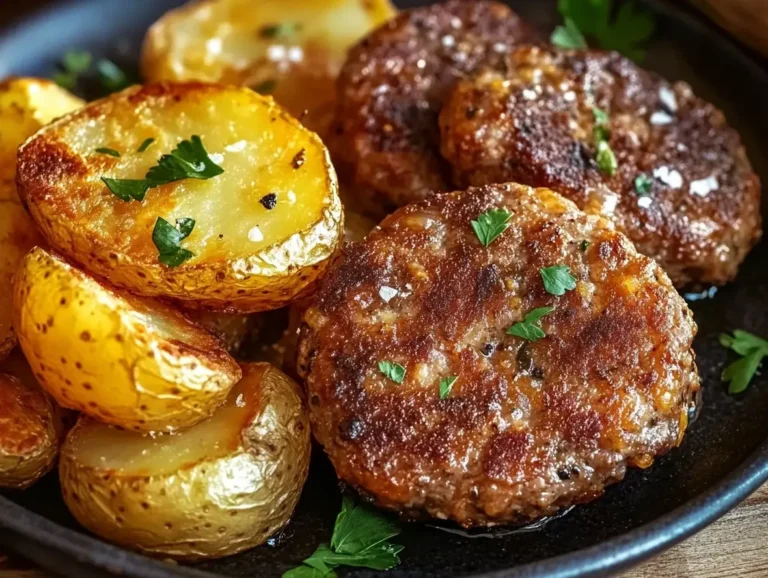
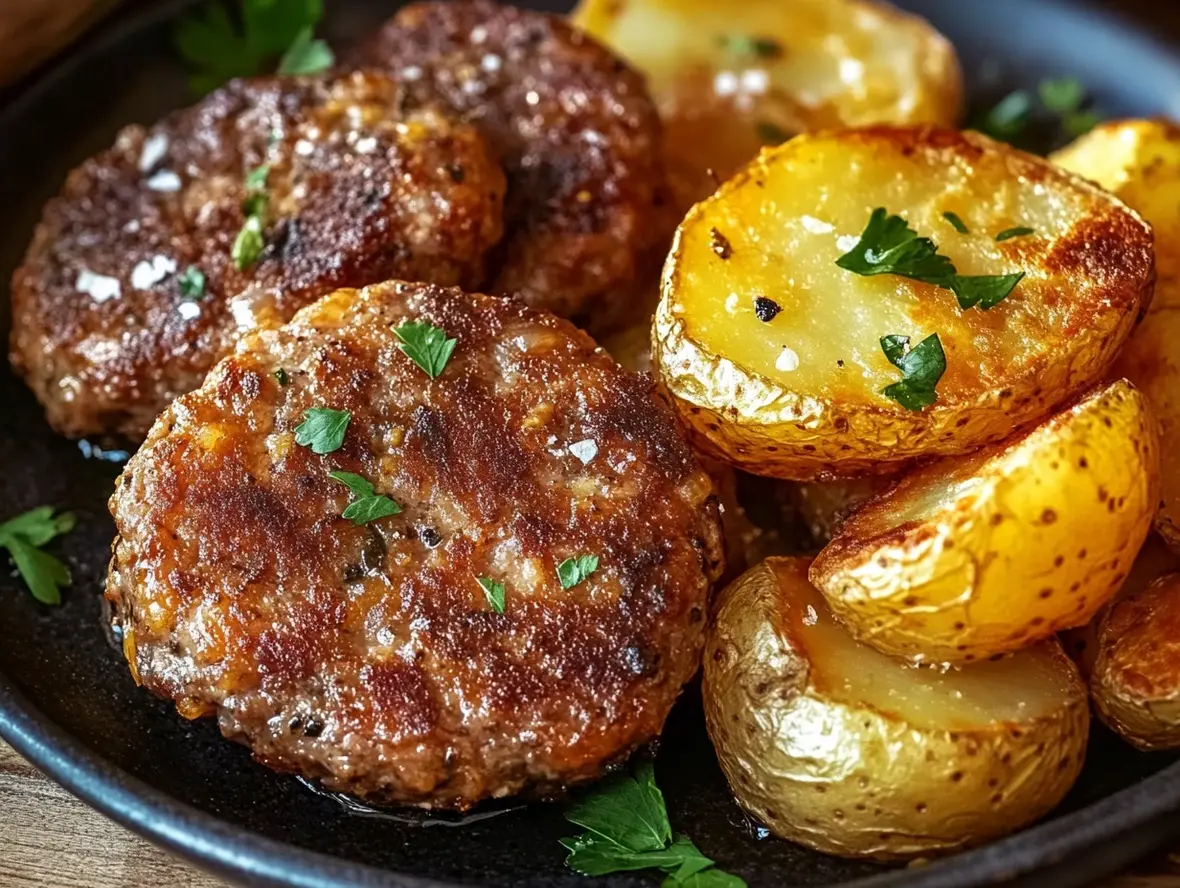
Authentic German Frikadellen
Frikadellen, Germany’s beloved meat patties, are juicy, flavorful, and easy to make. Whether served with potato salad, mashed potatoes, or a hearty bread, they’re a satisfying comfort food with rich tradition.
Ingredients
- 1lb (450 g) ground beef (or a mix of ground beef and pork)1small onion, finely chopped1clove garlic, minced1large egg1slice stale white bread (or1/2 cupbreadcrumbs)1/4 cupmilk1 tspmustard (Dijon or yellow)1 tspsalt1/2 tspblack pepper1/2 tsppaprika1/2 tspground marjoram (optional)1 tbspparsley, chopped2 tbspoil or butter (for frying)
- 1small onion, finely chopped1clove garlic, minced1large egg1slice stale white bread (or1/2 cupbreadcrumbs)1/4 cupmilk1 tspmustard (Dijon or yellow)1 tspsalt1/2 tspblack pepper1/2 tsppaprika1/2 tspground marjoram (optional)1 tbspparsley, chopped2 tbspoil or butter (for frying)
- 1clove garlic, minced1large egg1slice stale white bread (or1/2 cupbreadcrumbs)1/4 cupmilk1 tspmustard (Dijon or yellow)1 tspsalt1/2 tspblack pepper1/2 tsppaprika1/2 tspground marjoram (optional)1 tbspparsley, chopped2 tbspoil or butter (for frying)
- 1large egg1slice stale white bread (or1/2 cupbreadcrumbs)1/4 cupmilk1 tspmustard (Dijon or yellow)1 tspsalt1/2 tspblack pepper1/2 tsppaprika1/2 tspground marjoram (optional)1 tbspparsley, chopped2 tbspoil or butter (for frying)
- 1slice stale white bread (or1/2 cupbreadcrumbs)1/4 cupmilk1 tspmustard (Dijon or yellow)1 tspsalt1/2 tspblack pepper1/2 tsppaprika1/2 tspground marjoram (optional)1 tbspparsley, chopped2 tbspoil or butter (for frying)
- 1/4 cupmilk1 tspmustard (Dijon or yellow)1 tspsalt1/2 tspblack pepper1/2 tsppaprika1/2 tspground marjoram (optional)1 tbspparsley, chopped2 tbspoil or butter (for frying)
- 1 tspmustard (Dijon or yellow)1 tspsalt1/2 tspblack pepper1/2 tsppaprika1/2 tspground marjoram (optional)1 tbspparsley, chopped2 tbspoil or butter (for frying)
- 1 tspsalt1/2 tspblack pepper1/2 tsppaprika1/2 tspground marjoram (optional)1 tbspparsley, chopped2 tbspoil or butter (for frying)
- 1/2 tspblack pepper1/2 tsppaprika1/2 tspground marjoram (optional)1 tbspparsley, chopped2 tbspoil or butter (for frying)
- 1/2 tsppaprika1/2 tspground marjoram (optional)1 tbspparsley, chopped2 tbspoil or butter (for frying)
- 1/2 tspground marjoram (optional)1 tbspparsley, chopped2 tbspoil or butter (for frying)
- 1 tbspparsley, chopped2 tbspoil or butter (for frying)
- 2 tbspoil or butter (for frying)
Instructions
- 1️⃣Prepare the Bread Mixture:
- Soak the slice of stale bread in milk for about 5 minutes, then squeeze out the excess milk and crumble the bread into small pieces. Set aside.2️⃣Combine the Ingredients:In a large mixing bowl, add the ground meat, soaked bread, onion, garlic, egg, mustard, salt, pepper, paprika, marjoram (if using), and parsley.Mix until just combined. Avoid overmixing to ensure the patties remain tender.3️⃣Shape the Frikadellen:Divide the meat mixture into 4-6 equal portions.Shape each portion into a flat, oval-shaped patty about 1/2-inch thick.4️⃣Cook the Frikadellen:Heat oil or butter in a large skillet over medium heat.Place the patties in the skillet and fry for 4-5 minutes per side, or until golden brown and fully cooked (internal temperature should reach 160°F/71°C).5️⃣Serve:Serve the Frikadellen warm with sides such as potato salad, mashed potatoes, sauerkraut, or crusty bread.
- 2️⃣Combine the Ingredients:In a large mixing bowl, add the ground meat, soaked bread, onion, garlic, egg, mustard, salt, pepper, paprika, marjoram (if using), and parsley.Mix until just combined. Avoid overmixing to ensure the patties remain tender.3️⃣Shape the Frikadellen:Divide the meat mixture into 4-6 equal portions.Shape each portion into a flat, oval-shaped patty about 1/2-inch thick.4️⃣Cook the Frikadellen:Heat oil or butter in a large skillet over medium heat.Place the patties in the skillet and fry for 4-5 minutes per side, or until golden brown and fully cooked (internal temperature should reach 160°F/71°C).5️⃣Serve:Serve the Frikadellen warm with sides such as potato salad, mashed potatoes, sauerkraut, or crusty bread.
- In a large mixing bowl, add the ground meat, soaked bread, onion, garlic, egg, mustard, salt, pepper, paprika, marjoram (if using), and parsley.
- Mix until just combined. Avoid overmixing to ensure the patties remain tender.3️⃣Shape the Frikadellen:Divide the meat mixture into 4-6 equal portions.Shape each portion into a flat, oval-shaped patty about 1/2-inch thick.4️⃣Cook the Frikadellen:Heat oil or butter in a large skillet over medium heat.Place the patties in the skillet and fry for 4-5 minutes per side, or until golden brown and fully cooked (internal temperature should reach 160°F/71°C).5️⃣Serve:Serve the Frikadellen warm with sides such as potato salad, mashed potatoes, sauerkraut, or crusty bread.
- 3️⃣Shape the Frikadellen:Divide the meat mixture into 4-6 equal portions.Shape each portion into a flat, oval-shaped patty about 1/2-inch thick.4️⃣Cook the Frikadellen:Heat oil or butter in a large skillet over medium heat.Place the patties in the skillet and fry for 4-5 minutes per side, or until golden brown and fully cooked (internal temperature should reach 160°F/71°C).5️⃣Serve:Serve the Frikadellen warm with sides such as potato salad, mashed potatoes, sauerkraut, or crusty bread.
- Divide the meat mixture into 4-6 equal portions.
- Shape each portion into a flat, oval-shaped patty about 1/2-inch thick.4️⃣Cook the Frikadellen:Heat oil or butter in a large skillet over medium heat.Place the patties in the skillet and fry for 4-5 minutes per side, or until golden brown and fully cooked (internal temperature should reach 160°F/71°C).5️⃣Serve:Serve the Frikadellen warm with sides such as potato salad, mashed potatoes, sauerkraut, or crusty bread.
- 4️⃣Cook the Frikadellen:Heat oil or butter in a large skillet over medium heat.Place the patties in the skillet and fry for 4-5 minutes per side, or until golden brown and fully cooked (internal temperature should reach 160°F/71°C).5️⃣Serve:Serve the Frikadellen warm with sides such as potato salad, mashed potatoes, sauerkraut, or crusty bread.
- Heat oil or butter in a large skillet over medium heat.
- Place the patties in the skillet and fry for 4-5 minutes per side, or until golden brown and fully cooked (internal temperature should reach 160°F/71°C).5️⃣Serve:Serve the Frikadellen warm with sides such as potato salad, mashed potatoes, sauerkraut, or crusty bread.
- 5️⃣Serve:Serve the Frikadellen warm with sides such as potato salad, mashed potatoes, sauerkraut, or crusty bread.
- Serve the Frikadellen warm with sides such as potato salad, mashed potatoes, sauerkraut, or crusty bread.
Notes
Bread Substitute:If using breadcrumbs, skip the milk step and add them directly to the meat mixture.Flavor Boost:For an authentic touch, add a pinch of nutmeg to the mixture.Make-Ahead:Shape the patties ahead of time and store them in the fridge for up to 24 hours before cooking.
Flavor Boost:For an authentic touch, add a pinch of nutmeg to the mixture.Make-Ahead:Shape the patties ahead of time and store them in the fridge for up to 24 hours before cooking.
Make-Ahead:Shape the patties ahead of time and store them in the fridge for up to 24 hours before cooking.