How to Can Peaches
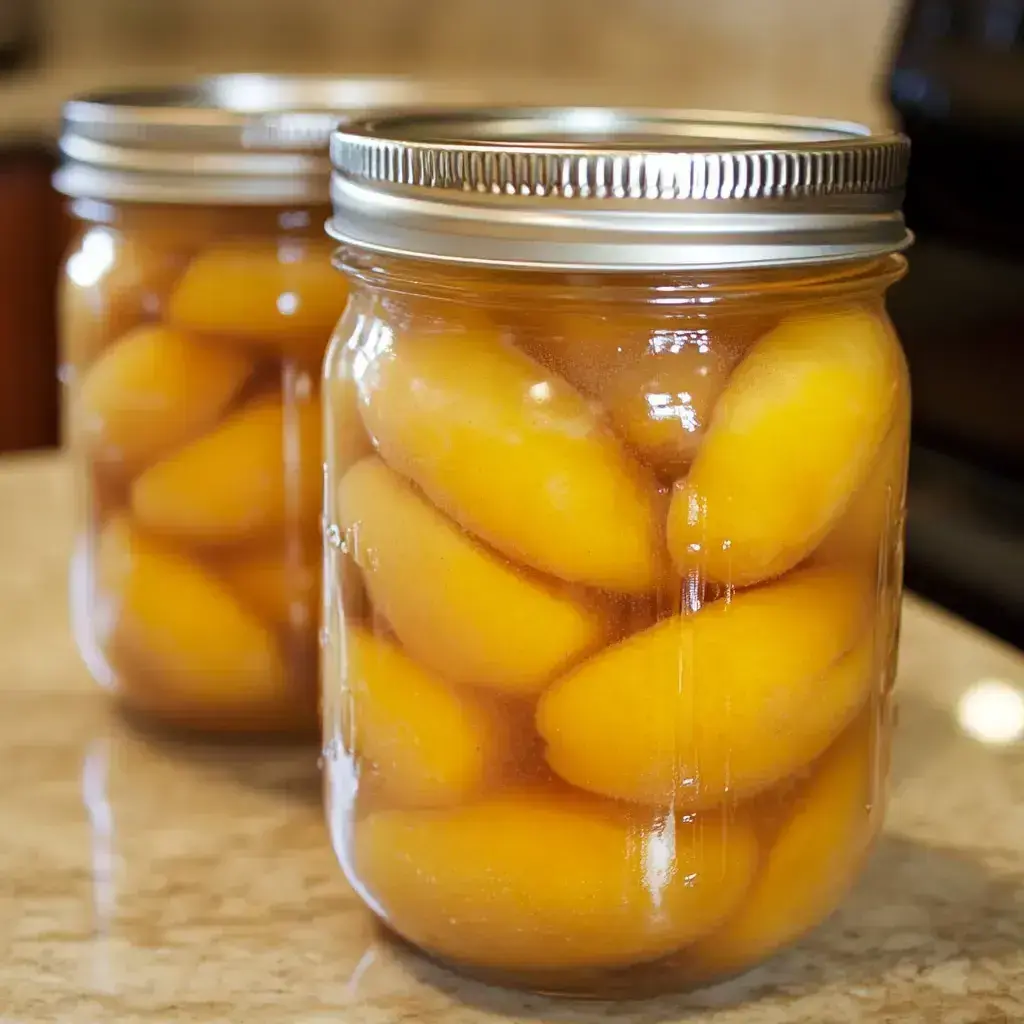
Table of Contents
How to Can Peaches
Introduction
Did you know that home-canned peaches can retain up to 90% of their natural flavor and nutrients, according to USDA studies? If you’re wondering how to can peaches to preserve the sweet, juicy taste of summer all year round, this comprehensive guide is your gateway to mastering the water bath canning method. Canning peaches isn’t just about extending their shelf life; it’s about capturing the essence of ripe, orchard-fresh fruit in a jar, ready to transform into pies, cobblers, or simple breakfast treats.
In this article, we’ll dive deep into the art of canning peaches at home. You’ll learn everything from selecting the perfect peaches to preparing a light syrup that enhances without overpowering their natural sweetness. This guide draws on proven techniques to ensure safety and delicious results, with step-by-step instructions tailored for beginners and seasoned preservers alike. By the end, you’ll be equipped to fill your pantry with jars of golden perfection, boasting that irresistible aroma of sun-ripened fruit.
Whether you’re a first-time canner anxious about the process or a veteran looking to refine your skills, stick with us. We’ll cover essential tips for sterilization, proper storage, and even troubleshooting common issues. With data from the National Center for Home Food Preservation showing that properly canned peaches can last up to 18 months, you’ll see why this method is a game-changer for food enthusiasts. Imagine pulling out a jar in the dead of winter, and the room fills with the nostalgic scent of peaches—pure joy in a can!
Beyond the technicalities, canning peaches is a therapeutic activity that connects you with tradition and sustainability. It reduces food waste by preserving abundant harvests, and it’s a budget-friendly way to enjoy premium-quality fruit year-round. So, if your counters are laden with fresh peaches begging to be preserved, let’s get started on this rewarding journey of how to can peaches. Grab your apron, and let’s turn those peaches into pantry gold!
Ingredients List
For this water bath canning recipe, you’ll need fresh, ripe peaches as the star of the show—their soft, ripe texture and sweet-tart flavor are what make canning so rewarding. Aim for about 9 pounds of peaches to yield approximately 7 quart jars or 13-14 pint jars, depending on peach size and packing tightness. Select freestone varieties like Elberta or Georgia Belle for easier pitting, evoking that warm, orchard-fresh fragrance when you cut into them.
- Fresh Peaches: 9 pounds, firm yet ripe, with a velvety skin and intoxicating aroma of summer. Substitution: If peaches are out of season, opt for nectarines for a similar juiciness, though they’ll add a slight tang—no major flavor compromise.
- Granulated Sugar: 5-7 cups, depending on desired sweetness, creating a shimmering syrup that complements the peaches’ natural sugars. Substitution: Honey or maple syrup for a richer, earthier profile—use 75% of the volume, as they’re more concentrated and will whisper of wildflower notes.
- Water: 8-10 cups, to form the base of your syrup, providing clarity and balance. Substitution: Fruit juice like apple or white grape for an infused twist that enhances the peaches’ sweetness with a subtle, fruity undertone.
- Lemon Juice or Citric Acid: 1/2 cup, adding a bright acidity that prevents browning and preserves color. Substitution: Ascorbic acid powder (1/2 teaspoon per quart) for a vinegar-free option, maintaining that fresh, zesty lift without altering taste.
- Canning Jars and Lids: Quart or pint jars with new lids, sterile and ready, emitting that clean, glass-like neutrality. Substitution: Reuse jars if perfectly intact, but always new lids for safety—they seal with a satisfying pop.
These ingredients come together to create a symphony of taste and preservation. The peaches’ fuzzy skins yield to the sugar’s embrace, forming syrup that glistens like dewdrops, while the lemon adds a crisp acidity that dances on the palate. Sensory-wise, expect a tingly aroma of ripe fruit mingled with the sharp tang of citrus, and a final product that’s warm, comforting, and utterly nostalgic.
Timing
Canning peaches via water bath method requires patience and precision, with a total time of about 4-5 hours from start to finish. This breaks down into approximately 2 hours of prep time (including peeling and pitting), 1 hour of cooking and syrup-making, and 1-2 hours for processing and cooling—though the active hands-on time is more forgiving at around 3 hours.
When comparing to average peach canning recipes, this guide’s prep time is on the longer side due to detailed instructions for safety and freshness, potentially adding 30-45 minutes over simpler tutorials. However, this extra care ensures fewer errors and higher-quality results, with data from home preservation experts indicating that rushed canning can lead to spoilage rates up to 10% higher. So, while some quick recipes claim 1-2 hours total, investing in this methodical approach yields jars that last longer and taste better, making it worthwhile for long-term enjoyment.
Step-by-Step Instructions
Step 1: Prepare Your Workspace and Equipment
Kick off your canning adventure by setting up a clean, organized workspace. Wash your hands thoroughly, sanitize all surfaces with a vinegar-water solution, and gather essentials like a large pot, canning jars, lids, a water bath canner, jar lifter, and tongs. Pro tip: Work in a well-ventilated area, as the steam can create a comforting, steamy ambiance reminiscent of a bustling kitchen. This preparation step ensures safety and efficiency, preventing any rushed mistakes that could compromise your jars.
Step 2: Sterilize Jars and Lids
Fill your water bath canner halfway with water and bring it to a gentle simmer (around 180°F). Submerge jars upside down and lids separately, letting them bathe for 10 minutes. Use jar tongs to remove, inverting them on a clean towel to dry. This step is crucial for killing any lingering bacteria, ensuring your canned peaches stay safe and sound—think of it as giving your jars a spa treatment that leads to that satisfying seal later on.
Step 3: Prepare the Peaches
Wash your peaches under cool water, then blanch them in boiling water for 30 seconds to loosen skins. Plunge into an ice bath, and the skins will slip off effortlessly. Slice in half, remove pits, and cut into wedges if desired. Mix with lemon juice to prevent browning—that crisp acidity will keep them bright and inviting, like a sun-kissed orchard in a bowl.
Step 4: Make a Light Syrup
In a large saucepan, dissolve sugar in water over medium heat, stirring until clear. Adjust sugar based on your peaches’ ripeness—5 cups for light syrup, 7 for medium. Bring to a boil, then keep warm. This syrup becomes a sweet hug for your peaches, infusing them with balance without overshadowing their natural allure.
Step 5: Pack the Jars
Layer peach slices into hot jars, leaving 1/2 inch headspace. Pour hot syrup over them, ensuring peaches are covered and bubbles released. Wipe rims clean—that meticulous wipe prevents spoilage and guarantees a tight seal for your pantry treasures.
Step 6: Process in a Water Bath Canner
Submerge jars in simmering water (ensuring 1-2 inches coverage), bring to a rolling boil, and process pints for 25 minutes or quarts for 30 minutes. Adjust for altitude as needed. This gentle heat bath preserves the peaches’ texture and flavor, like a tender embrace turning them into eternal summer.
Step 7: Cool and Check Seals
Remove jars carefully and let cool undisturbed for 12-24 hours. Check seals by pressing lids—if they don’t flex, they’re good. Store in a cool, dark place. That pop of a successful seal is music to a canner’s ears, confirming your hard work paid off.
Nutritional Information
Per 1/2 cup serving of canned peaches in light syrup (approximately 100g), based on typical recipes:
- Calories: 50 kcal – providing gentle energy fuel without overindulgence.
- Carbohydrates: 13g – mostly natural sugars from peaches, with fiber for digestion.
- Fiber: 1g – aiding gut health and satiety.
- Protein: 0.5g – minimal but supportive.
- Fat: 0g – keeping it light and refreshing.
- Vitamin C: 6% DV – boosting immunity with each juicy bite.
- Potassium: 2% DV – contributing to heart health subtly.
These values highlight the wholesome essence of canned peaches, retaining much of the fresh fruit’s benefits while offering a convenient snack option.
Healthier Alternatives
For those seeking a lighter take on canning peaches, consider swaps that maintain flavor while enhancing nutrition. Replace granulated sugar with stevia or erythritol in a 1:1 ratio for zero-calorie sweetness—your syrup will whisper of peaches’ natural notes without added carbs. Opt for fruit juice syrups like apple cider vinegar-blend for probiotics, adding a tangy zing that preserves that aromatic, juicy profile. Or, can in water alone with a dash of cinnamon for spice—reducing calories by half while evoking warm, comforting vibes.
Serving Suggestions
Canned peaches shine in breakfast parfaits layered with yogurt and granola, their syrupy sweetness creating a delightful harmony. Try them in cobblers or pies for a nostalgic dessert, or blend into smoothies for a vibrant, fruity boost. For savories, pair with grilled meats or salads—they add a tender, sweet contrast that elevates any dish.
Common Mistakes
Avoid over-packing jars, which can prevent proper sealing and lead to spoilage—always leave 1/2 inch headspace. Don’t skip sterilization, as it wards off bacteria and ensures shelf-stable jars. Lastly, avoid using overripe peaches; they can make jars mushy instead of firm and delicious.
Storing Tips
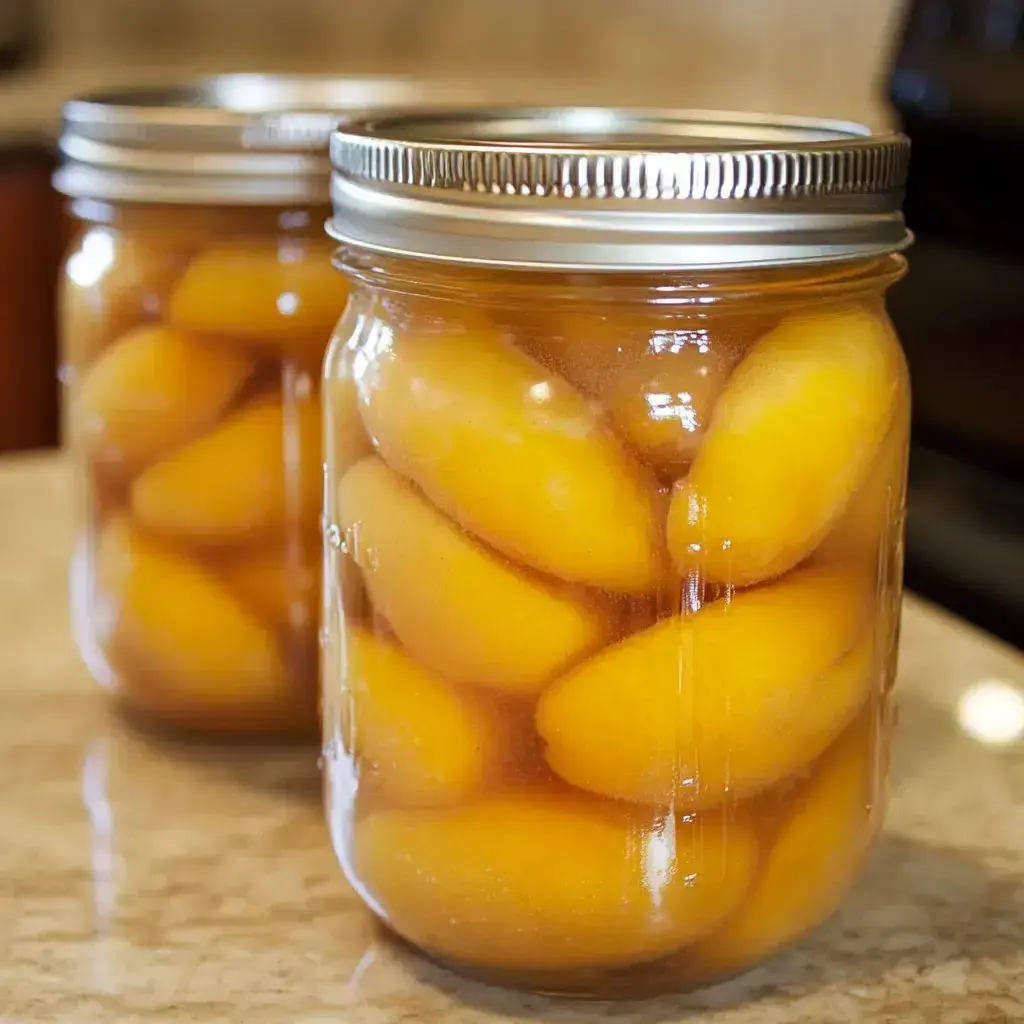
Store sealed jars in a cool, dark pantry at 50-70°F for up to 18 months per USDA guidelines. Check for signs of spoilage like bulging lids before use. Label with dates for freshness tracking—your well-stored peaches will reward you with peak flavor retention.
FAQs
***How long do canned peaches last?*** Properly stored at room temperature, they can last up to 18 months, retaining their flavor and safety per expert guidelines.
***Can I can peaches without a canner?*** While possible in a large pot, a dedicated canner ensures even heat distribution for safer, more reliable results.
***Why did my peaches turn brown?*** Lack of acid—always use lemon juice or citric acid to prevent enzymatic browning and keep them vibrant.
***Can I reuse canning jars?*** Yes, if they’re undamaged, but always use new lids for an airtight seal and maximum safety.
***What’s the best syrup ratio for light flavor?*** Start with 5 cups sugar to 8 cups water for a subtle sweetness that enhances peaches without overpowering.
Conclusion
Mastering how to can peaches opens a world of preserved summer bliss, where every jar captures the essence of ripe, juicy fruit. From sterilizing to sealing, this guide empowers you to create pantry staples that are not only safe but supremely delicious. With healthier swaps and serving ideas, your canned peaches can fit any lifestyle while evoking nostalgia and joy.
Now that you’re equipped with this knowledge, dive in and start canning! Share your results in the comments, and for more preservation tips, explore more recipes on leosfoods.com. Happy canning, and may your jars overflow with sweet success!
How to Can Peaches
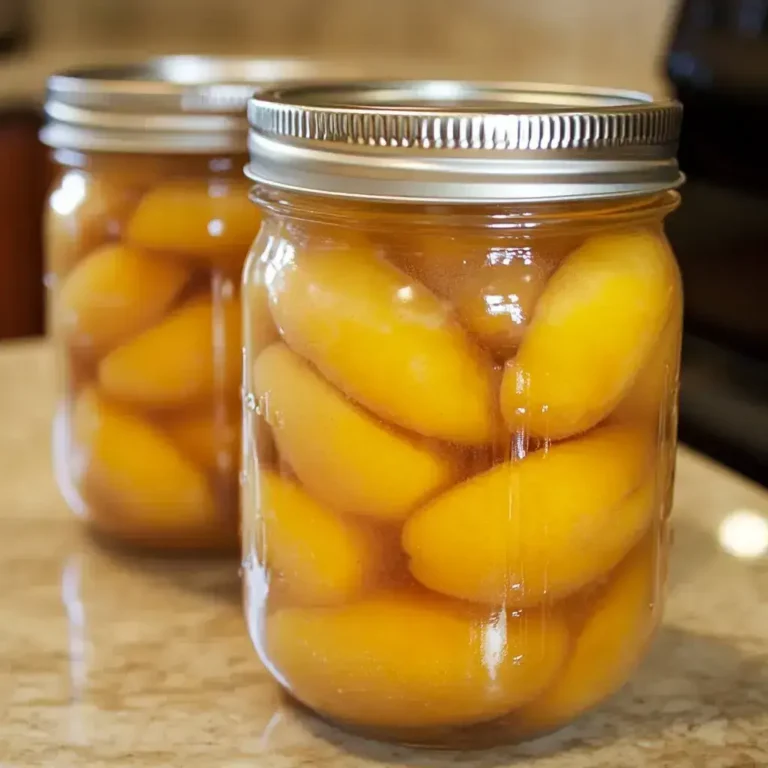
A comprehensive guide to canning fresh peaches using a water bath method. Includes instructions for sterilizing, preparing syrup, and proper storage.
Ingredients
- Fresh ripe peaches, preferably freestone (17 lbs).
- Quart jars with rings and new lids (7).
- Granulated sugar for syrup.
- Water.
Instructions
- Clean and sterilize jars and rings, use new lids.
- Fill canner with enough water to cover jars by 1-2 inches, bring to simmer.
- Dip in hot water 30 seconds, then ice bath to easily remove skins.
- Pack peach slices in jars, add sugar syrup leaving 1/2 inch headspace.
- Place in water bath, process 25 minutes (longer for high altitude).
- Let rest 5 minutes in water, then remove to cool and check seals.
Notes
Adjust processing time for altitude.
Can add cinnamon or vanilla for variation.
Store up to 18 months.
Nutrition
- Calories: 430
- Fat: 3 g
- Carbohydrates: 105 g
- Protein: 10 g