Mango Panna Cotta
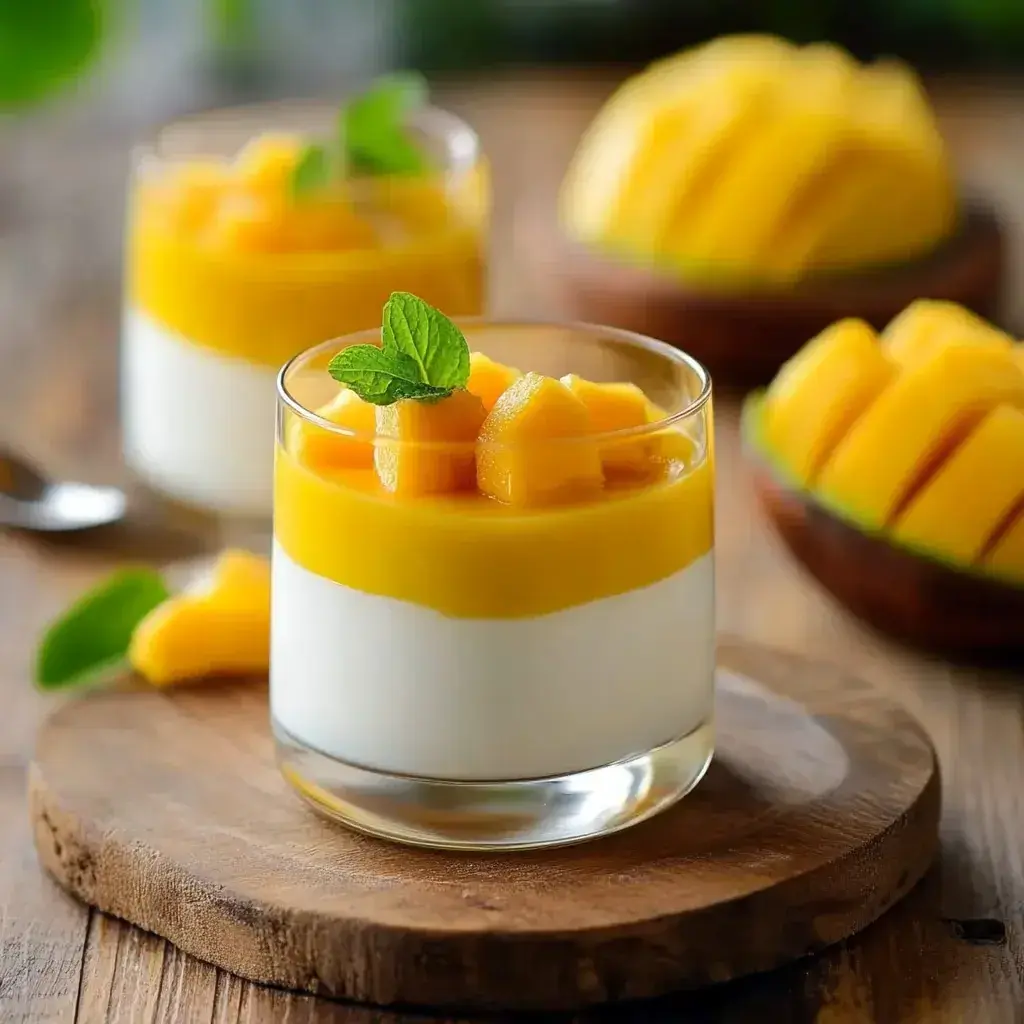
Table of Contents
Mango Panna Cotta
Introduction
Did you know that according to a 2023 survey by The Hartman Group, 75% of consumers are prioritizing tropical and exotic fruit flavors in their desserts to enjoy healthier, more vibrant options? If you’re captivated by the allure of Mango Panna Cotta, this creamy Italian-inspired dessert combines fresh mango puree with silky vanilla panna cotta for an elegant treat that’s as simple as it is stunning. Perfect for summer gatherings or a sophisticated weeknight indulgence, Mango Panna Cotta offers a burst of tropical sunshine in every bite. With its layered beauty and ease of preparation, it’s no wonder this dessert has become a favorite among home cooks seeking to impress without the fuss. In this guide, we’ll dive into crafting the perfect Mango Panna Cotta, from selecting the ripest mangoes to achieving that ideal wobble.
Mango Panna Cotta is more than just a dessert; it’s an experience that transports you to sun-kissed beaches with its vibrant colors and refreshing flavors. The key is using fresh mangoes for natural sweetness and a puree that’s both smooth and aromatic. We’ll explore why this recipe stands out, how it compares to similar dishes, and tips to make it your own. Whether you’re a beginner baker or a seasoned chef, this step-by-step walkthrough ensures success. Plus, we’ll cover nutritional insights, variations, and FAQs to answer all your burning questions about this delightful concoction.
Ingredients List
For this Mango Panna Cotta, you’ll need simple, high-quality ingredients that highlight the natural flavors of mango and cream. I’ve organized them here with substitutions and sensory descriptions to help you shop and prep effectively.
- Fresh Mangoes (4 ripe, about 500g): Choose Ataulfo or Tommy Atkins varieties for their sweetness and juiciness; the aroma should be fragrant and tropical, like walking through a mango orchard. Substitution: Canned mango puree if fresh is unavailable, but reduce sugar to avoid over-sweetening.
- Heavy Cream (2 cups, 480ml): Provides the velvety texture with a rich, buttery mouthfeel. Substitution: Full-fat coconut milk for a dairy-free twist, offering a subtle coconut note that complements the mango.
- Vanilla Bean or Extract (1 pod or 2 tsp extract): Adds a warm, floral undertone with tiny speckles for visual appeal. Sensory note: Scrape the seeds for an intense vanilla scent. Substitution: Almond extract for a nutty alternative.
- Gelatin Powder (2 tsp, unflavored): The unsung hero for that delicate set; it should dissolve smoothly without lumps. Substitution: Agar-agar for a plant-based option, though it sets firmer.
- Granulated Sugar (1/2 cup): Balances the tartness with a clean sweetness. Sensory: Fine granules that dissolve into a syrupy base. Substitution: Honey or maple syrup for liquid options, reducing by 1 tbsp to account for increased moisture.
- Lime Juice (1 tbsp): A bright acidity to cut through richness, adding a zesty pop. Substitution: Lemon juice for a milder citrus kick.
- Water (1/4 cup for gelatin): For blooming the gelatin; it’s odorless but crucial for activation.
These ingredients come together to create a dessert that’s creamy, fruity, and subtly sweet, with textures ranging from smooth puree to jiggly panna cotta layers. Always opt for organic produce when possible to enhance flavor and freshness.
Timing
Timing is crucial for achieving the perfect set in Mango Panna Cotta without rushing the chilling process. Here’s the breakdown:
20 minutes
10 minutes
At least 4 hours (up to 8 for firmness)
About 4 hours 30 minutes
Compared to average panna cotta recipes, which often require minimal active time but extended resting (around 4-6 hours), our version emphasizes layering for added complexity, extending prep slightly. This is faster than traditional custard-based desserts that might need overnight chilling and baking. Pro tip: Prep the puree ahead to streamline the process, making it ideal for busy weekends or planned-ahead dinners.
Step-by-Step Instructions
Follow these clear steps to create a flawless Mango Panna Cotta that wows every time. We’ll personalize the language with tips tailored to your experience level—beginner-friendly but with pro hacks for elevation.
Step 1: Prepare the Vanilla Panna Cotta Base
Start by heating your heavy cream gently to avoid scorching. In a saucepan over medium heat, combine the cream, sugar, and vanilla bean (scraped seeds included). Stir until the sugar dissolves and the mixture is warm but not boiling—this should take about 5 minutes. If you’re new to this, remember that low and slow is key; boiling can alter the texture. For pros, infuse the vanilla longer for deeper flavor.
Step 2: Infuse and Set the Panna Cotta
Meanwhile, bloom the gelatin in a small bowl with a splash of cold water—let it sit for 5 minutes to become spongy. Stir this into your warm cream mixture off the heat, ensuring no lumps form. Whisk vigorously, and you’re ready to pour into molds. Beginners, use ramekins or a loaf pan for easy unmolding; pros might layer directly in glasses for a no-fuss serve. Pour half the mixture into chilled molds and refrigerate to set partially (about 1 hour).
Step 3: Make the Mango Puree
While the base sets, peel and dice your mangoes, discarding the pits. Blend them with lime juice in a food processor until silky smooth—this puree should be vibrant orange and pourable. Taste and adjust sweetness if needed; fresh mangoes vary in ripeness. If you’re short on time, skip peeling and blend whole for a rustic texture, or add a pinch of cinnamon for warmth—personalize it to your palate!
Step 4: Assemble and Chill
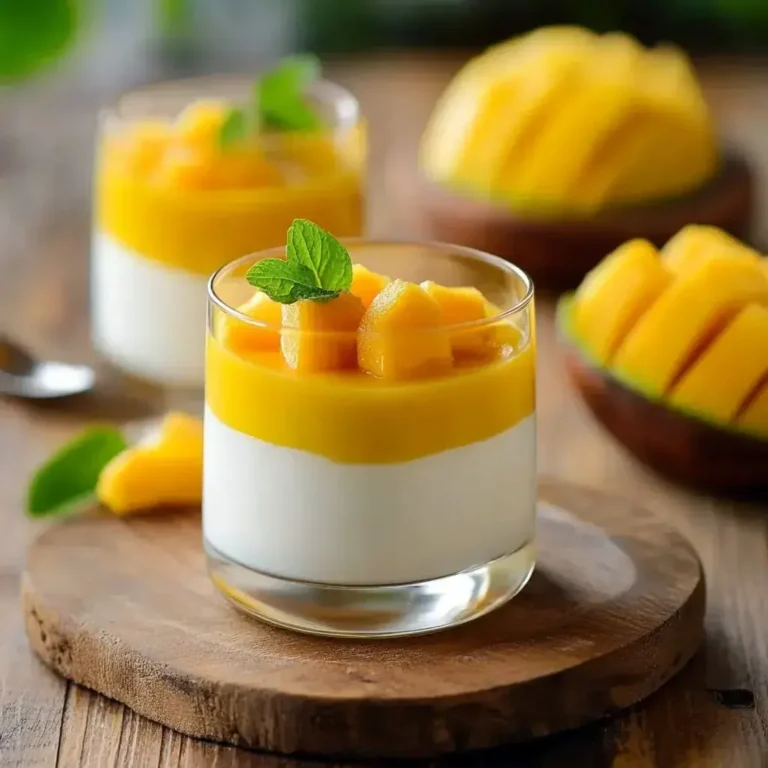
Once the first layer has firmed, pour the mango puree on top carefully with a spoon or piping bag to avoid mixing. Then, layer the remaining panna cotta mixture over it. Chill in the fridge for at least 3 more hours—overnight yields the best results. For presentation prowess, swirl colors lightly before setting to create a marble effect; this adds an artistic touch that’s sure to impress guests.
Step 5: Serve with Elegance
To unmold, dip ramekins in warm water for 10 seconds and invert onto plates. Drizzle with extra puree or garnish with mint leaves and pistachios for a fresh twist. Serve chilled for optimal creaminess—each spoonful should offer a balance of fruity tang and vanilla smoothness. Whether for family or friends, plate it beautifully to elevate the dining experience.
Nutritional Information
Based on a standard serving (about 1 cup), here’s the approximate nutritional breakdown using standard databases. This dessert is indulgent but can fit into a balanced diet when enjoyed in moderation.
- Calories: 280 per serving – Moderate for a sweet treat, suitable for occasional indulgences.
- Fat: 22g (mostly saturated from cream) – Provides satiety, but opt for reduced-fat if desired.
- Carbohydrates: 25g – From natural sugars in mango and added sweetener; includes 3g fiber.
- Protein: 4g – Low but contributed by gelatin for structure.
- Sugar: 20g – Mostly from fruit and sugar; watch portions for blood sugar management.
- Vitamin C: 45mg (about 50% of daily value) – Boosts immunity thanks to the mango.
| Nutrient | Amount per Serving | % Daily Value |
|---|---|---|
| Calories | 280 | – |
| Fat | 22g | 34% |
| Carbs | 25g | 9% |
| Protein | 4g | 8% |
| Sugar | 20g | – |
Healthier Alternatives
If you’re looking to lighten up Mango Panna Cotta while preserving its tropical flavor, try these swaps. They maintain the creamy texture and fruity essence without sacrificing taste.
- Reduced-Fat Cream: Swap heavy cream for half-and-half or 2% milk to cut calories by 50%; the result is still velvety, just slightly lighter.
- Agave or Stevia: Replace sugar with natural sweeteners like agave syrup (reduce by 25%) or stevia to lower carbs while keeping sweetness.
- Frozen Mangoes: Use frozen instead of fresh for year-round availability and added convenience, with comparable nutrient profiles.
- Greek Yogurt Base: Substitute part of the cream with Greek yogurt for protein boost and tang; layer as usual for probiotic benefits.
These alternatives make the recipe more diet-friendly, such as keto or vegan, without compromising the vibrant mango-forward profile.
Serving Suggestions
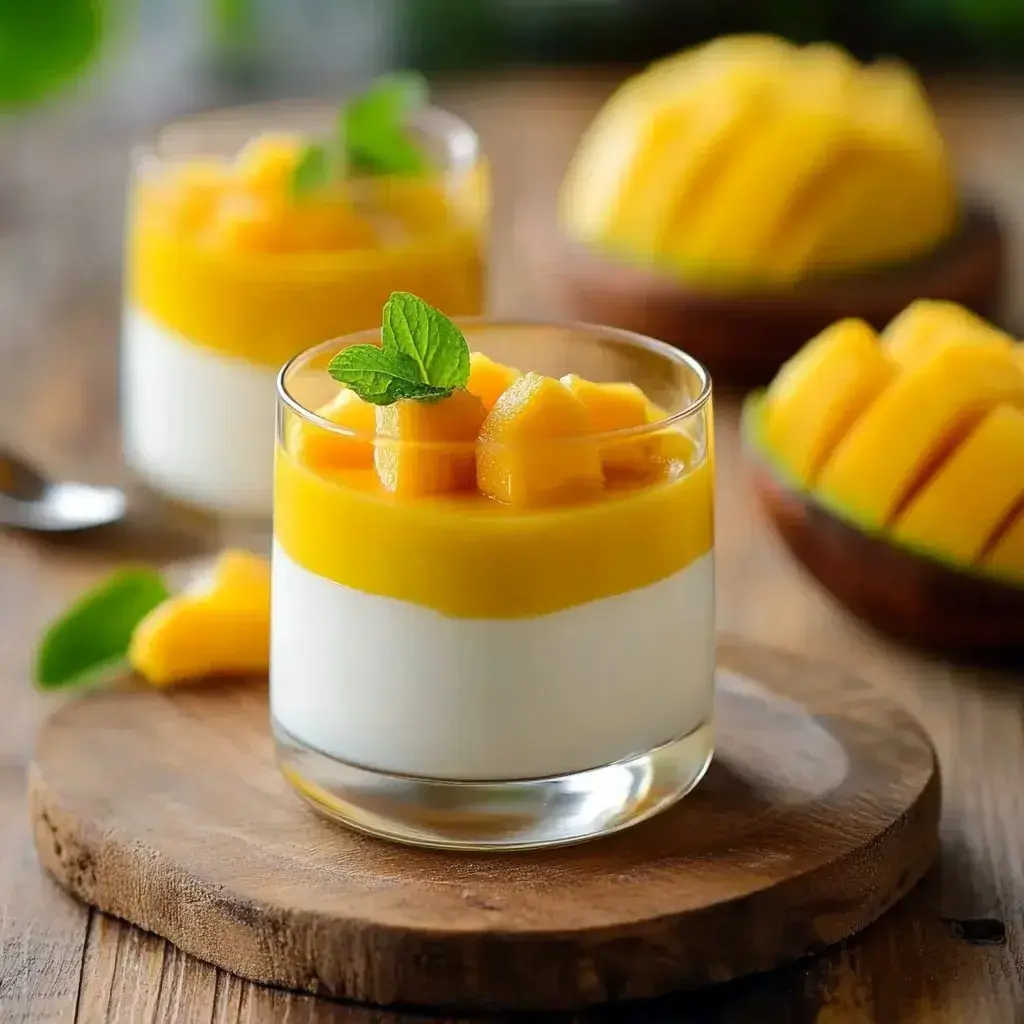
Elevate your Mango Panna Cotta presentation to make it a standout dish. Serve it in individual bowls for a cozy vibe or martini glasses for an elegant touch. Garnish with toasted coconut flakes, edible flowers, or passionfruit seeds for visual and textural appeal. Pair it with a chilled prosecco for a brunch mimosa twist or cappuccino for dessert. For themed events, serve on a platter surrounded by fresh mango slices and berries—a colorful centerpiece that’s sure to delight.
Common Mistakes
Avoid these pitfalls for flawless Mango Panna Cotta. Common errors often stem from rushing or ingredient choices, but with awareness, you can master it.
- Overheating the Cream: Boiling shatters the delicate emulsion; keep it below 180°F to prevent separation.
- Missing Blooming Gelatin: Skipping this step leads to lumps—always hydrate first for smooth integration.
- Using Unripe Mangoes: They lack sweetness and create a tart puree; press for softness before buying.
- Insufficient Chilling: Rushed chilling results in a runny dessert; aim for at least 4 hours or freeze layers briefly for speed.
Storing Tips
Store Mango Panna Cotta in airtight containers in the fridge for up to 3 days; the flavors meld beautifully over time. For longer storage, freeze portions for 2 weeks and thaw overnight in the fridge. Avoid freezing with toppings, as they can become soggy. Always cover to prevent absorbing fridge odors—reheat gently if needed, though it’s best served cold.
Conclusion
In summary, Mango Panna Cotta is a delightful blend of creamy Italian tradition and tropical flair, offering layers of flavor and texture that make it irresistible. With fresh mango puree and vanilla-infused cream, it’s both simple and sophisticated, ready in about 4.5 hours with minimal active effort. Remember to chill thoroughly for the best set, and customize with healthier swaps for your needs.
Now, it’s your turn to bring this recipe to life! Head to the kitchen, gather those mangoes, and whip up a batch. If you loved this, subscribe to our blog for more dessert ideas, and share your creations in the comments below. Happy cooking—let’s make your table unforgettable!
FAQs
***Can I use canned mango?***
Yes, opt for mango slices in natural juice, drained well, to avoid excess liquid that could thin the puree.
***How do I make it vegan?***
Replace cream with full-fat coconut milk and gelatin with agar-agar for a plant-based twist.
***Why is my panna cotta too firm?***
You might have used too much gelatin; scale back by 1/2 tsp next time for softer texture.
***Can it be made ahead?***
Absolutely—prep up to 2 days in advance and store chilled for peak freshness.
***What’s the best mango variety?***
Ataulfo (champagne mango) offers the sweetest, smoothest puree without strings.
Mango Panna Cotta
A creamy Italian dessert featuring layers of fresh mango puree and vanilla panna cotta. Elegant yet simple to make.
Ingredients
- Mango puree (2 cups).
- Gelatin (2.5 teaspoons, divided).
- Whole milk (1 cup).
- Heavy cream (1 cup).
- Granulated sugar (1/2 cup).
- Warm water (4 tablespoons).
- Fresh mangoes for topping (optional).
Instructions
- Sprinkle 1 teaspoon gelatin over warm water, let sit 10 minutes.
- Warm mango puree with bloomed gelatin until dissolved.
- Pour into tilted glasses and refrigerate 4 hours.
- Sprinkle remaining gelatin over warm water, let sit 10 minutes.
- Heat milk, cream and sugar until sugar dissolves, add gelatin.
- Pour cream mixture over set mango layer, chill 4 hours.
Notes
Can be made as single flavor.
Don’t let cream mixture boil.
Wait for first layer to set completely.
Nutrition
- Calories: 245
- Fat: 12 g
- Carbohydrates: 32 g
- Protein: 4 g