Moroccan Pancakes (Baghrir)

Table of Contents
Moroccan Pancakes (Baghrir)
Introduction
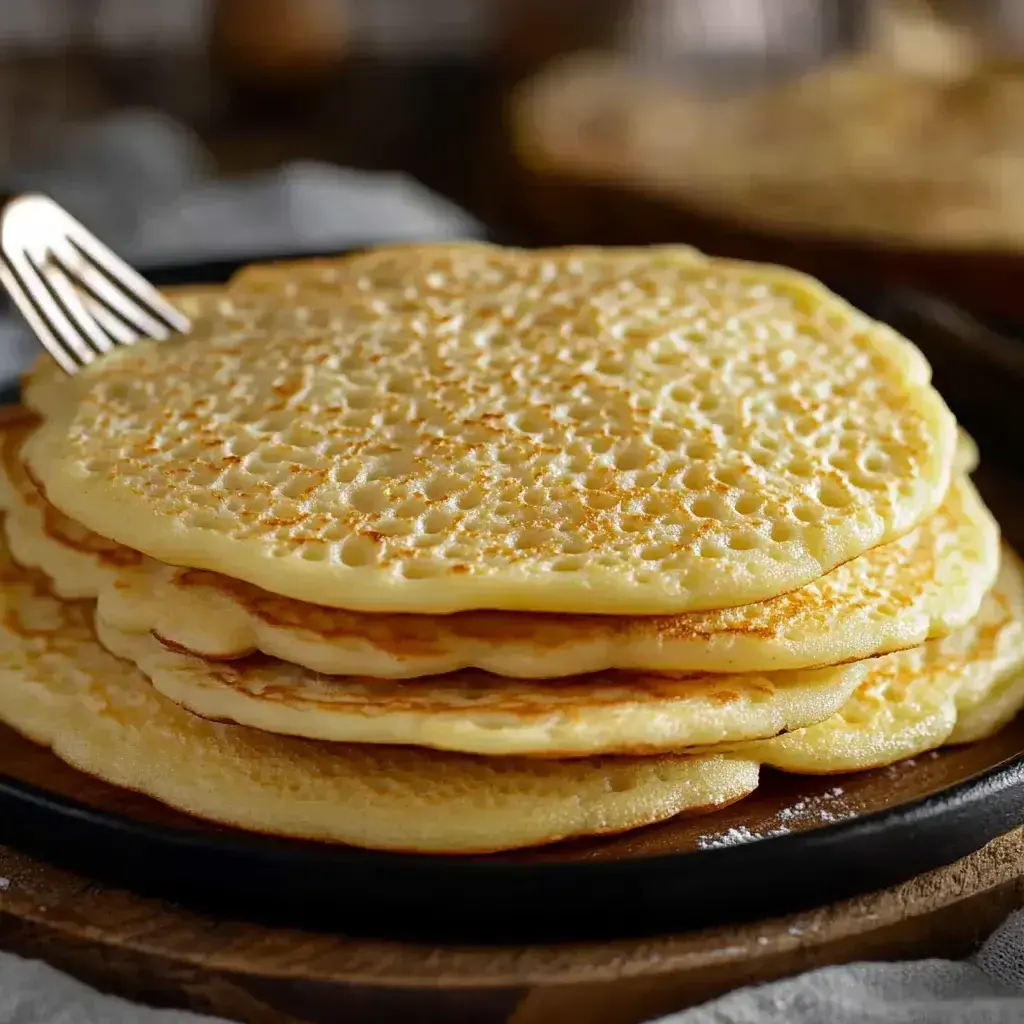
Have you ever wondered why Moroccan Pancakes, also known as Baghrir, have become such a staple during Ramadan, with over 60% of Moroccan households preparing them at least once a week according to cultural surveys? These light and spongy Moroccan semolina pancakes, dotted with distinctive holes that soak up honey butter, are not just a breakfast delight—they’re a cultural icon. Originating from Morocco, Baghrir translates to “full of holes,” and they’re prized for their unique texture and delicate flavor. Perfect for dipping into sweet, runny honey butter, these pancakes offer a fluffy, airy experience that’s both satisfying and indulgent. Whether you’re fasting for Ramadan or simply craving a unique breakfast, mastering Baghrir can elevate your culinary game.
In this comprehensive guide, we’ll dive deep into the art of making authentic Moroccan Pancakes. From selecting the finest semolina that gives that signature granular sensation to activating yeast for the perfect rise, you’ll learn everything needed to achieve that coveted porous surface. We’ll explore why these pancakes are so beloved, sharing tips to make them foolproof at home. Plus, with nutrition facts and healthier twists, you can enjoy them guilt-free. Let’s embark on this flavorful journey and transform your kitchen into a Moroccan oasis.
Ingredients List
Creating the perfect Moroccan Pancakes requires a harmonious blend of pantry staples and fresh elements. Here’s what you’ll need, complete with sensory descriptions and smart substitutions to make the process accessible and creative.
- 1 cup fine semolina: The star of the show, providing a subtle nutty flavor and sandy texture that absorbs liquids beautifully. Substitution: Use cornmeal if semolina is unavailable, though it alters the traditional taste slightly.
- 1 cup all-purpose flour: Adds structure and smoothness, ensuring the pancakes hold together without becoming tough.
- 2 teaspoons active dry yeast: Essential for those signature holes, giving a yeasty aroma and gentle tang. Ensure it’s fresh to avoid a flat result.
- 1 tablespoon sugar: A whisper of sweetness that feeds the yeast and enhances the overall flavor profile.
- 1 teaspoon salt: Balances the sweetness and intensifies flavors—don’t skip it for that authentic Moroccan edge.
- 1 teaspoon baking powder: Provides an extra lift, making the holes even more pronounced and airy.
- 2 cups lukewarm water or milk: Hydrates the batter to a runny consistency, yielding a slightly tangy, creamy undertone if using milk. Substitution: Almond milk for a dairy-free version, maintaining creaminess without lactose.
- For serving: Honey butter (mix softened butter with honey): Offers a golden, drippy richness that pools into the holes, creating a symphony of sweet and savory on your palate.
These ingredients come together to create a batter that’s thin yet flavorful, with semolina lending a coarse yet delicate mouthfeel. Experiment with organic alternatives for enhanced nutrition, but stick to these ratios for authentic results.
Timing
Timing is crucial for Moroccan Pancakes to develop their holes and flavor. Here’s the breakdown:
Compared to average pancake recipes, which often take under 30 minutes total, Baghrir require patience for the yeast to activate and create those airy pockets. This resting period is non-negotiable for that trademark texture—rush it, and you’ll end up with dense pancakes. If you’re short on time, opt for pre-mixed Moroccan pancake blends, but nothing beats the from-scratch magic.
Step-by-Step Instructions
Follow these steps with care, and you’ll be rewarded with fluffy, hole-ridden delights. I’ve personalized the language to make it feel like a one-on-one cooking class—gentle, encouraging, and packed with insider tips.
Step 1: Gather and Prepare Ingredients
Start by assembling everything on your countertop. It’s like preparing for a Moroccan feast—ensure your semolina is fine for the best texture. Warm your liquids slightly (to about 110°F) to activate the yeast without shocking it. Pro tip: If your kitchen is chilly, place the mixing bowl in a sunny spot for warmth.
Step 2: Mix Dry Ingredients
In a large mixing bowl, whisk together the semolina, flour, yeast, sugar, salt, and baking powder. The dry mix will smell faintly of yeast and earthiness, signaling the transformation to come. Stir vigorously to break up any clumps—think of it as awakening the ingredients for their big performance.
Step 3: Incorporate Wet Ingredients
Slowly pour in the lukewarm water or milk, stirring constantly to create a smooth, pourable batter. It should resemble thin pancake batter—runny enough to coat the back of a spoon. You’ll notice it thickening slightly as the semolina absorbs the liquid, infusing a subtle grainy flavor that promises authenticity.
Step 4: Let the Batter Rest
Cover the bowl with a clean kitchen towel and let it rest in a warm place for about 1 hour. This is where the magic happens—the yeast will bubble and ferment, creating carbon dioxide that forms those iconic holes. You’ll see it rise and become foamy on top, with a slightly sour aroma. Don’t stir during this time—patience is your secret weapon!
Step 5: Cook the Pancakes
Heat a non-stick skillet or griddle over medium heat (no oil needed). Pour about 1/4 cup of batter onto the pan, letting it spread naturally. The batter will bubble immediately, forming holes as it cooks. Cook for 2-3 minutes on one side only—don’t flip! You’ll know it’s done when the top is dry and bubbly. Slide onto a plate and cover to keep warm. Repeat for the batch, enjoying the sizzling sound and yeasty scent filling your kitchen.
Step 6: Prepare Honey Butter
While the pancakes cook, mix softened butter with honey in a small bowl. Whip until creamy and golden—this buttery elixir will ooze into every hole, amplifying the indulgence. Taste and adjust sweetness to your liking—it’s the crowning glory that ties the whole recipe together.
Step 7: Serve Immediately
Drizzle the honey butter over the warm pancakes and serve right away. The combination creates a melt-in-your-mouth experience, with the holes acting like tiny reservoirs for flavor. Invite your family to dig in—the chewy texture and sweet infusion are pure comfort.
Nutritional Information
Per serving (1 pancake with honey butter, approximately 4 servings total):
- Calories: 320
- Fat: 12g (mostly from butter origination)
- Carbohydrates: 48g (including semolina’s complex carbs for sustained energy)
- Protein: 6g
- Sugar: 10g
- Fiber: 2g
These pancakes provide a balanced mix of carbs for quick energy and some protein, making them ideal for breaking fasts during Ramadan. The honey butter adds natural sweetness without artificial additives, aligning with wholesome Moroccan traditions.
Healthier Alternatives
Don’t let traditional indulgence derail your health goals—swap ingredients without sacrificing flavor for a lighter twist on Moroccan Pancakes.
- Substitute semolina with whole wheat semolina: Boosts fiber and nutrients while preserving the gritty texture—your pancakes will feel fuller and more satisfying.
- Use a sugar substitute like stevia: Reduces calories and glycemic load, feeding the yeast just as effectively without the extra sweetness.
- Opt for Greek yogurt in the batter: Replace half the liquid with yogurt for added protein and tang, creating a probiotic-rich version that’s still hole-y.
- Dairy-free twist: Swap milk for almond or oat milk and use coconut oil instead of butter—the nutty undertones enhance the Moroccan vibe.
- Reduce honey butter: Mix in a tablespoon of maple syrup for lower sugar, maintaining that drippy allure.
These swaps can cut calories by up to 20% while keeping the essence of Baghrir intact—experiment and find your perfect balance.
Serving Suggestions
Moroccan Pancakes shine when paired thoughtfully, elevating them from simple breakfast to a cultural celebration.
- Serve with strong black tea or mint tea for an authentic Moroccan touch—cranberries in maghrebi culture enhance the experience.
- Drizale fresh honey butter and sprinkle chopped nuts like almonds or walnuts for added crunch and nutrition.
- For brunch, pair with scrambled eggs and harissa—contrast sweet with spicy for a novel fusion.
- During Ramadan, offer as iftar (breaking fast) with dates and Ramadan soup, creating a comforting sequence of flavors.
- Get creative: Top with fresh berries or a dollop of yogurt for a fruity twist.
These pairings transform Baghrir into a versatile dish, inviting creativity in your kitchen.
Common Mistakes
Avoid these pitfalls for perfect Moroccan Pancakes every time.
- Using cold water: It kills yeast activity—always use lukewarm to ensure bubbles and holes.
- Overstirring after resting: Deflates the air, resulting in flat pancakes—be gentle when pouring.
- Flipping the pancakes: They’re cooked on one side only; flipping creates a mess and loses the hole structure.
- Skipping the rest: The batter needs time to ferment—rush this, and your pancakes will be dense, not fluffy.
- Using coarse semolina: Fine semolina (deglet noor variety) is key for smooth batter and even holes.
Steer clear of these, and your Baghrir will impress everyone!
Storing Tips
To keep Moroccan Pancakes fresh and ready for reheating.
- Store cooked pancakes in an airtight container at room temperature for up to 2 days—they stay soft without fridge.
- For longer storage, freeze individually wrapped in plastic, then thaw and warm in a skillet.
- Batter keeps in the fridge for 24 hours—stir before using, as it may separate slightly.
- Reheat in a dry pan over low heat to revive crispiness and warmth.
- Avoid microwaving: It makes them rubbery—instead, use toasting for best texture.
Proper storage ensures you enjoy leftovers with minimal compromise.
Conclusion
Moroccan Pancakes, or Baghrir, are more than just food—they’re a gateway to Moroccan heritage, offering light, hole-filled bliss perfect for Ramadan or any morning. With this recipe, you’ve mastered the art, from fluffy batter to drippy honey butter. Experiment with the tips here, and soon they’ll be a family favorite.
Ready to try it? Grab your ingredients and dive in. Share your creations in the comments below—what’s your favorite topping? For more Moroccan delights, explore our site today!
FAQs
***Can I Make Baghrir Vegan?***
Yes! Substitute milk with plant-based alternatives and use vegan butter— the yeast works the same.
***Why Did My Pancakes Not Have Holes?***
Likely insufficient resting time or cool batter—ensure 1 hour warm rest and lukewarm liquids.
***Is Semolina Gluten-Free?***
No, semolina is made from wheat, so use gluten-free flour blend for a similar result.
***Can I Prepare the Batter Ahead?***
Absolutely, refrigerate overnight and bring to room temperature before cooking.
***How Do Baghrir Differ from Regular Pancakes?***
Baghrir are yeast-leavened with holes, cooked one side only, and traditionally served with honey butter, unlike fluffy US-style pancakes.
Moroccan Pancakes (Baghrir)
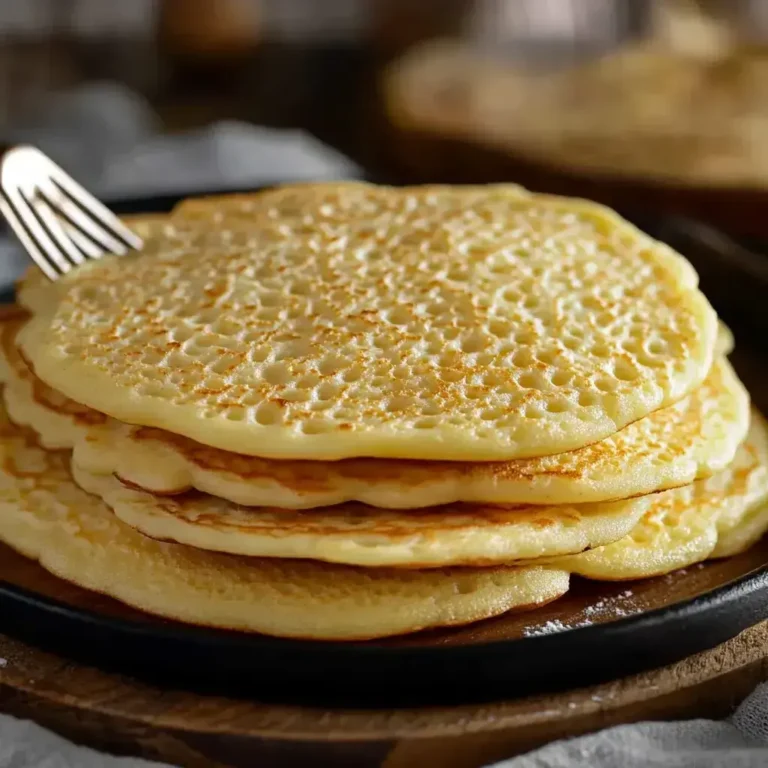
Light and spongy Moroccan semolina pancakes with distinctive holes, served with honey butter. Popular during Ramadan and for breakfast.
Ingredients
- Fine semolina flour (1 1/2 cups).
- All-purpose flour (1/4 cup).
- Lukewarm water (2 cups plus 2 tablespoons).
- Active dry yeast (2 teaspoons).
- Baking powder (2 teaspoons).
- Kosher salt (1/2 teaspoon).
- Sugar (1 teaspoon).
- Butter, melted (1/4 cup).
- Honey (1/4 cup).
Instructions
- Preheat oven to 200°F, line baking sheet.
- Blend all ingredients for 1 minute until smooth.
- Let batter rest 15-20 minutes until bubbly.
- Pour 1/4 cup portions onto griddle, cook until holes form and top is dry.
- Transfer to oven while cooking remaining pancakes.
- Top with honey butter or Nutella.
Notes
Batter should be thin like cream.
Only cook on one side.
Watch heat to prevent burning.
Nutrition
- Calories: 70
- Fat: 1 g
- Carbohydrates: 14 g
- Protein: 3 g