
Tomato Egg Noodle Soup
“`html
Tomato Egg Noodle Soup
Table of Contents
Introduction
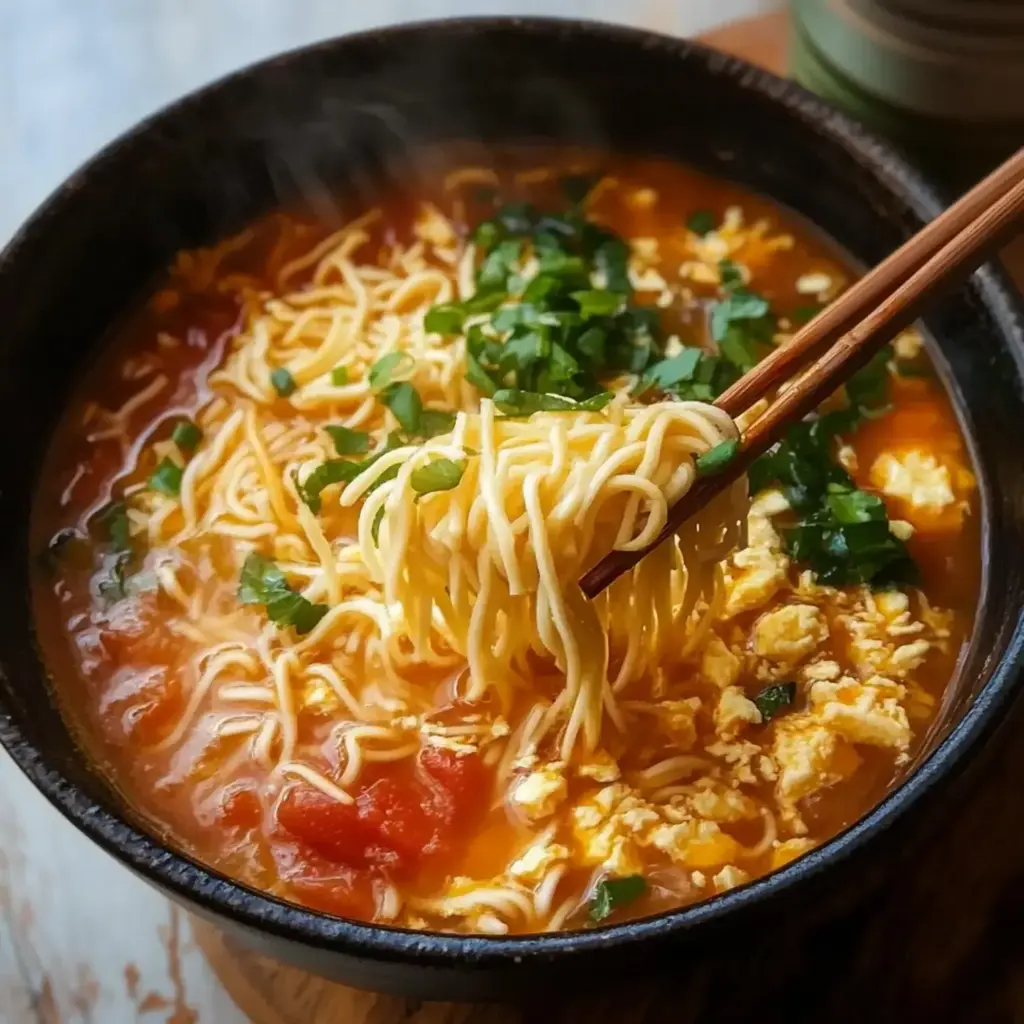
Did you know that a staggering 78% of home cooks cite “lack of time” as their primary barrier to preparing a homemade meal on a busy weeknight? If you’re part of that majority, you’re in the right place. This Tomato Egg Noodle Soup is the culinary antidote to your time-crunched evenings. It’s not just another soup recipe; it’s a 15-minute passport to a deeply satisfying, savory, and nourishing bowl that feels like a warm hug. The magic lies in the perfect Chinese-inspired trifecta: silky scrambled eggs, sweet-tart fresh tomatoes, and slurpable noodles, all swimming in an umami-rich broth. This recipe proves that a meal can be lightning-fast without sacrificing an ounce of flavor or comfort. Let’s dive in and transform your weeknight dinner routine.
Ingredients List
Gather these simple, fresh ingredients. I’ve included sensory notes and substitutions to make this recipe truly your own.
- For the Broth & Base:
- 4 cups Chicken or Vegetable Broth (Use a good-quality, low-sodium broth for the best flavor foundation. The savory, aromatic base is non-negotiable.)
- 3-4 medium Ripe Tomatoes (about 1 lb). Look for deep red, fragrant tomatoes that yield slightly to pressure. They should smell sweet and earthy—this is where the soup’s bright, tangy soul comes from. Substitution: 1 can (14.5 oz) of diced tomatoes in juice.
- 2 cloves Garlic, minced (for a pungent, aromatic kick).
- 1-inch piece Ginger, thinly sliced or grated (adds a warm, spicy note that cuts through the richness).
- 2 Green Onions, whites and greens separated. The whites add a mild onion flavor to the broth; the greens provide a fresh, crisp finish.
- For the Noodles & Eggs:
- 6 oz (170g) Dried Wheat Noodles (like ramen, udon, or thin egg noodles). You want something with a chewy, satisfying bite that holds up in the broth. Substitution: 8 oz fresh noodles, or even spaghetti in a pinch.
- 3 large Eggs, lightly beaten. These will create delicate, cloud-like ribbons in the hot broth.
- Seasoning & Aromatics:
- 1 ½ tbsp Light Soy Sauce (for salty depth and color). Substitution: Tamari for gluten-free.
- 1 tsp Sesame Oil (for its distinctive nutty, toasty aroma—add at the end!).
- ½ tsp White Pepper (preferred for its clean, sharp heat) or black pepper.
- 1 tsp Neutral Oil (like vegetable or canola) for sautéing.
- Salt to taste.
Timing
5 minutes
10 minutes
15 minutes
This Tomato Egg Noodle Soup clocks in at a remarkable 15 minutes from start to finish. Compared to the average soup recipe, which often requires 45+ minutes of simmering to develop flavor, this recipe uses a clever combination of quick-cooking, high-impact ingredients (like fresh tomatoes and aromatics) to build a complex broth in a fraction of the time. It’s a masterclass in efficiency for the modern home cook.
Silky eggs, tender noodles, and sweet tomatoes come together in minutes.
Step-by-Step Instructions
Step 1: Prepare Your Mise en Place
This is the secret to a 15-minute meal. Have everything ready to go: Core and chop the tomatoes into 1-inch chunks—don’t worry about being perfect, rustic pieces are great. Mince the garlic, slice the ginger, and finely chop the green onions, keeping the white and green parts separate. Lightly beat the eggs in a small bowl. Measure out your broth and seasonings. This “assembly line” setup makes the cooking process seamless and stress-free.
Step 2: Build the Savory Broth
Heat the teaspoon of neutral oil in a large pot or Dutch oven over medium-high heat. Add the garlic, ginger, and the white parts of the green onions. Sauté for just 30-60 seconds until incredibly fragrant—you should be hit with that beautiful aromatic wave. Immediately add the chopped tomatoes. Cook, stirring occasionally, for 2-3 minutes. You’ll see the tomatoes start to soften and release their juices, creating a fragrant, slightly jammy base. This step is crucial for developing a deeper, sweeter tomato flavor.
Step 3: Cook the Noodles
Pour in the 4 cups of broth and the soy sauce. Bring the mixture to a lively boil. Once boiling, add your dried noodles directly to the pot. Let them cook according to the package instructions, usually 4-6 minutes. We’re cooking the noodles right in the broth, which allows them to absorb all that incredible flavor as they soften. Stir occasionally to prevent sticking.
Step 4: Create the Egg Ribbons
Once the noodles are just about al dente (a minute or so shy of being fully done), it’s egg time. Reduce the heat to a gentle simmer. While stirring the soup in one consistent direction (this creates a current), slowly drizzle in the beaten eggs in a thin, steady stream. The moving broth will cook the eggs instantly into those beautiful, wispy ribbons. Stop stirring as soon as all the egg is added. Let it sit for 30 seconds to set fully.
Step 5: Assemble and Serve
Turn off the heat. This is where you add the magic finishes: stir in the sesame oil and white pepper. Taste the broth—adjust with a pinch of salt if needed (remember, the soy sauce is already salty). Ladle the steaming soup into deep bowls, making sure each serving gets plenty of noodles, tomatoes, and egg ribbons. Garnish generously with the reserved green onion greens. Serve immediately while it’s piping hot.
Nutritional Information
(Per serving, assuming recipe serves 2 generously or 3 moderately.)
- Calories: ~380-450 (depending on noodle type and exact broth used)
- Protein: 18-22g (Excellent source from eggs and broth)
- Carbohydrates: 50-60g (Primarily from the noodles for energy)
- Fat: 10-12g (Mostly healthy, unsaturated fats from eggs and sesame oil)
- Fiber: 4-5g (Thanks to the fresh tomatoes)
- Key Vitamins: High in Lycopene (from cooked tomatoes), Vitamin A, and B Vitamins.
Healthier Alternatives
You can easily tailor this soup to various dietary needs without losing its soul-satisfying essence:
- Lower-Carb / Higher-Protein: Swap wheat noodles for shirataki (konjac) noodles or spiralized zucchini noodles (add these in the last 2 minutes of cooking). Add an extra egg or some shredded rotisserie chicken.
- Gluten-Free: Use 100% buckwheat soba noodles or rice noodles, and ensure your soy sauce is tamari or a certified GF brand.
- Lower-Sodium: Use homemade or no-salt-added broth, and reduce the soy sauce by half, compensating with a splash of rice vinegar for brightness.
- Vegan/Vegetarian: Use robust vegetable broth. For the “egg,” create a turmeric-seasoned tofu scramble (crumble firm tofu with a pinch of turmeric and kala namak/black salt for an eggy flavor) and add it at the end.
Serving Suggestions
- The Classic Bowl: As is, with extra green onions. Perfect for a solo weeknight dinner.
- With a Side: Pair with a simple cucumber salad dressed with rice vinegar and a sprinkle of sesame seeds for a refreshing contrast.
- Add Protein Power: Top with pan-seared shrimp, sliced grilled chicken, or crispy tofu cubes for a more substantial meal.
- Extra Heat & Crunch: Finish with a drizzle of chili oil or sprinkle of chili flakes, and add a handful of crispy fried shallots or garlic chips on top.
Common Mistakes
- Overcooking the Eggs: Adding eggs to a rolling boil or stirring too vigorously after will make them tough and rubbery. Always reduce to a simmer and drizzle slowly.
- Using Unripe Tomatoes: Pale, hard tomatoes lack the necessary sweetness and acidity. Ripe, fragrant tomatoes are non-negotiable for flavor.
- Adding Sesame Oil Too Early: Sesame oil has a delicate flavor that evaporates with high heat. Always stir it in at the very end, off the heat, to preserve its aromatic magic.
- Overcrowding the Pot: If doubling the recipe, use a pot large enough to allow the noodles to move freely, or cook the noodles in batches to prevent them from clumping together.
Storing Tips
- Refrigeration: Store cooled soup in an airtight container for up to 3 days. Note that the noodles will continue to absorb broth