Easy Chicken Teriyaki with Marinade
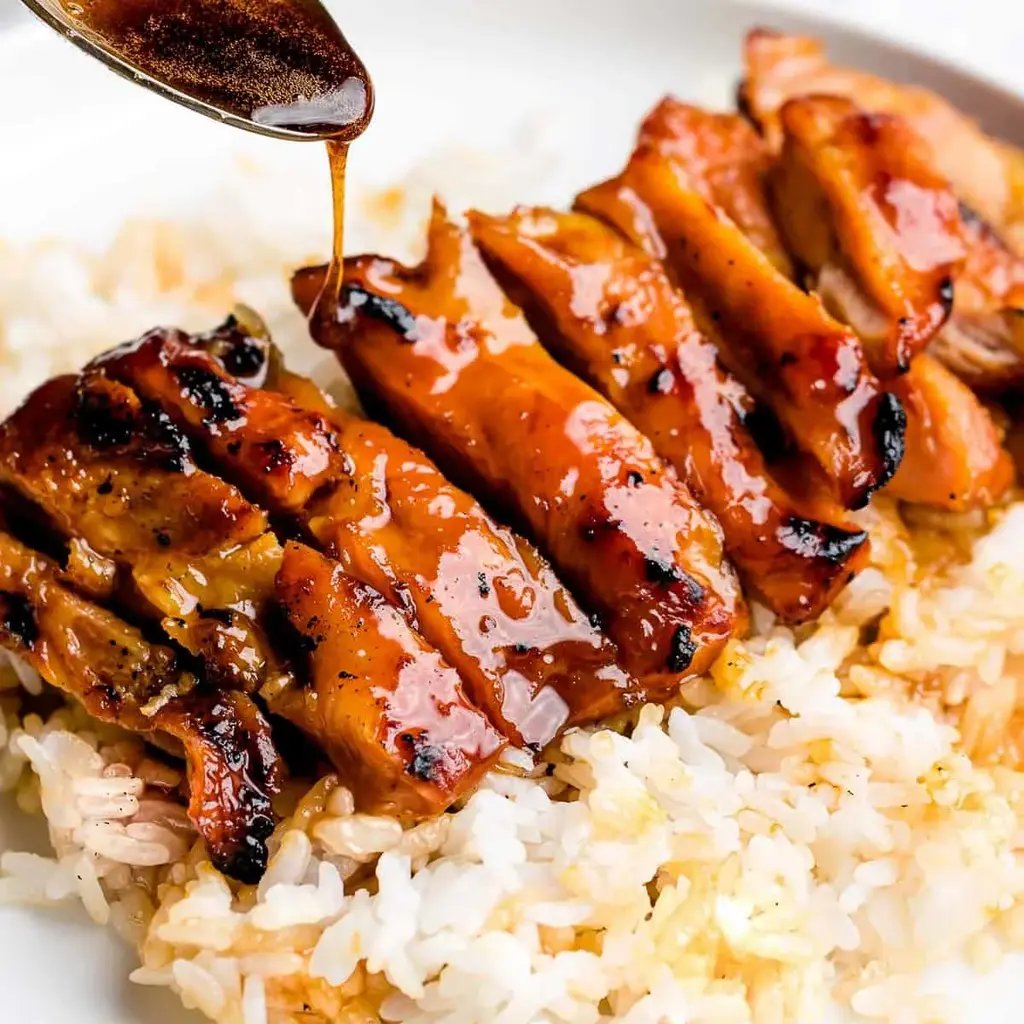
Table of Contents
Easy Chicken Teriyaki with Marinade — Double‑Glaze Technique for a Caramelized Finish
I grew up in a bustling Moroccan kitchen, where aromatic spices and simple techniques created unforgettable meals. When I moved to Paris for culinary school, I learned the art of sauces, and later, New York City became my playground for avant‑garde twists. Today I share a recipe that blends these worlds – “Easy Chicken Teriyaki with Marinade” – with a **double‑glaze technique** that caramelizes the sauce into a silky finish, beating any takeout copy.
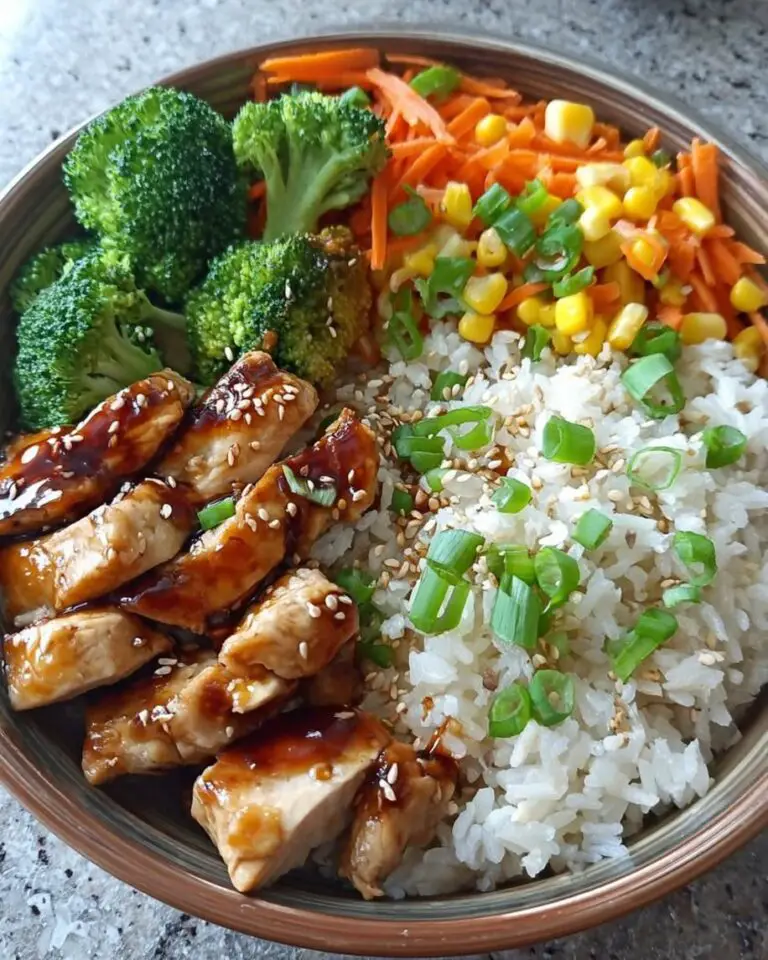
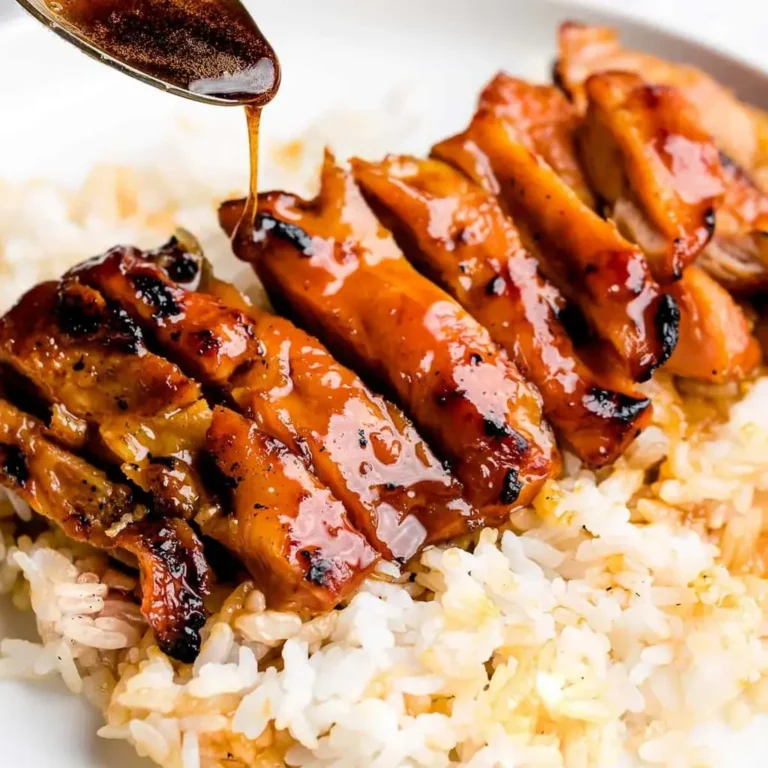
Picture the chicken pieces, lightly browned, glistening with a viscous, slightly darkened sauce. The aroma is a blend of sweet and salty, with subtle hints of ginger and garlic; the texture is juicy on the inside, crisp on the surface, and the sesame seeds add a satisfying bite. Each bite is a harmony of the silky glaze and the tender meat, a moment that feels both comforting and exciting.
I’ve tested this recipe in many kitchens – from my parents’ courtyard in Rabat to a tiny Brooklyn apartment – and I’ve discovered that the secret to a perfect glaze lies in reserving half of the mixture, which thickens as the chicken cooks. The pro tip is to stir the sauce while it’s reducing, preventing burning. A common mistake is using too much sugar; start with a balance and tweak to taste. This recipe is simple yet refined, ready for a busy NYC lunch or a polished dinner.
Why This Easy Chicken Teriyaki Recipe Is the Best
The flavor secret comes from my Moroccan pantry: use a tablespoon of toasted white sesame seeds before adding the soy. Their nutty aroma amplifies the sweetness of the sauce and gives the glaze depth. By balancing low‑sodium soy, mirin, and a touch of honey, the dish creates a caramelized finish that’s richer than any commercial teriyaki.
Perfected texture is achieved by flattening the chicken to ¾″ thickness; this ensures even cooking and allows the glaze to adhere. A classic French sauté technique – high heat, quick sear, then a gentle glaze reduction – gives the meat a crisp exterior while keeping the inside succulent. This method is straightforward, yet it guarantees a restaurant‑grade result.
It’s foolproof and fast because the steps are linear. You can marinate in 15 minutes or overnight, grill in ten minutes, or bake for twenty minutes – each method gives a final product in under thirty minutes. No advanced equipment is required, making it ideal for novices and seasoned chefs alike.
Double‑Glaze Technique Explained
The double‑glaze means you use half of the sauce as a resting mixture and reserve the other half for the final reduction. After the chicken cooks, you pour the reserved portion over the meat; as it cooks further, the sugar concentration rises, thickening into a glossy caramelized coating. It’s a simple tweak that transforms the dish into a glossy, mouth‑watering masterpiece.
Easy Chicken Teriyaki Ingredients
In my latest visit to a Queens farmers market, I picked up the freshest produce and cuts. The ingredients were simple yet essential: a whole chicken thigh, a splash of oil, and a handful of toasted sesame seeds – all pantry staples I’ve carried from Morocco to Paris to my NYC kitchen.
Ingredients List
- ¾ lb chicken thigh (or chicken breast; see Note 1)
- 1 Tablespoon vegetable oil
- 1 Tablespoon toasted white sesame seeds
- ¼ cup low sodium soy sauce
- ¼ cup mirin (see Note 2 for substitutions)
- ¼ cup sugar (see Note 3 for substitutions)
- 1 teaspoon minced garlic or ginger (optional)
Ingredient Spotlight
Chicken thigh offers a juicy texture and richer flavor than breast, perfect for this glaze. When you choose a thigh, look for a lean cut with a slightly bright pink center; avoid overly fat or dry portions to maintain moisture.
Soy sauce provides the umami base; choose a low‑sodium version to control the salt level. In a U.S. grocery store, look for “Asian” brands that label “low sodium.” A small substitution is using tamari which is gluten‑free, slightly less salty, and similar in flavor.
Sesame seeds are the crunchy element that caramelizes when toasted. Buy them in bulk at your local Asian market; choose a light color to avoid bitterness. If you prefer a nutty twist, you can swap them for slivered almonds – they’ll brown similarly but give a silkier bite.
| Original Ingredient | Best Substitution | Flavor / Texture Impact |
|---|---|---|
| Chicken thigh | Chicken breast | Less fat, firmer texture; retains moisture if cooked properly. |
| Low sodium soy sauce | Tamari | Gluten‑free, slightly milder saltiness, similar umami. |
| Toasted sesame seeds | Slivered almonds | Nutty flavor, less crunch; caramelizes evenly. |
How to Make Easy Chicken Teriyaki — Step‑by‑Step
Follow these steps and you’ll achieve a restaurant‑level glazed chicken in under thirty minutes, no matter your kitchen.
Step 1: Prep Chicken
Flatten the thigh or breast to a ¾″ thickness using a meat mallet or the bottom of a flat pan. This ensures even cooking and a juicy interior. Place the chicken in a zip‑lock bag or large bowl for marination.
💡 Stella’s Pro Tip: Pat the chicken dry before marinating; this helps the glaze adhere better.
Step 2: Marinade
Combine half of the yogurt sauce: ½ cup medium soy, ½ cup mirin, ½ cup sugar, a spoon of oil, and optional garlic or ginger. Whisk until sugar dissolves. Reserve the other half for the final glaze. Marinate in the refrigerator for at least 15 minutes, up to overnight.
⚠️ Common Mistake to Avoid: Do not add the oil after searing; it blends better if included in the initial mix.
Step 3: Grill or Pan‑Fry
Heat a grill or skillet over medium‑high, add oil, and place the chicken skin‑side down if on skin. Flip once golden. During the last three minutes, pour the reserved glaze over the chicken and let it steam. Internal temperature should read 165°F, juices run clear.
💡 Stella’s Pro Tip: If using a skillet, cover the pan for the last 2 minutes to trap steam and reduce drying.
Step 4: Optional Bake
Preheat the oven to 400°F and line a pan. Bake for 20 minutes, brushing the reserve sauce a few times during the last 5–7 minutes. Keep an eye on the glaze; if it starts to burn, reduce heat slightly.
⚠️ Common Mistake to Avoid: Baking the chicken too long will dry the meat; limit time to 20 minutes or less.
Step 5: Cut & Serve
Slice the chicken into bite‑sized pieces, arrange over steamed rice, sprinkle toasted sesame seeds, and spoon any remaining glaze. Serve immediately, or store for meal prep.
💡 Stella’s Pro Tip: For a crunchy garnish, scatter a few toasted sesame seeds on top right before serving.
| Step | Action | Duration | Key Visual Cue |
|---|---|---|---|
| 1 | Flatten chicken and marinate | 15 min | Even thickness & marination |
| 2 | Heat grill or skillet, sear | 5 min | Golden brown crust |
| 3 | Add glaze, finish cooking | 3 min | Glossy sauce |
| 4 | Optional bake & brush | 20 min | Evenly cooked, caramelized coating |
| 5 | Slice and serve | 5 min | Finished plating |
Serving & Presentation
Plate the teriyaki over a mound of fluffy jasmine rice, or replace rice with a fresh cucumber salad for a lighter option. Drizzle the remaining glaze over the slices, then sprinkle toasted sesame seeds for crunch. The dish feels both humble and sophisticated, reminiscent of my mother’s home‑cooked meals.
If you want a touch of Marrakech, finish with a light sprinkle of smoked paprika or a dash of harissa to give heat and earthy depth. The final flourish ties back to my Moroccan origins, honoring the flavors that grew up in my kitchen.
| Pairing Type | Suggestions | Why It Works |
|---|---|---|
| Side Dish | Steamed jasmine rice, grilled asparagus, or cucumber salad | Balances sweetness and offers fresh contrast |
| Sauce / Dip | Wasabi mayo, soy‑ginger sauce, or a peppery miso dip | Enhances umami and adds zing |
| Beverage | Cold sake, sparkling water with lime, or a light white wine | Complement sugar and soy richness |
| Garnish | Fresh cilantro, sliced scallions, or toasted tamari flakes | Adds aroma, color, and texture contrast |
Make‑Ahead, Storage & Reheating
I love preparing this teriyaki ahead of a busy week. Keep it in the refrigerator for up to three days. Stir the sauce before reheating to re‑incorporate the glaze.
| Method | Container | Duration | Reheating Tip |
|---|---|---|---|
| Refrigerator | Air‑tight glass jar | 3 days | Heat gently on stove, stir glaze; serve hot. |
| Freezer | Vacuum‑sealed bag | 2 months | Thaw overnight, reheat as above. |
| Make‑ahead | Separate sauce and meat containers | 4 days | Assemble by mixing at serving time, ensuring glaze remains glossy. |
When reheating, always re‑add a splash of water or extra soy to keep the sauce from drying out. A quick sauté on low heat with a lid will restore the caramelized sheen.
Variations & Easy Swaps
| Variation | Key Change | Best For | Difficulty Impact |
|---|---|---|---|
| Veggie‑Packed Teriyaki | Add bell peppers, snow peas, or mushrooms during step 3 | Extra nutrition & crunch | Easy to add, no change |
| Gluten‑Free Teriyaki | Use tamari instead of soy, and ensure noodles/soya be gluten-free | Suitable for gluten‑free diners | Eq. tied with substitute |
| Seasonal Spiced Teriyaki | Swap mirin with pineapple juice, add dried thyme, or use smoked paprika | Summer or autumn freshness | Easy change, slight flavor change |
Veggie‑Packed Teriyaki
Add sliced bell peppers, cleaned snow peas, or sliced shiitake during the final grilling stage. The vegetables absorb the glaze and add color, crunch, and a layer of sweetness that complements the savory chicken.
Gluten‑Free Teriyaki
Swap low‑sodium soy sauce for tamari, and ensure any side dishes such as noodles are gluten‑free. The closed, rich sauce still behaves the same, but the dish becomes safe for those with celiac or gluten sensitivity.
Seasonal Spiced Teriyaki
Use fresh pineapple juice instead of mirin for a tropical twist, or add a pinch of dried thyme and a sprinkle of smoked paprika. This variation captures the freshness of a breezy summer in NYC’s farmers markets or the earthy warmth of an autumn market.
How long does it take to marinate chicken teriyaki?
Marinating chicken teriyaki can be as quick as 15 minutes or as long as overnight in the refrigerator. The purpose of marinating is to infuse the meat with the glossy sauce, allowing the flavors to penetrate. A “quick” marinade of 15 minutes works well for busy weeknights, while a longer marination of 4–6 hours or overnight maximizes flavor absorption and tenderizes the meat. Either approach yields a juicy, flavorful result.
Can I use boneless chicken breasts for this recipe?
Yes, boneless chicken breast works perfectly; it’s leaner and cooks faster than thighs. Use the same ¾″ thickness when flattening to ensure even cooking. If you prefer a richer bite, chicken thighs retain more moisture and flavor, but a breast still delivers a crisp exterior and tender interior. Adjust cooking time – breasts might need only 8–10 minutes per side on the grill, whereas thighs may need a couple more minutes.
Is teriyaki sauce okay to make at home?
Absolutely! A homemade teriyaki sauce is simple to brew: combine low‑sodium soy sauce, mirin or rice wine, a sweetener such as honey or brown sugar, and garlic or ginger. Simmer until the sugars dissolve and the mixture thickens slightly. A double‑glaze technique adds richness, and the reserve portion of the sauce is perfect for glazing the chicken after cooking. Homemade sauce lets you control salt, sweetness, and avoid additives.
What is the best way to cook teriyaki chicken?
Cooking teriyaki chicken on a grill or skillet yields a caramelized crust, but it can be prepared in the oven or even stir‑fried. High heat is key for a sear; place the chicken skin‑side down if using skin‑on cut. After searing, add the reserve glaze and simmer until the sauce caramelizes. This step gives the glossy finish. Baking in a 400°F oven for 20 minutes with frequent brushing also produces a rich glaze and is ideal for large batches.
How can I make this dish gluten‑free?
Swap any gluten‑containing ingredients: use tamari instead of soy sauce, ensure any side dishes like rice or noodles are gluten‑free, and check the vinegar in mirin for gluten content. For a complete gluten‑free meal, serve the teriyaki over quinoa or cauliflower rice. If using thickening agents such as cornstarch or guar gum, confirm they are gluten‑free labels. The flavor profile remains the same while ensuring the dish is safe.
What’s the difference between mirin and sake?
Mirin is a sweet rice wine used in Japanese cooking; it contains a small amount of alcohol (typically 10–14%) and has a higher sugar content, making it sweeter and less potent in flavor than sake. Sake is primarily used as a beverage or for deglazing, with less sugar and a stronger fermentative taste. In teriyaki, mirin adds sweetness and helps caramelize the glaze, so it’s the preferred ingredient. If mirin isn’t available, a dry rice wine plus a pinch of sugar is an acceptable substitute.
When should I add the sugar in the teriyaki sauce?
Sugar should be added at the very start of the sauce mixture, alongside the soy and mirin. By mixing it with the liquid before heating, it dissolves completely and does not create crystals. During the glaze reduction, the sugar naturally caramelizes, thickening the sauce. A front‑loaded sugar approach ensures a smooth, glossy glaze and avoids clumpy sweetness.
How do I prevent the sauce from burning?
Burning occurs when the glaze becomes too hot or the pan is too hot. Always reduce the heat to medium‑low during the final glaze reduction, and stir regularly. If you’re baking, keep an eye on the center of the pan, and if the glaze starts to darken too quickly, lower the oven temperature slightly or move the pan off‑center. Even soaking the turkey, the pan’s simmering helps the sauce stay smooth.
Can I store leftover teriyaki chicken?
Yes, the entire meal can be stored in the refrigerator for up to three days or in the freezer for up to two months. Store the chicken and sauce separately or together in an airtight container. Reheat gently on the stove or microwave, adding a splash of water or soy if the glaze has thickened. The chicken stays juicy and the glaze remains glossy when reheated properly.
What pairs well with teriyaki chicken?
Teriyaki chicken brightens with a mellow side such as steamed jasmine rice, fluffy cauliflower rice, or a cucumber salad. A light soy‑ginger dip or wasabi mayo adds contrast. Serve with a chilled beer or a crisp white wine. The combination of savory sauce, roasted vegetables, and citrusy garnish brings balance to the dish and satisfies the palate across a wide range of tastes.
Share Your Version!
I’d love to hear how you tweaked this recipe for your own palate. Drop a comment below, give me a star rating, and share a photo on Instagram or Pinterest—tag @leosfoods and let me see how you bring a slice of New York into your kitchen! Did you choose the double‑glaze or the veggie twist? It’s all about your unique spin.
From my NYC kitchen to yours — I hope this recipe brings as much warmth to your table as it does to mine. — Stella 🧡
Love This Recipe? Save It to Pinterest!
If you enjoyed this Easy Chicken Teriyaki with Marinade recipe, don’t let it get lost in your browser tabs! 😄 Pin it now so you can find it again anytime — and explore hundreds more tried‑and‑tested recipes waiting for you on my Pinterest boards.
👉 Follow Stella on Pinterest @exorecipe
📌 Pin this recipe · 🔁 Re‑pin your favorites · 💬 Tag me when you make it — I love seeing your creations!
Easy Chicken Teriyaki with Marinade
This easy chicken teriyaki is marinated then grilled, baked, or stir fried until perfectly cooked and juicy! Glaze with teriyaki sauce for the best chicken teriyaki that’s even better than takeout! Works great with chicken breast or chicken thighs!
Ingredients
- ¾ lb chicken thigh (or chicken breast; See Note 1)
- 1 Tablespoon vegetable oil
- 1 Tablespoon toasted white sesame seeds
- cup low sodium soy sauce
- cup mirin (see Note 2 for substitutions)
- cup sugar (see Note 3 for substitutions)
- 1 teaspoon minced garlic or ginger ((optional))
Instructions
- Prep chicken: Flatten the chicken so it's about ¾ inch thick for even cooking. Place in a zipper bag or large bowl to marinate.
- Marinade: Combine the ingredients for the marinade and mix together until the sugar dissolves. Reserve half for later use and marinate the chicken with the remaining half for at least 15 minutes to overnight in the fridge.
- Grill or Pan fry: Heat your grill or pan over medium high heat and add the oil. Remove chicken from the marinade, wiping off the excess. Cook skin-side down if using skin-on chicken and flip when golden brown. During the last 3 minutes, add your desired amount of the reserved teriyaki marinade. It will reduce and thicken into a glaze as the chicken cooks. Internal temperature should register 165°F and juices should run clear.
- (Optional) Bake: Preheat oven to 400°F and line a baking pan. Bake chicken for about 20 until fully cooked, brushing on the reserved sauce a few times during the last 5 to 7 minutes. The reserved sauce will thicken into a glaze. Reduce the heat if it starts to burn.
- Cut the chicken into bite sized pieces and serve over steamed rice. Sprinkle with sesame seeds and spoon any remaining glaze over the chicken. Enjoy!