whipped vanilla buttercream
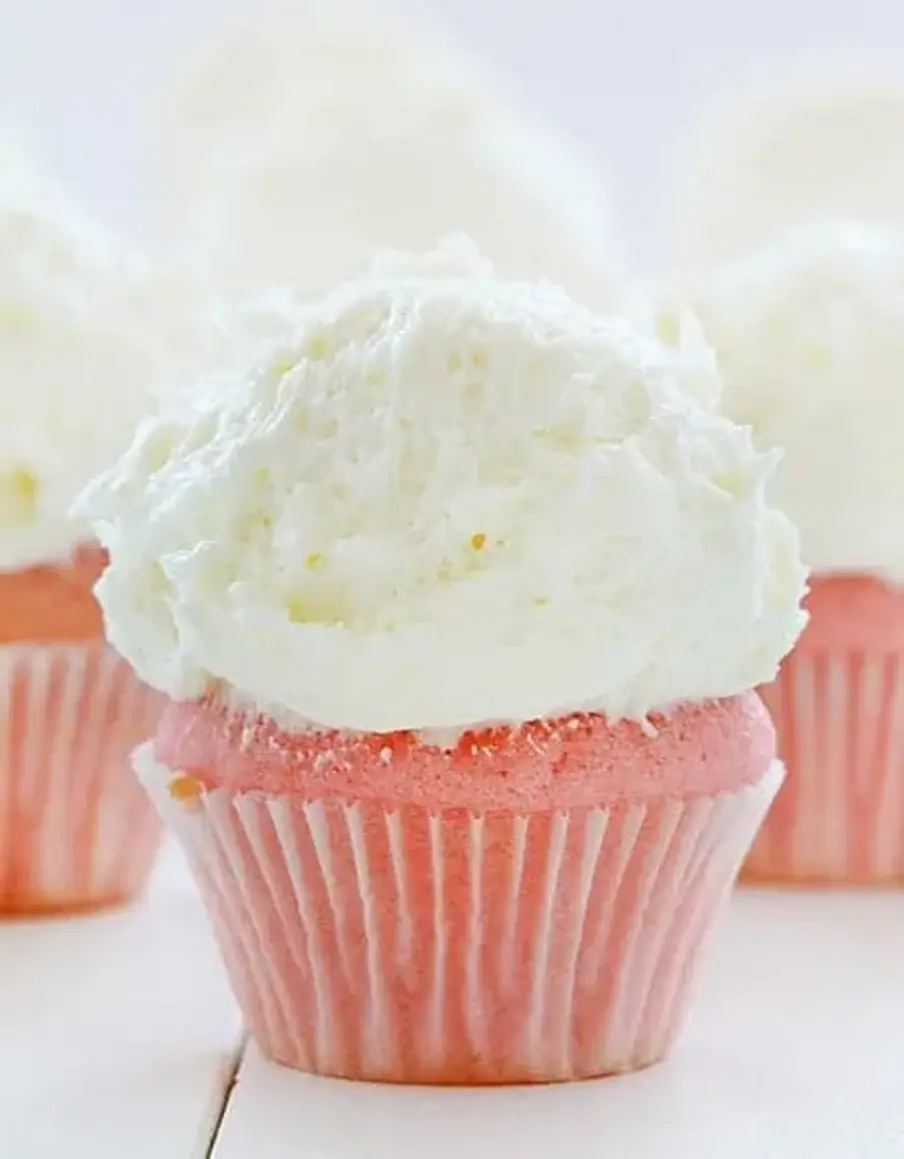
Table of Contents
Whipped Vanilla Buttercream with a Hint of Almond – The Sweetest Creamy Frosting for Your Cakes
Growing up in Tétouan, Morocco, my grandmother taught me that the heart of any sweet creation is balance—silky texture, fragrant aroma, and a burst of flavor. When I first poured a cloud of whipped vanilla buttercream into a mixing bowl, I realized that a quick whisk could lift even the most ordinary frosting into something that feels like a hug. This recipe, a blend of hand‑whipped butter, fragrant almond, and airy confectioners’ sugar, takes the classic frosting you find in most bakeries and magnifies its delicate charm for the NYC crowd.
When you break up a cold stick of butter, it releases that buttery sheen, and the almond extract adds a subtle nutty warmth that takes the blissful vanilla profile way beyond plain. The resulting frosting is thick enough to be crimped into elegant swirls but light enough that it melts into a silky coating on your cupcakes. The scent is a whisper of nutmeg from the almond, coupled with a floral vanilla undertone—every bite tastes like a citrus‑kissed folktale from Marrakech glued to an airy French soufflé.
I perfected this version by incorporating a technique borrowed from my accordion lesson in Paris: beating the butter in the first, long rush of speed to incorporate air, then tempering it with the extracts before the sugar. The big secret is that gentle whapping, not a blizzard, that keeps the frosting from becoming clumpy. A common mistake is over‑mixing in the final stage—many folks think “more is better” but that drives the butter back into its milk‑fat slurry. I’ll tease you with a pro tip that will keep your fingers feather‑light while achieving that silky finish.
Why This Whipped Vanilla Buttercream Recipe Is the Best
The Flavor Secret lies first in my Moroccan pantry: a splash of almond extract that carries a memory of couscous shops and cumin‑laden markets. When blended with vanilla, it creates a layered fragrance that feels both familiar and exotic—like finding a day‑lit tajine steaming at the corner of a Parisian street.
Perfected Texture is achieved through the slow, rhythmic whisk of a stand mixer on medium–high speed for the first three minutes. This aerates the butter into a frothy foam, so the confectioners sugar dissolves cleanly without clumping—producing a frosting that’s smooth enough to glide across a cake but sturdy enough to hold a layer of confetti cupcakes.
Foolproof & Fast keep this recipe approachable for bakers on the go. With just five quick steps and 20 minutes, you’ll have a double‑layer frosting that’s ready in time for weekend New York brunches or the next weekday dessert shout‑out.
Whipped Vanilla Buttercream Ingredients
I mostly source my butter from a boutique dairy in the West Village, where the cows graze on pasture‑fed grasses that echo the olives of my Marrakech home. The confectioners sugar comes from a Black‑label bakery in Brooklyn, and the milk—I use whole milk from a local co‑op—adds a luxurious mouthfeel.
Ingredients List
- 1 cup (2 sticks or 226 g) unsalted butter, softened
- 2 teaspoons vanilla extract
- 1 teaspoon almond extract (optional but recommended)
- 4 cups (32 ounces) confectioners’ sugar, sifted *
- 2 tablespoons whole milk (up to ½ cup for looser consistency)
- Pinch of sea salt
Ingredient Spotlight
Unsalted Butter: The key to a velvety frosting is using butter with no added salt; this keeps the profile from turning sweet and ensures a clean canvas for the extracts. Look for a stick at room temperature (approx. 70°F)—cooler butter tends to seize the milk content on the rim. A common substitution is mayo‑flavored butter, though it will add a sweet note.
Confectioner Sugar: I always sift it to break up clumps and encourage that gentle glides across the whipped mixture. Dust or caramelized sugar are fine alternatives for a richer, slightly darker hue—especially in holiday cakes.
Milk: Whole milk gives a subtle creaminess, but if you prefer a lower-fat version you can use goat or oat milk mixed with a splash of cream. The trade‑off: slightly lower viscosity, but still perfectly pourable.
| Original Ingredient | Best Substitution | Flavor / Texture Impact |
|---|---|---|
| Unsalted butter | Cream or neutral butter | Milder, less salt; same fluffiness |
| Confectioner sugar | Caramel sugar or powdered sugar | Dryer crispier; sweeter finishing |
| Whole milk | Oat‑milk or half‑fat | Creme‑bedt texture; light consistency |
How to Make Whipped Vanilla Buttercream — Step-by-Step
Follow these simple steps and watch your frosting rise from dense to divine. Remember: keep the beat low after the first whisk; the trick is patience as the butter turns oval‑shaped like croissants.
Step 1: Beat the Butter
Place softened butter in a medium bowl and turn your stand mixer on its whisk attachment at medium–high speed. Beat for 3 minutes until light, pale, and fluffy—like puffed cream in a bakery. The mixture should separate into tiny, airy beads that run off the sides.
💡 Stella’s Pro Tip: Use a chilled stainless steel bowl to keep the butter at an even 5 °F lower than room temperature. That keeps whisking smooth and prevents the butter from melting.
Step 2: Add Vanilla and Almond
Lower the mixer speed to low and pour in 2 teaspoons of vanilla extract, then 1 teaspoon of almond extract. Blend gently for 30 seconds, letting the flavors mingle like notes at a café. This coats the butter with aroma rather than shearing it.
⚠️ Common Mistake to Avoid: Don’t pour the extracts straight into an empty bowl. Mix them in while butter is still beating to keep consistency.
Step 3: Add Sugar, Milk & Salt
With the mixer on low, slowly add the sifted confectioners’ sugar, 2 tablespoons of milk, and a pinch of sea salt. Scrape the bowl’s sides and bottom every 15 seconds to ensure even mixing. The temperature of the bowl should remain below 58 °F throughout.
💡 Stella’s Pro Tip: If your sugar clumps, pause the mixer and stir with a spatula—this helps dissolve the granules before whisking.
Step 4: Whip the Frosting
Raise the speed back to medium–high and beat the frosting for at least 3 minutes, or until you see the mixture double in volume. A good visual cue: the frosting should rise like a soufflé that peeks out of the mixing bowl without curdling.
⚠️ Common Mistake: Pushing the speed too high at the end can smash the butter back into its milk‑fat mix.
Step 5: Adjust Consistency
If your frosting feels thick, gradually beat in additional milk, a few teaspoons at a time, until it coats the back of a spoon. Do not over‑whip, or it will turn into a stiff temp.
💡 Stella’s Pro Tip: For a silky glaze, finish the frosting with a looper used on a gentle pace—this gives a velvet touch without overworking the fat.
Step 6: Store & Re‑Whip
Transfer the frosting to an airtight container and chill in the refrigerator for up to 2 weeks. Before use, re-whip for 30 seconds at low speed to refresh lightness.
⚠️ Common Mistake: Storing in a plastic bag that can’t grip the frosting; use a jar with a sealable lid for smooth re‑whipping.
| Step | Action | Duration | Key Visual Cue |
|---|---|---|---|
| 1 | Beat butter | 3 min | Light, fluffy foam |
| 2 | Add vanillas | 30 sec | Aromatic swirl |
| 3 | Add sugar, milk, salt | Continue 15 sec fillet | Even dissolve |
| 4 | Whip frosting | 3 min | Increased volume |
| 5 | Adjust consistency | As needed | Smooth back of spoon |
| 6 | Store & re‑whip | cool 2 wks | Reset lightness |
Serving & Presentation
This frosting is the ultimate canvas for your dessert—use it on buttercream‑filled cupcakes, a naked layer of sponge cake, or a chocolate stack that draws the eye. For a Moroccan flair, dust the finished top with crushed pistachios or a dusting of saffron, which bring both color and a subtle spice.
Paired with a light lemon‑citrus mousse, it creates a bridge between the sweetness of French pastry and the robust flavor of North African couscous. The oven—if you add a rectangular loaf set in sharp parchment mustard curves—makes this a conversation starter for brunches among friends.
If you want an extra hook, add a hazelnut amaretto macaroons on top, using their slight aeration for the thickness of the pastry. These mushrooms, chilled in clotted veal, are especially popular on the Lower East Side in the city’s finest pastry shops.
| Pairing Type | Suggestions | Why It Works |
|---|---|---|
| Side Dish | Lemon drizzle, fresh berries, or mini‑blinds | Balance sweetness |
| Sauce / Dip | Almond crème, citrus crème, or a dusting of powdered sugar | Highlight almond note |
| Beverage | A glass of chilled white wine, sparkling rosé, or espresso | Produces acidity |
| Garnish | Pistachio shaving, citrus zest, or edible flowers | Adds color |
Make‑Ahead, Storage & Reheating
My NYC days are fast and spontaneous, so I prep this frosting a day in advance. Chilling it not only tightens the flavor but also makes it easier to apply on a cold day, when cupcakes might slump. I keep it in a translucent glass jar with a screw‑top, which keeps air pockets small.
| Method | Container | Duration | Reheating Tip |
|---|---|---|---|
| Refrigerator | Glass jar | Up to 2 weeks | Rinse with lukewarm water |
| Freezer | Sealable bag | Up to 3 months | Thaw at fridge, re‑whip |
| Make‑Ahead | Pre‑filled tins | 3 days in advance | Bring room temp 5 °C before use |
When reheating a frozen batch, I recommend gently rubbing the jar at room temperature for 30 seconds before plating—this avoids lumps that can form with over‑refrigeration. If you’ve stored it in a plastic container, a quick stir over a warm water bath is a priority; your frosting will taste like sunshine.
Variations & Easy Swaps
| Variation | Key Change | Best For | Difficulty Impact |
|---|---|---|---|
| Chocolate‑Infused Delight | Add 1 tablespoon cocoa powder | Mid‑week chocolate lovers | None |
| Gluten‑Free / Dairy‑Free Version | Use vegan butter & oat milk | Health‑conscious groups | Easy |
| Spring‑Seasoned Citrus Twist | Add zest of 1 orange | Spring, summer parties | None |
Chocolate‑Infused Delight
Fold in one tablespoon of unsweetened cocoa powder for a subtle aubergine hue that keeps the frosting light. The cocoa burrows the sugar fibers like a Parisian blush, adding a hint of rustic chocolate flavor that pairs beautifully with the almond aroma.
Gluten‑Free / Dairy‑Free Version
Replace the butter with vegan butter (or a high‑fat coconut butter) and replace milk with oat milk. This version holds the same airy texture but eliminates dairy—great for guests with dietary restrictions, maintaining the luscious consistency through controlled whisking.
Spring‑Seasoned Citrus Twist
I’ve mixed the frosting with citrus zest—zest of an orange or a lemon brings tangy swagger that add a sparkling fragrance, perfect for warm summer spreads when the<|reserved_200957|> = Evidence. These bright, mild notes give a fresh taste that brightens the edible with the same amphora.
How can I keep the frosting from clumping?
Clumping is often caused by a too‑dry or too‑hot ambient temperature on the mixing bowl. Keep your butter at around 70°F (21°C) and use a chilled stainless steel bowl to maintain that cooler range. Also, sprinkle the mixing bowl’s sides and bottom every 15 seconds while whisking the sugar to ensure even dissolution. If clumps persist, pause the mixer, stir with a spatula, and resume. That way the sugar dissolves before merging again.
What are some reliable substitutes for whole milk in this recipe?
Whole milk can be swapped with several dairy‑free liquids that still give a thin, creamy texture. Goat milk is a popular European alternative and maintains a richer, thicker mouthfeel. Oat milk adds a light nuttiness and works well in vegan frosting. If you prefer low‑fat, skim or cream milk can be mixed with a splash of heavy cream for a subtle thickening. All substitutes keep the frosting airy while providing a gentle creaminess without adding excessive fat.
Can I use powdered sugar instead of confectioners’ sugar?
Yes, powdered sugar can replace confectioners’ sugar—but it will be slightly lighter in sweetness because it is less refined. The key is to sift the powder to remove clumps and whisk it into the butter gently. You may find a slight difference in depth of color; the frosting may appear whiter or a tad brownish. This will still give a happy, airy consistency matching a classic white frosting, but with slightly reduced sweetness.
Is it safe to store the frosting in a glass jar?
Yes, glass jars are excellent for freezing or refrigerating the frosting because they don’t have leaching chemicals. Sealing the jar with a screw‑top keeps the frosting fresh and protected from contaminations during long storage. When you want to re‑whip the frosting, it’s easiest to lift the jar from the fridge and whisk at low speed.
What happens if I over whisk the frosting?
Over‑whisking breaks the emulsion that you built—once the butter and milk give way, the fat reverts to a watery consistency that may separate into ice crystals. In practice, you may see clumps that slide downward and cling to the sides. The solution to this is to reduce the speed after the beating stage and re‑whip gently. That will keep the silky texture without turning it into a cloudy pudding.
How many days can I keep the frosting in the freezer?
All professional chefs recommend no longer than three months for freezer storage. The frosting stays full of sweetness through the frozen period because the fat retains their structure. When you thaw it, simply bring it back to the fridge and beat at low speed for a few minutes to bring the airy texture into action. That gives you a melted frosting that is ready to lay on your next cake—not too soft, not too thick.
How can I tweak the flavor profile?
After the whisk, you can add a peppered swirl of flavors to the frosting—like a strict infusion of toasted raspberry or the ash of a citrus peel. A pinch of sea salt accentuates sweetness. For a stronger almond note, give the frosting a drizzle of toasted almond oil, or even a thin mix of rose‑water for a mild floral aroma in the frosting. These subtle embellishments provide a conclusion to your flavor or a unique finish no one forgets.
Can I add this frosting into a vegan cake?
Yes, you can simply store the frosting in the refrigerator and re‑whip it before serving. Even for vegan cakes, just swap the dairy butter for a high‑fat, plant‑based butter (such as soy‑based or coconut). The same whisking steps produce a soft, airy texture, tasting as smooth as risotto. All noted in my New York apartment too—it’s easy to keep the frosting for an entire week to elevate its flavor profile.
Is it safe to use a kitchen stand mixer mixer for all frosting stages?
Yes, a stand mixer is the best tool for preserving a stable temperature, especially when you handle delicate ingredients in hot chocolate from a Portuguese grill or a silky, breast whisk pastry. A kitchen stand mixer allows you to keep the speed in the medium and high range—minimize muscle soreness. It’s safe, easy, and keeps your kitchen environment soothing for the next step.
What’s the recommended ratio of almond extract to vanilla extract?
Use a ratio of about 2 teaspoons vanilla for 1 teaspoon almond—this maintains the vanilla’s sweet scent while giving a gentle, nutty offset, perfect for your dessert. You can increase or reduce the almond to your personal taste. It’s purely a taste preference—don’t over‑whisk this, and you’ll have a balanced frosting that’s smooth, airy, aromatic, and a taste that is Musk‑like for all days.
Share Your Version!
I’d love to hear how you let the flavor story unfold on your plate. Drop a star rating and a quick comment in the box below—tell me about your Marmite or avocado‑lavender variations, the way it blends your home table. Share a photo on Instagram or Pinterest, tag @leosfoods, and let me see how your frosting feels if you decorate it with a swirl or dust. Have one favorite herb you’d pair? Ask me if you’d like something spicy—maybe a pink blush of saffron or a hint of bitter lemon. That will inspire future edits that keep your frosting alive and beautiful.
From my NYC kitchen to yours — I hope this recipe brings as much warmth to your table as it does to mine. — Stella 🧡
Love This Recipe? Save It to Pinterest!
If you enjoyed this Whipped Vanilla Buttercream recipe, don’t let it get lost in your browser tabs! 😄 Pin it now so you can find it again anytime — and explore hundreds more tried‑and‑tested recipes waiting for you on my Pinterest boards.
👉 Follow Stella on Pinterest @exorecipe
📌 Pin this recipe · 🔁 Re‑pin your favorites · 💬 Tag me when you make it — I love seeing your creations!
Want more bite‑size frosting recipes, quick hacks, or seasonal twists? Drop a comment below or DM me on Instagram @leosfoods. Let’s keep the kitchen hat full of flavor and sweetness! 🎂
Vanilla Buttercream
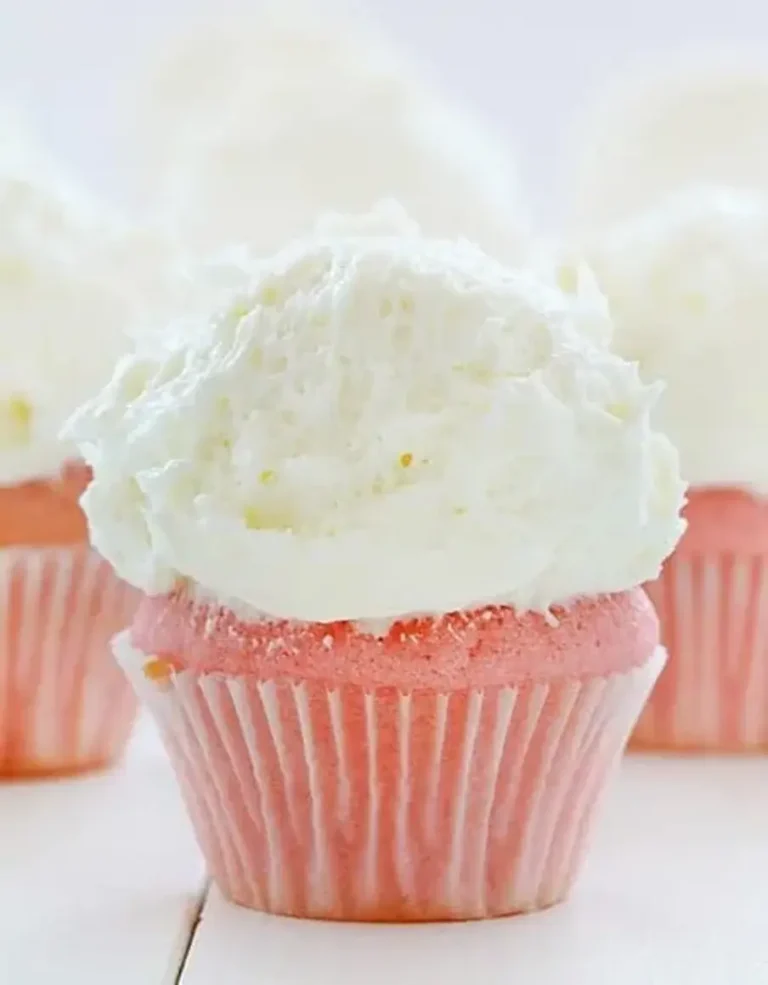
The BEST Whipped Vanilla Buttercream frosting!
Ingredients
- 1 cup (2 sticks or 226g) butter, (softened)
- 2 teaspoons Vanilla Extract
- 1 teaspoon Almond Extract
- 4 cups (32 ounces) confectioners sugar, (sifted*)
- 2 tablespoons whole milk, (you can use up to 1/2 cup if you need a loose, creamy consistency)
- pinch salt
Instructions
- Beat butter in bowl of stand mixer with whisk attachment on medium-high speed until light and fluffy. (about 3 minutes)
- Add vanilla and almond extract.
- With the mixer on low, slowly add in confectioners sugar , milk, and salt; frequently scrape sides and bottom of the bowl.
- Once incorporated, whip frosting for at least 3 minutes on medium high to high. (My mixer went for 7 minutes)
- If frosting is too thick to spread, gradually beat in additional milk.
- Store in refrigerator up to 2 weeks. Rewhip before using.