
Szechuan Sauce
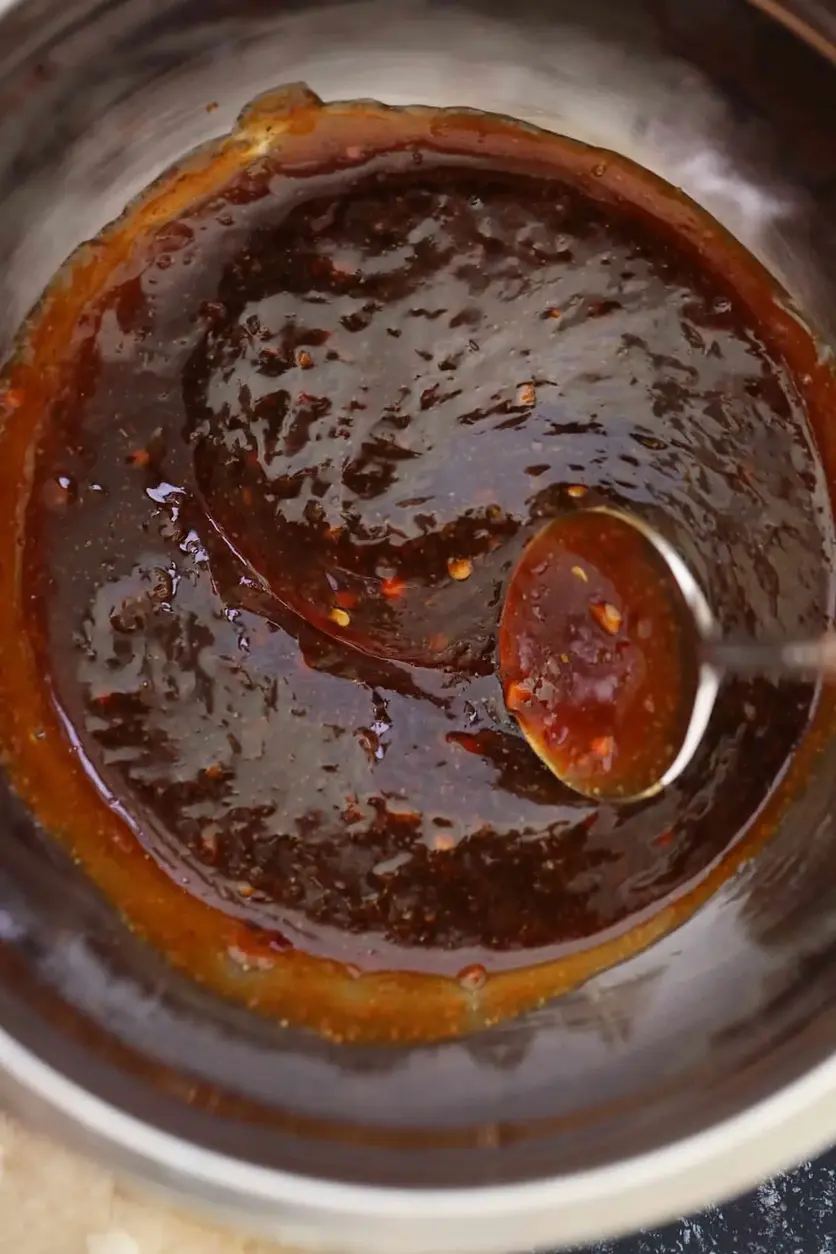
Table of Contents
Szechuan Sauce with a Perfect Balance of Sweet, Savory, and Spice
I still remember the first time I tasted a truly great Szechuan sauce. It was a cold winter evening in New York City, and a friend had just returned from a trip to Chengdu, bringing back a jar of homemade chili oil that practically glowed with warmth. Standing in my tiny apartment kitchen, I stirred together soy sauce, fresh ginger, and chili garlic sauce — the same bold ingredients my mother used in Morocco to wake up simple stews. That night, I knew I had to create my own version of Szechuan sauce that captures that same fiery-sweet-savory magic. This Szechuan sauce is my go-to for easy weeknight dinners, and it takes just 15 minutes to make.
When this sauce hits the pan, the aroma is intoxicating. The soy sauce and brown sugar meld together into a deep, glossy backdrop, while the chili garlic sauce and red pepper flakes add a slow-building heat that doesn’t overwhelm. Fresh ginger brings a bright, zesty note, and the rice vinegar cuts through with a gentle tang. As it thickens, the sauce clings beautifully to noodles, chicken, or vegetables. In my Paris culinary training, I learned that a great sauce is all about balance — and this one achieves that perfect harmony with every spoonful.
What makes my version truly special? I swear by a technique I call the “double chili” approach: using both Asian chili garlic sauce and crushed red pepper flakes for layers of heat. It’s a trick I’ve honed over years of testing in my own kitchen. Plus, I’ll share a foolproof way to prevent lumps and a common mistake that can thin out the sauce. From my NYC kitchen to yours — this Szechuan sauce is about to become your new favorite condiment.
Why This Szechuan Sauce Recipe Is the Best
The flavor secret of this Szechuan sauce lies in its depth. I combine the umami richness of low-sodium soy sauce with the caramel notes of brown sugar, then layer in heat from both chili garlic sauce and red pepper flakes. This double-chili method, inspired by my time learning spice blending in Morocco, gives the sauce a complex warmth that never feels one-note. It’s a trick I picked up from my mother’s harissa-making days.
Texture perfection comes from a simple but precise technique: the cornstarch slurry. In my Parisian pastry training, I learned that a slurry must be fully dissolved before adding to heat, or you’ll end up with lumps. I whisk the cornstarch into cold chicken broth until it’s silky smooth, then stir it into the simmering sauce. The result is a glossy, pourable consistency that clings to every ingredient but never turns pasty.
Foolproof and fast is my promise. With just 10 ingredients and 15 minutes, this Szechuan sauce is as easy as it gets. Even if you’ve never made a sauce from scratch before, my step-by-step instructions with clear visual cues will guide you through. The recipe is also naturally gluten-free if you use tamari instead of soy sauce, and vegetarian with veggie broth — making it a versatile staple.
Szechuan Sauce Ingredients
Every ingredient in this Szechuan sauce has a purpose, and I source mine from my local NYC farmers market and Asian grocery stores. The fresh ginger reminds me of the fragrant roots my mother used in Moroccan tagines, while the chili garlic sauce brings back the heat I love from Szechuan cooking. Here’s the complete list of what you’ll need.
Ingredients List
- 1/4 cup low-sodium soy sauce
- 2 tablespoons red wine vinegar
- 1 tablespoon fresh ginger (minced)
- 2 tablespoons brown sugar
- 1 tablespoon Asian chili garlic sauce (or chili sauce)
- 1 tablespoon rice vinegar
- 1/2 teaspoon crushed red pepper flakes
- 1/2 teaspoon garlic powder
- 1/2 cup chicken broth (veggie broth for vegetarian)
- 1 tablespoon cornstarch
Ingredient Spotlight
Soy sauce is the backbone of this Szechuan sauce. I always use low-sodium soy sauce to control the saltiness — full-sodium versions can make the sauce too salty, especially when reduced. If you’re gluten-free, swap in tamari or coconut aminos; both work well, though tamari gives a slightly richer flavor.
Fresh ginger is non-negotiable here. The ground stuff just doesn’t have the same bright, pungent kick. Look for ginger with smooth skin and a firm texture at your grocery store. Peel it with a spoon to avoid wasting any of the fragrant flesh.
Asian chili garlic sauce is what gives this sauce its signature heat. Brands like Huy Fong or Lee Kum Kee are widely available in the US. If you can’t find it, substitute sambal oelek or even Sriracha — but note that Sriracha is sweeter, so reduce the brown sugar by 1 tablespoon.
Brown sugar adds sweetness and helps the sauce achieve that glossy finish. Light or dark brown sugar both work; dark gives a deeper molasses note. In a pinch, honey or maple syrup can be used, but they’ll thin the sauce slightly, so cook it an extra minute.
| Original Ingredient | Best Substitution | Flavor / Texture Impact |
|---|---|---|
| Low-sodium soy sauce | Tamari or coconut aminos | Tamari: slightly richer; coconut aminos: milder, sweeter |
| Fresh ginger | 1/2 tsp ground ginger | Less bright, less pungent; still works |
| Asian chili garlic sauce | Sambal oelek or Sriracha | Sambal: similar heat; Sriracha: sweeter, less thick |
| Brown sugar | Honey or maple syrup | Thinner sauce; add 1 min cook time |
| Chicken broth | Vegetable broth or water | Vegetable broth: very similar; water: slightly less savory |
How to Make Szechuan Sauce — Step-by-Step
Making this Szechuan sauce is incredibly straightforward. Follow these three simple steps, and you’ll have a sauce that rivals any takeout version.
Step 1: Prepare the Cornstarch Slurry
In a small bowl, combine the 1/2 cup chicken broth and 1 tablespoon cornstarch. Stir vigorously with a fork or small whisk until the cornstarch is completely dissolved and no white streaks remain. This slurry will thicken the sauce in the next steps, giving it that silky, glossy finish.
💡 Stella’s Pro Tip: Use cold broth for the slurry. Warm liquid can cause the cornstarch to clump before it dissolves.
Step 2: Combine and Bring to a Boil
Place a medium saucepan over medium heat. Add the soy sauce, red wine vinegar, minced fresh ginger, brown sugar, Asian chili garlic sauce, rice vinegar, crushed red pepper flakes, and garlic powder. Stir everything together and bring the mixture to a light boil — you’ll see small bubbles rise to the surface. Do not add the cornstarch slurry yet.
⚠️ Common Mistake to Avoid: Don’t skip the stirring. If you let the sugar sit against the hot pan, it can scorch and create a burnt flavor.
Step 3: Thicken and Finish
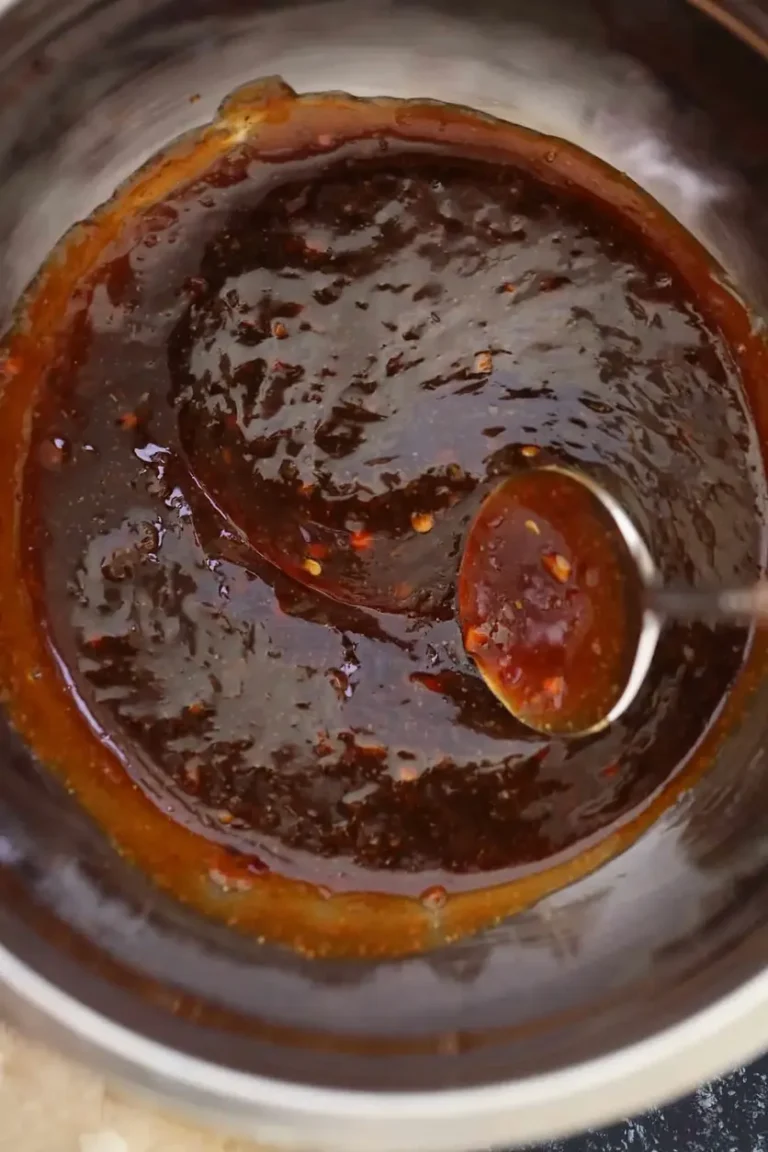
Whisk the cornstarch slurry again briefly (it may have settled), then pour it into the saucepan in a steady stream while stirring constantly. Continue stirring as the sauce returns to a simmer. Within 3 to 5 minutes, you’ll see the sauce transform from thin and watery to thick and glossy, coating the back of a spoon. Remove from heat and let it cool for 2-3 minutes. The sauce will continue to thicken as it cools.
💡 Stella’s Pro Tip: For a thinner sauce for dipping, use only 2 teaspoons of cornstarch. For a thicker glaze for stir-fries, use 1.5 tablespoons.
| Step | Action | Duration | Key Visual Cue |
|---|---|---|---|
| 1 | Prepare slurry | 1 minute | No white streaks remain |
| 2 | Combine and boil | 3-4 minutes | Small bubbles rising steadily |
| 3 | Thicken and finish | 3-5 minutes | Sauce coats back of spoon |
Serving & Presentation
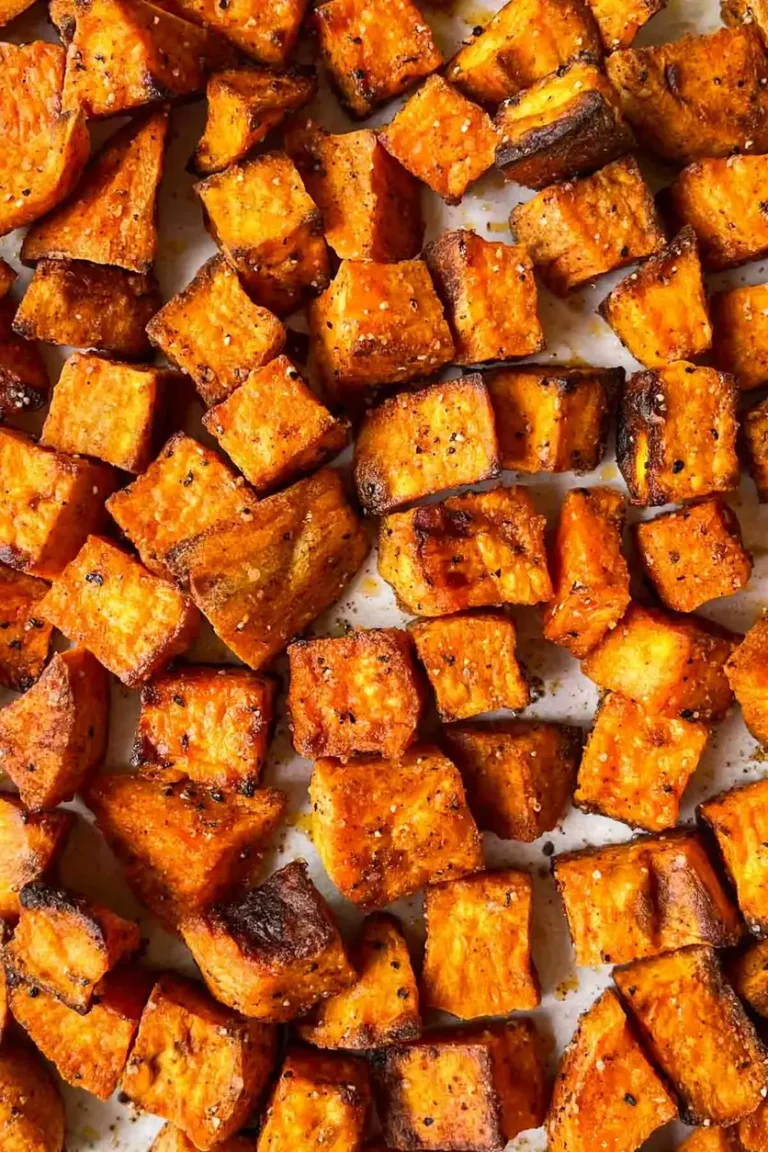
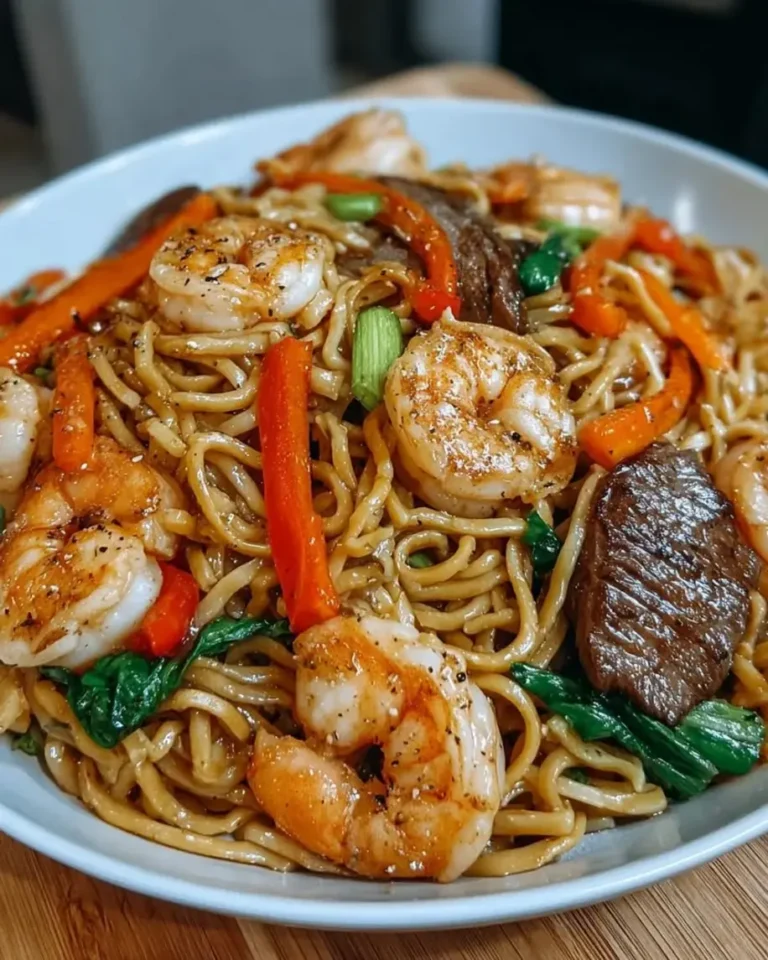
This Szechuan sauce is incredibly versatile, just like the harissa sauces I grew up with in Morocco. I love using it as a dipping sauce for spring rolls or dumplings, or drizzling it over crispy tofu for a quick weeknight dinner. For a main dish, toss it with cooked rice or noodles and add stir-fried vegetables — it’s my go-to after a long day in the city.
When I serve this at gatherings, I like to garnish with a sprinkle of sesame seeds and a few slices of fresh green onion for a pop of color. The sauce is also fantastic brushed onto grilled chicken or pork during the last few minutes of cooking. From my NYC apartment to your table, this sauce elevates simple meals into something special.
For the best presentation, serve the sauce in a small bowl with a spoon alongside your main dish. It also makes a beautiful dipping sauce for appetizers — just keep it warm on the stovetop or in a fondue pot for parties.
| Pairing Type | Suggestions | Why It Works |
|---|---|---|
| Side Dish | Steamed rice, sesame noodles, vegetable stir-fry | Absorbs sauce without overpowering |
| Sauce / Dip | Spring rolls, dumplings, chicken wings, crispy tofu | Coat evenly for bold flavor |
| Beverage | Green tea, crisp lager, light Pinot Noir | Balances heat with refreshing or fruity notes |
| Garnish | Sesame seeds, sliced green onion, fresh cilantro | Adds texture and fresh contrast |
Make-Ahead, Storage & Reheating
This Szechuan sauce is a lifesaver for busy New Yorkers like me. I often make a double batch on Sunday and keep it in the fridge for quick stir-fries all week. It stores beautifully and reheats in minutes — a trick my mother taught me for preserving Moroccan sauces.
| Method | Container | Duration | Reheating Tip |
|---|---|---|---|
| Refrigerator | Airtight glass jar | Up to 7 days | Reheat in a saucepan over low heat, stirring occasionally |
| Freezer | Freezer-safe container or ice cube tray | Up to 3 months | Thaw in fridge overnight, then whisk while reheating |
| Make-Ahead | Same refrigerator container | Up to 3 days in advance | Stir before using; may need 1-2 minutes extra simmering to re-thicken |
When reheating, I’ve found that a splash of water or broth can bring the sauce back to its original consistency if it’s thickened too much in the fridge. Always stir well and heat gently over low heat to prevent sticking. If you do spot any lumps, a quick whisk will smooth them right out.
Variations & Easy Swaps
Over the years, I’ve played with many variations of this Szechuan sauce — some inspired by Moroccan street food, others by Parisian sauces. Here are three easy swaps that keep this recipe exciting.
<
Print
Szechuan Sauce
This Szechuan sauce is a flavorful sweet and savory recipe with just the right amount of spice. I make it in 15 minutes using soy sauce, fresh ginger, and chili garlic sauce. It works perfectly as a dip, marinade, or sauce for rice, noodles, and stir-fried meals.
Ingredients
- 1/4 cup low-sodium soy sauce
- 2 tablespoons red wine vinegar
- 1 tablespoon fresh ginger (minced)
- 2 tablespoons brown sugar
- 1 tablespoon Asian chili garlic sauce (or chili sauce)
- 1 tablespoon rice vinegar
- 1/2 teaspoon crushed red pepper flakes
- 1/2 teaspoon garlic powder
- 1/2 cup chicken broth (veggie broth for vegetarian)
- 1 tablespoon cornstarch
Instructions
- Combine broth and cornstarch in a small bowl; stir until dissolved
- In a saucepan over medium heat, add all ingredients except broth and cornstarch mix and bring to a light boil.
- Stir the cornstarch mixture until it thickens, about 3-5 minutes. Remove from heat and let it cool.


| Variation |
|---|