Red Wine Braised Short Ribs in Dutch Oven
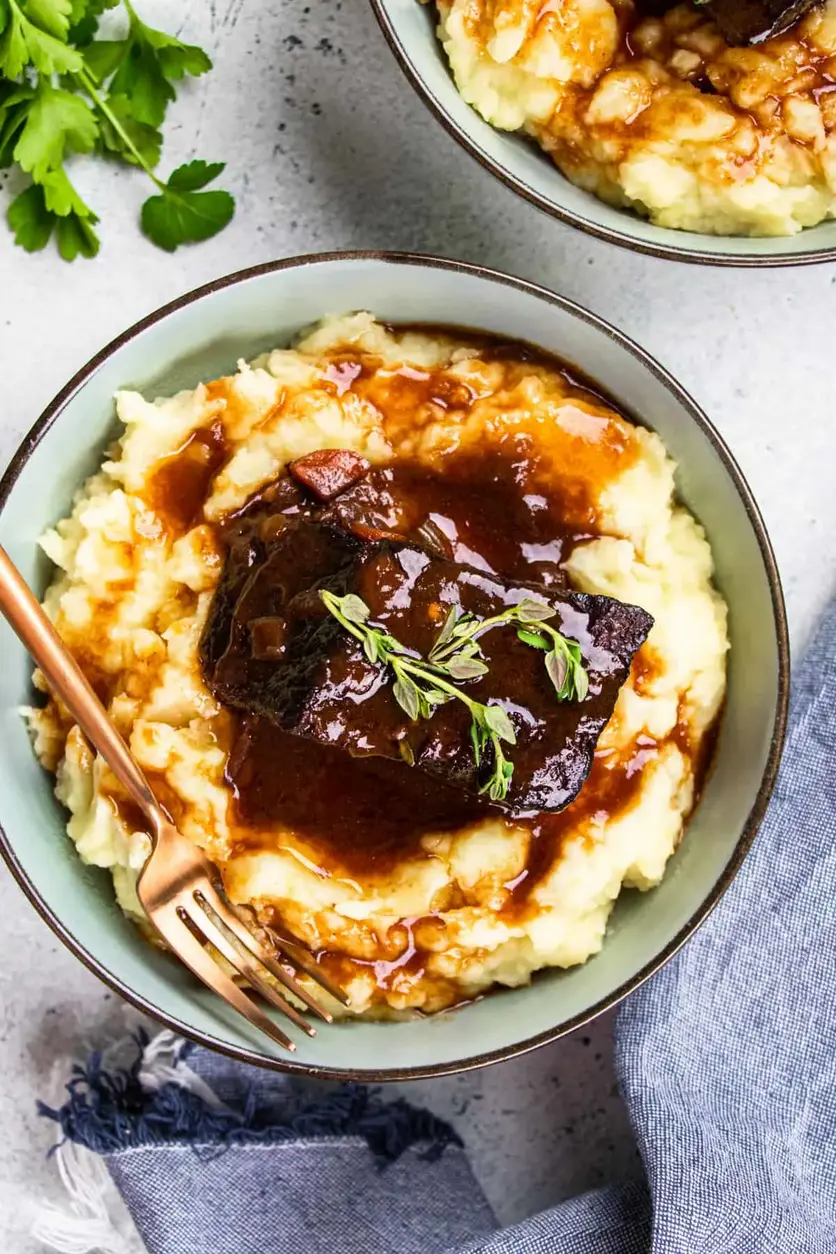
Table of Contents
Red Wine Braised Short Ribs in Dutch Oven – French De‑glazing Magic for a Comforting Classic
Growing up in a Moroccan household where spices danced around the simmering pots and a black French press handed me coffee as meaning prompts for my cooking, I found myself in a New York apartment mixing heritage with high‑end techniques. When I first tested this Red Wine Braised Short Ribs recipe, I let the French de‑glazing method unlock a depth that brings this classic comfort dish to a whole new level—perfect for busy nights and cozy Sunday dinners alike.
Imagine a generous stew with the meat so tender that it practically melts in your mouth, a rich sauce that combines the earthy sweetness from caramelized onions, the sharpened brightness of fresh thyme, and the mellow, oaky notes of Cabernet Sauvignon. The beef’s slow melt releases fat that coats the cushion of veggies, while the broth-boiled heart turns into a silky, glossy sauce that echoes the aromas of a bustling Parisian trattoria.
My version pushes past the typical “soft” short‑rib recipe by adding a critical de‑glazing step: after the meat has browned on all sides, I pour in the wine to loosen the caramelized bits, creating a rustic backbone for the sauce that stirs the whole pot. My key pro tip is to let the sauce reduce a bit before adding the broth; this concentrates flavor and prevents the stew from becoming watery. A common mistake I’ve seen people make is skipping the browning step, which leaves the meat under‑seasoned and the sauce lacking depth.
Why This Red Wine Braised Short Ribs in Dutch Oven Recipe Is the Best
The Flavor Secret originates from the French de‑glazing technique I learned under a Parisian chef. By gently searing the short ribs and then simmering them in high‑living Cabernet, I develop a sauce that balances earthy beef with bright acidity—delightful for a quick week‑night meal yet sophisticated enough for a dinner party.
Perfected Texture comes from two crucial steps: first, I brown each rib until a dark crust forms, sealing in juices; then, I slow‑cook the meat in a Dutch oven at a low, steady 350°F. This method liberates collagen, turning the ribs tender while the fat crisps into a silky glaze.
Foolproof & Fast means it’s approachable for beginners because every element is pre‑measured and the oven does the heavy lifting. Even if you’ve never simmered a pot for hours, the clear steps keep you on track, and the final result is a velvety, fall‑apart feast that requires minimal attention.
Red Wine Braised Short Ribs Ingredients
I always shop for the main cuts at the Brooklyn farmers market, where the friendly butchers offer the best bone‑in ribs with a firm, juicy bite. Fresh onions from West Village farmers bring sweetness, and I favor organic tomatoes from a local co‑op, because they have that ripe depth that lends itself to a hearty broth.
Ingredients List
- 2 tablespoons olive oil
- 3–4 pounds bone‑in short ribs (8–10 pieces)
- Salt (pepper to taste)
- 1 large onion, diced
- 2 stalks celery, diced
- 2 carrots, diced
- 3 cloves garlic, crushed
- 2 tablespoons tomato paste
- 2 cups Cabernet Sauvignon
- 3 cups beef broth
- 2 bay leaves
- 1 sprig thyme, fresh
- 1 sprig oregano, fresh
Ingredient Spotlight
Short Ribs – The cut’s marbled fat melts into a silky sauce; choose a chuck or rib area that’s beefy but not too fatty, and trim excess fat for a cleaner finish. If you can’t find bone‑in ribs, a sirloin roast will give a similar flavor but stays leaner.
Cabernet Sauvignon – This bold red wine adds bittersweet undertones that support the beef’s richness. Pick a wine you’d enjoy sipping; a slightly sweet, low‑alcohol version can lighten the stew for a milder taste.
Beef Broth – A low‑sodium, organically‑grown broth prevents an overly salty dish. If you prefer, use vegetable stock or add a splash of balsamic vinegar for extra depth.
| Original Ingredient | Best Substitution | Flavor / Texture Impact |
|---|---|---|
| Short Ribs | Pork Shoulder (poor copatible) | Less beefy flavor, higher fat, slightly leaner texture |
| Cabernet Sauvignon | Merlot or Shiraz | Richer sweetness or spicier heat; keep same volume |
| Beef Broth | Dark Soy Sauce + Water | Salty, umami, broth becomes richer |
How to Make Red Wine Braised Short Ribs in Dutch Oven — Step-by-Step
Pull a fine eye and let your senses guide you—this method keeps the process simple and the results luxurious.
Step 1: Browning the Meat
Preheat the oven to 350°F. Pat the ribs dry, season with salt and pepper. In a 6‑qt Dutch oven, heat 2 tbsp olive oil over medium‑high until shimmering. Brown the ribs 5‑6 minutes per side, then set aside. The dark crust is the flavor base.
💡 Stella’s Pro Tip: For a deeper caramelization, turn the heat to foci on the stove after the initial sear to enhance Maillard browning.
Step 2: Cooking the Vegetables
Add diced onion to the same pot and cook 8‑10 minutes until translucent. Toss in diced celery and carrots, simmer 3‑5 more minutes until softened. The vegetables form the aromatic base.
⚠️ Common Mistake to Avoid: Skipping the sauté phase means a flat, flavor‑poor broth. Let the veggies soften fully before moving on.
Step 3: Deglazing with Wine
Crush the garlic, add it along with 2 tbsp tomato paste, and cook until fragrant. Pour in the 2 cups Cabernet, bring to a boil, then lower to medium until the liquid reduces by half (15‑20 minutes). This concentrates the wine’s acidity.
💡 Stella’s Pro Tip: Use a spoon to scrape up the caramelized bits from the bottom; these are packed with flavor.
Step 4: Adding Broth and Herbs
Stir in 3 cups beef broth, bay leaves, fresh thyme, and oregano. Toss the browned ribs back into the stew. The aromatics lift the sauce into a fragrant tableau.
⚠️ Common Mistake to Avoid: Adding too much broth too early can dilute the sauce; let the wine reduce before broth.
Step 5: Oven Braising
Cover the pot and place it in the preheated oven. Cook 2 ½–3 hours or until the ribs sink to a tender, almost fall‑apart consistency. The Dutch oven’s even heat keeps the sauce moist.
💡 Stella’s Pro Tip: Leave the lid slightly ajar for a thicker gravy; slide it back on if the liquid evaporates too quickly.
Step 6: Final Simmer
Remove the ribs to a platter and tent with foil. Strain the sauce to discard solids, then return liquid to the pot and simmer until it thickens to a glossy consistency. This final step clothes everything in a velvety coating.
⚠️ Common Mistake to Avoid: Ignoring the final simmer; the sauce can remain watery if not thickened enough.
| Step | Action | Duration | Key Visual Cue |
|---|---|---|---|
| 1 | Browning the Meat | 5–6 mins each side | Dark brown crust forms |
| 2 | Cooking Vegetables | 8–10 mins sum | Onion translucent |
| 3 | Deglazing with Wine | 15–20 mins reduction | Liquid reduces to half |
| 4 | Adding Broth & Herbs | 0 min, quick toss | Fresh herbs visible |
| 5 | Oven Braising | 2.5–3 hrs | Meat starts to fall off the bone |
| 6 | Final Simmer | 10–15 mins | Glassy glaze coats spoon |
Serving & Presentation
On the plating stage, I hollow a rustic wooden board and load the ribs alongside potato puree, roasted carrots, and a splash of the glossy sauce. Sprinkle fresh thyme and a drizzle of olive oil for brightness. It feels like a Moroccan if I blind‑fold my guests and let them taste the sum of spices, or a French feast if I set a linen napkin and a glass of the same Cabernet.
Pairing this dish with a buttery mashed potatoes or creamy polenta brings out the sauce’s richness, while a crisp green salad, like a classic mixed greens with sherry vinaigrette, cuts through the heaviness. My favorite beverage is a glass of the very Cabernet we used for cooking, or a chilled lager from the nearby Brooklyn brewpubs.
| Pairing Type | Suggestions | Why It Works |
|---|---|---|
| Side Dish | Mashed potatoes, roasted potatoes, creamy polenta | Comforting starchy base that soaks up the sauce. |
| Sauce / Dip | Red wine reduction, béarnaise, or a simple béchamel | Adds extra depth or creamy contrast. |
| Beverage | Cabernet Sauvignon, chilled lager, or a light white such as Sauvignon Blanc | Enhances the wine’s notes embedded in the sauce. |
| Garnish | Fresh thyme sprigs, grated Parmesan, or a touch of paprika | Adds aroma, color, and the final flourish. |
Make-Ahead, Storage & Reheating
For my busy NYC days, I sometimes slow‑cook the ribs a day ahead so the flavors deepen overnight. The sauce locks in richness, and reheating just requires a gentle simmer on the stove while I make the potato puree.
| Method | Container | Duration | Reheating Tip |
|---|---|---|---|
| Refrigerator | Stainless steel Dutch oven with lid | 3–4 days | Reheat on low, stirring until warmed. |
| Freezer | Vacuum‑sealed bag | 2–3 months | Thaw overnight in fridge, then warm on low. |
| Make-Ahead | Separate sauce and meat in silicone ramekins | 5 days | Reassemble and heat gently, add fresh herbs. |
When reheating, I never dump the stew straight into the fridge; instead I bring it to a gentle simmer and stir occasionally. A slight splash of beef broth or a drizzle of olive oil restores the sauce’s luscious sheen.
Variations & Easy Swaps
| Variation | Key Change | Best For | Difficulty Impact |
|---|---|---|---|
| Sweet and Spicy | Add 1 tbsp red pepper flakes and 2 tbsp honey in step 3 | Savorists | Minor |
| Gluten-Free / Dairy-Free | Use tamari instead of soy sauce; thicken with flourless roux (butter & cornstarch) | Health‑Conscious Guests | Easy |
| Seasonal Flavor Twist | Swap carrots for butternut squash or add mushrooms in step 2 | Far‑Spring / Fall menu | Minor |
Variation 1: Sweet and Spicy
In this take I toss in a tablespoon of crushed red pepper flakes with the wine reduction and swirl in a spoonful of honey during deglazing. The heat cuts the oiliness and the honey adds a caramelized note reminiscent of Moroccan tagines.
Variation 2: Gluten-Free / Dairy-Free
Replace the tomato paste with a gluten‑free tomato puree, swap soy sauce for tamari, and finish with a roux made from butter and cornstarch. The result is as smooth and rich, but fits a diet that avoids wheat and dairy.
Variation 3: Seasonal Flavor Twist
Take the potato puree and swap it for rye‑bread mash, or sauté sliced mushrooms with the vegetables. The earthy flavor pairs beautifully with this hearty stew, especially during the colder months when the city’s markets are full of root veggies.
How long do short ribs take to become tender at home?
At home, short ribs need to slow‑cook for about 2½–3 hours in a Dutch oven at 350°F. The low, steady heat forces collagen into gelatin, which turns the meat tender enough to fall apart. The exact time can vary slightly based on thickness, but this window consistently yields perfect results.
What type of wine works best for braising short ribs?
A bold red wine, such as Cabernet Sauvignon, Merlot, or Shiraz, is ideal for braising. Its tannins and fruit flavors deepen the sauce, add body, and provide an underlying savory layer that’s complementary to the beef’s richness. If you’re craving sweetness, choose a high‑sugar Merlot; if acerbity feels right, a dry Cabernet works best.
Can I use a pressure cooker instead of a Dutch oven?
Yes, a pressure cooker can yield tender ribs in a fraction of the time—about 15–20 minutes. The high steam pressure accelerates collagen breakdown, but you’ll skip the slow oven braising flavor deepening. To mimic that depth, you might deglaze with wine before sealing the cooker, then finish in the oven for flavor richness.
Is it safe to consume leftover short ribs at room temperature?
Food safety guidelines advise refrigerating leftovers within two hours of cooking. For this dish, rest the ribs in a shallow dish and place them in the refrigerator or a cooler with ice packs. Leaving them at room temperature for extended periods can allow bacterial growth. Always refrigerate within the recommended window.
Do I need to strain the sauce after braising?
Straining is optional but highly recommended for a silky finish. Removing the solids clutters the sauce and ensures only liquid and aromatics stay. If you prefer a chunkier gravy or want to use the vegetables in another dish, you can leave them unstrained and let them rehydrate while you simmer to thicken.
What substitutions can I use if I can’t find bone‑in short ribs?
In a pinch, bone‑on ribeye steak or a beef chuck roast cut into sections can perform admirably. They have similar fat content and will tenderize with extended braising. The main difference is flavor intensity: bone‑in pieces infuse marrow into the sauce, while boneless cuts provide a leaner, slightly milder meat that still tastes fantastic.
What is the best storage method for remaining sauce?
Store the finished sauce in an airtight glass jar or a leak‑proof freezer bag. It keeps well in the refrigerator for up to 3–4 days and freezes nicely for 2–3 months. Before reheating, thaw slowly in the fridge, then gently warm on low, stirring to restore the velvety texture.
Can I add mushrooms to this recipe?
Yes, sliced mushrooms add an earthy depth. Sauté them along with the onions and carrots in step 2; their umami flavors meld beautifully with the beef. Use button or cremini mushrooms for an earthy, subtle note, or dark shiitake for a richer, smoky undertone.
What are the best side dishes to pair with short ribs?
Classic sides include mashed potatoes, creamy polenta, roasted root vegetables, butternut squash puree, or a green bean almondine. These hearty, starchy or vegetable options soak up the sauce and balance the richness of the ribs. For a lighter tone, a simple arugula salad with citrus vinaigrette complements the dish without overpowering.
Do you recommend adding any sweetener to the sauce?
Subtle sweetness can counterbalance acidity; a teaspoon of honey or caramelized onions helps smooth sharp edges. Be cautious with the amount to avoid making the sauce too sweet. A pinch of brown sugar along with a splash of balsamic vinegar can also create a balanced, robust flavor profile that is particularly effective with hearty wines.
Share Your Version!
I love seeing how you twist my recipes to fit your family’s palate. Drop me a rating and comment below—your feedback fuels my next culinary adventure. Also, if I’ve caught your eye, share your creation on Instagram or Pinterest and tag @leosfoods so I can admire your kitchen in bright NYC light. I’ll reply to my favorite posts!
From my NYC kitchen to yours — I hope this recipe brings as much warmth to your table as it does to mine. — Stella 🧡
Love This Recipe? Save It to Pinterest!
If you enjoyed this Red Wine Braised Short Ribs recipe, don’t let it get lost in your browser tabs! 😄 Pin it now so you can find it again anytime — and explore hundreds more tried-and-tested recipes waiting for you on my Pinterest boards.
👉 Follow Stella on Pinterest @exorecipe
📌 Pin this recipe · 🔁 Re-pin your favorites · 💬 Tag me when you make it — I love seeing your creations!
Got a twist or a question about this recipe? Drop it in the comments below—let’s keep the conversation simmering!
Red Wine Braised Short Ribs in Dutch Oven
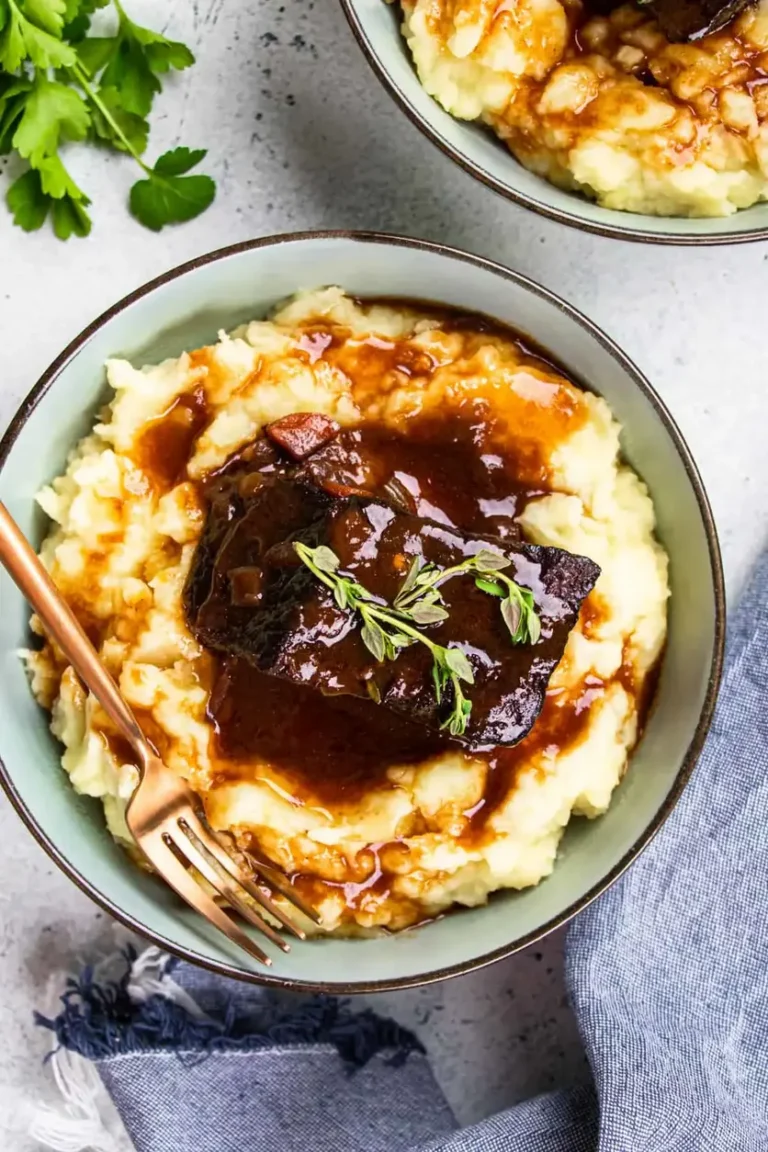
Red Wine Braised Short Ribs is the best recipe for tender fall apart bone-in beef short ribs slow cooked with gravy in a Dutch Oven. This is a perfect comfort meal you can make at home for your friends and family!
Ingredients
- 2 tablespoons olive oil
- 3–4 pounds bone-in short ribs (8–10 pieces)
- Salt (pepper to taste)
- 1 large onion (diced)
- 2 stalks celery (diced)
- 2 carrots (diced)
- 3 cloves garlic (crashed)
- 2 tablespoons tomato paste
- 2 cups wine (Cabernet Sauvignon)
- 3 cups beef broth
- 2 bay leaves
- 1 spring thyme
- 1 spring oregano
Instructions
- To start, lets preheat the oven to 350°F.
- Rinse and pat dry the meat and generously season with salt and pepper.
- Heat 2 tbsp olive oil in 6 Qt Dutch oven over medium-high heat. Brown the meat in two batches for 5-6 minutes on each side, then transfer to a plate and set aside.
- Add 1 diced onion and cook for 8-10 minutes or until translucent and softened. Then add 2 stalks diced celery and 2 diced carrots, and cook for 3-5 minutes more.
- Add 3 cloves smashed garlic and 2 tbsp tomato paste and cook for a few more minutes.
- Stir in 2 cups wine, bring to boil, lower the heat to medium and simmer until it reduces in half, about 15-20 minutes.
- Add 3 cups beef broth and stir.
- Transfer the meat back to the pot, add bay leaves, thyme and oregano.
- Cover with the lid and transfer to the oven.
- Cook for 2 ½-3 hours or until the ribs are tender.
- Transfer the meat to the plate and cover with foil.
- Strain the sauce and set discard the vegetables.
- Pour the liquid back to the pot and simmer until it thickens.