Mongolian Ground Beef Noodles
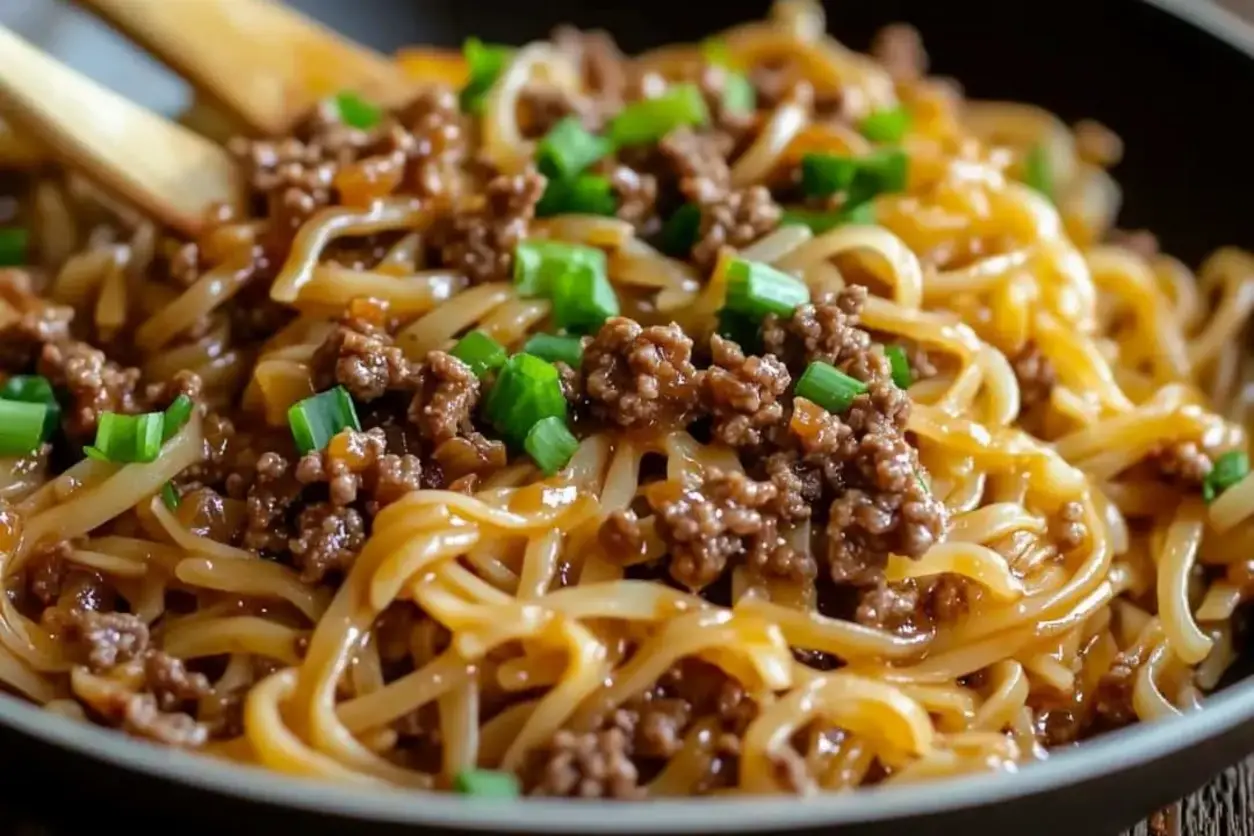
Table of Contents
Mongolian Ground Beef Noodles Linguine Noodle Twist – A Quick & Flavorful Weeknight Delight
When I first stepped into the bustling markets of Morocco, the aroma of spiced cumin and garlic was intoxicating. Years later, after mastering sauce work in Paris, I found myself craving a dish that could marry those two worlds with a dash of New York hurry. The Mongolian Ground Beef Noodles Linguine Noodle Twist is that fusion – a hearty, sweet-salty stir‑in‑a‑pan that makes any weekday dinner feel like a culinary trip across continents.
Imagine plump tender linguine tossed in a glossy sauce that sings of hoisin, soy, and a whisper of ginger. The beef releases its natural umami while the brown sugar caramelizes just enough to give a subtle sweetness. Garlic roars through the pan, and a pinch of red pepper flakes may lift the dish into a bright, lively arena. The finished plate glistens with green onions, and the sight alone makes your taste buds vibrate.
The secret to this recipe’s magic lies in the quick sear of beef and the “linguine noodle twist.” By using linguine instead of traditional Chinese egg noodles, I give it a chewy bite that pairs beautifully with the sauce’s thickness – a technique honed in 24‑hour Paris brunch kitchens. Before handing it out, I always fold a layer of fresh baby spinach into the mix, a small trick that adds both nutrition and a vibrant color contrast. One common mistake: over‑searing the beef, which dries it out; I keep the heat medium and release pan juices at the end to keep it juicy.
Why This Mongolian Ground Beef Noodles Recipe Is the Best
The flavor profile here is a balanced duet of sweet, savory, and a gentle heat from the red pepper flakes. My Moroccan roots teach me the power of complementary flavors – sweet and salty – while the French emphasis on sauce depth makes the sauce silky. Together, they create a dish that feels comforting yet adventurous.
Textural mastery comes from the linguine’s chew and the glossy sauce that clings to each strand. I keep the noodles al dente, and the sauce’s cornstarch slurry thickens just enough to coat every bite without turning it gluey – a trick I learned from a French haute‑cuisine pastry chef who taught me the importance of “thickens, but not clumps.”
Even novices can produce this dish because the steps are linear and forgiving. The quick sauté of beef, the addition of aromatics, the creation of sauce, and the final toss of noodles make it a hands‑on exercise that never feels intimidating. A small pro tip: cover the pan with a lid for the last minute to trap steam and finish the sauce in full flavor.
Mongolian Ground Beef Noodles Ingredients
In my wanderings through Chelsea Market, I handpick fresh ground beef and aromatic garlic, then grab a jar of hoisin sauce from a Korean shop. The blend of ingredients feels like a passport stamped with flavors from North Africa, France, and New York.
Ingredients List
- 1 lb ground beef
- 5 cloves garlic, minced
- 1/3 cup brown sugar
- 1/4 cup beef broth
- 1/3 cup soy sauce
- 3 tablespoons hoisin sauce
- 1/2 teaspoon ground ginger
- 1/2 teaspoon ground black pepper
- Pinch of red pepper flakes (optional for a spicy kick)
- 10 oz linguine
- 1 tablespoon cornstarch
- 2 tablespoons water
- 4 green onions, sliced for garnish
Ingredient Spotlight
Ground Beef: A lean cut delivers juicy flavor without excess fat. Look for a 80/20 blend at a local butcher. Substitute 1 lb ground turkey for a leaner version, keeping the same ratio of spices for a lighter bite.
Hoisin Sauce: This Chinese condiment gives depth and sweetness. Select a brand with low added sugar. If you’re allergic, substitute with a mix of honey and soy for a similar sweet-savory profile.
Linguine: The choice of linguine over egg noodles changes mouthfeel. Buy fresh pasta from the Italian section of Aldi, or use spaghetti if you’re short on time; it still absorbs the sauce beautifully.
| Original Ingredient | Best Substitution | Flavor / Texture Impact |
|---|---|---|
| Ground Beef | Ground Turkey | Lighter, slightly less fatty; preserves protein. |
| Hoisin Sauce | Honey + Soy | Sweet, salty; may be less complex. |
| Linguine | Spaghetti | Similar thickness; absorbs sauce slightly faster. |
How to Make Mongolian Ground Beef Noodles — Step-by-Step
Let’s dive in; with a few simple moves, you’ll have a plate of comfort ready in under half an hour.
Step 1: Begin – Cook the Linguine
Bring a pot of salted water to a boil; add 10 oz linguine and cook for 8–9 minutes until al dente. Drain and set aside to avoid sticking.
💡 Stella’s Pro Tip: Toss a splash of olive oil after draining to keep noodles separated.
Step 2: Sizzle – Brown the Beef
Heat a large skillet over medium heat. Add ground beef, breaking it apart with a spatula. Cook until browned and no longer pink, about 5–6 minutes. Drain excess fat.
⚠️ Common Mistake to Avoid: Over‑crowding the pan; it steams the beef and turns it rubbery.
Step 3: Sumptuous – Add Garlic & Sauces
Stir in minced garlic; sauté 30 seconds until fragrant. Add brown sugar, beef broth, soy sauce, hoisin sauce, ground ginger, black pepper, and optional red pepper flakes. Stir until sugar dissolves and sauce is aromatic.
💡 Stella’s Pro Tip: Use a silicone spatula to scrape any browned bits – they’re full of flavor.
Step 4: Thickening – Slurry the Cornstarch
In a small bowl, whisk 1 tablespoon cornstarch with 2 tablespoons water until smooth. Pour into skillet, stir, and let simmer for 2–3 minutes until sauce thickens.
⚠️ Common Mistake to Avoid: Adding the slurry too early, causing uneven thickening.
Step 5: Toss – Combine Beef & Linguine
Add the cooked linguine to the skillet. Toss well so every strand is coated. Simmer for an additional minute to let the noodles absorb the sauce.
💡 Stella’s Pro Tip: Finish with a splash of water if sauce is too thick; this keeps noodles silky.
Step 6: Garnish & Serve
Scatter sliced green onions over the top and serve hot straight from the skillet. The aroma alone will transport you to a bustling Moroccan street kitchen.
⚠️ Common Mistake to Avoid: Allowing the dish to rest at room temperature; keep it warm for the best texture.
| Step | Action | Duration | Key Visual Cue |
|---|---|---|---|
| Step 1 | Cook Linguine | 8-9 mins | Al dente consistency |
| Step 2 | Brown Beef | 5-6 mins | Uniform golden brown |
| Step 3 | Add aromatics & sauce | 3 mins | Fragrant steam rising |
| Step 4 | Thicken with slurry | 2-3 mins | Slick glossy sauce |
| Step 5 | Toss noodles | 1 min | Fully coated strands |
| Step 6 | Garnish & serve | Instant | Fresh green onion tops |
Serving & Presentation
Serve these noodles in a deep white bowl for a contrast that lets the sauce gleam. Sprinkle extra green onions, a drizzle of sesame oil, and a light dusting of toasted sesame seeds for a gentle crunch. The yellow hue of the sauce pairs gracefully with a bright salad of arugula and sliced peaches, echoing a Moroccan summer flavor palette.
A glass of chilled Riesling or a light, citrusy white wine amplifies the umami sweetness present. If you’re looking for a lighter touch, a sparkling rosé works wonderfully. Pairing the dish with simple roasted butternut squash or a side of sautéed spinach gives a seasonal touch that feels both robust and nourishing.
| Pairing Type | Suggestions | Why It Works |
|---|---|---|
| Side Dish | Roasted butternut squash cubes, sautéed spinach | Sweetness balances savory sauce |
| Sauce / Dip | Chickpea yogurt dip, lime crema | Citrus contrast brightens umami |
| Beverage | White wine (Chardonnay, Riesling), sparkling rosé | Acidity cuts through meatiness |
| Garnish | Toasted sesame seeds, fresh cilantro, lime wedges | Texture & brightening flavor |
Make-Ahead, Storage & Reheating
I often pre‑slice the beef while the pan is still warm, then refrigerate the portion separately from the noodles. When needed, I stir the beef into a fresh batch of noodles – it saves me a few minutes and keeps the dish feeling freshly made even when I’m racing to catch the subway.
| Method | Container | Duration | Reheating Tip |
|---|---|---|---|
| Refrigerator | Air‑tight box | 3-4 days | Microwave 2 mins + stir |
| Freezer | Vacuum sealed bag | 2 months | Steam over low heat 5 mins |
| Make‑Ahead | Reusable jar | 1 day in advance | Reheat on stovetop, add a splash of water |
When reheating, always add a splash of fresh water or broth. This counters the reduction that happens over storage and keeps the noodles from drying out. A quick stir and finish on a low heat ensures the sauce remains silky.
Variations & Easy Swaps
| Variation | Key Change | Best For | Difficulty Impact |
|---|---|---|---|
| Spicy Szechuan Twist | Replace red pepper flakes with Szechuan peppercorns | Heat seekers | None |
| Gluten‑Free Version | Use quinoa or rice noodles | Dietary restrictions | Slightly higher prep |
| Summer Peach Variation | Add diced peaches during sauce simmer | Seasonal freshness | Less time for caramelization |
Spicy Szechuan Twist
Swapping the mild red pepper flakes for Szechuan peppercorns gives a numbing heat that echoes my late‑night dinners in Marseille where the spice was both bold and aromatic. After the beef sears, I sprinkle the peppercorns, letting them toast quickly before adding the sauce – a French technique I adapted for intensity.
Gluten‑Free Version
Simply replace the linguine with rice or quinoa noodles, and keep the sauce the same. I tested it in a Saturday brunch at a NYC vegan café, and the texture was surprisingly supple, with the sauce clinging beautifully to each strand.
Summer Peach Variation
During a visit to a farmers market in Brooklyn, fresh peaches were abundant. Sauté them lightly with the garlic, then let the sweet fruit mingle with the savory sauce. It adds a juicy summer bite that balances the hearty sauce.
Can I use other types of noodles instead of linguine?
Absolutely! The flexibility of this dish means you can experiment with different noodle varieties. Egg noodles, spaghetti, or even rice noodles work wonderfully. If you’re looking for a more traditional Southeast Asian feel, use thin rice noodles or vermicelli. Just adjust the cooking time so your noodles stay al dente and avoid over‑soaking in the sauce. The sauce will cling to any noodles, but texture will vary slightly. For best results, choose noodles that can absorb the sauce without becoming mushy.
How long does this dish stay fresh in the refrigerator?
The beef and noodle combo holds up well for 3–4 days in an airtight container in the refrigerator. Store the beef and sauce separately from the noodles for the best texture; when reheating, add a splash of broth or water to re‑moisten. If you’re in a hurry, the dish also goes into the freezer for up to two months. Just thaw overnight in the fridge, then warm it gently on the stove.
What are some side dishes that pair well with Mongolian Ground Beef Noodles?
Light salads or roasted vegetable sides work perfectly. A crisp cucumber‑lime salad or a roasted pumpkin bowl adds crunch and brightness, offsetting the rich, sweet sauce. If you’re craving something more filling, a bowl of wonton soup or a simple egg drop soup adds depth. The dish also pairs nicely with a steamed green vegetable like broccoli or bok choy, which balances the savory flavors and adds color.
Can I prepare the sauce in advance?
Yes! The sauce (without the noodles) is a great “grab‑and‑go” component. Prepare the beef and sauce mixture, let it cool, then refrigerate or freeze in portioned containers. When you’re ready to serve, simply reheat the sauce, stir in fresh noodles, and you’ll have the same flavor profile in minutes. This pre‑prep saves me two days before a busy week in NYC. Just keep the noodles separate so they don’t overcook.
What substitutions can I make for a low‑sodium version?
Swap the 1/3 cup soy sauce for low‑sodium soy sauce and reduce the hoisin sauce by half. Replace a portion of the beef broth with a low‑sodium vegetable broth. Finally, use a teaspoon of sea salt or no salt at all. The caramelized brown sugar will still provide natural sweetness, and the reduced sodium will not compromise the overall savory depth.
How can I make this dish dairy‑free?
Simply omit any dairy items such as yogurt dips or optional cheese. The dish itself contains no dairy. If you’d like to add a creamy element, use coconut milk as a sauce base instead of soy broth or blend in a tablespoon of tahini for a nutty, dairy‑free sauce.
Is there a way to increase the protein content?
Indeed! Add a handful of cooked edamame, or sprinkle in a tablespoon of chickpea flour to the slurry for a protein boost. For a heartier feel, swap half the beef with ground pork or add a fried egg on top. These add nutritional value while keeping the dish’s classic flavor profile.
What vegan option can I use for this dish?
Replace the ground beef with finely minced tempeh or crumbled tofu, sautéing until lightly browned. Use veggie broth or kombucha for the liquid base, and keep the remaining ingredients the same. The flavor profile stays bright, while the tofu offers a similar chewiness, making for a satisfying vegan alternative.
Can I use this sauce with other proteins?
Absolutely you can! Thin sliced chicken breast, pork tenderloin strips, or seared shrimp all absorb this sweet‑savory sauce beautifully. Cook the protein separately or in the same pan, then combine with the noodles to finish the dish. This versatility makes it an ideal weeknight pivot for any protein preference.
What’s the best way to keep the noodles from sticking together?
After draining, toss the noodles with a teaspoon of olive or sesame oil; this creates a light coating that deters sticking. Keep them covered in a bowl so the heat continues to soften them slightly. If you notice sticking, re‑heat in a skillet with a splash of broth, and gently stir until everything separates. A quick oil splash works like a charm in any kitchen.
Share Your Version!
I’d love to see how you tweak this recipe into your own culinary story. Drop a star rating and comment below – whether you swapped noodles, added feta, or made it vegan – let me know how it turned out. Capture a photo of your plated dish and tag @leosfoods on Instagram or Pinterest. Tell me which ingredient you think carries the dish and why it makes you feel at home.
From my NYC kitchen to yours — I hope this recipe brings as much warmth to your table as it does to mine. — Stella 🧡
Love This Recipe? Save It to Pinterest!
If you enjoyed this Mongolian Ground Beef Noodles recipe, don’t let it get lost in your browser tabs! 😄 Pin it now so you can find it again anytime — and explore hundreds more tried-and-tested recipes waiting for you on my Pinterest boards.
👉 Follow Stella on Pinterest @chefrecipes2
📌 Pin this recipe · 🔁 Re-pin your favorites · 💬 Tag me when you make it — I love seeing your creations!
Mongolian Ground Beef Noodles
This Mongolian Ground Beef Noodles dish is a quick and flavorful meal combining savory ground beef, a rich and slightly sweet sauce, and tender linguine. It’s perfect for a weeknight dinner thats both satisfying and easy to make.
Ingredients
- 1 lb ground beef
- 5 cloves garlic, minced
- 1/3 cup brown sugar
- 1/4 cup beef broth
- 1/3 cup soy sauce
- 3 tablespoons hoisin sauce
- 1/2 teaspoon ground ginger
- 1/2 teaspoon ground black pepper
- Pinch of red pepper flakes (optional for a spicy kick)
- 10 oz linguine
- 1 tablespoon cornstarch
- 2 tablespoons water
- 4 green onions, sliced for garnish
Instructions
- Begin by cooking the linguine according to the package instructions. Once cooked, drain and set aside.
- In a large skillet, cook the ground beef over medium heat until it is browned and cooked through. Drain any excess fat.
- Add the minced garlic to the browned beef and cook for about 1 minute until fragrant. Stir in the brown sugar, beef broth, soy sauce, hoisin sauce, ground ginger, ground black pepper, and red pepper flakes if using. Stir well to combine all the flavors.
- In a small bowl, mix the cornstarch with water to create a slurry. Add this mixture to the skillet and stir until the sauce thickens, about 2-3 minutes.
- Once the sauce has thickened, add the cooked linguine to the skillet. Toss the noodles in the sauce until they are well coated.
- Garnish the dish with sliced green onions and serve hot.