Seared Sesame Tuna Edamame Bowl with Miso Ginger Drip
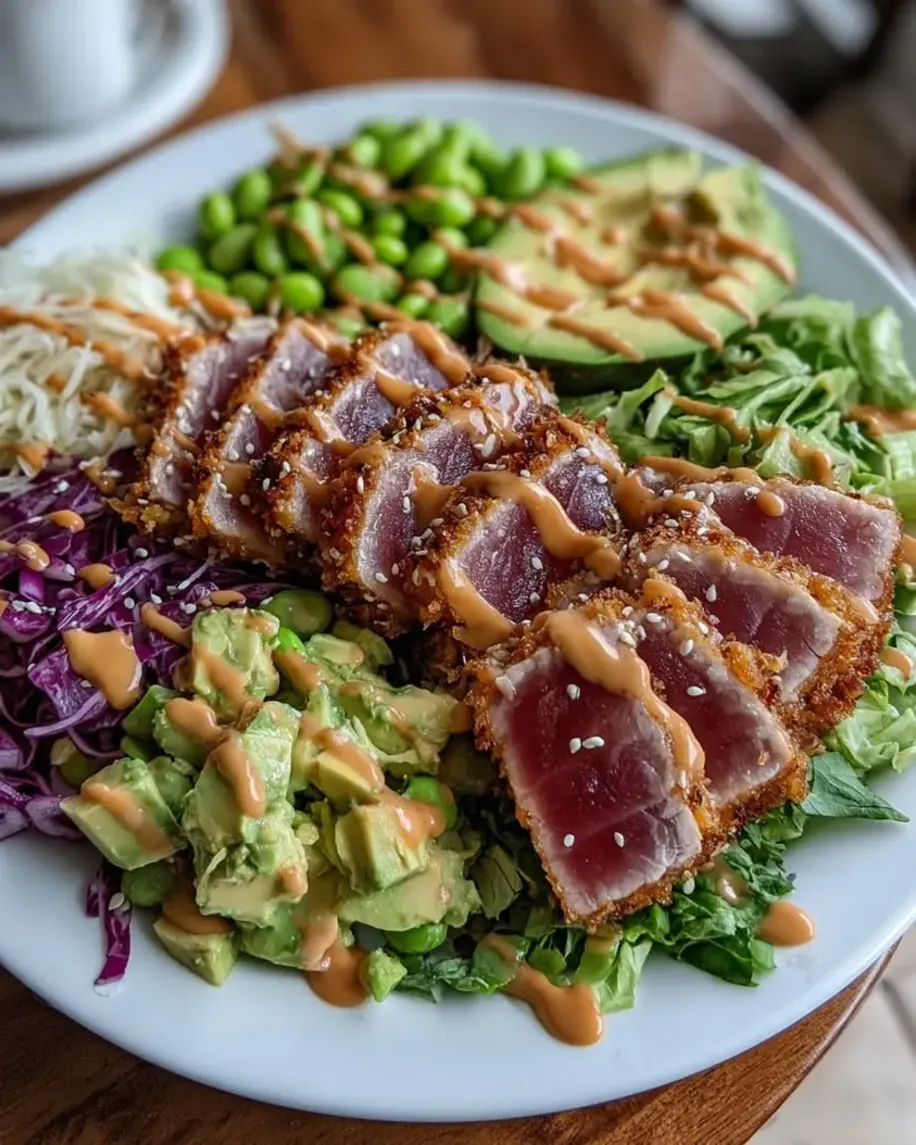
Table of Contents
Seared Sesame Tuna & Edamame Protein Bowl – A 20-Minute High-Protein Dinner with a Thick Miso-Ginger Drip
Growing up in Morocco, I learned that a great meal doesn’t need hours of simmering – it needs the right contrast of textures and a sauce that makes you stop talking mid-bite. This seared sesame tuna edamame protein bowl is my love letter to that philosophy: bold, fresh, and ready in the time it takes to scroll through dinner ideas on your phone. I trained in Paris and now cook in New York City, and this bowl brings together my French sauce training with the North African love of sesame and ginger. The thick creamy miso-ginger drip isn’t just a dressing; it’s the star that ties every crunchy, tender, spicy element together. If you’re looking for a healthy low carb dinner that feels indulgent, you’ve found it.
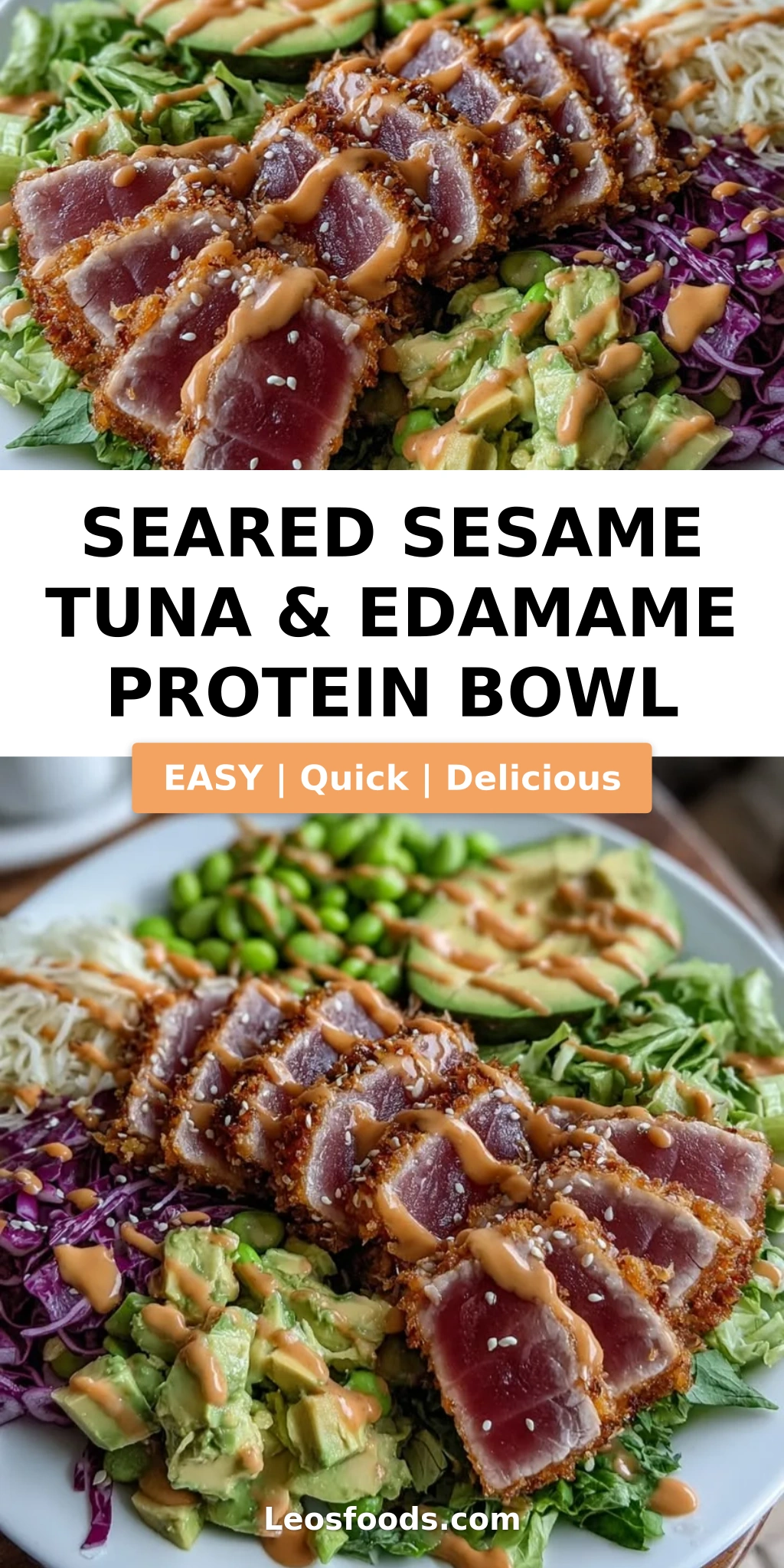
Imagine this: a bed of warm cauliflower rice, topped with a vibrant purple cabbage slaw that crackles under your fork. Nestled in are bright green edamame, cool cucumber slices, and buttery avocado. Then comes the crown jewel – slices of ahi tuna with a gorgeous sesame crust, seared just long enough to toast the seeds while the center stays ruby red and silky. We flood the whole bowl with a heavy, scroll-stopping thick creamy miso-ginger sauce drip that coats every ingredient. The sauce is my signature: a blend of miso paste, fresh ginger, soy, rice vinegar, and a touch of mayonnaise for that luxurious, glossy thickness. It’s the kind of sauce you’ll want to lick the bowl clean.
What makes this tuna and edamame bowl a standout is the technique. I’ve tested countless ways to sear tuna at home, and I’ve nailed the method that gives you that perfect crust without cooking the center. In this post, I’ll share a pro tip for resting the tuna that many home cooks skip – and a common mistake that can turn your bright red center into gray. This bowl is also incredibly versatile: you can swap cauliflower rice for brown rice, or even try my French-inspired variation with a drizzle of chermoula (my mother’s recipe). Whether you’re meal-prepping for busy NYC weeks or impressing a date, this recipe delivers. Let’s dive in.
Why This Seared Sesame Tuna & Edamame Protein Bowl Recipe Is the Best
The Flavor Secret: My miso-ginger sauce is the game-changer. Unlike runny vinaigrettes, this one is deliberately thick – almost like a spicy Japanese mayonnaise crossed with a Moroccan ginger dip. The miso brings deep umami, the ginger adds warmth, and the mayonnaise (or Greek yogurt) gives it that “pourable cream cheese” texture that clings to every piece of tuna and every shred of cabbage. It’s a trick I picked up in a Paris bistro where they thickened sauces with a touch of egg yolk – here I use mayo for stability and flavor.
Perfected Texture: The contrast is everything. The sesame seeds toast into a crunchy shell around the supple tuna. The slaw stays crunchy thanks to a quick rice vinegar toss. The avocado adds creaminess. And the edamame pops with a slight firmness. Getting that contrast relies on not overdressing the slaw and searing the tuna on a screaming hot pan. I’ll show you exactly how to get that crust without fear.
Foolproof & Fast: This high protein dinner recipe comes together in 20 minutes flat. No marinating, no complicated steps. You don’t need special equipment – just a good skillet and a sharp knife. The recipe is designed for busy weeknights but looks impressive enough for weekend entertaining. Even if you’ve never seared fish at home, my step-by-step instructions with visual cues will make you feel like a pro.
Seared Sesame Tuna Edamame Protein Bowl Ingredients
I source my ahi tuna from the fish counter at the Union Square Greenmarket in NYC – ask for sushi-grade and check that it’s bright red with no brown spots. The sesame seeds I buy in bulk from a Middle Eastern grocery near my apartment. But you can find everything at any good supermarket. Here’s your shopping list.
Ingredients List
- For the Seared Sesame Tuna: 2 ahi tuna steaks (sushi-grade, about 6 oz each), 2 tbsp sesame seeds (white or black or mixed), 1 tbsp olive oil or sesame oil, salt and black pepper to taste
- For the Crunchy Base & Veggies: 2 cups cauliflower rice (or brown rice), 1 cup shredded purple cabbage, ½ cup shelled edamame (thawed if frozen), ½ cucumber sliced, 1 ripe avocado diced
- For the Thick Miso-Ginger Drip: 2 tbsp miso paste (white or yellow), 1 tbsp fresh ginger minced, 1 tbsp soy sauce, 1 tbsp rice vinegar, 2 tbsp mayonnaise or Greek yogurt (to thicken), 1 tsp sesame oil
Ingredient Spotlight
Ahi Tuna (Sushi-Grade): The star. Look for bright, translucent red flesh with even marbling. At the store, ask the fishmonger to confirm it’s sushi-grade – this means it’s been frozen to kill parasites and is safe to eat rare. If you can’t find ahi, yellowfin or bigeye tuna work. Never use canned tuna here; the texture is worlds apart.
Sesame Seeds: I prefer a mix of white and black for visual drama, but all white works too. The seeds create a crust that turns golden and nutty when seared. To help them stick, pat the tuna dry first and press firmly. Do not skip that step – loose seeds burn in the pan.
Miso Paste: White miso (shiro miso) is mild and slightly sweet, making it perfect for this sauce. Red miso is saltier and stronger; if that’s all you have, use only 1½ tbsp and taste. Miso is fermented and keeps for months in the fridge, so buy a small tub.
Edamame: Frozen shelled edamame are my go-to – they’re pre-cooked, just thaw and pat dry. Fresh edamame is rarely available and requires boiling. Frozen is convenient and holds its snap perfectly.
| Original Ingredient | Best Substitution | Flavor / Texture Impact |
|---|---|---|
| Ahi Tuna | Grilled Chicken or Tofu (for vegetarian) | Chicken gives similar protein; tofu adds a softer texture. Tuna’s mild sweetness is unique. |
| Sesame Seeds | Chopped almonds or sunflower seeds | Different crunch, less nutty. Toast them first for best flavor. |
| Miso Paste | Tahini + soy sauce (slightly less umami) | Tahini gives nutty flavor; sauce will be thinner, add less liquid. |
| Mayonnaise/Greek Yogurt | Plain full-fat yogurt or sour cream | Yogurt adds tang; sour cream richer. Use whole milk for best thickness. |
| Cauliflower Rice | Cooked brown rice or quinoa | Higher carb, heartier base. Cauliflower keeps it low-carb and light. |
How to Make Seared Sesame Tuna & Edamame Protein Bowl — Step-by-Step
Promise: this is easier than it looks. Follow these four steps and you’ll have a beautiful restaurant-quality bowl in under 30 minutes.
Step 1: Prep the Base
Toss the shredded purple cabbage with a splash of rice vinegar (about 1 tsp) – this quick pickling adds brightness and keeps it crunchy. Warm your cauliflower rice in a skillet or microwave, then set aside.
💡 Stella’s Pro Tip: For the crunchiest slaw, use a mandoline or the shredding blade of your food processor. Hand-chopping can result in uneven, mushier pieces.
Step 2: Make the Thick Drip
In a small bowl, heavily whisk together 2 tbsp miso paste, 1 tbsp minced fresh ginger, 1 tbsp soy sauce, 1 tbsp rice vinegar, 2 tbsp mayonnaise (or Greek yogurt), and 1 tsp sesame oil until completely smooth. The mixture should be thick and glossy – like a pourable cream sauce. If it’s too thick, thin with a teaspoon of warm water.
⚠️ Common Mistake to Avoid: Don’t use pre-minced ginger from a jar – it’s watery and lacks the fiery kick. Grate fresh ginger on a microplane for the best flavor and texture.
Step 3: Crust and Sear the Tuna
Season the bright red tuna steaks with salt and black pepper. Spread sesame seeds on a plate, then press each steak firmly into the seeds, coating all sides. Heat 1 tbsp olive oil in a heavy skillet over medium-high heat until shimmering. Carefully lay the tuna in the pan, and sear for exactly 1 to 2 minutes per side – you’ll see the sesame seeds turn golden and smell a nutty aroma. The center should remain bright red and tender. Remove from heat, transfer to a cutting board, and slice thinly against the grain.
💡 Stella’s Pro Tip: Let the tuna rest for 2 minutes after searing (before slicing). This relaxes the fibers, so the juices stay in the fish and you get cleaner slices. Resist the urge to slice immediately!
Step 4: Assemble and Drip
Divide the warm cauliflower rice between two serving bowls. Heavily load the top with the crunchy purple cabbage slaw, green edamame, sliced cucumber, and diced avocado. Fan out the seared tuna slices on top. Now the fun part: take your miso-ginger drip and flood the entire bowl – literally pour it over so every component gets a generous coating. Serve immediately while the tuna is warm and the slaw is still crisp.
⚠️ Common Mistake to Avoid: Don’t dress the bowl too early – the avocado can brown and the slaw can wilt. Spoon the sauce just before serving for the best texture.
| Step | Action | Duration | Key Visual Cue |
|---|---|---|---|
| 1 | Prep Base | 5 mins | Cabbage is vibrant and tender-crisp |
| 2 | Make Drip | 3 mins | Smooth, thick, glossy, light tan |
| 3 | Sear Tuna | 2–4 mins total | Sesame seeds golden, 1/8-inch cooked edge |
| 4 | Assemble | 3 mins | Bright colors, even sauce coverage |
Serving & Presentation
I love piling everything high in a wide bowl – it makes the contrast of colors pop: purple slaw, green edamame and cucumber, yellow avocado, and the rich brown sesame tuna. For a finishing touch, sprinkle with extra sesame seeds and a few microgreens or cilantro leaves. In my Paris training, we were taught that every plate should have a “high point” – so I fan the tuna slices standing slightly upright to add height.
This healthy low carb bowl is fantastic on its own, but if you want to round out the meal, pair it with a light miso soup or a simple seaweed salad. For drinks, a crisp Sauvignon Blanc or a cold Japanese lager complements the ginger and sesame beautifully. I often serve this for a quick dinner after a late farmers market haul – it’s the kind of meal that feels both nourishing and special.
| Pairing Type | Suggestions | Why It Works |
|---|---|---|
| Side Dish | Miso soup, seaweed salad, edamame pods | Continues the umami theme; adds warmth or crunch. |
| Sauce / Dip | Extra miso-ginger drip, soy-wasabi drizzle | Heightens the flavor punch without overwhelming. |
| Beverage | Sauvignon Blanc, Japanese lager, green tea | White wine’s acidity cuts the miso’s richness; lager is refreshing. |
| Garnish | Sesame seeds, microgreens, cilantro, sliced green onion | Adds freshness and visual appeal; ties to Asian flavors. |
Make-Ahead, Storage & Reheating
In my busy NYC life, I often prep components ahead. The slaw and sauce can be made a day early, and the cauliflower rice keeps well. But tuna is best fresh – searing it just before serving ensures the perfect rare center. Here’s how to store leftovers if you have any (which is rare in my house!).
| Method | Container | Duration | Reheating Tip |
|---|---|---|---|
| Refrigerator | Airtight container, components separate | Up to 2 days | Reheat cauliflower rice briefly; serve tuna cold or at room temp (do not microwave) |
| Freezer | Freezer-safe bag (slaw & sauce only) | Slaw/sauce up to 1 month | Thaw overnight in fridge; tuna should never be frozen once cooked |
| Make-Ahead | Store slaw & sauce separately | Up to 1 day in advance | Assemble as directed; sear tuna fresh for best quality |
If you must store the entire assembled bowl, keep the dressing separate and add just before eating. The avocado will oxidize, so squeeze a little lime on it if prepping ahead. For leftovers, I often turn the tuna into a quick salad – just flake it over greens with the slaw and dressing – it’s equally delicious.
Variations & Easy Swaps
This bowl is a canvas. Here are my favorite twists that keep it exciting while staying true to the original spirit.
| Variation | Key Change | Best For | Difficulty Impact |
|---|---|---|---|
| Moroccan Spiced Tuna | Add 1 tsp ras el hanout to the sesame crust; swap miso dip for a harissa yogurt sauce | North African flavor lovers; spicy kick | Same effort, new spice blend |
| Gluten-Free / Dairy-Free | Use tamari instead of soy sauce; replace mayonnaise with avocado or dairy-free yogurt | Dietary restrictions without sacrificing taste | Easy swap, check labels |
| Summer Citrus Bowl | Add segments of blood orange or grapefruit; use a citrus miso vinaigrette (replace mayo with orange juice) | Bright, refreshing summer dinner | Lighter texture; same steps |
Moroccan Spiced Tuna Variation
This one’s close to my heart. My mother always seasoned fish with a blend of cumin, cinnamon, and paprika – similar to ras el hanout. Mix 1 tsp of ras el hanout into the sesame seeds before crusting the tuna. For the sauce, whisk 1 tbsp harissa paste with 3 tbsp Greek yogurt and a squeeze of lemon. The harissa adds a smoky, fiery depth that complements the sesame beautifully. Serve with a side of warm couscous if you want a heartier meal.
Gluten-Free / Dairy-Free Variation
Using tamari (gluten-free soy sauce) is an easy swap. For the thick drip, replace mayonnaise with half an avocado blended with a tablespoon of lemon juice and a splash of water – it turns silky and stays dairy-free. The flavor shifts slightly toward a greener, fresher taste, but the creaminess is spot-on. Check your miso is also gluten-free (some brands add barley). This variation is lighter but still satisfying.
Summer Citrus Bowl Variation
Visit your NYC farmers market in summer and grab a blood orange or pink grapefruit. Segment it and add to the bowl right before serving. For the sauce, omit the mayonnaise and use 2 tbsp fresh orange juice plus 1 tsp honey – the sauce becomes thinner and more vinaigrette-like, but still packed with ginger and miso. The citrus cuts through the fat of the avocado and makes the whole bowl sparkle.
What is the best way to sear tuna so it stays rare in the middle?
The key is a screaming-hot pan and a short cooking time. Use a heavy skillet (cast iron or stainless steel) and heat it over medium-high until a drop of water dances on the surface. Pat the tuna completely dry, season, and press on the sesame seeds. Sear for 1 to 2 minutes per side – no more. You want a golden-brown crust with a warm, rare center. After removing from the pan, let the tuna rest for 2 minutes before slicing. This allows carryover cooking to stop and the juices to redistribute. If the pan isn’t hot enough, the tuna will steam instead of sear, resulting in a gray band. Trust the visual: the seared edge should be about ⅛-inch thick.
Can I use frozen edamame in a protein bowl, or does it need to be fresh?
Absolutely! In fact, I recommend frozen shelled edamame over fresh for this recipe. Fresh edamame requires boiling and shelling, which is extra work. Frozen edamame is pre-cooked and flash-frozen at peak ripeness, so it’s tender, bright green, and saves you time. Simply thaw the frozen edamame by running them under warm water or leaving them in the fridge overnight. Pat them dry with paper towels to remove excess moisture (so the bowl doesn’t get watery). They add a perfect pop of protein and color. For this high-protein dinner recipe, frozen is both convenient and delicious.
What can I substitute for sesame seeds or sesame oil in this tuna bowl?
If you’re out of sesame seeds, you can create a crust using crushed toasted almonds, sunflower seeds, or even panko breadcrumbs mixed with a little paprika for color. The texture will be different – less nutty and more crunchy – but still satisfying. For the sesame oil in the sauce, replace it with a neutral oil like avocado or grapeseed oil, and add a splash of toasted sesame oil if you have it (or just skip it). You can also use a drop of liquid smoke for a hint of smokiness. The miso and ginger will carry the flavor regardless.
How long should I let the tuna rest after searing before slicing it for the bowl?
Let the seared tuna rest for 2 minutes on a cutting board, tented loosely with foil. This is not a long rest like a steak – tuna’s lean muscle sets quickly. The resting period allows the heat to gently spread toward the center (carryover cooking raises internal temp by about 5°F) while the juices redistribute. If you slice too soon, those beautiful juices will run out onto the board, leaving the tuna drier. After 2 minutes, use a very sharp knife to slice against the grain into ¼-inch thick slices. The result: each piece holds together, with a moist, ruby-red center.
Is this seared sesame tuna bowl keto-friendly and low-carb?
Yes! This recipe is naturally low-carb and keto-friendly when you use cauliflower rice as the base. Cauliflower rice has only about 5g net carbs per cup, compared to 45g for white rice. The tuna provides high-quality protein and healthy omega-3 fats. The avocado and edamame add fiber and healthy fats. The miso-ginger sauce is made with minimal sugar (miso has a tiny amount), and you can use Greek yogurt for extra protein. The entire bowl comes to around 450 calories with 35g of protein – perfect for a satisfying low-carb dinner. To keep it strict keto, use the mayonnaise option and check that your miso is grain-free if needed.
Can I make the miso-ginger sauce ahead of time?
You can make the sauce up to 3 days in advance and store it in an airtight container in the refrigerator. The flavors actually meld and deepen over time. When ready to use, give it a good stir – the mayonnaise can thicken slightly as it chills. If the sauce is too thick, thin with a teaspoon of warm water or rice vinegar. I recommend bringing it to room temperature for 10 minutes before drizzling so it pours easily and doesn’t shock the warm tuna. This is a great trick for meal prep: make the sauce and slaw a day ahead, then sear the tuna fresh when you’re ready to eat.
Can I use brown rice instead of cauliflower rice for a more filling bowl?
Absolutely. Swap the cauliflower rice for cooked brown rice or quinoa for a heartier, more filling base. Brown rice adds fiber, B vitamins, and a chewy texture that contrasts nicely with the tender tuna. Keep in mind that this will increase the carb count significantly (about 45g carbs per cup vs. 5g), but it’s still a balanced high-protein dinner. I often use a mix – half cauliflower, half brown rice – to get the best of both worlds. If using rice, make sure it’s warm when assembling to mimic the same comfort factor.
How do I know if my tuna is sushi-grade and safe to eat raw or rare?
Sushi-grade tuna is a standard that means the fish has been frozen at -4°F (-20°C) for at least 7 days to kill any parasites, making it safe to consume raw or rare. At the store, ask your fishmonger explicitly for “sushi-grade” or “sashimi-grade” ahi tuna. Look for bright, translucent red flesh with no brown spots or off-odors. The tuna should feel firm to the touch and have a clean, ocean-fresh smell. If you’re unsure, you can also buy frozen tuna that’s labeled sushi-grade – just thaw it overnight in the refrigerator before using. When in doubt, cook the tuna through: sear it a bit longer (3 minutes per side) until the center is warm and opaque, though you’ll lose the rareness.
What can I serve alongside this bowl for a full meal?
This bowl is already a complete meal with protein, veggies, healthy fats, and carbs. But if you want to round it out, keep the Asian theme with a side of miso soup (instant is fine), a simple cucumber salad with rice vinegar, or steamed edamame pods with sea salt. For a heartier addition, serve with a small bowl of soba noodles tossed in a little sesame oil and soy. I also love adding a soft-boiled egg for extra richness – the runny yolk mingles with the miso-ginger sauce beautifully. For drinks, a crisp white wine like Sauvignon Blanc or a cold Japanese lager is perfect.
How can I prevent the avocado from browning in the bowl?
Avocado browning happens when exposed to air. To keep it green and fresh, dice the avocado just before assembling the bowls. Toss it gently with a squeeze of lime or lemon juice – the acid slows oxidation. Also, place the avocado pieces on top of the warm rice or slaw, which can help protect them from air. Avoid storing leftover avocado in the bowl; if you have extra, store it with the pit in an airtight container with a slice of onion (the sulfur compounds help prevent browning). For meal prep, cut the avocado in half, remove the pit, and brush the cut side with citrus, then wrap tightly in plastic – it will stay green for a day.
Share Your Version!
I love seeing how you make this your own. Did you try the Moroccan spice twist? Did you swap the cauliflower rice for something else? Leave a comment below with your changes and a star rating – your feedback helps other home cooks discover their favorite version. Snap a photo of your beautiful bowl and tag me on Instagram @leosfoods or Pinterest @stellarecipeblog – I want to see that thick miso-ginger drip in action! One question for you: what’s your go-to sauce for adding a “wow” factor to healthy bowls? I’m always experimenting and would love your ideas.
From my NYC kitchen to yours — I hope this recipe brings as much warmth to your table as it does to mine. — Stella 🧡
Love This Recipe? Save It to Pinterest!
If you enjoyed this Seared Sesame Tuna & Edamame Protein Bowl recipe, don’t let it get lost in your browser tabs! 😄 Pin it now so you can find it again anytime — and explore hundreds more tried-and-tested recipes waiting for you on my Pinterest boards.
👉 Follow Stella on Pinterest @stellarecipeblog
📌 Pin this recipe · 🔁 Re-pin your favorites · 💬 Tag me when you make it — I love seeing your creations!
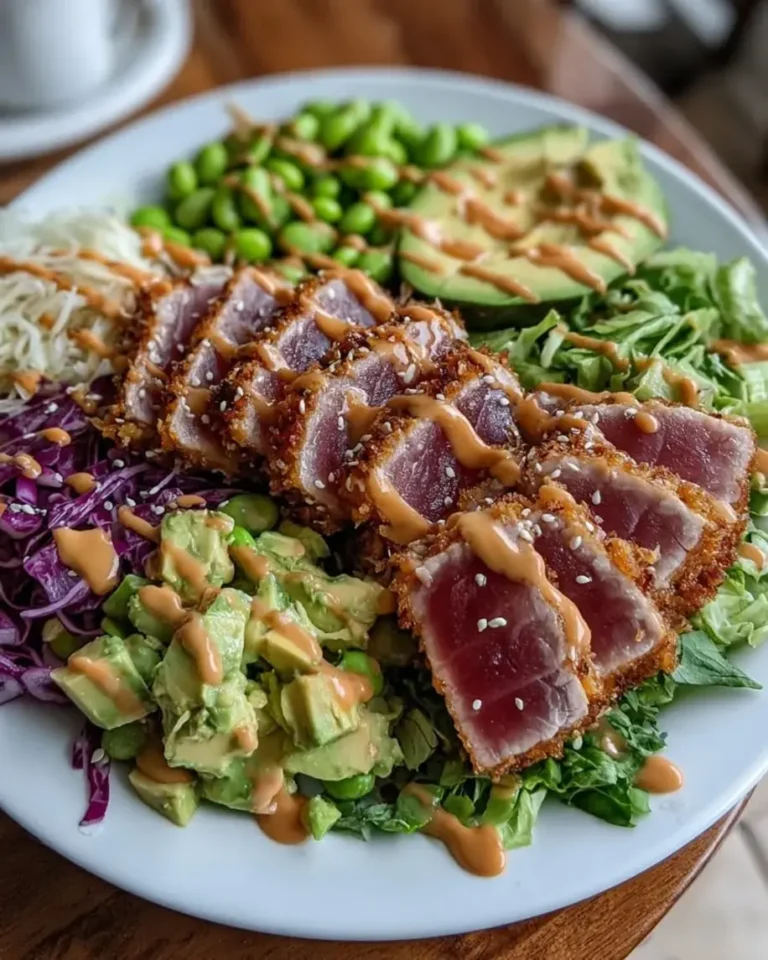
Seared Sesame Tuna & Edamame Protein Bowl
A healthy, low-carb leaning protein bowl packed with massive flavor! Beautifully seared sesame-crusted bright red tuna served over a vibrant purple cabbage slaw and fresh edamame for that ultimate crunchy seafood and slaw contrast. Every single bite is flooded with a massive, heavy, scroll-stopping thick creamy miso-ginger sauce drip! Save this for your next easy high-protein dinner! 💾👇
- Total Time: 20 minutes
- Yield: 2 1x
Ingredients
- The Seared Sesame Tuna
- 2 ahi tuna steaks (sushi-grade, bright red)
- 2 tbsp sesame seeds
- 1 tbsp olive oil or sesame oil
- Salt and black pepper to taste
- The Crunchy Base & Veggies
- 2 cups cauliflower rice (or brown rice)
- 1 cup shredded purple cabbage
- 1/2 cup shelled edamame
- 1/2 cucumber, sliced
- 1 ripe avocado, diced
- The Thick Miso-Ginger Drip
- 2 tbsp miso paste
- 1 tbsp fresh ginger, minced
- 1 tbsp soy sauce
- 1 tbsp rice vinegar
- 2 tbsp mayonnaise or Greek yogurt (to thicken the drip)
- 1 tsp sesame oil
Instructions
- Prep the Base: Toss the shredded purple cabbage with a splash of rice vinegar to create a vibrant crunchy slaw base. Warm your cauliflower rice and set aside.
- Make the Thick Drip: In a small bowl, heavily whisk the miso paste, minced ginger, soy sauce, rice vinegar, mayonnaise, and sesame oil until completely smooth. This creates a rich, thick, and glossy creamy miso-ginger sauce.
- Crust and Sear the Tuna: Season the bright red tuna steaks with salt and black pepper, then press them firmly into the sesame seeds until heavily coated on all sides. Heat the olive oil in a skillet over medium-high heat. Sear the tuna for just 1 to 2 minutes per side so the crust gets beautifully toasted but the center stays bright red and tender. Remove from the heat and slice thinly.
- Assemble and Drip: Lay down an even bed of the cauliflower rice in your serving bowls. Heavily load the top with the vibrant crunchy purple cabbage slaw, green edamame, sliced cucumber, and diced avocado. Fan out the beautifully seared bright red tuna slices on top. Flood the entire bowl with a massive, heavy, scroll-stopping thick creamy miso-ginger sauce drip! Serve immediately.
- Prep Time: 15 minutes
- Cook Time: 5 minutes
Nutrition
- Calories: ~450 kcal per serving
- Protein: ~35g per serving
Tried This Recipe? Leave a Comment!
Did you make this recipe? I’d love to hear how it turned out! Please leave a comment and a rating below. Your feedback helps other home cooks and supports cheerychop.com!
For more delicious inspiration, follow me on Pinterest!