Coconut Vanilla Aurora Spheres with Passionfruit Center
“`html
Table of Contents
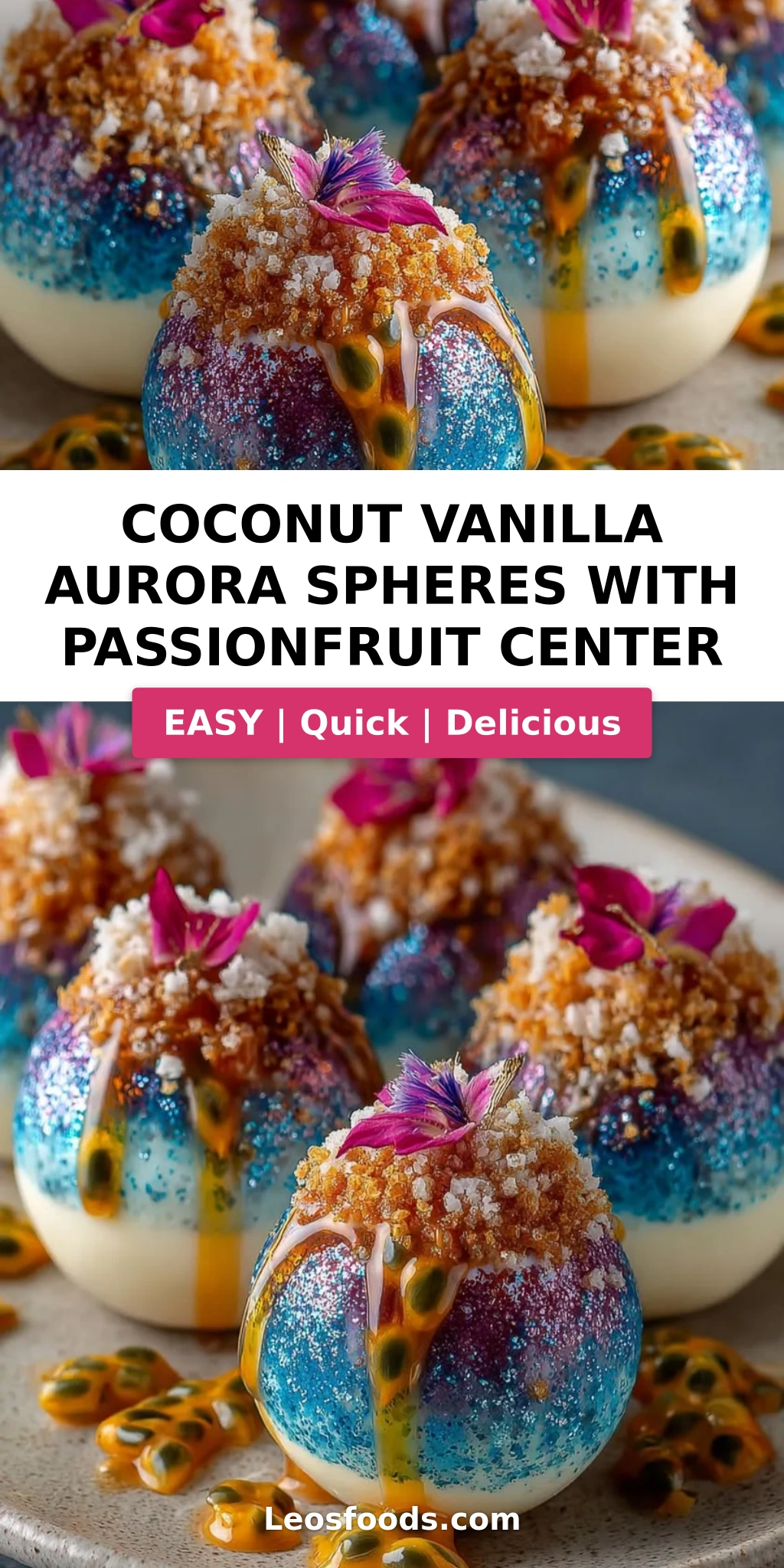
Coconut Vanilla Aurora Spheres with Passionfruit Center – A Dazzling Mirror Glaze Dessert That Steals the Show
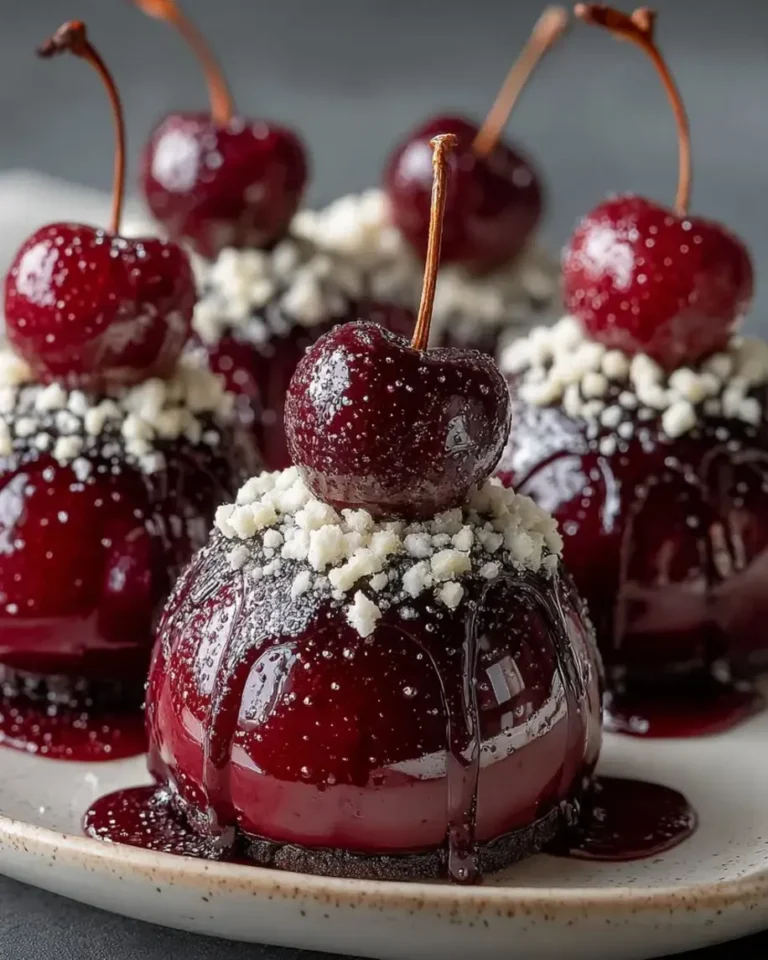
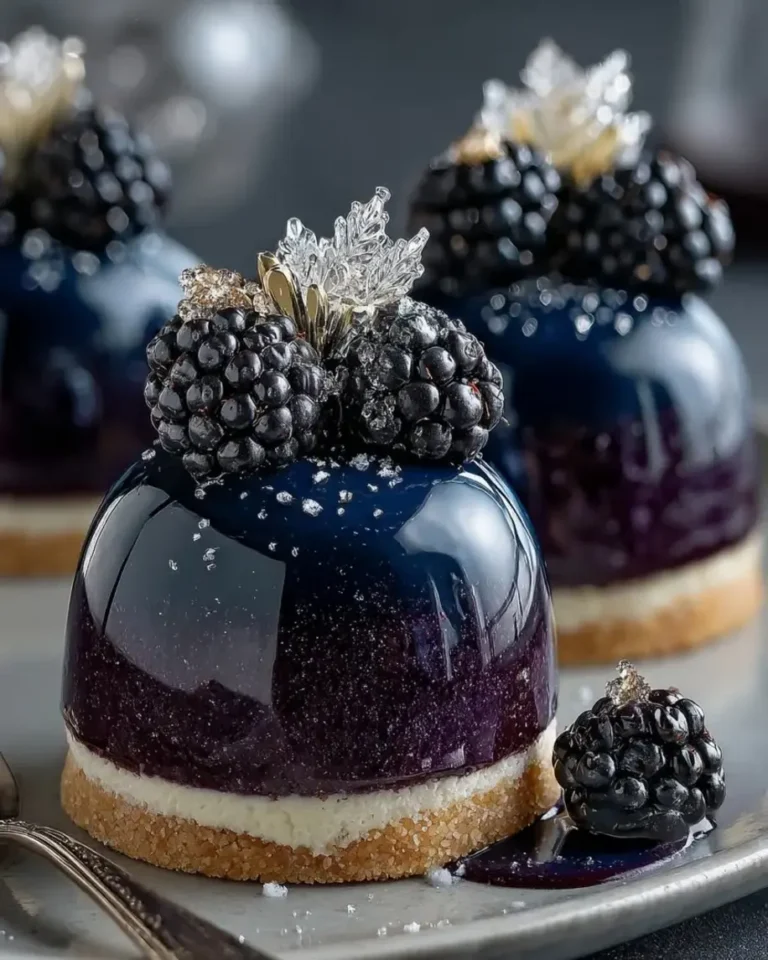
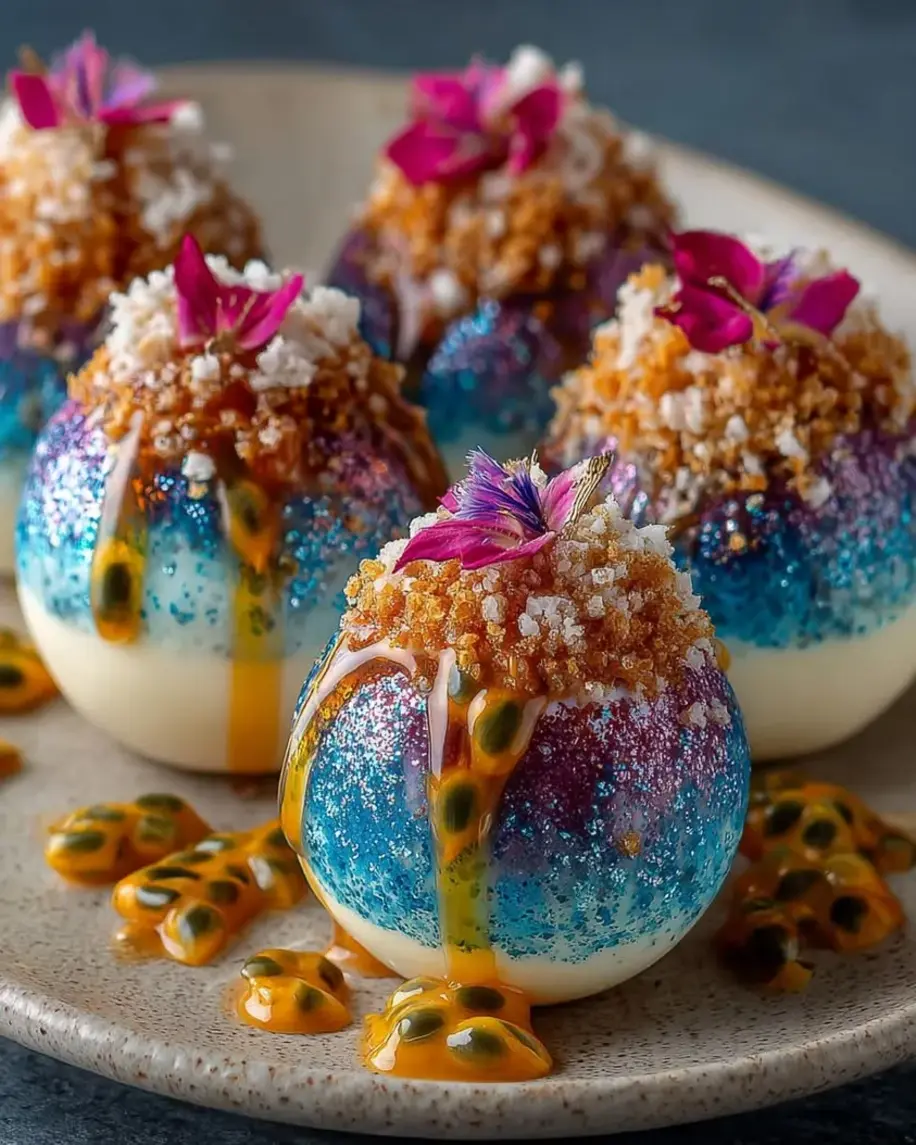
I still remember the first time I saw an aurora mirror glaze — it was during my pastry training in Paris, and I was absolutely mesmerized by the way the light danced across the surface. That shimmering, almost otherworldly finish felt like something reserved for high-end patisserie windows. But when I moved back to New York and started experimenting in my own kitchen, I knew I had to create a version that was both stunning and approachable. This coconut vanilla aurora spheres recipe with a passionfruit center is the result of countless test batches, a few happy accidents, and a whole lot of love. The unique angle here is the way the warm tropical coconut cream meets the bright, tart passionfruit core — all wrapped in that signature mirror glaze that shifts from blue to pink like the northern lights.
Imagine breaking through a glossy, jewel-like shell to reveal a silky coconut vanilla mousse that melts on your tongue, with a hidden pocket of tangy passionfruit gel that cuts through the richness. The texture is pure luxury — light, airy, and impossibly smooth. And that glaze? It’s not just about looks. The sweetness of the white chocolate and condensed milk balances the acidity of the passionfruit beautifully. Every element has been tested and retested to make sure the flavors harmonize. My mother’s kitchen in Morocco taught me the beauty of balancing sweet and tart — think of her orange blossom water pastries — and that same instinct guides this dessert.
I’m going to walk you through every step, from making the passionfruit center without any leaks to achieving that perfect mirror finish. I’ll share my 💡 Stella’s Pro Tip for getting the glaze temperature just right, and I’ll warn you about the most common mistake that can ruin the aurora swirl effect. Trust me — if I can pull this off in my tiny NYC kitchen with a toddler clinging to my leg, you can absolutely do this. Let’s make some magic.
Why This Coconut Vanilla Aurora Spheres Recipe Is the Best
The Flavor Secret. Most mirror glaze desserts rely on heavy artificial flavors, but I’ve built this coconut vanilla aurora spheres recipe around real, layered taste. The coconut cream provides a lush, dairy-free richness that pairs naturally with vanilla. The passionfruit center is made from pure passionfruit puree — not juice, not concentrate — giving it that mouth-puckering brightness that makes the whole dessert sing. I learned this principle of balancing fat with acid during my time in Paris; it’s the same reason a perfect vinaigrette works.
Perfected Texture. The mousse is stabilized with gelatin and a touch of cream cheese, which gives it structure without weighing it down. The passionfruit core is frozen solid before being embedded, so it stays neatly contained inside the mousse — no leaking, no muddying. The mirror glaze is cooled to exactly 90°F (32°C) for that flawless, drip-free coverage. I’ve tested this at least a dozen times to get the gelatin ratios just right for home cooks who might not have a pastry thermometer they trust.
Foolproof & Fast (for what it is). Yes, this is an advanced recipe, but I’ve broken it into manageable steps with clear visual cues. The active work is about 45 minutes spread across a day. The rest is chilling and freezing — time you can use to prep the rest of your dinner party menu. And because you can make the components ahead, it’s actually less stressful than a last-minute cake. I’ve had readers who had never made a mousse before succeed on their first try. You’ve got this.
Coconut Vanilla Aurora Spheres Recipe Ingredients
I source my passionfruit puree from a specialty shop in Chelsea Market, but you can find it at well-stocked grocery stores or online. The coconut cream I get at my local Asian market — it’s thicker and richer than the canned stuff you usually see. Ingredients matter here, so let me walk you through what you’ll need and why each one counts.
Ingredients List
- For the Coconut Vanilla Mousse:
- 2 cups coconut cream
- 1 cup heavy cream
- 8 oz cream cheese, softened
- 1/2 cup granulated sugar
- 1 tsp vanilla extract
- 2 tsp powdered gelatin
- 3 tbsp cold water
- For the Passionfruit Core:
- 3/4 cup passionfruit puree
- 2 tbsp granulated sugar
- 1 tsp lemon juice
- 1 tsp powdered gelatin
- 1 tbsp cold water
- For the Biscuit Base:
- 1 cup digestive biscuits, finely crushed
- 3 tbsp melted butter
- For the Aurora Mirror Glaze:
- 1 cup granulated sugar
- 1/2 cup water
- 1/2 cup sweetened condensed milk
- 1 cup white chocolate, finely chopped
- 1 tbsp powdered gelatin
- 3 tbsp cold water
- 1 tsp vanilla extract
- 2–3 drops blue food coloring
- 2–3 drops pink food coloring
- For Garnish (optional):
- Toasted coconut flakes
- Passionfruit seeds
- Edible shimmer dust
Ingredient Spotlight
Coconut cream is the backbone of this coconut mousse spheres recipe. Look for brands that list coconut as the only ingredient — avoid ones with guar gum or stabilizers, as they can make the mousse grainy. Thai Kitchen and Savoy are reliable. If you can only find coconut milk, refrigerate a can overnight and scoop off the thick top layer. One can yields about 1 cup of cream.
Passionfruit puree gives that tangy center its signature punch. The frozen puree from Goya or Perfect Purée works beautifully. Fresh passionfruit is wonderful too — just scoop out the pulp and seeds, then strain if you want a smoother gel. The acidity and tropical flavor are essential to cut through the rich coconut and white chocolate.
White chocolate for the glaze should be high-quality — Guittard, Valrhona, or even Ghirardelli. Avoid white “melting wafers” that contain palm oil; they won’t give you that glossy, fluid finish. Chop it finely so it melts evenly into the warm glaze base. The cocoa butter in good white chocolate is what creates that mirror shine.
Powdered gelatin (not sheets) is what I recommend for home cooks — it’s easier to measure and bloom. Knox brand is widely available. Do not substitute with agar-agar in this recipe without adjusting the liquid ratios; the textures are different. I’ll address vegan options in the FAQ section below.
| Original Ingredient | Best Substitution | Flavor / Texture Impact |
|---|---|---|
| Coconut cream | Full-fat coconut milk (thick part only) | Slightly less rich, still workable |
| Passionfruit puree | Fresh passionfruit pulp + juice | More intense flavor, may need extra straining |
| White chocolate | High-quality white chocolate chips | Slightly less smooth; sift out any lumps |
| Powdered gelatin | 4 gelatin sheets (per 2 tsp) | Same result; soak sheets in ice water 5 min |
| Digestive biscuits | Graham crackers or shortbread cookies | Slightly sweeter or less buttery; still works |
How to Make Coconut Vanilla Aurora Spheres — Step-by-Step
Take a deep breath and read through the whole recipe first. I promise, each step is straightforward on its own — we’re just layering techniques. Work clean, stay organized, and you’ll have a showstopper dessert.
Step 1: Prepare the Biscuit Base
Mix the finely crushed digestive biscuits with melted butter until the texture resembles wet sand. Press about 1½ tablespoons of the mixture into the bottom of each sphere mold cavity, using a small glass or your thumb to compress it firmly. Pop the molds into the fridge for 15 minutes to set.
💡 Stella’s Pro Tip: Use a measuring tablespoon to get even portions. Too much base will steal precious mousse room — and we want that mousse to shine.
Step 2: Bloom Gelatin for Passionfruit Core
Sprinkle the 1 teaspoon of powdered gelatin over 1 tablespoon of cold water in a small bowl. Let it sit for 5 minutes without stirring. It will turn into a firm, jiggly mass — that’s exactly what we want. This process, called “blooming,” hydrates the gelatin so it dissolves evenly later.
⚠️ Common Mistake to Avoid: Adding gelatin directly to hot liquid without blooming first. It will clump and leave you with stringy bits in your passionfruit gel. Always bloom!
Step 3: Heat Passionfruit Mixture
In a small saucepan, combine the passionfruit puree, sugar, and lemon juice. Warm over medium heat, stirring occasionally, until it’s hot but not boiling — about 2 to 3 minutes. You’ll see tiny bubbles around the edges.
Step 4: Dissolve Gelatin and Freeze Core
Remove the pan from heat and add the bloomed gelatin. Stir until fully dissolved — about 30 seconds. Pour the mixture into small silicone hemisphere molds or an ice cube tray (each cavity about 1 tablespoon). Freeze for at least 2 hours, until rock solid.
💡 Stella’s Pro Tip: The frozen core is your secret weapon against leaking. As the mousse sets around it, the cold core stays put, creating a clean boundary. Make sure it’s completely frozen before the next step.
Step 5: Bloom Gelatin for Mousse
In a small bowl, sprinkle 2 teaspoons of powdered gelatin over 3 tablespoons of cold water. Let it bloom for 5 minutes.
Step 6: Beat Coconut Base
In a large mixing bowl, beat the softened cream cheese, coconut cream, sugar, and vanilla extract together until smooth and fluffy — about 2 minutes with an electric mixer. Scrape down the sides halfway through.
⚠️ Common Mistake to Avoid: Cold cream cheese will leave lumps in your mousse. Leave it on the counter for 30 minutes before mixing, or microwave it in 10-second bursts until soft.
Step 7: Dissolve Gelatin into Cream
Warm a small portion of the heavy cream (about ¼ cup) in a microwave-safe bowl for 20 seconds. Add the bloomed gelatin and stir until completely dissolved. Then mix this gelatin-cream mixture into the coconut base.
Step 8: Whip and Fold
Whip the remaining ¾ cup of heavy cream to soft peaks — when you lift the whisk, the cream should droop slightly. Gently fold the whipped cream into the coconut mixture in three additions, using a spatula. Fold just until no white streaks remain. Over-folding will deflate the mousse.
💡 Stella’s Pro Tip: Use a rubber spatula and cut through the center, then sweep around the bowl. Turn the bowl a quarter turn with each fold. Light hands = airy mousse.
Step 9: Assemble Spheres
Spoon or pipe the mousse into each sphere mold, filling halfway. Take a frozen passionfruit core and press it gently into the center of the mousse. Cover with remaining mousse, filling to the top. Smooth the surface with an offset spatula.
⚠️ Common Mistake to Avoid: Don’t push the core all the way to the bottom — keep it centered so every bite gets a burst of passionfruit. If it sinks, your mousse is too thin; chill the mousse for 10 minutes to firm it up before assembling.
Step 10: Freeze Spheres
Place the filled molds in the freezer for at least 6 hours, ideally overnight. The spheres must be completely solid for the glaze to adhere properly. If they’re even slightly soft, the warm glaze will start melting them and create a messy surface.
Step 11: Make the Mirror Glaze
Bloom 1 tablespoon of gelatin in 3 tablespoons of cold water for 5 minutes. In a saucepan, combine sugar, water, and condensed milk. Heat until steaming — about 180°F (82°C) — but do not boil. Remove from heat and stir in the bloomed gelatin and finely chopped white chocolate. Stir gently until smooth. Add vanilla and blend with an immersion blender or whisk vigorously to remove bubbles.
💡 Stella’s Pro Tip: Don’t whisk too fast — you’ll incorporate air bubbles that will ruin the mirror finish. If you have an immersion blender, pulse it in short bursts just below the surface.
Step 12: Color and Swirl for Aurora Effect
Divide the warm glaze into two bowls. Add 2–3 drops of blue food coloring to one bowl and 2–3 drops of pink to the other. Pour both colors into one larger bowl, then drag a skewer through the surface a few times to create a marbled swirl. Don’t overmix — we want distinct ribbons of color.
⚠️ Common Mistake to Avoid: Adding too much food coloring — it can make the glaze taste bitter and turn muddy instead of aurora-like. Start with 2 drops and add more only if needed.
Step 13: Apply the Glaze
Cool the glaze to 90°F (32°C) — check with a thermometer. Unmold the frozen spheres and place them on a wire rack set over a baking sheet. Pour the glaze evenly over each sphere, covering the entire surface. Let the excess drip off. Transfer to a serving plate and refrigerate for 30 minutes before serving.
💡 Stella’s Pro Tip: Hold the sphere on a fork or glaze ring (a small round tool with a handle) to avoid touching the surface. The warmth of your fingers can leave marks in the glaze.
Step 14: Garnish
Just before serving, sprinkle toasted coconut flakes, fresh passionfruit seeds, and a dusting of edible shimmer over the top. The shimmer catches the light and enhances the aurora effect. Serve immediately for the best contrast between the cold, creamy center and the glossy shell.
| Step | Action | Duration | Key Visual Cue |
|---|---|---|---|
| 1 | Biscuit base | 15 mins chill | Firm, compacted biscuit layer |
| 2–4 | Passionfruit core | 2 hrs freeze | Solid, pops out of mold cleanly |
| 5–8 | Mousse base | 10 mins active | Fluffy, no lumps, soft peaks |
| 9–10 | Assemble & freeze | 6+ hrs freeze | Spheres are rock hard |
| 11–12 | Glaze & color | 15 mins active | Glossy, swirled, 90°F |
| 13–14 | Glaze & garnish | 30 mins fridge | Smooth, shiny, fully coated |
Serving & Presentation
These passionfruit dessert spheres are meant to be the grand finale of any dinner party. Plate each sphere on a chilled white plate — the contrast makes the aurora colors pop. Add a small spoonful of extra passionfruit seeds alongside for brightness, a few toasted coconut curls for texture, and a dusting of edible shimmer that catches every light. I like to serve them with a tiny fork or a demitasse spoon so guests can crack through that mirror shell themselves.
In my NYC apartment, I often pair these with a light dessert wine like a late-harvest Riesling or even a sparkling Moscato. The sweetness of the wine plays off the passionfruit’s acidity beautifully. If you’re serving a crowd, you can plate all eight spheres on a large marble board and let guests serve themselves — just make sure they’ve had at least 30 minutes out of the freezer so the mousse is creamy, not icy. For a Moroccan-inspired touch, add a sprinkle of crushed pistachios and a tiny pinch of rose petal dust on top.
| Pairing Type | Suggestions | Why It Works |
|---|---|---|
| Beverage | Late-harvest Riesling, sparkling Moscato, coconut water with lime | Acidity in the wine mirrors the passionfruit; coconut water echoes the mousse |
| Garnish | Toasted coconut flakes, passionfruit seeds, edible rose petals, pistachio crumble | Adds crunch, color, and aromatic lift |
| Side | Fresh mango slices, lime sorbet, vanilla bean ice cream | Extends the tropical flavor profile |
| Occasion | Birthday dinner, New Year’s Eve, anniversary, bridal shower | The dramatic presentation is perfect for celebrations |
Make-Ahead, Storage & Reheating
This is my favorite kind of dessert — you can do almost all the work ahead of time. I often make the components over two days: the passionfruit cores and biscuit base on day one, the mousse and assembly on day two, then the glaze and finishing on day three. It takes the pressure off and actually improves the texture, since the mousse has time to fully set.
| Method | Container | Duration | Reheating Tip |
|---|---|---|---|
| Refrigerator | Airtight container, single layer | Up to 2 days | Let sit 10 min at room temp before serving |
| Freezer | Freezer-safe container, parchment between layers | Up to 1 month | Thaw in fridge 30 min; do not microwave |
| Make-Ahead | Assemble without glaze; wrap tightly | 5 days in fridge or 1 month frozen | Glaze fresh on serving day for best shine |
One thing I’ve learned the hard way: never reheat a fully assembled sphere. The glaze will melt and separate, and the mousse will turn soupy. Instead, if you’re serving from frozen, let the spheres sit in the refrigerator for 30 to 40 minutes before serving. They should be firm but yielding — like a chilled mousse cake. If you’ve stored them glazed, a quick 15-minute chill in the fridge is all they need.
For the best texture, I always recommend serving these the same day you glaze them. The mirror finish is most dramatic within the first few hours. If you have leftover spheres (unlikely, but possible!), store them in the fridge for up to 2 days, but expect the glaze to soften slightly and lose some of its high-shine effect. The flavor will still be incredible.
Variations & Easy Swaps
| Variation | Key Change | Best For | Difficulty Impact |
|---|---|---|---|
| Vegan / Dairy-Free | Use agar-agar instead of gelatin, coconut cream for all dairy | Plant-based diets | Medium — needs careful agar ratio |
| Mango-Passionfruit | Replace half passionfruit puree with mango puree | A less tart, sweeter center | Easy — same method |
| Chocolate Aurora | Use dark chocolate in glaze; swap coconut for chocolate mousse | Chocolate lovers | Easy — same technique, different flavors |
Vegan / Dairy-Free Version
For a plant-based take on this coconut mousse spheres recipe, replace the powdered gelatin with agar-agar powder — use 1½ teaspoons for the mousse and ¾ teaspoon for the passionfruit core. Swap cream cheese with a vegan cream cheese alternative (Miyoko’s works beautifully) and use full-fat coconut cream for both the mousse and the glaze (omit the heavy cream and condensed milk, using extra coconut cream and a bit of maple syrup instead). The texture will be slightly firmer, closer to a panna cotta, but still luscious. The glaze won’t be quite as mirror-like because of the different fat content, but it will still be stunning.
Gluten-Free Adaptation
This recipe is naturally gluten-free except for the biscuit base. Simply swap the digestive biscuits for a gluten-free alternative — I like Schär’s gluten-free shortbread cookies or a simple mix of almond flour, coconut flour, and a touch of maple syrup pressed into the molds. The flavor shifts to more of a nutty, tropical base that actually complements the coconut and passionfruit beautifully. No other changes needed; the rest of the recipe is naturally gluten-free.
Seasonal Twist: Blood Orange
When blood oranges are in season at the Union Square Greenmarket, I love swapping the passionfruit puree for fresh blood orange juice. Add an extra teaspoon of lemon juice to maintain the acidity, and use orange zest in the mousse for a fragrant lift. The color shifts from golden to a deep ruby, and the flavor is more floral and less tangy. It’s a gorgeous winter holiday variation that keeps the aurora effect but changes the story completely.
How do you make the passionfruit center for Coconut Vanilla Aurora Spheres without it leaking out?
The key to a leak-proof passionfruit center is twofold: first, freeze the passionfruit gel until it’s completely solid — at least 2 hours, but overnight is even better. Second, make sure your mousse is thick enough to support the frozen core. If your mousse seems runny, chill it for 10–15 minutes before assembling. When you place the frozen core into the mousse, press it gently into the center — not all the way to the bottom — and immediately cover it with more mousse. The cold temperature of the core will cause the surrounding mousse to firm up quickly, sealing the core in place. Also, verify that your gelatin is properly bloomed and dissolved; weak gelatin can cause the core to weep as it thaws. I also recommend using a silicone sphere mold with a smooth interior to avoid any cracks where liquid could escape.
What is the best substitute for gelatin or agar-agar in vegan Coconut Vanilla Aurora Spheres?
For a vegan version of these coconut vanilla aurora spheres, agar-agar powder is the most reliable substitute for gelatin. Use 1½ teaspoons of agar-agar powder bloomed in 3 tablespoons of water for the mousse, and ¾ teaspoon for the passionfruit core. Agar-agar sets at room temperature and creates a firmer, slightly more brittle texture than gelatin. You’ll need to bring the liquid to a full boil for 1–2 minutes to activate the agar. Another option is kappa carrageenan, but it requires precise calcium ratios and is harder for home cooks to source. I don’t recommend using cornstarch or arrowroot as they create a cloudy, pudding-like texture rather than the clean gel we want. If you’re avoiding gelatin for dietary reasons, the agar substitution works beautifully — just be aware the mousse will be a touch firmer and the glaze won’t be quite as shiny.
How long do Coconut Vanilla Aurora Spheres need to set in the refrigerator before serving?
After glazing, the spheres need just 30 minutes in the refrigerator to allow the mirror glaze to set into that signature smooth, shiny finish. However, the overall timeline is longer: the mousse-filled spheres must freeze for at least 6 hours (overnight is ideal) before glazing. If you’re making the entire dessert from scratch, plan for a total of about 7 hours of inactive chilling time, plus 45 minutes of active prep. The good news is that most of that time is hands-off. For the best texture, I recommend serving the spheres within 2 hours of glazing. If they sit in the fridge for longer than 4 hours, the glaze can start to absorb moisture from the air and lose its high-gloss appearance. The flavor will still be excellent, but the visual wow factor fades slightly.
Can you freeze Coconut Vanilla Aurora Spheres for later use without ruining the texture?
Yes, you can freeze the unglazed spheres for up to one month without compromising the texture. Here’s the best approach: after assembling and freezing the spheres solid in their molds, pop them out and wrap each one individually in plastic wrap, then place them in a freezer-safe container with parchment paper between layers. When you’re ready to serve, thaw them in the refrigerator for 30 minutes, then apply the glaze fresh. The mousse holds up beautifully because of the gelatin and cream cheese stabilizers. However, I don’t recommend freezing the spheres after they’ve been glazed — the mirror finish will crack and the glaze can become tacky or weep. If you have leftover glazed spheres, you can refrigerate them for up to 2 days, but expect the glaze to soften. The passionfruit center may also leak slightly as it thaws and re-freezes.
Can I make these Coconut Vanilla Aurora Spheres without cream cheese?
Absolutely — you can replace the cream cheese with mascarpone for an even richer, silkier mousse, or with full-fat Greek yogurt for a tangier, lighter version. Both swap 1:1 by weight. If you’re dairy-free, use a vegan cream cheese (Miyoko’s is my go-to) or a thick cashew cream. The cream cheese in the original recipe adds structure and a slight tang that balances the sweetness of the coconut and white chocolate. Without it, the mousse will still work but may be a little softer. If you skip the cream cheese entirely, I recommend adding an extra ½ teaspoon of gelatin to help stabilize the mousse. And whichever substitute you choose, make sure it’s at room temperature so it blends smoothly into the coconut base.
Why did my mirror glaze crack or look dull after setting?
A cracked or dull mirror glaze usually comes down to one of three issues. First, temperature shock: if the frozen spheres are too cold (below -10°F) or the glaze is too hot (above 100°F), the sudden temperature change can cause cracking. Aim for spheres at standard freezer temperature and glaze at exactly 90°F (32°C). Second, air bubbles in the glaze: if you whisked too vigorously or used a blender on high, tiny air bubbles will create a pitted, matte surface. Use an immersion blender at low speed or strain the glaze through a fine-mesh sieve. Third, humidity: mirror glaze is sensitive to moisture. If your kitchen is very humid, the glaze can “sweat” and lose its shine. Try running a dehumidifier or applying the glaze in a cool, dry room. A thin layer of simple syrup brushed over the set glaze can sometimes restore a bit of shine.
Can I use a different fruit puree for the center instead of passionfruit?
Yes, and I encourage it! The passionfruit center is fantastic, but other fruit purees work beautifully too. Mango puree gives a sweeter, creamier center; raspberry or sour cherry puree adds a tart, jewel-toned contrast; and guava puree brings a floral, tropical note. The key is maintaining the right acidity and sugar balance. For each substitute, taste the puree and adjust the sugar by 1–2 tablespoons depending on sweetness. Also, make sure the puree is thick enough — if it’s very watery (like watermelon or citrus juice), add an extra ½ teaspoon of gelatin to the core mixture to ensure it sets firmly. The method stays exactly the same: heat, add gelatin, freeze in small molds. The aurora effect will look different with each color, which is part of the fun.
What sphere molds do I need for this recipe, and can I use a different shape?
For the classic sphere shape, I recommend silicone hemisphere molds with cavities about 2.5 to 3 inches in diameter. This size yields impressive single-serving spheres. You’ll need two halves to make each full sphere, or you can use a single cavity mold that opens like a book. I’ve also had great success using regular muffin tins lined with plastic wrap — the spheres won’t be perfectly round, but the flavor is identical. If you don’t have sphere molds, you can use a mini bundt cake pan or even silicone ice cube molds in large, round shapes. The mirror glaze will coat any smooth surface beautifully. Just make sure whatever mold you use is flexible enough to release the frozen mousse easily. Run the outside of the mold under warm water for 5 seconds if it sticks.
How do I get the aurora swirl effect in the mirror glaze without it looking muddy?
The secret to a clean aurora swirl is restraint. After dividing your warm glaze into two bowls and tinting one blue and one pink, pour both colors into a single larger bowl — but don’t stir or mix them together. Instead, tilt the bowl gently to let the colors flow into each other, then use a skewer or toothpick to make 3–4 figure-eight drags through the surface. That’s all you need! Over-swirling turns the colors into a murky purple-gray. Another tip: make sure the glaze is at the correct temperature (90°F/32°C) before pouring. If it’s too hot, the colors will bleed together instantly. If it’s too cool, the glaze will be too thick to flow evenly. Practice on a test sphere or even a spoonful of glaze to see how the colors behave before committing to your beautiful frozen spheres.
Can I use colored cocoa butter instead of food coloring for the glaze?
Yes, colored cocoa butter is actually a fantastic alternative and creates an even more professional, translucent aurora effect. However, it behaves differently than liquid food coloring. Cocoa butter is fat-based, so it won’t dissolve in the water-based glaze — you’ll need to temper it separately and apply it as a spray or paint layer on the frozen spheres before pouring the clear glaze on top. It’s a more advanced technique used by professional pastry chefs. For home cooks, I recommend using high-quality gel food coloring (like AmeriColor or Wilton) instead of liquid drops. Gel colors are concentrated, so 2–3 drops are plenty, and they won’t thin out the glaze or add a bitter aftertaste. If you do want to experiment with cocoa butter, look for brands like Chef Rubber or PreGel, and practice on a few test spheres first.
Share Your Version!
I absolutely love seeing how you make this recipe your own. Whether you’ve nailed the aurora swirl on your first try, swapped in a different fruit center, or created a vegan version that made your friends gasp — please share it! Leave a star rating and a comment below to let me know how it went. Your feedback helps me create better recipes and helps other readers trust the process.
Snap a photo of your Coconut Vanilla Aurora Spheres and tag me on Instagram or Pinterest using @leosfoods — I feature my favorites in my stories and on my Pinterest boards. And if you tried a variation I haven’t thought of, I want to hear about it! What fruit combination did you use? Did you add a Moroccan twist with orange blossom water? Drop your questions and wins in the comments. From my NYC kitchen to yours — I hope this recipe brings as much warmth to your table as it does to mine. — Stella 🧡
Love This Recipe? Save It to Pinterest!
If you enjoyed this Coconut Vanilla Aurora Spheres with Passionfruit Center recipe, don’t let it get lost in your browser tabs! 😄 Pin it now so you can find it again anytime — and explore hundreds more tried-and-tested recipes waiting for you on my Pinterest boards.
👉 Follow Stella on Pinterest @stellarecipeblog
📌 Pin this recipe · 🔁 Re-pin your favorites · 💬 Tag me when you make it — I love seeing your creations!
“`
Print
Coconut Vanilla Aurora Spheres with Passionfruit Center
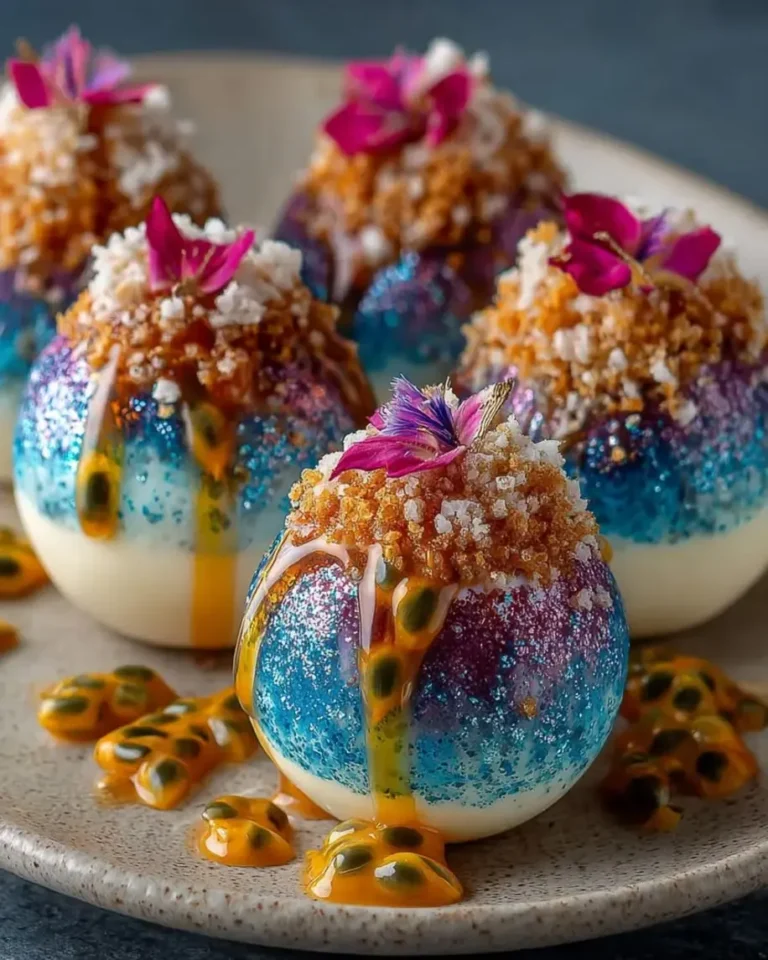
Ethereal coconut vanilla mousse spheres with a vibrant passionfruit core, enrobed in a shimmering aurora mirror glaze.
- Yield: 8 1x
Ingredients
- For the Coconut Vanilla Mousse:
- 2 cups coconut cream
- 1 cup heavy cream
- 8 oz cream cheese, softened
- 1/2 cup granulated sugar
- 1 tsp vanilla extract
- 2 tsp powdered gelatin
- 3 tbsp cold water
- For the Passionfruit Core:
- 3/4 cup passionfruit puree
- 2 tbsp granulated sugar
- 1 tsp lemon juice
- 1 tsp powdered gelatin
- 1 tbsp cold water
- For the Biscuit Base:
- 1 cup digestive biscuits, finely crushed
- 3 tbsp melted butter
- For the Aurora Mirror Glaze:
- 1 cup granulated sugar
- 1/2 cup water
- 1/2 cup sweetened condensed milk
- 1 cup white chocolate, finely chopped
- 1 tbsp powdered gelatin
- 3 tbsp cold water
- 1 tsp vanilla extract
- 2–3 drops blue food coloring
- 2–3 drops pink food coloring
- For Garnish (optional):
- Toasted coconut flakes
- Passionfruit seeds
- Edible shimmer dust
Instructions
- 1. Mix crushed biscuits with melted butter and press into sphere molds as a base layer. Chill for 15 minutes.
- 2. Bloom gelatin for passionfruit core in cold water for 5 minutes.
- 3. Heat passionfruit puree, sugar, and lemon juice until warm.
- 4. Stir in gelatin until dissolved, then pour into small inserts and freeze until firm.
- 5. Bloom gelatin for mousse in cold water for 5 minutes.
- 6. Beat cream cheese, coconut cream, sugar, and vanilla until smooth.
- 7. Warm a small portion of cream and dissolve gelatin, then mix into coconut base.
- 8. Whip remaining cream to soft peaks and fold into mixture.
- 9. Fill sphere molds halfway with mousse.
- 10. Place a frozen passionfruit core in the center of each mold.
- 11. Cover with remaining mousse and smooth the tops.
- 12. Freeze for at least 6 hours until fully firm.
- 13. Bloom gelatin for glaze in cold water.
- 14. Heat sugar, water, and condensed milk until steaming.
- 15. Remove from heat and stir in gelatin and white chocolate until smooth.
- 16. Add vanilla extract and blend until glossy.
- 17. Divide glaze and tint with blue and pink food coloring, then swirl lightly for aurora effect.
- 18. Cool glaze to about 90°F (32°C).
- 19. Unmold frozen spheres and place on a wire rack.
- 20. Pour aurora mirror glaze evenly over each sphere until fully coated.
- 21. Refrigerate for 30 minutes before serving.
- 22. Garnish with toasted coconut flakes, passionfruit seeds, and shimmer dust.
Notes
Serves 8.
Nutrition
- Calories: 350
- Sugar: 34 g
- Fat: 19 g
- Carbohydrates: 40 g
- Protein: 4 g
Tried This Recipe? Leave a Comment!
Did you make this recipe? I’d love to hear how it turned out! Please leave a comment and a rating below. Your feedback helps other home cooks and supports cheerychop.com!
For more delicious inspiration, follow me on Pinterest!