Peach Lavender Velvet Hearts Champagne Mirror Glaze
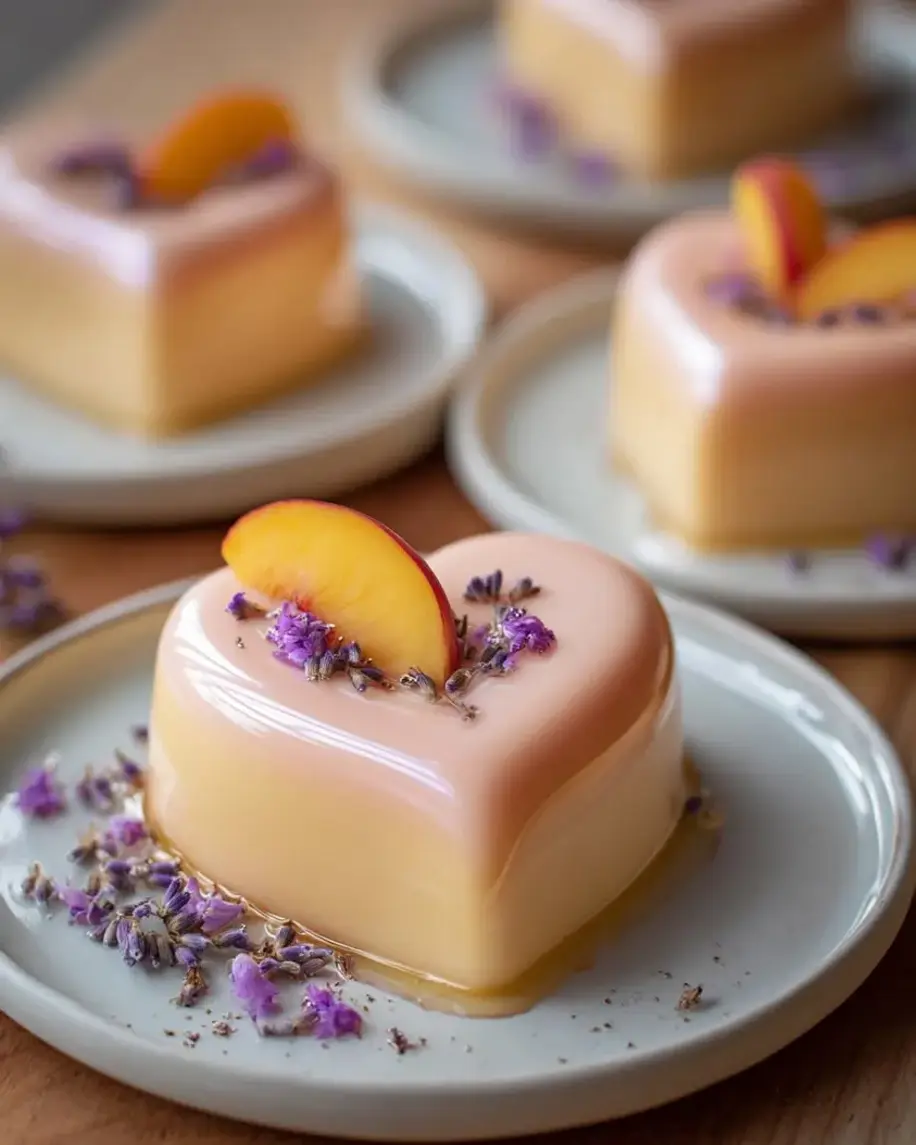
Table of Contents
Peach Lavender Velvet Hearts with Champagne Mirror Glaze – Elegant Heart-Shaped Dessert for Special Occasions
I still remember the first time I combined peach and lavender in a dessert. It was a sweltering July afternoon at my patisserie internship in Paris, and my mentor had just brought back a bundle of fresh lavender from the Marché d’Aligre. “Stella,” she said in her no-nonsense French, “this is the soul of summer. Treat it gently.” Back then, I was a wide-eyed culinary student from Morocco, used to the bold rose and orange blossom waters of my mother’s kitchen. But lavender—floral, herbaceous, and unexpectedly delicate—was a revelation. This Peach Lavender Velvet Hearts with Champagne Mirror Glaze is the dessert I wish I had made that day. It’s a love letter to the soft, perfumed sweetness of summer peaches, the quiet elegance of French lavender, and the celebratory pop of champagne. Every bite is a little journey from my childhood home in Marrakech to my adopted city of New York, where I now create desserts that feel both refined and deeply comforting.
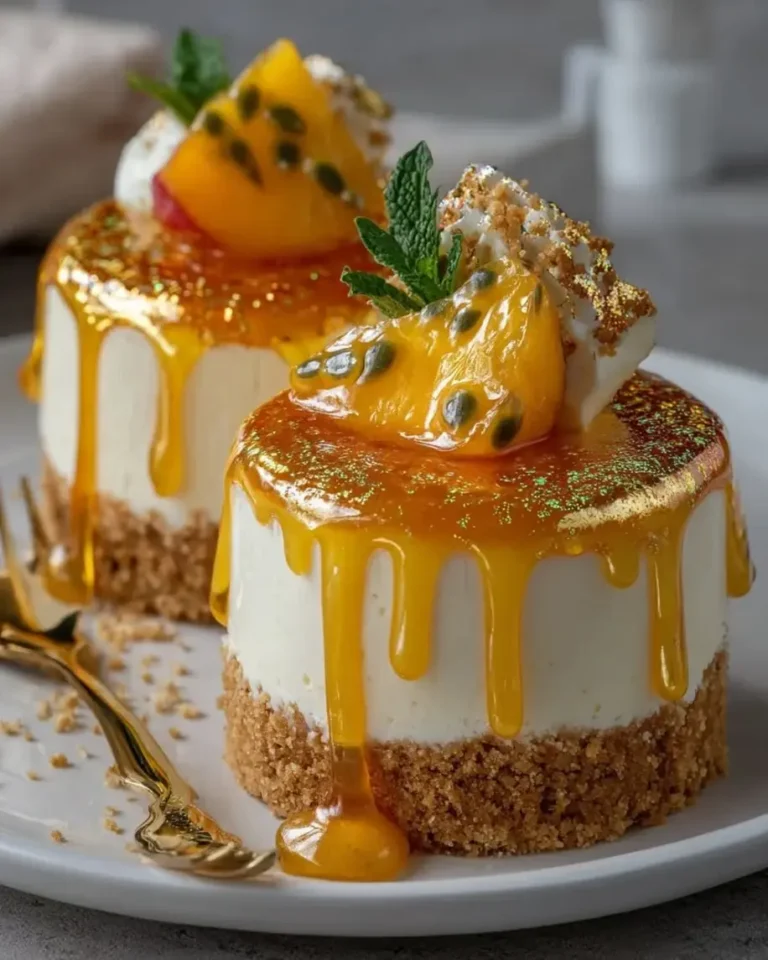
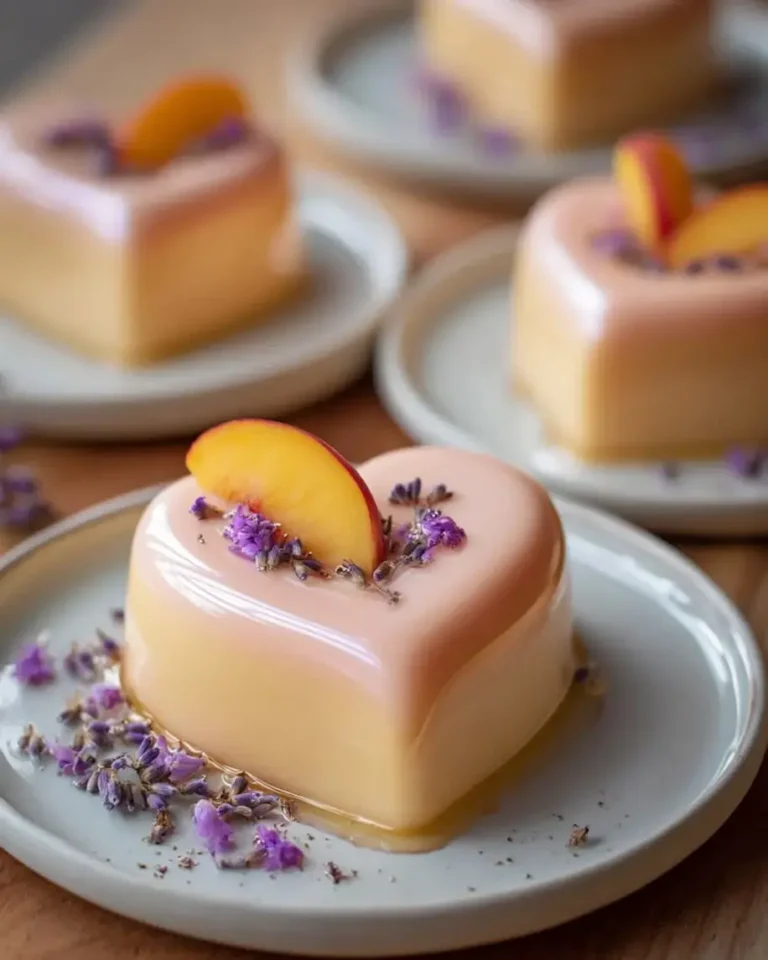
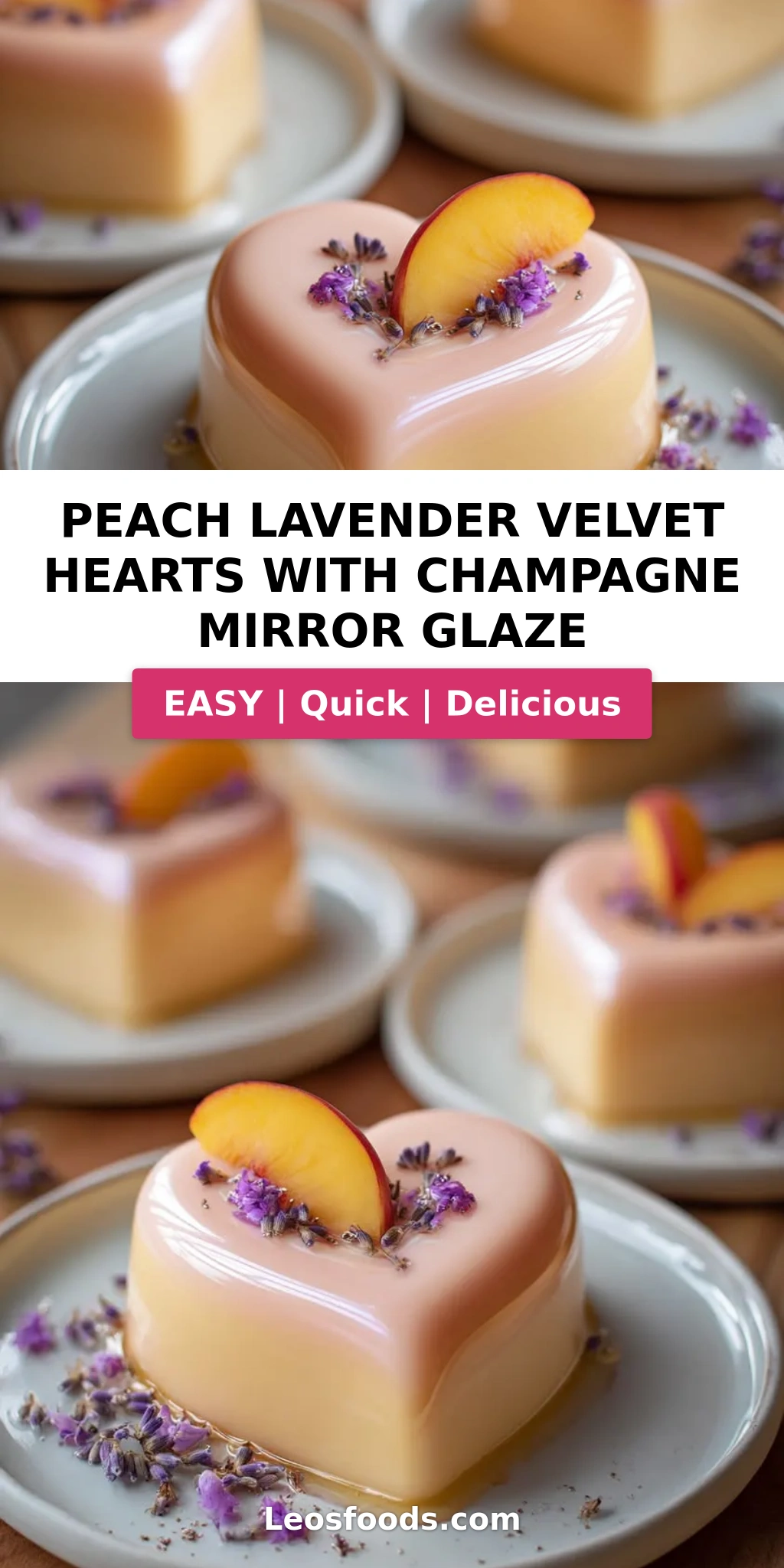
Imagine this: a tender vanilla cake heart, light as a whisper, nestled beneath a cloud of peach lavender mousse that tastes like a sun-drenched orchard in July. The mousse is impossibly airy, thanks to a careful folding technique I mastered during my years at Le Cordon Bleu, and it carries just a hint of floral complexity from the lavender—never soapy, always elegant. Then comes the crowning glory: a champagne mirror glaze so glossy and reflective you can practically see your own happy expression in it. It drapes over the mousse like liquid silk, catching the light with every movement. The first forkful breaks through the glaze with a delicate shatter, then sinks into the mousse, and finally meets the cake base—a perfect triad of textures. Garnished with a thin slice of peach and a sprinkle of dried lavender buds, this dessert is as much a feast for the eyes as it is for the palate.
I’ve tested this recipe more times than I can count, tweaking the lavender ratio, adjusting the gelatin bloom, and even trying different champagnes (pro tip: you don’t need the expensive stuff—a good dry sparkling wine works beautifully). What I’m sharing with you today is my most polished, foolproof version of this peach lavender velvet hearts recipe. It’s designed for home cooks who want to pull off something truly spectacular without a pastry degree. That said, there are a few technique-sensitive spots—the mirror glaze temperature, the mousse setting time—so I’ve woven in my best Stella’s Pro Tips throughout to guide you past the common pitfalls. Whether you’re making these for Valentine’s Day, a bridal shower, or just because you deserve something beautiful, I promise the effort is worth it. Let’s make some magic.
Why This Peach Lavender Velvet Hearts Recipe Is the Best
The flavor secret in this peach lavender velvet hearts recipe is the way the lavender is treated. Instead of steeping it in cream overnight (which can turn bitter), I simmer dried culinary lavender briefly with the peach puree, then strain it out completely. This extracts the gentle floral notes without the harsh, soapy edge that lavender can develop when over-steeped. It’s a technique I picked up in Paris from a pastry chef who specialized in floral desserts, and it makes all the difference. Paired with the bright acidity of fresh peach puree and a touch of lemon juice, the mousse tastes authentically fruity and elegantly perfumed—never like potpourri.
Texture is where this dessert truly shines, and that’s thanks to the way the mousse and glaze work together. The mousse uses a stabilized gelatin base and softly whipped cream folded in at just the right consistency—folding until no streaks remain but stopping before the cream stiffens. This gives the mousse a cloud-like, airy structure that contrasts beautifully with the dense, tender vanilla cake base. The champagne mirror glaze, meanwhile, is formulated to set with a high-gloss, almost lacquered finish that stays shiny even under refrigeration. The ratio of white chocolate to gelatin to champagne is something I dialed in over ten test batches, and it produces a glaze that coats cleanly without pooling or turning rubbery.
I also love how beginner-friendly this recipe is despite its impressive appearance. The components can be made in stages, and the freezing step does most of the heavy lifting for assembly. If you can make a simple vanilla cake, bloom gelatin, and whip cream, you’re already 80% of the way there. The champagne mirror glaze is the only part that requires a bit of attention to temperature, but I’ve included a visual cue in the instructions—pourable like warm honey—so you’ll know exactly when it’s ready. This recipe has been tested by home bakers in my NYC cooking workshops, and the feedback is always the same: “I can’t believe I made this!” You will feel that too.
Peach Lavender Velvet Hearts Ingredients
Every time I make this peach lavender mousse hearts dessert, I head to the Union Square Greenmarket for the ripest peaches I can find. The lavender I order online from a farm in upstate New York, and the champagne is whatever decent brut I have on hand—no need for vintage here. Growing up in Morocco, my mother would dry her own lavender from the garden and use it in tea and couscous, so I learned early that quality lavender should smell sweet and slightly floral, not like an old attic. Here’s everything you’ll need for each component.
Ingredients List
- For the Peach Lavender Mousse:
- 2 cups peach puree (from about 4 ripe peaches)
- 1/3 cup granulated sugar
- 1 tsp culinary dried lavender
- 1 tbsp fresh lemon juice
- 1 cup heavy cream, cold
- 2 tsp powdered gelatin
- 2 tbsp cold water (for blooming gelatin)
- For the Vanilla Heart Base:
- 1 cup all-purpose flour
- 1/2 tsp baking powder
- 1/4 tsp salt
- 1/4 cup unsalted butter, softened
- 1/3 cup granulated sugar
- 1 large egg, at room temperature
- 1/2 tsp vanilla extract
- 1/4 cup whole milk
- For the Champagne Mirror Glaze:
- 1/2 cup champagne or dry sparkling wine
- 1/2 cup granulated sugar
- 1/3 cup sweetened condensed milk
- 1 cup white chocolate, finely chopped
- 2 tsp powdered gelatin
- 2 tbsp cold water (for blooming gelatin)
- A few drops peach food coloring (gel or oil-based)
- For Garnish (optional):
- Thin peach slices (blanched or fresh)
- Dried lavender buds
Ingredient Spotlight
Peaches: The riper the peach, the more flavorful your mousse will be. Look for peaches that yield slightly to pressure and smell fragrant at the stem. In the off-season, frozen peaches work beautifully—thaw them completely and drain any excess liquid before pureeing. I tested this substitution in my own kitchen and the flavor is almost identical, especially when paired with the lavender.
Culinary Lavender: This is not the lavender from your garden center’s decorative section—those may be treated with pesticides. Always buy dried lavender labeled “culinary grade” from a spice shop or trusted online retailer. The flavor should be sweet and mildly floral, not pungent or camphor-like. Store it in a cool, dark drawer and use within six months for the best aromatic intensity.
White Chocolate for the Glaze: Use a high-quality white chocolate that contains cocoa butter—not white “melting wafers” or candy melts. Good white chocolate melts smoothly and creates a glossy, fluid glaze. I prefer brands like Valrhona Ivoire or Guittard. Finely chop the chocolate so it melts evenly when you pour the hot liquid over it. Pre-chopped pistoles are even better if you can find them.
Champagne (or Sparkling Wine): Any dry sparkling wine works here—brut champagne, cava, or prosecco. The bubbles don’t matter since you’re heating the wine, but the acidity and subtle yeasty notes add depth to the glaze. If you prefer a non-alcoholic version, see the substitution table below for a tested swap.
| Original Ingredient | Best Substitution | Flavor / Texture Impact |
|---|---|---|
| Fresh peaches (for puree) | Frozen peaches, thawed and drained | Nearly identical; slightly less intense aroma but still delicious |
| Champagne (in glaze) | Sparkling apple cider or non-alcoholic sparkling wine + 1/2 tsp white wine vinegar | Similar acidity and brightness; glaze is slightly less complex but still glossy |
| Culinary lavender | 1 tsp dried chamomile or 1/2 tsp orange blossom water (added at end) | Chamomile gives honeyed floral notes; orange blossom adds North African perfume |
| Heavy cream (in mousse) | Canned full-fat coconut cream (chilled) | Slightly coconut flavor; mousse is a touch less stable—use within 24 hours |
| White chocolate (in glaze) | Dairy-free white chocolate (e.g., Enjoy Life brand) | Glaze is slightly less glossy; flavor is less sweet—add 1 extra tbsp sugar |
How to Make Peach Lavender Velvet Hearts — Step-by-Step
I’ve broken this recipe into six clear steps that flow from one component to the next. The cake bakes first, the mousse comes together while it cools, and the glaze goes on after a good freeze. If you’re wondering how far in advance you can make peach lavender velvet hearts, the answer is: you can prep the cake and mousse up to two days ahead, and glaze the day you serve. Let’s get into it.
Step 1: Bake the Vanilla Heart Base
Preheat your oven to 350°F (175°C). Grease a small baking pan—an 8×8-inch square works perfectly—and line it with parchment paper, leaving some overhang for easy lifting. In a small bowl, whisk together the flour, baking powder, and salt until evenly combined. In a separate larger bowl, beat the softened butter and sugar together with a hand mixer or stand mixer on medium speed until pale and fluffy, about 2 minutes. Add the egg and vanilla extract, beating until well incorporated. With the mixer on low, alternately add the flour mixture in three additions and the milk in two, starting and ending with the flour. Mix just until a smooth, thick batter forms—do not overbeat. Spread the batter evenly into the prepared pan and bake for 18–20 minutes, or until a toothpick inserted in the center comes out clean. Cool the cake completely in the pan on a wire rack, then use a heart-shaped cookie cutter (about 2 inches wide) to cut out 8 hearts. Set them aside.
💡 Stella’s Pro Tip: For perfectly flat cake tops that sit flush in the mousse molds, trim any dome off the cake with a serrated knife before cutting your hearts. This ensures the cake layer stays centered and doesn’t poke out of the mousse.
Step 2: Make the Peach Lavender Mousse
Start by blooming the gelatin: sprinkle the 2 teaspoons of powdered gelatin over the 2 tablespoons of cold water in a small bowl. Let it sit for 5–10 minutes until it becomes a firm, jiggly mass. Meanwhile, combine the peach puree, 1/3 cup sugar, dried lavender, and lemon juice in a small saucepan. Heat over medium heat, stirring occasionally, until the mixture comes to a gentle simmer. Cook for 5 minutes, then remove from heat and strain through a fine-mesh sieve into a clean bowl, pressing on the lavender to extract all the liquid. Discard the lavender. While the peach mixture is still warm (but not boiling), add the bloomed gelatin and stir until completely dissolved. Let the mixture cool to room temperature—about 20 minutes—stirring occasionally. In a separate bowl, whip the heavy cream to soft peaks (the cream should hold a gentle curl when you lift the whisk). Gently fold the whipped cream into the cooled peach mixture in three additions, using a rubber spatula and a light hand. Fold until no white streaks remain, being careful not to deflate the mousse.
⚠️ Common Mistake to Avoid: Folding the cream too vigorously or all at once will turn your mousse into a dense, pudding-like texture. Use a gentle, sweeping motion—cut down through the center, sweep along the bottom, and lift up over the top. Rotate the bowl as you go.
Step 3: Assemble and Freeze
Have your heart-shaped silicone molds ready—these can be individual heart molds or a larger single mold. Fill each mold halfway with the mousse, then gently press a vanilla cake heart into the center, pushing it down until it’s flush with the surface of the mousse (the cake should not stick out). Fill the remaining space with more mousse to cover the cake completely, leveling the top with an offset spatula. Tap the molds gently on the counter to release any air bubbles. Place the molds on a baking sheet and freeze for at least 4 hours, or until fully firm. The mousse needs to be completely frozen solid for the glaze to adhere properly—this is non-negotiable for a clean mirror finish.
💡 Stella’s Pro Tip: If you don’t have heart-shaped molds, use a standard loaf pan or small round ramekins. After freezing, you can cut the mousse into heart shapes using a warmed cookie cutter. Just dip the cutter in hot water, dry it, and press down firmly.
Step 4: Prepare the Champagne Mirror Glaze
About 15 minutes before you’re ready to glaze, bloom the gelatin for the glaze: sprinkle 2 teaspoons of powdered gelatin over 2 tablespoons of cold water in a small bowl and let it sit for 5–10 minutes. In a small saucepan, combine the champagne, 1/2 cup sugar, and sweetened condensed milk. Heat over medium heat, stirring constantly, until the sugar dissolves and the mixture is smooth and steaming—do not let it boil vigorously. Remove from the heat and add the bloomed gelatin, stirring until fully dissolved. Pour the hot liquid over the finely chopped white chocolate in a heatproof bowl. Let it sit for 1 minute to melt the chocolate, then stir gently in one direction until the mixture is completely smooth and glossy. Add a few drops of peach food coloring and stir until you reach a soft pastel peach hue. Let the glaze cool to about 90–95°F (32–35°C)—it should feel warm but not hot to the touch, and it should flow like warm honey off a spoon.
⚠️ Common Mistake to Avoid: If the glaze is too hot when you pour it, it will melt the frozen mousse and create a messy, uneven coating. If it’s too cool, it will thicken and clump rather than draping smoothly. Use an instant-read thermometer for precision—this step is where most mirror glazes go wrong.
Step 5: Glaze the Hearts
Remove the frozen mousse hearts from their molds by gently pressing on the bottom of the silicone mold. Place each heart on a wire rack set over a baking sheet (to catch drips). Pour the champagne mirror glaze evenly over each heart, starting from the center and letting it flow naturally over the sides. You want a smooth, even coating—if needed, use a small offset spatula to guide the glaze, but try to touch it as little as possible. Let the glaze set for 10–15 minutes at room temperature. The glaze will develop a shiny, reflective surface as it sets. Once set, carefully transfer the hearts to a serving platter using a thin metal spatula.
💡 Stella’s Pro Tip: If you see small bubbles forming in the glaze after pouring, quickly pass a kitchen torch or a lighter over the surface to pop them. This gives you that flawless, professional mirror finish every time.
Step 6: Garnish and Serve
While the glaze is still slightly tacky (within the first 2–3 minutes after pouring), place a thin slice of fresh or blanched peach on top of each heart, and sprinkle a few dried lavender buds over the surface. The glaze will help the garnishes adhere. Refrigerate the hearts for at least 30 minutes before serving to allow the mousse to soften slightly—it should be creamy, not icy. Serve straight from the fridge for the best texture contrast between the firm glaze, silky mousse, and tender cake.
⚠️ Common Mistake to Avoid: Don’t let the garnishes sit on the glaze for too long before refrigerating—if the glaze sets completely, the peach slices won’t stick and may slide off. Place them within the first minute of glazing.
| Step | Action | Duration | Key Visual Cue |
|---|---|---|---|
| 1 | Bake the vanilla heart base | 18–20 mins | Toothpick comes out clean; top is golden |
| 2 | Make the peach lavender mousse | 15 mins + cooling | Peach mixture is fragrant; whipped cream holds soft peaks |
| 3 | Assemble and freeze | 4 hrs (freeze) | Mousse is solid to the touch; molds are firm |
| 4 | Prepare the champagne mirror glaze | 10 mins + cooling | Glaze is smooth, glossy, and flows like warm honey |
| 5 | Glaze the hearts | 10–15 mins (set) | Glaze is firm to gentle touch; reflective surface |
| 6 | Garnish and serve | 30 mins (fridge) | Mousse is creamy, not icy; glaze is glossy |
Serving & Presentation
These champagne mirror glaze dessert hearts are designed to be the centerpiece of your table. I love serving them on a simple white platter or individual dessert plates, with a few fresh peach slices and a light dusting of dried lavender scattered around the plate for color and aroma. The contrast between the glossy peach-toned glaze and the clean white plate is stunning, and the heart shape makes it an instant conversation starter. For a Moroccan-inspired twist, you could add a small drizzle of orange blossom honey on the plate before setting the heart down—it echoes the floral notes in the mousse and adds a subtle sweetness that ties everything together.
In terms of pairings, these hearts are rich enough to stand alone, but they also shine alongside a few thoughtful accompaniments. A dollop of lightly sweetened crème fraîche cuts through the sweetness beautifully, and a small glass of chilled champagne or a floral iced tea echoes the flavors in the dessert. If you’re serving these at a brunch or shower, consider pairing them with fresh berries and a mint tea for a light, elegant finish. The hearts hold their shape well at room temperature for about 30 minutes, so you can plate them in advance without stress.
| Pairing Type | Suggestions | Why It Works |
|---|---|---|
| Side | Fresh raspberries, mint sprigs, edible flowers | Bright acidity and color contrast against the sweet peach mousse |
| Sauce / Dip | Crème fraîche, honey drizzle, raspberry coulis | Adds tangy or fruity contrast; cuts through the richness |
| Beverage | Chilled brut champagne, iced lavender tea, mint tea | Echoes the floral and bubbly notes in the dessert |
| Garnish | Thin peach slices, dried lavender, gold leaf flakes | Enhances visual appeal and reinforces the peach-lavender theme |
Make-Ahead, Storage & Reheating
One of the best things about this peach lavender velvet hearts recipe is how well it fits into a busy schedule. As a New Yorker with a packed calendar, I rely on make-ahead desserts that don’t sacrifice quality for convenience. The vanilla cake base can be baked up to two days in advance and stored in an airtight container at room temperature. The mousse-filled hearts can be frozen for up to a week before glazing—just keep them well-covered with plastic wrap to prevent freezer burn. The champagne mirror glaze is best made fresh on the day you plan to serve, but you can prepare the dry ingredients (chopped chocolate, gelatin measured) the night before to streamline your workflow.
| Method | Container | Duration | Reheating Tip |
|---|---|---|---|
| Refrigerator | Covered platter or airtight container | Up to 3 days (glazed) | Serve directly from fridge; no reheating needed |
| Freezer | Individual wrapped in plastic, then foil | Up to 1 month (unglazed) | Thaw in fridge 2 hrs; glaze after thawing |
| Make-Ahead | Cake in airtight bag; mousse in molds | Cake: 2 days; Mousse: 1 week frozen | Assemble mousse + cake, freeze, glaze on serving day |
If you’ve glazed the hearts and have leftovers, simply store them in an airtight container in the fridge for up to three days. The glaze will remain shiny but may soften slightly over time—still delicious, just a bit less dramatic. I don’t recommend freezing glazed hearts, as the glaze can develop condensation and lose its mirror finish when thawed. Instead, freeze the unglazed mousse hearts and glaze them fresh when you’re ready to serve. This is my go-to strategy for dinner parties: I do all the heavy lifting ahead of time, and on the day of the event, I just whip up the glaze and pour. It takes 15 minutes and looks like I spent all day on it.
Variations & Easy Swaps
This peach lavender mousse hearts dessert is wonderfully adaptable. Over the years, I’ve tested variations for different seasons, dietary needs, and flavor preferences. Here are three of my favorite ways to change it up, each tested in my own NYC kitchen.
| Variation | Key Change | Best For | Difficulty Impact |
|---|---|---|---|
| Berry Lavender Hearts | Replace peach puree with strawberry or raspberry puree; reduce sugar to 1/4 cup | Spring gatherings, Valentine’s Day | Same difficulty |
| Gluten-Free Adaptation | Use 1:1 gluten-free flour blend (with xanthan gum) in the cake base | Gluten-free guests | Same difficulty |
| Peach Rose Water Velvet Hearts | Replace lavender with 1 tsp rose water added after straining; omit lavender | Middle Eastern-inspired dinners, summer parties | Same difficulty |
Berry Lavender Hearts
This is my go-to spring variation, inspired by the wild strawberries my mother used to bring home from the market in Marrakech. Simply swap the peach puree for an equal amount of strawberry or raspberry puree, and reduce the sugar to 1/4 cup since berries are often sweeter and more tart. The lavender pairs beautifully with berries—the floral notes lift the bright berry acidity in a way that feels very French. You can also add a tablespoon of framboise (raspberry liqueur) to the mousse for an adult twist. The mirror glaze can stay the same, or you can tint it pink with a drop of red food coloring for a Valentine’s-ready presentation.
Gluten-Free Adaptation
I developed this version for a gluten-sensitive friend who refused to miss out on my heart-shaped desserts. Use a high-quality 1:1 gluten-free flour blend that contains xanthan gum—I like Bob’s Red Mill 1-to-1 Baking Flour. No other changes are needed for the cake base; the texture is slightly more tender and a touch crumblier, but it holds together perfectly in the mousse. The rest of the recipe (mousse, glaze) is naturally gluten-free, so this is an easy adaptation. Just be sure to check your white chocolate and food coloring for any hidden gluten—most are safe, but it’s worth a quick label scan.
Peach Rose Water Velvet Hearts
This variation is a nod to my North African roots, where rose water is as common as salt. Replace the dried lavender with 1 teaspoon of culinary rose water, added to the peach mixture after straining and just before you stir in the gelatin. The rose water adds a soft, perfumed sweetness that feels both exotic and familiar alongside the peaches. For an extra touch, garnish with a few crushed pistachios and a tiny edible rose petal instead of the lavender buds. The champagne mirror glaze pairs surprisingly well with rose—the floral notes echo each other beautifully. This version is always a hit at my summer dinner parties, especially when served with Moroccan mint tea on the side.
Can I use frozen peaches instead of fresh for the peach lavender velvet cake base?
Absolutely—frozen peaches work beautifully in this peach lavender velvet hearts recipe. In fact, I often use them when fresh peaches are out of season. The key is to thaw the frozen peaches completely and drain off any excess liquid before pureeing them. Frozen peaches tend to release more water than fresh ones, so if you don’t drain them, your mousse could end up too loose. I also recommend adding an extra teaspoon of gelatin to compensate for the higher moisture content. The flavor will still be bright and peachy, especially when paired with the lavender. Just avoid peaches that are frozen in syrup—you want plain, unsweetened frozen peaches for the puree.
How do I make a champagne mirror glaze that stays shiny without being too thick?
The secret to a perfectly shiny champagne mirror glaze that isn’t overly thick lies in two things: the temperature at which you pour it and the ratio of white chocolate to gelatin. You want the glaze to be between 90°F and 95°F (32–35°C)—warm enough to flow smoothly but cool enough to set in a thin, even layer over the frozen mousse. If it’s too thick when you pour, stir in a teaspoon of warm water or champagne to loosen it, but do this sparingly. Also, make sure your white chocolate is finely chopped so it melts evenly; clumps of unmelted chocolate will ruin the texture. For the glossiest finish, let the glaze set at room temperature rather than in the fridge—this prevents condensation from dulling the shine.
What can I substitute for champagne in the mirror glaze if I don’t drink alcohol?
If you prefer a non-alcoholic version of this champagne mirror glaze, you have a couple of excellent options. My top pick is a good-quality sparkling apple cider or non-alcoholic sparkling wine—both provide the acidity and bubbles (even though the bubbles cook off) that help balance the sweetness of the white chocolate. For extra complexity, add 1/2 teaspoon of white wine vinegar to mimic the brightness of champagne. Another option is to use a combination of white grape juice and a splash of lemon juice, though this will be sweeter. Whatever you choose, the glaze will still be glossy and beautiful—just slightly different in flavor profile. I’ve tested both substitutions and they work wonderfully.
How far in advance can I make Peach Lavender Velvet Hearts before serving?
This is one dessert that actually benefits from being made ahead! You can prepare the vanilla cake base up to 2 days in advance and store it in an airtight container at room temperature. The mousse-filled hearts can be frozen for up to 1 week before glazing—just keep them well-wrapped in plastic to prevent freezer burn. The champagne mirror glaze is best made fresh on the day you plan to serve, as it can lose some of its shine if stored overnight. So my ideal timeline is: bake the cake 2 days ahead, make the mousse and assemble the hearts 1–2 days ahead and freeze them, then glaze and garnish on serving day. This way you get the freshest glaze with the most convenient prep schedule.
Can I use a different shape if I don’t have heart-shaped molds?
Of course—this recipe works beautifully in any shape you have on hand. Round ramekins, mini loaf pans, or even a standard 9×5-inch loaf pan all work well. If you use a larger mold, just adjust the freezing time to ensure the mousse is fully solid (add an extra hour for larger volumes). After freezing, you can even cut the mousse into shapes using a warmed cookie cutter—dip the cutter in hot water, dry it, and press down firmly for clean edges. Round “velvet hearts” have a certain charm, but squares, ovals, or even diamond shapes look equally elegant glazed in champagne mirror finish. The important thing is that the mousse is fully frozen before you pour the glaze.
Why did my champagne mirror glaze crack or develop streaks after setting?
Cracked or streaky mirror glaze is usually a temperature issue. If the glaze was too hot when poured, it can melt the surface of the frozen mousse, causing the glaze to separate or crack as it sets. If it was too cool, it can thicken unevenly and create streaks. Always use an instant-read thermometer and aim for 90–95°F (32–35°C). Another common cause is over-stirring the glaze after adding the chocolate, which can introduce air bubbles and create a dull, streaky finish. Stir gently and only until smooth. Finally, make sure your white chocolate is high quality and finely chopped—low-quality white chocolate can seize or separate when heated, leading to an uneven texture.
Can I make this recipe dairy-free or vegan?
Yes, with some thoughtful substitutions. For a dairy-free version, replace the heavy cream in the mousse with chilled full-fat coconut cream—it whips up nicely and has a similar richness. Use a dairy-free white chocolate (like Enjoy Life brand) in the glaze, and substitute the butter in the cake with a plant-based butter stick (not spreadable margarine). The gelatin is the tricky part—you can use agar-agar powder for both the mousse and glaze, but the ratios and setting properties are different. For the mousse, use 1 tsp agar-agar powder bloomed in 2 tbsp water, and for the glaze, use 1 tsp agar-agar bloomed in 2 tbsp water. The texture will be slightly firmer and less silky, but still delicious and presentable.
How do I get the mousse to taste more strongly of lavender without it becoming bitter?
The key to a strong but pleasant lavender flavor is infusion time, not quantity. If you add more lavender, you risk a bitter, soapy taste. Instead, increase the steeping time while keeping the amount at 1 teaspoon. After adding the lavender to the simmering peach puree, remove the pan from the heat, cover it, and let it steep for 10–15 minutes before straining. This extra steeping time extracts more floral aroma without the bitterness that comes from high heat or excessive lavender. I learned this trick from a pastry chef in Provence, and it makes a significant difference. Alternatively, you can add a drop of lavender essential oil (food-grade only!) at the very end, but use it sparingly—one drop is enough for the entire batch of mousse.
Can I use honey instead of sugar in the mousse or glaze?
You can substitute honey for the granulated sugar in the mousse, but it will change the flavor and texture slightly. Honey is sweeter than sugar, so use about 1/4 cup of honey instead of 1/3 cup of sugar. The honey will add its own floral notes that pair beautifully with the lavender and peach—I love using a mild orange blossom honey for this recipe. However, for the champagne mirror glaze, I don’t recommend substituting honey for sugar. The sugar in the glaze helps create the right structure and shine, and honey’s invert sugars can make the glaze too soft or sticky. Stick with granulated sugar for the glaze for the best glossy, stable finish.
What’s the best way to transport these glazed hearts to a party?
Transporting mirror glaze desserts requires a bit of care, but it’s totally doable. The best method is to freeze the unglazed mousse hearts solid, transport them in a well-insulated cooler with ice packs, then glaze them at the destination. This keeps the mirror finish pristine. If you need to transport them already glazed, place each heart in an individual cupcake liner or small box to prevent them from sliding into each other. Use a flat, non-slip tray or a baking sheet with a silicone mat, and keep them refrigerated until just before serving. Avoid stacking them or wrapping them tightly in plastic, as the glaze can stick and smudge. I’ve brought these to countless NYC dinner parties using this method, and they always arrive looking gorgeous.
Share Your Version!
I absolutely love seeing how you make this Peach Lavender Velvet Hearts with Champagne Mirror Glaze your own. Whether you stick with the classic version, try the berry variation, or add your own creative twist, please let me know how it goes! Drop a star rating and a comment below—your feedback helps me refine my recipes and helps other readers know what to expect. I read every single comment and I do my best to answer any questions you might have, especially about tricky steps like the mirror glaze temperature or the mousse consistency.
If you share a photo on Instagram or Pinterest, tag me @leosfoods so I can see your beautiful creations. I love nothing more than scrolling through my feed and spotting a glossy mirror glaze heart that started its journey right here in my kitchen. So go ahead—make these hearts, share them with someone you love, and let me know in the comments: what occasion are you making them for? I can’t wait to hear your story.
From my NYC kitchen to yours — I hope this recipe brings as much warmth to your table as it does to mine. — Stella 🧡
Love This Recipe? Save It to Pinterest!
If you enjoyed this Peach Lavender Velvet Hearts with Champagne Mirror Glaze recipe, don’t let it get lost in your browser tabs! 😄 Pin it now so you can find it again anytime — and explore hundreds more tried-and-tested recipes waiting for you on my Pinterest boards.
👉 Follow Stella on Pinterest @stellarecipeblog
📌 Pin this recipe · 🔁 Re-pin your favorites · 💬 Tag me when you make it — I love seeing your creations!
Peach Lavender Velvet Hearts with Champagne Mirror Glaze
Elegant heart-shaped desserts featuring a vanilla cake base, delicate peach lavender mousse, and a stunning champagne mirror glaze. Perfect for special occasions.
- Yield: 8 1x
Ingredients
- For the Peach Lavender Mousse:
- 2 cups peach puree
- 1/3 cup granulated sugar
- 1 tsp culinary lavender
- 1 tbsp lemon juice
- 1 cup heavy cream
- 2 tsp powdered gelatin
- 2 tbsp cold water
- For the Vanilla Heart Base:
- 1 cup all-purpose flour
- 1/2 tsp baking powder
- 1/4 tsp salt
- 1/4 cup unsalted butter, softened
- 1/3 cup granulated sugar
- 1 large egg
- 1/2 tsp vanilla extract
- 1/4 cup milk
- For the Champagne Mirror Glaze:
- 1/2 cup champagne
- 1/2 cup granulated sugar
- 1/3 cup sweetened condensed milk
- 1 cup white chocolate, finely chopped
- 2 tsp powdered gelatin
- 2 tbsp cold water
- A few drops peach food coloring
- For Garnish (optional):
- Thin peach slices
- Dried lavender buds
Instructions
- 1. Preheat oven to 350°F (175°C). Grease and line a small baking pan.
- 2. Whisk flour, baking powder, and salt together.
- 3. Beat butter and sugar until fluffy. Add egg and vanilla extract.
- 4. Alternate adding dry ingredients and milk until a smooth batter forms.
- 5. Bake for 18–20 minutes. Cool completely and cut into heart-shaped pieces to fit molds.
- 6. Bloom gelatin in cold water for the mousse.
- 7. Heat peach puree, sugar, lavender, and lemon juice for 5 minutes. Strain out the lavender.
- 8. Stir gelatin into the warm peach mixture until dissolved. Cool to room temperature.
- 9. Whip heavy cream to soft peaks and gently fold into the peach mixture.
- 10. Fill heart molds halfway with mousse, place a cake heart on top, and freeze until firm, about 4 hours.
- 11. Bloom gelatin in cold water for the glaze.
- 12. Heat champagne, sugar, and condensed milk until smooth. Remove from heat.
- 13. Add gelatin and white chocolate, stirring until glossy.
- 14. Mix in a few drops of peach food coloring and cool to a pourable temperature.
- 15. Remove frozen hearts from molds and place on a wire rack.
- 16. Pour the champagne mirror glaze evenly over each heart.
- 17. Allow the glaze to set for 10–15 minutes.
- 18. Garnish with peach slices and dried lavender before serving.
Nutrition
- Calories: 315
- Sugar: 31 g
- Fat: 15 g
- Carbohydrates: 40 g
- Protein: 4 g
Tried This Recipe? Leave a Comment!
Did you make this recipe? I’d love to hear how it turned out! Please leave a comment and a rating below. Your feedback helps other home cooks and supports cheerychop.com!
For more delicious inspiration, follow me on Pinterest!