Golden Crispy Australian-Style Chiko Rolls Recipe
“`html
Table of Contents
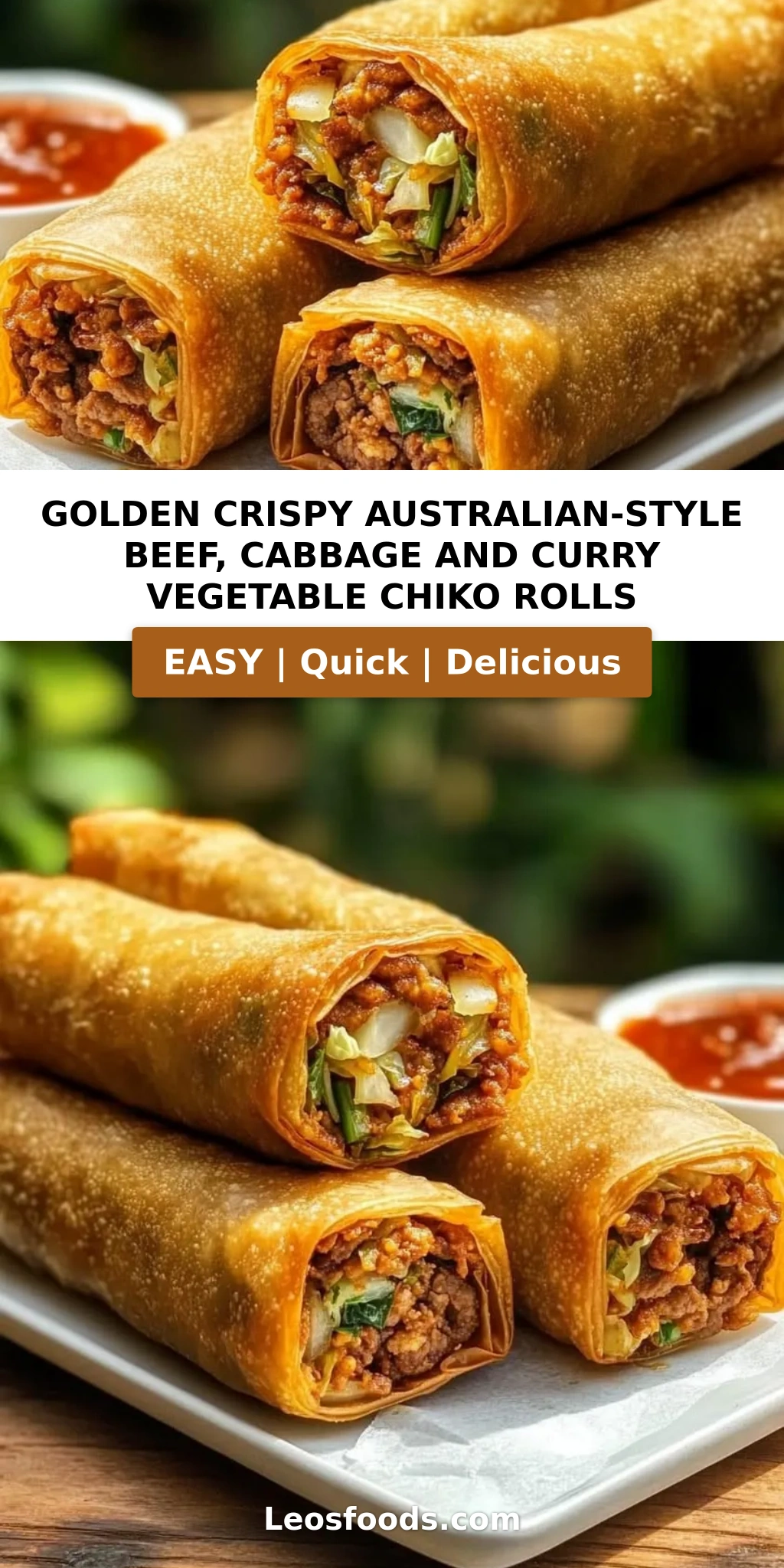
Golden Crispy Australian-Style Beef, Cabbage and Curry Vegetable Chiko Rolls – The Ultimate Aussie-Inspired Snack
I first tasted a Chiko roll at a food truck in Melbourne during a culinary tour, and I was instantly hooked — that golden, shatteringly crisp exterior giving way to a deeply savory, curry-spiced beef and cabbage filling. As a professionally trained cook who grew up in Morocco and later honed my craft in Paris, I’ve always been drawn to hand-held filled pastries: briouats, samosas, spring rolls. This Australian-style Chiko roll recipe is my homage to that iconic Aussie snack, reimagined with the precise technique I learned in French kitchens and the bold spice intuition I inherited from my mother’s cooking in Marrakech. These homemade Chiko rolls deliver that perfect balance of juicy, aromatic filling and ultra-crispy wrapper — no soggy bottoms, no bland bites.
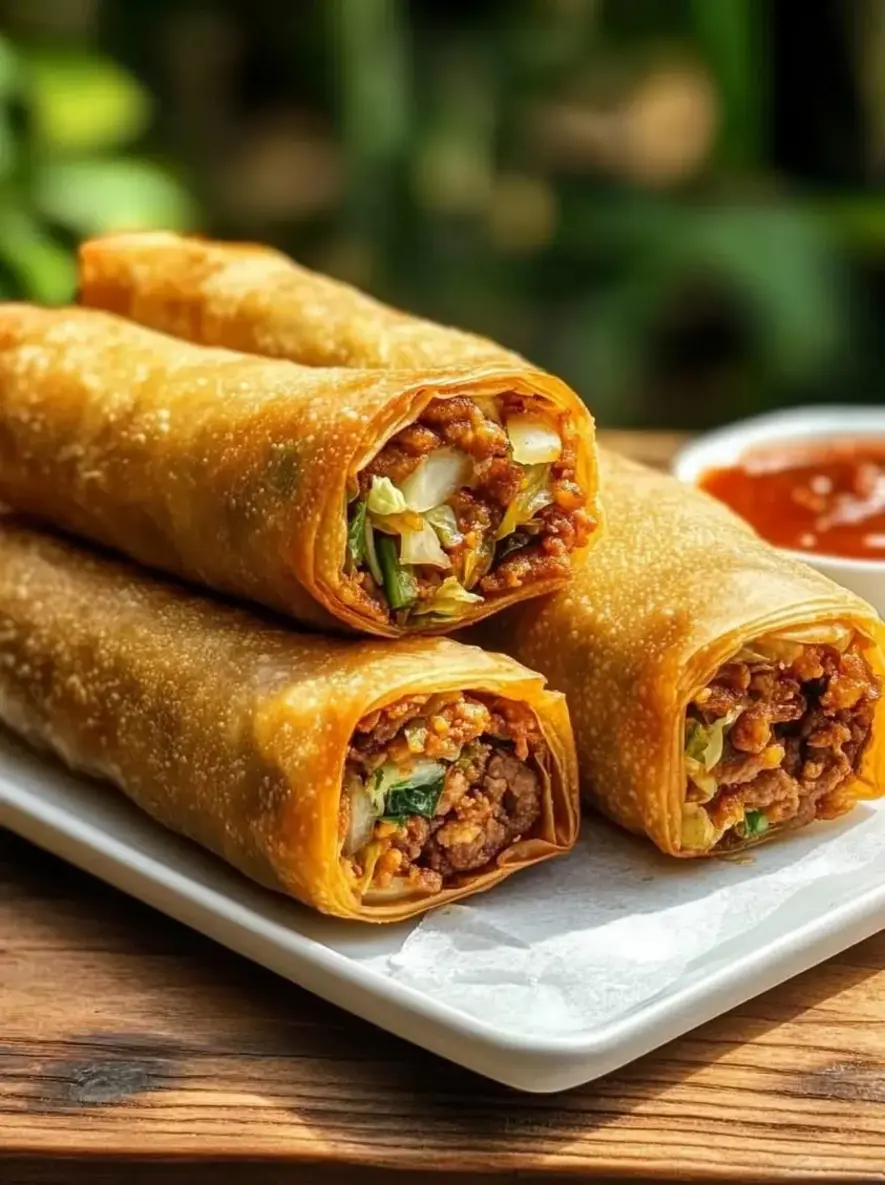
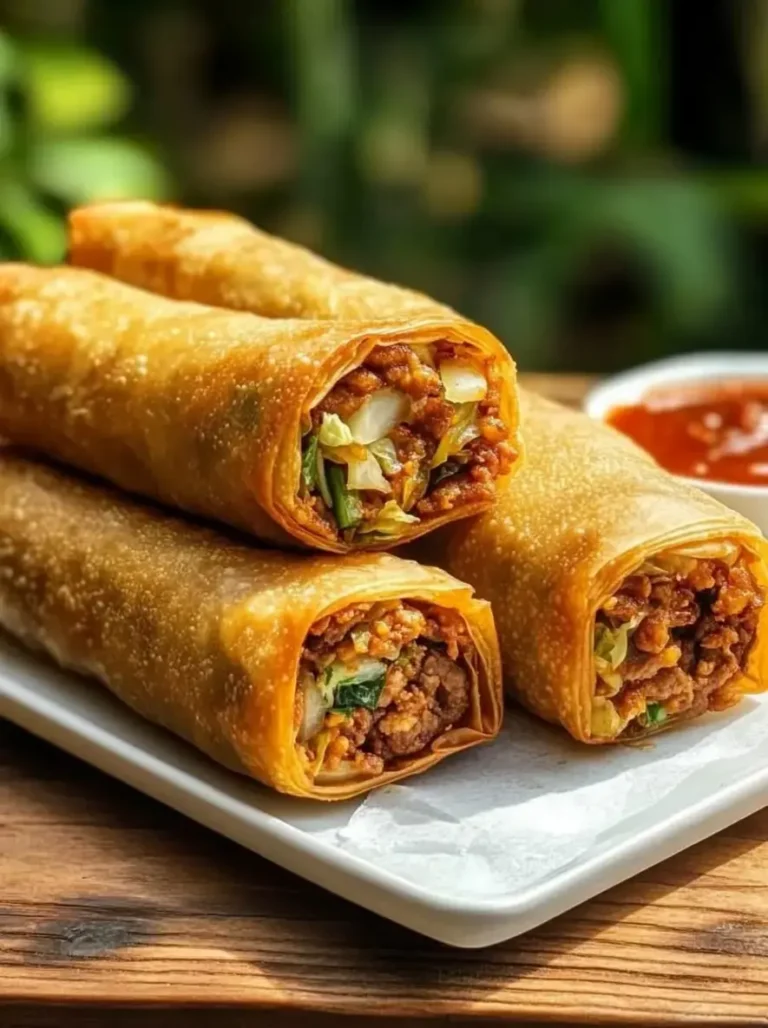
Imagine biting through a crackling golden shell into a warm, fragrant filling of tender beef mince, finely shredded cabbage, and sweet carrot, all laced with warm curry powder and aromatics. The cabbage stays just slightly toothsome, the beef is rich and savory, and every bite carries that gentle hum of curry that makes these rolls so uniquely satisfying. The aroma alone — garlic, onion, curry, and beef sizzling together — will transport you straight to a bustling Australian seaside takeaway joint. I love serving these on a platter with a bowl of sweet chili sauce for dipping, and watching them disappear within minutes.
What sets my version apart is a simple but game-changing technique: I sauté the filling until the cabbage is just tender but still has a bit of bite, then I let it cool completely before rolling. This prevents the wrappers from steaming and turning soggy during frying — a lesson I learned the hard way in my early NYC catering days. I also use a light hand with the curry powder so it enhances without overwhelming, and I seal each roll with a tight fold that keeps the filling locked in. Below, I’ll share my pro tips for achieving that golden, crispy texture every single time, plus the one common mistake that can ruin your batch. Let’s get rolling!
Why This Australian Chiko Rolls Recipe Is the Best
The Flavor Secret. The magic of this homemade Chiko rolls recipe lies in the curry-spiced beef and cabbage filling. I use a high-quality curry powder — a blend I often make myself with coriander, cumin, turmeric, and a touch of fenugreek — and I bloom it in the pan with the aromatics before adding the meat. This unlocks layers of warmth and depth that you simply don’t get from stirring curry powder into a cold mixture. Growing up in Morocco, I learned that spices need heat to release their full personality, and that principle is at the heart of this dish.
Perfected Texture. After years of frying spring rolls, samosas, and briouats in Parisian restaurants, I’ve mastered the art of the crisp. The key is a two-step process: first, cool the filling completely so it doesn’t steam the wrapper from the inside; second, fry at a steady 350°F (175°C) in clean oil, turning the rolls gently so they brown evenly. The result is a shell that shatters with each bite, with a moist, flavorful interior that never leaks or turns mushy.
Foolproof & Fast. This Australian-style spring rolls recipe is designed for home cooks of any level. The filling comes together in one pan, the rolling is straightforward (I’ll show you exactly how), and the frying is forgiving as long as you keep an eye on the oil temperature. Whether you’re making a batch for game day, a party appetizer, or a weekend snack, these rolls deliver consistent, impressive results. Plus, they freeze beautifully — so you can prep ahead and fry fresh whenever the craving strikes.
Australian Chiko Rolls Recipe Ingredients
I pick up my beef mince from the butcher at the Union Square Greenmarket, and I grab the cabbage and carrots from the organic stand two stalls down. The curry powder I have shipped from a spice shop in Melbourne, but a good supermarket brand works beautifully too. These ingredients are simple and accessible — you likely have most of them in your kitchen right now.
Ingredients List
- 1 lb (450 g) beef mince (80/20 blend recommended for flavor)
- 3 cups finely shredded cabbage (about ½ a small head)
- 1 large carrot, grated
- 1 small onion, finely diced
- 1 celery stalk, finely diced
- 2 cloves garlic, minced
- 1 tablespoon curry powder (mild or hot, your choice)
- 1 teaspoon salt
- Oil for deep frying (vegetable, canola, or peanut oil)
- Spring roll wrappers (approx. 20, standard 8-inch size)
Ingredient Spotlight
Beef Mince: The backbone of the filling. I recommend an 80/20 blend — enough fat to keep the meat juicy and flavorful without making the rolls greasy. Look for freshly ground beef from a trusted source. For a leaner option, you can use ground turkey or chicken, though the flavor will be milder.
Cabbage: Finely shredded green cabbage provides texture and bulk without overwhelming the filling. It softens during cooking but retains a pleasant bite. Napa cabbage or savoy cabbage are excellent substitutes if you want a slightly sweeter, more delicate result — just reduce the cooking time by a minute or two.
Curry Powder: This is the defining spice of a classic Chiko roll. I use a medium-heat Australian curry powder, but any good-quality curry blend will work. If you’re spice-sensitive, use a mild curry powder and cut the amount to 2 teaspoons. For extra depth, add ½ teaspoon of ground cumin and ¼ teaspoon of cayenne.
Spring Roll Wrappers: Look for the square, thin wrappers typically found in the refrigerated section of Asian grocery stores or the frozen aisle of well-stocked supermarkets. They are usually labeled “spring roll wrappers” or “lumpia wrappers.” Thicker egg roll wrappers can be used, but they yield a denser, less delicate crust.
| Original Ingredient | Best Substitution | Flavor / Texture Impact |
|---|---|---|
| Beef mince | Ground turkey or chicken | Milder flavor, slightly leaner; add 1 tbsp olive oil for moisture |
| Green cabbage | Napa cabbage or savoy cabbage | Sweeter, more tender; reduce cooking time by 1–2 minutes |
| Curry powder | Garam masala + ½ tsp turmeric | Warmer, less earthy; slightly different aromatic profile |
| Spring roll wrappers | Egg roll wrappers (thicker) | Denser, crunchier crust; adjust frying time by 1–2 minutes |
How to Make Australian Chiko Rolls — Step-by-Step
The process is straightforward, but a few small details make all the difference. Follow these steps, and you’ll have a batch of golden, crispy Chiko rolls that would make any Aussie proud.
Step 1: Brown the Beef
Heat a large pan over medium-high heat. Add the beef mince and cook, breaking it apart with a wooden spoon, until it’s well browned and any liquid has evaporated — about 6–7 minutes. Drain off excess fat, leaving about 1 tablespoon in the pan for flavor.
💡 Stella’s Pro Tip: Let the beef develop a deep brown crust before stirring. This adds a rich, savory foundation to the filling that you just can’t get from pale, steamed meat.
Step 2: Sauté the Aromatics
Reduce the heat to medium. Add the diced onion, garlic, and celery to the pan with the beef. Sauté for 3 minutes until the onion is translucent and the celery softens, stirring occasionally to lift the browned bits from the bottom of the pan.
⚠️ Common Mistake to Avoid: Adding the garlic too early. Garlic burns quickly and turns bitter. Add it with the onion and celery, not before, and keep the heat at medium.
Step 3: Add the Vegetables and Curry
Stir in the shredded cabbage, grated carrot, curry powder, and salt. Cook for 5 minutes, stirring frequently, until the cabbage is wilted but still has a slight crunch — it should be tender, not mushy. Remove the pan from the heat and let the filling cool completely to room temperature. This step is crucial for crispy rolls.
💡 Stella’s Pro Tip: Spread the filling on a baking sheet to cool faster. A thin layer cools in about 15 minutes; a thick pile in the pan can take 40 minutes. Speed matters when you’re hungry!
Step 4: Roll the Chiko Rolls
Place a spring roll wrapper on a clean surface with one corner pointing toward you. Add about 2 tablespoons of filling in a log shape near the bottom corner. Fold the bottom corner snugly over the filling, then fold in the two side corners like an envelope. Roll upward tightly, sealing the final edge with a dab of water. Press gently to secure. Repeat with remaining filling and wrappers.
⚠️ Common Mistake to Avoid: Overfilling the wrappers. Too much filling causes the rolls to burst open during frying. Two tablespoons is the sweet spot — enough for a satisfying bite without the risk of leakage.
Step 5: Fry to Golden Perfection
Heat oil in a deep fryer or large, heavy-bottomed pot to 350°F (175°C). Fry the rolls in batches of 4–5 (don’t overcrowd) for 3–4 minutes, turning occasionally, until deep golden brown and crispy. Drain on a wire rack or paper towels. Serve hot with sweet chili sauce or your favorite dipping sauce.
💡 Stella’s Pro Tip: Use a deep-fry thermometer to maintain a steady temperature. If the oil is too cool, the rolls absorb grease and turn soggy; too hot, and the outside burns before the filling warms through. 350°F is the gold standard.
| Step | Action | Duration | Key Visual Cue |
|---|---|---|---|
| 1 | Brown beef mince | 6–7 min | Deep brown crust, no pink remaining |
| 2 | Sauté aromatics | 3 min | Onion translucent, garlic fragrant |
| 3 | Cook vegetables & curry | 5 min | Cabbage wilted, color deepened, curry aroma released |
| 4 | Roll the Chiko rolls | 10–15 min | Neat, tight cylinders with sealed edges |
| 5 | Deep fry | 3–4 min per batch | Deep golden brown, bubbles subside |
Serving & Presentation
These Chiko rolls are at their absolute best served hot, straight from the fryer, with a dipping sauce that complements the curry-spiced filling. I love to arrange them on a wooden platter lined with banana leaves for a nod to my Moroccan roots — we always serve stuffed pastries on leaves for special occasions. A small bowl of sweet chili sauce in the center, maybe a second bowl of tangy tamarind chutney, and you have a spread that disappears fast.
In my NYC apartment, I often serve these as appetizers during game nights or as a fun Friday night dinner alongside a crisp Asian slaw and cold beers. They’re also fantastic packed into lunchboxes (reheated in the oven, never the microwave — trust me) or stacked on a picnic platter with fresh herbs and lime wedges. The contrast of hot, crunchy rolls with a cool, refreshing dip is pure magic.
For a true Australian experience, serve these with a side of wattleseed-spiced aioli or a drizzle of bush tomato relish — both easy to find online or in specialty stores. But honestly, a simple store-bought sweet chili sauce does the job beautifully.
| Pairing Type | Suggestions | Why It Works |
|---|---|---|
| Side Dish | Asian slaw, cucumber salad, steamed rice | Cool, crisp sides balance the rich, fried rolls |
| Sauce / Dip | Sweet chili sauce, tamarind chutney, garlic aioli | Sweet, tangy, or creamy dips enhance the curry-spiced beef |
| Beverage | Lager beer, ginger beer, iced tea with lemon | Crisp, cold drinks cut through the richness and refresh the palate |
| Garnish | Fresh cilantro, lime wedges, sliced red chili | Fresh herbs and citrus brighten the flavor and add color |
Make-Ahead, Storage & Reheating
As a busy NYC food blogger, I’m all about smart meal prep. These Chiko rolls are incredibly freezer-friendly, which means I can make a big batch on Sunday and have crispy rolls ready to fry on a hectic Tuesday night. The filling itself can also be made two days ahead and kept in the fridge — just bring it to room temperature before rolling so the wrappers don’t tear.
| Method | Container | Duration | Reheating Tip |
|---|---|---|---|
| Refrigerator | Airtight container, layered with parchment | Up to 3 days (cooked) or 1 day (uncooked) | Reheat in a 375°F oven for 8–10 minutes, turning once |
| Freezer | Freezer bag, rolls placed in single layer | Up to 3 months | Fry from frozen at 350°F for 4–5 minutes; do not thaw |
| Make-Ahead | Filling in a covered bowl; wrappers in original packaging | Filling up to 2 days in advance | Cool filling completely before refrigerating; bring to room temp before rolling |
A word on reheating from my own kitchen: never microwave a fried Chiko roll. The microwave turns the crispy shell into a sad, soggy mess. Instead, reheat them in a preheated oven at 375°F (190°C) on a wire rack set over a baking sheet — this allows air to circulate and keeps the crust crisp. For frozen rolls, fry directly from frozen and add an extra minute to the cooking time. The texture will be just as good as fresh.
Variations & Easy Swaps
One of the things I love most about this homemade Chiko rolls recipe is how adaptable it is. Over the years, I’ve developed several variations that keep the spirit of the original while catering to different dietary needs and flavor preferences. Here are my go-to swaps:
| Variation | Key Change | Best For | Difficulty Impact |
|---|---|---|---|
| Moroccan Spice Twist | Replace curry with 1 tbsp ras el hanout + ½ tsp cumin | Adventurous palates, North African-inspired meals | No change — similar cook time |
| Gluten-Free | Use rice paper wrappers (soaked briefly in warm water) | Gluten-sensitive diners, lighter texture | Slightly trickier — handle delicate wrappers gently |
| Spicy Southeast Asian | Add 1 tbsp lemongrass paste + 1 tsp sambal oelek to filling | Heat lovers, fusion dinner parties | No change — same method |
Moroccan Spice Twist
This variation is close to my heart — it brings the warm, complex flavors of my childhood into the Australian classic. Swap the curry powder for 1 tablespoon of ras el hanout (a Moroccan spice blend with cinnamon, ginger, turmeric, and rose petals) and add ½ teaspoon of ground cumin. The resulting filling is aromatic and slightly sweet, with a floral undertone that pairs beautifully with a yogurt-tahini dipping sauce. I serve these at my annual Moroccan-Aussie fusion dinner, and they always sell out first.
Gluten-Free Version
For a gluten-free take on crispy beef and cabbage rolls, substitute spring roll wrappers with rice paper wrappers (the same ones used for Vietnamese spring rolls). Briefly dip each wrapper in warm water until pliable, then roll and seal as usual. The texture is lighter and slightly chewier, and the rolls need only 2–3 minutes of frying at 350°F. I tested this version for a gluten-sensitive friend and was thrilled with how well it held together — just be gentle when rolling, as rice paper is more delicate.
Spicy Southeast Asian Variation
When I’m craving heat, I add 1 tablespoon of lemongrass paste and 1 teaspoon of sambal oelek to the filling along with the curry powder. The lemongrass adds a bright, citrusy note that cuts through the richness of the beef, while the sambal brings a slow-building heat that lingers on the tongue. I picked up this trick from a Thai chef I worked with in Paris, and it’s become one of my most-requested variations. Serve with a cooling cucumber and mint salad to balance the spice.
What is the best way to make the filling for Australian-style Chiko rolls hold together without getting soggy?
The key to a filling that stays cohesive and never turns soggy is twofold. First, cook the filling until the cabbage is just tender — about 5 minutes — so it releases most of its moisture in the pan rather than inside the wrapper during frying. Second — and this is non-negotiable — let the filling cool completely to room temperature before rolling. Hot filling creates steam inside the sealed roll, which condenses and turns the wrapper soggy before it even hits the oil. I spread the filling on a baking sheet to speed up the cooling process. For extra insurance, you can also squeeze any excess liquid from the cooked filling with a clean kitchen towel before rolling.
Can I use a different type of cabbage or substitute the curry vegetables in this Chiko roll recipe?
Absolutely. While green cabbage is traditional, Napa cabbage or savoy cabbage both work beautifully — they’re slightly sweeter and more tender, so reduce the cooking time by about 2 minutes. For the curry vegetables, you can swap the carrot and celery with finely diced zucchini, bell pepper, or even shredded Brussels sprouts. Just keep the total vegetable volume to about 4 cups to maintain the right filling-to-meat ratio. If you’re substituting, remember that watery vegetables like zucchini should be squeezed dry after cooking to avoid soggy rolls. I’ve tested this with finely chopped mushrooms too, and they add a lovely umami note.
How do you achieve a golden crispy texture on beef and cabbage Chiko rolls without deep-frying?
You can absolutely achieve a golden, crispy texture without deep-frying — the two best alternatives are baking and air-frying. For baking, preheat your oven to 400°F (200°C), arrange the rolls on a wire rack set over a baking sheet, brush them lightly with vegetable oil, and bake for 15–18 minutes, turning and brushing halfway through. The wire rack allows hot air to circulate evenly, keeping the underside crisp. For an air fryer, cook at 375°F (190°C) for 10–12 minutes, shaking the basket halfway through. Spray the rolls with oil for the best golden color. The texture won’t be identical to deep-frying, but it’s satisfyingly crunchy and much lighter.
What is the ideal cooking time and temperature for baking these Chiko rolls compared to frying them?
For deep-frying, the ideal temperature is 350°F (175°C) and the cooking time is 3–4 minutes per batch, until the rolls are deep golden brown. For baking, set your oven to 400°F (200°C) and bake for 15–18 minutes, flipping and brushing with oil halfway through. For air-frying, 375°F (190°C) for 10–12 minutes works perfectly. The key visual cue for any method: the rolls should be evenly golden with a crisp shell that sounds crunchy when tapped. The internal temperature of the filling should reach 165°F (74°C) for food safety, but since the filling is already cooked, you’re really just heating it through and crisping the wrapper.
Can I make these crispy beef and cabbage rolls ahead of time for a party?
Yes, and I highly recommend it for stress-free entertaining. You have two great options: make and fry the rolls up to 3 days ahead, then reheat in a 375°F oven for 8–10 minutes on a wire rack. Or, assemble the rolls completely but don’t fry them — freeze them in a single layer on a baking sheet, then transfer to a freezer bag. Fry directly from frozen at 350°F for 4–5 minutes. The texture is virtually indistinguishable from freshly made. I often prep 40–50 rolls for parties this way, and they come out perfect every time. Just don’t thaw frozen rolls before frying, or they’ll become soggy.
What is the best oil to use for deep-frying Chiko rolls?
For deep-frying these Australian-style spring rolls, choose an oil with a high smoke point and a neutral flavor. My top picks are peanut oil, vegetable oil, canola oil, or sunflower oil. Peanut oil is my personal favorite because it can handle high heat without burning and adds a subtle, clean flavor that doesn’t compete with the curry-spiced filling. Avoid olive oil (it smokes at too low a temperature) and coconut oil (it imparts a distinct flavor that clashes with the curry). Always use fresh, clean oil for the best results — reused oil can carry off-flavors and darken unevenly.
How do I prevent my Chiko rolls from unrolling during frying?
Proper sealing is the secret to rolls that stay closed during frying. After you roll each Chiko roll tightly, seal the final edge with a generous dab of water — not just a smear, but enough to act like glue. Press the edge firmly for 5–10 seconds. I also like to press the roll gently on a clean kitchen towel after sealing to absorb any excess moisture from the wrapper. Another pro tip: let the sealed rolls rest for 5 minutes on a tray before frying. This gives the water time to set the seal. If you’re still worried, you can secure the rolls with a toothpick before frying, but it’s usually not necessary with proper technique.
Can I use ground chicken or turkey instead of beef in this recipe?
Yes, ground chicken or turkey are excellent substitutes for beef in this homemade Chiko rolls recipe. Keep in mind that poultry is leaner than beef, so you’ll need to add a little moisture to prevent the filling from drying out. I recommend adding 1 tablespoon of olive oil or a splash of chicken broth to the pan when sautéing the aromatics. The flavor will be milder, so you might want to increase the curry powder to 1½ tablespoons or add a pinch of smoked paprika for depth. The cooking time remains the same, and the resulting rolls are lighter but still deliciously satisfying.
What dipping sauces pair best with curry beef Chiko rolls?
The classic pairing is sweet chili sauce — its sweet, tangy, slightly spicy profile is a perfect counterpoint to the savory curry filling. But I love to offer a variety. Tamarind chutney adds a sour-sweet complexity that echoes the Indian influence on Australian cuisine. Garlic aioli brings a creamy richness that balances the spice. For a Moroccan-inspired twist, I serve a yogurt-tahini sauce with lemon and fresh mint — it’s incredibly refreshing. And for a true Aussie touch, you can’t go wrong with a simple squirt of tomato sauce (ketchup) or a tangy barbecue sauce. I always serve at least two sauces so guests can mix and match.
How do I store leftover Chiko rolls and keep them crispy?
Storing leftover crispy Chiko rolls while maintaining their crunch requires a bit of care. First, let the fried rolls cool completely on a wire rack — never stack them while warm, or the steam will soften the crust. Once cooled, place them in a single layer in an airtight container lined with paper towels, and add another layer of paper towels on top. Seal and refrigerate for up to 3 days. To re-crisp, bake at 375°F (190°C) for 8–10 minutes on a wire rack set over a baking sheet. Never use the microwave — it will turn the rolls soggy instantly. For best results, freeze uncooked rolls and fry fresh when needed.
Share Your Version!
There’s something deeply satisfying about rolling your own Chiko rolls — the fragrance of curry and cabbage filling your kitchen, the sizzle as they hit the hot oil, that first golden bite. I’d love to see how you make this recipe your own. Did you try the Moroccan spice twist? Did you bake them instead of frying? Drop a comment below and let me know how they turned out — your feedback helps other home cooks feel confident trying this recipe for the first time.
And if you snap a photo of your golden crispy Chiko rolls, please tag me on Instagram or Pinterest — I want to see your beautiful creations! Whether you’re making these for a family dinner, a party platter, or just because you’re craving something crunchy and delicious, I’m cheering you on from my NYC kitchen. Don’t forget to leave a star rating — it helps other readers find this recipe and lets me know what you loved most.
From my NYC kitchen to yours — I hope this recipe brings as much warmth to your table as it does to mine. — Stella 🧡
Love This Recipe? Save It to Pinterest!
If you enjoyed this Golden Crispy Australian-Style Beef, Cabbage and Curry Vegetable Chiko Rolls recipe, don’t let it get lost in your browser tabs! 😄 Pin it now so you can find it again anytime — and explore hundreds more tried-and-tested recipes waiting for you on my Pinterest boards.
👉 Follow Stella on Pinterest @stellarecipeblog
📌 Pin this recipe · 🔁 Re-pin your favorites · 💬 Tag me when you make it — I love seeing your creations!
⭐ Did you make this recipe? I’d love to hear from you!
Leave a star rating below, and tell me which variation you tried or what dipping sauce you paired with these rolls. Your comment might just be featured in my next newsletter!
⬇️ Scroll down to leave your review — every single one makes my day. 🧡
“`
Print
Golden Crispy Australian-Style Beef, Cabbage and Curry Vegetable Chiko Rolls
These golden crispy Chiko rolls are an Australian classic, filled with a savory mix of beef mince, shredded cabbage, and curry-spiced vegetables. Perfect as an appetizer or snack.
- Total Time: 45 minutes
- Yield: 10 rolls 1x
Ingredients
- 1 lb (450 g) beef mince
- 3 cups finely shredded cabbage
- 1 large carrot, grated
- 1 small onion, finely diced
- 1 celery stalk, finely diced
- 2 cloves garlic, minced
- 1 tablespoon curry powder
- 1 teaspoon salt
- Oil for deep frying
- Spring roll wrappers (approx. 20)
Instructions
- In a large pan, cook beef mince over medium heat until browned. Drain excess fat.
- Add onion, garlic, and celery; sauté until softened, about 3 minutes.
- Stir in cabbage, carrot, curry powder, and salt. Cook for 5 minutes until vegetables are tender. Remove from heat and let cool.
- Place a spring roll wrapper on a clean surface. Add about 2 tablespoons of filling near one corner.
- Roll tightly, folding in the sides, and seal edges with water.
- Heat oil in a deep fryer or large pot to 350°F (175°C). Fry rolls in batches until golden and crispy, about 3-4 minutes.
- Drain on paper towels. Serve hot with sweet chili sauce.
Notes
For a lighter version, these rolls can be baked at 400°F (200°C) for 15-18 minutes, brushing with oil halfway through.
- Prep Time: 20 minutes
- Cook Time: 25 minutes
- Method: Appetizer
- Cuisine: Australian
Nutrition
- Calories: 320 kcal
- Sugar: 4 g
- Fat: 18 g
- Carbohydrates: 28 g
- Protein: 14 g
Tried This Recipe? Leave a Comment!
Did you make this recipe? I’d love to hear how it turned out! Please leave a comment and a rating below. Your feedback helps other home cooks and supports cheerychop.com!
For more delicious inspiration, follow me on Pinterest!