Rustic Slow-Pulled Lamb Ragu with Spicy Nduja
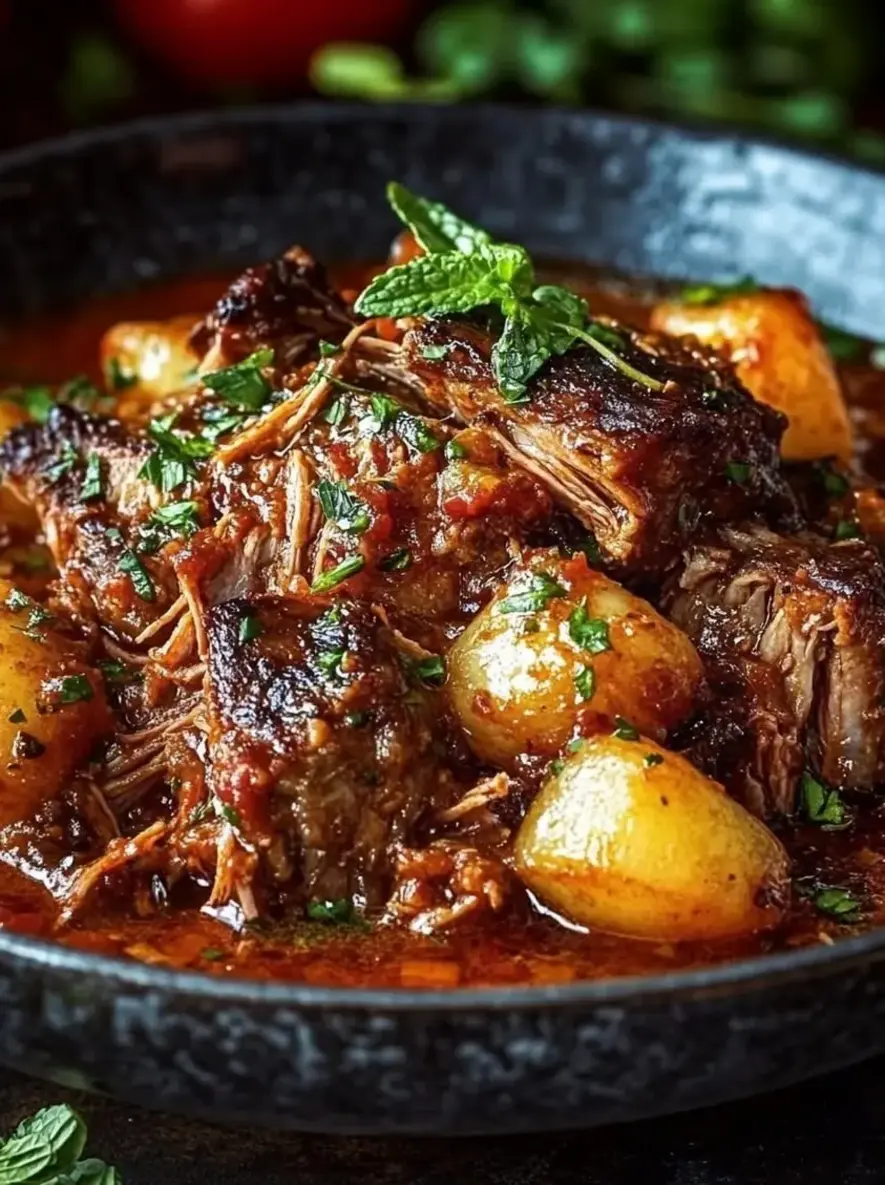
Table of Contents
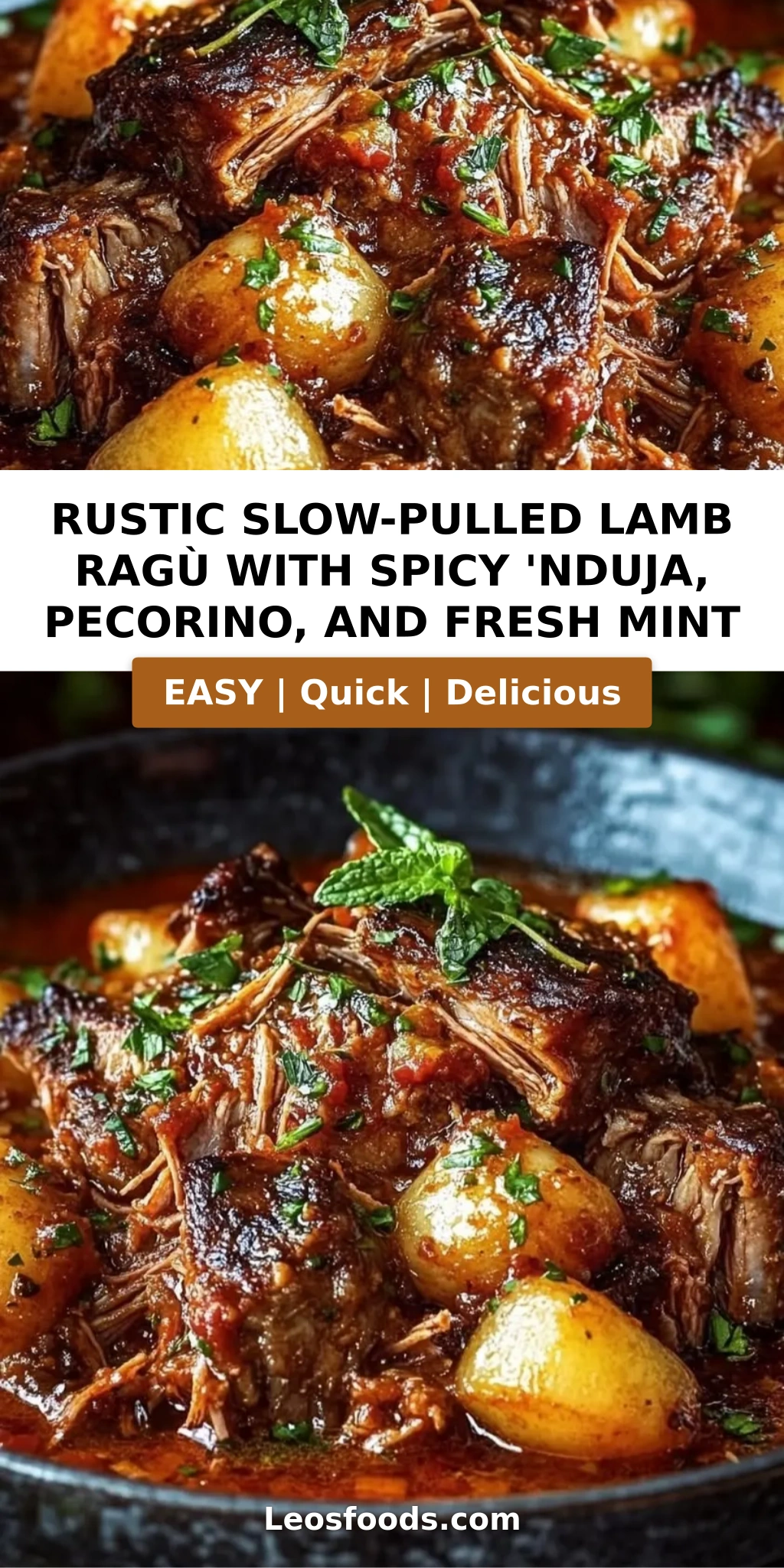
Rustic Slow-Pulled Lamb Ragù with Spicy ‘Nduja, Pecorino, and Fresh Mint – A Spicy Italian Lamb Ragù You’ll Crave
I still remember the first time I tasted ‘nduja — it was at a tiny trattoria in Rome during my culinary school days in Paris. That spicy, spreadable salami hit my palate like a warm Moroccan harissa, but with an Italian soul. This slow cooked lamb ragu recipe brings together two worlds I love: the slow-braised traditions of North Africa (think of my mother’s lamb tagine melting into tender submission) and the bold, rustic flavors of Italian cooking. I’ve been making this lamb ragu with nduja for years in my NYC kitchen, and it’s the one dish my friends beg me to make for Sunday suppers. The ‘nduja melts into the sauce, giving it a fiery undertone that’s balanced by the richness of the lamb and the salty bite of pecorino. Fresh mint adds a bright, unexpected finish — a trick I borrowed from Moroccan cuisine, where mint is used to cut through heavy meats.
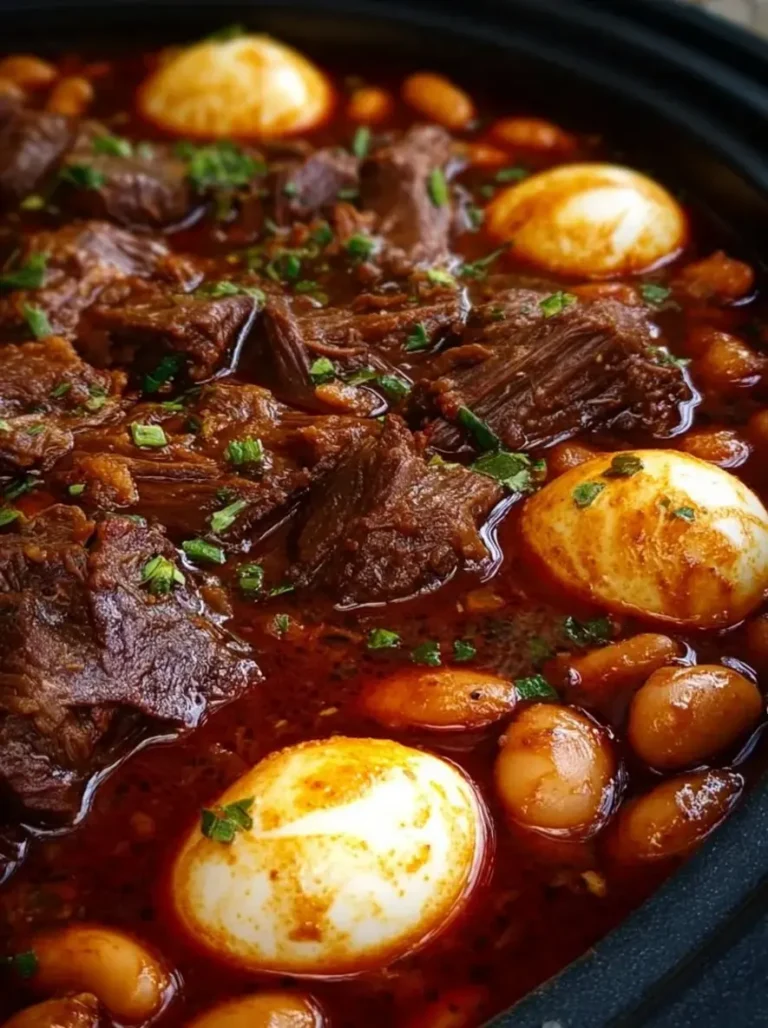
Picture this: a deep, brick-red sauce bubbling away in a heavy Dutch oven, thick with shreds of lamb that fall apart under the slightest pressure. The aroma fills your kitchen — garlic, thyme, wine, and that unmistakable spicy pork note from the ‘nduja. When you scoop it over a tangle of pappardelle, the sauce clings to every ribbon, and the pecorino melts into the heat. A sprinkle of fresh mint gives a cool, herbaceous lift. This isn’t just a pasta sauce; it’s a hug in a bowl. The lamb shoulder slowly renders its fat into the sauce, making it silky and deep. I’ve spent years perfecting the balance: enough ‘nduja to feel the heat, but not so much that it overwhelms the delicate lamb flavor.
What sets this spicy Italian lamb ragu apart from others? First, I brown the lamb in batches — a step many home cooks rush. That deep crust is pure flavor. Second, I deglaze with red wine and let it reduce until almost syrupy before adding tomatoes. And third, I pull the lamb directly in the pot and then simmer it uncovered to concentrate the sauce. I’ve tested this nduja ragu pasta with every type of ‘nduja available in New York City markets, and I’ll share how to pick the best one. A common mistake? Adding too liquid stock — this ragù should be thick and meaty, not soupy. 💡 Stella’s Pro Tip: Always trim the lamb shoulder of excess fat; you want marbling, not big chunks of fat that will make the sauce greasy.
Why This Rustic Slow-Pulled Lamb Ragù Recipe Is the Best
The Flavor Secret — The ‘nduja is the star that steals the show. Unlike plain ground pork or sausage, ‘nduja is a spreadable salami packed with Calabrian chili peppers. It melts right into the sauce, releasing smoky, spicy oils that coat every shred of lamb. I learned to balance spice with richness from my Parisian chef instructor: a touch of pecorino at the end and a handful of fresh mint create a flavor profile that keeps you coming back for bite after bite. This is not a meek marinara — it’s a bold, restaurant-quality sauce you can make at home.
Perfected Texture — Slow-cooking lamb shoulder for 2–3 hours at a gentle simmer (not a vigorous boil) ensures the collagen breaks down completely. The result is meat that pulls apart like butter but still has a slight bite to it. I always remove the bay leaf before shredding, then let the sauce bubble uncovered to the exact consistency I love: not too thick, not too runny, just right for coating pasta. The key is patience. When you see the sauce shimmer and the lamb yield to the fork, you’ll know you’ve nailed it.
Foolproof & Fast Enough for a Weekend — Despite the long cook, the active time is under 30 minutes. You sear, sauté, deglaze, then walk away. I often make this on a Saturday afternoon while I catch up on podcasts. It easily doubles for a crowd, and it’s forgiving — if you need to simmer an extra hour, the sauce only gets better. Plus, the leftovers are legendary. This is the kind of recipe that makes you look like a pro even if you’re new to slow cooking.
Lamb Ragu with Nduja Ingredients
Whenever I’m at the Union Square Greenmarket in NYC, I stock up on grass-fed lamb shoulder from the farmers I trust. For the ‘nduja, I head to Eataly or a good Italian deli — look for one that’s soft and spreadable, not dry. Fresh mint is easy to grow on your windowsill, and I always have a pot in my kitchen. Here’s everything you’ll need:
Ingredients List
- 2 1/2 lbs lamb shoulder, trimmed and cut into large chunks
- 2 tablespoons olive oil
- 1 large onion, finely diced
- 2 carrots, finely diced
- 2 celery stalks, finely diced
- 4 cloves garlic, minced
- 4 oz ‘nduja sausage
- 1 can (28 oz) crushed tomatoes
- 1 cup dry red wine (such as Chianti or Sangiovese)
- 1 cup beef stock
- 2 tablespoons tomato paste
- 1 teaspoon dried oregano
- 1 teaspoon dried thyme
- 1 bay leaf
- For serving: cooked pasta (pappardelle, rigatoni, or fettuccine), grated pecorino cheese, fresh mint leaves
Ingredient Spotlight
Let’s talk about the key players. Each ingredient plays a crucial role, and I’ve tested substitutions so you can adapt based on what you have.
| Original Ingredient | Best Substitution | Flavor / Texture Impact |
|---|---|---|
| Lamb shoulder | Beef chuck, cut into chunks | Slightly beefier, less gamey; still tender after slow cooking. |
| ‘Nduja sausage | Spicy Italian sausage (casings removed) + 1 tsp red pepper flakes | Less spreadable but still spicy; add the flakes early for heat. |
| Dry red wine | Beef stock + 1 tablespoon balsamic vinegar | Missing the wine complexity but still adds acidity and depth. |
| Crushed tomatoes | Diced tomatoes (28 oz) blended smooth | Slightly chunkier sauce; blend for best consistency. |
| Pecorino cheese | Parmigiano-Reggiano | Less salty, more nutty; still a great finish. |
How to Make Rustic Slow-Pulled Lamb Ragù — Step-by-Step
Trust me, if you can brown meat and stir a pot, you can make this showstopper. Let’s walk through each step with the exact details so your sauce turns out perfect.
Step 1: Sear the Lamb
Heat the olive oil in a large Dutch oven over medium-high heat. Pat the lamb chunks dry with paper towels — this is crucial for a good sear. Add the lamb in a single layer, working in batches if needed. Don’t overcrowd the pot! Sear 3–4 minutes per side until deeply browned. Transfer to a plate. The fond (brown bits) on the bottom is pure gold — don’t clean the pot.
💡 Stella’s Pro Tip: Let the lamb come to room temperature for 15 minutes before searing. It sears more evenly and stays juicier inside.
Step 2: Sauté the Aromatics
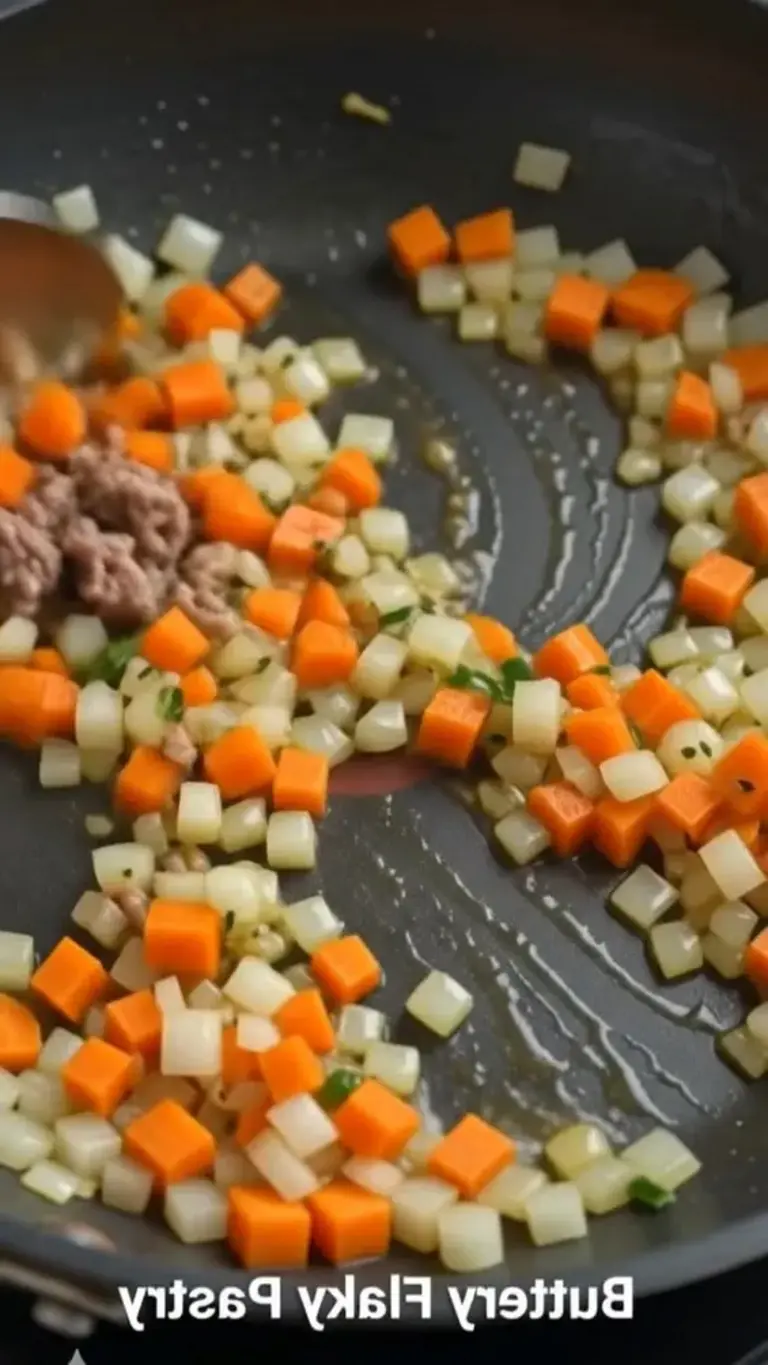
Reduce heat to medium. Add the onion, carrots, and celery — they’ll sizzle in the remaining fat. Cook, stirring occasionally, until softened and lightly golden, about 8 minutes. Add the garlic and cook until fragrant, about 1 minute more. The smell alone will tell you you’re on the right track.
⚠️ Common Mistake to Avoid: Adding garlic too early. Garlic burns quickly and turns bitter. Always add it after the other vegetables are nearly soft.
Step 3: Cook the ‘Nduja
Add the ‘nduja to the pot and break it up with a wooden spoon. Cook for 2–3 minutes, stirring, until it melts and releases its oils, coating the vegetables in a spicy red sheen. This is where the sauce gets its soul.
💡 Stella’s Pro Tip: If your ‘nduja is very dry, add a splash of olive oil to help it render. Look for the kind that’s soft and spreadable, like a very spicy pâté.
Step 4: Deglaze with Red Wine
Stir in the tomato paste and cook for 1 minute, caramelizing it slightly. Pour in the red wine and scrape up all those browned bits from the bottom. Let it simmer until reduced by half, about 5 minutes. The alcohol cooks off, leaving behind deep fruity notes that pair beautifully with the lamb.
⚠️ Common Mistake to Avoid: Skipping the reduction. If you don’t boil down the wine, the sauce can taste harshly alcoholic. Give it time to mellow.
Step 5: Slow-Simmer
Return the seared lamb and any accumulated juices to the pot. Add crushed tomatoes, beef stock, oregano, thyme, and the bay leaf. Stir, bring to a gentle boil, then reduce the heat to low. Cover and let it simmer gently for 2–3 hours, stirring occasionally. The lamb should be fork-tender — you’ll know it’s ready when you can easily pull a piece apart with two forks.
💡 Stella’s Pro Tip: Three hours is perfect, but if you’re short on time, 2 hours and 15 minutes still works. For deeper flavor, simmer up to 3½ hours.
Step 6: Shred and Thicken
Remove the lid and fish out the bay leaf (it can be bitter if left in). Using two forks, shred the lamb directly in the pot — it will fall apart beautifully. If you prefer a thicker sauce, simmer uncovered for 10–15 minutes, stirring occasionally, until it reaches your desired consistency. I like it thick enough to coat a spoon.
⚠️ Common Mistake to Avoid: Shredding the lamb while it’s still hot? Yes, it’s fine! Just be careful of splashes. If the sauce seems too thin after shredding, mix a teaspoon of cornstarch with a tablespoon of water and stir it in.
Step 7: Serve and Enjoy
Cook your pasta according to package directions until al dente. Reserve a cup of pasta water before draining. Toss the pasta with a generous ladle of ragù, adding a splash of pasta water if needed to loosen. Plate, then top with a shower of grated pecorino and a scattering of fresh mint leaves. Serve immediately and watch it disappear.
💡 Stella’s Pro Tip: For extra decadence, toss a tablespoon of butter into the pasta along with the ragù. It adds a silky finish that makes the dish restaurant-worthy.
| Step | Action | Duration | Key Visual Cue |
|---|---|---|---|
| 1 | Sear lamb | 10–12 minutes total (in batches) | Deep amber crust on all sides |
| 2 | Sauté vegetables | 8 minutes + 1 min for garlic | Vegetables softened, translucent |
| 3 | Cook ‘nduja | 2–3 minutes | ‘Nduja melts, releases oil |
| 4 | Deglaze | ~5 minutes | Wine reduces by half, fond released |
| 5 | Slow-simmer | 2–3 hours | Lamb fork-tender, sauce thick |
| 6 | Shred & thicken | 10–15 minutes uncovered | Meat shreds easily, sauce coats spoon |
| 7 | Serve | 5 minutes | Pasta coated, cheese melted, mint fresh |
Serving & Presentation
This rustic lamb ragù is a meal in itself, but how you plate it makes all the difference. In my NYC kitchen, I love serving it over wide pappardelle — the ribbons catch the sauce beautifully. For a more casual vibe, rigatoni or fettuccine work too. I always warm the bowls first (a quick microwave for 30 seconds) so the sauce stays hot longer.
Garnish is where I get to channel my Parisian plating days: a generous pile of grated pecorino, a few whole mint leaves, and a drizzle of finishing olive oil. Sometimes I add a pinch of flaky sea salt right before serving to elevate the flavors. On the side, a crisp green salad with lemon vinaigrette cuts through the richness.
When I’m feeding my family on a cold Sunday, I also serve crusty bread for sopping up every last bit of sauce. And because I always think of my mother’s Moroccan table, I set out a small bowl of harissa on the side — for those who want even more heat.
| Pairing Type | Suggestions | Why It Works |
|---|---|---|
| Side Dish | Simple arugula salad with lemon, roasted broccoli, garlic bread | Bright acidity cuts the richness; garlic bread soaks up sauce. |
| Sauce / Dip | Extra ragù for dipping bread, a dollop of ricotta on the side | Ricotta adds creaminess; bread soaks up every drop. |
| Beverage | Chianti, Barbera, or a hoppy IPA | Red wines match the meat; IPA cuts the spice. |
| Garnish | Grated pecorino, fresh mint, flaky salt, chili oil | Pecorino for saltiness, mint for freshness, chili for extra heat. |
Make-Ahead, Storage & Reheating
This is one of those recipes that gets even better the next day. As a busy NYC cook, I often make the ragù on a Saturday and serve it on Monday for an effortless weeknight dinner. The flavors meld and deepen overnight.
| Method | Container | Duration | Reheating Tip |
|---|---|---|---|
| Refrigerator | Airtight container | 4–5 days | Reheat on stovetop over medium-low, add a splash of water or broth. |
| Freezer | Freezer-safe bag or container (remove as much air as possible) | Up to 3 months | Thaw overnight in fridge, then reheat gently on stovetop. |
| Make-Ahead | Pot with lid (cooled) | 2–3 days in advance | Cook fully, cool, refrigerate. The day of serving, reheat and toss with pasta. |
Stella’s personal tip: When reheating, I sometimes add a spoonful of pasta water to loosen the sauce if it’s too thick. And never microwave this ragù — it can become unevenly hot and the texture suffers. A low, slow stovetop reheat keeps that silky mouthfeel intact.
Variations & Easy Swaps
Over the years, I’ve played around with this recipe to suit different diets and cravings. Here are my favorite twists:
| Variation | Key Change | Best For | Difficulty Impact |
|---|---|---|---|
| Beef Ragù with ‘Nduja | Replace lamb with beef chuck | Those who prefer beef or can’t find lamb | Same — beef cooks similarly |
| Vegetarian Mushroom Ragù | Replace meat with 1 lb mushrooms (cremini, shiitake), add extra umami | Meatless Monday or vegan guests | Easy — less cooking time, no searing batches |
| Gluten-Free Pasta Swap | Use certified gluten-free pasta (brown rice or chickpea) | Celiac or gluten-sensitive eaters | No change to sauce; cook pasta per package |
Beef Ragù with ‘Nduja
If lamb isn’t your thing, beef chuck is the perfect substitute. Trim and cut it into 2-inch chunks, then follow the same searing and simmering process. The cooking time remains about 2–3 hours. Beef has a milder flavor than lamb, so you might want to boost the spices with an extra pinch of oregano. I often make this version when I’m craving a classic Bolognese kick — the ‘nduja gives it a Calabrian twist that my family loves.
Vegetarian Mushroom Ragù
For a meatless version that still feels hearty, replace the lamb with a mixture of cremini and shiitake mushrooms, roughly chopped. Sauté them until they release their liquid and start to brown, then proceed with the onions and carrots. The mushrooms mimic the umami richness of meat, and the ‘nduja still provides that spicy depth. You’ll only need to simmer for about 45 minutes — the mushrooms cook much faster. This is my go-to whenever I’m cooking for my vegetarian friends from Morocco who miss the bold flavors of home.
Gluten-Free Pasta Swap
The ragù itself is naturally gluten-free, so the only swap is the pasta. I’ve tested this with brown rice pappardelle and chickpea rigatoni — both work beautifully. The key is to cook the pasta very al dente because gluten-free pasta can break down if overcooked. Toss it with the sauce immediately and serve with a generous sprinkle of pecorino. Your gluten-free guests will never feel left out.
Frequently Asked Questions
What can I substitute for ‘nduja in a lamb ragù recipe?
If you can’t find ‘nduja, the best substitute is spicy Italian sausage (casings removed) combined with 1 teaspoon red pepper flakes or 1 tablespoon Calabrian chili paste. Cook the sausage first, breaking it up, then add the pepper flakes. The texture will be chunkier than ‘nduja’s spreadable consistency, but the heat and pork flavor will be similar. For a non-pork option, use a spicy vegan chorizo or just add extra red pepper flakes and smoked paprika to the vegetables. Keep in mind that ‘nduja has a unique fermented, funky taste, so the substitution will slightly change the profile — but it will still be delicious.
How long should I slow-cook lamb for a ragù to get it tender?
For fork-tender lamb ragù, plan on 2 to 3 hours at a gentle simmer. The exact time depends on the size of your lamb chunks and the consistency of your heat. I recommend checking at the 2-hour mark: if the meat pulls apart easily with two forks, it’s ready. If not, continue cooking, checking every 15–20 minutes. Cooking longer than 3½ hours may cause the meat to become too stringy and dry. Always cook covered to retain moisture, and keep the heat low enough that you see only an occasional bubble — never a rolling boil.
Can I make this lamb ragù with ‘nduja ahead of time and reheat it?
Absolutely! In fact, I recommend it. This ragù tastes even better the next day after the flavors have had time to meld. Make the ragù up to 3 days ahead, cool it completely, and store it in an airtight container in the refrigerator. To reheat, warm it gently on the stovetop over medium-low heat, adding a splash of beef broth or water if it has thickened too much. You can also reheat it directly in the pot you cooked it in. Avoid microwaving, as it may cause uneven heating and affect the texture. For longer storage, freeze the ragù (without pasta) for up to 3 months.
What pasta shape works best with a rustic slow-pulled lamb ragù?
I recommend wide, ribbon-like pasta such as pappardelle, fettuccine, or tagliatelle — they give the sauce plenty of surface area to cling to. Short, sturdy shapes like rigatoni, ziti, or mezzi rigatoni also work wonderfully because the sauce gets trapped inside the tubes. Avoid long, thin pastas like spaghetti or angel hair; they can’t hold up to the chunky sauce and tend to become overwhelmed. For a gluten-free option, look for brown rice or chickpea pappardelle. Remember to reserve pasta water before draining — a splash of that starchy water helps the sauce bind to the pasta.
Can I use a slow cooker instead of a Dutch oven for this lamb ragù?
Yes, you can adapt this recipe for a slow cooker. First, you must sear the lamb and sauté the vegetables in a pot on the stovetop — this step is non-negotiable for flavor. Then transfer everything (including the deglazed wine and tomatoes) to the slow cooker. Cook on low for 7–8 hours or on high for 4–5 hours. The sauce may be thinner than the Dutch oven version, so after shredding the lamb, you can transfer the sauce to a pot and simmer uncovered on the stove for 15–20 minutes to thicken. I prefer the Dutch oven method because it gives better control over evaporation, but a slow cooker works in a pinch.
What does ‘nduja taste like? Is it very spicy?
‘Nduja is a soft, spreadable salami from Calabria, Italy, made with pork, Calabrian chili peppers, and spices. It’s intensely savory, smoky, and has a distinct fruity heat that builds gradually. The spice level is moderate to hot, but it’s not overwhelming because the pork fat and other ingredients balance the heat. When cooked, ‘nduja melts into a sauce, releasing its oils and infusing the dish with rich, deep flavor. If you’re sensitive to spice, use half the amount and taste as you go. You can find ‘nduja in well-stocked grocery stores, Italian markets, or online. I’ve had great luck at Eataly and Di Palo’s in NYC.
Can I freeze this nduja ragu pasta? How should I do it?
Yes, this ragù freezes beautifully. For best results, freeze the ragù separately from the pasta. Cool the sauce completely, then transfer it to a freezer-safe bag or airtight container, leaving about an inch of headspace for expansion. It will keep for up to 3 months. To thaw, place it in the refrigerator overnight. Reheat gently on the stovetop, adding a splash of broth or water to restore the consistency. Do not freeze the dish after combining with pasta — the pasta will become mushy upon reheating. I often make a double batch and freeze one for a busy week ahead. The mint and pecorino should be added fresh after reheating.
What can I use instead of pecorino cheese in this recipe?
Pecorino Romano is a salty, sharp sheep’s milk cheese that adds a distinct tang. The best substitute is Parmigiano-Reggiano, which is goat’s milk and has a nuttier, less salty profile. You can use a 1:1 ratio, but you may want to add a pinch of salt to compensate. For a dairy-free alternative, look for a vegan parmesan-style grating cheese made from nuts (cashew-based works well) — sprinkle it on just before serving. Avoid pre-shredded cheeses that contain anti-clumping agents, as they don’t melt as evenly. If you’re using Parmigiano, I recommend grating it fresh from a wedge for the best flavor.
Can I make this slow cooked lamb ragu recipe with ground lamb instead of shoulder?
You can, but the texture will be quite different. Ground lamb works best if you want a quicker ragù — brown it in a pan, then proceed with the recipe. The cooking time will be shorter (about 45 minutes to an hour) because the meat is already broken up. However, you’ll miss the tender, pull-apart chunks that make this rustic ragù special. If you’re short on time, ground lamb is a decent substitute. I recommend using 2 pounds of ground lamb and following the same sautéing and simmering steps, but reduce the simmer to 30–45 minutes. The sauce won’t be as rich, so consider adding a tablespoon of tomato paste and a splash of balsamic vinegar for depth.
Is this spicy Italian lamb ragù keto or low-carb friendly?
The ragù itself is very low in carbs — it’s essentially meat, vegetables (onions, carrots, celery add a small amount), and tomatoes which have some natural sugar. If you omit the pasta and serve the ragù over zucchini noodles, cauliflower rice, or even a bed of sautéed greens, this dish can fit into a keto or low-carb lifestyle. The added stock and wine contribute minimal carbs (most of the alcohol cooks off). The ‘nduja and olive oil add healthy fats. One serving of just the ragù (without pasta) contains about 12 grams of carbohydrates, mainly from the carrots and tomatoes. For strict keto, you can reduce the carrots and use only a 14-ounce can of crushed tomatoes instead of a 28-ounce can.
Share Your Version!
I hope you fall in love with this rustic slow-pulled lamb ragù as much as I have. It’s one of those recipes that feels both comforting and special — perfect for a lazy Sunday dinner or a dinner party where you want to impress. If you make it, I’d love to hear how it turned out. Did you try one of the variations? Did you load it with extra mint? Leave a star rating and a comment below — your feedback helps other home cooks discover this recipe.
And if you’re feeling inspired, snap a photo of your bowl and share it on Instagram or Pinterest using @leosfoods. I personally look at every single tag and love seeing your beautiful dishes. Questions? Ask away in the comments — I’m always here to help. From my NYC kitchen to yours — I hope this recipe brings as much warmth to your table as it does to mine. — Stella 🧡
Love This Recipe? Save It to Pinterest!
If you enjoyed this Rustic Slow-Pulled Lamb Ragù recipe, don’t let it get lost in your browser tabs! 😄 Pin it now so you can find it again anytime — and explore hundreds more tried-and-tested recipes waiting for you on my Pinterest boards.
👉 Follow Stella on Pinterest @stellarecipeblog
📌 Pin this recipe · 🔁 Re-pin your favorites · 💬 Tag me when you make it — I love seeing your creations!
Did You Make This Recipe?
I’d love to hear how it turned out! Leave a star rating ⭐⭐⭐⭐⭐, share a photo, or ask a question in the comments below. Your feedback makes my kitchen brighter.
— Stella 🧡
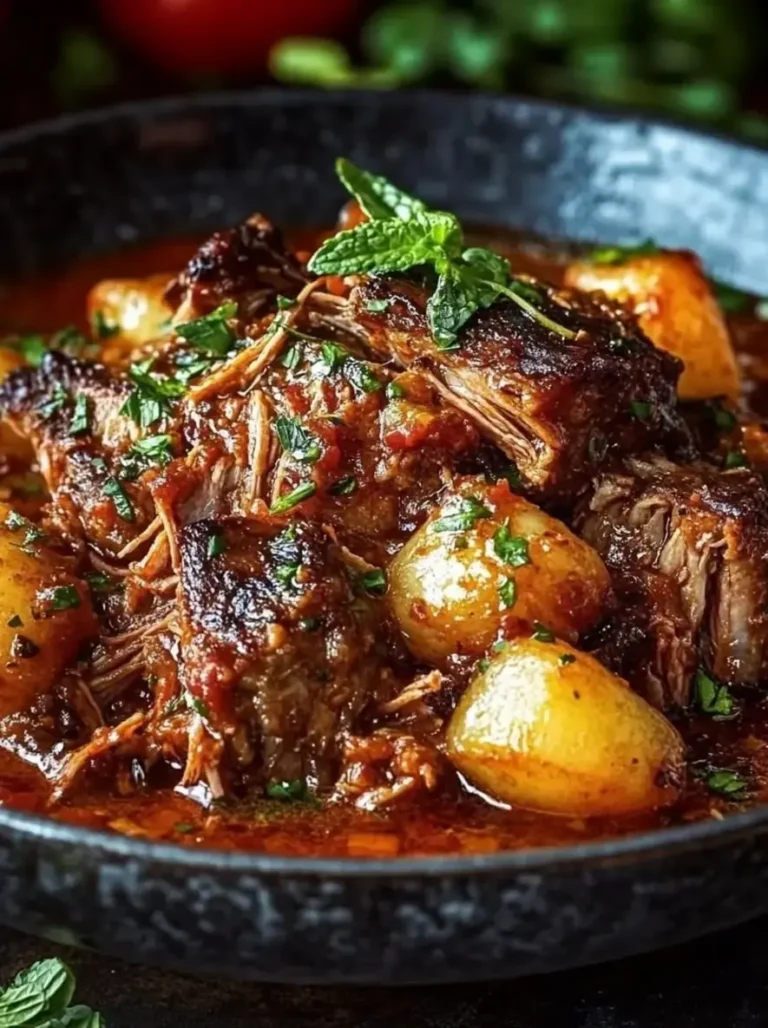
Rustic Slow-Pulled Lamb Ragù with Spicy ‘Nduja, Pecorino, and Fresh Mint
A hearty, slow-cooked lamb ragù with a spicy kick from ‘nduja, finished with pecorino and fresh mint.
- Total Time: 3 hours 20 minutes
- Yield: 6 1x
Ingredients
- 2 1/2 lbs lamb shoulder, trimmed and cut into large chunks
- 2 tablespoons olive oil
- 1 large onion, finely diced
- 2 carrots, finely diced
- 2 celery stalks, finely diced
- 4 cloves garlic, minced
- 4 oz 'nduja sausage
- 1 can (28 oz) crushed tomatoes
- 1 cup dry red wine
- 1 cup beef stock
- 2 tablespoons tomato paste
- 1 teaspoon dried oregano
- 1 teaspoon dried thyme
- 1 bay leaf
- For serving: cooked pasta, grated pecorino cheese, fresh mint leaves
Instructions
- Heat olive oil in a large Dutch oven over medium-high heat. Add lamb chunks in batches and sear until browned on all sides. Remove and set aside.
- Reduce heat to medium. Add onion, carrots, and celery; cook until softened, about 8 minutes. Add garlic and cook 1 minute more.
- Add 'nduja sausage and break it up with a spoon, cooking for 2–3 minutes until fragrant.
- Stir in tomato paste and cook for 1 minute. Pour in red wine and deglaze the pan, scraping up any browned bits. Simmer until wine reduces by half, about 5 minutes.
- Return lamb to the pot. Add crushed tomatoes, beef stock, oregano, thyme, and bay leaf. Bring to a boil, then reduce heat to low. Cover and simmer gently for 2–3 hours, until lamb is fork-tender.
- Remove lid and shred lamb with two forks directly in the pot. Discard bay leaf. Cook uncovered for 10–15 minutes to thicken the sauce if desired.
- Serve over cooked pasta, topped with grated pecorino and fresh mint.
Notes
This ragù can be made a day ahead and refrigerated; flavors deepen overnight.
- Prep Time: 20 minutes
- Cook Time: 3 hours
- Method: Main Course
- Cuisine: Italian
Nutrition
- Calories: 620
- Sugar: 10 g
- Fat: 36 g
- Carbohydrates: 22 g
- Protein: 48 g
Tried This Recipe? Leave a Comment!
Did you make this recipe? I’d love to hear how it turned out! Please leave a comment and a rating below. Your feedback helps other home cooks and supports cheerychop.com!
For more delicious inspiration, follow me on Pinterest!