Slow-Roasted Lamb Shoulder with Nduja & Honey Crust
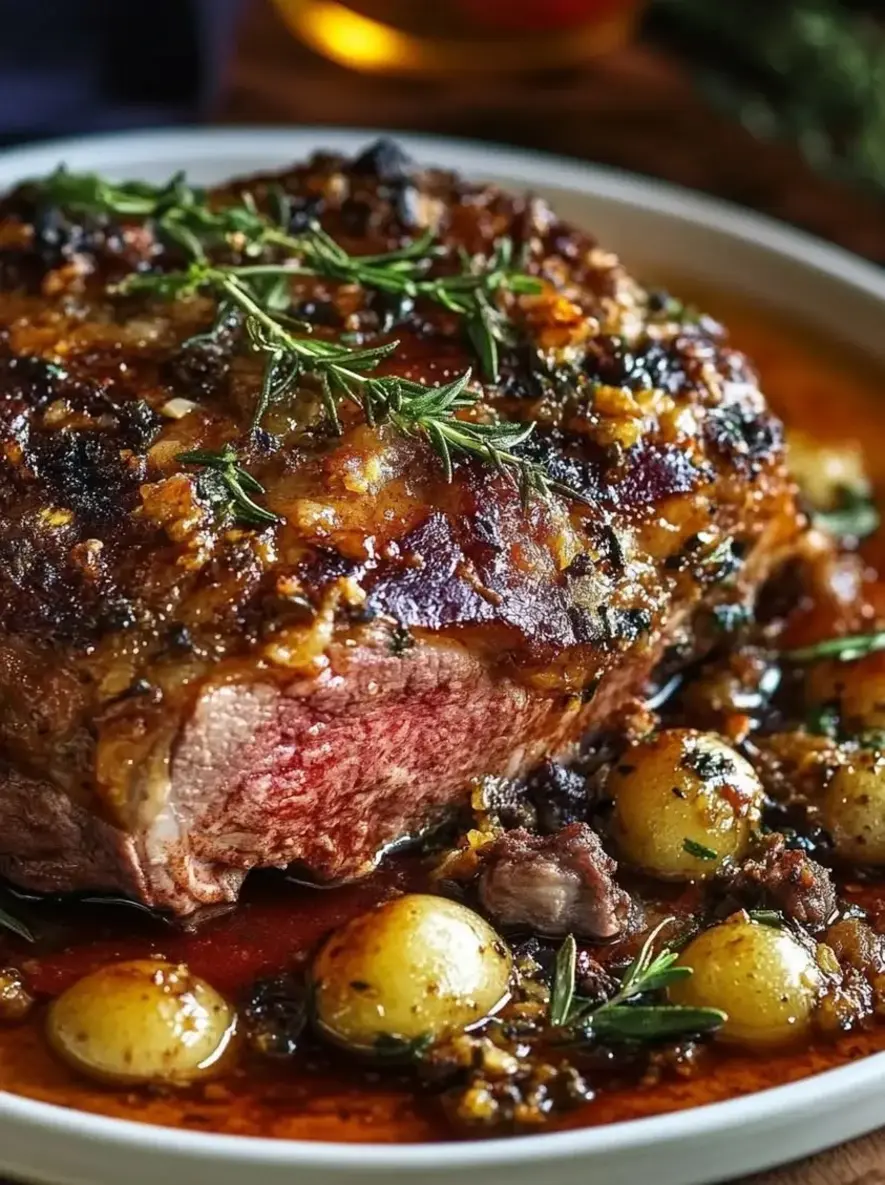
Table of Contents
Slow-Roasted Lamb Shoulder with Spicy Nduja, Wild Honey, and Rosemary Crust – The Sweet & Spicy Roast You’ll Crave All Year
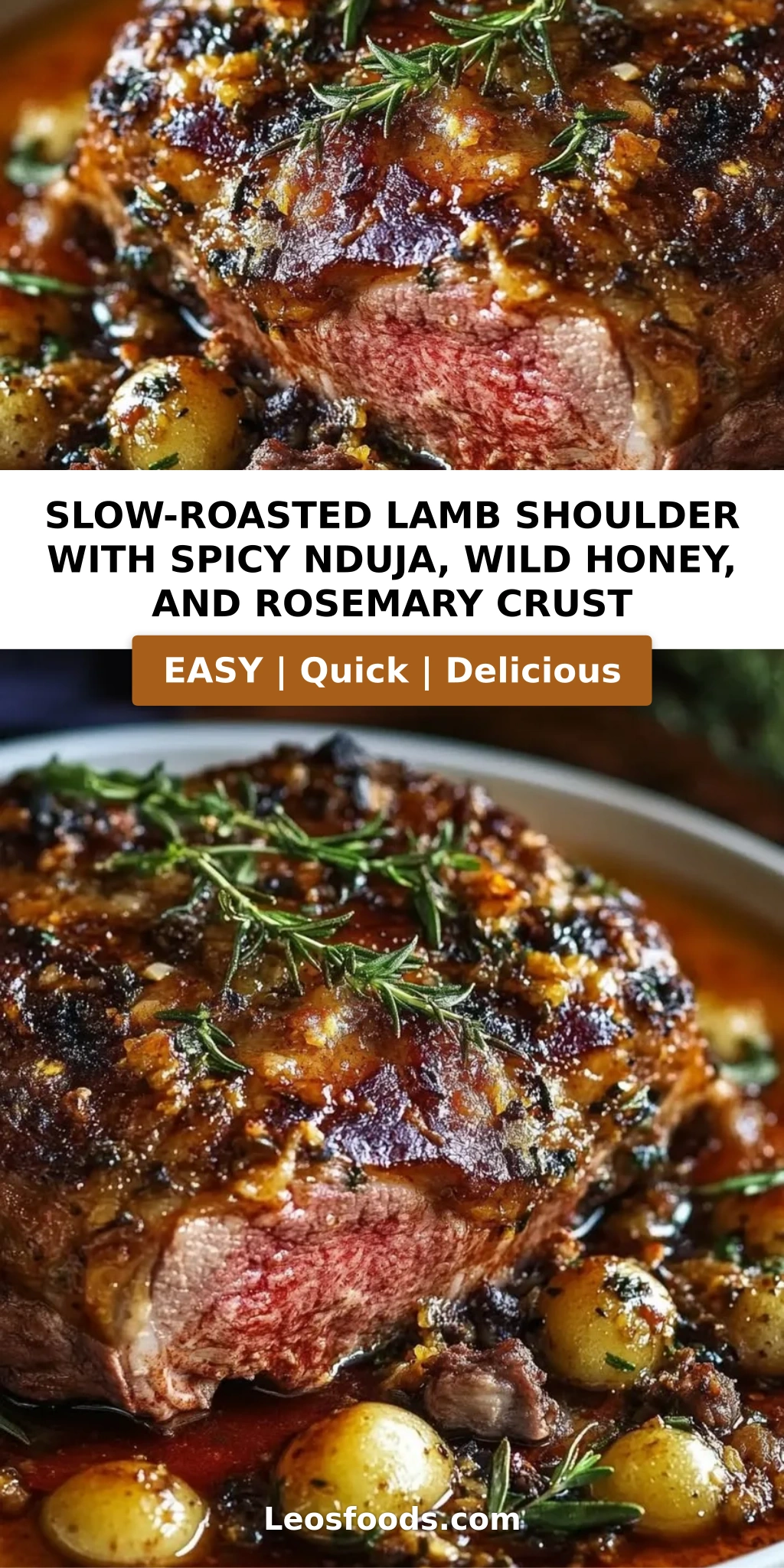
I still remember the first time I tasted slow-roasted lamb shoulder with a sticky, spicy glaze. It was a chilly autumn evening in my mother’s kitchen in Morocco, where the aroma of roasting meat mingled with the earthy scent of cumin and coriander. Years later, after training at Le Cordon Bleu in Paris and settling into my own kitchen here in New York City, I began playing with bold flavor combinations that pay homage to both my heritage and my adopted home. This slow-roasted lamb shoulder recipe is the result of that journey: a bone-in lamb shoulder roast coated in fiery ‘nduja, wild honey, and fresh rosemary, then slow-cooked until it’s fall-apart tender. The nduja lamb with honey and rosemary crust is a sweet-and-spicy revelation — a showstopper for any dinner table.
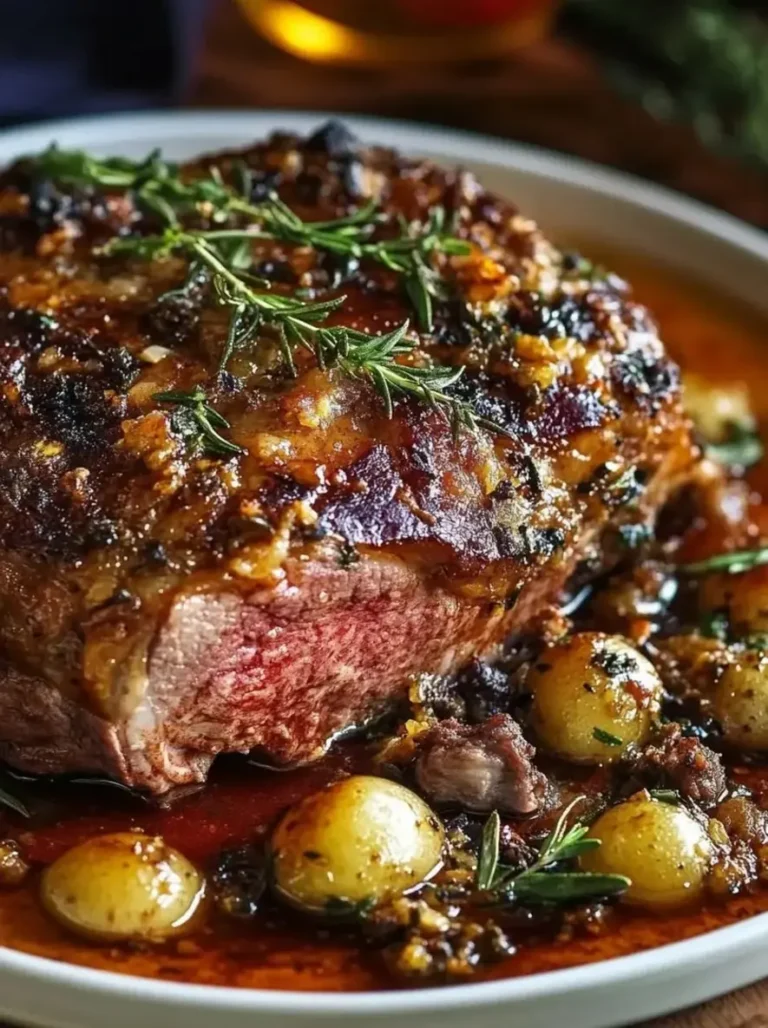
What I love most about this dish is the way the lamb with honey and rosemary transforms during those long hours in the oven. The ‘nduja — a spicy, spreadable salumi from Calabria — melts into the meat, infusing every fiber with a gentle, lingering heat. The wild honey caramelizes into a glossy, mahogany crust, while the rosemary lends a piney, aromatic backbone that cuts through the richness. As the lamb roasts, your kitchen fills with a heady perfume of garlic, herbs, and rendered fat — the kind of smell that makes your guests crowd around the oven door, asking, “Is it ready yet?” The finished roast is impossibly tender, with a crackling crust that shatters under your fork to reveal juicy, succulent meat beneath.
I’ve tested this bone-in lamb shoulder roast recipe more times than I can count — tweaking the ratio of ‘nduja to honey, adjusting the roasting temperature, and perfecting the bastings. My version is designed to be both approachable for a home cook and impressive enough for a holiday feast. The secret lies in the low-and-slow method: 300°F for four hours, covered, followed by a blast of high heat to set that glorious crust. 💡 Stella’s Pro Tip: Let the lamb rest for a full 15 minutes before you even think about slicing — it makes all the difference between meat that’s juicy and meat that’s dry. One common mistake I see is skipping the baste; don’t do it — every hour, spoon those bubbling pan juices over the lamb to keep it moist and flavorful. This spicy lamb dinner will become your new go-to for celebrations, Sunday suppers, and any night you want to feel like a chef.
Why This Slow-Roasted Lamb Shoulder Recipe Is the Best
The Flavor Secret — The combination of spicy ‘nduja and wild honey is the defining twist here. ‘Nduja brings a fermented, paprika-laced heat that lingers on your tongue, while wild honey offers a complex, floral sweetness that tames the fire. Growing up in Morocco, I learned that the best dishes balance sweet, savory, and heat in a single bite — this roast does exactly that. My French training taught me to layer flavors: the garlic and rosemary work as a bridge, uniting the ‘nduja and honey into a cohesive, heady paste that clings to every inch of the lamb.
Perfected Texture — The two-temperature method is non-negotiable. Roasting at 300°F for four hours breaks down the collagen in the lamb shoulder into silky gelatin, giving you meat that pulls apart with the gentlest tug of a fork. Then a quick blast at 425°F caramelizes the honey and ‘nduja into a crackling crust — a textural contrast that makes every bite exciting. I learned this technique during my pastry training in Paris; the same principle that gives a crème brûlée its caramelized top applies here.
Foolproof & Fast — Despite its impressive results, this recipe is surprisingly simple. You mix the paste, slather it on the lamb, pour broth around the pan, and let the oven do the work. The basting is the only active step, and it takes just a minute each time. Whether you’re a seasoned cook or a beginner looking to wow your family, this slow-roasted lamb shoulder recipe delivers every single time. I’ve taught it in my NYC cooking classes, and students consistently tell me it’s the best lamb they’ve ever made at home.
Slow-Roasted Lamb Shoulder Recipe Ingredients
I source my ‘nduja from a small Italian specialty shop in Chelsea Market, and my wild honey from a farmer at the Union Square Greenmarket. The combination of these two ingredients is what elevates this bone-in lamb shoulder roast from good to unforgettable. Every ingredient here plays a specific role — from the garlic that punches through the richness to the chicken broth that keeps the pan moist and creates the most incredible jus.
Ingredients List
- 5 lb lamb shoulder, bone-in
- 3 tbsp ‘nduja paste
- 1/3 cup wild honey
- 3 tbsp olive oil
- 4 cloves garlic, minced
- 2 tbsp fresh rosemary, chopped
- 1 tsp salt
- 1/2 tsp black pepper
- 1 cup chicken broth
Ingredient Spotlight
‘Nduja Paste — This spreadable, spicy salumi from Calabria is the heart of the dish. It’s made from pork, Calabrian chilies, and spices, and it delivers a deep, fermented heat that’s different from fresh chili. Look for it in Italian markets or specialty grocery stores. Substitution: If you can’t find ‘nduja, use 2 tbsp of gochujang (Korean chili paste) mixed with 1 tbsp of smoked paprika — it will change the flavor profile slightly but still deliver heat and umami.
Wild Honey — The honey is not just a sweetener; it’s a flavor amplifier. Wild honey has a more complex, slightly floral character than regular clover honey, which pairs beautifully with the ‘nduja and rosemary. I recommend buying local wild honey from a farmers market. Substitution: If you only have regular honey, add 1/2 tsp of orange blossom water or a pinch of cinnamon to mimic the depth. Avoid using agave or maple syrup as the flavor will be too one-dimensional.
Bone-In Lamb Shoulder — Bone-in is crucial here. The bone conducts heat, adds flavor to the pan juices, and keeps the meat moist during the long roast. I buy my lamb from a butcher in the East Village who sources from small farms in upstate New York. Substitution: You can use a boneless lamb shoulder, but reduce the cooking time by about 30 minutes and check for tenderness earlier. The result will still be delicious, but the presentation won’t be as dramatic.
Fresh Rosemary — Rosemary and lamb are a classic pair for good reason. The piney, slightly peppery notes cut through the fat and balance the sweetness of the honey. I always use fresh rosemary — dried won’t give you the same aromatic punch. Substitution: Fresh thyme or a combination of thyme and oregano works beautifully. Use 1 1/2 tbsp of the substitute for the same effect.
| Original Ingredient | Best Substitution | Flavor / Texture Impact |
|---|---|---|
| ‘Nduja paste | Gochujang + smoked paprika | More fermented, less porky richness; still spicy and deep |
| Wild honey | Regular honey + orange blossom water | Slightly less floral, still sweet and aromatic |
| Bone-in lamb shoulder | Boneless lamb shoulder | Less rich flavor; cook 30 min less |
| Fresh rosemary | Fresh thyme or oregano | Different herbaceous note; still pairs well with lamb |
How to Make Slow-Roasted Lamb Shoulder with Nduja, Honey, and Rosemary — Step-by-Step
Trust me when I say this: the hardest part of this recipe is waiting for the lamb to roast. The hands-on time is minimal, and the results are nothing short of spectacular. Follow these steps, and you’ll have a showstopping spicy lamb dinner that will earn you standing ovations.
Step 1: Prepare the Oven and Paste
Preheat your oven to 300°F (150°C). In a small mixing bowl, combine 3 tbsp ‘nduja paste, 1/3 cup wild honey, 3 tbsp olive oil, 4 minced garlic cloves, 2 tbsp chopped fresh rosemary, 1 tsp salt, and 1/2 tsp black pepper. Stir everything together until you have a thick, fragrant paste. The ‘nduja will break down as you mix, creating a beautifully speckled, brick-red glaze.
💡 Stella’s Pro Tip: Let the paste sit at room temperature for 10 minutes after mixing. This allows the flavors to meld and the honey to loosen slightly, making it easier to spread evenly over the cold lamb.
Step 2: Season the Lamb
Place the 5 lb bone-in lamb shoulder in a large roasting pan. Pat it dry with paper towels — this helps the paste adhere. Using your hands or a silicone brush, coat the entire surface of the lamb with the ‘nduja-honey paste. Don’t be shy; work it into every crevice and curve. The goal is a thorough, even layer that will form a glorious crust as it roasts.
⚠️ Common Mistake to Avoid: Don’t season the lamb with extra salt before applying the paste — the salt is already incorporated into the paste, and adding more can make the meat overly salty as the liquid reduces.
Step 3: Add the Broth and Cover
Pour 1 cup of chicken broth into the roasting pan around the lamb, being careful not to pour it over the seasoned crust — you want that paste to stay intact. The broth creates steam that keeps the lamb moist during the long cook and forms the base for an incredible pan sauce later. Cover the pan tightly with aluminum foil, ensuring there are no gaps for steam to escape.
💡 Stella’s Pro Tip: Use heavy-duty foil and crimp the edges tightly around the rim of the pan. If you only have standard foil, double-layer it to prevent tearing during the four-hour roast.
Step 4: Slow Roast and Baste
Roast the covered lamb for 4 hours, setting a timer to baste every hour. To baste, carefully remove the foil, spoon the pan juices over the lamb, and re-cover. Each basting adds a layer of flavor and moisture, building that deep, complex taste. The lamb will become increasingly tender with each hour.
⚠️ Common Mistake to Avoid: Skipping the basting step. I know it’s tempting to just let the lamb cook undisturbed, but those hourly bastings are what create the rich, sticky glaze and keep the meat from drying out. Set a reminder — it’s worth it.
Step 5: Caramelize the Crust
After 4 hours, remove the foil and increase the oven temperature to 425°F (220°C). Roast the lamb uncovered for 20-30 minutes, until the crust is deeply caramelized, bubbling in spots, and a deep mahogany brown. Keep an eye on it during this stage — honey can go from golden to burnt quickly. The lamb should be fork-tender, with the meat starting to pull away from the bone.
💡 Stella’s Pro Tip: If the crust is browning too fast on one side but the lamb isn’t tender yet, tent that side with a small piece of foil and continue roasting. Every oven has hot spots, and this simple trick prevents burning.
Step 6: Rest and Serve
Remove the lamb from the oven and let it rest in the pan for 15 minutes. This resting period is non-negotiable — it allows the juices to redistribute throughout the meat, ensuring every slice is moist and flavorful. After resting, transfer the lamb to a cutting board. Shred or slice as desired, and spoon some of the pan juices over the top before serving.
⚠️ Common Mistake to Avoid: Cutting into the lamb too soon. I know it’s hard to wait, but if you slice immediately, all those precious juices will run out onto the cutting board instead of staying in the meat. Set a timer for 15 minutes and walk away.
| Step | Action | Duration | Key Visual Cue |
|---|---|---|---|
| 1 | Preheat oven & mix paste | 10 min | Paste is brick-red and fragrant |
| 2 | Season lamb with paste | 5 min | Lamb is evenly coated |
| 3 | Add broth & cover with foil | 2 min | Foil is tightly sealed |
| 4 | Slow roast & baste hourly | 4 hrs | Meat pulls apart easily |
| 5 | Uncover & caramelize crust | 20-30 min | Deep mahogany, bubbling |
| 6 | Rest & serve | 15 min | Juices are reabsorbed |
Serving & Presentation
When I serve this slow-roasted lamb shoulder recipe in my NYC kitchen, I like to present it on a large wooden platter — the kind that makes a statement on the table. Place the whole roast in the center, surrounded by roasted root vegetables or a bright, lemony gremolata. The deep red of the crust against the green of fresh herbs is pure poetry. In Morocco, we would serve this with warm flatbread and a tangy yogurt sauce; in Paris, a simple potato gratin and a glass of Côtes du Rhône. Here in New York, I often pair it with a crunchy fennel and orange salad to cut through the richness.
For garnish, I scatter fresh rosemary sprigs and a sprinkle of flaky sea salt over the platter just before serving. The salt adds a final pop of texture and flavor. If you’re feeling extra festive, add a drizzle of extra virgin olive oil and a few edible flowers — it’s a showstopper. Let guests pull apart the lamb with forks or serve it pre-shredded with a generous spoonful of the pan juices.
💡 Stella’s Pro Tip: To make an easy pan sauce, skim the fat from the juices left in the roasting pan, then set the pan over medium heat. Add a splash of white wine or chicken broth, scrape up the browned bits, and simmer for 2-3 minutes. Stir in a pat of cold butter for gloss and pour over the lamb.
| Pairing Type | Suggestions | Why It Works |
|---|---|---|
| Side Dish | Roasted carrots, potato gratin, lemon-herb couscous | Earthy sweetness and starch balance the spicy lamb |
| Sauce / Dip | Yogurt with mint, chimichurri, tahini-lemon sauce | Cool, tangy elements cut through the heat and fat |
| Beverage | Côtes du Rhône, Zinfandel, sparkling water with lemon | Red wines with fruit handle the spice; bubbles refresh the palate |
| Garnish | Fresh rosemary, flaky sea salt, lemon wedges | Adds freshness, texture, and visual pop |
Make-Ahead, Storage & Reheating
This nduja lamb with honey and rosemary is one of my favorite meal-prep recipes for busy NYC weeks. I often roast the lamb over the weekend, then use the leftovers for sandwiches, salads, and grain bowls throughout the week. The flavor actually deepens after a day or two in the fridge — the spices meld even further, making every bite more complex.
| Method | Container | Duration | Reheating Tip |
|---|---|---|---|
| Refrigerator | Airtight container with some pan juices | Up to 5 days | Reheat in a covered dish at 300°F for 15-20 min with a splash of broth |
| Freezer | Heavy-duty freezer bag or vacuum-sealed | Up to 3 months | Thaw overnight in fridge; reheat gently in a 300°F oven, covered |
| Make-Ahead | In the pan, covered, in the fridge | 1 day in advance | Reheat covered at 300°F for 30 min, then uncover for 10 min to re-crisp |
For the best reheating results, I always add a small splash of chicken broth or water to the dish before covering — this creates steam that keeps the meat from drying out. If you’re reheating individual portions, the microwave works in a pinch, but the oven gives you back that beautiful crust texture. Leftover bone-in lamb shoulder roast makes the most incredible sandwiches: pile the shredded lamb onto crusty bread with a smear of the pan juices and some peppery arugula.
💡 Stella’s Pro Tip: Before freezing, portion the lamb into meal-sized amounts and include a tablespoon of pan juices in each bag. This ensures the meat stays moist and flavorful when you reheat it — no one wants dry lamb!
Variations & Easy Swaps
Over the years, I’ve played with many variations of this slow-roasted lamb shoulder recipe, and each one has its own charm. Whether you’re cooking for dietary needs or just want to switch things up, these tested variations will keep the dish exciting. Here’s a quick overview:
| Variation | Key Change | Best For | Difficulty Impact |
|---|---|---|---|
| Moroccan Spice Twist | Replace ‘nduja with harissa + cumin + cinnamon | North African flavor lovers | Same difficulty |
| Gluten-Free / Dairy-Free | Already GF/DF; use tamari instead of broth for extra umami | Dietary restrictions | Same difficulty |
| Herb & Citrus Variation | Add orange zest + thyme to the paste; finish with lemon juice | Brighter, fresher flavor profile | Same difficulty |
Moroccan Spice Twist
This variation is a nod to my childhood in Morocco. Replace the ‘nduja with 2 tbsp harissa paste, and add 1 tsp ground cumin, 1/2 tsp ground cinnamon, and 1/4 tsp ground ginger to the honey-rosemary paste. The harissa brings a smoky, North African heat that’s different from ‘nduja but equally compelling. The cumin and cinnamon add warmth and depth, while the ginger brightens the whole dish. Serve this version with fluffy couscous and a sprinkle of toasted almonds — it’s a tribute to my mother’s table.
Gluten-Free / Dairy-Free Version
This recipe is naturally gluten-free and dairy-free as written, which makes it a wonderful option for guests with dietary restrictions. For an extra layer of savory depth, I sometimes substitute 2 tbsp of tamari or coconut aminos for 2 tbsp of the chicken broth. The tamari adds a subtle umami note that complements the ‘nduja beautifully without overpowering the honey and rosemary. The texture remains exactly the same — tender, juicy, and with that signature caramelized crust.
Herb & Citrus Variation
When I find beautiful Meyer lemons at the Union Square Greenmarket, I love adding a citrusy brightness to this spicy lamb dinner. Add the zest of 1 orange and 1 lemon to the ‘nduja-honey paste, and replace 1 tbsp of the rosemary with 1 tbsp fresh thyme. After roasting, squeeze the juice of the same lemon over the lamb before serving. The citrus cuts through the richness and lifts all the flavors. This version is especially lovely in spring and summer, served with a simple arugula salad.
FAQ
What temperature is best for slow-roasting lamb shoulder to keep it tender?
The ideal temperature for slow-roasting lamb shoulder is 300°F (150°C). This low, steady heat allows the collagen and connective tissue in the shoulder to break down gradually into silky gelatin, which gives the meat its signature fall-apart tenderness. Roasting at 300°F for four hours, covered, ensures that the meat cooks evenly without drying out. After the slow roast, a high-heat blast at 425°F for 20-30 minutes caramelizes the ‘nduja-honey crust, adding texture and flavor. I’ve tested temperatures from 275°F to 325°F, and 300°F delivers the most consistent results — tender meat with a perfectly glazed exterior.
Can I substitute nduja with another spicy sausage in this recipe?
Absolutely — if you can’t find ‘nduja, the best substitute is a combination of gochujang (Korean chili paste) and smoked paprika. Use 2 tbsp gochujang mixed with 1 tbsp smoked paprika and 1 tsp olive oil to replace the 3 tbsp of ‘nduja. The gochujang provides the fermented, spicy depth while the paprika adds the smoky, earthy note that ‘nduja is known for. Another option is to use 3 tbsp of finely chopped soppressata or salami mixed with 1 tsp of Calabrian chili paste — this will give you a porky, spicy paste similar in texture. Keep in mind that each substitution will alter the flavor profile slightly, but the dish will still be deliciously spicy and complex.
How long should I let the lamb shoulder rest before serving?
Rest your slow-roasted lamb shoulder for a minimum of 15 minutes before serving. This resting period is absolutely essential — it allows the juices that have been driven to the center of the meat during roasting to redistribute evenly throughout the muscle fibers. If you cut into the lamb too soon, those juices will pool on your cutting board instead of staying in the meat, leaving you with a dry roast. I recommend removing the lamb from the oven, tenting it loosely with foil, and setting a timer for 15 minutes. For a very large roast (over 6 lbs), you can rest it for up to 25 minutes. The meat will stay warm thanks to its size and the foil tent.
What side dishes pair well with slow-roasted lamb shoulder and honey rosemary crust?
This spicy-sweet lamb shoulder pairs beautifully with sides that offer contrast in texture and flavor. I recommend roasted root vegetables like carrots, parsnips, and sweet potatoes — their natural sweetness complements the honey and ‘nduja. A bright, acidic salad, such as a fennel and orange salad or a lemony arugula salad with shaved Parmesan, cuts through the richness of the lamb. For a starch, creamy mashed potatoes, a classic potato gratin, or fluffy couscous are all excellent choices. In my NYC kitchen, I often serve it with a side of warm flatbread and a cooling yogurt-mint sauce to balance the heat. For a Moroccan-inspired meal, go with saffron rice and roasted eggplant.
Is it necessary to use a bone-in lamb shoulder for this recipe?
While you can use a boneless lamb shoulder, I strongly recommend bone-in for this slow-roasted lamb shoulder recipe. The bone conducts heat more evenly, which helps the lamb cook consistently from edge to center. It also adds significant flavor to the pan juices, which you’ll use for basting and serving. The bone keeps the meat moister during the long roast and makes for a more dramatic presentation at the table. If you do use boneless, reduce the cooking time by about 30 minutes and start checking for tenderness at the 3.5-hour mark. The boneless version will still be delicious, but the bone-in version is truly special.
Can I make this slow-roasted lamb shoulder recipe in a slow cooker?
Yes, you can adapt this recipe for a slow cooker, though you’ll lose the caramelized crust that makes this dish so distinctive. To make it in a slow cooker, prepare the ‘nduja-honey paste as directed and rub it all over the lamb. Place the lamb in the slow cooker and add 1 cup of chicken broth. Cook on low for 8-10 hours or on high for 5-6 hours, until the meat is fork-tender. To get the crust, transfer the cooked lamb to a baking sheet, spoon some of the cooking liquid over it, and broil in the oven for 3-5 minutes until the surface caramelizes. This two-step method gives you the convenience of a slow cooker with the finishing touch of a roasted crust.
How do I know when the slow-roasted lamb shoulder is done?
The most reliable indicator is tenderness — the lamb should be so tender that it pulls apart easily with a fork. For temperature, use a meat thermometer: the lamb is done when it reaches an internal temperature of 195°F to 205°F (91°C to 96°C). This high temperature is necessary for breaking down the collagen in the shoulder. Start checking at the 4-hour mark if you’re using a bone-in roast. Visual cues are also helpful: the meat will have visibly pulled back from the bone, and when you insert a skewer or fork, it should slide in with almost no resistance. If the meat still feels tight or resists the fork, continue roasting covered for another 30 minutes.
Can I use dried rosemary instead of fresh in this recipe?
I strongly recommend using fresh rosemary for this slow-roasted lamb shoulder recipe. Fresh rosemary has a bright, piney, slightly floral aroma that permeates the meat during the long roast. Dried rosemary is more concentrated and can become harsh and woody when exposed to prolonged heat, especially at the low 300°F temperature. If you must use dried, reduce the amount to 2 teaspoons (since dried herbs are more potent) and crush it between your fingers before adding it to the paste. For the best flavor, though, seek out fresh rosemary — it’s widely available in US grocery stores and keeps for weeks in the refrigerator wrapped in a damp paper towel.
How do I store leftover slow-roasted lamb shoulder with nduja and honey?
Store leftover lamb shoulder in an airtight container with a few tablespoons of the pan juices poured over the meat. This keeps the meat moist and flavorful. Refrigerate for up to 5 days. For longer storage, freeze in heavy-duty freezer bags or vacuum-sealed portions for up to 3 months. Always include some of the pan juices in the bag — it’s the key to preventing freezer burn and ensuring delicious reheated meat. Thaw overnight in the refrigerator before reheating. I like to portion the leftovers into meal-sized amounts before freezing, so I can pull out exactly what I need for sandwiches, salads, or quick weeknight dinners.
What is the best way to reheat slow-roasted lamb shoulder without drying it out?
The best method for reheating this slow-roasted lamb shoulder without drying it out is in the oven. Preheat your oven to 300°F (150°C), place the lamb in an oven-safe dish with a splash of chicken broth or water, and cover tightly with foil. Reheat for 15-20 minutes, or until warmed through. The foil traps steam, which keeps the meat moist. For individual portions, you can use the microwave in a pinch — place the lamb in a microwave-safe dish, add a tablespoon of broth, cover with a damp paper towel, and heat in 30-second bursts. For the crispiest crust, after reheating covered, remove the foil and broil for 1-2 minutes to re-crisp the surface.
Share Your Version!
I absolutely love hearing from you — it’s one of the best parts of running this blog! If you try this slow-roasted lamb shoulder recipe with its spicy ‘nduja, wild honey, and rosemary crust, please come back and leave a star rating and a comment below. Tell me how it turned out, what you served with it, and whether your family loved it as much as mine does. Every time I see a photo of your beautiful roast, it makes my day.
Don’t forget to snap a picture and tag me on Instagram or Pinterest @leosfoods — I love seeing your creations and sharing them with our community. And here’s a question for you: What’s one ingredient you love to add to lamb that surprises people? I’m always looking for new flavor combinations to try! From my NYC kitchen to yours — I hope this recipe brings as much warmth to your table as it does to mine. — Stella 🧡
Love This Recipe? Save It to Pinterest!
If you enjoyed this Slow-Roasted Lamb Shoulder with Spicy Nduja, Wild Honey, and Rosemary Crust recipe, don’t let it get lost in your browser tabs! 😄 Pin it now so you can find it again anytime — and explore hundreds more tried-and-tested recipes waiting for you on my Pinterest boards.
👉 Follow Stella on Pinterest @stellarecipeblog
📌 Pin this recipe · 🔁 Re-pin your favorites · 💬 Tag me when you make it — I love seeing your creations!
⭐️ Made this recipe? I’d love to know! Leave a star rating below, share your photo on social media with #leosfoods, and tag @stellarecipeblog on Pinterest so I can feature your creation. Your support means the world to me! 🙏✨
Slow-Roasted Lamb Shoulder with Spicy Nduja, Wild Honey, and Rosemary Crust
Fall-apart tender lamb shoulder coated in a fiery nduja and honey glaze, slow-roasted with rosemary for a sweet and spicy crust.
- Total Time: 4 hours 45 minutes
- Yield: 8 1x
Ingredients
- 5 lb lamb shoulder, bone-in
- 3 tbsp 'nduja paste
- 1/3 cup honey
- 3 tbsp olive oil
- 4 cloves garlic, minced
- 2 tbsp fresh rosemary, chopped
- 1 tsp salt
- 1/2 tsp black pepper
- 1 cup chicken broth
Instructions
- Preheat oven to 300°F (150°C).
- In a small bowl, mix nduja paste, honey, olive oil, garlic, rosemary, salt, and pepper to form a paste.
- Place lamb shoulder in a roasting pan and rub the paste all over the meat.
- Pour chicken broth into the pan around the lamb (not over the crust).
- Cover tightly with foil and roast for 4 hours, basting every hour with pan juices.
- Remove foil and increase oven to 425°F (220°C). Roast 20-30 minutes until crust is caramelized.
- Let rest 15 minutes before shredding or slicing.
Notes
For extra heat, add 1 tsp red pepper flakes to the paste. Leftovers are excellent in sandwiches.
- Prep Time: 15 minutes
- Cook Time: 4 hours 30 minutes
- Method: Main Course
- Cuisine: Italian-inspired
Nutrition
- Calories: 520
- Sugar: 12 g
- Fat: 35 g
- Carbohydrates: 15 g
- Protein: 38 g
Tried This Recipe? Leave a Comment!
Did you make this recipe? I’d love to hear how it turned out! Please leave a comment and a rating below. Your feedback helps other home cooks and supports cheerychop.com!
For more delicious inspiration, follow me on Pinterest!