Braised Lamb Shanks with Rosemary Balsamic Gravy
“`html
Table of Contents
Autumn Braised Lamb Shanks with Rosemary-Balsamic Gravy, Roasted Pumpkin & Caramelized Parsnips – A Heartwarming Fall Feast
I still remember the first time I made a truly great braised lamb shanks recipe. It was a chilly November evening in my tiny Parisian apartment, and I had just learned the French technique of braising from my chef instructor — low and slow, with a deeply flavored liquid that transforms tough meat into something utterly luxurious. Back then, I used classic French herbs and a simples wine-based stock. But now, living in New York and drawing from my Moroccan roots, I’ve layered in balsamic vinegar, rosemary, and a touch of tomato paste to build a gravy that is tangy, savory, and deeply autumnal. This braised lamb shanks recipe is my love letter to fall — and I have a feeling it will become yours too.
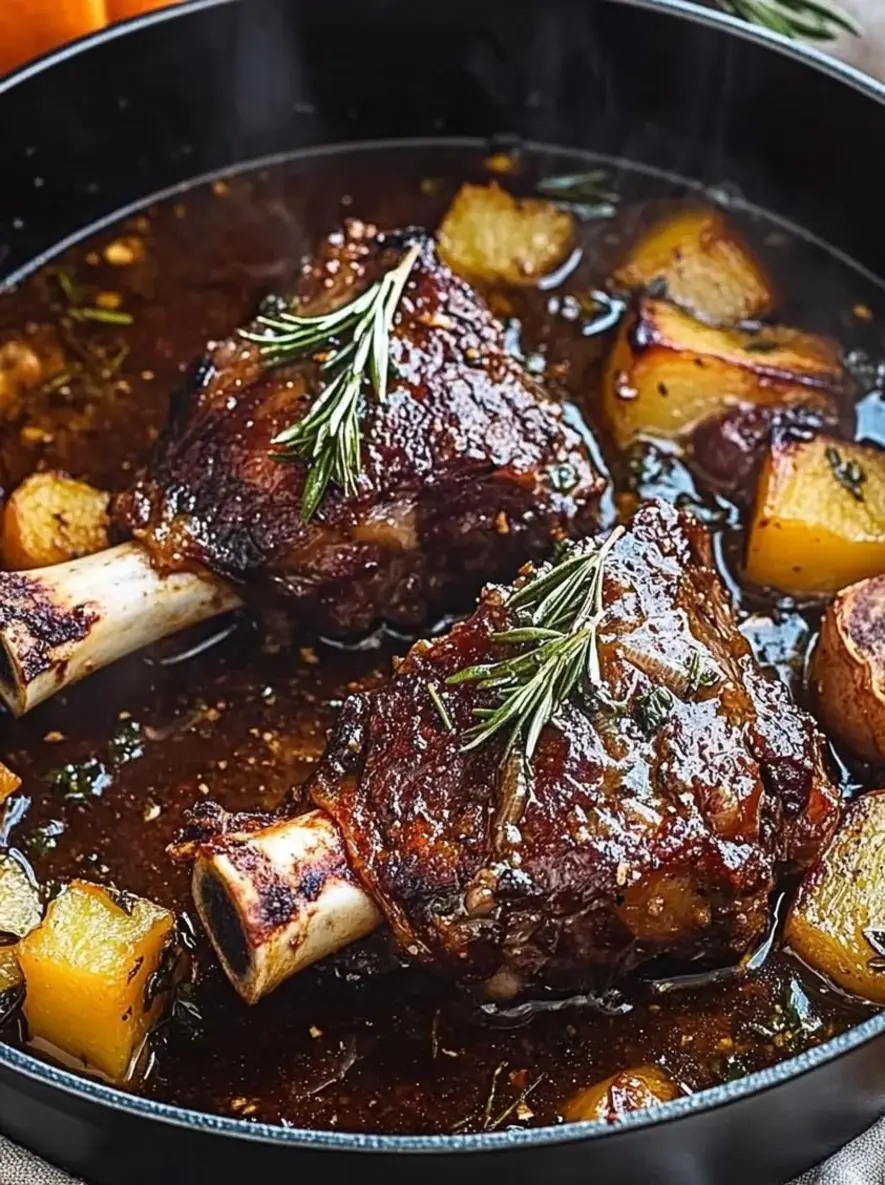
Imagine this: lamb shanks so tender they practically fall off the bone, bathed in a rich rosemary-balsamic gravy that coats every bite with a glossy, savory finish. Alongside, you have cubes of roasted pumpkin with caramelized edges and parsnips glazed with butter and brown sugar until they’re sticky-sweet and golden. The aroma alone — rosemary, garlic, wine, and roasting squash — will fill your kitchen with the coziest autumn warmth. Each element complements the others: the tangy gravy cuts through the sweetness of the parsnips, the earthy pumpkin soaks up the sauce, and the lamb is the star that ties it all together.
What sets this autumn lamb shanks recipe apart from others is the way I build the gravy — starting with deeply caramelized shallots and garlic, then deglazing with a splash of balsamic vinegar before adding the stock and wine. That extra step creates a complexity you just don’t get from a quick pour. Plus, I roast the pumpkin separately at a higher temperature to give it those all-important golden edges, and I caramelize the parsnips in a skillet to concentrate their natural sweetness. Whether you’re a seasoned cook or trying lamb shanks for the first time, I’ll walk you through every step. 💡 Stella’s Pro Tip: Do not skip browning the lamb shanks thoroughly — that deeply browned crust is the foundation of the entire gravy flavor. And the most common mistake I see? Rushing the caramelization of the aromatics. Take your time with the onions and shallots — it makes all the difference.
Why This Autumn Braised Lamb Shanks Recipe Is the Best
The flavor secret lies in my balsamic-rosemary braising liquid, which draws from both my French culinary training and my Moroccan upbringing. In Morocco, we slow-cook lamb with preserved lemons and olives for hours until it’s fall-apart tender. Here, I’ve reimagined that technique with a New York autumn palette — using balsamic vinegar for acidity and depth, fresh rosemary for an earthy, piney aroma, and a touch of tomato paste to round out the umami. The result is gravy that is intensely savory with a subtle sweetness and a hint of tang. It’s the kind of sauce you’ll want to spoon over everything on the plate — and maybe even sop up with crusty bread afterward.
Perfected texture comes from the braising method itself. I brown the lamb shanks in batches until they are deeply caramelized on all sides, then slowly cook them covered in the oven at 350°F for two hours. The low, even heat gently breaks down the connective tissue in the lamb, transforming it from a tough cut into something supremely tender — meat that pulls away from the bone with the lightest touch of a fork. Meanwhile, the pumpkin and parsnips are cooked separately to maintain their distinct textures: the pumpkin stays fluffy inside with crispy edges, and the parsnips become tender on the inside with a beautifully sticky, caramelized coating. Every component on the plate is intentionally prepared for maximum flavor and texture.
Foolproof and fast enough for a weekend dinner, this braised lamb shanks recipe is designed to be approachable for home cooks of any skill level. Even though braising sounds fancy, it’s actually one of the most forgiving cooking methods. Once the lamb is in the oven, you have two hours of hands-off time to prepare the vegetables, set the table, or simply relax with a glass of wine. I’ve tested this recipe dozens of times to ensure that the timing works perfectly — the pumpkin and parsnips finish right when the lamb comes out of the oven. Plus, the gravy is built right in the same pot, so there’s minimal cleanup. It’s a showstopper meal that looks like you spent all day in the kitchen, but really, the oven does most of the work.
Braised Lamb Shanks Recipe Ingredients
I love sourcing my ingredients for this braised lamb shanks recipe from the Union Square Greenmarket in Manhattan, especially in the fall when the pumpkins and parsnips are at their peak. There is something about picking out a sugar pumpkin with its vibrant orange skin and firm stem that makes me feel connected to the season. My mother in Morocco would always remind me that the best dishes start with the best ingredients — and she was right. For the lamb, I look for shanks that are meaty and well-trimmed, with a nice fat cap that will render during braising and keep the meat moist. Below is everything you will need to make this dish shine.
Ingredients List
- 4 lamb shanks (about 1 lb each)
- 2 tablespoons olive oil
- 1 teaspoon sea salt
- 1 teaspoon black pepper
- 1 large onion, sliced
- 4 shallots, halved
- 8 garlic cloves, peeled and smashed
- 2 tablespoons tomato paste
- 2 cups beef stock (preferably low-sodium)
- 1 cup red wine (such as Cabernet Sauvignon or Merlot)
- 2 tablespoons balsamic vinegar
- 2 sprigs fresh rosemary
- 1 medium pumpkin (about 2 lbs), peeled and cubed into 1-inch pieces
- 4 parsnips, peeled and sliced into ½-inch rounds
- 2 tablespoons unsalted butter
- 1 tablespoon brown sugar
Ingredient Spotlight
Lamb Shanks: The hero of this dish. Lamb shanks are a tougher cut from the lower leg, full of connective tissue that breaks down during braising to create a rich, gelatinous sauce. When selecting, look for shanks with a deep red color and a good amount of marbling. If you cannot find lamb shanks, you can substitute with lamb shoulder chops or even beef short ribs — both will braise beautifully, though the cooking time may vary slightly. The flavor will be richer with lamb, but beef is a worthy alternative.
Balsamic Vinegar: This is my secret weapon for adding depth and a touch of sweetness to the gravy. Use a good-quality balsamic — one that is thick and syrupy, not watery. The vinegar brightens the richness of the lamb and balances the earthy rosemary. If you need a substitute, try red wine vinegar mixed with a pinch of brown sugar, or sherry vinegar for a more complex flavor. Avoid using cheap balsamic that is thin and overly sharp, as it can make the gravy taste harsh.
Fresh Rosemary: Rosemary and lamb are a classic pairing for good reason — the herb’s piney, slightly floral notes cut through the meat’s richness and add an aromatic lift that dried rosemary simply cannot match. Always use fresh rosemary sprigs for the braising liquid, and save a few extra for garnish. If you must substitute, use 1 teaspoon of dried rosemary, but reduce the amount as dried herbs are more concentrated. Thyme or sage would also work nicely in this autumn lamb shanks recipe.
Pumpkin: A sugar pumpkin (sometimes called a pie pumpkin) is ideal for roasting because it is sweeter and less watery than larger carving pumpkins. Look for one that feels heavy for its size and has a firm, unblemished skin. Butternut squash is an excellent substitute and is available year-round in most US grocery stores — just peel, seed, and cube it the same way. The roasting step brings out the pumpkin’s natural sweetness and gives it a creamy interior with slightly crispy edges.
Parsnips: These often-overlooked root vegetables are at their best in autumn, when the cold weather converts their starches into sugars, making them naturally sweet. Look for parsnips that are firm and blemish-free, ideally medium-sized — larger ones can be woody at the core. The caramelization in butter and brown sugar transforms them into tender, golden bites with a caramel-like glaze. If parsnips are unavailable, carrots make a wonderful substitute, though they will be slightly less sweet and more colorful.
| Original Ingredient | Best Substitution | Flavor / Texture Impact |
|---|---|---|
| Lamb Shanks | Beef Short Ribs or Lamb Shoulder Chops | Richer, beefier flavor; similar tenderness when braised. Lamb shoulder may cook slightly faster. |
| Balsamic Vinegar | Red Wine Vinegar + ½ tsp brown sugar, or Sherry Vinegar | Slightly sharper acidity; sugar helps mimic balsamic’s sweetness. Sherry vinegar adds nutty complexity. |
| Fresh Rosemary | 1 tsp dried rosemary, or 2 sprigs fresh thyme | Dried rosemary is more concentrated — use less. Thyme offers a milder, earthier note. |
| Pumpkin | Butternut Squash or Kabocha Squash | Sweeter, creamier texture; Kabocha has edible skin. Both roast beautifully with similar timing. |
| Parsnips | Carrots or Celery Root | Carrots are sweeter and more colorful; celery root is earthier and more subtle. Both caramelize well. |
How to Make Autumn Braised Lamb Shanks — Step-by-Step
I have designed this braised lamb shanks recipe to flow smoothly from one step to the next, so you can feel confident and organized in the kitchen. Take it step by step, and remember that patience rewards you with the most incredible depth of flavor. Let us begin!
Step 1: Season and Brown the Lamb Shanks
Preheat your oven to 350°F (175°C). Pat the lamb shanks dry with paper towels — this is crucial for getting a good sear. Season them generously on all sides with the sea salt and black pepper. In a large Dutch oven or heavy-bottomed pot, heat the olive oil over medium-high heat until it shimmers. Carefully place the lamb shanks in the pot, being careful not to crowd them — work in batches if necessary. Brown them for about 4 minutes per side, turning with tongs, until a deep golden-brown crust forms on all sides. This crust is pure flavor and will enrich the entire gravy. Once browned, transfer the shanks to a plate and set aside.
💡 Stella’s Pro Tip: Do not rush the browning process. The deeper the crust, the more complex your gravy will taste. If the shanks stick to the pot, they are not ready to turn — let them cook another minute until they release naturally.
Step 2: Sauté the Aromatics
Reduce the heat to medium. In the same pot, add the sliced onion, halved shallots, and smashed garlic cloves. Sauté for about 5 minutes, stirring occasionally, until the onions are softened and translucent and the shallots are beginning to brown. Scrape up any browned bits from the bottom of the pot as you stir — those bits are concentrated flavor. Stir in the tomato paste and cook for 1 minute, stirring constantly, until the paste darkens slightly and becomes fragrant. This step deepens the umami character of the gravy.
⚠️ Common Mistake to Avoid: Adding the tomato paste over high heat can cause it to burn and turn bitter. Keep the heat at medium and stir continuously for the full minute.
Step 3: Build the Braising Liquid
Pour in the beef stock, red wine, and balsamic vinegar, and stir well to combine. Add the fresh rosemary sprigs, pushing them down into the liquid. Bring the mixture to a gentle simmer — you should see small bubbles breaking the surface, not a rolling boil. Return the browned lamb shanks to the pot, nestling them into the liquid so they are partially submerged. The liquid should come about halfway up the sides of the shanks. If it looks too low, add a splash more stock or water.
💡 Stella’s Pro Tip: For an even deeper flavor, you can marinate the lamb shanks overnight in the red wine and rosemary before cooking. Just cover and refrigerate, then proceed with browning — the meat will be even more tender and infused with aroma.
Step 4: Braise in the Oven
Cover the pot with a tight-fitting lid and transfer it to the preheated oven. Braise for 2 hours, or until the lamb is incredibly tender and the meat is pulling away from the bone. Check at 1 hour 45 minutes to see if it is done — the meat should offer no resistance when pierced with a fork. Once cooked, remove the pot from the oven and let it rest, covered, for about 10 minutes. Discard the rosemary sprigs before serving. The gravy will have thickened naturally from the collagen in the lamb; if you prefer a thicker sauce, you can simmer it on the stovetop for a few minutes after removing the lamb.
⚠️ Common Mistake to Avoid: Lifting the lid too often during braising lets heat and steam escape, which can dry out the meat and slow down cooking. Trust the process — resist the urge to peek until the last 15 minutes.
Step 5: Roast the Pumpkin
While the lamb braises, prepare the pumpkin. Preheat a separate oven to 400°F (200°C) — or if you have a convection setting, use that for even crisping. Toss the peeled and cubed pumpkin with 1 tablespoon olive oil, a pinch of salt, and a pinch of black pepper. Spread the cubes in a single layer on a baking sheet lined with parchment paper. Roast for 25-30 minutes, flipping halfway through, until the pumpkin is golden brown on the edges and tender when pierced with a fork. The high heat caramelizes the natural sugars, giving the pumpkin a sweet, nutty flavor and a slightly crispy exterior.
💡 Stella’s Pro Tip: For extra flavor, sprinkle the pumpkin with a pinch of smoked paprika or ground cumin before roasting. These spices complement the rosemary-balsamic gravy beautifully and nod to my Moroccan spice cabinet.
Step 6: Caramelize the Parsnips
In a large skillet, melt the butter over medium heat. Add the sliced parsnips and sprinkle with the brown sugar. Stir to coat the parsnips evenly in the butter and sugar. Cook for about 15 minutes, stirring every 3-4 minutes, until the parsnips are tender on the inside and deeply golden-brown and sticky on the outside. Be careful not to stir too often — letting them sit in the pan allows the caramelization to develop. If the pan starts to look dry, add a tablespoon of water to deglaze and create a light glaze.
⚠️ Common Mistake to Avoid: Using too high heat will burn the sugar before the parsnips have a chance to soften. Keep the heat at medium and watch carefully — the parsnips should be golden, not dark brown. If they start to scorch, reduce the heat slightly.
Step 7: Serve and Enjoy
Remove the lamb from the oven and discard the rosemary sprigs. To serve, place a lamb shank on each plate alongside a generous spoonful of roasted pumpkin and a pile of caramelized parsnips. Spoon the rich rosemary-balsamic gravy over the lamb and vegetables. Garnish with fresh rosemary sprigs or a sprinkle of flaky sea salt if desired. Serve immediately and watch everyone dig in — this is the kind of meal that brings people together.
💡 Stella’s Pro Tip: If you have leftover gravy, it is absolutely delicious over mashed potatoes or creamy polenta the next day. Store it separately in the refrigerator and reheat gently on the stovetop.
| Step | Action | Duration | Key Visual Cue |
|---|---|---|---|
| 1 | Season and brown lamb shanks | 8-10 mins total | Deep golden-brown crust on all sides |
| 2 | Sauté onion, shallots, garlic, tomato paste | 6 mins | Onions translucent, tomato paste darkened |
| 3 | Add stock, wine, vinegar, rosemary; return lamb | 3-5 mins | Liquid at a gentle simmer, halfway up shanks |
| 4 | Braise in oven | 2 hours | Meat pulls away from bone, fork-tender |
| 5 | Roast pumpkin | 25-30 mins | Golden edges, tender interior when pierced |
| 6 | Caramelize parsnips | 15 mins | Tender, sticky, golden-brown coating |
| 7 | Serve with gravy | 5 mins | Gravy spooned over lamb and vegetables |
Serving & Presentation
When it comes to serving this autumn lamb shanks recipe, I like to plate it in a way that highlights each component. Place a lamb shank in the center of a wide, shallow bowl or rimmed plate — this helps contain the gravy. Arrange a generous pile of roasted pumpkin on one side and a tangle of caramelized parsnips on the other. Spoon the rosemary-balsamic gravy over the lamb and let it pool around the vegetables. Finish with a sprinkle of flaky sea salt and a fresh rosemary sprig for a pop of green. The colors alone — deep brown, orange, gold, and green — are a feast for the eyes before you even take a bite.
I often serve this dish with creamy mashed potatoes or a soft polenta to soak up every last drop of gravy. A simple green salad with a lemon vinaigrette on the side adds brightness and cuts through the richness. For wine pairing, I recommend a medium-bodied red like a California Zinfandel or a French Côtes du Rhône — both have enough fruit and structure to stand up to the lamb and the tangy gravy. If you prefer white, a full-bodied Chardonnay with a touch of oak works wonderfully. In my NYC kitchen, I pair this meal with a rustic loaf of sourdough from the farmers market — perfect for swiping through the remaining sauce.
| Pairing Type | Suggestions | Why It Works |
|---|---|---|
| Side Dish | Mashed potatoes, creamy polenta, crusty sourdough | Neutral bases that soak up the rich gravy and balance the lamb’s intensity. |
| Sauce / Dip | Extra rosemary-balsamic gravy, mint yogurt sauce | Gravy reinforces the dish; mint yogurt adds a cooling, tangy contrast. |
| Beverage | Zinfandel, Côtes du Rhône, oaked Chardonnay | Red wines with fruit and structure complement the lamb; oaked white stands up to the gravy. |
| Garnish | Fresh rosemary sprigs, flaky sea salt, lemon zest | Rosemary echoes the braise; salt enhances flavor; lemon zest adds freshness. |
Make-Ahead, Storage & Reheating
In my busy New York City life, I often prepare this braised lamb shanks recipe a day ahead of serving. The flavors actually deepen and meld together overnight in the refrigerator, making the dish even more delicious the next day. I also love that the lamb can be braised, the pumpkin roasted, and the parsnips caramelized in advance — then I simply reheat everything just before serving. It is a fantastic strategy for dinner parties or a cozy weekend meal when you want to spend more time with your guests and less time in the kitchen. Below are my tested storage and reheating guidelines.
| Method | Container | Duration | Reheating Tip |
|---|---|---|---|
| Refrigerator | Airtight container, lamb and gravy together | Up to 4 days | Reheat gently in a covered pot over low heat, adding a splash of stock if needed. |
| Freezer | Heavy-duty freezer bag or airtight container | Up to 3 months | Thaw overnight in the refrigerator, then reheat in a covered pot at low temperature. |
| Make-Ahead | Store lamb and gravy separately from vegetables | Prepare 1 day in advance | Reheat lamb in gravy; re-roast pumpkin at 375°F for 10 mins; re-crisp parsnips in a skillet. |
When reheating the lamb, I recommend placing it in a covered pot with the gravy and warming it over low heat for about 15-20 minutes, until the meat is heated through and the gravy is bubbling gently. For the pumpkin, spread it on a baking sheet and reheat in a 375°F oven for 8-10 minutes to restore its crispy edges. The parsnips are best reheated in a skillet over medium heat with a tiny pat of butter for 4-5 minutes, stirring occasionally. I do not recommend microwaving the lamb, as it can toughen the meat and make the gravy separate. A slow, gentle reheating keeps everything tender and luscious — just like fresh out of the oven.
Variations & Easy Swaps
This braised lamb shanks recipe is wonderfully adaptable. Over the years, I have tried dozens of variations — some inspired by my mother’s Moroccan kitchen, others born from ingredient hunts at the Union Square farmers market. Whether you need a dairy-free option, want to switch up the vegetables, or simply want to try a new flavor direction, here are my three favorite ways to make this dish your own.
| Variation | Key Change | Best For | Difficulty Impact |
|---|---|---|---|
| Moroccan Spiced | Add cinnamon, cumin, and dried apricots to the braise | Adventurous palates, special occasions | Easy — no extra steps, just add spices |
| Gluten-Free / Dairy-Free | Use tamari instead of stock (check label), use coconut oil for butter | Dietary restrictions, allergies | Easy — simple one-for-one swaps |
| Winter Root Vegetable Twist | Replace pumpkin with sweet potatoes, parsnips with celery root | Seasonal variation, different produce | Easy — similar prep, different vegetables |
Moroccan Spiced Variation
This variation is a nod to my childhood in Morocco. When I add 1 teaspoon of ground cinnamon and 1 teaspoon of ground cumin to the tomato paste step, the braise takes on a warm, aromatic complexity that is absolutely stunning with the lamb. I also toss in ½ cup of dried apricots, halved, along with the stock — they plump up during cooking and add little bursts of sweetness that play beautifully against the balsamic vinegar. Serve this version with couscous instead of potatoes, and garnish with toasted almonds and fresh cilantro. It is a dish that transports me straight back to my mother’s kitchen in Marrakech, and I think you will love the unexpected warmth these spices bring.
Gluten-Free / Dairy-Free Variation
To make this braised lamb shanks recipe gluten-free and dairy-free without sacrificing any flavor, start by using a tamari-based beef stock or a certified gluten-free stock. Most beef stocks are naturally gluten-free, but always check the label. Replace the butter in the parsnip step with coconut oil or a plant-based butter — I like Miyoko’s for its rich flavor. The rest of the recipe is naturally gluten-free and dairy-free: the lamb, vegetables, stock, wine, vinegar, and tomato paste all fit the bill. The result is every bit as luscious and satisfying as the original, and guests with dietary restrictions can enjoy the full experience without any compromise.
Winter Root Vegetable Twist
When pumpkin is out of season or you simply want to try something different, swap in sweet potatoes and celery root. Peel and cube sweet potatoes the same way as the pumpkin — they roast to a creamy, sweet finish with caramelized edges. For the parsnips, substitute celery root (celeriac), peeling it and cutting it into matchsticks or small cubes. Celery root has a subtle, nutty flavor with a hint of celery that pairs wonderfully with the rosemary-balsamic gravy. The cooking times remain the same, so this is an effortless seasonal swap. I discovered this combination at the Greenmarket one chilly November morning when the pumpkins were sparse but the sweet potatoes and celery root were abundant — it has been a favorite ever since.
Can I substitute the lamb shanks with another cut of meat for this autumn braised recipe?
Absolutely! If you cannot find lamb shanks or prefer a different protein, beef short ribs are an excellent substitute. They have a similar amount of connective tissue and fat, which breaks down during braising to create a rich, gelatinous sauce. Lamb shoulder chops also work wonderfully — they are slightly smaller and may cook a bit faster, so check for tenderness at around 1 hour 45 minutes. For a leaner option, you can use boneless lamb shoulder, but reduce the braising time by about 30 minutes and keep an eye on the texture. Keep in mind that the flavor will be less intense with beef, but the gravy will still be delicious. If you are substituting, maintain the same browning and braising technique for the best results.
What is the best way to ensure the lamb shanks are tender after braising?
The most important factor for tender lamb shanks is cooking them low and slow at a consistent temperature. I braise at 350°F for 2 hours, which is hot enough to break down collagen but gentle enough to prevent the meat from drying out. Make sure the liquid comes about halfway up the sides of the shanks — too little liquid and they will steam unevenly; too much and they will boil. Always use a tight-fitting lid to trap steam and heat. Another critical step is browning the shanks thoroughly before braising — that deep crust adds flavor and helps the meat retain moisture. Finally, let the lamb rest in the pot for 10-15 minutes after braising; this allows the juices to redistribute throughout the meat, making it even more tender when you serve it.
How do I caramelize parsnips without them becoming too soft or burning?
The key to perfectly caramelized parsnips is medium heat and patience. Start by melting butter in a skillet over medium heat — not high. Add the parsnips and brown sugar, then stir to coat. Let them cook undisturbed for 3-4 minutes at a time to allow a golden crust to form, then stir gently. The total cooking time is about 15 minutes. If the pan starts to look dry, add a tablespoon of water to deglaze and create a light glaze that coats the parsnips. Watch for a deep golden-brown color — if they start to turn dark brown or black, reduce the heat immediately. Also, make sure your parsnips are cut into even ½-inch rounds so they cook uniformly. Slightly undercooked parsnips will be crunchy; perfectly caramelized ones are tender on the inside with a sticky, golden exterior.
Can I prepare the rosemary-balsamic gravy ahead of time and reheat it later?
Yes, you can absolutely make the gravy ahead of time, and I often do! After braising the lamb, strain the liquid through a fine-mesh sieve into a container, discard the solids, and let it cool to room temperature. Refrigerate the gravy separately from the lamb for up to 4 days. When you are ready to serve, reheat the gravy gently in a small saucepan over medium-low heat, whisking occasionally. If it has thickened too much, add a splash of beef stock or water to reach your desired consistency. I also recommend scraping off any solidified fat from the surface before reheating — this keeps the gravy from being greasy. For the best flavor, reheat the lamb in the gravy rather than separately, as the meat will absorb some of the sauce as it warms.
What can I serve with braised lamb shanks besides pumpkin and parsnips?
This rosemary-balsamic gravy is so versatile that it pairs beautifully with many side dishes. Creamy mashed potatoes or soft polenta are classic choices that soak up every drop of sauce. For a lighter option, try buttered egg noodles or a simple farro salad with dried cranberries and toasted walnuts. Roasted carrots, Brussels sprouts, or green beans also work well as vegetable sides — just toss them with olive oil and roast at 400°F until tender. If you want something green and bright, a crisp arugula salad with lemon vinaigrette cuts through the richness of the lamb. Crusty bread is non-negotiable in my house — it is perfect for swiping through the remaining gravy on your plate.
How do I store leftovers and reheat them without drying out the lamb?
Storing leftovers properly is essential for maintaining the lamb’s tenderness. Remove the meat from the bone (if desired) and place it in an airtight container with enough gravy to cover it. Refrigerate for up to 4 days, or freeze for up to 3 months. The best way to reheat is to place the lamb and gravy in a covered pot over the lowest possible heat for 15-20 minutes, stirring occasionally. Add a splash of beef stock or water if the gravy looks too thick. This gentle method keeps the lamb from drying out or becoming tough. Avoid microwaving if possible, as it can unevenly heat the meat and cause the gravy to separate. If you must use a microwave, cover the dish and reheat in 30-second bursts at 50% power.
Can I make this braised lamb shanks recipe in a slow cooker or instant pot?
Yes, both the slow cooker and Instant Pot work beautifully for this lamb shanks recipe. For a slow cooker: brown the lamb and sauté the aromatics on the stovetop first, then transfer everything to the slow cooker with the liquid. Cook on low for 7-8 hours or on high for 4-5 hours, until the meat is tender. For an Instant Pot: use the sauté function to brown the lamb and cook the aromatics, then add the liquid and cook on high pressure for 45 minutes, followed by a natural release of 15-20 minutes. The oven method remains my personal favorite because it allows the gravy to reduce and concentrate naturally, but both alternatives are excellent for hands-off cooking. Just note that the Instant Pot version will have a slightly thinner gravy — you can thicken it on the sauté setting after cooking.
What type of red wine is best for braising lamb shanks?
For this braised lamb shanks recipe, I recommend a medium to full-bodied red wine with good fruit and structure. A Cabernet Sauvignon, Merlot, or Zinfandel works beautifully because they have enough body to stand up to the lamb’s richness and the balsamic vinegar. Avoid wines that are too tannic, like young Syrah or Barolo, as they can become bitter during long braising. Also, do not use “cooking wine” from the grocery store — it is often salted and low quality. A good rule of thumb is to use a wine you would enjoy drinking, but you do not need to break the bank. A $12-16 bottle is perfectly fine. If you prefer not to use wine, you can substitute with an equal amount of beef stock mixed with 2 tablespoons of red wine vinegar for acidity.
How do I know when the lamb shanks are fully cooked and tender?
The most reliable test for doneness is the fork test: insert a dinner fork into the thickest part of the lamb shank and twist gently. If the fork slides in with little to no resistance and the meat begins to pull away from the bone, it is ready. Another visual cue is that the meat will have shrunk back from the bone by about ½ inch on each end, and the connective tissue will look translucent and softened, not white and rubbery. For this recipe, 2 hours at 350°F is a reliable benchmark, but variations in oven temperature and the size of the shanks can affect timing. If your shanks are very large (over 1 lb each), they may need an extra 15-20 minutes. Always trust the fork test over the clock — tenderness is the goal, not a specific cooking time.
Can I add other vegetables to the braising pot with the lamb?
Adding vegetables to the braising pot is a great idea, but I recommend choosing ones that can withstand long cooking without turning mushy. Carrots, celery, and parsnips are excellent choices — add them during the last 45 minutes of braising so they become tender but not waterlogged. Potatoes and sweet potatoes also work well when added halfway through. However, I prefer to roast the pumpkin separately as directed in the recipe, because braising it would make it too soft and watery. If you want to add mushrooms, toss them in during the last 30 minutes for earthy flavor. Keep in mind that the more vegetables you add to the pot, the more liquid you may need to maintain the proper braising level. Always check that the liquid still comes about halfway up the shanks.
Share Your Version!
I absolutely love hearing how this braised lamb shanks recipe turns out in your kitchen. Did you try the Moroccan spice variation? Did you serve it with mashed potatoes or polenta? Maybe you invented a substitution I have not thought of yet — I would love to hear about it. The beauty of home cooking is that every version is unique, and every table tells a story. Leave a comment below with your experience, or tag me in your photos on Instagram or Pinterest using @leosfoods — I personally read every message and love seeing your creations.
⭐ Did you make this recipe? I would love to hear from you!
Please leave a star rating and a comment below — your feedback helps me create better recipes for you and helps other readers know what to expect. Did you try a substitution or add your own twist? Share it in the comments — I might feature it in my next newsletter!
📸 Tag me on Instagram: @leosfoods · Pin on Pinterest: stellarecipeblog
From my NYC kitchen to yours — I hope this recipe brings as much warmth to your table as it does to mine. — Stella 🧡
Love This Recipe? Save It to Pinterest!
If you enjoyed this Autumn Braised Lamb Shanks with Rosemary-Balsamic Gravy, Roasted Pumpkin & Caramelized Parsnips recipe, don’t let it get lost in your browser tabs! 😄 Pin it now so you can find it again anytime — and explore hundreds more tried-and-tested recipes waiting for you on my Pinterest boards.
👉 Follow Stella on Pinterest @stellarecipeblog
📌 Pin this recipe · 🔁 Re-pin your favorites · 💬 Tag me when you make it — I love seeing your creations!
“`
Print
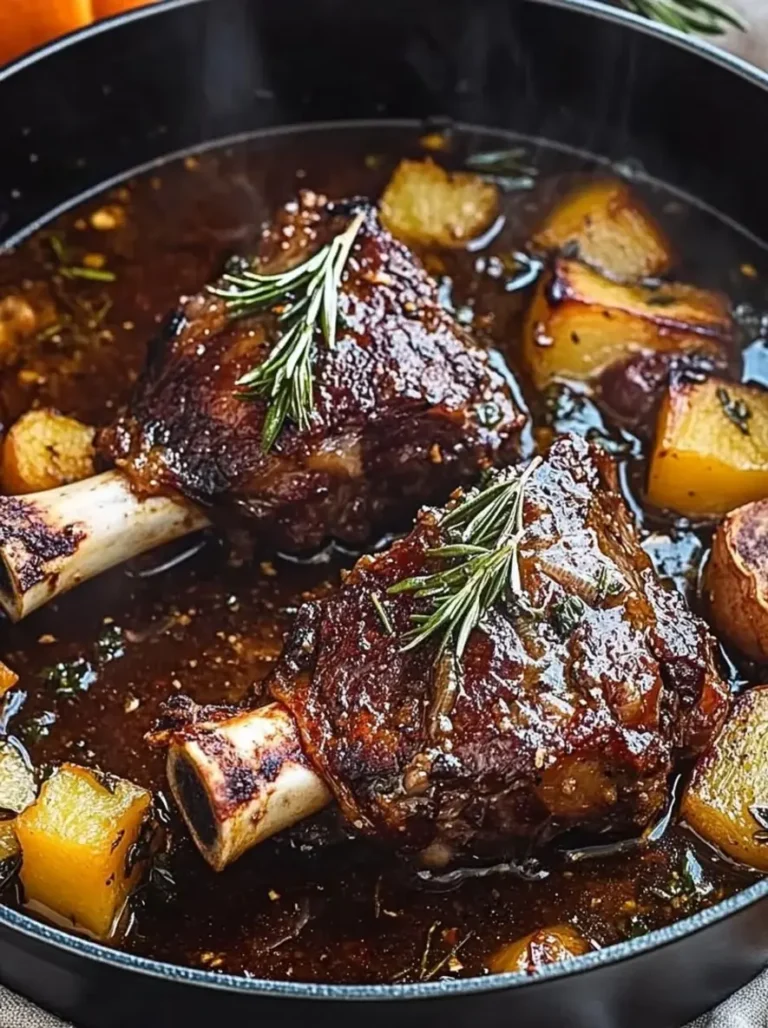
Autumn Braised Lamb Shanks with Rosemary-Balsamic Gravy, Roasted Pumpkin & Caramelized Parsnips
Tender lamb shanks braised in a rich rosemary-balsamic gravy, served with roasted pumpkin and caramelized parsnips for a comforting autumn meal.
- Total Time: 2 hours 50 minutes
- Yield: 4 1x
Ingredients
- 4 lamb shanks
- 2 tablespoons olive oil
- 1 teaspoon sea salt
- 1 teaspoon black pepper
- 1 large onion, sliced
- 4 shallots, halved
- 8 garlic cloves
- 2 tablespoons tomato paste
- 2 cups beef stock
- 1 cup red wine
- 2 tablespoons balsamic vinegar
- 2 sprigs fresh rosemary
- 1 medium pumpkin, peeled and cubed
- 4 parsnips, peeled and sliced
- 2 tablespoons butter
- 1 tablespoon brown sugar
Instructions
- Preheat oven to 350°F (175°C).
- Season lamb shanks with salt and pepper. Heat olive oil in a large Dutch oven over medium-high heat. Brown lamb shanks on all sides, about 4 minutes per side. Remove and set aside.
- In the same pot, add onion, shallots, and garlic. Sauté until softened, about 5 minutes. Stir in tomato paste and cook for 1 minute.
- Pour in beef stock, red wine, and balsamic vinegar. Add rosemary sprigs. Return lamb shanks to the pot. Bring to a simmer.
- Cover and transfer to oven. Braise for 2 hours, or until lamb is tender and falling off the bone.
- Meanwhile, toss pumpkin cubes with olive oil, salt, and pepper. Spread on a baking sheet. Roast at 400°F (200°C) for 25-30 minutes, until golden.
- In a skillet, melt butter over medium heat. Add parsnips and brown sugar. Cook, stirring occasionally, until caramelized and tender, about 15 minutes.
- Remove lamb from oven. Discard rosemary. Serve lamb shanks with roasted pumpkin and caramelized parsnips, spooning gravy over the top.
Notes
For a deeper flavor, marinate lamb shanks overnight in red wine and rosemary. Garnish with fresh rosemary sprigs.
- Prep Time: 20 minutes
- Cook Time: 2 hours 30 minutes
- Method: Main Course
- Cuisine: American
Nutrition
- Calories: 650
- Sugar: 12g
- Fat: 28g
- Carbohydrates: 35g
- Protein: 55g
Tried This Recipe? Leave a Comment!
Did you make this recipe? I’d love to hear how it turned out! Please leave a comment and a rating below. Your feedback helps other home cooks and supports cheerychop.com!
For more delicious inspiration, follow me on Pinterest!