Fall-Apart Lamb Shanks with Rich Fig-Balsamic Reduction
Table of Contents
Fall‑Apart Lamb Shanks in a Rich Fig, Red Wine & Balsamic Shallot Reduction – A Sweet‑Savory Braise That Melts in Your Mouth
Every time I braise lamb shanks, I’m transported back to my mother’s kitchen in Morocco, where the scent of slow‑cooked meat with dried fruit and warm spices filled our home. Fast‑forward to my years at Le Cordon Bleu in Paris, where I learned the precision of French braising — the careful searing, the deglazing with wine, the patient hours in the oven. Now, in my New York City kitchen, I’ve blended those worlds into one spectacular dish: Fall‑Apart Lamb Shanks in a Rich Fig, Red Wine, and Balsamic Shallot Reduction. This fall apart lamb shanks recipe is the ultimate comfort food, and the secret is the sweet‑tangy fig‑balsamic sauce that clings to each fork‑tender bite.
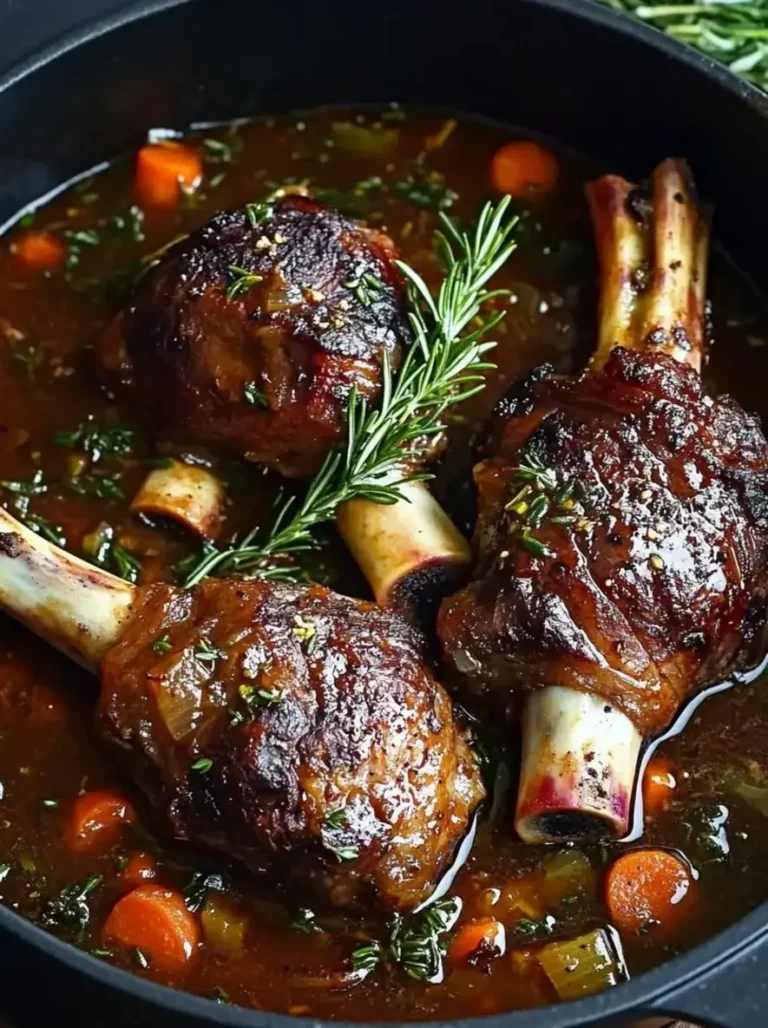
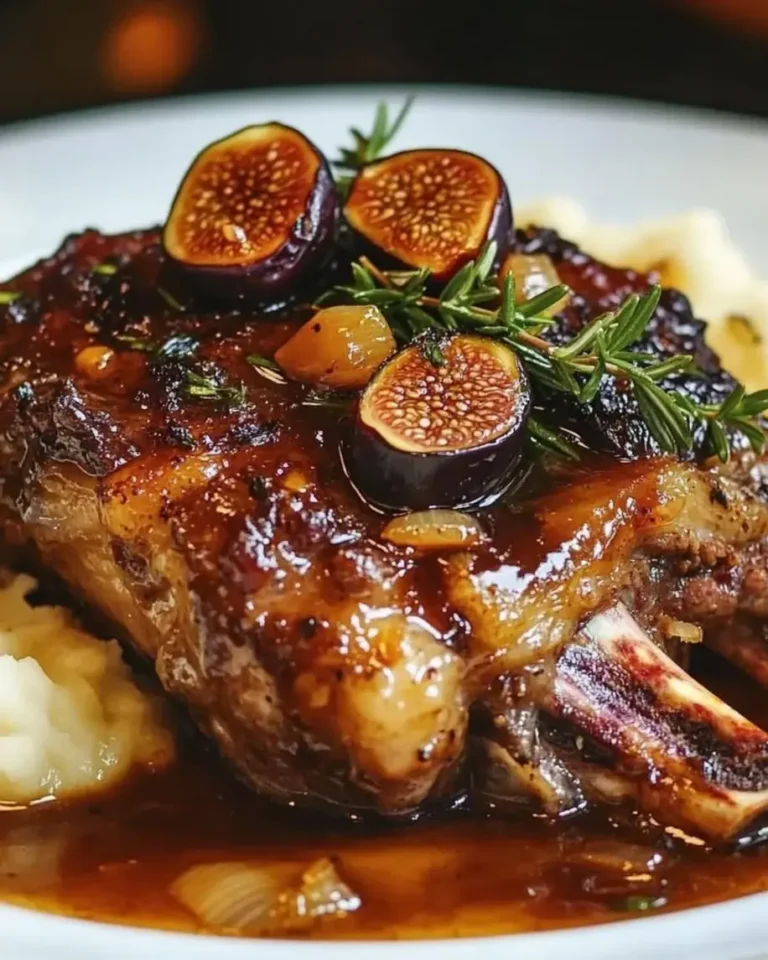
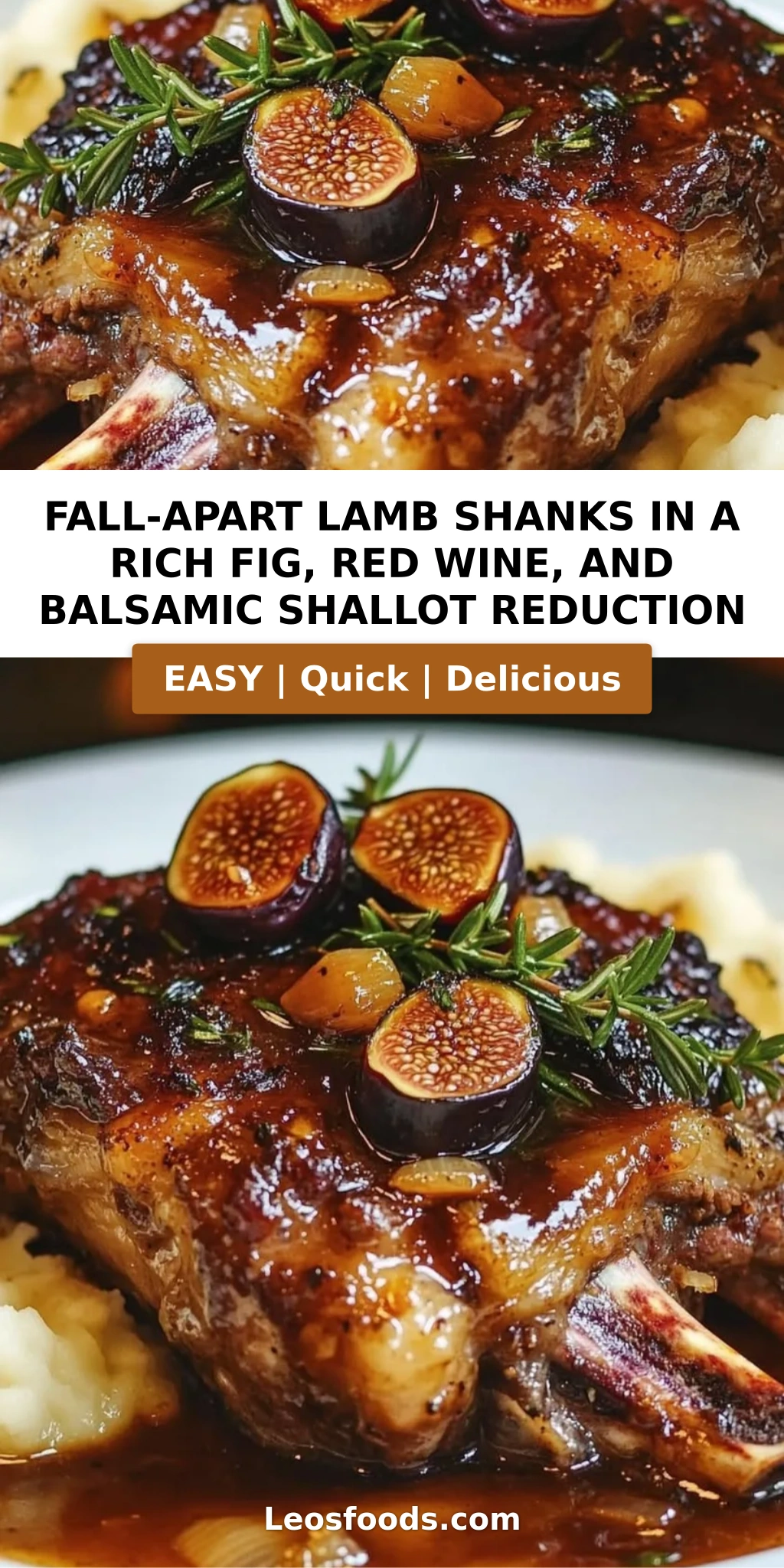
Imagine pulling a lamb shank from the pot and watching the meat gently slip off the bone, surrounded by a glossy, dark reduction that tastes of sun‑dried figs, robust red wine, and mellow balsamic glaze. The shallots melt into the sauce, adding a silky sweetness, while fresh rosemary and thyme lend an earthy fragrance. The first spoonful is pure bliss: a perfect balance of savory, sweet, and acidic notes that dance on your tongue. This isn’t just a meal — it’s an experience that warms you from the inside out.
I’ve tested this balsamic lamb shanks recipe a dozen times — tweaking the ratio of fig to wine, adjusting the oven temperature, and perfecting the sear. My version ensures maximum depth of flavor with minimal fuss. In the steps ahead, I’ll share a chef‑trained trick to guarantee the meat falls off the bone every time, plus a common mistake that home cooks often make when braising. Whether you’re new to lamb or a seasoned cook, this fig lamb shanks recipe will earn a permanent spot in your winter rotation.
Why This Fall‑Apart Lamb Shanks Recipe Is the Best
The Flavor Secret: The pairing of dried figs and balsamic glaze is my signature twist — inspired by the sweet‑savory tagines of my childhood and the classic French gastrique I learned in Paris. The figs add natural sweetness and a chewy texture that contrasts with the tender meat, while the balsamic glaze (not vinegar!) brings a syrupy richness without overwhelming acidity. This combination elevates a humble braise into something truly memorable.
Perfected Texture: Braising is all about low‑and‑slow cooking, but the key is the initial sear. I crank the heat until the lamb develops a deep brown crust — that’s the Maillard reaction, which builds layers of savory flavor. Then the long oven stint at 325°F breaks down the collagen in the shanks into gelatin, creating that silky, mouth‑coating sauce. My technique ensures the meat is so tender you can eat it with a spoon, yet it never becomes dry or stringy.
Foolproof & Fast: Don’t be intimidated by the total time — most of it is hands‑off oven time. The active prep is only 20 minutes, and the ingredients are easy to find in any US grocery store. This dish is forgiving: you can vary the wine (a bold Cabernet or Zinfandel works beautifully), swap figs for prunes, or add a pinch of cinnamon for a Moroccan touch. It’s the kind of recipe that makes you look like a gourmet chef with very little effort.
Fig Lamb Shanks Ingredients
On Saturday mornings, I walk to the Union Square Greenmarket and pick up the freshest lamb shanks and dried figs. I remember my mother buying figs from the souk in Marrakech, their honeyed aroma mingling with spices. Here in NYC, I look for plump, moist‑looking figs — they’re the heart of this sauce.
Ingredients List
- 4 lamb shanks (about 12–14 oz each)
- Salt and black pepper, to taste
- 2 tablespoons olive oil
- 4 shallots, thinly sliced
- 5 cloves garlic, minced
- 1 cup red wine (e.g., Cabernet Sauvignon or Merlot)
- 2 cups beef stock (low‑sodium preferred)
- ⅓ cup balsamic glaze (not vinegar — look for “balsamic glaze” or “crema di balsamico”)
- 2 tablespoons brown sugar (optional, reduces sweetness; use 1 tbsp if you prefer less sweet)
- 1 cup dried figs, halved (Mission or Calimyrna figs work great)
- 2 sprigs fresh rosemary
- 2 sprigs fresh thyme
- 2 bay leaves
Ingredient Spotlight
Lamb Shanks: These are the perfect cut for braising — full of connective tissue that melts into gelatin. Look for shanks that are evenly thick, with good marbling. If you can’t find lamb, beef short ribs are a worthy substitute, though the flavor will be richer and less gamey.
Dried Figs: I use Mission figs for their deep sweetness, but any dried fig works. Fresh figs are not recommended — they’ll fall apart during the long cook. If figs are unavailable, replace with dried prunes or dried apricots; the sauce will be slightly less complex but still delicious.
Balsamic Glaze: Do not substitute with regular balsamic vinegar! Glaze is already reduced and sweetened. If you only have vinegar, simmer ½ cup balsamic vinegar with 2 tablespoons honey until syrupy (about 8–10 minutes). It’s an easy DIY fix.
| Original Ingredient | Best Substitution | Flavor / Texture Impact |
|---|---|---|
| Dried figs | Dried prunes or dried apricots | Slightly less sweet; prunes add a deeper, almost chocolatey note |
| Balsamic glaze | Homemade reduction: ½ cup balsamic vinegar + 2 tbsp honey | Tartness increases slightly; you’ll need to adjust sweetness |
| Red wine (Cabernet) | Red Zinfandel or Shiraz | Richer, spicier notes; still pairs beautifully with figs |
How to Make Fall‑Apart Lamb Shanks — Step‑by‑Step
I’ll walk you through every step so you feel confident, from searing to serving. Set your timer, pour a glass of wine, and let the magic happen.
Step 1: Prep and Sear
Preheat the oven to 325°F (165°C). Pat the lamb shanks dry with paper towels — moisture is the enemy of a good sear. Season them generously with salt and pepper on all sides. In a large Dutch oven or heavy pot, heat 2 tablespoons olive oil over medium‑high heat. Add two shanks at a time (don’t crowd the pot) and cook, turning occasionally, until deeply browned, about 4–5 minutes per side. Transfer to a plate and repeat with the remaining shanks.
💡 Stella’s Pro Tip: For an even deeper crust, let the shanks sit at room temperature for 20 minutes after seasoning before searing. The meat will brown more evenly.
Step 2: Aromatics and Deglaze
Reduce the heat to medium. Add the sliced shallots to the pot and cook, stirring, until softened, about 3 minutes. Add the minced garlic and cook for 1 minute more, until fragrant. Carefully pour in the red wine, scraping up any browned bits from the bottom of the pot — that’s concentrated flavor. Let it simmer and reduce by half, about 5 minutes. The alcohol will cook off, leaving behind fruity, savory notes.
⚠️ Common Mistake to Avoid: Don’t skip the deglazing! The browned bits (fond) are packed with umami. If you don’t scrape them up, you lose half the flavor.
Step 3: Build the Sauce
Add the beef stock, balsamic glaze, brown sugar (if using), halved dried figs, rosemary, thyme, and bay leaves. Stir until the brown sugar dissolves and everything is combined. The sauce will look thin now, but it will thicken as it braises. Bring it to a gentle simmer.
💡 Stella’s Pro Tip: Taste your balsamic glaze before adding — some brands are sweeter than others. If it’s very sweet, reduce the brown sugar to 1 tablespoon. You can always adjust at the end.
Step 4: Braise Low and Slow
Return the lamb shanks to the pot, nestling them into the liquid so they’re mostly covered. If needed, add a splash more stock or water. Bring to a gentle simmer on the stovetop. Cover the pot with a tight‑fitting lid and transfer to the preheated oven. Braise for 2.5 to 3 hours, until the meat is fall‑apart tender — a fork should slide in with almost no resistance.
⚠️ Common Mistake to Avoid: Don’t let the liquid boil! A gentle simmer ensures the collagen melts slowly into the sauce. Boiling can toughen the meat and cloud the sauce. Keep the heat low.
Step 5: Finish and Serve
Remove the pot from the oven. Discard the herb sprigs and bay leaves. If you prefer a leaner sauce, skim off any excess fat with a spoon. Let the shanks rest in the pot for 5–10 minutes. Serve each shank with a generous spoonful of the fig and shallot reduction. The sauce will be glossy and thick — if it’s too thin, simmer it uncovered on the stovetop for a few minutes to reduce further.
💡 Stella’s Pro Tip: For an even richer sauce, remove the shanks after braising and keep them warm. Simmer the sauce for 5–10 minutes more to concentrate the flavors, then spoon it over the meat.
| Step | Action | Duration | Key Visual Cue |
|---|---|---|---|
| 1 | Sear lamb shanks | 4–5 min per side | Deep mahogany crust |
| 2 | Cook shallots & deglaze | 8–10 min | Liquid reduces by half; fond disappears |
| 3 | Build sauce | 5 min | Figs float; herbs visible |
| 4 | Braise in oven | 2.5–3 hours | Meat pulls back from bone; sauce thickens |
| 5 | Skim & serve | 10 min | Sauce coats spoon; meat falls off bone |
Serving & Presentation
A dish this stunning deserves a beautiful plate. Place one lamb shank in the center of a shallow bowl or rimmed plate. Spoon the fig‑studded reduction generously over the top — let some figs tumble onto the plate for color. I love to add a sprinkle of fresh thyme leaves or a pinch of flaky sea salt for contrast. Serve alongside velvety mashed potatoes (my Parisian instructor insisted on Yukon Golds) or a hunk of crusty bread to soak up every drop of that glossy sauce.
For a touch of brightness, I like to wilt some spinach or sauté green beans with garlic — the green pops against the deep mahogany sauce. And don’t forget the wine! Pour the same red you used in the braise (Cabernet or a bold Syrah) to tie the whole meal together. In my NYC apartment, I often set the table with a simple linen napkin and a single candle — it’s a little Moroccan soul meets French elegance right here in Brooklyn.
| Pairing Type | Suggestions | Why It Works |
|---|---|---|
| Side Dish | Mashed potatoes, creamy polenta, or crusty bread | The soft, starchy base absorbs the rich fig‑wine sauce |
| Vegetable | Sautéed spinach, roasted carrots, or green beans with garlic | Brightness cuts the richness; adds color and texture |
| Beverage | Cabernet Sauvignon, Syrah, or a full‑bodied Zinfandel | Echoes the wine in the sauce; tannins pair with lamb’s richness |
| Garnish | Fresh thyme leaves, flaky salt, a drizzle of balsamic glaze | Adds a fresh pop and visual appeal |
Make‑Ahead, Storage & Reheating
This dish actually tastes even better the next day — I often make it on a Sunday for a busy Monday dinner. The flavors meld overnight, and the sauce becomes even more velvety. Here’s my tried‑and‑true method for storing and reheating, honed from years of NYC meal‑prep.
| Method | Container | Duration | Reheating Tip |
|---|---|---|---|
| Refrigerator | Airtight container, shanks submerged in sauce | Up to 4 days | Reheat gently in a covered pot on the stovetop over low heat, adding a splash of water if needed |
| Freezer | Freezer‑safe container or zip‑top bag, remove as much air as possible | Up to 3 months | Thaw overnight in fridge, then reheat as above; add 1–2 tbsp stock to restore sauce consistency |
| Make‑Ahead | Complete the entire braise, cool, and refrigerate in the pot | Up to 2 days in advance | Reheat directly on stovetop; skim solidified fat before reheating for a leaner sauce |
When reheating, I never use the microwave — it toughens the meat. Instead, place the shanks and sauce in a covered pot and warm over low heat for 15–20 minutes, stirring gently. If the sauce seems thick, add a few tablespoons of beef stock or water. The meat will stay tender and the sauce will regain its luscious sheen. This make‑ahead method is a lifesaver when entertaining — I do all the work the day before and simply reheat before guests arrive.
Variations & Easy Swaps
Over the years, I’ve played with this recipe to suit different moods and dietary needs. Here are three favorite twists, each one tested in my tiny NYC kitchen.
| Variation | Key Change | Best For | Difficulty Impact |
|---|---|---|---|
| Moroccan Spiced | Add 1 tsp cinnamon, ½ tsp ground ginger, and a pinch of saffron | Warming, exotic twist | Easy – just add spices |
| Gluten‑Free / Dairy‑Free | Use cornstarch slurry to thicken instead of a flour roux; check balsamic glaze for gluten | Allergy‑friendly | No change in technique |
| Winter Citrus | Add the zest of 1 orange and 2 tbsp orange juice with the stock | Bright, fresh flavor lift | Easy – stir in with broth |
Moroccan Spiced Version
Growing up, my mother often added cinnamon and ginger to her lamb tagine. For this version, stir in 1 teaspoon ground cinnamon and ½ teaspoon ground ginger when you add the stock. If you have saffron, steep a few threads in 2 tablespoons warm water and add it along with the broth. The spices transform the fig‑wine sauce into a fragrant, North African dream. Serve with couscous and a sprinkle of toasted almonds for texture.
Gluten‑Free & Dairy‑Free Version
This recipe is naturally dairy‑free, but some balsamic glazes may contain wheat‑derived thickeners. Always check the label. To thicken the sauce without flour, mix 1 tablespoon cornstarch with 2 tablespoons cold water and stir it into the sauce after braising. Simmer for 2–3 minutes until glossy. No one will notice the swap — the sauce remains just as velvety.
Winter Citrus Twist
In the dead of a New York winter, I crave brightness. Add the zest of one large orange and 2 tablespoons fresh orange juice along with the stock. The citrus cuts through the richness and complements the figs beautifully. You can also replace the fresh thyme with a sprig of fresh rosemary and a strip of orange peel. This version is especially lovely served over roasted fennel wedges.
How do you make lamb shanks tender enough to fall off the bone?
The key to fall‑apart lamb shanks is low‑temperature, moist‑heat cooking. Braise them in a covered pot at 325°F for 2.5 to 3 hours. The collagen in the connective tissue slowly melts into gelatin, which both tenderizes the meat and enriches the sauce. Don’t rush the process — boiling will toughen the meat. Also, always sear the shanks first; the browned crust adds flavor and helps the meat hold its shape during the long cook.
Can you substitute dried figs with another fruit in this red wine and balsamic reduction?
Absolutely! Dried prunes (pruneaux) are the best substitute — they have a similar sweetness and chewy texture, and they meld beautifully with red wine and balsamic. Dried apricots also work, though they add a slightly more tart, bright flavor. If you use apricots, consider reducing the brown sugar to 1 tablespoon since apricots are less sweet than figs. Avoid fresh figs — they’ll disintegrate during the long braise.
What is the best cooking method and temperature for braising lamb shanks until fall‑apart tender?
The best method is oven braising at 325°F (165°C). This even, gentle heat ensures the meat cooks slowly without hot spots that can cause toughness. A Dutch oven with a tight‑fitting lid is ideal — it traps steam and keeps the meat moist. Braise for 2.5 to 3 hours, or until a fork slides in with no resistance. If you’re short on time, you can use a slow cooker on low for 6–8 hours, but the oven version builds deeper flavor through the initial sear.
What side dishes pair well with lamb shanks in a fig, red wine, and balsamic shallot reduction?
This rich, sweet‑savory dish pairs beautifully with creamy mashed potatoes, soft polenta, or crusty bread — all are perfect for soaking up the sauce. For a vegetable side, try sautéed spinach, roasted carrots, or green beans with garlic. The acidity of the balsamic also goes well with a simple arugula salad dressed with lemon vinaigrette. And of course, a glass of the same red wine you used in the braise ties the meal together perfectly.
Can I make this recipe in a slow cooker or Instant Pot?
Yes, but the technique shifts slightly. For a slow cooker: follow the first steps (sear, deglaze, build sauce) on the stovetop, then transfer everything to the slow cooker. Cook on low for 6–8 hours or high for 3–4 hours. For an Instant Pot: use the sauté function for searing and deglazing, then pressure cook on high for 45 minutes with a natural release (about 15 minutes). The oven method remains my favorite for the deepest flavor, but both alternatives work well.
What is balsamic glaze, and how is it different from balsamic vinegar?
Balsamic glaze (also called balsamic reduction or crema di balsamico) is balsamic vinegar that has been cooked down with sugar or grape must until thick and syrupy. It’s sweeter and less acidic than straight vinegar, with a concentrated flavor that’s perfect for braising without adding too much tang. You can buy it in most grocery stores near the vinegar aisle, or make your own by simmering ½ cup balsamic vinegar with 2 tablespoons honey until reduced by half — about 8–10 minutes.
How do I store leftovers and how long do they keep?
Store leftover lamb shanks submerged in their sauce in an airtight container in the refrigerator for up to 4 days. For longer storage, freeze them in a freezer‑safe container or zip‑top bag for up to 3 months. When reheating, gently warm the shanks and sauce in a covered pot over low heat, adding a splash of beef stock or water if the sauce has thickened too much. Avoid the microwave, as it can make the meat tough. The dish often tastes even better the next day!
Can I use a different cut of meat for this recipe?
Absolutely. Lamb shanks are ideal, but beef short ribs or osso buco (veal shanks) work beautifully — just adjust the braising time. Beef short ribs typically need 2.5 to 3 hours as well, while veal shanks might be done in 2 hours. The fig‑balsamic sauce is versatile and pairs well with other braised meats. If using beef, you may want to reduce the brown sugar slightly since beef is less gamey than lamb.
What can I serve instead of mashed potatoes to keep it low‑carb?
For a low‑carb or keto pairing, try cauliflower mash or roasted cauliflower steaks. The creamy mash soaks up the sauce just like potatoes. You can also serve the lamb shanks over a bed of sautéed spinach or roasted zucchini noodles. The rich sauce works with almost any mild‑flavored vegetable. Another option is creamy polenta made with almond milk or heavy cream — it’s naturally lower in carbs than mashed potatoes.
Can I prepare this dish ahead of time for a dinner party?
Yes! This recipe is perfect for entertaining because it actually tastes better made a day in advance. Complete the entire braise, let it cool, then refrigerate the shanks and sauce together. On party day, skim off any solidified fat, then gently reheat everything in a covered pot on the stovetop over low heat for 20–30 minutes, stirring occasionally. The flavors meld overnight, and you’ll have one less thing to worry about when guests arrive.
Share Your Version!
I’d love to know how your fall‑apart lamb shanks turn out! Did you try the Moroccan spice twist? Or maybe you swapped the figs for prunes? Leave a star rating and a comment below — your feedback helps other cooks too. And if you snap a photo, tag @leosfoods on Instagram or Pinterest. I personally read every comment and love seeing your beautiful creations.
One question I always ask my readers: What’s one dish from your childhood that you’ve recreated with your own twist? For me, it’s this fig‑balsamic lamb shanks recipe — a piece of Morocco, a touch of Paris, and a whole lot of New York heart. I can’t wait to hear your story.
From my NYC kitchen to yours — I hope this recipe brings as much warmth to your table as it does to mine. — Stella 🧡
Love This Recipe? Save It to Pinterest!
If you enjoyed this Fall‑Apart Lamb Shanks in a Rich Fig, Red Wine & Balsamic Shallot Reduction recipe, don’t let it get lost in your browser tabs! 😄 Pin it now so you can find it again anytime — and explore hundreds more tried‑and‑tested recipes waiting for you on my Pinterest boards.
👉 Follow Stella on Pinterest @stellarecipeblog
📌 Pin this recipe · 🔁 Re‑pin your favorites · 💬 Tag me when you make it — I love seeing your creations!
💬 What’s your favorite braised comfort food? Share in the comments — I’d love to swap stories and recipes with you!
Fall-Apart Lamb Shanks in a Rich Fig, Red Wine, and Balsamic Shallot Reduction
Tender lamb shanks braised in a rich sauce made with figs, red wine, balsamic vinegar, and shallots, resulting in a deeply flavorful and comforting dish.
- Total Time: 3 hours 20 minutes
- Yield: 4 1x
Ingredients
- 4 lamb shanks
- Salt and black pepper, to taste
- 2 tablespoons olive oil
- 4 shallots, thinly sliced
- 5 cloves garlic, minced
- 1 cup red wine
- 2 cups beef stock
- 1/3 cup balsamic glaze
- 2 tablespoons brown sugar
- 1 cup dried figs, halved
- 2 sprigs fresh rosemary
- 2 sprigs fresh thyme
- 2 bay leaves
Instructions
- Preheat oven to 325°F (165°C).
- Season lamb shanks generously with salt and pepper.
- In a large Dutch oven, heat olive oil over medium-high heat. Sear lamb shanks on all sides until deeply browned, about 4-5 minutes per side. Remove and set aside.
- Reduce heat to medium. Add shallots and cook until softened, about 3 minutes. Add garlic and cook for 1 minute more.
- Pour in red wine, scraping up any browned bits from the bottom. Bring to a simmer and let reduce by half, about 5 minutes.
- Add beef stock, balsamic glaze, brown sugar, dried figs, rosemary, thyme, and bay leaves. Stir to combine.
- Return lamb shanks to the pot, nestling them into the liquid. Bring to a gentle simmer.
- Cover and transfer to the oven. Braise for 2.5 to 3 hours, until the meat is fall-apart tender.
- Remove from oven. Discard herb sprigs and bay leaves. Skim excess fat if desired.
- Serve lamb shanks with the fig and shallot reduction spooned over the top.
Notes
The balsamic glaze adds sweetness and tang; if you prefer a less sweet sauce, reduce brown sugar to 1 tablespoon. The dish pairs well with mashed potatoes or crusty bread.
- Prep Time: 20 minutes
- Cook Time: 3 hours
- Method: Main Course
- Cuisine: Mediterranean
Nutrition
- Calories: 650
- Sugar: 22 g
- Fat: 28 g
- Carbohydrates: 35 g
- Protein: 52 g
Tried This Recipe? Leave a Comment!
Did you make this recipe? I’d love to hear how it turned out! Please leave a comment and a rating below. Your feedback helps other home cooks and supports cheerychop.com!
For more delicious inspiration, follow me on Pinterest!