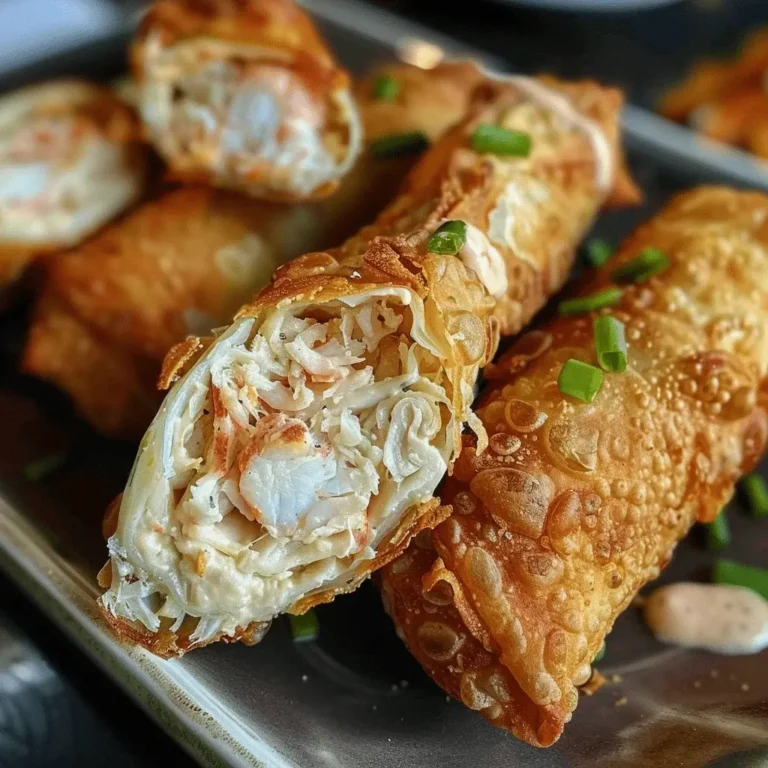
Heritage Braised Lamb Shanks with Red Wine Sauce
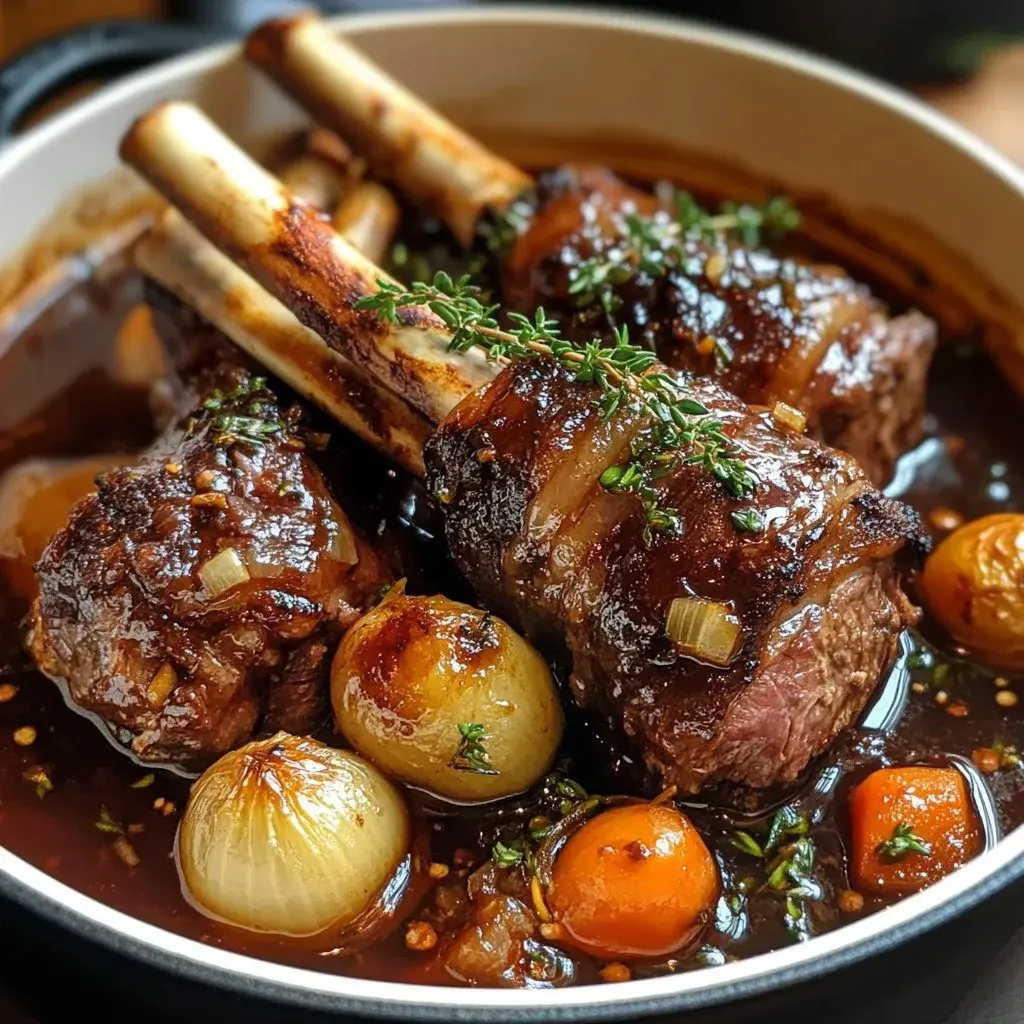
Table of Contents
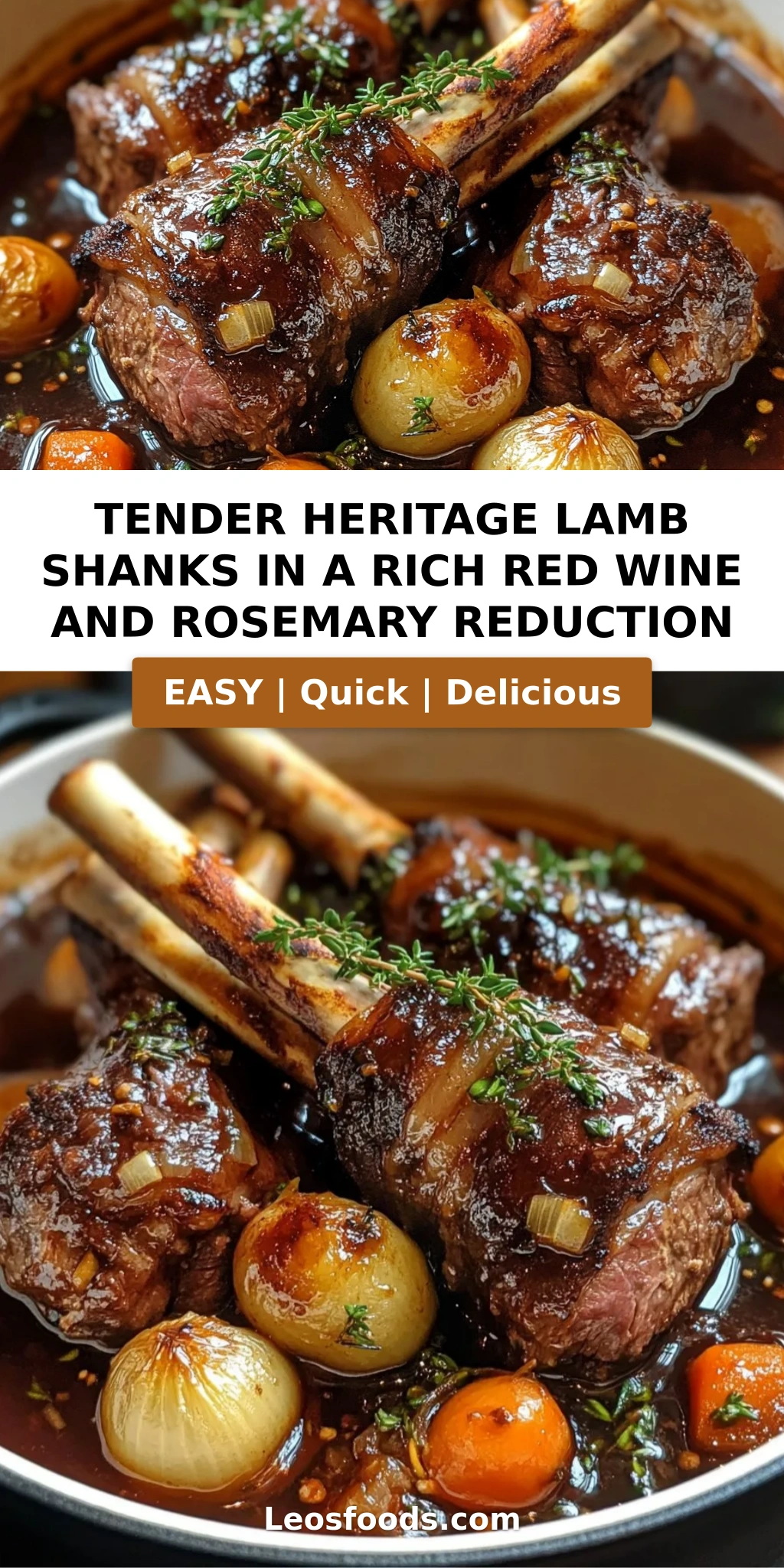
Tender Heritage Lamb Shanks in a Rich Red Wine and Rosemary Reduction – A Braised Masterpiece
I still remember the first time I made braised lamb shanks in my tiny Paris apartment during culinary school. The scent of red wine and rosemary filled every corner, and my neighbor — an elderly French woman named Madame Dubois — knocked on my door to ask what on earth smelled so glorious. That moment, standing in a cramped kitchen with a steaming Dutch oven, I knew this dish would follow me everywhere. Now, in my New York City home, these tender lamb shanks in a rich red wine and rosemary reduction are the meal I turn to when I want to feel connected to both my French training and my Moroccan roots. This red wine lamb shanks recipe is the one that converts even the most timid home cook into a confident braising enthusiast.
Picture this: a lamb shank so impossibly tender that the meat slips from the bone with the gentlest nudge of your fork, bathed in a deeply savory, ruby-red sauce that tastes of hours of patient simmering. The rosemary lends an earthy, piney fragrance that cuts through the richness of the lamb, while the wine — reduced to a silky, almost velvety consistency — wraps every bite in layers of complexity. There is a moment, about two hours into the braise, when your kitchen starts to smell less like dinner and more like comfort itself. That is the magic of these heritage lamb shanks: they ask for your patience and return it tenfold in flavor.
What sets my version apart is the way I marry classic French braising technique with a whisper of North African warmth — a pinch of cinnamon and a touch of honey in the reduction that deepens the wine’s fruitiness without announcing itself. I learned this trick from my mother’s kitchen in Morocco, where lamb is always treated with reverence and a little sweetness. In this post, I will walk you through every step, share the one pro tip that guarantees fork-tender results every time, and point out the most common mistake that keeps home cooks from achieving that restaurant-quality finish. Whether you are making this for a Sunday supper or a holiday centerpiece, you are in good hands.
Why This Braised Lamb Shanks Recipe Is the Best
The flavor secret lies in the double-layered approach to seasoning. Most red wine lamb shanks recipes stop at salt, pepper, and rosemary. I take it further by dry-brining the lamb shanks overnight with salt, cracked black pepper, and a touch of garlic powder — a technique I picked up at Le Cordon Bleu in Paris. This draws out moisture, then reabsorbs it with seasoning deep into the meat. The result is lamb that is seasoned from the inside out, not just on the surface. The red wine reduction then builds on that foundation with caramelized mirepoix, fresh rosemary, and that tiny hint of honey and cinnamon that nods to my Moroccan heritage.
The texture is where years of professional sauce work come into play. Braising is not just about cooking low and slow — it is about managing the liquid level and temperature so the collagen breaks down without the meat drying out. I keep the liquid at a gentle simmer, not a boil, and I check the shanks at the two-and-a-half-hour mark by probing with a paring knife. When it slides in like warm butter, they are ready. The sauce gets a final reduction on the stovetop, sometimes with a pat of butter whisked in at the end for gloss and body — a classic French monté au beurre that elevates the whole dish.
This recipe is also wonderfully foolproof for beginners. You do not need advanced knife skills or a dozen specialty pans — just a good Dutch oven, a wooden spoon, and three hours of your time (most of which is hands-off oven time). I have taught this exact method to friends who had never braised anything before, and every single one of them pulled off a dinner that looked and tasted like it came from a bistro. If you can brown meat and chop vegetables, you can make these tender lamb shanks. And I promise you, the payoff is enormous.
Braised Lamb Shanks Ingredients
I pick up my lamb shanks from the Union Square Greenmarket in NYC, where the heritage breed farmers know exactly how to cut them. There is something special about buying meat from a person who can tell you what the animal ate — it reminds me of the souk in Marrakech, where the butcher would always set aside the best pieces for my mother. For this rosemary lamb shanks recipe, quality ingredients make a real difference, so let me walk you through what to look for.
Ingredients List
- 4 lamb shanks (about 1 lb each, preferably heritage breed)
- 2 tablespoons olive oil
- 1 teaspoon salt
- 1 teaspoon black pepper
- 1 large onion, diced
- 2 carrots, chopped
- 2 celery stalks, chopped
- 4 cloves garlic, minced
- 2 tablespoons fresh rosemary, chopped (plus 3 whole sprigs for braising)
- 2 cups dry red wine (I use a Côtes du Rhône or a bold Cabernet Sauvignon)
- 2 cups beef or lamb stock, preferably low-sodium
- 1 tablespoon tomato paste
- 1 teaspoon honey (optional, but recommended for depth)
- ½ teaspoon ground cinnamon (optional, my Moroccan touch)
- 2 bay leaves
- Fresh parsley, chopped, for garnish
Ingredient Spotlight
Lamb Shanks: The star of the show. Look for shanks that are meaty with a good fat cap — the fat renders during braising and keeps the meat moist. Heritage breeds like Katahdin or Dorper have superior flavor and texture. If you cannot find heritage, regular domestic lamb shanks work beautifully; just look for pinkish-red meat with creamy white fat. Avoid shanks that look brown or have an overly strong gamey smell.
Red Wine: This is not the place for cooking wine or anything labeled “cooking sherry.” Use a dry red wine that you would happily drink — the wine’s flavor concentrates as it reduces, so quality matters. A Côtes du Rhône, a Malbec, or a bold Cabernet Sauvignon all work beautifully. If you prefer something lighter, a Pinot Noir will yield a more delicate sauce. Never use sweet wine; the sugar will throw the balance off and make the sauce cloying.
Fresh Rosemary: Dried rosemary has its place, but not here. Fresh rosemary offers a bright, piney, almost citrusy note that stands up to the long braise without becoming bitter. I add it twice — once chopped in the mirepoix and once as whole sprigs during the braise. The sprigs infuse the liquid and are easy to remove before serving. If you must substitute, use half the amount of dried rosemary and add it with the stock rather than during the initial sauté.
| Original Ingredient | Best Substitution | Flavor / Texture Impact |
|---|---|---|
| Lamb shanks | Beef short ribs or osso buco | Richer, beefier flavor; slightly different texture but equally tender |
| Red wine | Dry white wine + 1 tbsp balsamic vinegar | Lighter sauce, less depth; vinegar mimics wine’s acidity |
| Fresh rosemary | Dried rosemary (use half) or fresh thyme | Less bright, more earthy; thyme offers a different herbal note |
| Beef/lamb stock | Chicken stock + 1 tsp soy sauce | Lighter body; soy sauce adds umami to compensate |
How to Make Tender Lamb Shanks — Step-by-Step
Trust me when I say that this process is more soothing than stressful. Once the shanks are in the oven, you have hours to relax, set the table, or pour yourself a glass of that same red wine. Let us walk through each step together.
Step 1: Season and Sear the Lamb
Preheat your oven to 325°F (165°C). Pat the lamb shanks dry with paper towels — this is crucial for a good sear. Season them generously on all sides with salt and pepper. Heat the olive oil in a large Dutch oven over medium-high heat until it shimmers. Working in batches if needed, brown the shanks for about 4 minutes per side, until they are deep mahogany brown. Do not rush this step; the fond (those browned bits on the bottom of the pot) is pure flavor. Remove the shanks and set them aside on a plate.
💡 Stella’s Pro Tip: For the deepest color, pat the shanks dry and let them sit uncovered in the fridge for 30 minutes before searing. Dryer surface = better browning.
Step 2: Sauté the Aromatics
Reduce the heat to medium. In the same pot, add the diced onion, chopped carrots, and chopped celery. Sauté for about 5 minutes, stirring occasionally, until the vegetables soften and begin to brown around the edges. Add the minced garlic, the chopped rosemary, and — if using — the ground cinnamon. Cook for 1 minute more until fragrant. The cinnamon is optional, but it adds a warm, almost sweet undertone that plays beautifully with the wine.
⚠️ Common Mistake to Avoid: Do not let the garlic burn. Burnt garlic turns bitter and will ruin the sauce. If the pot is too hot, add a splash of stock to cool it down.
Step 3: Deglaze with Red Wine
Pour in the red wine and increase the heat to high. Use a wooden spoon to scrape up all the browned bits from the bottom of the pot — that is pure flavor gold. Let the wine come to a vigorous simmer and reduce by about half, which should take 3 to 4 minutes. Stir in the tomato paste until it dissolves completely, then add the honey if using. The honey rounds out the wine’s acidity and adds a subtle gloss to the finished sauce.
💡 Stella’s Pro Tip: Swirl the pot instead of stirring to deglaze more evenly. The motion helps the wine reach every corner without splashing.
Step 4: Braise to Perfection
Return the lamb shanks to the pot, nestling them into the vegetable mixture. Add enough beef or lamb stock to come about halfway up the shanks — not fully submerged, as the exposed tops will caramelize beautifully. Tuck in the whole rosemary sprigs and the bay leaves. Bring the liquid to a gentle simmer on the stovetop, then cover the pot and transfer it to the preheated oven. Braise for 2.5 to 3 hours, turning the shanks once halfway through, until the meat is fall-apart tender and pulls away from the bone with a fork.
⚠️ Common Mistake to Avoid: Do not let the liquid boil. A gentle simmer is key — boiling toughens the meat and clouds the sauce. The oven environment should be calm, with just an occasional bubble breaking the surface.
Step 5: Finish and Serve
Carefully remove the lamb shanks from the pot and set them on a warm platter, covering loosely with foil. Strain the braising liquid through a fine-mesh sieve into a saucepan, pressing on the solids to extract every drop. Discard the solids. Bring the sauce to a simmer on the stovetop and let it reduce for 5 to 8 minutes, until it thickens to a nappe consistency — thick enough to coat the back of a spoon. Taste and adjust seasoning with salt and pepper. Spoon the sauce over the lamb shanks and garnish with fresh parsley.
💡 Stella’s Pro Tip: For an ultra-glossy sauce, whisk in 1 tablespoon of cold butter off the heat just before serving. This French finishing technique — monter au beurre — gives the sauce a restaurant-quality sheen and silky mouthfeel.
| Step | Action | Duration | Key Visual Cue |
|---|---|---|---|
| 1 | Season & sear lamb | 8-10 min | Deep mahogany brown crust |
| 2 | Sauté aromatics | 5-6 min | Vegetables softened, lightly browned |
| 3 | Deglaze with wine | 3-4 min | Wine reduced by half, fond dissolved |
| 4 | Braise in oven | 2.5-3 hr | Meat pulls from bone with fork |
| 5 | Reduce sauce & serve | 8-10 min | Sauce coats back of spoon |
Serving & Presentation
I love serving these tender lamb shanks over a bed of creamy polenta or mashed potatoes — both soak up the red wine reduction like a dream. In my NYC apartment, I often plate each shank on a wide, shallow bowl, spoon the sauce generously over the top, and finish with a sprinkle of fresh parsley and a few flakes of flaky sea salt. The contrast of the dark, glossy sauce against the pale polenta is absolutely stunning. For a Moroccan twist, serve it alongside a fluffy couscous studded with dried apricots and toasted almonds — a nod to the markets of Marrakech that always makes me smile.
When it comes to wine pairing, I pour the same bottle I used for cooking — a Côtes du Rhône or a rich Syrah. The fruit-forward, slightly peppery notes mirror the sauce beautifully. For a non-alcoholic option, a pomegranate-ginger spritzer with fresh mint cuts through the richness and cleanses the palate between bites. And do not forget the bread — a crusty baguette or sourdough is essential for swiping up every last drop of that velvety sauce. In our house, we actually fight over the bread more than the lamb!
| Pairing Type | Suggestions | Why It Works |
|---|---|---|
| Side Dish | Creamy polenta, mashed potatoes, or couscous | Absorbs the sauce and balances richness |
| Sauce / Dip | Extra reduced red wine sauce, harissa yogurt | Adds heat or tang to cut through fat |
| Beverage | Côtes du Rhône, Syrah, or pomegranate spritzer | Fruit and acidity mirror the wine in the sauce |
| Garnish | Fresh parsley, flaky sea salt, lemon zest | Brightens and lifts the final dish |
Make-Ahead, Storage & Reheating
These heritage lamb shanks are actually better the next day — the flavors meld and deepen overnight, much like a good stew. In my busy NYC life, I often make them on a Sunday and serve them on Monday for guests with zero last-minute stress. The sauce will thicken as it sits, so you may want to add a splash of stock or water when reheating to restore the perfect consistency.
| Method | Container | Duration | Reheating Tip |
|---|---|---|---|
| Refrigerator | Airtight container with sauce | Up to 4 days | Reheat gently in a covered pot at 325°F for 20-25 min |
| Freezer | Freezer-safe container, shanks submerged in sauce | Up to 3 months | Thaw overnight in fridge, then reheat covered at 325°F |
| Make-Ahead | Braise completely, cool in pot | 2 days in advance | Reheat with ¼ cup stock to loosen sauce, then reduce |
I always recommend reheating the lamb shanks in their sauce, covered, in a low oven rather than the microwave. The gentle heat keeps the meat moist and allows the collagen to relax again. If the sauce looks separated after thawing, whisk in a tablespoon of cold butter or a splash of cream to bring it back together. One more thing — never reheat lamb shanks on high heat; you will undo all that patient braising work in minutes.
Variations & Easy Swaps
Over the years, I have played with this red wine lamb shanks recipe in every direction imaginable — from my mother’s North African spice blends to the farmers market ingredients I find on Saturday mornings in Brooklyn. Here are three of my favorite variations, each one tested and tweaked until it sang.
| Variation | Key Change | Best For | Difficulty Impact |
|---|---|---|---|
| Moroccan Spiced | Add ras el hanout, saffron, preserved lemon | Exotic dinner party flavor | Easy (swap spices only) |
| Gluten-Free & Dairy-Free | Use certified GF stock, skip butter finish | Dietary restrictions | No change |
| Herb-Forward Spring | Add lemon zest, fresh thyme, tarragon | Lighter, brighter seasonal meal | Easy (herb swap only) |
Moroccan Spiced Lamb Shanks
This version is my love letter to my mother’s kitchen. Add 2 teaspoons of ras el hanout and a pinch of saffron threads to the mirepoix along with the garlic. Replace the honey with a tablespoon of apricot preserves and add a strip of preserved lemon peel (rinsed) to the braising liquid. The resulting sauce is fragrant, complex, and faintly sweet — serve it over couscous with toasted almonds and cilantro. It is the dish I make when I am feeling homesick for Morocco, and it never fails to transport me.
Gluten-Free & Dairy-Free Version
This recipe is naturally gluten-free and dairy-free as written — just double-check that your stock is certified gluten-free (some brands add hidden wheat). Skip the optional butter finish and instead thicken the sauce by simmering it a few extra minutes. If you want that silky texture without dairy, whisk in a tablespoon of almond butter or tahini off the heat — it adds richness and a subtle nuttiness that pairs beautifully with lamb. I tested this version for a friend with celiac disease and she said it was the best lamb shank she had ever eaten.
Herb-Forward Spring Variation
When spring hits the NYC farmers market, I swap out some of the rosemary for a bouquet garni of fresh thyme, tarragon, and parsley stems. Add the zest of one lemon to the mirepoix and finish the sauce with a squeeze of lemon juice and a handful of chopped fresh mint. The result is a much brighter, more delicate sauce that feels perfect for Easter or a spring dinner party. Serve it with roasted baby potatoes and a simple arugula salad — the peppery greens cut through the richness beautifully.
Share Your Version!
I hope this guide has given you everything you need to make the most tender, flavorful braised lamb shanks of your life. There is something deeply satisfying about pulling a perfectly braised shank from the oven — the aroma, the tenderness, the way the sauce clings to every surface — and I would love to hear about your experience. Did you try the Moroccan spice twist? Did your family go back for seconds? Drop a comment below and let me know how it turned out.
If you snap a photo of your creation, tag me on Instagram or Pinterest @stellarecipeblog — I love seeing your kitchen victories. And if you have a question about a substitution or technique, ask away in the comments; I read every single one and answer as quickly as I can. Your feedback helps me create better recipes for all of us. From my NYC kitchen to yours — I hope this recipe brings as much warmth to your table as it does to mine. — Stella 🧡
What is the best way to tenderize lamb shanks before braising them in red wine?
The best way to tenderize lamb shanks before braising is to dry-brine them overnight. Pat the shanks dry, season generously with salt and pepper, and let them rest uncovered in the refrigerator for 8 to 24 hours. The salt draws out moisture, then reabsorbs it along with the seasoning deep into the meat, resulting in more flavorful and tender lamb. You can also marinate them in red wine, rosemary, and garlic for 4 to 6 hours, but do not exceed 8 hours as the acid in the wine can start to break down the meat fibers too much, making it mushy. A quick 30-minute dry brine at room temperature before searing also helps if you are short on time.
Can I use a different type of wine or broth instead of red wine for this lamb shank recipe?
Yes, you can substitute the red wine, but the flavor profile will change. For a lighter sauce, use dry white wine plus 1 tablespoon of balsamic vinegar to mimic the acidity of red wine. For a non-alcoholic version, use equal parts pomegranate juice and beef stock — the pomegranate adds fruitiness and depth, though the sauce will be slightly sweeter. If you simply want to skip the wine entirely, increase the stock to 3 cups and add 2 tablespoons of tomato paste and 1 teaspoon of balsamic vinegar for complexity. Keep in mind that the wine’s tannins and fruitiness are what give the classic red wine lamb shanks recipe its signature depth, so any substitution will change the final character.
How long should I braise lamb shanks to achieve a fork-tender texture in a red wine reduction?
For fork-tender lamb shanks, braise them at 325°F (165°C) for 2.5 to 3 hours. The exact time depends on the size and thickness of the shanks — larger ones may need up to 3.5 hours. Start checking at the 2-hour mark by inserting a paring knife into the thickest part; it should slide in with almost no resistance. If the meat resists, let it braise another 30 minutes and check again. The liquid should be at a gentle simmer, not a boil — boiling can make the meat tough even after hours of cooking. I always tell my readers: when the meat is so tender it starts to pull away from the bone on its own, you have nailed it.
What are the best side dishes to serve with tender lamb shanks in a rich rosemary red wine sauce?
The best side dishes for tender lamb shanks in a rich rosemary red wine sauce are ones that soak up all that glorious sauce. Creamy polenta is my top pick — its buttery, corn-forward flavor balances the wine’s acidity beautifully. Mashed potatoes or a silky potato purée come in a close second. For a lighter option, serve the shanks over fluffy couscous or quinoa, which catch the sauce in every grain. I also love roasted root vegetables — carrots, parsnips, and shallots tossed in olive oil and roasted alongside the lamb — or a simple green salad with lemon vinaigrette to cut the richness. Crusty bread is non-negotiable for wiping the plate clean.
Can I make this red wine lamb shanks recipe in a slow cooker or Instant Pot?
Yes, you can adapt this recipe for both a slow cooker and an Instant Pot. For the slow cooker: sear the lamb and sauté the vegetables on the stovetop, then transfer everything to the slow cooker with the wine, stock, and rosemary. Cook on low for 7 to 8 hours or on high for 4 to 5 hours. For the Instant Pot: use the sauté function to brown the lamb and vegetables, then deglaze with wine. Add the stock and rosemary, seal the lid, and cook on high pressure for 45 to 50 minutes, followed by a natural release of 15 minutes. Note that the sauce will be thinner from pressure cooking, so you will need to simmer it on the stovetop to reduce it after cooking.
How do I prevent the sauce from being too thin or too watery after braising?
To prevent a thin sauce, start with the right liquid ratio — use enough stock to come only halfway up the lamb shanks, not fully submerge them. The exposed tops will caramelize and the liquid will concentrate naturally during braising. After removing the shanks, strain the sauce and simmer it on the stovetop uncovered for 5 to 10 minutes to reduce it. If the sauce is still thin, whisk in a slurry of 1 teaspoon cornstarch mixed with 2 tablespoons cold water and simmer for 2 minutes. Avoid adding too much stock at the start — you can always add more later, but you cannot take it out. A properly reduced sauce should coat the back of a spoon.
Can I use frozen lamb shanks for this recipe, and do I need to thaw them first?
Yes, you can use frozen lamb shanks, but I strongly recommend thawing them completely in the refrigerator for 24 to 48 hours before cooking. Braising from frozen is not ideal because the exterior will overcook while the interior remains undercooked, and you will not be able to sear them properly — a dry, well-browned sear is essential for deep flavor. If you are in a hurry, thaw the shanks in a sealed bag submerged in cold water, changing the water every 30 minutes. Once thawed, pat them very dry with paper towels before seasoning and searing. Never use warm or hot water to thaw meat, as it can promote bacterial growth.
What is the difference between heritage lamb and regular lamb, and why does it matter for braising?
Heritage lamb comes from traditional, often rare breeds that are raised on pasture with a natural diet, resulting in meat that is more flavorful, nuanced, and better marbled than conventional lamb. Breeds like Katahdin, Dorper, and Icelandic are examples. For braising, heritage lamb has a superior fat-to-meat ratio that breaks down during the long cook, keeping the meat moist and infusing the sauce with deeper flavor. Regular lamb — typically from commercial breeds raised on grain — is still perfectly fine for this recipe, but it may be slightly less complex in flavor. If you can find heritage lamb at a farmers market or specialty butcher, it is worth the splurge for a special occasion.
Can I add vegetables like potatoes or mushrooms directly to the braising pot?
You can, but I recommend cooking them separately for the best texture. Adding potatoes to the braising liquid will cause them to absorb a lot of the wine and stock, becoming dense and overly winey, while mushrooms can release too much liquid and thin out the sauce. Instead, roast quartered potatoes and mushrooms tossed in olive oil, salt, and rosemary in a separate pan at 400°F for 35 to 40 minutes, then serve them alongside the lamb. If you want to include vegetables in the pot, add hearty options like parsnips or turnips during the last hour of braising — they hold their shape better and will absorb just enough flavor without breaking down.
How do I store and reheat leftover lamb shanks without drying them out?
To store leftover lamb shanks, place them in an airtight container and fully submerge them in the strained sauce. Refrigerate for up to 4 days or freeze for up to 3 months. The key to reheating without drying is low, gentle heat and plenty of sauce. Remove the shanks from the fridge and let them sit at room temperature for 20 minutes. Place them in a covered baking dish with the sauce and a splash of stock or water, then reheat in a 325°F oven for 20 to 25 minutes, until warmed through. Avoid the microwave — it will cook the meat unevenly and toughen the exterior. If using the stovetop, simmer the shanks gently in the sauce over low heat, covered, for about 15 minutes, turning once.
Love This Recipe? Save It to Pinterest!
If you enjoyed this Tender Heritage Lamb Shanks in a Rich Red Wine and Rosemary Reduction recipe, don’t let it get lost in your browser tabs! 😄 Pin it now so you can find it again anytime — and explore hundreds more tried-and-tested recipes waiting for you on my Pinterest boards.
👉 Follow Stella on Pinterest @stellarecipeblog
📌 Pin this recipe · 🔁 Re-pin your favorites · 💬 Tag me when you make it — I love seeing your creations!
Did you make this recipe? I would love to hear how your tender lamb shanks turned out! Leave a comment below, share a photo on Instagram, or save it to your Pinterest board. Every review and tag means the world to me. Happy cooking! — Stella 🧡
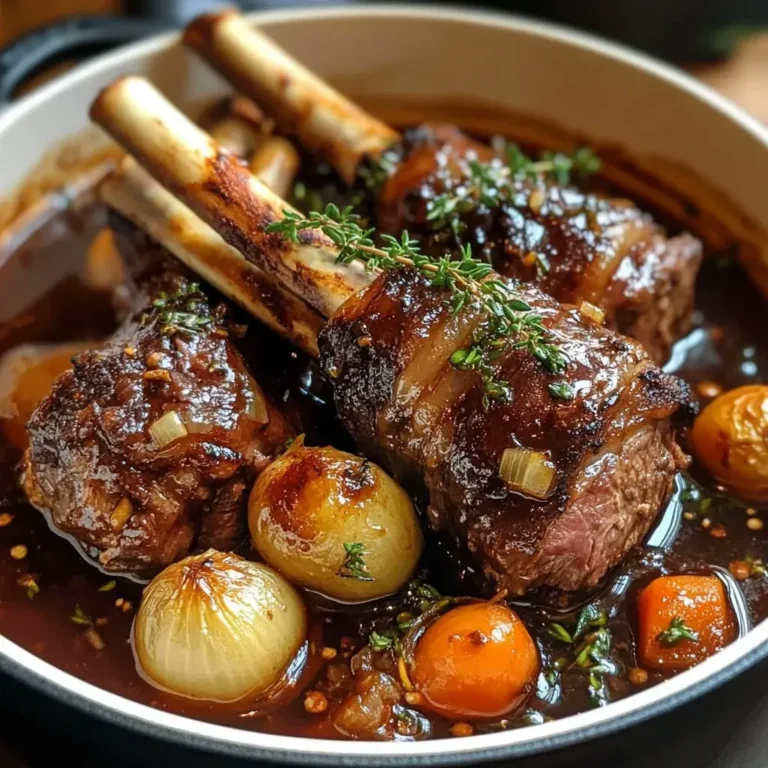
Tender Heritage Lamb Shanks in a Rich Red Wine and Rosemary Reduction
Tender braised lamb shanks slowly cooked in a rich red wine and rosemary reduction until fall-off-the-bone tender.
- Total Time: 3 hours 20 minutes
- Yield: 4 1x
Ingredients
- 4 lamb shanks
- 2 tablespoons olive oil
- 1 teaspoon salt
- 1 teaspoon black pepper
- 1 large onion, diced
- 2 carrots, chopped
- 2 celery stalks, chopped
Instructions
- Preheat oven to 325°F (165°C).
- Season lamb shanks with salt and pepper.
- Heat olive oil in a large Dutch oven over medium-high heat. Brown lamb shanks on all sides, about 4 minutes per side. Remove and set aside.
- In the same pot, sauté onion, carrots, and celery until softened, about 5 minutes.
- Add any additional aromatics (garlic, rosemary) as desired and cook for 1 minute.
- Pour in red wine and scrape up any browned bits from the bottom. Bring to a simmer.
- Return lamb shanks to the pot. Add enough beef or lamb stock to come halfway up the shanks. Add fresh rosemary sprigs.
- Cover and braise in the oven for 2.5 to 3 hours, until meat is very tender.
- Remove lamb shanks and keep warm. Strain the sauce if desired, and simmer on the stovetop to reduce until thickened.
- Serve lamb shanks with the sauce spooned over.
- Prep Time: 20 minutes
- Cook Time: 3 hours
- Method: Main Course
- Cuisine: French
Nutrition
- Calories: 580
- Sugar: 6g
- Fat: 32g
- Carbohydrates: 12g
- Protein: 48g
Tried This Recipe? Leave a Comment!
Did you make this recipe? I’d love to hear how it turned out! Please leave a comment and a rating below. Your feedback helps other home cooks and supports cheerychop.com!
For more delicious inspiration, follow me on Pinterest!