Crispy Fried Red Snapper with Creamy Shrimp Grits
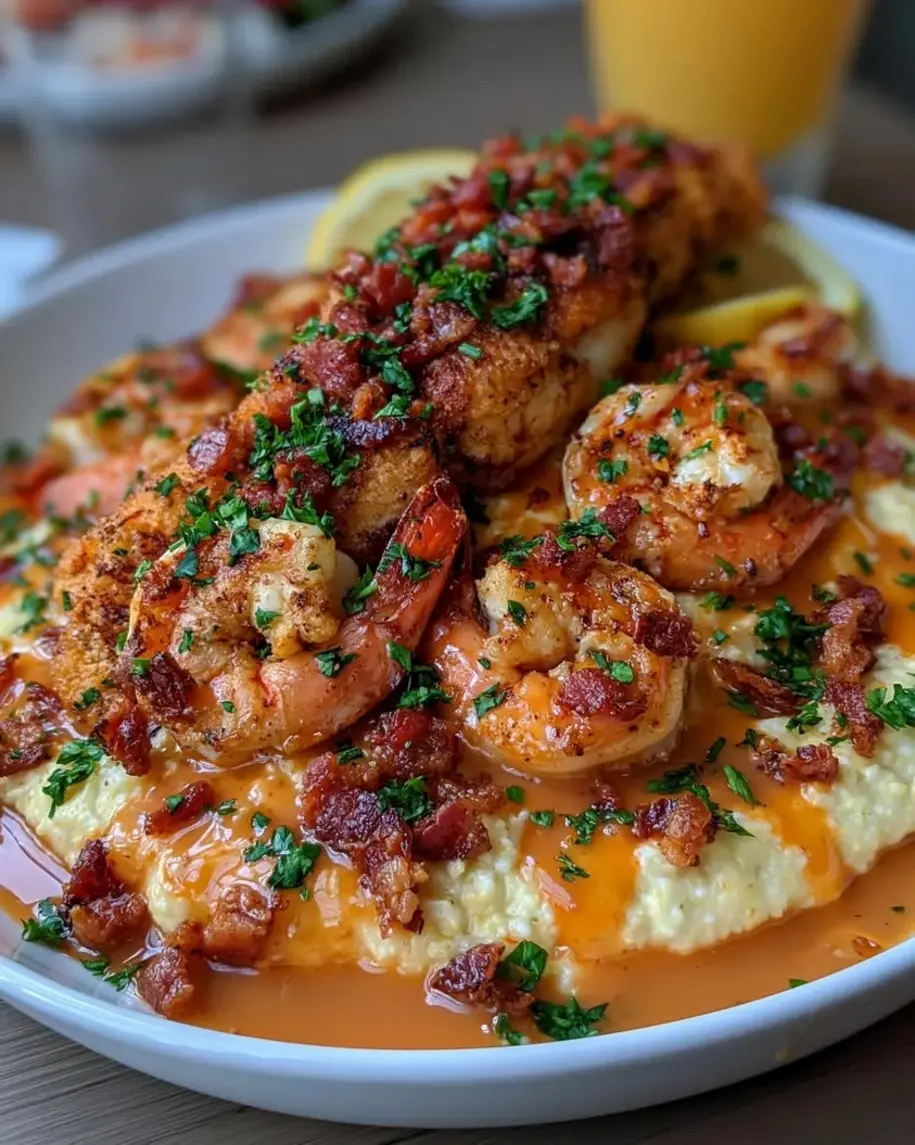
Table of Contents
Crispy Fried Red Snapper & Seared Shrimp Grits – A Decadent Southern Feast with a Cajun Butter Drip
I still remember the first time I tasted a truly great bowl of shrimp and grits — it was at a tiny Southern spot in Harlem, and that peppery, buttery broth hit me like a wave of pure comfort. Growing up in Morocco, my mother would make saffron-scented fish tagines and serve them over fluffy couscous, but there was always something about the way American Southern cooking combined bold spices with creamy grains that felt like a second home. This Cajun fried red snapper recipe paired with seared shrimp and velvety cheese grits is my love letter to that crossroads — a dish where my French culinary training meets the soul of the South, all crowned with a thick, orange-red Cajun butter sauce that you will want to drink with a spoon.
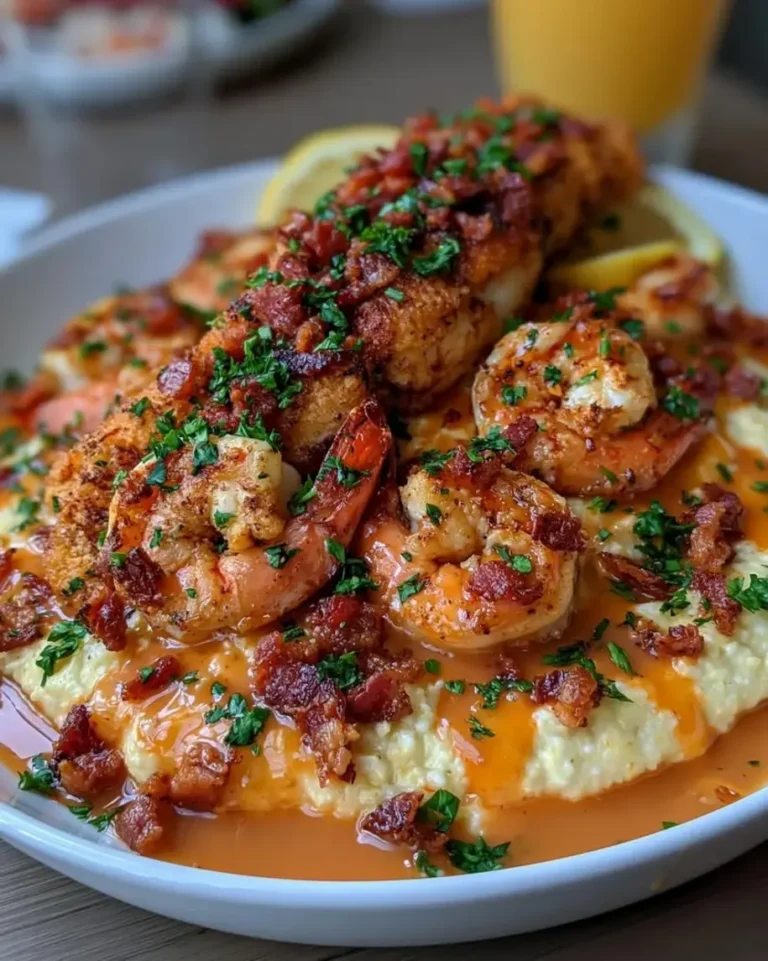
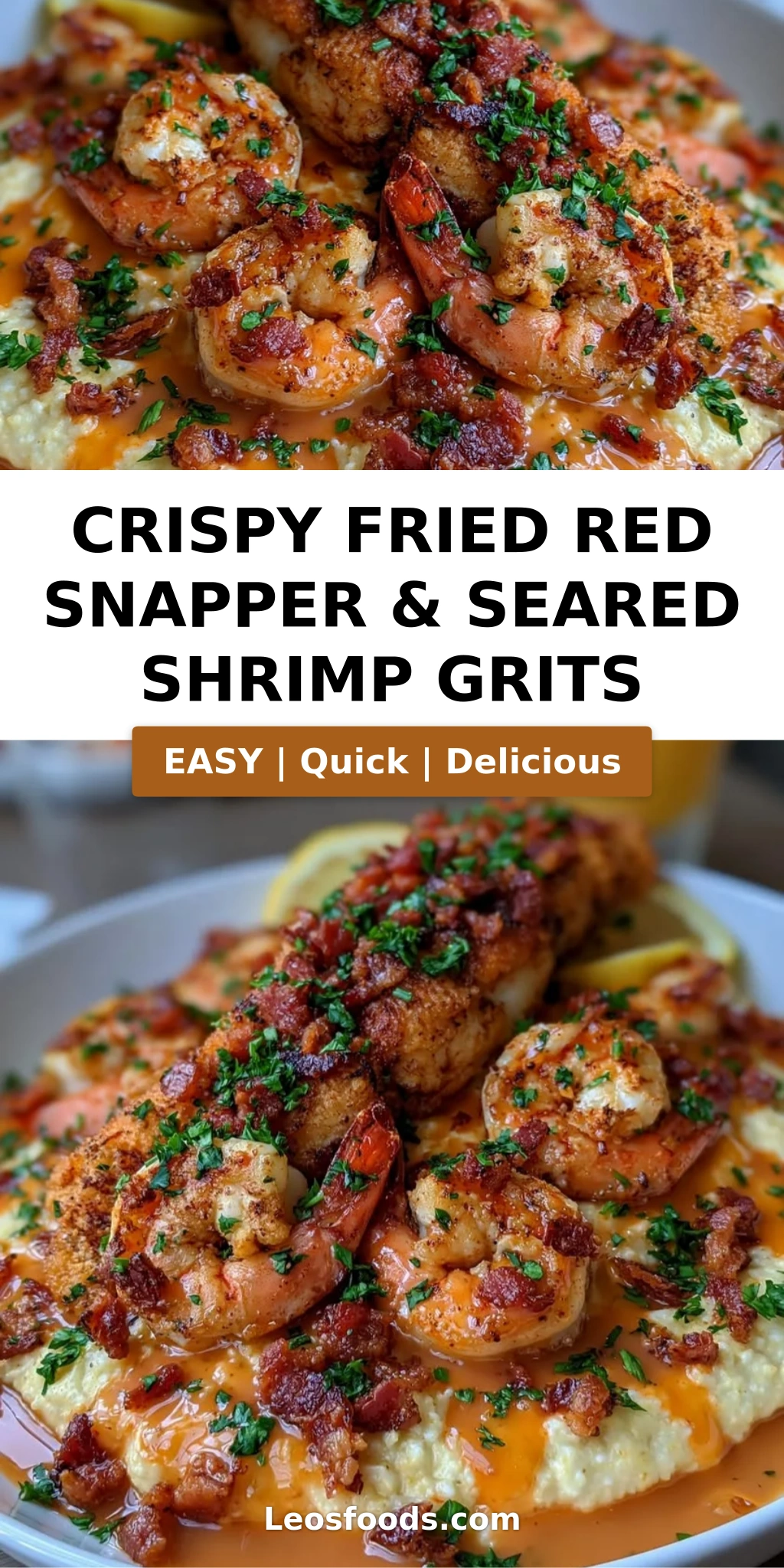
Imagine this: a golden-brown red snapper fillet with a shatteringly crisp cornmeal crust, resting on a bed of creamy, sharp cheddar grits. Around it, plump seared shrimp curl into pink crescents, and crispy bacon bits scatter like little treasures over everything. Then comes the pièce de résistance — a glossy, paprika-tinged Cajun butter sauce that you pour right from the pan, letting it pool and drip over the fish and grits in thick, orange-red rivulets. The first forkful gives you crunch, creaminess, briny sweetness from the shrimp, and a slow, warming heat that lingers on your tongue. It is the kind of meal that makes you close your eyes and forget the world for a minute.
What sets my version apart from other shrimp and grits recipes is the dual-texture approach — I fry the snapper in a buttermilk-cornmeal coating for that irresistible crunch, while the grits get finished with heavy cream and freshly grated cheddar for a richness that balances the Cajun spice. I trained in Paris under chefs who drilled me on sauce work, and that thick butter drip in this recipe is a direct result of those years — it is not just a drizzle, it is a bold, emulsified finish that ties every component together. Whether you are new to crispy fried fish and grits or a seasoned Southern seafood lover, I promise this recipe will become a staple. And yes, I have tested it with frozen shrimp and a low-carb swap — I have got you covered.
Why This Crispy Fried Red Snapper & Seared Shrimp Grits Recipe Is the Best
The Flavor Secret: Most creamy cheese grits with shrimp recipes rely on a single layer of heat, but I build mine in stages. The Cajun seasoning does double duty — it flavors the snapper’s coating and the shrimp, while a final hit of smoked paprika in the butter sauce gives that signature orange-red color and a subtle smokiness that echoes the bacon. This layered spicing is something I learned from my mother’s tagine cooking, where every spice gets added at a different moment to build depth. Here, the result is a dish that tastes complex without being complicated.
Perfected Texture: The trick to getting that ultra-crispy fish crust is a buttermilk soak followed by a coarse cornmeal-and-flour blend. I fry at exactly 350°F in a cast-iron skillet, which gives you a crust that stays crunchy even under the sauce — no sogginess, no falling apart. The grits, meanwhile, are stone-ground and simmered with heavy cream until they are silky, then finished with cheddar and butter for that restaurant-quality mouthfeel. This attention to texture is why my crispy fried fish and grits stands out from the rest.
Foolproof & Fast: Despite the impressive presentation, this dish comes together in 40 minutes flat. I have streamlined the process so the grits simmer while you prepare the fish, and the sauce builds in the same pan you sear the shrimp in — fewer dishes, more flavor. Whether you are cooking for a Sunday brunch or a weeknight dinner that feels special, every step is designed to build confidence, even if you have never fried fish before. I have included my best pro tips and common mistakes to watch for, so you can nail this on your very first try.
Cajun Fried Red Snapper Recipe Ingredients
When I shop for this recipe at my local NYC farmers market, I look for bright-eyed snapper with firm flesh and a clean scent of the sea. The shrimp should be plump and preferably wild-caught. For the grits, I insist on stone-ground — they have a toothsome texture and corn flavor that instant grits simply cannot match. Here is everything you will need, organized by component so your prep stays smooth.
Ingredients List
- The Crispy Snapper & Seared Shrimp
- 4 red snapper fillets (about 6 oz each, skin on or off — your preference)
- 1 lb large shrimp, peeled and deveined (tails on or off)
- 1 cup buttermilk
- 1 cup yellow cornmeal (coarse or medium-grind)
- 1/2 cup all-purpose flour
- 3 tbsp Cajun seasoning, divided
- Vegetable oil for frying (about 2 cups for deep frying)
- 1 tbsp olive oil (for searing shrimp)
- The Creamy Cheese Grits
- 1 cup stone-ground grits (or creamy mashed cauliflower for low-carb)
- 2 cups chicken broth
- 2 cups heavy cream
- 1 1/2 cups cheddar cheese, freshly grated (sharp or extra-sharp)
- 2 tbsp unsalted butter
- The Thick Orange-Red Cajun Butter Drip & Garnish
- 4 slices bacon, cooked crisp and crumbled
- 4 tbsp butter (salted or unsalted — adjust salt to taste)
- 2 cloves garlic, minced
- 1/4 cup heavy cream
- 1 tbsp Cajun seasoning
- 1 tsp smoked paprika (for that rich orange-red color)
- Fresh parsley, chopped, for garnish
- Lemon wheels, for serving
Ingredient Spotlight
Red Snapper: This firm, lean white fish has a mild, slightly sweet flavor and a sturdy texture that holds up beautifully to frying. Look for fillets with bright pinkish-red skin, firm flesh that springs back when pressed, and no “fishy” odor. If you cannot find snapper, see the substitution table below — I have tested several alternatives.
Stone-Ground Grits: Unlike instant or quick grits, stone-ground grits retain the corn germ and hull, giving them a nutty, robust corn flavor and a satisfyingly coarse texture. They take a bit longer to cook (15–20 minutes) but the payoff in creaminess is enormous. I buy mine from a mill in Georgia that ships nationwide, but any brand labeled “stone-ground” works.
Cajun Seasoning: This is the backbone of the dish. A good blend includes paprika, garlic powder, onion powder, cayenne, black pepper, oregano, and thyme. I make my own using a French-inspired ratio so the heat builds slowly without overwhelming the seafood. Store-bought blends work well — just check that the first ingredient is paprika, not salt, so you can control the seasoning yourself.
Smoked Paprika: This is what gives the butter sauce its signature deep orange-red color and a subtle, woodsy smokiness. I use Spanish smoked paprika (dulce or picante depending on my mood) and it makes the sauce look absolutely stunning on camera. Do not substitute with regular paprika — the color will be pale and the flavor flat.
Heavy Cream: Used in both the grits and the butter sauce, heavy cream adds a luxurious richness that milk or half-and-half cannot replicate. For the grits, it makes them velvety without being gluey. For the sauce, it helps the butter emulsify into a thick, glossy drip that clings to the fish and shrimp.
| Original Ingredient | Best Substitution | Flavor / Texture Impact |
|---|---|---|
| Red snapper | Grouper, sea bass, or catfish | Similar firmness; catfish is slightly richer |
| Stone-ground grits | Mashed cauliflower (low-carb) or polenta | Cauliflower is lighter; polenta is similar but finer |
| Heavy cream | Full-fat coconut milk (dairy-free) or half-and-half | Coconut milk adds sweetness; half-and-half is less rich |
| Cajun seasoning | Homemade blend of paprika + cayenne + garlic powder + oregano + thyme | Fully customizable heat and salt level |
| Cheddar cheese | Monterey Jack, pepper Jack, or Gouda | Jack is milder; pepper Jack adds heat; Gouda is smoky |
How to Make Crispy Fried Red Snapper & Seared Shrimp Grits — Step-by-Step
Making this southern seafood recipes masterpiece at home is easier than you think. I have broken it into five straightforward steps that flow from one to the next, so by the time your grits are ready, your fish is crispy and your sauce is glistening. Let us get cooking.
Step 1: Cook the Grits
In a medium saucepan, bring 2 cups of chicken broth and 2 cups of heavy cream to a gentle boil over medium-high heat. Slowly whisk in 1 cup of stone-ground grits — add them in a steady stream while whisking constantly to prevent lumps. Reduce the heat to low, cover the pot, and let the grits simmer for 15 to 20 minutes, stirring every 4 to 5 minutes, until they are perfectly tender and have absorbed most of the liquid. Remove from the heat and stir in 1 1/2 cups of freshly grated cheddar cheese and 2 tablespoons of unsalted butter until completely smooth, rich, and velvety. Season with a pinch of salt and black pepper to taste. Cover and keep warm while you prepare the fish and shrimp.
💡 Stella’s Pro Tip: For the smoothest grits, soak the stone-ground grits in cold water for 10 minutes before cooking, then drain. This softens the outer bran layer and cuts the cooking time by about 5 minutes. I learned this trick from a chef in Savannah who swore by it, and it really does make a difference in creaminess.
Step 2: Fry the Snapper
Submerge 4 red snapper fillets completely in 1 cup of buttermilk in a shallow dish. Let them sit for 5 minutes while you prepare the coating. In a separate wide bowl, whisk together 1 cup of yellow cornmeal, 1/2 cup of all-purpose flour, and 2 tablespoons of Cajun seasoning. One by one, lift the fillets from the buttermilk, letting the excess drip off, then dredge them heavily in the dry mixture, pressing gently so the coating adheres on all sides. Heat about 2 inches of vegetable oil in a large cast-iron skillet to 350°F (175°C) — use a thermometer for accuracy. Carefully lay the coated fillets in the hot oil and fry for 4 to 5 minutes per side, until the crust is deep golden brown and the fish flakes easily with a fork. Transfer to a wire rack set over a baking sheet to drain. Do not place them on paper towels — the steam will soften the crust.
⚠️ Common Mistake to Avoid: Overcrowding the skillet. Fry only 2 fillets at a time in a 12-inch skillet. If you crowd the pan, the oil temperature drops and the coating absorbs oil instead of crisping up. Patience here is everything — I promise the extra few minutes are worth the crunch.
Step 3: Sear the Shrimp
Toss 1 lb of peeled and deveined large shrimp with the remaining 1 tablespoon of Cajun seasoning until evenly coated. In a separate skillet (or after carefully wiping out the fish skillet and letting it cool slightly), heat 1 tablespoon of olive oil over medium-high heat until shimmering. Add the shrimp in a single layer and sear for 1 to 2 minutes per side, just until they turn beautifully bright pink and develop a slight char on the edges. Be careful not to overcook — shrimp go from perfectly tender to rubbery in seconds. Remove the shrimp to a plate and set aside.
💡 Stella’s Pro Tip: Pat the shrimp very dry with paper towels before seasoning. Any moisture on the surface creates steam in the pan, which prevents that gorgeous golden-brown sear. Dry shrimp + hot pan = perfect crust every time.
Step 4: Build the Thick Drip
In the same skillet you used for the shrimp (do not wipe it clean — those browned bits are pure flavor!), melt 4 tablespoons of butter over medium heat. Add 2 cloves of minced garlic and sauté for about 30 seconds until fragrant, scraping up the browned bits with a wooden spoon. Heavily whisk in 1/4 cup of heavy cream, 1 tablespoon of Cajun seasoning, and 1 teaspoon of smoked paprika. Let the sauce reduce for about 1 minute, whisking constantly, until it thickens into a rich, glossy, orange-red creamy Cajun butter sauce. Reduce the heat to low and keep it warm while you assemble the plates. Taste and adjust salt if needed — depending on your Cajun blend, you may want a pinch more.
⚠️ Common Mistake to Avoid: Boiling the cream too aggressively after adding it. Keep the heat at medium or medium-low once the cream goes in, and whisk steadily. High heat can cause the cream to separate or curdle, and you will lose that beautiful glossy texture. A gentle simmer is all you need for it to thicken.
Step 5: Assemble and Drip
Spoon a generous bed of the hot creamy cheese grits onto a large serving plate or into a shallow bowl. Arrange the seared bright pink shrimp around the grits in a ring, then rest a massive crispy fried red snapper fillet right on top of the grits. Heavily sprinkle the entire plate with the crumbled crispy bacon bits — do not hold back, you want bacon in every bite. Now for the grand finale: flood the bowl completely with the thick orange-red Cajun butter sauce, pouring it straight from the pan over the fish, shrimp, and grits. Garnish with fresh chopped parsley and a lemon wheel on the side. Serve immediately while the fish is still audibly crispy and the grits are steaming hot.
💡 Stella’s Pro Tip: For the most dramatic presentation, pour the sauce from a height of about 6 inches above the plate — it creates a beautiful splatter effect that looks incredible in photos and makes every bite feel intentional. I also like to add a tiny extra sprinkle of smoked paprika on top of the sauce just before serving for that final pop of color.
| Step | Action | Duration | Key Visual Cue |
|---|---|---|---|
| 1 | Cook the grits | 15–20 min | Grits are tender and pull away from the side of the pot |
| 2 | Fry the snapper | 8–10 min total | Deep golden-brown crust; fish flakes easily |
| 3 | Sear the shrimp | 2–4 min total | Bright pink color with light char on edges |
| 4 | Build the thick drip | 2–3 min | Sauce turns orange-red, thickens to coat a spoon |
| 5 | Assemble and drip | 2 min | Sauce pools around grits; fish sits proudly on top |
Serving & Presentation
This Cajun fried red snapper recipe is a showstopper, so I like to serve it family-style on a large platter or in individual shallow bowls that show off the beautiful layers. Spoon the grits first, then arrange the shrimp and fish, and pour the sauce tableside for maximum drama. A sprinkle of fresh parsley and a lemon wheel on each plate adds brightness and a pop of color that contrasts beautifully with the orange-red sauce. I often add a few pickled okra spears on the side for acidity — it cuts through the richness and nods to the Southern roots of the dish.
For a complete meal, pair this with a simple side like sautéed collard greens or a crisp coleslaw with a tangy vinaigrette. The greens bring a touch of bitterness that balances the creamy grits, while the coleslaw adds crunch alongside the crispy fish. If you are feeding a crowd, double the grits and shrimp portions — the fish is best made fresh, but everything else stretches beautifully. I love serving this with a tall glass of sweet tea or a crisp lager, but a chilled Sauvignon Blanc works wonderfully too, cutting through the richness with its bright acidity.
In my NYC kitchen, I often finish the dish with a tiny pinch of flaky sea salt right before serving — it adds a pleasant crunch and makes the flavors pop. This is a dish that invites you to slow down, take a photo (I know you will!), and savor every single bite. From my home to yours, I hope this becomes your new go-to for impressing guests or treating yourself on a cozy weekend.
| Pairing Type | Suggestions | Why It Works |
|---|---|---|
| Side Dish | Sautéed collard greens, tangy coleslaw, roasted okra | Adds freshness, acidity, and textural contrast |
| Sauce / Dip | Extra Cajun butter sauce, remoulade, hot sauce | More flavor and heat for those who want it |
| Beverage | Sweet tea, crisp lager, Sauvignon Blanc | Acidity and carbonation cut through the richness |
| Garnish | Fresh parsley, lemon wheels, pickled okra | Brightens the plate and adds a pop of acidity |
Make-Ahead, Storage & Reheating
Living in NYC means my schedule is always packed, so I have figured out how to make this shrimp and grits recipe work even on busy weeknights. While the fried snapper is best enjoyed fresh, the other components can be prepped ahead. I often cook the grits and the Cajun butter sauce a day in advance, then simply reheat and fry the fish when I am ready to serve. Here is my tested storage breakdown so nothing goes to waste.
| Method | Container | Duration | Reheating Tip |
|---|---|---|---|
| Refrigerator | Airtight container (grits and sauce separately) | Up to 3 days | Reheat grits with a splash of milk; rewarm sauce gently |
| Freezer | Freezer-safe bag or container (grits only) | Up to 2 months | Thaw overnight in fridge; reheat with extra cream or broth |
| Make-Ahead | Cook grits and sauce; store separately in fridge | Up to 2 days in advance | Reheat grits slowly, add cheese if needed; fry fish fresh |
💡 Stella’s Pro Tip: To reheat fried fish and keep it crispy, place it on a wire rack in a 375°F oven for 5–7 minutes — never microwave it or the crust will turn soggy. If you are reheating the grits, add a splash of heavy cream or chicken broth and stir constantly over low heat to bring back their silky texture. The sauce can be reheated in a small saucepan over low heat, whisking in a teaspoon of water if it has thickened too much.
If you are planning to serve this crispy fried fish and grits for a gathering, I recommend cooking the grits and sauce one day ahead, then frying the fish and searing the shrimp just before serving. The assembled dish is at its absolute best within 10 minutes of plating — the contrast between the hot, crispy fish and the cool, creamy grits is what makes this meal so memorable.
Variations & Easy Swaps
One of the things I love most about this creamy cheese grits with shrimp recipe is how adaptable it is. Over the years, I have tested it with different proteins, dietary needs, and flavor twists — each version has its own charm. Here are my favorite variations, whether you are cooking low-carb, gluten-free, or just looking to switch things up.
| Variation | Key Change | Best For | Difficulty Impact |
|---|---|---|---|
| Low-Carb Cauliflower Grits | Replace grits with mashed cauliflower | Keto / low-carb eaters | Easy — same cooking time |
| Gluten-Free Version | Use gluten-free flour blend instead of all-purpose | Gluten-free diets | Easy — same technique |
| Spicy Creole Twist | Add andouille sausage and use Creole seasoning | Extra heartiness and heat | Medium — one extra pan needed |
Low-Carb Cauliflower Grits
If you are watching your carbs, swap the stone-ground grits for creamy mashed cauliflower. Steam one head of cauliflower until very tender, then mash it with 2 tablespoons of butter, 1/2 cup of heavy cream, and 1 1/2 cups of grated cheddar. The texture is lighter than traditional grits but still satisfyingly creamy, and it absorbs the Cajun butter sauce beautifully. I tested this for a keto friend who comes over for dinner, and she said it was the best she had ever had — the key is to mash the cauliflower very smooth so it mimics the grits’ consistency. This variation works perfectly with the rest of the recipe unchanged.
Gluten-Free Version
For a gluten-free adaptation, simply replace the 1/2 cup of all-purpose flour in the fish coating with a gluten-free all-purpose blend that contains xanthan gum (like Bob’s Red Mill 1-to-1). The cornmeal is naturally gluten-free, so the coating will still be beautifully crispy. I also recommend using a separate gluten-free certified Cajun seasoning if you are highly sensitive, as some blends may contain anti-caking agents with gluten. The rest of the recipe — grits, shrimp, sauce — is naturally gluten-free, making this an easy swap that does not compromise on crunch or flavor.
Spicy Creole Twist
When I want to turn this into a more substantial meal that feeds a crowd, I add 8 oz of sliced andouille sausage to the shrimp step. Sear the sausage slices first in the skillet until browned on both sides, then remove them and sear the shrimp in the rendered fat. The smoky, spicy sausage adds a whole new layer of flavor, and the rendered fat gives the Cajun butter sauce an even deeper, richer taste. Swap the Cajun seasoning for a Creole blend if you want a more herbal, tomato-forward spice profile. This variation takes the dish straight into Louisiana territory and is always a hit at my dinner parties.
What is the best way to get the skin of red snapper crispy without burning it?
For red snapper fillets cooked skin-on, the secret is to start with a dry surface — pat the skin side very thoroughly with paper towels and let it air-dry for 5 minutes before cooking. Score the skin lightly with a sharp knife in two or three places to prevent curling. Heat a cast-iron skillet over medium-high heat with enough oil to coat the bottom generously, then lay the fillet skin-side down and press gently with a spatula for the first 30 seconds to ensure full contact. Cook for 4 to 5 minutes without moving it — the skin will release naturally when it is crispy enough. If you see the skin browning too quickly, reduce the heat slightly. In this recipe, I remove the skin from the fillets before frying, but if you prefer skin-on snapper, this method will give you crackling-crisp results every time.
Can I use frozen shrimp for seared shrimp grits, or does it need to be fresh?
Yes, you can absolutely use frozen shrimp for this shrimp and grits recipe — I do it all the time during busy NYC weeks when I cannot get to the fish market. The key is to thaw them properly: place the frozen shrimp in a colander in the refrigerator overnight, or for a quicker method, seal them in a zip-top bag and submerge in cold water for 15 to 20 minutes. Once thawed, pat the shrimp extremely dry with paper towels — this is critical because excess moisture will prevent that beautiful golden sear. Frozen shrimp can sometimes be a bit more waterlogged than fresh, so I recommend pressing them gently between layers of paper towels before seasoning. Also, check that your frozen shrimp are labeled “raw” and “peeled and deveined” to save prep time. The quality of frozen shrimp has improved tremendously, and I find that wild-caught frozen shrimp work beautifully in this dish.
How do I prevent my grits from becoming lumpy when making seared shrimp grits?
Lumpy grits are almost always caused by adding the grits too quickly to liquid that is not hot enough, or by not whisking continuously. Here is my foolproof method: bring the chicken broth and heavy cream to a gentle boil — not a rolling boil, just a steady simmer with small bubbles around the edges. Then, with a whisk in one hand, pour the stone-ground grits in a very slow, steady stream with the other hand, whisking constantly. Think of it like making a smooth sauce — constant motion prevents clumps from forming. Once all the grits are in, reduce the heat to low, cover the pot, and whisk every 3 to 4 minutes as they simmer. If you still see a few lumps forming, a quick blitz with an immersion blender at the end of cooking will smooth them out completely without affecting the texture. Another tip: soak the grits in cold water for 10 minutes before cooking and drain them — this softens the outer layer and reduces lumping.
What is a good substitute for red snapper if I can’t find it for this recipe?
If red snapper is not available at your market, there are several excellent substitutes that work perfectly in this Cajun fried red snapper recipe. Grouper is my top choice — it has a similarly firm, flaky texture and mild sweetness that holds up beautifully to frying. Sea bass is another fantastic option, with a buttery richness that pairs wonderfully with the Cajun seasoning. For a more budget-friendly pick, catfish is a classic Southern choice that crisps up beautifully and has a slightly more robust flavor that stands up to the bold spices. Tilapia can work in a pinch, but it is more delicate, so handle it gently and reduce the frying time by about 1 minute per side. Whatever fish you choose, look for fillets that are at least 1/2-inch thick so they stay moist inside while the crust gets golden and crispy.
Can I use quick-cooking grits instead of stone-ground for this shrimp and grits recipe?
You can use quick-cooking grits in a pinch, but I recommend stone-ground for the best texture and corn flavor. Quick grits are processed to cook in 5 minutes, but they lack the nutty, toasty corn essence and the satisfying coarse texture that stone-ground grits provide. If you do use quick grits, reduce the cooking time to 5–7 minutes and use 1 part grits to 4 parts liquid (instead of the 1:4 ratio for stone-ground). The consistency will be smoother and less hearty, so I suggest adding an extra 1/2 cup of cheddar to boost the flavor. Instant grits are not recommended — they become gluey and lack the structure needed to support the fish and sauce. For the full experience, stick with stone-ground grits; they only take 15–20 minutes and make a noticeable difference in the final dish.
How do I keep the fried fish crispy when serving with the Cajun butter sauce?
This is one of the most common questions I get about my crispy fried fish and grits, and the answer comes down to timing and technique. First, always fry the fish right before you plan to serve — do not let it sit for more than 5 minutes after coming out of the oil. Drain it on a wire rack (not paper towels) so air circulates around the crust and keeps it dry. When you assemble the dish, spoon the sauce around the fish rather than directly over the entire fillet if you want to preserve maximum crunch. I pour the sauce generously over the grits and shrimp, then let the diner decide how much to drag through the fish. Another trick: serve the sauce in a small pitcher or pour it tableside so the fish stays crispy until the last moment. If you do pour the sauce over the fish, serve immediately — the first 2–3 minutes are prime crunch time.
Can I make the Cajun butter sauce ahead of time and reheat it?
Absolutely — the Cajun butter sauce is one of the best components to make ahead for this southern seafood recipes meal. Cook the sauce as directed, let it cool completely, and store it in an airtight container in the refrigerator for up to 3 days. When you are ready to serve, reheat it very gently in a small saucepan over low heat, whisking occasionally. If the sauce has thickened too much after chilling, add a tablespoon of heavy cream or water and whisk until it returns to a glossy, pourable consistency. I do not recommend microwaving the sauce, as it can separate or become grainy. The smoked paprika and Cajun flavors actually meld and deepen overnight, so the sauce often tastes even better the next day. Just be sure to reheat it slowly — patience is your friend here.
What can I serve with this crispy fried red snapper and shrimp grits to make it a full meal?
This dish is already quite substantial with the fish, shrimp, grits, and bacon, but a few simple sides can round it into a true feast. My favorite accompaniments are: sautéed collard greens with garlic and a splash of apple cider vinegar for brightness, a tangy purple coleslaw with a buttermilk dressing for crunch and acidity, or oven-roasted okra tossed in a little olive oil and Cajun seasoning for a crispy, healthy side. For a starchier option, buttermilk cornbread is a classic pairing that soaks up the extra Cajun butter sauce beautifully. If you are serving this for a brunch or lunch, a simple green salad with lemon vinaigrette adds freshness. And do not forget the pickled vegetables — pickled okra, green beans, or even pickled jalapeños add a bright, acidic contrast that cuts through the richness of the sauce and grits.
How do I know when the oil is at the right temperature for frying the snapper?
The ideal temperature for frying red snapper in this Cajun fried red snapper recipe is 350°F (175°C) — hot enough to create an immediate crispy crust, but not so hot that the coating burns before the fish cooks through. I strongly recommend using a deep-fry or candy thermometer for accuracy, as temperature control is the single most important factor for crispy fried fish. If you do not have a thermometer, you can test the oil by dropping a small cube of bread into it — it should bubble vigorously and turn golden brown in about 60 seconds. Another visual cue: the oil should shimmer and have visible ripples on the surface, but it should not be smoking. If the oil starts smoking, it is too hot; remove the pan from the heat briefly and let it cool before continuing. Maintain the heat at medium to medium-high and adjust the burner as needed between batches to keep the temperature steady.
Can I use a different cheese in the grits, or do I have to use cheddar?
Cheddar is my go-to for these creamy cheese grits with shrimp because its sharp, tangy flavor cuts through the richness of the cream and balances the Cajun spices beautifully. However, you can absolutely experiment with other cheeses. Monterey Jack melts smoothly and has a milder flavor, making the grits extra creamy without competing with the seasoning. Pepper Jack adds a fun spicy kick that complements the Cajun butter sauce — I love this variation when I am in the mood for extra heat. Smoked Gouda gives the grits a deep, woodsy smokiness that pairs wonderfully with the bacon and paprika. For a more traditional Southern flavor, use a blend of sharp cheddar and a little cream cheese for extra creaminess. Whichever cheese you choose, grate it yourself from a block — pre-shredded cheese contains anti-caking agents that prevent smooth melting.
Share Your Version!
I truly hope you love making this Cajun fried red snapper recipe with seared shrimp and creamy cheese grits as much as I love sharing it with you. There is something magical about that first bite — the crunch of the cornmeal crust, the velvety grits, the briny pop of shrimp, and that thick, orange-red Cajun butter sauce dripping over everything. It is the kind of dish that brings people together around the table, and I would love to hear how it turned out in your kitchen.
Did you make this recipe? I would love to hear from you! Leave a star rating ⭐⭐⭐⭐⭐ and a comment below to let me know how it went — your feedback helps me create more recipes you will love. Tag your photos @leosfoods on Instagram or Pinterest — I personally look at every single tag and it makes my day to see your beautiful plates. And if you have a question about a substitution or a tweak you tried, drop it in the comments so our whole community can learn together.
From my NYC kitchen to yours — I hope this recipe brings as much warmth to your table as it does to mine. — Stella 🧡
Love This Recipe? Save It to Pinterest!
If you enjoyed this Crispy Fried Red Snapper & Seared Shrimp Grits recipe, don’t let it get lost in your browser tabs! 😄 Pin it now so you can find it again anytime — and explore hundreds more tried-and-tested recipes waiting for you on my Pinterest boards.
👉 Follow Stella on Pinterest @stellarecipeblog
📌 Pin this recipe · 🔁 Re-pin your favorites · 💬 Tag me when you make it — I love seeing your creations!
Crispy Fried Red Snapper & Seared Shrimp Grits
A decadent Southern-inspired dish featuring crispy fried red snapper, seared shrimp, creamy cheese grits, and a thick Cajun butter sauce, topped with bacon and parsley.
- Total Time: 40 minutes
- Yield: 4 1x
Ingredients
- The Crispy Snapper & Seared Shrimp
- 4 red snapper fillets
- 1 lb large shrimp, peeled and deveined
- 1 cup buttermilk
- 1 cup yellow cornmeal
- 1/2 cup all-purpose flour
- 3 tbsp Cajun seasoning (divided)
- Vegetable oil for frying
- 1 tbsp olive oil
- The Creamy Cheese Grits
- 1 cup stone-ground grits (or creamy mashed cauliflower for low-carb)
- 2 cups chicken broth
- 2 cups heavy cream
- 1 1/2 cups cheddar cheese, freshly grated
- 2 tbsp unsalted butter
- The Thick Orange-Red Cajun Butter Drip & Garnish
- 4 slices bacon, cooked crisp and crumbled
- 4 tbsp butter
- 2 cloves garlic, minced
- 1/4 cup heavy cream
- 1 tbsp Cajun seasoning
- 1 tsp smoked paprika (for that rich orange-red color)
- Fresh parsley, chopped
- Lemon wheels, for serving
Instructions
- Cook the Grits: In a medium saucepan, bring the chicken broth and heavy cream to a gentle boil. Slowly whisk in the stone-ground grits. Reduce the heat to low, cover, and let simmer for 15 to 20 minutes until perfectly tender. Stir in the grated cheddar and butter until completely smooth, rich, and velvety.
- Fry the Snapper: Submerge the red snapper fillets completely in the buttermilk. In a separate bowl, whisk together the cornmeal, flour, and 2 tablespoons of the Cajun seasoning. Dredge the fish heavily in the dry mixture until completely coated. Heat the vegetable oil in a large cast-iron skillet to 350°F (175°C) and fry the fillets for 4 to 5 minutes per side until they develop a beautifully crispy, golden-brown crust. Remove and drain on a wire rack.
- Sear the Shrimp: Toss the raw shrimp with the remaining 1 tablespoon of Cajun seasoning. In a separate skillet, heat the olive oil over medium-high heat. Sear the shrimp for 1 to 2 minutes per side just until they turn beautifully bright pink and develop a slight char. Remove from the pan.
- Build the Thick Drip: In the same skillet used for the shrimp, melt the 4 tablespoons of butter over medium heat. Sauté the minced garlic until fragrant, then heavily whisk in the heavy cream, extra Cajun seasoning, and smoked paprika. Let it reduce for 1 minute into a rich, thick, glossy orange-red creamy Cajun butter sauce.
- Assemble and Drip: Spoon a generous bed of the hot creamy cheese grits onto a large serving plate. Arrange the seared bright pink shrimp around the grits, then rest a massive crispy fried red snapper fillet right on top. Heavily sprinkle the entire plate with the crumbled crispy bacon bits. Flood the bowl completely with an extra massive, heavy, scroll-stopping thick orange-red Cajun butter sauce drip straight from the pan! Garnish with fresh chopped parsley and a lemon wheel. Serve immediately.
- Prep Time: 15 minutes
- Cook Time: 25 minutes
- Method: Main Course
- Cuisine: Southern
Tried This Recipe? Leave a Comment!
Did you make this recipe? I’d love to hear how it turned out! Please leave a comment and a rating below. Your feedback helps other home cooks and supports cheerychop.com!
For more delicious inspiration, follow me on Pinterest!