Better Than Takeout Fried Rice
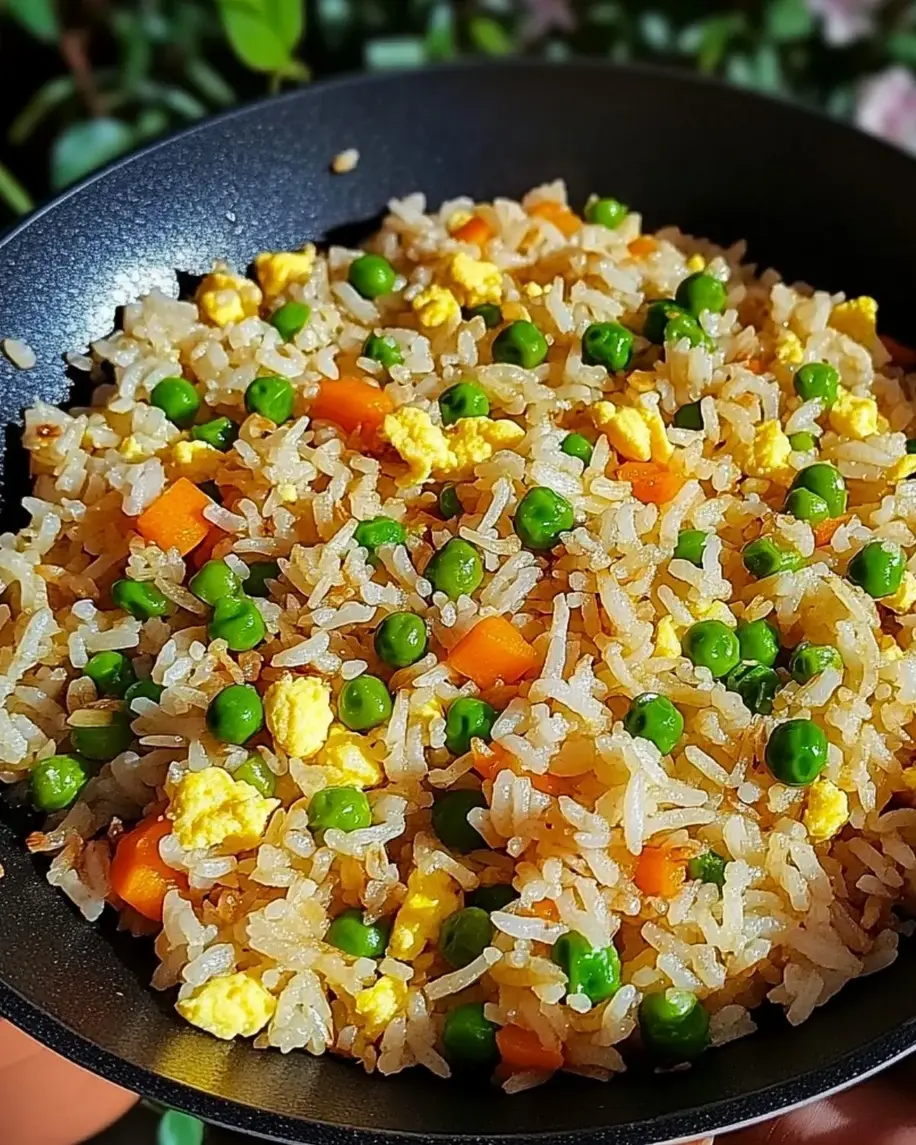
Table of Contents
Better Than Takeout Fried Rice
Introduction
Did you know that according to a survey by the National Restaurant Association, 75% of Americans grab takeout at least once a week, often opting for quick meals like fried rice? But what if you could whip up a version of better than takeout fried rice in your own kitchen that’s healthier, fresher, and bursting with flavor? As a professional blogger and SEO specialist, I’m excited to share this game-changing recipe that not only saves you money but also lets you customize it to perfection. Imagine the aroma of sizzling vegetables and soy sauce wafting through your home, rivaling any restaurant dish. In this comprehensive guide, we’ll dive deep into creating fried rice that’s not just better than takeout—it’s a home-cooked masterpiece designed for busy weeknights and gourmet cravings alike.
Fried rice has roots in Chinese cuisine, evolving through centuries of tradition. Today, it’s a global staple, yet many versions lack the authentic crunch and balance. My recipe elevates the classic by using fresh ingredients, precise techniques, and flavor enhancements that take it beyond the ordinary. We’ll explore why this fried rice recipe stands out, with tips on achieving that restaurant-quality taste at home. Plus, I’ll back it up with nutritional insights and variations to make it suit your dietary needs. Whether you’re a seasoned chef or a novice cook, this step-by-step process ensures success. Get ready to impress your family and friends with this easy yet sophisticated dish. Let’s get cooking!
Ingredients List
Building on the foundation of traditional fried rice, this recipe incorporates a vibrant mix of ingredients for maximum flavor and texture. Each component is chosen not just for taste, but for how it contributes to the overall experience—think crunchy carrots, sweet corn, and savory protein. I’ve organized them into categories for clarity, including substitution ideas to make it accessible for everyone. For the base, you’ll need long-grain rice, ideally day-old for better absorption. Proteins can vary—chicken, shrimp, or tofu all work beautifully—and the veggies add color and nutrition. Don’t forget the umami boost from soy sauce and sesame oil.
Let’s break it down:
- Rice: 2 cups cooked long-grain rice (day-old preferred for fluffiness; substitute with brown rice for fewer carbs)
- Protein: 1/2 pound cooked chicken, shrimp, or tofu, diced (feel the juicy tenderness of shrimp or the hearty bite of chicken; veggie lovers can use firm tofu)
- Vegetables: 1 cup mixed frozen peas and carrots (crunchy and sweet; fresh options include diced bell peppers for added color)
- Aromatics: 2 cloves garlic and 1 small onion, minced (aromatic punch that fills the air with inviting scents)
- Egg: 2 eggs, beaten (adds velvety smoothness; omit for vegan or use flax eggs)
- Sauces: 3 tablespoons soy sauce, 1 tablespoon oyster sauce (optional), and 1 teaspoon sesame oil (salty, savory notes with a nutty hint; use tamari for gluten-free)
- Oil: 2 tablespoons vegetable oil (neutral base for high-heat cooking; avocado oil for a healthier twist)
- Extras: Green onions, diced (fresh crunch and mild onion flavor; cilantro as a substitute for variety)
These ingredients come together to create a symphony of textures—from the fluffy rice to the crisp veggies—and flavors that linger. Sensory-wise, expect a sizzle in the wok, the nutty aroma of garlic, and a final dish that’s warm, umami-rich, and utterly satisfying. Pro tip: Prep your ingredients before starting to ensure smooth, uninterrupted cooking.
Timing
Time is of the essence in the kitchen, especially for fried rice, which cooks quickly once prepped. This better than takeout fried rice recipe is efficient, clocking in at a total of 20 minutes—split between 5 minutes of prep and 15 minutes of cooking. That’s faster than many restaurant deliveries and allows you to avoid last-minute scrambles. Compare this to average fried rice recipes: Most takeouts involve waiting 30-60 minutes, while homemade versions often stretch to 40-45 minutes without streamlined steps. Ours shines in its brevity thanks to using partially cooked rice and quick-cooking veggies.
This timing makes it ideal for weeknights, with room for customization. If you’re short on time, use pre-cooked rice or frozen stir-fry mixes. Remember, impatience is the enemy here—overcooking can lead to mushy rice, so stick to the timings for restaurant-quality results. Gauge doneness with a quick taste test to perfection.
Step-by-Step Instructions
Prepare Your Veggies
Start by finely chopping your onion and garlic to release their aromas quickly. If using fresh veggies, dice them into small, even pieces for uniform cooking—about pea-sized for peas and carrots. Expose fresh produce to air? No, but a quick rinse ensures cleanliness without excess moisture. This mise en place sets you up for success, reducing stress during the high-heat phase.
Cook the Rice
Heat 1 tablespoon of oil in a large wok or skillet over medium-high heat until shimmering. Add your cooked rice (day-old is best, but fresh works if flaked apart with a fork). Stir-fry for 2-3 minutes, breaking up clumps, until lightly toasted and fragrant. The goal? A slightly crunchy exterior while keeping the insides fluffy. Tip: Use rice soaked in cold water beforehand if it’s fresh to prevent stickiness.
Scramble the Egg
Push the rice to one side and pour in the beaten eggs, scrambling until just set— about 1 minute. Incorporate them into the rice for that classic fried rice texture. Avoid overcooking to prevent rubbery eggs; aim for soft, custardy bits that melt in your mouth. This step adds richness without frying separately.
Stir-Fry Everything
Add the remaining oil, then toss in the onion, garlic, and veggies. Stir-fry for 2 minutes until tender-crisp. Introduce your protein (pre-cooked to ensure doneness), sauces, and green onions. Stir vigorously for 3-4 minutes, coating everything evenly. Taste and adjust seasoning—remember, soy sauce is salty, so go easy at first.
Serve Hot
Turn off the heat and let it sit for 1 minute to meld flavors. Scoop into bowls immediately while hot, garnishing with extra green onions for freshness. Pair with common sides like egg rolls, but enjoy it solo for purity. This final step ensures the best mouthfeel—steam rising, aromas intact.
Nutritional Information
Fried rice can be a balanced meal when made with intention, packing protein, veggies, and carbs in one bowl. Per serving (about 1 cup), this recipe approximates these values based on standard ingredients—note, exacts vary by substitutions:
- Calories: 350 (moderate energy boost from rice and oil)
- Protein: 20g (from eggs and protein choice, aiding muscle repair)
- Carbohydrates: 45g (complex carbs for sustained energy)
- Fat: 15g (healthy fats from oil and sesame)
- Fiber: 5g (from veggies, supporting digestion)
- Sodium: 800mg (watch due to soy sauce; use low-sodium options)
Data from USDA shows fried rice can be 500+ calories in takeout, but homemade versions like this cut that while adding nutrients. It’s a great option for meal prep, providing vitamins A and C from carrots and greens. For tailored advice, consult a nutritionist, but this makes fried rice a wholesome choice over greasy deliveries.
Healthier Alternatives
Want to make your better than takeout fried rice even better for your body? Flavor-preserving swaps keep the essence while boosting nutrition. Swap white rice for brown or cauliflower rice to cut carbs without losing that satisfying chew—brown rice adds fiber for better digestion, mimicking the texture closely. For the sauce, use coconut aminos instead of soy to reduce sodium and allergic concerns, maintaining that umami punch. Egg substitutes like mashed avocado blended with turmeric create a “scrambled” effect, offering healthy fats and antioxidants. Veggies can include broccoli florets instead of peas for added vitamin K and crunch—steam briefly to keep them crisp. Finally, replace vegetable oil with heart-healthy olive or avocado oil, which infuses subtle flavors. These changes preserve the dish’s appeal while aligning with low-carb, gluten-free, or plant-based diets, as backed by experts from Harvard Health.
Serving Suggestions
Elevate your fried rice experience with thoughtful pairings that complement its flavors. Serve it family-style in a large bowl for sharing, or portion individually for meal prep convenience. Top with sesame seeds for a crunchy garnish, or drizzle sriracha for heat. Pair with steamed dumplings, spring rolls, or a simple cucumber salad to balance the richness—think contrasts in temperature and texture for a memorable meal. For Asian-inspired nights, add miso soup or eggplant; Western twists include a side of grilled chicken. Wine-wise, a crisp lager or green tea enhances the savory notes. Kids love it with extra veggies tucked in, and adults appreciate the versatility for dinner parties. Remember, serving warm keeps the textures perfect.
Common Mistakes
Even pros slip up, but avoiding these fried rice pitfalls ensures perfection. First, using fresh rice leads to sogginess—always opt for day-old to absorb sauces better. Overcrowding the pan cools the wok, resulting in steaming instead of stir-frying, so cook in batches if needed. Too much soy sauce overwhelms; start with less and adjust. Forgetting to prep ingredients causes chaos—chop everything first. Ignoring heat levels can burn garlic; maintain medium-high for control. Nutritive-wise, skipping veggies reduces balance—don’t omit them. Lastly, not resting after cooking dulls flavors; let it sit briefly. These tweaks, drawn from culinary wisdom, turn amateurs into experts.
Storing Tips
Fried rice stores wonderfully for up to 3 days in an airtight container in the fridge, retaining its crunch when reheated properly. Cool completely before sealing to avoid condensation. Reheat in a skillet with a splash of water or oil to revive texture—microwave only as a last resort, as it can dry it out. For freezing, portion into bags for 1 month; thaw overnight and stir-fry. Pro tip: Add fresh veggies upon reheating to brighten flavors. This makes it ideal for busy schedules, as per USDA food safety guidelines, keeping it safe and tasty.
Conclusion
In summary, this better than takeout fried rice is your ticket to homemade gourmet without the hassle. From the savory stir-fry to the nutritional balance, it’s a recipe that’ll become a staple. We’ve covered everything from quick-prep ingredients to health boosts and storage hacks, ensuring you nail it every time. Now, head to the kitchen and try it yourself! Don’t forget to share your results in the comments or pin this for later. For more recipes like this, subscribe to Leo’s Foods blog— your go-to for flavorful, foolproof meals.
What’s your favorite fried rice variation? Share below and let’s cook together!
FAQs
Got questions? Here are answers to the most common ones about making fried rice at home.
***Can I use brown rice instead of white?***
Absolutely! Brown rice adds a nutty flavor and extra fiber, but cook it al dente to prevent sogginess.
***Is this recipe gluten-free?***
Yes, replace soy sauce with tamari and ensure all ingredients are gluten-free for a safe option.
***How do I make it vegan?***
Omit eggs and use tofu or tempeh for protein—swap oyster sauce for a vegan alternative or extra soy.
***Can I add more veggies?***
Definitely! Bell peppers, mushrooms, or broccoli enhance nutrition and texture without overcomplicating the dish.
***Why does my fried rice stick to the pan?***
It might be the rice; use day-old cooled rice and preheat the wok thoroughly to avoid sticking.
***How many servings does this make?***
This recipe yields about 4 servings, perfect for a family dinner or meal prep.
***What’s the best oil for stir-frying?***
Vegetable or canola oil works great for high-heat cooking; peanut oil adds a subtle flavor boost.
***Can I use quinoa?***
Yes, cooked quinoa substitutes rice for a protein-packed twist—follow the same cooking method.
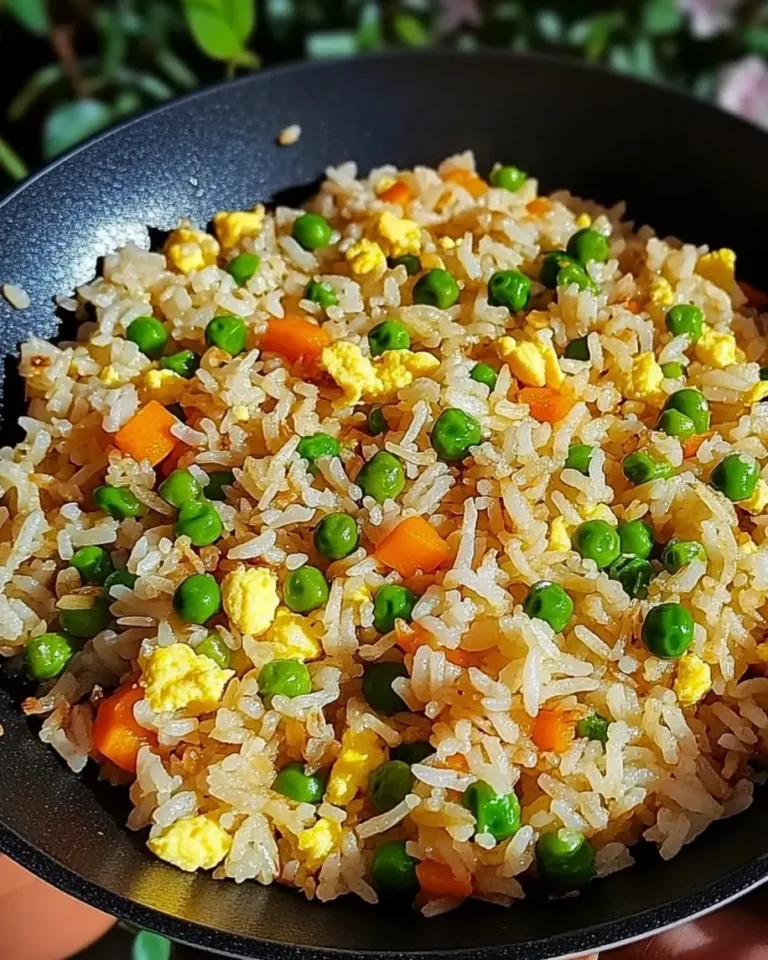
Better Than Takeout Fried Rice
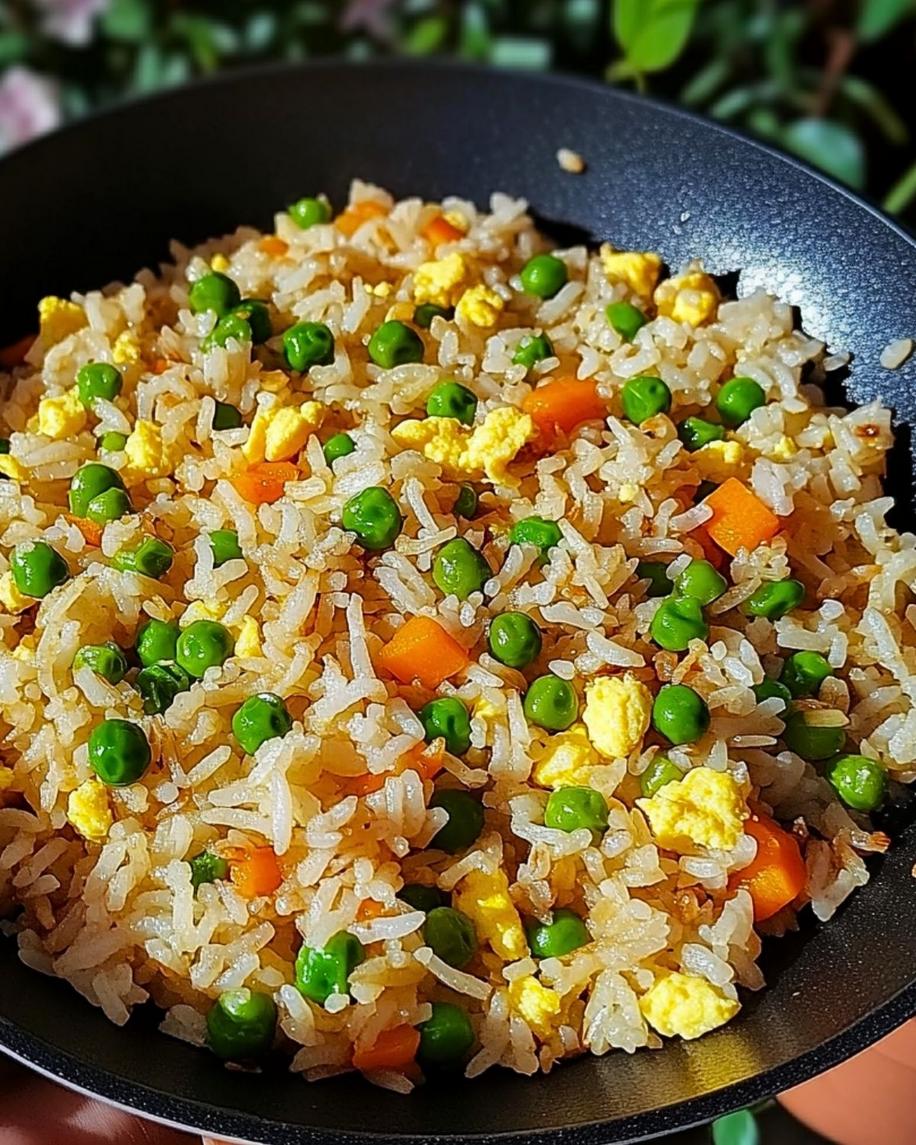
This Better Than Takeout Fried Rice is a quick and flavorful dish that’s perfect for any occasion. Made with fluffy rice, colorful vegetables, scrambled eggs, and a savory blend of soy sauce and sesame oil, it’s a simple yet satisfying recipe. Whether enjoyed as a main course or a side dish, this fried rice will become a household favorite!
Ingredients
- 3 cupscooked, day-old rice (Jasmine or long-grain preferred)
- 1 cupdiced carrots and peas (fresh or frozen)
- 2large eggs, whisked
- 2 tablespoonssoy sauce (adjust to taste)
- 1 tablespoonsesame oil
- 2garlic cloves, minced
- 2 tablespoonscooking oil (vegetable or canola)
- 2green onions, chopped (for garnish)
- Salt and pepper, to taste
Instructions
- Prepare all ingredients before starting to cook. Chop vegetables, whisk the eggs, and ensure the rice is clump-free.
- Heat 1 tablespoon of oil in a large skillet or wok over medium-high heat. Add the whisked eggs and scramble until just set. Remove and set aside.
- In the same skillet, add another tablespoon of oil and sauté the minced garlic for 30 seconds until fragrant.
- Add the diced carrots and peas. Stir-fry for 2-3 minutes until slightly softened.
- Add the cooked rice to the skillet, breaking up clumps with a spatula. Stir-fry for 2-3 minutes to heat through.
- Drizzle soy sauce and sesame oil over the rice, stirring to coat evenly. Season with salt and pepper to taste.
- Return the scrambled eggs to the skillet and mix gently with the rice. Sprinkle with chopped green onions.
- Serve warm and enjoy your delicious homemade fried rice!
Notes
Use day-old rice for the best texture. Fresh rice can be used, but let it cool and dry out slightly before frying.
Customize by adding cooked chicken, shrimp, tofu, or other favorite proteins.
For an extra crunch, toss in chopped cashews or sesame seeds.
Store leftovers in the refrigerator for up to 3 days or freeze for up to 1 month.