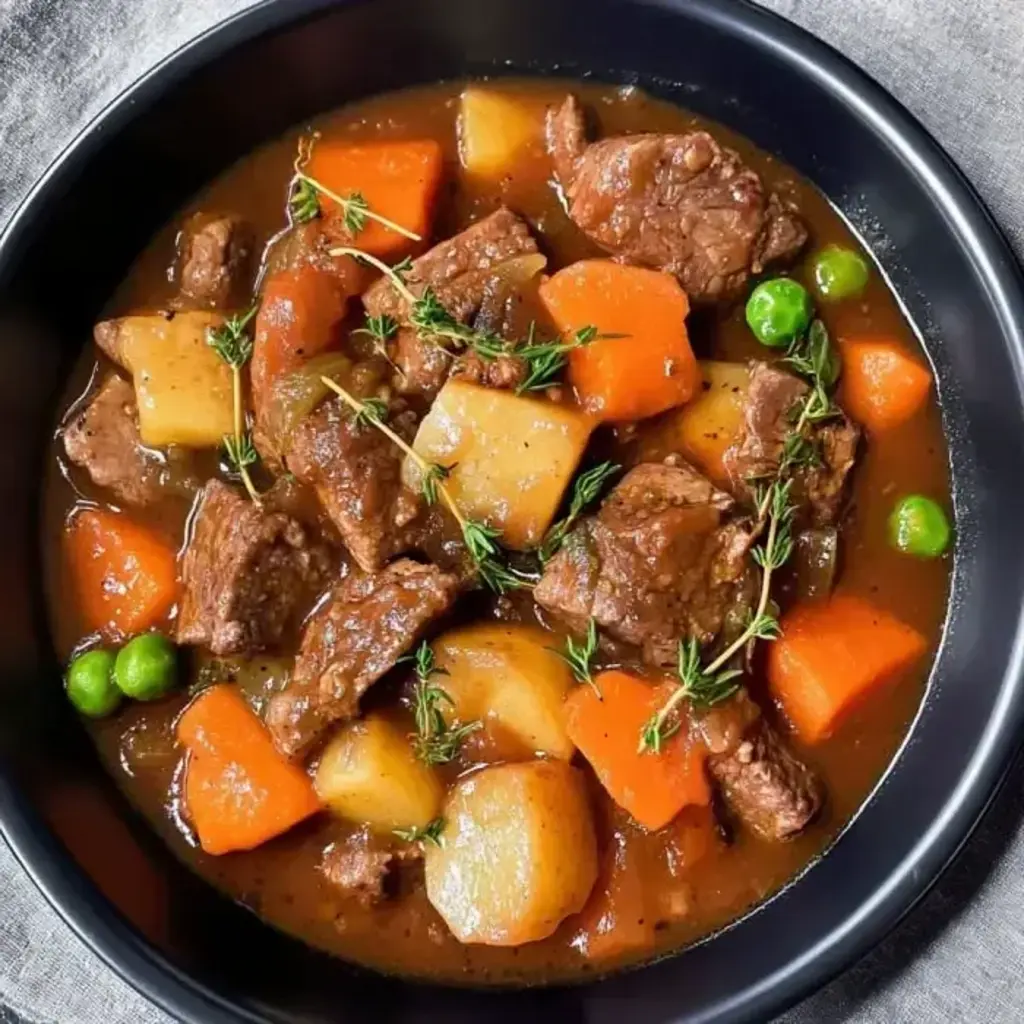
Gordon Ramsay Lamb Stew
“`html
Table of Contents
Gordon Ramsay Lamb Stew
Introduction
Did you know that a well-made lamb stew can contain up to 40% more collagen and gelatin after slow cooking, transforming its broth into a silky, luxurious sauce that’s both delicious and beneficial for joint health? This isn’t just any stew; it’s a masterclass in building deep, complex flavors, inspired by the techniques of Gordon Ramsay. Our Gordon Ramsay Lamb Stew recipe takes humble ingredients—tender lamb shoulder, rustic root vegetables, and fresh herbs—and through patience and proper technique, elevates them into a rich, hearty, and soul-warming dish that’s perfect for chilly evenings or a special family dinner. The secret lies in the slow coaxing of flavor, where every step, from browning the meat to the final simmer, is designed to layer taste upon taste.
This recipe is more than just following instructions; it’s about understanding the “why” behind each action. Why sear the lamb? It creates a flavorful fond (those browned bits at the bottom of the pot) that forms the foundation of the stew’s depth. Why use lamb shoulder? Its higher fat and connective tissue content melts during the long cook, resulting in meat that’s incredibly tender and succulent, unlike leaner cuts that can become dry. We’ll guide you through each stage, ensuring your lamb stew is not just good, but restaurant-quality exceptional. Get ready to fill your kitchen with an aroma that promises a truly memorable meal.
Ingredients List
Gather these ingredients for a stew that serves 4-6 people generously.
- 2 lbs (about 1 kg) Lamb Shoulder: Cut into 1.5-inch chunks. Look for well-marbled pieces with a deep red color. The fat will render and flavor the entire stew. Substitution: Beef chuck roast or boneless pork shoulder.
- 2 tbsp Olive Oil: For searing. Use a good quality extra virgin olive oil for its fruity notes.
- 1 large Yellow Onion: Diced. This sweetens as it cooks, forming the aromatic base.
- 3 cloves Garlic: Minced. Adds a pungent, earthy backbone.
- 2 large Carrots: Peeled and cut into 1-inch chunks. They should have a bright orange hue and a firm snap.
- 3 stalks Celery: Cut into 1-inch pieces. Provides a subtle, savory bitterness that balances the sweetness.
- 1 lb Baby Potatoes: Halved if large. Their waxy texture holds up beautifully during cooking. Substitution: Parsnips or turnips for a lower-carb option.
- 2 tbsp Tomato Paste: This is your flavor bomb—it adds umami, color, and a touch of acidity.
- 1 cup Red Wine: A dry variety like Cabernet Sauvignon or Merlot. It deglazes the pot and adds sophisticated depth. Substitution: 1 cup of beef or lamb stock mixed with 1 tbsp balsamic vinegar.
- 4 cups Beef or Lamb Stock: Preferably low-sodium. The quality of your stock directly impacts the final broth.
- 2 sprigs Fresh Rosemary: Its piney, sharp fragrance cuts through the richness.
- 3 sprigs Fresh Thyme: Offers a gentle, lemony-herbal note. Substitution: 1 tsp each of dried rosemary and thyme (add with the stock).
- 2 Bay Leaves: Imparts a subtle, floral complexity—remember to remove before serving!
- Salt and Freshly Ground Black Pepper: To taste. Season in layers for the best result.
- 2 tbsp All-Purpose Flour: For dredging the lamb. This helps create a beautiful crust and thickens the stew slightly.
Timing
While the total time may seem long, the active cooking time is only about 30 minutes. The remaining time is hands-off simmering, where the magic happens. Compared to average stew recipes that rush with higher heat, this Gordon Ramsay-inspired method uses a low, slow simmer. This extra hour (compared to 60-90 minute recipes) is non-negotiable—it’s what breaks down the lamb’s tough collagen into gelatin, ensuring each bite is fall-apart tender and the broth is luxuriously thick. Plan this for a relaxed weekend or use a slow cooker on the low setting for 6-8 hours after the initial sear and sauté steps.
Step-by-Step Instructions
Step 1: Prepare the Lamb
Pat the lamb shoulder chunks completely dry with paper towels. This is crucial—wet meat steams instead of sears. Season liberally on all sides with salt and pepper. Place the flour in a shallow bowl and lightly dredge each piece, shaking off any excess. Heat 1 tablespoon of olive oil in a large, heavy-bottomed Dutch oven or pot over medium-high heat until shimmering. Working in batches to avoid crowding (which lowers the pan temperature), sear the lamb for 2-3 minutes per side until a deep, golden-brown crust forms. Don’t move the pieces around; let them develop that beautiful color. Transfer the browned lamb to a plate and set aside. This fond (the browned bits) is liquid gold—don’t scrub it out!
Step 2: Build the Flavor Base
Reduce the heat to medium. Add the remaining tablespoon of oil to the same pot. Add the diced onion, carrots, and celery. Sauté for 6-8 minutes, stirring occasionally, until the vegetables have softened and the onions become translucent. You’ll smell their sweetness releasing. Add the minced garlic and cook for another minute until fragrant—be careful not to let it burn. Now, stir in the tomato paste. Cook it for a full 2 minutes, stirring constantly. You’ll see it darken slightly and start to stick to the bottom of the pot. This “toasting” of the tomato paste caramelizes its sugars and deepens its flavor exponentially, removing any raw, tinny taste.
Step 3: Deglaze and Simmer
Pour in the red wine to deglaze the pot. Use a wooden spoon to scrape up all those glorious browned bits (the fond) from the bottom. Let the wine simmer for 3-4 minutes until it reduces by about half. This cooks off the harsh alcohol and concentrates the wine’s flavor. Return the seared lamb and any accumulated juices to the pot. Add the beef stock, ensuring it just covers the meat and vegetables. Toss in the rosemary sprigs, thyme sprigs, and bay leaves. Bring the liquid to a very gentle simmer—just a few lazy bubbles breaking the surface. Then, reduce the heat to low, cover the pot with a lid slightly ajar, and let it cook undisturbed for 1 hour and 30 minutes. This long, slow simmer is where the lamb transforms from tough to tender.
Step 4: Add Vegetables and Finish
After the initial 90-minute simmer, carefully add the halved baby potatoes to the pot, submerging them in the broth. Re-cover and continue to simmer for another 30-45 minutes, or until both the potatoes and lamb are fork-tender. Now, it’s time to finesse the stew. Remove the lid and skim off any excess fat from the surface if desired (though some adds great flavor). Discard the rosemary stems, thyme stems, and bay leaves. Taste the broth—this is your moment. Season with additional salt and freshly ground black pepper as needed. If the broth is too thin, you can simmer uncovered for 10-15 minutes to reduce and thicken it slightly. The stew is ready when the meat shreds easily with a fork and the broth is rich, glossy, and deeply flavorful.
Nutritional Information
Estimated per serving (based on 6 servings):
- Calories: 480 kcal
- Protein: 35g
- Carbohydrates: 28g
- Dietary Fiber: 4g
- Sugars: 6g
- Fat: 22g (Saturated Fat: 8g)
- Cholesterol: 110mg
- Sodium: 650mg (varies with stock seasoning)
This stew is an excellent source of high-quality protein, iron, zinc, and Vitamin B12 from the lamb, and provides Vitamin A from the carrots. The slow-cooking process also makes the nutrients more bioavailable.
Healthier Alternatives
You can easily adapt this lamb stew to fit various dietary needs without sacrificing the soul-satisfying flavor:
- Lower-Carb/Keto: Omit the potatoes and flour. Use 1 tbsp of arrowroot powder mixed with 2 tbsp of cold water as a slurry to thicken the stew at the very end. Increase the quantity of non-starchy vegetables like celery and add mushrooms.
- Gluten-Free: Simply replace the all-purpose flour with a gluten-free 1:1 baking flour or cornstarch for dredging.
- Lower-Fat: After browning the lamb, place it on a plate lined with paper towels to blot excess fat. Before serving, chill the stew and skim the solidified fat from the top, then reheat.
- More Vegetables: Boost fiber and nutrients by adding a handful of chopped kale or spinach in the last 5 minutes of cooking, or stir in some frozen peas.
Serving Suggestions
This stew is a complete meal in a bowl, but the right accompaniments can elevate it further:
- Classic Pairing: Serve in deep bowls with a large slice of crusty, buttered sourdough bread or a fluffy, warm dinner roll for soaking up every last drop of broth.
- For a Heartier Meal: Spoon the stew over a bed of creamy mashed potatoes, buttery polenta, or a simple pile of egg noodles.
-
Similar Posts