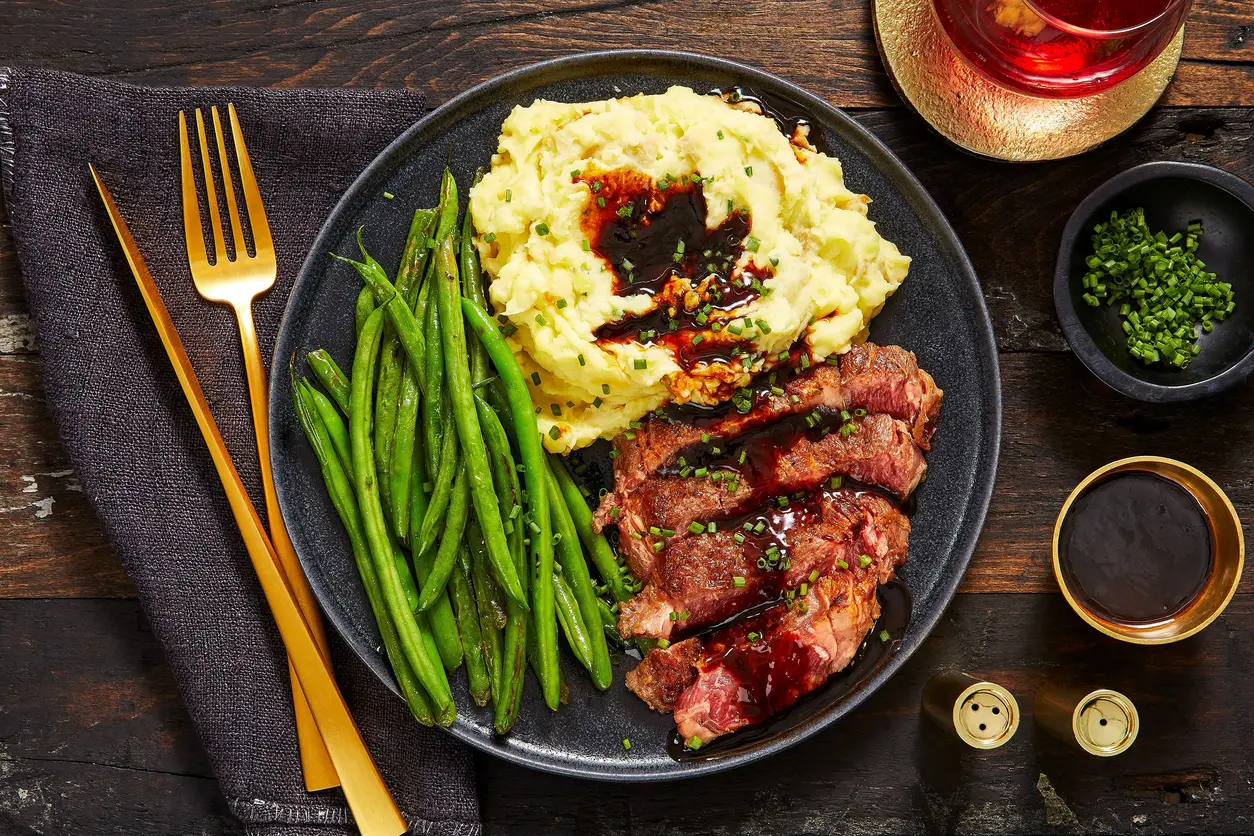
Succulent Ribeye Steak with Roasted Garlic Sauce
“`html
Ribeye and Roasted Garlic Pan Sauce: A Symphony of Flavor
Elevate your weeknight dinner or impress your guests with this sophisticated yet surprisingly simple Ribeye and Roasted Garlic Pan Sauce. This recipe combines the rich, marbling of a perfectly cooked ribeye steak with a velvety, deeply flavored pan sauce infused with the sweet, mellow notes of roasted garlic. If you’ve ever found yourself staring longingly at a steakhouse menu, dreaming of that perfect steak and its accompanying decadent sauce, this recipe is your gateway to recreating that culinary magic in your own kitchen. We’re not just talking about a meal; we’re talking about an experience that tantalizes the taste buds and satisfies the soul. The aroma alone as it cooks is enough to make your mouth water, promising a truly memorable dining occasion.
Table of Contents
A Steakhouse Classic at Home
The beauty of this Ribeye and Roasted Garlic Pan Sauce lies in its deceptive simplicity. It’s a dish that feels luxurious and restaurant-worthy, yet requires minimal fuss. The star, of course, is the ribeye steak, a cut celebrated for its rich marbling and tender texture, which renders beautifully during cooking, infusing every bite with incredible flavor. However, it’s the supporting act – the roasted garlic pan sauce – that truly elevates this dish from great to unforgettable. Roasting garlic transforms its pungent bite into a sweet, nutty, and incredibly mellow paste that melts into the steak juices and beef broth, creating a sauce that is both complex and comforting. This isn’t just about slathering a steak with sauce; it’s about building layers of flavor through simple, quality ingredients and smart cooking techniques. Imagine the sizzle as the steak hits the hot pan, the fragrant steam rising as the garlic and broth deglaze, and finally, the luscious, golden sauce coating that perfectly seared ribeye. That’s the experience we are bringing to your kitchen.
Ingredients for Ribeye and Roasted Garlic Pan Sauce
The magic of this recipe is in the quality of its few, but mighty, ingredients. When working with high-quality proteins like ribeye, the focus shifts to enhancing, rather than masking, their natural deliciousness. Each component plays a crucial role:
- 2 Ribeye Steaks: Choose steaks that are about 1-inch thick, ensuring an even cook. Look for good marbling – those thin streaks of fat within the meat – as this is what makes ribeye so tender and flavorful. If ribeye is unavailable or not to your preference, a New York strip or Sirloin can be excellent substitutes, though they may have a slightly different texture and fat content.
- 6 Cloves Garlic, Roasted: Roasting garlic is a game-changer. It softens the aggressive bite of raw garlic, turning it into a sweet, spreadable paste with a nutty aroma. You can roast this ahead of time, and keep it in the refrigerator for up to a week. To roast, simply trim off the top third of the garlic head, drizzle with a little olive oil, wrap in foil, and bake at 400°F (200°C) for about 30 minutes until tender and fragrant.
- 2 Tablespoons Olive Oil: A good quality extra virgin olive oil or a neutral cooking oil like avocado or grapeseed oil will work perfectly for searing the steaks. This helps achieve that beautiful, caramelized crust.
- 1/2 Cup Beef Broth: This forms the base of our pan sauce. Use a good quality, low-sodium beef broth so you can control the saltiness. For an even richer flavor, consider using beef stock or even a splash of red wine if you have it on hand (ensure you deglaze with red wine before adding the broth).
- 2 Tablespoons Butter: Unsalted butter not only adds richness and a velvety texture to the sauce but also a subtle sheen. Adding it at the end creates a beautiful emulsification.
- Salt and Pepper to Taste: Generously season the steaks before cooking. Coarse sea salt or kosher salt and freshly cracked black pepper offer the best flavor and texture.
Timing is Everything
When preparing steak, especially in conjunction with a pan sauce, efficient timing is key to ensuring every element is ready at its peak. This recipe is designed for a swift yet satisfying cooking process. Let’s break down why the timing works and how it stacks up against typical recipe timelines.
Compared to an average steak recipe which might range from 30-60 minutes total, this dish falls right into a very manageable timeframe. The 15 minutes of prep is primarily for seasoning the steaks and preparing the garlic (if not already roasted). The cook time of 35 minutes is almost entirely dedicated to the active cooking of the steak and the gentle simmering of the sauce, allowing flavors to meld beautifully without requiring constant attention. This makes it an ideal candidate for a weeknight indulgence or a special occasion dinner without demanding hours in the kitchen.
Mastering the Pan Sauce: Step-by-Step
Achieving a restaurant-quality steak at home, complete with a luscious pan sauce, is within reach with these straightforward steps. Precision and a keen eye are your best tools here.
Step 1: Roast the Garlic
Begin by preheating your oven to 400°F (200°C). While the oven heats, prepare your garlic. Take the whole head of garlic, slice off the top third to expose the cloves, place it on a small piece of aluminum foil, drizzle with a touch of olive oil, and then wrap the foil around it to create a sealed packet. Place this packet on a baking sheet and roast for approximately 30 minutes, or until the cloves are soft, fragrant, and easily mashable. Once roasted, set aside to cool slightly. You can then gently squeeze the softened garlic cloves out of their skins. These creamy, sweet morsels are the heart of your pan sauce.
Step 2: Season the Steaks
While the garlic is roasting or cooling, take your ribeye steaks out of the refrigerator. Pat them thoroughly dry with paper towels; this is crucial for achieving a good sear. Generously season both sides of the steaks with salt and freshly cracked black pepper. Don’t be shy with the seasoning – a good steak needs robust seasoning to bring out its best flavor. Allow the steaks to sit at room temperature for about 10-15 minutes before cooking to help them cook more evenly.
Step 3: Sear the Steaks
Place a heavy-bottomed skillet (cast iron is ideal) over medium-high heat. Add the 2 tablespoons of olive oil. Once the oil is shimmering and just beginning to smoke, carefully lay the seasoned ribeye steaks into the hot skillet. Sear the steaks for 4-5 minutes on the first side, undisturbed, until a deep, golden-brown crust forms. Flip the steaks and sear the other side for another 4-5 minutes for a medium-rare finish. Adjust cooking time based on your desired level of doneness – less time for rare, more for medium-well. Use a meat thermometer for accuracy if needed (130-135°F or 54-57°C for medium-rare).
Step 4: Rest and Deglaze the Pan
Once seared to perfection, carefully remove the ribeye steaks from the skillet and place them on a clean plate or cutting board. Tent loosely with foil to allow them to rest for at least 5-10 minutes. This resting period is vital for the juices to redistribute throughout the meat, ensuring a tender and juicy steak. While the steaks are resting, pour off any excess fat from the skillet, leaving behind the flavorful browned bits (fond) stuck to the bottom. Add the roasted garlic cloves to the same skillet. Pour in the 1/2 cup of beef broth. Use a wooden spoon or spatula to scrape up all those delicious browned bits from the bottom of the pan – this is where much of the sauce’s flavor comes from.
Step 5: Simmer and Emulsify the Sauce
Bring the mixture in the skillet to a gentle simmer over medium heat. Let it bubble away for about 5 minutes, allowing the flavors to meld and the liquid to reduce slightly. This concentrates the savory beef broth and infuses it with the sweet essence of the roasted garlic. Remove the skillet from the heat and stir in the 2 tablespoons of butter. Swirl the pan or whisk gently until the butter is completely melted and has created a rich, glossy emulsion with the pan sauce. Taste and adjust seasoning with salt and pepper if needed.
Step 6: Serve the Masterpiece
To serve, place each rested ribeye steak on a serving plate. Generously spoon the warm, glossy roasted garlic pan sauce over the top of each steak, ensuring some of the softened roasted garlic cloves are distributed as well. Serve immediately and enjoy the fruits of your culinary labor.
Nutritional Snapshot
Per serving, this decadent dish typically offers:
- Calories: Approximately 650
- Fat: Approximately 45g (This will vary based on the marbling of the ribeye)
- Protein: Approximately 55g
- Carbohydrates: Approximately 4g
- Sugar: Approximately 1g
It’s important to note that these are estimates. The exact nutritional values can fluctuate based on the specific cut of steak, the amount of fat rendered during cooking, and the brands of ingredients used. Ribeye is a rich cut, known for its higher fat content which contributes to its incredible flavor and tenderness. The majority of the carbohydrates and sugar come from the small amount of broth and garlic used.
Healthier Twists and Substitutions
While this recipe celebrates the richness of ribeye, there are ways to make it lighter or adapt it to different dietary needs without sacrificing flavor:
- Leaner Steak Cuts: Opt for sirloin, flank steak, or even a leaner cut of ribeye if visible fat cap is excessive. These will significantly reduce the fat content.
- Reduced Butter: You can decrease the amount of butter used in the sauce, or even omit it entirely, to cut down on saturated fat. The sauce will still be flavorful from the pan drippings and beef broth.
- Broth Alternatives: For a lower sodium option, use low-sodium beef broth or even a good quality vegetable broth if you prefer, though beef broth will provide a richer flavor profile.
- Garlic: If you’re sensitive to garlic or find 6 cloves too much, you can reduce the quantity, but roasting does mellow its intensity significantly.
- Olive Oil: While essential for searing, ensure you’re not using excessive amounts. A tablespoon or two is usually sufficient.
Perfect Pairings for Your Steak
To create a truly complete and balanced meal, consider these delightful accompaniments to your Ribeye and Roasted Garlic Pan Sauce:
- Roasted Vegetables: As Chef Stella suggests, roasted vegetables are a fantastic pairing. Think asparagus, Brussels sprouts, broccoli florets, or root vegetables like carrots and potatoes. Their natural sweetness and slight char complement the richness of the steak.
- Creamy Mashed Potatoes: A classic for a reason, fluffy mashed potatoes are the perfect vehicle for soaking up that delicious pan sauce.
- Sautéed Mushrooms: Earthy and savory, sautéed mushrooms add another layer of umami to the plate.
- Fresh Salad: A crisp green salad with a light vinaigrette can provide a refreshing contrast to the richness of the steak.
- Garlic Bread: For the ultimate garlic lover, warm, crusty garlic bread is an irresistible addition.
Common Pitfalls to Avoid
Even with a simple recipe, a few common mistakes can lead to a less-than-ideal outcome. Be mindful of these:
- Not Patting the Steak Dry: Moisture on the surface of the steak will steam rather than sear, preventing that coveted brown crust. Always pat your steak thoroughly dry.
- Overcrowding the Pan: If you’re cooking more than two steaks, cook them in batches. Overcrowding the pan lowers the temperature, leading to steaming instead of searing.
- Not Resting the Steak: Cutting into the steak immediately after cooking will cause the juices to run out, resulting in a dry steak. Always allow it to rest.
- Using a Cold Pan: A hot pan is essential for a good sear. Ensure your skillet is properly preheated before adding the steak.
- Not Scraping the Fond: The browned bits left in the pan after searing (fond) are pure flavor. Don’t skip deglazing to incorporate them into your sauce.
Savoring the Leftovers
Leftover steak and pan sauce can be a delicious treat the next day, but proper storage is key to maintaining quality.
- Storage: Allow the steak and sauce to cool completely before storing them separately in airtight containers in the refrigerator. They should last for 2-3 days.
- Reheating Steak: The best way to reheat steak without drying it out is gently. You can reheat it in a skillet over low heat with a little of the reserved pan sauce, or in a moderate oven (around 300°F or 150°C) until warmed through. Avoid microwaving, as it can make the steak tough.
- Reheating Sauce: The pan sauce can be gently reheated in a small saucepan over low heat. If it has congealed, you can whisk in a splash of beef broth or water to loosen it up.
- Repurposing: Leftover steak can be sliced and used in salads, sandwiches, or even stir-fries. The remaining sauce can add depth to soups or stews.
The Takeaway
This Ribeye and Roasted Garlic Pan Sauce recipe is more than just a meal; it’s an invitation to experience the simple elegance of well-prepared food. It delivers robust, satisfying flavors with an approachable cooking method, proving that restaurant-quality dishes don’t need to be complicated. The combination of a perfectly seared ribeye and a rich, aromatic roasted garlic pan sauce creates a culinary harmony that’s both comforting and sophisticated. Whether you’re a seasoned home cook or just starting out, this recipe is sure to become a treasured addition to your repertoire, offering a taste of luxury any night of the week.
Frequently Asked Questions
What kind of steak besides ribeye works best?
While ribeye is ideal for its marbling and tenderness, New York strip, sirloin, or even a thicker-cut filet mignon can be substituted. Adjust cooking times accordingly, as leaner cuts may cook faster.
Can I make the roasted garlic ahead of time?
Absolutely! Roasted garlic can be made up to a week in advance and stored in an airtight container in the refrigerator. This speeds up the sauce-making process significantly.
What if I don’t have beef broth?
You can use beef stock for a richer flavor, or even a dry red wine like Cabernet Sauvignon or Merlot for deglazing the pan before adding a smaller amount of broth. Vegetable broth is an option for a less intense beef flavor.
How do I know when my steak is done?
The best way is to use an instant-read meat thermometer. For medium-rare, aim for an internal temperature of 130-135°F (54-57°C). Remove the steak from the heat slightly before it reaches the target temperature, as it will continue to cook while resting (carryover cooking).
Can I add other aromatics to the sauce?
Certainly! A finely chopped shallot or a sprig of fresh thyme or rosemary can be added when you add the beef broth to infuse additional layers of flavor into the sauce.
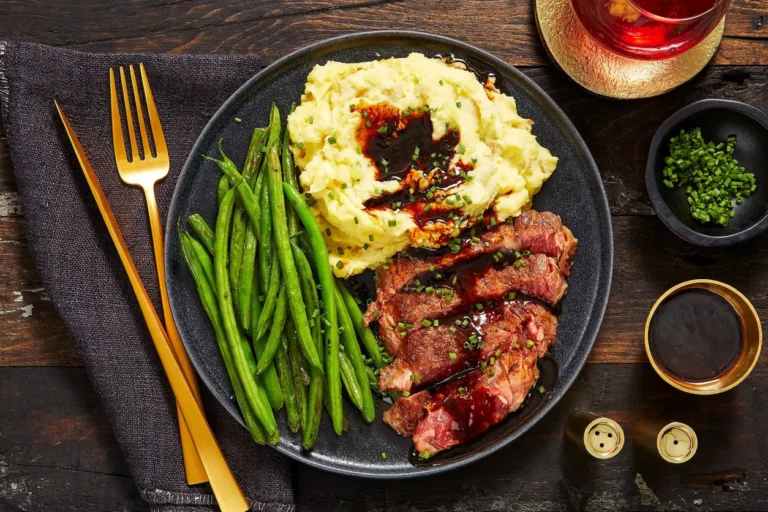
Ribeye and Roasted Garlic Pan Sauce
A succulent ribeye steak served with a rich, roasted garlic pan sauce for a flavorful meal.
- Total Time: 50 minutes
- Yield: 2 1x
Ingredients
- 2 ribeye steaks (about 1-inch thick)
- 6 cloves garlic, roasted
- 2 tablespoons olive oil
- 1/2 cup beef broth
- 2 tablespoons butter
- Salt and pepper to taste
Instructions
- Preheat oven to 400°F (200°C). Wrap garlic cloves in foil and roast for 30 minutes until soft.
- Season ribeye steaks with salt and pepper.
- Heat olive oil in a skillet over medium-high heat. Sear steaks for 4-5 minutes per side for medium-rare.
- Remove steaks and let rest. In the same skillet, add roasted garlic and beef broth, scraping up bits from the pan.
- Simmer sauce for 5 minutes, then stir in butter until melted.
- Serve sauce over steaks.
Notes
Pair with roasted vegetables for a complete meal.
- Prep Time: 15 minutes
- Cook Time: 35 minutes
- Method: Main Course
- Cuisine: American
Nutrition
- Calories: 650
- Sugar: 1g
- Fat: 45g
- Carbohydrates: 4g
- Protein: 55g
“`