Lemon Pixie Cookies
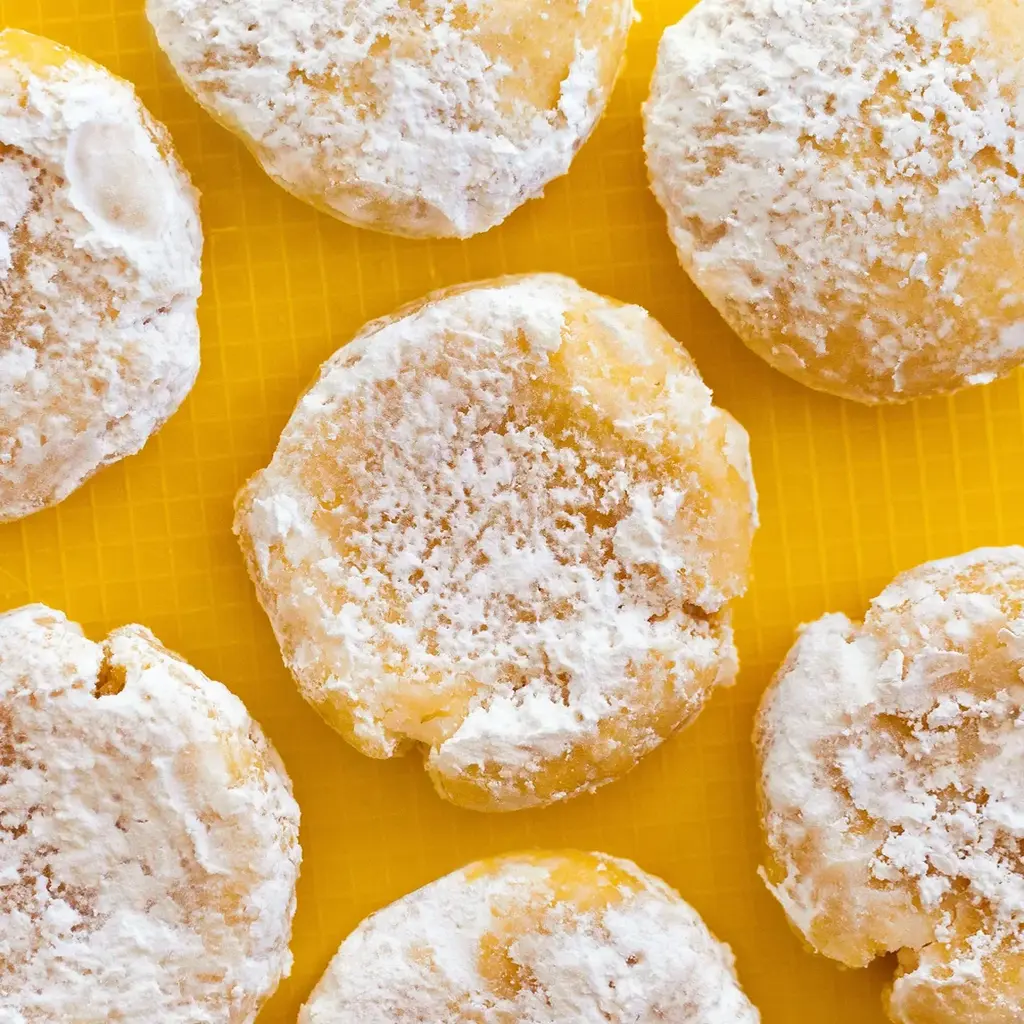
Table of Contents
Lemon Pixie Cookies with a Chef’s Secret – Soft, Chewy & Gluten-Free
I still remember the first time I tasted something that reminded me of these lemon pixie cookies. It was in a tiny Parisian patisserie, a delicate lemon-infused macaron that melted on the tongue. But as a chef trained in both French pastry and the bold, aromatic flavors of my Moroccan childhood, I wanted to create a cookie that was easier, gluten-free, and packed with a brighter, sunnier lemon flavor. These soft and chewy homemade lemon pixie cookies are my answer—bursting with lemon flavor and requiring just one bowl. They’re the perfect little treat that bridges my Paris training with my love for simple, joyful baking.
Imagine a cookie that’s tender and chewy, with a texture that’s almost like a soft shortbread, but with a delightful crumb from almond flour. The aroma is pure sunshine—zesty, bright lemon that fills your kitchen the moment you zest the fruit. The flavor is a beautiful balance: not overly sweet, with the tartness of fresh lemon juice playing against the subtle richness of butter or coconut oil. When you bite into one, it yields gently, then melts away, leaving a clean, refreshing citrus note. It’s the kind of cookie that feels both elegant and comforting, perfect with an afternoon tea or as a light dessert.
My version of this lemon pixie cookie recipe is different because I apply a chef’s precision to a simple process. The secret is in the chilling—a technique I mastered in Paris for perfect texture. I’ll share my pro tip for achieving the ultimate chewy center, and I’ll warn you about the one common mistake that can make these delicate cookies spread too much. Whether you’re a seasoned baker or just starting out, this recipe is designed to deliver consistent, delicious results every single time.
Why This Lemon Pixie Cookies Recipe Is the Best
The flavor secret here is twofold: using both the zest and the juice of a fresh, organic lemon. In Morocco, we use citrus in everything, and I learned to maximize its essence. The zest provides the potent aromatic oils, while the juice adds a necessary tang that balances the sweetness. This dual approach creates a layered, authentic lemon flavor that’s far superior to any extract.
The texture is perfected through a specific technique: controlling the dough temperature. By chilling the rolled dough balls, you firm up the fats, which prevents excessive spreading in the oven. This results in a cookie that’s thick, soft in the center, and slightly crisp on the very edges—a textural contrast I was taught to prize in French pastry school. It turns a simple mix-and-bake recipe into something with a professional finish.
This recipe is foolproof and fast because it’s a one-bowl wonder with no special equipment needed. The ingredient list is short and pantry-friendly, and the steps are minimal. I’ve tested it countless times in my NYC kitchen to ensure that even a beginner can achieve perfect, chewy lemon cookies without fear of failure. It’s the ideal recipe for a quick baking project with impressive results.
Lemon Pixie Cookies Ingredients
I love how accessible these ingredients are. I pick up my almond flour and beautiful, unwaxed lemons from the Union Square Greenmarket here in NYC—the quality makes a real difference. The simplicity reminds me of the uncomplicated, wholesome ingredients my mother would use in her Moroccan kitchen, where flavor always came first.
Ingredients List
- 1 cup almond flour (fine, blanched for best texture)
- 2 tbsp powdered sugar or erythritol (for sweetness)
- Zest of one medium lemon (preferably organic)
- Scant 1/4 tsp fine sea salt
- 1/8 tsp baking soda
- 2 tbsp unsalted butter or coconut oil, melted
- 1 tsp pure vanilla extract
- 2 tsp fresh lemon juice
- Optional: Additional powdered sugar or erythritol for rolling
Ingredient Spotlight
Almond Flour: This is the base of our gluten-free cookie, providing structure, moisture, and a lovely nutty flavor. Look for finely ground, blanched almond flour in the baking aisle. For a nut-free version, you can try a trusted gluten-free all-purpose blend, but the texture will be more cakey.
Fresh Lemon Zest & Juice: The zest holds the potent citrus oils, giving that true lemon essence. Always zest your lemon before juicing it! Use a microplane for the finest zest. The juice adds necessary acidity and moisture. For the brightest flavor, choose heavy, fragrant lemons with smooth skin.
Powdered Sugar/Erythritol: This fine sweetener dissolves easily and helps create a tender crumb. Powdered erythritol is a great sugar-free alternative that behaves similarly. Do not substitute with granulated sugar, as it will change the texture.
| Original Ingredient | Best Substitution | Flavor / Texture Impact |
|---|---|---|
| Almond Flour | Sunflower seed flour (nut-free) | Slightly earthier flavor, may tint dough slightly green but bakes well. Texture remains similar. |
| Butter | Refined coconut oil (dairy-free) | Adds a very subtle coconut note. Texture is identical when measured melted. |
| Powdered Sugar | Powdered Allulose or Monk Fruit | Maintains sweetness and texture perfectly for a keto-friendly option. |
How to Make Lemon Pixie Cookies — Step-by-Step
Don’t let the delicate result fool you—this is one of the simplest cookie recipes you’ll ever make. Just follow these steps for perfect, chewy lemon pixie cookies every time.
Step 1: Mix the Dough
In a medium bowl, combine the almond flour, powdered sweetener, lemon zest, salt, and baking soda. Whisk them together to ensure even distribution. In a separate small bowl or measuring cup, melt the butter or coconut oil until just liquid. Pour the melted fat, vanilla extract, and fresh lemon juice into the dry ingredients. Stir with a spatula until a uniform, slightly sticky dough forms. It will come together easily.
⚠️ Common Mistake to Avoid: Do not over-mix the dough once the wet ingredients are added. Stir just until combined. Over-mixing can warm the fats and lead to greasy cookies.
Step 2: Roll and Chill
Using a tablespoon or small cookie scoop, portion the dough. Roll each portion between your palms to form smooth, round balls, about 1-inch in diameter. If desired, roll each ball in the optional additional powdered sugar or erythritol for a classic “pixie” look. For the best, chewiest texture, place the balls on a parchment-lined plate or tray and refrigerate for at least 30 minutes, or up to overnight. This chilling step is crucial for texture control.
💡 Stella’s Pro Tip: For maximum chewiness and to prevent spreading, chill the dough balls overnight. This allows the almond flour to fully hydrate and the fats to solidify, giving you a taller, softer cookie.
Step 3: Bake and Shape
While the dough chills, preheat your oven to 325°F (163°C). Line a baking sheet with parchment paper. Place the chilled dough balls about 2 inches apart on the sheet. Bake for 10 minutes. The cookies will look soft and slightly puffed. Immediately upon removing them from the oven, use the back of a spoon to gently press down on each ball to flatten it into a classic cookie shape. They are very delicate at this stage.
⚠️ Common Mistake to Avoid: Do not skip the pressing step! If left as balls, they will not have the right cookie texture. Press gently but firmly right after baking.
Step 4: Cool Completely
Let the cookies cool on the baking sheet for at least 15-20 minutes. They will firm up considerably as they cool. Do not attempt to move them while warm, as they are fragile. Once completely cool, they can be transferred to a wire rack or serving plate.
💡 Stella’s Pro Tip: Patience is key! These cookies transform from delicate to perfectly chewy as they cool. Rushing this step is the main reason for broken cookies.
| Step | Action | Duration | Key Visual Cue |
|---|---|---|---|
| 1 | Mix Dough | 5 mins | Uniform, slightly sticky dough forms. |
| 2 | Roll & Chill | 30 mins min | Dough balls are firm to the touch. |
| 3 | Bake & Shape | 10 mins | Cookies are soft, puffed, and edges are just set. |
| 4 | Cool | 20 mins | Cookies are firm and easily lift off parchment. |
Serving & Presentation
These lemon pixie cookies are delightful on their own, but a little presentation goes a long way. I love serving them on a simple white platter, dusted with a final snowy layer of powdered sugar, reminiscent of the powdered sugar-dusted pastries in Moroccan tea ceremonies. For a more elegant touch, place a few edible flowers or a twist of lemon zest on the side.
In NYC, I often pair these with a floral herbal tea or a glass of crisp Prosecco for a sophisticated afternoon treat. They also make a wonderful light dessert after a rich meal, as their bright citrus flavor cleanses the palate beautifully.
| Pairing Type | Suggestions | Why It Works |
|---|---|---|
| Beverage | Earl Grey tea, Iced Lemon Verbena Tea, Dry Sparkling Wine | The bergamot or herbal notes complement the citrus, while bubbles cut the richness. |
| Sauce / Dip | Light Lemon Glaze, Raspberry Coulis | Amplifies the fruitiness and adds a touch of moisture and visual appeal. |
| Garnish | Extra Lemon Zest, Edible Flowers, Mint Sprig | Adds color, fragrance, and a professional, finished look to your plate. |
| Accompaniment | Fresh Berries, Whipped Coconut Cream | Provides a fresh, juicy contrast or a creamy, dreamy element. |
Make-Ahead, Storage & Reheating
As a busy New Yorker, I rely on make-ahead strategies. This cookie dough is a dream for meal prep—you can have a batch ready to bake in minutes any day of the week. They also store beautifully, so you can always have a sweet, homemade treat on hand.
| Method | Container | Duration | Reheating Tip |
|---|---|---|---|
| Refrigerator | Airtight container, layered with parchment | Up to 5 days | Enjoy at room temp. For a fresh-baked feel, warm in a 300°F oven for 2-3 mins. |
| Freezer | Freezer bag or airtight container | Up to 2 months | Thaw at room temp for 1 hour. Or bake frozen dough balls, adding 1-2 mins to bake time. |
| Make-Ahead | Dough balls on tray | Up to 3 days in advance | Keep dough balls chilled until ready to bake. No thawing needed. |
A note on reheating: If your cookies have softened, a brief stint in a low oven (300°F) for 2-3 minutes will crisp the edges slightly and revive that just-baked aroma. Never use the microwave, as it will make them tough and chewy in the wrong way.
Variations & Easy Swaps
| Variation | Key Change | Best For | Difficulty Impact |
|---|---|---|---|
| Lemon-Lavender | Add 1/2 tsp culinary lavender buds to dry ingredients | A sophisticated, floral twist for tea parties | None |
| Paleo/Vegan | Use coconut oil & powdered monk fruit | Dietary-restrictive friends, clean eating | None |
| Lemon-Poppy Seed | Add 1 tbsp poppy seeds to dough | Classic flavor combo, added texture | None |
Lemon-Lavender Cookies
Inspired by the Provençal fields near where I trained in France, this variation adds a subtle, aromatic complexity. Crush 1/2 teaspoon of culinary-grade lavender buds with your fingers to release their oils, then mix them in with the dry ingredients. The lavender should be a background note, not overpowering, creating a beautifully fragrant cookie that pairs perfectly with herbal tea.
Paleo/Vegan Lemon Cookies
For a fully plant-based, paleo-friendly version, use refined coconut oil (which has no coconut taste) and swap the powdered sugar for a powdered sweetener like monk fruit or erythritol. I’ve tested this extensively, and the texture remains perfectly chewy and delightful. It’s a fantastic option for anyone with dairy or refined sugar sensitivities.
Lemon-Poppy Seed Pixies
This is a fun, classic twist I love for brunch. Simply fold one tablespoon of poppy seeds into the dough along with the dry ingredients. The poppy seeds add a delightful little crunch and visual speckle, making the cookies look as charming as they taste. It’s a simple change that makes them feel entirely new.
Can I make lemon pixie cookies without almond flour?
Yes, you can substitute almond flour, but the texture will change. For a nut-free version, I recommend using a 1:1 gluten-free all-purpose flour blend that contains xanthan gum. Sunflower seed flour is another good nut-free option, though it may give the dough a slight green tint (harmless). The cookies made with AP flour blends will be more cake-like and less chewy than the almond flour version, so adjust your expectations. Always ensure your substitute is a fine flour for the best consistency.