Ultimate Slow-Braised Lamb Shanks with Rosemary Butter
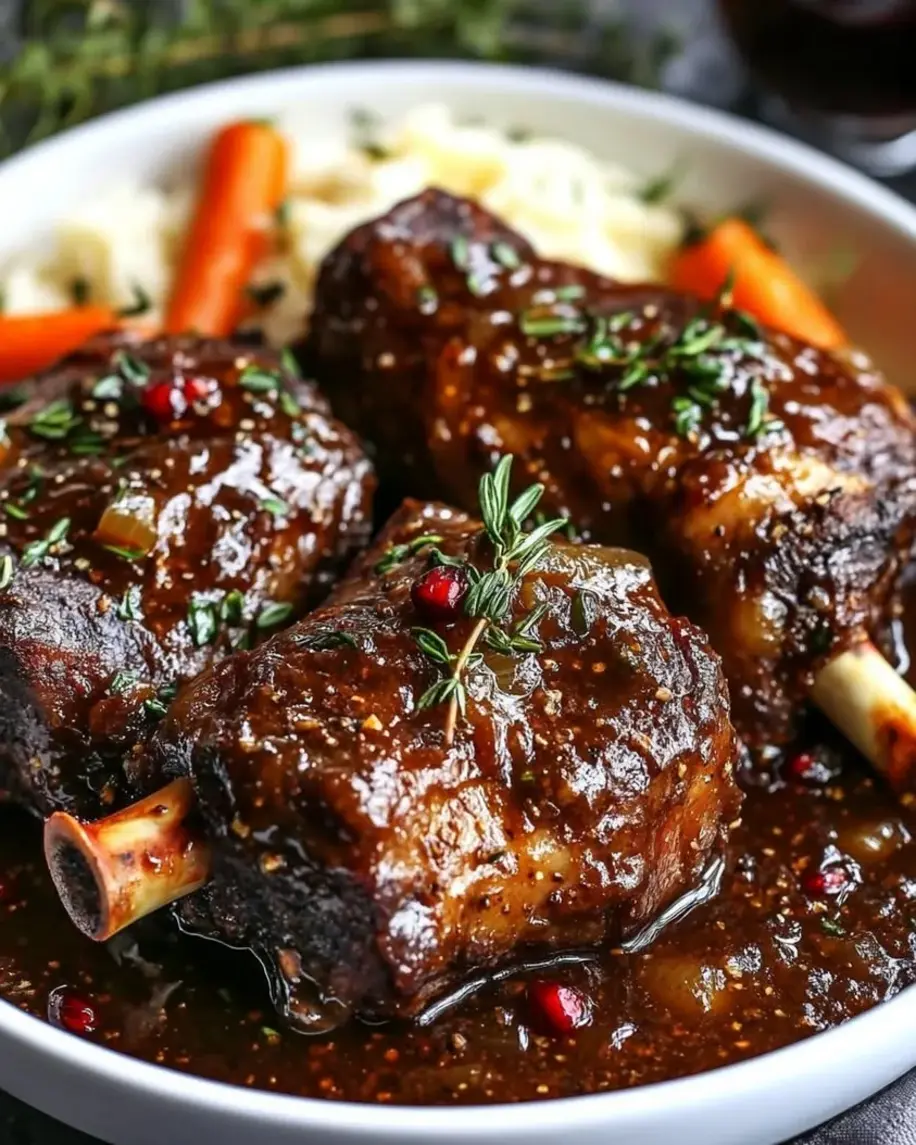
Table of Contents
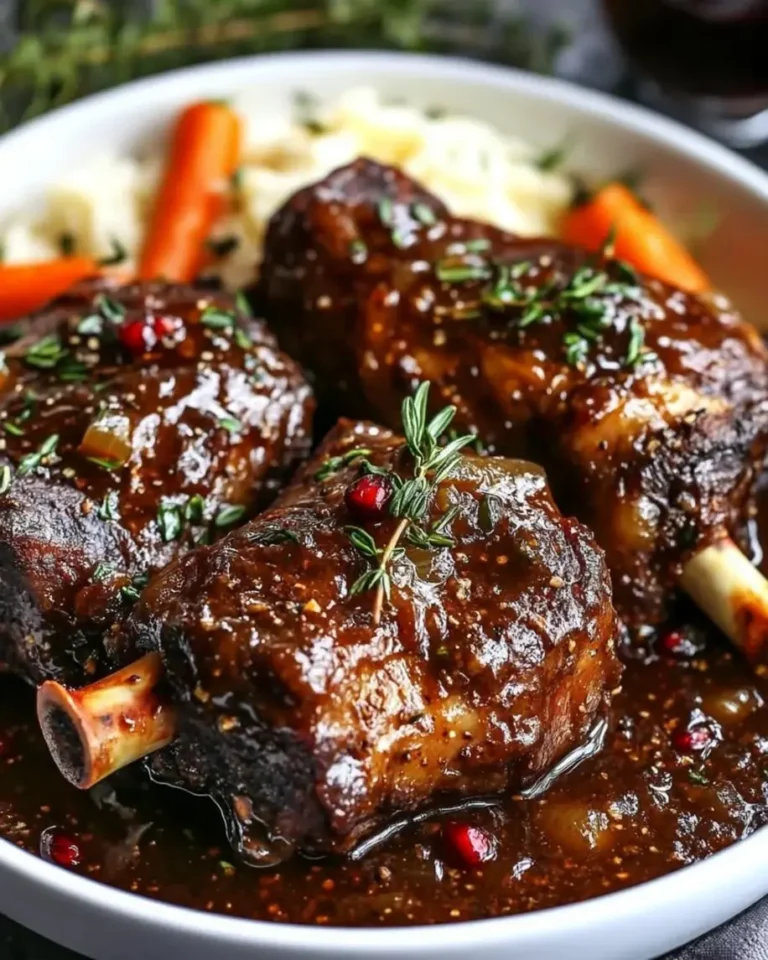
Slow-Braised Lamb Shanks with Rosemary Brown Butter, Red Wine Jus, and Charred Baby Carrots – A French-Moroccan Comfort Classic
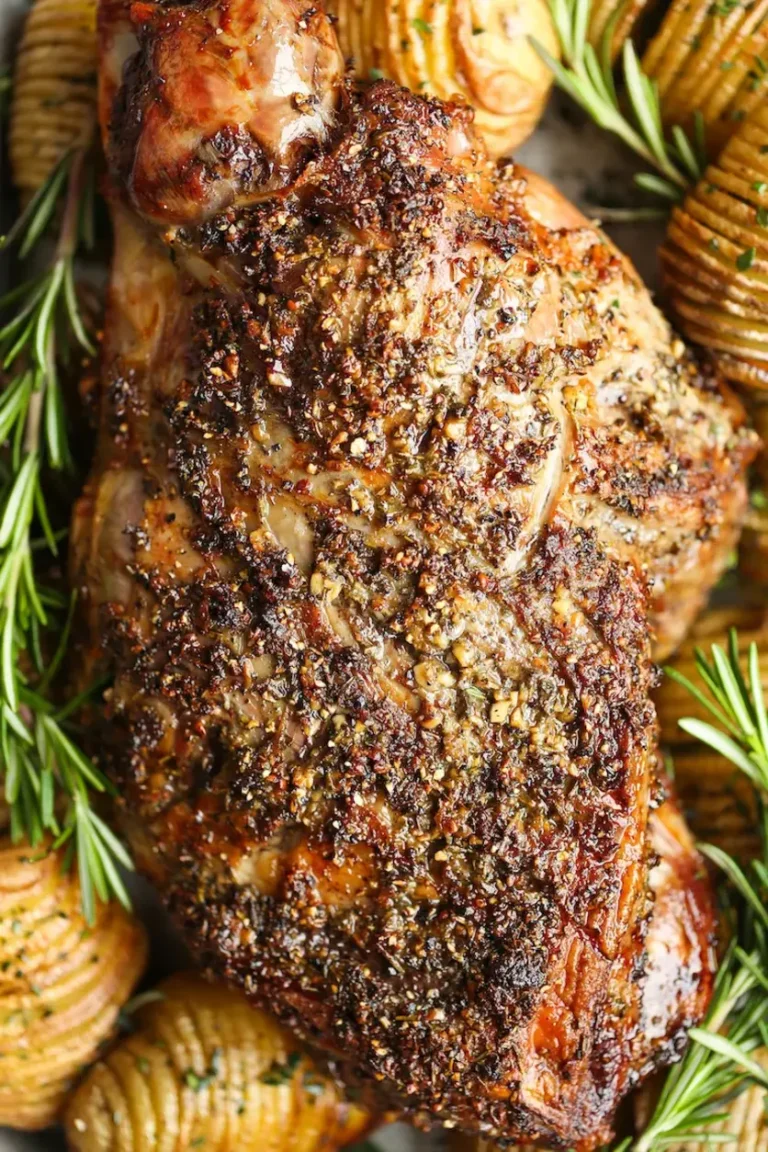
I still remember the first time I made slow-braised lamb shanks in my tiny Paris apartment—it was a cold February evening and the scent of red wine and rosemary filled every corner. That dish, rooted in classic French braising technique, has evolved over the years. Now I make my braised lamb shanks recipe with a twist: a luscious rosemary brown butter that adds an irresistible nutty depth, a velvety red wine jus, and charred baby carrots for a sweet, smoky finish. This is not just another lamb shanks in red wine dish—it’s the one I serve at family dinners and special celebrations here in New York. The unique angle? The brown butter. It’s a little trick I learned at Le Cordon Bleu that turns an already incredible braise into something truly magnificent.
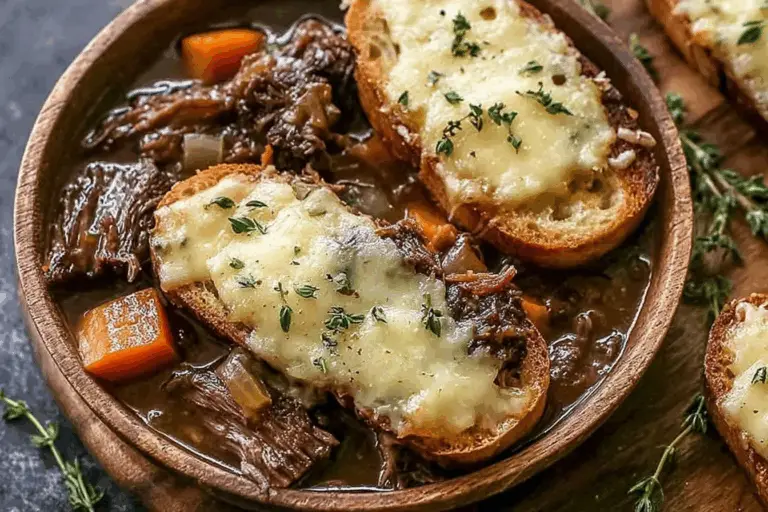
Imagine the moment you lift the lid from the Dutch oven—a cloud of steam carrying the rich aroma of garlic, tomato paste caramelized in the pan, and the earthy perfume of fresh rosemary. The lamb shanks are so tender they practically fall off the bone, swimming in a glossy, deeply savory red wine jus. The carrots, blistered on the grill or under the broiler until lightly charred, bring a pop of color and a natural sweetness that cuts through the richness. Each bite is a harmony of textures: silky meat, a buttery sauce with little flecks of browned butter solids, and the slight crunch of charred carrot edges.
I’ve tested this slow cooked lamb shanks method countless times—using both my mother’s Moroccan intuition for layering flavors and my formal French training. The result? A foolproof, restaurant-worthy dish that home cooks can absolutely master. I’ll share my biggest pro tip (it’s about the browning) and a common mistake that can ruin the jus. Trust me, once you try this rosemary brown butter lamb, you’ll never go back to plain braised shanks.
Why This Slow-Braised Lamb Shanks Recipe Is the Best
The flavor secret lies in two elements: first, the deeply caramelized brown butter infused with fresh rosemary, which I treat almost like a finishing sauce. It’s a technique I picked up from a pastry chef in Paris—browning butter until it smells like hazelnuts, then tossing in herbs. Second, the red wine jus is built with a classic French deglazing method using tomato paste and stock, then reduced until it coats the back of a spoon. This isn’t a watery broth—it’s a rich, concentrated sauce that clings to every bite.
Perfected texture comes from two simple rules: low and slow (300°F is my sweet spot) and a long, patient braise. The connective tissue in lamb shanks melts into gelatin, creating that fork-tender meat that pulls apart beautifully. I also let the shanks rest in the braising liquid after cooking—this lets the flavors marry and keeps the meat impossibly moist.
Foolproof? Yes. Even if you’re new to lamb shanks in red wine, this recipe walks you through every step. I use wildly available ingredients (you can find everything at a regular grocery store) and standard equipment—a Dutch oven or heavy-bottomed pot is all you need. Plus I’ll show you how to char carrots without a grill, so you can make this year-round.
Braised Lamb Shanks Recipe Ingredients
When I shop for these ingredients, I often head to the Union Square Greenmarket for the freshest rosemary and carrots, but any supermarket will work. My mother would always say, “Good lamb needs no apology,” and she’s right—buy the best you can afford. Here’s what you need:
Ingredients List
- 4 lamb shanks (about 1 lb each)
- 2 tablespoons olive oil
- 2 teaspoons sea salt
- 1 teaspoon freshly ground black pepper
- 2 large onions, thinly sliced
- 6 garlic cloves, minced
- 2 tablespoons tomato paste
- 2 cups dry red wine (like a Cabernet Sauvignon or Merlot)
- 2 cups beef stock (low-sodium)
- 2 sprigs fresh rosemary
- 4 tablespoons unsalted butter (for brown butter)
- 1 bunch baby carrots (about 12–16), trimmed and washed
- Extra fresh rosemary for garnish (optional)
Ingredient Spotlight
Lamb Shanks: Look for shanks that are meaty and have a good fat cap—the fat renders during braising and keeps the meat juicy. If you can, ask your butcher to trim the silverskin. A good substitute is lamb osso buco, but cooking time will be slightly shorter.
Red Wine: Use a dry, full-bodied red you’d enjoy drinking—don’t cook with something called “cooking wine.” A Malbec, Cabernet Sauvignon, or even a Zinfandel works beautifully. Avoid sweet wines like Port.
Rosemary: Fresh is non-negotiable here for the brown butter—the dried version just won’t give that fragrant pop. Buy a whole bunch; you’ll use it for both the braise and the butter.
Baby Carrots: I love the thin, tender ones sold in bags. If you can’t find them, use regular carrots cut into sticks and blanch first. The charring brings out their natural sugars and adds a lovely smoky layer.
| Original Ingredient | Best Substitution | Flavor / Texture Impact |
|---|---|---|
| Lamb shanks | Lamb osso buco or beef short ribs | Richer flavor with beef, slightly different fat profile; cooking time may vary by 20 mins |
| Red wine | Pomegranate juice + 1 tbsp red wine vinegar (for depth) | Less alcoholic, more fruity, still tangy; use 1 cup juice + 1 cup stock |
| Fresh rosemary | Dried rosemary (use 1 tsp for the braise, but skip in brown butter) | Milder, less aromatic; brown butter won’t have the same fragrance |
| Baby carrots | Regular carrots cut into 3-inch sticks, blanched | Slightly denser texture; blanch to soften before charring |
How to Make Slow-Braised Lamb Shanks – Step-by-Step
Follow these steps and you’ll have a showstopping meal that tastes like you spent all day in the kitchen—but most of the work happens while the oven does its magic.
Step 1: Season and Sear
Pat the lamb shanks dry with paper towels—this is key for a good sear. Season generously with salt and pepper on all sides. Heat olive oil in a large heavy-bottomed Dutch oven over medium-high heat until shimmering. Working in batches if needed (don’t overcrowd), sear the shanks until deeply browned on all sides, about 4 minutes per side. The crust is flavor, so take your time. Transfer the shanks to a plate.
💡 Stella’s Pro Tip: Don’t rush the browning. If the meat sticks to the pot, it’s not ready to flip. A good sear means a better final jus. Also, let the pan come back to temperature between batches.
Step 2: Build the Braising Base
Reduce heat to medium. Add the sliced onions and cook, stirring occasionally, until softened and translucent, about 5 minutes. Add the minced garlic and cook for 30 seconds until fragrant, then stir in the tomato paste. Cook the paste for 2 minutes, stirring constantly—it will darken and smell sweet and rich. Pour in the red wine, scraping up any browned bits from the bottom of the pot (that’s where the flavor hides). Let the wine bubble and reduce by half, about 4 minutes. Add the beef stock and the rosemary sprigs, then bring to a gentle simmer.
⚠️ Common Mistake to Avoid: Adding the stock before the wine reduces. The wine needs to concentrate to balance the acidity. If you add stock too early, the jus will taste thin and sour. Reduce the wine first!
Step 3: Braise Low and Slow
Return the lamb shanks to the pot, nestling them into the liquid. The liquid should come about halfway up the shanks—if not, add a little more stock or water. Cover the pot tightly with a lid and transfer to a preheated oven at 300°F. Braise for 2 hours 45 minutes. The meat should be fork-tender and pulling away from the bone. Let the shanks rest in the liquid, covered, for 15–20 minutes before serving.
💡 Stella’s Pro Tip: For extra tenderness, braise the day before! The fat solidifies on top, making it easy to remove, and the flavors deepen overnight.
Step 4: Make the Rosemary Brown Butter
While the lamb rests, make the brown butter. Place the 4 tablespoons of butter in a small light-colored saucepan (light color helps you see the color change) over medium heat. Melt the butter, then continue cooking, swirling occasionally. It will foam, then the milk solids will turn golden and then amber, and you’ll smell a nutty aroma. Immediately add 1 tablespoon of fresh rosemary leaves (pulled from the sprigs) and swirl for 30 seconds. Remove from heat and set aside. The rosemary will crisp up slightly.
⚠️ Common Mistake to Avoid: Burning the butter. It goes from brown to burnt in seconds. Keep the heat medium and watch closely. When the foam subsides and you see golden specks, add the rosemary right away to cool it down.
Step 5: Char the Baby Carrots
Preheat your broiler (or grill to high). Toss the baby carrots with 1 tablespoon olive oil, a pinch of salt, and a pinch of sugar. Spread them on a baking sheet in a single layer. Broil for 6–8 minutes, shaking the pan halfway through, until the carrots are blistered and charred in spots but still tender-crisp. Alternatively, grill them over high heat for 3 minutes per side.
💡 Stella’s Pro Tip: The sugar is optional but helps caramelization. If your carrots are very thin, keep an eye on them—they char quickly. You want char, not charcoal!
Step 6: Assemble and Serve
Carefully remove the lamb shanks from the braising liquid and place them on a serving platter or individual plates. Strain the braising liquid through a fine-mesh sieve into a saucepan, discarding the solids. Bring the jus to a simmer, then taste and adjust seasoning with salt and pepper. The jus should be silky and rich; if it’s too thin, let it reduce for 5 minutes. Arrange the charred carrots around the lamb. Drizzle the rosemary brown butter over the shanks and carrots. Finish with a final spoonful of the red wine jus and a fresh rosemary sprig. Serve immediately.
⚠️ Common Mistake to Avoid: Skipping the straining step. The braise creates delicious bits from the onions and herbs, but leaving them in makes the jus cloudy. Strain for a restaurant-smooth sauce.
| Step | Action | Duration | Key Visual Cue |
|---|---|---|---|
| 1 | Sear lamb shanks | 16–20 mins total | Deep mahogany crust on all sides |
| 2 | Cook onions, garlic, tomato paste; deglaze with wine | 10–12 mins | Wine reduces by half, bottom of pot clean |
| 3 | Braise in oven | 2 hr 45 mins | Meat pulls easily from bone |
| 4 | Make rosemary brown butter | 5–7 mins | Butter turns amber, nutty aroma |
| 5 | Char baby carrots | 6–8 mins under broiler | Blistered skin, tender inside |
| 6 | Strain jus and plate | 5 mins | Smooth, glistening sauce |
Serving & Presentation
This dish is a showstopper. Place each lamb shank in the center of a shallow bowl or plate, spoon the red wine jus around it (not on top—you want the meat to stay prominent), and nestle the charred carrots alongside. Drizzle the rosemary brown butter generously over the lamb—the butter will pool in the jus and create beautiful marbled patterns. Finish with a sprinkle of flaky sea salt and a small rosemary sprig. I love serving this with creamy mashed potatoes or a simple polenta to soak up every drop of sauce. For a side that echoes my Moroccan roots, a warm couscous with golden raisins works beautifully.
When I serve this to friends here in New York, I always get silence—the good kind where everyone is too busy eating to talk. The brown butter is the real conversation starter; people can’t quite place what makes the lamb so irresistible.
| Pairing Type | Suggestions | Why It Works |
|---|---|---|
| Side Dish | Creamy mashed potatoes, soft polenta, or buttered egg noodles | Absorb the rich jus and brown butter; contrast texture with tender meat |
| Sauce / Dip | Extra red wine jus on the side, a drizzle of harissa for heat (my Moroccan twist) | Harissa cuts the richness with spicy, smoky notes; jus adds more umami |
| Beverage | Full-bodied red wine (same as used in cooking), dark beer or a strong gin martini | Wine echoes the braise; beer’s bitterness balances fat; martini cleanses |
| Garnish | Fresh rosemary sprigs, flaky salt, toasted pine nuts, or pomegranate seeds | Adds color, texture, and bright acidity or crunch |
Make-Ahead, Storage & Reheating
This recipe is a fantastic make-ahead meal—ideal for busy weeknights or entertaining. Here’s my game plan: I braise the lamb shanks a day in advance, let them cool completely in the liquid, then refrigerate overnight. The next day, I scrape off the solidified fat (less mess, more flavor), then gently reheat. The carrots and brown butter are best made fresh, but they only take minutes.
| Method | Container | Duration | Reheating Tip |
|---|---|---|---|
| Refrigerator | Airtight container, lamb submerged in strained jus | Up to 4 days | Reheat gently in a covered pot at 300°F for 20 mins, or microwave in short bursts at 50% power |
| Freezer | Freezer-safe container or bag, lamb and jus together | Up to 3 months | Thaw overnight in fridge, then reheat in a covered pot at 325°F for 30–40 mins |
| Make-Ahead | Braise lamb up to 2 days before; make brown butter and char carrots day of | Prep 2 days in advance | Brown butter can be made 1 day ahead and stored in fridge; reheat gently before serving |
From my experience, the lamb actually tastes better the next day—the flavors meld and deepen. Just remember to remove the rosemary sprigs before storing, as they can become bitter if left too long. When reheating, avoid high heat—low and slow prevents the meat from drying out.
Variations & Easy Swaps
| Variation | Key Change | Best For | Difficulty Impact |
|---|---|---|---|
| Moroccan Spiced Lamb Shanks | Add 2 tsp ras el hanout, 1 tsp cinnamon, and 1/2 tsp saffron to the braise | Warm, exotic flavor profile; reminiscent of tagine | Easy (just add spices) |
| Dairy-Free / Vegan Brown Butter | Use vegan butter (like Miyoko’s) for the rosemary brown butter; keep oat cream or cashew cream for ju | Dietary restrictions; still rich and nutty | Easy (swap butter brands) |
| Charred Asparagus & Thyme | Swap carrots for thin asparagus spears; char under broiler with thyme | Springtime variation, lighter side | Easy (cook time for asparagus is shorter) |
Moroccan Spiced Lamb Shanks
Inspired by my mother’s tagine, this version adds ras el hanout, cinnamon, and a pinch of saffron to the braise. The warm spices complement the lamb beautifully and turn the jus into a fragrant sauce. I often serve this with couscous and dried apricots. It’s a wonderful way to honor my North African roots while still keeping the French technique.
Dairy-Free Rosemary Brown Butter
If you need a dairy-free alternative, choose a high-quality vegan butter that browns well—Miyoko’s cultured vegan butter works perfectly. The browning process is the same, and the rosemary still becomes fragrant. The flavor will be slightly less rich but still deliciously nutty. Use oat cream or a splash of coconut milk in the jus to maintain a silky texture.
Charred Asparagus and Thyme
When baby carrots aren’t in season, thin asparagus spears charred with fresh thyme are a brilliant swap. They take even less time under the broiler—just 4 minutes—so watch them closely. The grassy, slightly bitter notes of asparagus contrast the sweet, unctuous lamb in a way that feels bright and fresh.
How long do you need to braise lamb shanks to make them tender?
For fall-off-the-bone tenderness, lamb shanks need a long, gentle braise—typically 2 ½ to 3 hours at a low oven temperature of 300°F (150°C). The exact time depends on the size of the shanks and your oven. I recommend checking after 2 hours 30 minutes: if the meat pulls away easily from the bone with a fork, they’re done. If not, continue braising in 15-minute increments. Remember, the connective tissue needs time to break down into gelatin, so rushing the process will result in tough meat. Letting them rest in the liquid for 15–20 minutes after braising also helps keep them moist.
Can I substitute fresh rosemary with dried rosemary in the brown butter sauce?
I strongly advise against using dried rosemary in the brown butter sauce. Fresh rosemary releases its essential oils and becomes aromatic and slightly crispy when tossed into hot brown butter, creating a beautiful texture and fragrance. Dried rosemary, on the other hand, tends to burn quickly and can become bitter, and it won’t crisp up. For the braising liquid, dried rosemary (about 1 teaspoon) can work in a pinch, but you’ll lose some of the fresh, piney notes. If you only have dried, add it to the liquid early and skip the brown butter garnish. But for the best results, please use fresh rosemary for that signature flavor.
What type of red wine is best for the red wine jus in this lamb shank recipe?
Use a dry, full-bodied red wine with good structure and fruit. Cabernet Sauvignon, Merlot, Malbec, Zinfandel, or a Syrah/Shiraz all work beautifully. Avoid sweet wines like Port or inexpensive “cooking wines” that often contain added salt. The wine should be something you’d enjoy drinking—its character will concentrate in the jus. I often use a California Cabernet or an Argentine Malbec. If you’re unsure, a decent bottle in the $10–15 range is perfect. One more tip: open the wine, let it breathe while you prep, and pour yourself a glass to enjoy while you cook!
How do you char baby carrots without overcooking them for serving?
The key is high heat for a short time. I toss cleaned baby carrots with a little olive oil, salt, and a pinch of sugar (optional), then spread them on a baking sheet in a single layer. I place the sheet under a preheated broiler (high setting) and cook for 6–8 minutes, shaking the pan halfway through. You want the carrots to be blistered and charred in spots but still tender-crisp when pierced with a fork. If they start to look shriveled or too brown, they’ve gone too far. Alternatively, you can grill them over high heat for 3 minutes per side. The natural sugars caramelize beautifully without turning the carrots mushy.
Can I use lamb osso buco instead of lamb shanks?
Absolutely—lamb osso buco is an excellent substitute. Osso buco (cross-cut lamb shanks) has a similar amount of connective tissue and will become just as tender with braising. The main difference is the shape: osso buco has a bone in the center with meat around it, so cooking time may be slightly shorter—check at 2 hours. The flavor is very similar. Keep in mind that osso buco may have less surface area for browning, so you’ll get a slightly different crust-to-meat ratio. Either way, this recipe works beautifully.
Do I need to sear the lamb shanks, or can I skip that step?
Please do not skip the sear! Browning the lamb shanks before braising is essential for the best flavor. The Maillard reaction (the browning of proteins) creates deep, savory notes that infuse the entire dish. Without searing, your jus will be pale and one-dimensional. Take your time to get a good crust on all sides—about 4 minutes per side. It’s one of the most important steps in this whole recipe and a classic French technique that makes the final result taste like you spent hours building layers of flavor.
Can I make the rosemary brown butter ahead of time?
Yes, you can make the rosemary brown butter up to a day in advance. Once it’s done, pour it into a heatproof container and let it cool to room temperature, then cover and refrigerate. When you’re ready to serve, gently reheat it on the stove over low heat or in the microwave in short bursts (be careful not to overheat). The rosemary may lose some of its crispness after a day, but the flavor will still be wonderful. I actually like making it fresh while the lamb rests—it takes only 5 minutes and adds a fresh, vibrant note to the dish.
How do I store leftover lamb shanks and reheat them without drying out?
Store leftover lamb shanks in an airtight container, fully submerged in the strained jus. This keeps them moist. They’ll last up to 4 days in the refrigerator. To reheat, the best method is to place them in a covered pot or Dutch oven with a splash of water or stock, then warm them in a 300°F oven for about 20 minutes (or until heated through). You can also microwave them at 50% power in 60-second intervals, though the texture won’t be quite as perfect. Avoid boiling or high heat, which will toughen the meat. The brown butter and carrots should be made fresh when serving leftovers.
Share Your Version!
I truly hope this slow-braised lamb shanks recipe becomes a staple in your home the way it has in mine. There’s something magical about the combination of tender lamb, nutty rosemary brown butter, and that silky red wine jus—it’s a dish that feels both elegant and comforting. If you give it a try, please come back and leave a star rating and a comment below. I love hearing your results and any tweaks you make—whether you added a Moroccan spice twist, tried the dairy-free version, or served it with your favorite side.
Don’t forget to snap a photo of your plate and tag me on Instagram or Pinterest @leosfoods. I share my followers’ creations and it gives me so much joy! And if you have any questions about the recipe, ask away in the comments—I answer every single one. From my NYC kitchen to yours — I hope this recipe brings as much warmth to your table as it does to mine. — Stella 🧡
Love This Recipe? Save It to Pinterest!
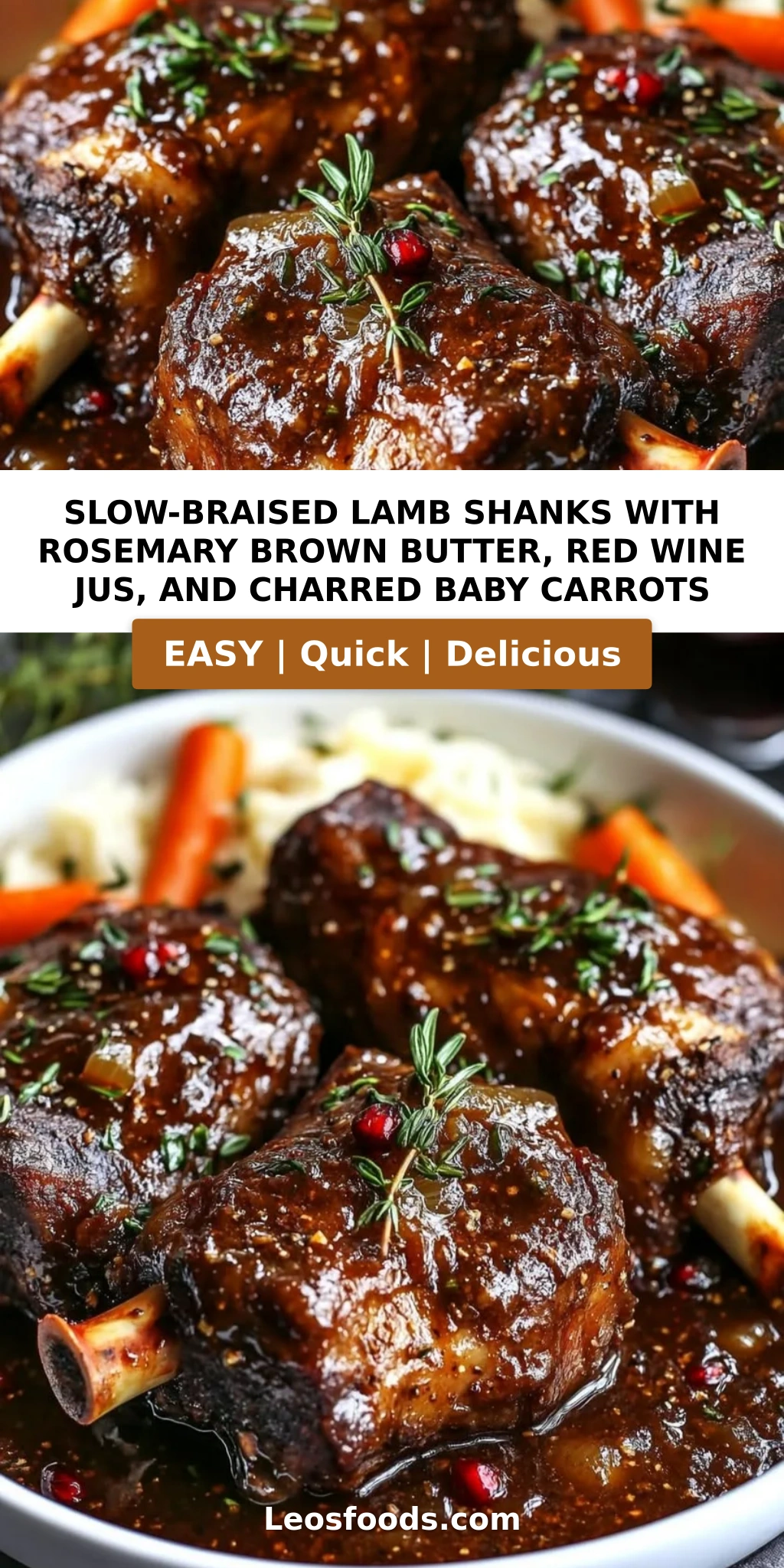
If you enjoyed this Slow-Braised Lamb Shanks with Rosemary Brown Butter, Red Wine Jus, and Charred Baby Carrots recipe, don’t let it get lost in your browser tabs! 😄 Pin it now so you can find it again anytime — and explore hundreds more tried-and-tested recipes waiting for you on my Pinterest boards.
👉 Follow Stella on Pinterest @stellarecipeblog
📌 Pin this recipe · 🔁 Re-pin your favorites · 💬 Tag me when you make it — I love seeing your creations!
Slow-Braised Lamb Shanks with Rosemary Brown Butter, Red Wine Jus, and Charred Baby Carrots
Ingredients
- 4 lamb shanks
- 2 tablespoons olive oil
- 2 teaspoons sea salt
- 1 teaspoon black pepper
- 2 large onions, thinly sliced
- 6 garlic cloves, minced
- 2 tablespoons tomato paste
- 2 cups dry red wine
- 2 cups beef stock
- 2 sprigs fresh rosemary
Instructions
Tried This Recipe? Leave a Comment!
Did you make this recipe? I’d love to hear how it turned out! Please leave a comment and a rating below. Your feedback helps other home cooks and supports cheerychop.com!
For more delicious inspiration, follow me on Pinterest!