Sticky Spicy Honey Gochujang Pork Belly Bites
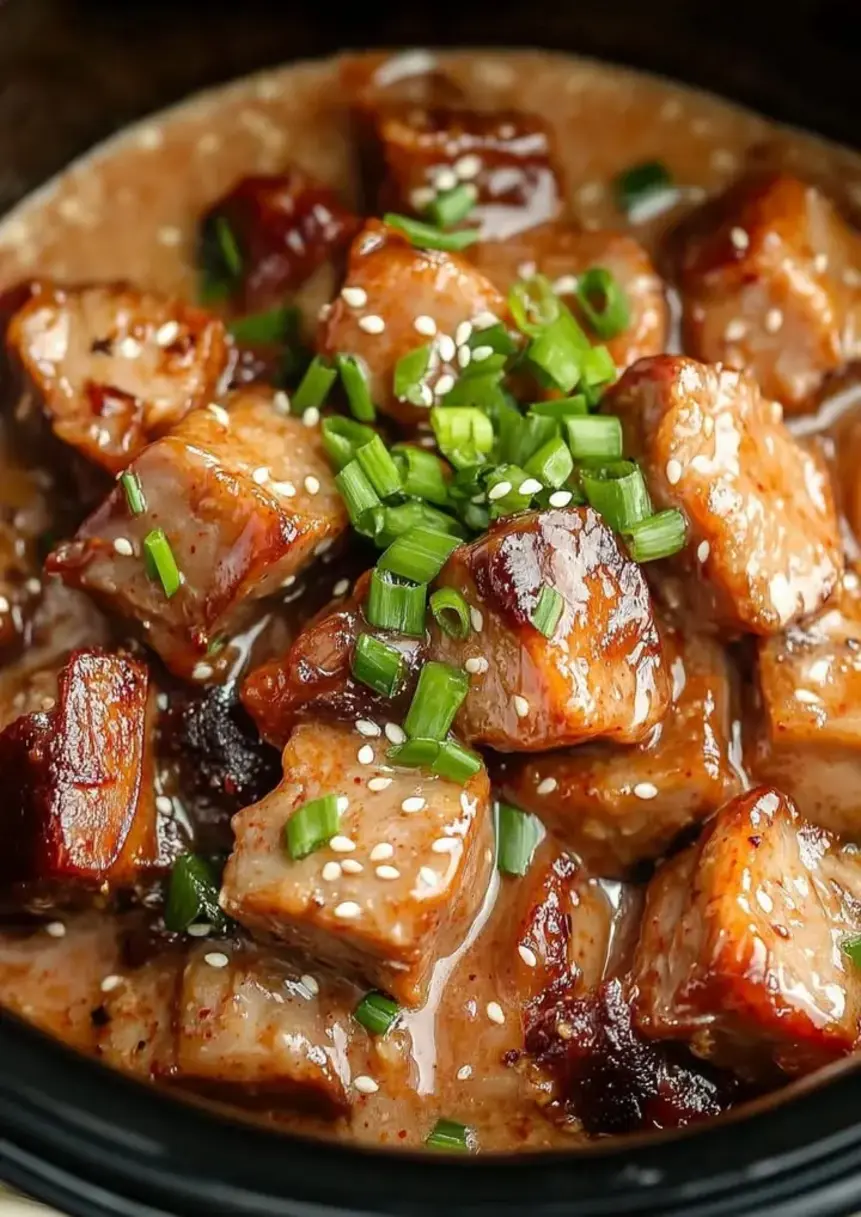
Table of Contents
Korean Honey-Gochujang Glazed Pork Belly Bites – Sticky, Spicy & Irresistible
I still remember the first time I tasted gochujang — it was at a tiny Korean BBQ spot in Koreatown, NYC, about a decade ago. The moment that sticky, fermented chili paste hit my tongue, I was transported. It had the deep, funky warmth I grew up loving in Moroccan harissa, but with a sweetness and complexity that felt totally new. I knew right then I had to bring it into my kitchen and give it my own spin. These Korean honey-gochujang glazed pork belly bites are the result of that love affair — a recipe that marries my French culinary training with the bold, soulful flavors of Korea and a whisper of North African warmth. The honey softens the gochujang’s fire, the heavy cream (yes, cream!) makes the glaze luxuriously silky, and the sesame and scallion ribbons finish everything with freshness and crunch. This is the gochujang glazed pork belly recipe you’ll come back to again and again.
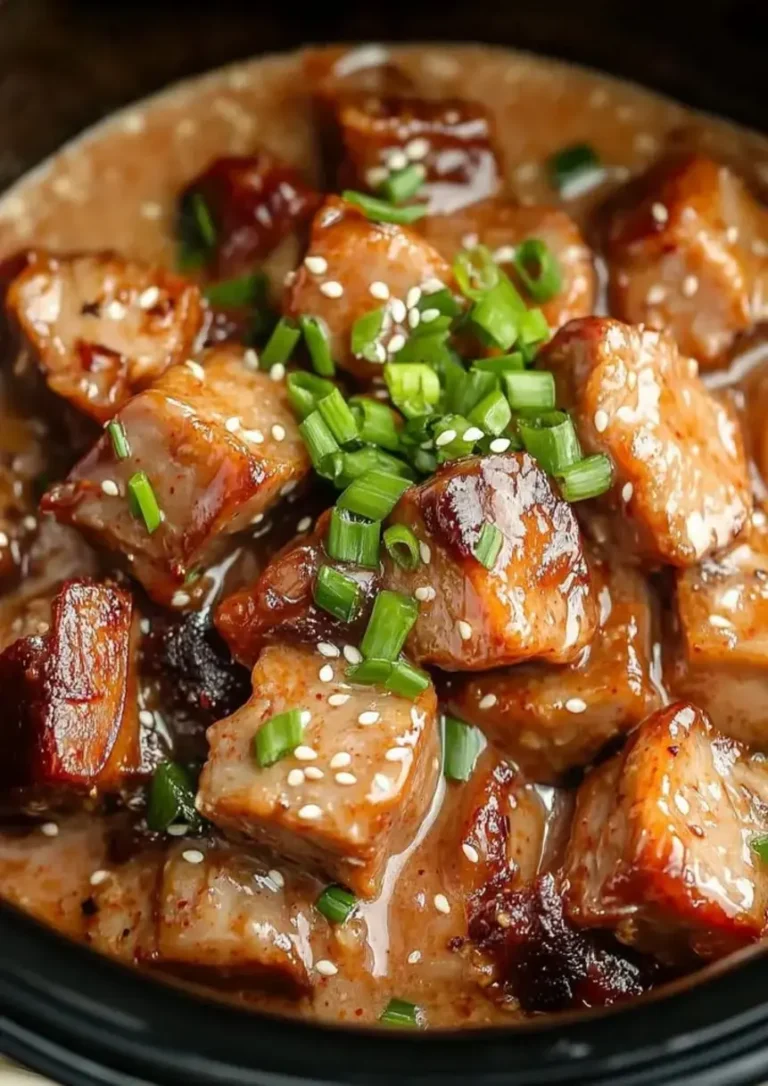
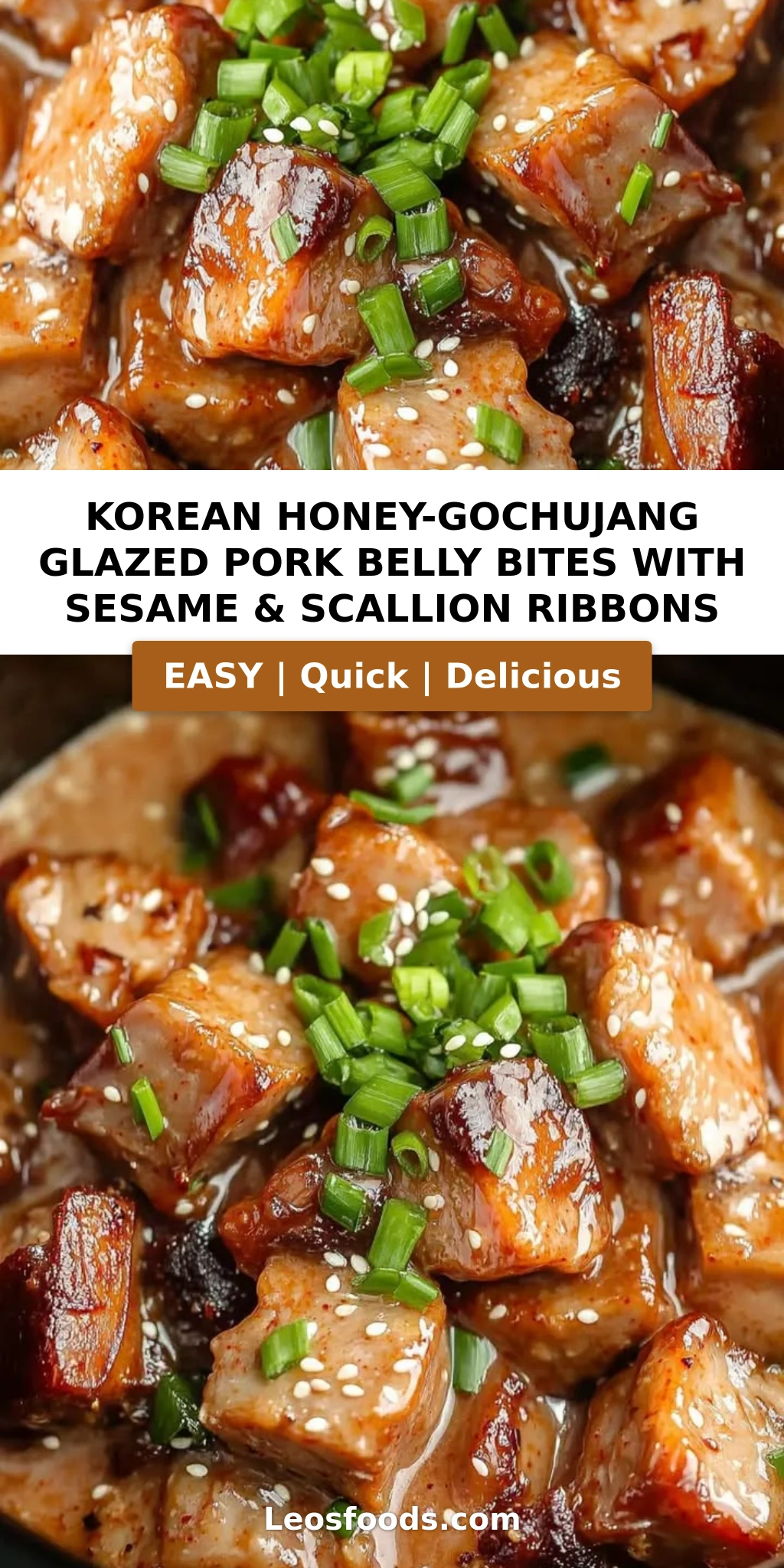
Imagine this: bite-sized cubes of pork belly, rendered until the edges are golden and crisp, then tossed in a glossy, sticky-sweet glaze that clings to every nook and cranny. The first bite gives you that signature crackle of caramelized honey and chili, followed by the lush, buttery richness of the pork itself. A shower of toasted sesame seeds and a tangle of thinly sliced scallion ribbons cut through the richness like a bright, herbal whisper. The aroma alone — garlic, ginger, sesame oil, and that unmistakable fermented depth of gochujang — will have everyone gathering in your kitchen before you even call them to the table. It’s the kind of appetizer that disappears in minutes, with people licking their fingers and reaching for one more piece.
What makes my version special is a technique I picked up during my pastry training in Paris: I use a small amount of heavy cream in the glaze to create a smooth, emulsified sauce that coats the pork belly like velvet. Most recipes skip this step, but the cream balances the heat and prevents the honey from burning too quickly, giving you a perfectly glossy finish every time. I’ll also share my trick for rendering the pork belly so it’s tender inside and crispy outside — no dry, chewy bites here. Plus, I’ll walk you through a common mistake that home cooks often make with gochujang that can make the glaze bitter instead of beautifully caramelized. From my NYC kitchen to yours, let’s make something unforgettable.
Why This Korean Honey-Gochujang Pork Belly Bites Recipe Is the Best
The Flavor Secret — The magic of this Korean BBQ pork belly appetizer lies in the balance of sweet, spicy, savory, and tangy. Gochujang brings fermented depth and gentle heat, honey adds floral sweetness, and a splash of rice vinegar brightens everything. My twist? A touch of heavy cream rounds out the edges and gives the glaze a velvety, almost caramel-like richness that you don’t get from gochujang alone. It’s a classic French technique — adding a little fat to a sauce to make it sing — and it works beautifully here.
Perfected Texture — I’ve tested this recipe more times than I can count to nail the texture. The pork belly is cut into uniform chunks, then rendered slowly so the fat renders out and the meat becomes tender. The glaze is added at the very end and simmered just until it thickens and clings to each piece like a glossy coat. No sticky mess, no dry pork — just perfectly glazed, juicy bites with a hint of chew.
Foolproof & Fast — Despite the complex flavors, this spicy Korean pork belly bites recipe comes together in under an hour. It’s beginner-friendly because I’ve broken down each step with visual cues and pro tips. Plus, the ingredients are easy to find at a well-stocked US grocery store or your local Asian market. You don’t need any special equipment — just a good skillet and a whisk.
Korean Honey-Gochujang Pork Belly Bites Ingredients
I source my gochujang from H Mart in Manhattan — it’s my favorite weekend ritual. The smell of that aisle alone brings me so much joy. And the pork belly? I get it from my butcher in Chelsea Market, always asking for pieces with good fat-to-meat ratio. Here’s everything you’ll need for these honey gochujang pork bites.
Ingredients List
- 2½ lbs pork belly, cut into bite-sized chunks
- ⅓ cup gochujang (Korean chili paste)
- ¼ cup honey
- 3 tablespoons soy sauce
- 1 tablespoon rice vinegar
- 4 cloves garlic, minced
- 1 tablespoon fresh ginger, grated
- ½ cup heavy cream
- 1 tablespoon sesame oil
Ingredient Spotlight
Gochujang — This Korean fermented chili paste is the soul of the dish. It’s made from red chili powder, glutinous rice, fermented soybean powder, and salt. Look for it in the refrigerated section of Asian markets or online. It varies in heat level — I use medium-spicy for this recipe. Store it in the fridge and it will keep for months.
Pork Belly — The star of the show. Choose pieces with even layers of fat and meat — about 60-70% meat to 30-40% fat is ideal. The fat renders during cooking and keeps the meat incredibly moist. If you can’t find skinless pork belly, ask your butcher to remove the skin for you.
Heavy Cream — My secret weapon. It might seem unusual in a Korean glaze, but it adds a silky mouthfeel and balances the heat. It also helps the glaze adhere to the pork without becoming sticky or gummy. Do not substitute with milk — it won’t provide the same richness.
Honey — Use a good-quality, mild honey. Wildflower or clover work well. The honey provides sweetness that counterbalances the gochujang’s heat and helps create that beautiful glossy finish.
| Original Ingredient | Best Substitution | Flavor / Texture Impact |
|---|---|---|
| Gochujang | Ssamjang (Korean BBQ dipping sauce) + extra chili flakes | Milder, nuttier, less fermented depth |
| Pork Belly | Boneless pork shoulder, cut into 1-inch cubes | Leaner, less crispy edges, still tender |
| Heavy Cream | Coconut cream (full-fat, canned) | Slightly sweeter, thinner texture, dairy-free |
| Honey | Brown sugar (dark) + 1 tbsp water | Less floral, more molasses-like, still sticky |
| Soy Sauce | Coconut aminos (for GF) or tamari | Milder, slightly sweeter, less salty |
How to Make Korean Honey-Gochujang Pork Belly Bites — Step-by-Step
Trust me, this is easier than it looks. Follow these steps and you’ll have the most incredible Korean honey gochujang pork belly bites that will steal the show at any gathering.
Step 1: Render the Pork Belly
Place the pork belly chunks in a cold, large skillet or cast-iron pan — do not add oil. The pork belly has plenty of fat to render. Turn the heat to medium-low and cook, stirring occasionally, for 12-15 minutes, until the pieces are golden brown on most sides and the fat has rendered out. The key is to go low and slow so the fat melts without burning the meat. Drain off excess fat, leaving about 1 tablespoon in the pan.
💡 Stella’s Pro Tip: Don’t crowd the pan. If your skillet is too full, the pork will steam instead of brown. Cook in two batches if needed. You want those crispy edges!
Step 2: Make the Glaze
In a small bowl, whisk together the gochujang, honey, soy sauce, rice vinegar, minced garlic, and grated ginger until smooth. The mixture will be thick and intensely aromatic. In a separate small saucepan, gently warm the heavy cream over low heat — do not let it boil. Slowly whisk the warm cream into the gochujang mixture until fully combined and silky. This tempering step prevents the cream from curdling when it hits the hot pan.
⚠️ Common Mistake to Avoid: Adding cold cream directly to the hot gochujang mixture can cause it to seize and become grainy. Always warm the cream first, and whisk constantly as you combine.
Step 3: Glaze & Finish
Pour the glaze over the rendered pork belly in the skillet. Turn the heat to medium and stir gently to coat every piece. Cook for 3-4 minutes, stirring frequently, until the glaze thickens and clings to the pork belly like a glossy, sticky coating. The sauce should bubble gently and reduce slightly. Remove from heat, drizzle with sesame oil, and toss to combine.
💡 Stella’s Pro Tip: Watch the glaze carefully — it can go from perfectly sticky to burnt in seconds. When you see it bubbling and clinging to the pork, it’s ready. If it starts to stick to the pan too much, add a splash of water and stir immediately.
Step 4: Garnish & Serve
Transfer the glazed pork belly bites to a serving platter. Sprinkle generously with toasted sesame seeds. For the scallion ribbons, slice 4-5 scallions into very thin julienne strips (about 2 inches long) and soak them in ice water for 5 minutes — they’ll curl beautifully. Drain and scatter them over the top. Serve immediately while hot and sticky.
⚠️ Common Mistake to Avoid: Don’t skip the scallion ribbon soak! The ice water removes the sharp onion bite and makes them curl into pretty ribbons that add a fresh, crisp contrast to the rich pork.
| Step | Action | Duration | Key Visual Cue |
|---|---|---|---|
| 1 | Render pork belly in cold pan | 12-15 mins | Edges are golden brown, fat is translucent |
| 2 | Whisk glaze ingredients + warm cream | 5 mins | Smooth, cohesive, glossy sauce |
| 3 | Cook glaze with pork belly | 3-4 mins | Glaze thickens and clings to pork |
| 4 | Garnish with sesame + scallion ribbons | 5 mins | Bright green curls, toasted seeds |
Serving & Presentation
When I serve these Korean BBQ pork belly appetizers at my dinner parties in NYC, I like to arrange them on a large wooden board with little bowls of extra sesame seeds, gochugaru (Korean chili flakes), and a side of pickled radish for brightness. The scallion ribbons should be piled high in the center — they look stunning and provide that fresh counterpoint to the rich, sticky pork. A sprinkle of flaky sea salt right before serving elevates every bite.
These bites are incredibly versatile. Serve them as an appetizer with cocktail napkins (trust me, guests will want to pick them up), or make them the centerpiece of a Korean-inspired feast with steamed rice, kimchi, and ssamjang on the side. For a Moroccan twist that my mother would approve of, I sometimes add a pinch of cumin to the glaze — it’s unexpected but absolutely delicious.
| Pairing Type | Suggestions | Why It Works |
|---|---|---|
| Side Dish | Steamed short-grain rice, kimchi fried rice, or sesame cucumber salad | Neutral starch or cool crunch balances the rich, spicy pork |
| Sauce / Dip | Ssamjang, gochujang mayo, or a simple soy-vinegar dip | Adds another layer of savory depth or creamy tang |
| Beverage | Korean rice beer (Makgeolli), crisp lager, or soju | Light, effervescent drinks cut through the richness |
| Garnish | Toasted sesame seeds, scallion ribbons, gochugaru flakes, pickled radish | Adds texture, color, and a fresh or spicy pop |
Make-Ahead, Storage & Reheating
As a busy New Yorker, I’m all about recipes that work with my schedule. These Korean honey gochujang pork belly bites can be prepped ahead and taste just as delicious the next day — if they last that long! Here’s my system for making them work for your life.
| Method | Container | Duration | Reheating Tip |
|---|---|---|---|
| Refrigerator | Airtight container | Up to 4 days | Reheat in a skillet over medium heat with 1 tbsp water, stirring until glaze is glossy again |
| Freezer | Freezer-safe bag or container, remove as much air as possible | Up to 2 months | Thaw overnight in fridge, then reheat in a skillet with a splash of water |
| Make-Ahead | Glaze and pork stored separately | Up to 2 days in advance | Render pork, make glaze, combine and reheat just before serving |
The most important thing to remember when reheating is to add a tablespoon of water to the skillet. This loosens the glaze and prevents it from burning before the pork is heated through. I also like to add a tiny splash of rice vinegar to brighten the flavors again — it makes everything taste freshly made.
Variations & Easy Swaps
One of the things I love most about this gochujang glazed pork belly recipe is how adaptable it is. Over the years, I’ve played with different proteins, spice levels, and twists that honor both my Moroccan roots and my French training. Here are some of my favorite variations.
| Variation | Key Change | Best For | Difficulty Impact |
|---|---|---|---|
| Chicken Thigh Bites | Substitute boneless skinless chicken thighs for pork belly | A leaner, weeknight-friendly option | Easier (cooks faster, less fat to render) |
| Harissa-Gochujang Fusion | Replace 2 tbsp gochujang with harissa paste | A North African-Korean fusion twist | Same difficulty |
| Vegetarian “Pork Belly” | Use king oyster mushrooms or fried tofu puffs | A plant-based option that mimics the texture | Medium (different cooking technique) |
Chicken Thigh Bites
If you’re looking for a lighter take on these honey gochujang pork bites, boneless chicken thighs are a fantastic substitute. Cut them into similar bite-sized pieces and cook in a little oil for about 8-10 minutes until golden and cooked through. The glaze works exactly the same way, and the result is just as juicy and flavorful. This version has become a weeknight staple in my apartment — I serve it over rice with a quick sesame cucumber salad on the side.
Harissa-Gochujang Fusion
This one is very close to my heart. Growing up in Morocco, harissa was a staple in our kitchen — my mother would make it from scratch and jar it. By swapping a portion of the gochujang with harissa, you get a beautiful bridge between Korean and North African flavors. The harissa adds a smoky, earthy depth and a different kind of heat. It’s unexpected and absolutely delicious. I like to garnish these with fresh cilantro and a squeeze of lemon for extra brightness.
Vegetarian “Pork Belly”
For my plant-based friends, I’ve had great success using king oyster mushrooms. Slice them into thick, bite-sized chunks, score the tops in a crosshatch pattern, and pan-sear them until golden and slightly chewy. The texture mimics pork belly surprisingly well, and the glaze clings to the mushrooms beautifully. Another option is fried tofu puffs — they soak up the glaze like a sponge and become incredibly satisfying. Both versions are a hit at my dinner parties.
What is the best way to render the fat from pork belly before glazing it with gochujang?
The best method is to start with a cold skillet — place the pork belly chunks in the pan without any oil, then turn the heat to medium-low. This gentle warming allows the fat to render slowly and evenly without burning the meat. Stir occasionally and cook for 12-15 minutes. You’ll know it’s ready when the pieces are golden brown on most sides and the rendered fat is clear and liquid. Drain off all but about 1 tablespoon of the fat before adding the glaze. This technique gives you tender, juicy pork with beautifully crispy edges.
Can I use honey as a substitute for the honey in the gochujang glaze?
This is a funny but common question — and the answer is yes, honey is already the sweetener in this recipe! If you mean can you substitute the honey with something else, absolutely. Dark brown sugar mixed with a tablespoon of water is the closest substitute — use ¼ cup packed brown sugar plus 1 tablespoon water. Maple syrup or agave nectar also work, but they have thinner consistencies and slightly different flavor profiles. Maple syrup will add a woodsy note, while agave is more neutral. Each substitution will still give you a glossy, sticky glaze, but the flavor and texture will shift subtly.
How long should I marinate the pork belly bites for the most flavor?
For this recipe, you don’t need a long marinade at all. The glaze is cooked directly with the rendered pork belly, so the flavor penetrates during the 3-4 minute cooking process. However, if you want to marinate the raw pork belly in the glaze (without the cream) for extra depth, 2-4 hours in the refrigerator is ideal. Anything longer than 8 hours can start to break down the meat’s texture and make it mushy because of the acid in the rice vinegar. I’ve tested this extensively, and the quick-glaze method actually produces the best balance of sticky coating and tender meat.
What side dishes pair well with Korean honey-gochujang glazed pork belly?
This dish pairs beautifully with classic Korean banchan (side dishes). My top recommendations are: a cool sesame cucumber salad (thinly sliced cucumbers with rice vinegar, sesame oil, and a pinch of sugar), quick pickled radish (for its bright acidity and crunch), and a simple steamed short-grain rice to soak up the extra glaze. Kimchi is also a must — its fermented tang cuts through the richness of the pork. For a more Western twist, I love serving these bites on a bed of crispy lettuce cups with a drizzle of ssamjang. The freshness balances the heat and richness perfectly.
Can I make this recipe in an air fryer?
Yes, you can adapt this recipe for an air fryer! Place the pork belly chunks in the air fryer basket in a single layer and cook at 375°F for 12-14 minutes, shaking halfway through, until golden and crispy. Meanwhile, prepare the glaze on the stovetop as directed. Once the pork is done, toss it in the glaze and return to the air fryer for 2-3 more minutes at 350°F to caramelize. The air fryer method gives you incredibly crispy edges with less hands-on time. Just be sure not to overcrowd the basket or the pork will steam instead of crisp.
How spicy is this honey gochujang pork recipe?
This recipe is moderately spicy — it has a warm, pleasant heat that builds gently but doesn’t overpower. The honey and heavy cream both help mellow the gochujang’s spiciness, making it approachable for most palates. If you’re sensitive to heat, you can reduce the gochujang to ¼ cup and add an extra tablespoon of honey. For those who love more fire, add 1-2 teaspoons of gochugaru (Korean chili flakes) or a drizzle of sriracha to the glaze. Gochujang brands also vary in heat — I recommend starting with a medium-spicy variety and adjusting from there.
Can I use this glaze on other meats or vegetables?
Absolutely — this glaze is incredibly versatile! It works wonderfully on chicken thighs or drumsticks (just adjust cooking time), salmon fillets (brush on during the last 5 minutes of cooking), or even roasted cauliflower for a vegetarian option. The key is to add the glaze toward the end of cooking to prevent burning. I also love using it as a dipping sauce for grilled shrimp or tofu skewers. For vegetables, toss roasted broccoli, Brussels sprouts, or sweet potatoes in the glaze right after roasting. The sweet-spicy-savory balance complements almost anything.
What if I can’t find gochujang at my local grocery store?
If you can’t find gochujang, the best substitute is ssamjang (Korean BBQ dipping sauce) mixed with a pinch of gochugaru or red pepper flakes — it’s milder but still delicious. Another option is to use a combination of miso paste and sriracha: use 3 tablespoons white miso and 2 tablespoons sriracha, then reduce the soy sauce slightly. Keep in mind that these substitutes will change the flavor profile — gochujang has a unique fermented depth that’s hard to replicate. I highly recommend seeking it out at an Asian market or ordering it online. It’s a staple ingredient that will open up a world of Korean cooking for you.
Share Your Version!
Thank you so much for making these Korean honey-gochujang glazed pork belly bites. I hope they bring as much joy to your table as they do to mine every time I make them. If you try this recipe, I’d love to hear how it went — leave a star rating and a comment below to let me know! Did you try one of the variations? Did you add your own twist? Tell me all about it.
And if you’re sharing on Instagram or Pinterest, please tag me @leosfoods so I can see your beautiful creations. I love scrolling through my feed and spotting these little golden bites out in the wild. One last thing — I’d love to know: did you go with the classic pork belly or try the chicken thigh version? Or maybe you did the harissa fusion? Let me know in the comments — your feedback helps me create recipes you’ll love even more. From my NYC kitchen to yours — I hope this recipe brings as much warmth to your table as it does to mine. — Stella 🧡
Love This Recipe? Save It to Pinterest!
If you enjoyed this Korean Honey-Gochujang Glazed Pork Belly Bites with Sesame & Scallion Ribbons recipe, don’t let it get lost in your browser tabs! 😄 Pin it now so you can find it again anytime — and explore hundreds more tried-and-tested recipes waiting for you on my Pinterest boards.
👉 Follow Stella on Pinterest @stellarecipeblog
📌 Pin this recipe · 🔁 Re-pin your favorites · 💬 Tag me when you make it — I love seeing your creations!
👩🍳 Made this recipe? Tell me about it!
Leave a ⭐ star rating and a comment below — I read every single one and it helps other home cooks find this recipe too!
📸 Tag @leosfoods on Instagram or Pinterest to be featured in my stories!
Korean Honey-Gochujang Glazed Pork Belly Bites with Sesame & Scallion Ribbons
Ingredients
- 2½ lbs pork belly, cut into bite-sized chunks
- ⅓ cup gochujang (Korean chili paste)
- ¼ cup honey
- 3 tablespoons soy sauce
- 1 tablespoon rice vinegar
- 4 cloves garlic, minced
- 1 tablespoon fresh ginger, grated
- ½ cup heavy cream
- 1 tablespoon sesame oil
Instructions
- Method: Appetizer
- Cuisine: Korean
Tried This Recipe? Leave a Comment!
Did you make this recipe? I’d love to hear how it turned out! Please leave a comment and a rating below. Your feedback helps other home cooks and supports cheerychop.com!
For more delicious inspiration, follow me on Pinterest!