Fall-Apart Slow Braised Lamb Shanks in Red Wine Gravy
“`html
Table of Contents
Fall-Apart Slow Braised Lamb Shanks in Rich Herb and Red Wine Gravy – A Moroccan-French Fusion That Melts in Your Mouth
I still remember the first time I truly understood what “fall-apart tender” meant. I was a young girl in my mother’s kitchen in Marrakech, watching her braise lamb with saffron, ginger, and preserved lemons — the meat so fragile it would surrender at the slightest touch of a fork. Years later, at culinary school in Paris, I learned the French technique of braising lamb shanks in red wine and herbs, and something clicked. This recipe for slow braised lamb shanks is the bridge between those two worlds: the warmth of North African spices and the elegance of French sauce work. The braised lamb shanks recipe you’re about to make is the one I turn to for cold NYC evenings when I need a dish that feels like a hug from the inside out.
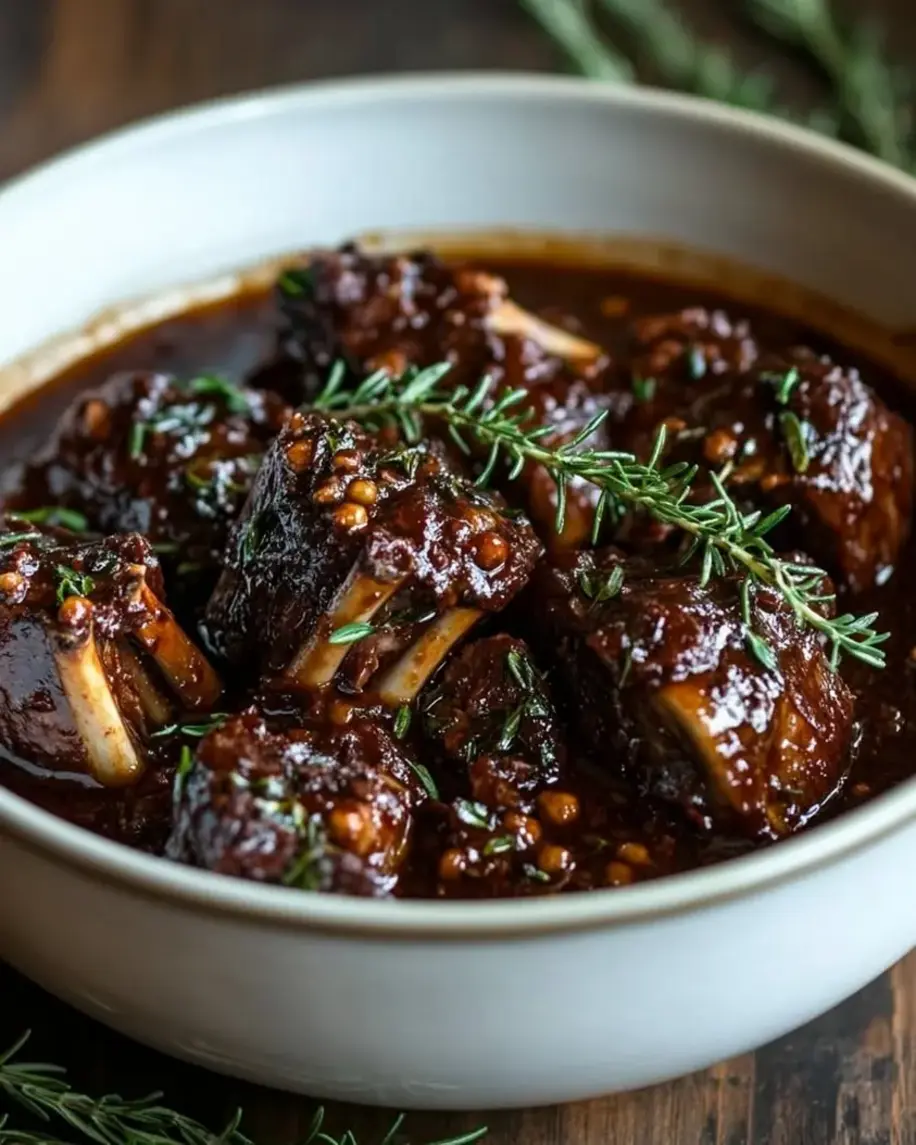
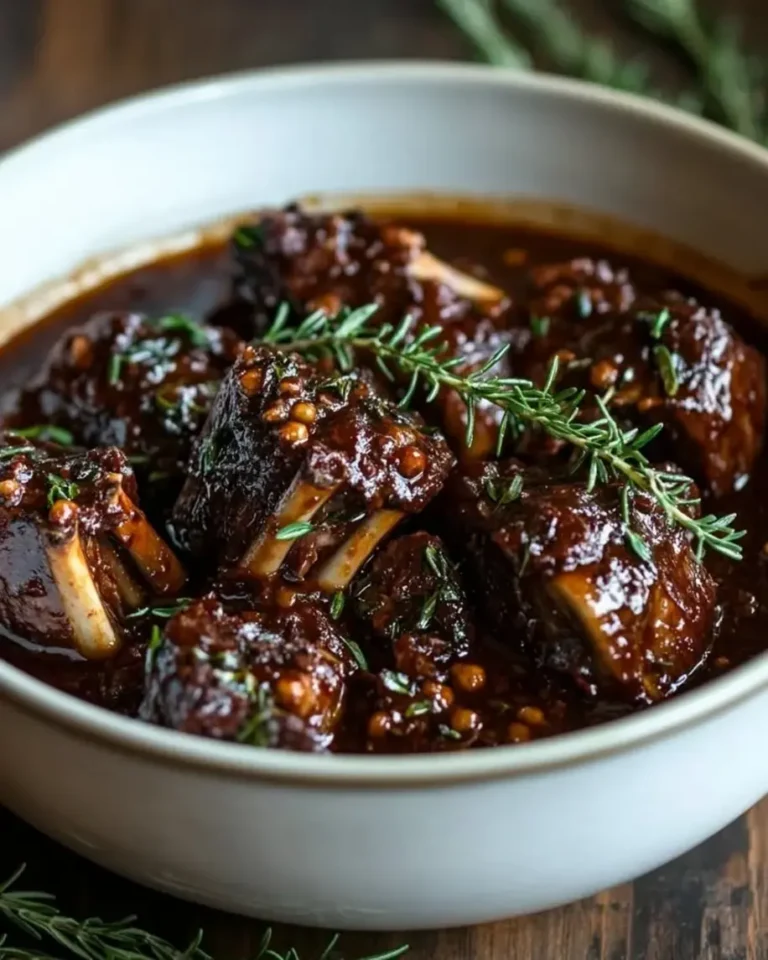
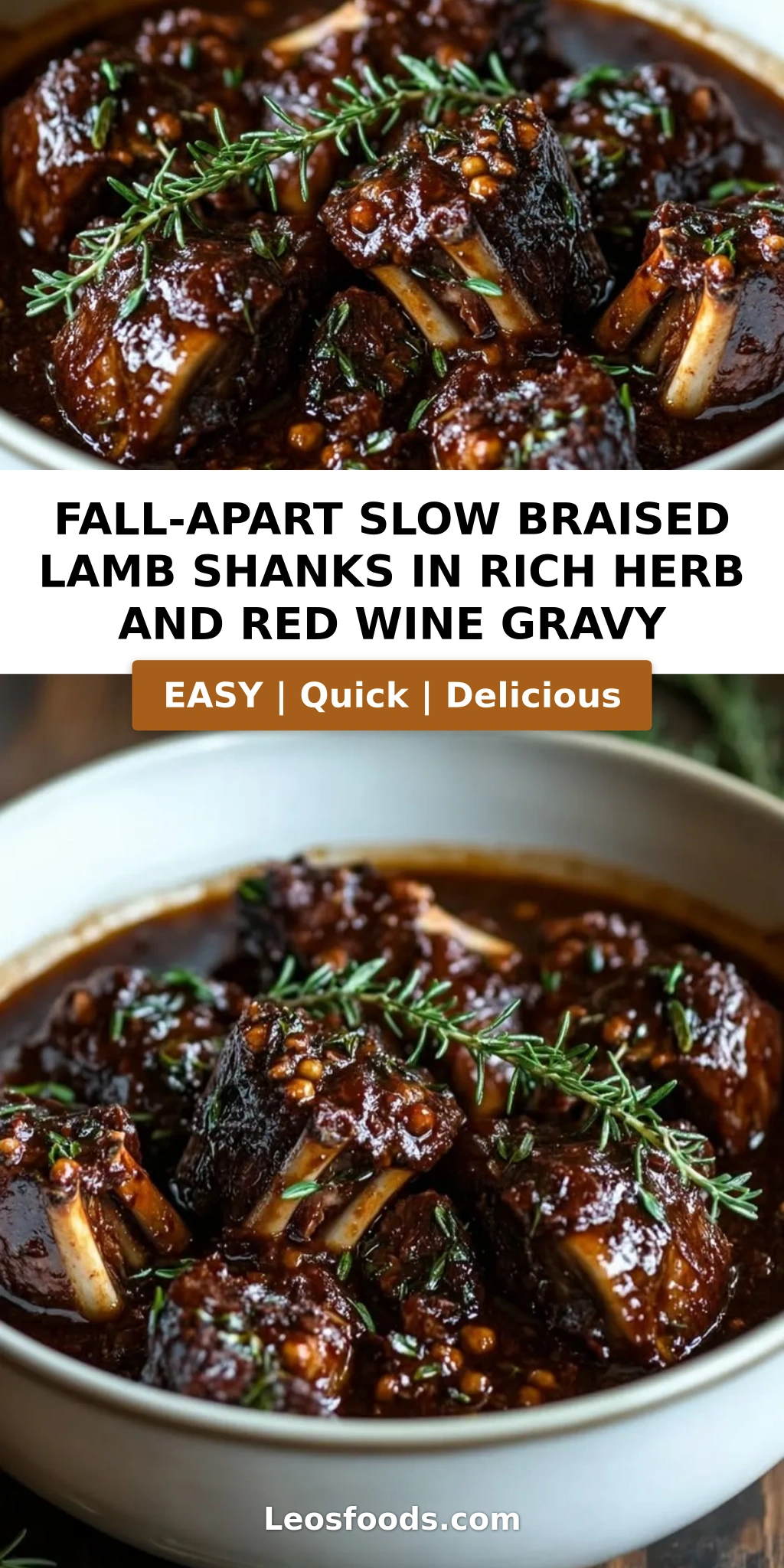
Picture this: a deep, glossy gravy the color of dark garnet, fragrant with rosemary and garlic, clinging to lamb shanks that have gone from tough and sinewy to impossibly tender. The meat pulls away from the bone in long, silky strands, each bite infused with the richness of red wine and the savory depth of slow-cooked aromatics. The aroma alone — wafting through your kitchen as the shanks braise low and slow — will have everyone wandering in to ask, “What is that incredible smell?” This is not just a meal; it’s an experience. It’s the kind of cooking that fills your home with warmth and your heart with pride.
What makes this version of red wine braised lamb shanks special is the double technique: I sear the shanks with a touch of Moroccan-inspired spice (a whisper of cumin and coriander in the seasoning) before the classic French mirepoix and wine braise. The result is a gravy with extraordinary depth — earthy, herbal, and just a little bit mysterious. And here’s the best part: while this looks like a fancy dinner party dish, it’s actually one of the most forgiving recipes you can make. The oven does all the work. I’ll show you exactly how to get that perfect fall-apart texture, plus the one common mistake that can make your lamb tough instead of tender. From my NYC kitchen to yours, let’s make something beautiful.
Why This Slow Braised Lamb Shanks Recipe Is the Best
The Flavor Secret: Most lamb shank recipes rely solely on wine and stock for flavor. I take it further by seasoning the lamb with a pinch of cumin and coriander before searing — a nod to my Moroccan roots that adds an almost imperceptible warmth that makes the red wine gravy sing. Combined with the classic French technique of deglazing with tomato paste and Worcestershire sauce, the gravy develops a savory complexity that will have you licking the spoon.
Perfected Texture: The key to fall apart lamb shanks is low, slow cooking — but the real secret is the sear. I brown the shanks until they’re deeply caramelized on all sides, which builds the foundation of flavor. Then the long braise at 325°F breaks down the connective tissue into gelatin, creating that velvety, mouth-coating texture. The collagen melts into the sauce, making it naturally thick and luxurious without any flour or cornstarch.
Foolproof & Fast: Despite the three-hour cook time, this lamb shanks in red wine gravy recipe requires only 20 minutes of active work. The oven does the rest. It’s perfect for a Sunday dinner or a special occasion when you want to impress without spending all day in the kitchen. Even beginners can nail this recipe on the first try — I promise.
Braised Lamb Shanks Recipe Ingredients
I source my lamb shanks from the butcher at the Union Square Greenmarket in NYC — they’re always pasture-raised and incredibly flavorful. The memory of buying fresh herbs at the Marché Bastille in Paris inspired the rosemary-heavy profile here. These ingredients are simple, but each one plays a crucial role in building the rich gravy.
Ingredients List
- 4 lamb shanks (about 1 lb each)
- 2 tablespoons olive oil
- 1 large onion, diced
- 2 carrots, chopped
- 2 celery stalks, chopped
- 4 garlic cloves, minced
- 2 tablespoons tomato paste
- 2 cups beef stock (low sodium recommended)
- 1 cup dry red wine (such as Cabernet Sauvignon or Merlot)
- 1 tablespoon Worcestershire sauce
- 2 sprigs fresh rosemary
Ingredient Spotlight
Lamb Shanks: The hero of this dish. Look for shanks with plenty of meat and a good amount of marbling — the fat renders during braising and keeps the meat moist. If you can’t find lamb, beef shanks are a decent substitute, though the flavor will be deeper and less delicate. Substitution: Use 3 lbs of lamb shoulder cut into large chunks; reduce braise time to 2 hours.
Dry Red Wine: The backbone of the gravy. A Cabernet Sauvignon or Merlot adds richness and structure. Never use cooking wine — it’s too salty and lacks complexity. Substitution: An extra cup of beef stock plus 1 tablespoon of balsamic vinegar mimics the acidity and depth of red wine.
Fresh Rosemary: Rosemary and lamb are a classic pairing. The resinous, piney notes cut through the richness of the meat. Substitution: 2 teaspoons dried rosemary (add with the stock) or 3 sprigs of fresh thyme.
Tomato Paste: Adds umami and a touch of acidity to balance the wine. I love the double-concentrated kind in a tube — it’s more intense and lasts longer. Substitution: 1 tablespoon tomato sauce (reduce stock slightly) or skip for a less tangy gravy.
| Original Ingredient | Best Substitution | Flavor / Texture Impact |
|---|---|---|
| Lamb shanks | Beef shanks or lamb shoulder chunks | Beef is richer and less gamey; lamb shoulder is more tender but cooks faster |
| Dry red wine | Beef stock + 1 tbsp balsamic vinegar | Less complex but still tangy and savory; slightly thinner gravy |
| Fresh rosemary | 2 tsp dried rosemary or 3 sprigs fresh thyme | Dried rosemary is slightly less aromatic; thyme adds a different herbal note |
| Tomato paste | 1 tbsp tomato sauce (reduce stock) | Milder umami; sauce will be slightly less rich in color |
How to Make Fall-Apart Slow Braised Lamb Shanks — Step-by-Step
Trust me when I say this: if you can brown meat and chop vegetables, you can make this fall apart lamb shanks recipe. The process is straightforward, but I’ll share every visual cue and tip so your shanks turn out perfect every time.
Step 1: Sear the Lamb Shanks
Preheat your oven to 325°F (160°C). Pat the lamb shanks dry with paper towels — moisture is the enemy of a good sear. Season them generously on all sides with salt, pepper, and a pinch of cumin and coriander if you want my Moroccan twist. Heat 2 tablespoons of olive oil in a large Dutch oven over medium-high heat until it shimmers. Add the shanks in a single layer (work in batches if needed) and brown deeply on all sides, about 2 minutes per side, for a total of 8 minutes. The crust should be dark mahogany — that’s flavor. Remove to a plate.
💡 Stella’s Pro Tip: Don’t rush the sear. A deep golden-brown crust creates the foundation of the entire dish. If the meat sticks to the pot, it’s not ready to flip — wait another 30 seconds.
Step 2: Cook the Aromatics
In the same pot, reduce the heat to medium. Add the diced onion, chopped carrots, and chopped celery. Cook, stirring occasionally, until softened and lightly browned, about 5 minutes. The fond (browned bits) on the bottom of the pot will start to lift — that’s good. Add the minced garlic and tomato paste, and cook for 1 minute until the paste darkens and becomes fragrant.
⚠️ Common Mistake to Avoid: Adding the garlic too early or at high heat. Garlic burns quickly and turns bitter. Always add it after the vegetables are soft, and keep the heat at medium.
Step 3: Deglaze and Build the Gravy
Pour in the beef stock, red wine, and Worcestershire sauce. Stir vigorously with a wooden spoon, scraping up all the browned bits from the bottom — that’s pure flavor. Add the rosemary sprigs. Return the lamb shanks to the pot, nestling them into the liquid so they’re partially submerged (the tops should be exposed). Bring to a gentle simmer on the stovetop.
💡 Stella’s Pro Tip: For an even richer gravy, add 1 tablespoon of balsamic vinegar along with the wine. It deepens the color and adds a subtle sweetness that balances the herbs.
Step 4: Braise Low and Slow
Cover the Dutch oven with its lid and transfer to the preheated oven. Braise for 2.5 to 3 hours, until the meat is very tender and practically falling off the bone. Check at the 2-hour mark — the meat should be starting to pull away from the bone. If it’s still firm, continue cooking. The sauce should be reduced and slightly thickened.
⚠️ Common Mistake to Avoid: Lifting the lid too often. Every time you open the oven, heat escapes and the cooking time extends. Trust the process — peek only at the 2-hour mark.
Step 5: Rest and Serve
Carefully remove the lamb shanks to a warm platter and tent with foil. Let them rest for 10 minutes. Meanwhile, skim any excess fat from the surface of the gravy with a spoon. Taste and adjust seasoning with salt and pepper. If you prefer a thicker gravy, whisk 1 tablespoon cornstarch with 2 tablespoons cold water to make a slurry, stir it into the simmering sauce, and cook for 2 minutes. Spoon the rich gravy over the shanks and serve immediately.
💡 Stella’s Pro Tip: For the most beautiful presentation, strain the gravy through a fine-mesh sieve before serving. You’ll get a silky-smooth sauce that looks like it came from a fine-dining kitchen.
| Step | Action | Duration | Key Visual Cue |
|---|---|---|---|
| 1 | Sear lamb shanks | 8 minutes | Deep mahogany crust on all sides |
| 2 | Cook aromatics | 5 minutes | Vegetables softened and lightly browned |
| 3 | Deglaze and build gravy | 2 minutes | Liquid simmers, fond releases from pot |
| 4 | Braise in oven | 2.5–3 hours | Meat pulls away from bone, sauce reduced |
| 5 | Rest and serve | 10 minutes rest | Meat holds together but shreds with a fork |
Serving & Presentation
When I serve these slow braised lamb shanks at my table in NYC, I like to keep the plating rustic yet elegant. Place one lamb shank in the center of a shallow bowl or deep plate, and spoon a generous amount of the red wine gravy over the top. The gravy should pool around the meat, not drown it. Sprinkle with fresh chopped parsley or a few rosemary needles for color. The contrast of the dark, glossy sauce against the tender meat is pure visual poetry.
In Morocco, we would serve this with crusty bread to mop up every drop of the sauce. In Paris, it would come with pommes purées (silky mashed potatoes) or a simple green salad. My favorite pairing is creamy polenta or garlic mashed potatoes — the starch soaks up the gravy beautifully. A side of roasted carrots or wilted spinach with lemon completes the meal. For a wine pairing, pour the same red wine you used in the braise — it creates a beautiful harmony between the glass and the plate.
| Pairing Type | Suggestions | Why It Works |
|---|---|---|
| Side Dish | Creamy polenta, garlic mashed potatoes, or crusty sourdough bread | Starches absorb the rich gravy and balance the intensity |
| Sauce / Dip | Extra gravy on the side, a drizzle of balsamic reduction | Adds moisture and a tangy contrast to the rich meat |
| Beverage | Cabernet Sauvignon, Malbec, or a bold Shiraz | Full-bodied reds complement the wine-based gravy and lamb’s richness |
| Garnish | Fresh parsley, rosemary needles, lemon zest, or pomegranate seeds | Fresh herbs and citrus cut through the richness; pomegranate adds a Moroccan touch |
Make-Ahead, Storage & Reheating
One of the best things about this lamb shanks in red wine gravy recipe is that it tastes even better the next day. The flavors meld and deepen overnight, making it the perfect make-ahead meal for a busy NYC week. I often make a double batch on Sunday and enjoy it throughout the week. Here’s exactly how to store and reheat it so the meat stays tender and the gravy remains luscious.
| Method | Container | Duration | Reheating Tip |
|---|---|---|---|
| Refrigerator | Airtight container with lid | 3–4 days | Reheat in a covered pot on the stove over low heat, adding a splash of stock if needed |
| Freezer | Freezer-safe container or heavy-duty zip-top bag | 3 months | Thaw in the refrigerator overnight, then reheat gently on the stove or in a 300°F oven |
| Make-Ahead | Dutch oven (cool completely before refrigerating) | Up to 2 days in advance | Reheat covered in a 325°F oven for 20–30 minutes until warmed through |
When reheating, the key is to go low and slow — just like the original cooking method. If you’re using the stove, place the lamb shanks and gravy in a pot, cover, and warm over low heat for 15–20 minutes, turning occasionally. If the gravy looks too thick, add a splash of beef stock or water. For the oven, transfer everything to a baking dish, cover with foil, and warm at 325°F for 20–25 minutes. The meat will remain tender and the sauce will be just as luscious as the day you made it.
Variations & Easy Swaps
| Variation | Key Change | Best For | Difficulty Impact |
|---|---|---|---|
| Moroccan Spiced | Add 1 tsp cumin, 1 tsp coriander, 1/2 tsp cinnamon to the seasoning | Warm, aromatic twist on the classic | No change in difficulty |
| Gluten-Free | Use gluten-free Worcestershire sauce; thicken with cornstarch or potato starch | Those with gluten sensitivities | No change in difficulty |
| Slow Cooker Version | Sear and deglaze on stovetop, then transfer to slow cooker; cook 6–8 hours on LOW | Hands-off, all-day cooking | Easier (less monitoring) |
Moroccan Spiced Variation
This is the version that takes me straight back to my mother’s kitchen in Marrakech. Before searing, season the lamb shanks with a blend of 1 teaspoon ground cumin, 1 teaspoon ground coriander, and 1/2 teaspoon cinnamon, along with the salt and pepper. The warm, earthy spices weave through the red wine gravy and create an incredibly aromatic dish that feels both exotic and comforting. I love serving this version with couscous studded with dried apricots and toasted almonds — a true North African feast.
Gluten-Free / Dairy-Free Variation
This recipe is naturally dairy-free, but to make it gluten-free, you just need to check your Worcestershire sauce (some brands contain malt vinegar from barley). Use a certified gluten-free Worcestershire sauce or substitute with tamari. For thickening the gravy, skip the flour slurry and use 1 tablespoon cornstarch mixed with 2 tablespoons cold water. The result is just as glossy and silky — no one will notice the difference. I’ve tested this version many times, and it’s every bit as satisfying.
Slow Cooker Variation
For my fellow busy New Yorkers: you can absolutely make this in a slow cooker. Follow steps 1–3 on the stovetop (sear the lamb, cook the aromatics, deglaze), then transfer everything — lamb, vegetables, and liquid — into a slow cooker. Cook on LOW for 6–8 hours or on HIGH for 4–5 hours, until the meat is fall-apart tender. The gravy won’t reduce as much as in the oven, so I like to transfer the liquid to a pot and simmer it on the stove for 10–15 minutes to thicken it before serving. It’s a fantastic hands-off option that still delivers incredible flavor.
Frequently Asked Questions
What is the best way to get lamb shanks to fall off the bone when braising them?
The key to fall-off-the-bone lamb shanks is low, slow cooking with sufficient liquid and a tight seal. Braise at 325°F for 2.5 to 3 hours — the collagen and connective tissue break down into gelatin, which makes the meat tender and the sauce velvety. Always bring the liquid to a gentle simmer before covering and transferring to the oven. And here’s a crucial tip: let the shanks rest in the gravy for 10–15 minutes after cooking. The residual heat continues to work, and the meat becomes even more tender. Never boil lamb shanks — high heat will make them tough and dry.
Can I use a different type of red wine for the gravy if I don’t have a specific one on hand?
Absolutely. Any dry red wine works beautifully in this braised lamb shanks recipe. Cabernet Sauvignon, Merlot, Malbec, Syrah, or even a Zinfandel are all excellent choices. The key is to use a wine you’d actually enjoy drinking — avoid “cooking wines” which are loaded with salt and preservatives. If you only have a sweet red wine like a Lambrusco or a Port, the gravy will be noticeably sweeter and less savory. In that case, reduce the amount to 1/2 cup and add an extra 1/2 cup of beef stock to balance the sweetness. My personal favorite is a bold Cabernet Sauvignon — it gives the gravy a beautiful depth and complexity.
How long does it take to braise lamb shanks in the oven until they are tender?
At 325°F (160°C), lamb shanks typically need 2.5 to 3 hours to become fall-apart tender. The exact time depends on the size of the shanks and your oven. I recommend checking at the 2-hour mark: the meat should be starting to pull away from the bone and a fork inserted into the thickest part should meet little resistance. If it’s still firm, continue cooking and check every 20 minutes. Larger shanks (1.5 lbs each) may need up to 3.5 hours. The visual cue you’re looking for is the meat shrinking back from the bone by about 1/2 inch — that’s when you know it’s ready.
What are the best herbs to use for a rich red wine gravy with lamb shanks?
Rosemary is the classic herb for lamb — its piney, resinous notes cut through the richness of the meat and complement the red wine beautifully. Thyme is another excellent choice; its earthy, slightly floral flavor pairs wonderfully with the gravy. For a more complex herbal profile, try a combination of rosemary, thyme, and a bay leaf. Fresh herbs are always preferable to dried for braising because they release their oils slowly and infuse the gravy over the long cooking time. If you only have dried herbs, use half the amount and add them during the last hour of braising so their flavor doesn’t fade completely.
Should I trim the fat from lamb shanks before braising?
I recommend leaving most of the fat on the lamb shanks during braising. The fat renders slowly during the long cooking process and keeps the meat moist and flavorful. It also enriches the gravy. After braising, you can easily skim the excess fat from the surface of the sauce before serving. If there are large, thick pieces of hard fat on the outside of the shanks, you can trim those — but leave the marbled fat and the thin layer of external fat intact. The collagen in the connective tissue is what gives the gravy its silky texture, and the fat contributes to the overall richness.
Can I braise lamb shanks in a regular pot instead of a Dutch oven?
Yes, you can use any heavy-bottomed oven-safe pot with a tight-fitting lid. A Dutch oven is ideal because it distributes heat evenly and retains moisture, but a heavy stainless steel pot or an enameled cast-iron pot works just as well. The key is that the pot must be able to go from stovetop to oven and have a lid that seals well to prevent the liquid from evaporating too quickly. If your pot doesn’t have a tight-fitting lid, cover it tightly with a double layer of aluminum foil before placing it in the oven. This creates a steam-tight seal that keeps the braising liquid from reducing too much.
How do I thicken the red wine gravy for lamb shanks?
The gravy will naturally thicken during the long braise as the collagen from the lamb shanks melts into the liquid and the sauce reduces. If you prefer a thicker gravy, you have several options. The simplest method is to remove the lamb shanks after braising and simmer the sauce on the stovetop for 10–15 minutes to reduce it further. For a quicker thickening, whisk 1 tablespoon cornstarch with 2 tablespoons cold water to make a slurry, then stir it into the simmering gravy and cook for 2 minutes until glossy and thickened. You can also mash a few of the cooked carrots from the pot into the sauce — this adds natural body and sweetness.
What should I serve with slow braised lamb shanks for a complete meal?
For a satisfying and balanced meal, I recommend pairing these lamb shanks with a starchy side that soaks up the rich gravy, a vegetable side for freshness, and a wine that echoes the flavors in the dish. Creamy polenta, garlic mashed potatoes, or buttery egg noodles are all excellent starch choices. For vegetables, roasted carrots, sautéed spinach with lemon, or a simple arugula salad with shaved Parmesan add color and acidity. A bold red wine like the one you used in the braise ties everything together beautifully. In my NYC home, I often serve it with a side of crusty sourdough bread — there’s nothing better than wiping the bowl clean with a piece of warm bread.
Can I use frozen lamb shanks for this recipe?
Yes, you can use frozen lamb shanks, but I highly recommend thawing them completely in the refrigerator before cooking. This ensures even cooking and proper browning. To thaw safely, place the frozen shanks on a plate in the refrigerator for 24–48 hours. If you’re short on time, you can thaw them in a sealed bag submerged in cold water, changing the water every 30 minutes — this takes about 2–3 hours. Once thawed, pat them very dry with paper towels before searing. Moisture on the surface will prevent a good sear, so take your time with this step.
Why did my lamb shanks turn out tough and not falling apart?
If your lamb shanks are tough, the most likely cause is undercooking. Lamb shanks are a tough cut of meat that needs extended low heat to break down the collagen. If they’re still firm after 2.5 hours, continue braising and check every 20 minutes. Another possible cause is cooking at too high a temperature — the braising liquid should simmer gently, not boil. If your oven runs hot, the liquid can boil and cause the meat to contract and become tough. Finally, make sure the shanks are at least partially submerged in the liquid. If there’s not enough liquid, the exposed parts of the meat can dry out. Add more stock or wine if needed.
Share Your Version!
I hope you fall in love with this slow braised lamb shanks recipe as much as I have. It’s one of those dishes that feels like a celebration, yet it’s humble enough to make on a quiet Sunday afternoon. The rich red wine gravy, the tender meat, the fragrant herbs — every bite tells a story of the places and traditions that inspired it.
If you make this recipe, I’d love to hear about it! Leave a star rating and a comment below to let me know how it turned out. Did you try the Moroccan spice variation? Did you serve it with polenta or mashed potatoes? Your feedback helps other readers and inspires me to keep creating. Snap a photo of your beautiful lamb shanks and tag @leosfoods on Instagram or Pinterest — I’ll be watching for your creations. And if you have any questions, just drop them in the comments. From my NYC kitchen to yours — I hope this recipe brings as much warmth to your table as it does to mine. — Stella 🧡
📸 Made this recipe? I’d love to see it!
Snap a photo and tag @leosfoods on Instagram or Pinterest. Leave a ⭐ star rating and a comment below — your feedback helps me create more recipes you’ll love!
💬 Question? Ask in the comments — I answer every single one.
Love This Recipe? Save It to Pinterest!
If you enjoyed this Fall-Apart Slow Braised Lamb Shanks in Rich Herb and Red Wine Gravy recipe, don’t let it get lost in your browser tabs! 😄 Pin it now so you can find it again anytime — and explore hundreds more tried-and-tested recipes waiting for you on my Pinterest boards.
👉 Follow Stella on Pinterest @stellarecipeblog
📌 Pin this recipe · 🔁 Re-pin your favorites · 💬 Tag me when you make it — I love seeing your creations!
“`
Print
Fall-Apart Slow Braised Lamb Shanks in Rich Herb and Red Wine Gravy
Tender, fall-apart lamb shanks braised low and slow in a rich red wine and herb gravy. A comforting, elegant dish perfect for special occasions.
- Total Time: 3 hours 20 minutes
- Yield: 4 1x
Ingredients
- 4 lamb shanks
- 2 tablespoons olive oil
- 1 large onion, diced
- 2 carrots, chopped
- 2 celery stalks, chopped
- 4 garlic cloves, minced
- 2 tablespoons tomato paste
- 2 cups beef stock
- 1 cup dry red wine
- 1 tablespoon Worcestershire sauce
- 2 sprigs fresh rosemary
Instructions
- Preheat oven to 325°F (160°C).
- Season lamb shanks generously with salt and pepper. Heat olive oil in a large Dutch oven over medium-high heat. Brown shanks on all sides, about 8 minutes total. Remove and set aside.
- In the same pot, add onion, carrots, and celery. Cook until softened, about 5 minutes. Add garlic and tomato paste; cook for 1 minute.
- Pour in beef stock, red wine, and Worcestershire sauce. Stir, scraping up any browned bits from the bottom. Add rosemary sprigs. Return lamb shanks to the pot, nestling them into the liquid.
- Bring to a simmer, then cover and transfer to the oven. Braise for 2.5–3 hours, until meat is very tender and falling off the bone.
- Carefully remove lamb shanks to a platter. Skim fat from the sauce if desired. Serve shanks with the rich gravy spooned over the top.
Notes
For an even richer flavor, marinate the lamb shanks in the red wine and herbs overnight before cooking. The gravy can be thickened with a cornstarch slurry if desired.
- Prep Time: 20 minutes
- Cook Time: 3 hours
- Method: Main Course
- Cuisine: Mediterranean
Nutrition
- Calories: 580
- Sugar: 6 g
- Fat: 28 g
- Carbohydrates: 12 g
- Protein: 48 g
Tried This Recipe? Leave a Comment!
Did you make this recipe? I’d love to hear how it turned out! Please leave a comment and a rating below. Your feedback helps other home cooks and supports cheerychop.com!
For more delicious inspiration, follow me on Pinterest!