Creamy Restaurant-Style Chicken Tikka Masala Recipe
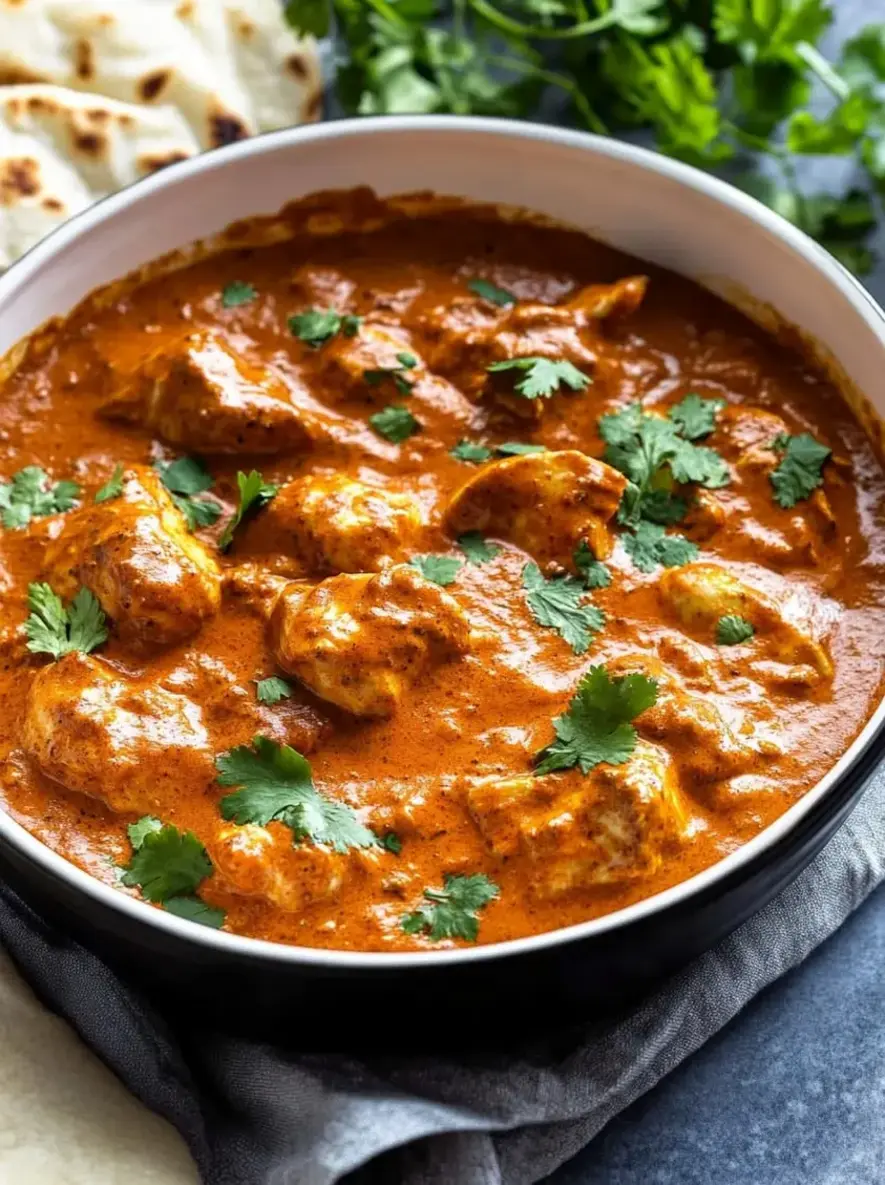
Table of Contents
Creamy Restaurant-Style Chicken Tikka Masala with Aromatic Indian Spices – The Ultimate Comfort Curry
I first fell in love with chicken tikka masala not in India, but at a tiny restaurant tucked into a side street near London’s Brick Lane during a year I spent traveling after culinary school in Paris. The moment that velvety, spice-flecked sauce hit my tongue — tangy from tomatoes, rich from cream, and singing with cumin, paprika, and garam masala — I knew I had to re-create it in my own kitchen here in New York City. This creamy restaurant-style chicken tikka masala is the result of years of testing, tweaking, and tasting. It’s the chicken tikka masala recipe I turn to when I want that deep, layered flavor without spending all day at the stove. And trust me — once you make it at home, you’ll never look at takeout the same way.
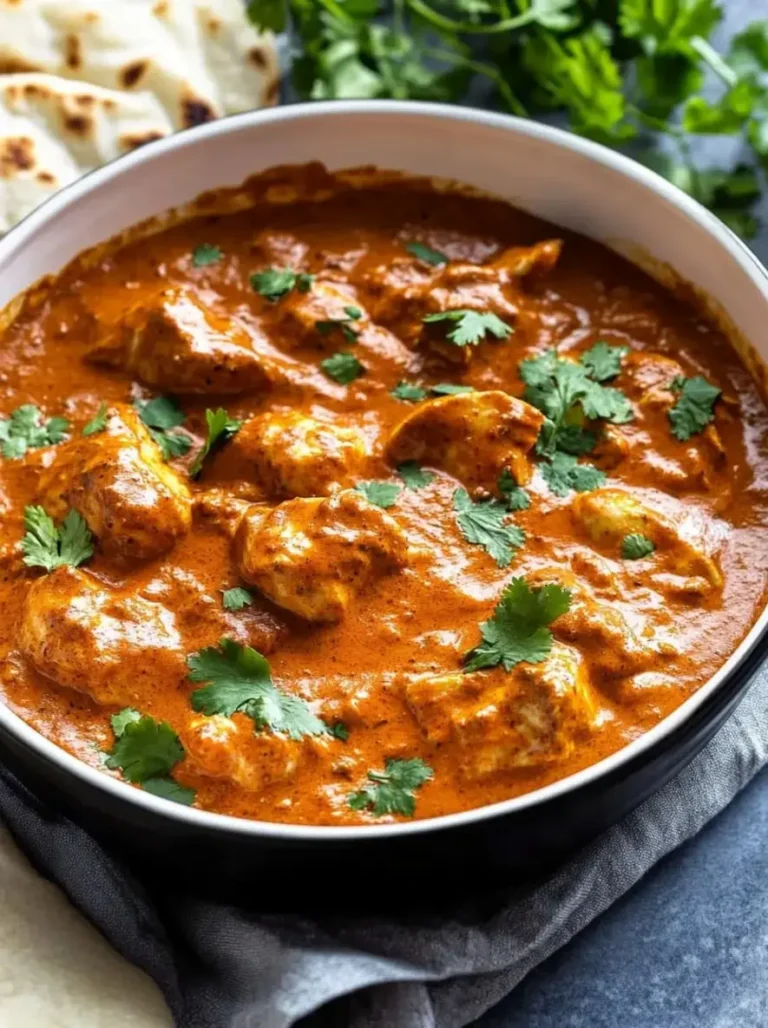
Picture this: tender, juicy chunks of chicken with lightly charred edges, swimming in a sauce so silky and aromatic that your kitchen smells like a spice market in Mumbai. The first spoonful hits you with warmth — not overwhelming heat, but a gentle, fragrant heat from the paprika and turmeric. Then comes the creaminess, the subtle tang of yogurt and lemon from the marinade, and finally that unmistakable depth of garam masala that lingers on your palate. Every bite is a little journey — from the caramelized onions to the velvety tomato-cream base, all punctuated by bright cilantro and a squeeze of lemon at the end. This is comfort food that wakes up your senses.
What sets my version apart? It’s the little things I picked up along the way — from my Parisian training in sauce work to the North African spice wisdom my mother passed down in Morocco. I marinate the chicken overnight for maximum tenderness, then sear it hard to get that coveted restaurant-style char before letting it finish in the sauce. I also build the sauce in stages, letting each spice bloom in butter or ghee before adding the tomatoes and cream. The result? A creamy chicken tikka masala that tastes like it simmered for hours — but comes together in about 40 minutes of active cooking. One common mistake I see? Skipping the marinating step. Don’t do it! The yogurt and lemon do more than flavor the chicken — they tenderize it so beautifully that every bite melts in your mouth.
Why This Chicken Tikka Masala Recipe Is the Best
The Flavor Secret: The magic of this restaurant style chicken tikka masala lies in the two-step spice treatment. The chicken itself gets a generous coating of garam masala, cumin, paprika, turmeric, and salt — plus yogurt and lemon for tenderness. Then the sauce gets its own dose of the same warm spices, bloomed in butter or ghee at the start. This double hit of seasoning creates layers of flavor that you simply can’t get from adding all the spice at once. It’s a technique I learned in Paris — building a sauce in stages — and it makes all the difference.
Perfected Texture: I insist on boneless skinless chicken thighs for this recipe. Not just because they stay juicier than breasts (though they do), but because their higher fat content means they can handle the high heat needed for that gorgeous char without drying out. I sear them in a very hot skillet — no crowding — so each piece gets those deep brown, almost blackened spots. That’s the taste of a restaurant-style tikka masala. Then the sauce envelops the chicken, and the whole thing simmers together for just five minutes — long enough for the flavors to meld, short enough that the chicken stays tender.
Foolproof & Fast: Despite how luxurious it tastes, this Indian chicken curry is surprisingly beginner-friendly. The ingredients are all available at a regular US grocery store — I buy my yogurt at the Fairway on the Upper West Side, and my spices at the Kalustyan’s on Lexington. The method is straightforward: marinate, sear, build the sauce, simmer, combine. No complicated techniques, no hard-to-find ingredients. Just honest, deeply flavorful cooking that makes you feel like a pro. And if you can’t find garam masala? I’ve got a simple substitute in the FAQ below.
Chicken Tikka Masala Recipe Ingredients
I source most of my spices from the spice aisle at Whole Foods or from the little Indian market on East 6th Street — the one where the owner always slips me a bag of fresh curry leaves with a wink. The ingredients for this chicken tikka masala ingredients list are straightforward, but each one plays a crucial role. Let me walk you through what you’ll need and why it matters.
Ingredients List
For the Chicken Marinade:
- 2 lbs boneless skinless chicken thighs, cut into bite-sized pieces
- 1 cup plain Greek yogurt
- 2 tbsp lemon juice
- 2 tsp garam masala
- 1 tsp ground cumin
- 1 tsp paprika
- 1 tsp turmeric
- 1 tsp salt
- 3 cloves garlic, minced
- 1 tbsp fresh ginger, grated
For the Sauce:
- 2 tbsp butter or ghee
- 1 large onion, finely chopped
- 3 cloves garlic, minced
- 1 tbsp fresh ginger, grated
- 1 (14 oz) can crushed tomatoes
- 1 cup heavy cream
- 1 tsp garam masala
- 1 tsp ground cumin
- 1 tsp paprika
- 1/2 tsp turmeric
- Salt to taste
- Fresh cilantro for garnish
Ingredient Spotlight
Chicken Thighs: I use boneless skinless thighs here — they’re more forgiving than breasts and stay succulent even after high-heat searing. Look for thighs that are uniform in thickness so they cook evenly. If you prefer chicken breast, go ahead and substitute, but reduce the searing time by about 2 minutes per side to avoid dryness.
Greek Yogurt: The yogurt in the marinade does double duty — it tenderizes the chicken with its natural acidity and creates a coating that helps the spices adhere. I recommend full-fat Greek yogurt for the best texture, but 2% works too. Avoid nonfat — it’s too thin and won’t cling to the chicken as well.
Garam Masala: This warm, aromatic spice blend is the heart of the recipe. Garam masala typically contains cinnamon, cloves, cardamom, cumin, and coriander — but blends vary by brand. I use the one from the Spice House in Chicago, which I order online. If you don’t have garam masala, see the FAQ for a DIY substitute.
Heavy Cream: The cream gives the sauce its signature velvety texture and mellows the acidity of the tomatoes. I always use heavy cream (not half-and-half) for the richest result. In a pinch, you can substitute full-fat coconut milk for a dairy-free version — more on that in the variations section.
| Original Ingredient | Best Substitution | Flavor / Texture Impact |
|---|---|---|
| Chicken Thighs | Chicken Breast | Less juicy; reduce sear time |
| Greek Yogurt | Regular plain yogurt (drained) | Slightly thinner; drain excess whey |
| Heavy Cream | Coconut Cream (canned) | Dairy-free; adds coconut note |
| Garam Masala | 1/2 tsp each cinnamon + cardamom + cloves + cumin | Slightly different but still delicious |
| Crushed Tomatoes | Diced tomatoes (blended) | Slightly chunkier; blend for smoothness |
How to Make Creamy Restaurant-Style Chicken Tikka Masala — Step-by-Step
Making this creamy chicken tikka masala at home is easier than you think. I’ve broken it down into simple steps with all the visual cues and timings you need. Let’s cook!
Step 1: Marinate the Chicken
In a large bowl, combine all the chicken marinade ingredients: yogurt, lemon juice, garam masala, cumin, paprika, turmeric, salt, garlic, and ginger. Add the chicken pieces and toss well to coat. Cover the bowl with plastic wrap and refrigerate for at least 1 hour — but overnight is truly best. The longer it sits, the deeper the flavor penetrates and the more tender the chicken becomes.
💡 Stella’s Pro Tip: If you’re short on time, even 30 minutes of marinating makes a difference. But plan ahead when you can — I often marinate the chicken the night before, and dinner the next day comes together in a flash.
Step 2: Sear the Chicken
Heat a large skillet (preferably cast iron or stainless steel) over medium-high heat. Add the marinated chicken pieces in a single layer — work in batches if needed to avoid crowding. Cook until deeply browned on all sides and cooked through, about 6-8 minutes per side. The yogurt coating will char and create those beautiful dark spots. Remove the chicken to a plate and set aside.
⚠️ Common Mistake to Avoid: Crowding the pan! If you add too much chicken at once, it steams instead of searing. You want that char — it’s pure flavor. Sear in two batches if your skillet isn’t large enough.
Step 3: Build the Sauce
Reduce the heat to medium. In the same skillet (don’t wipe it out — those browned bits are flavor gold), add the butter or ghee. Once melted, sauté the onion until soft and golden, about 5 minutes, scraping up the bits from the bottom. Add the garlic and ginger and cook for 1 more minute until fragrant. Now stir in the crushed tomatoes, heavy cream, garam masala, cumin, paprika, turmeric, and salt. Bring to a gentle simmer, then reduce the heat to low and cook for 10 minutes, stirring occasionally. The sauce will thicken and deepen in color.
💡 Stella’s Pro Tip: Let the sauce simmer uncovered for the full 10 minutes. This reduces and concentrates the flavors. If it starts to splatter, lower the heat further. You want a gentle bubble, not a vigorous boil.
Step 4: Combine and Finish
Return the seared chicken to the skillet, stirring to coat every piece with the sauce. Simmer together for 5 minutes to let the flavors meld. Taste and adjust salt if needed. The sauce should be thick enough to coat the back of a spoon — if it’s too thick, add a splash of water or broth. Serve hot, garnished with fresh cilantro, over steamed basmati rice or with warm naan bread.
⚠️ Common Mistake to Avoid: Don’t simmer the chicken in the sauce for longer than 5-7 minutes. The chicken is already fully cooked — you just want it to warm through and absorb a bit of the sauce. Over-simmering can make the chicken tough.
| Step | Action | Duration | Key Visual Cue |
|---|---|---|---|
| 1 | Marinate | 1 hour – overnight | Chicken fully coated in thick yogurt mixture |
| 2 | Sear | 6–8 min per side | Deep brown char with blackened spots |
| 3 | Sauté onion | 5 minutes | Onion soft and golden, pan is deglazed |
| 4 | Simmer sauce | 10 minutes | Sauce thickens and darkens, spices bloom |
| 5 | Combine | 5 minutes | Chicken fully coated, sauce coats spoon |
Serving & Presentation
I love serving this creamy restaurant-style chicken tikka masala in a wide, shallow bowl — the kind that lets the sauce pool around the rice like a warm, spiced blanket. Spoon a generous portion of steamed basmati rice into the center, then ladle the chicken and sauce over the top. Finish with a shower of fresh cilantro leaves, a dollop of yogurt if you want extra tang, and a quick squeeze of lemon juice to brighten everything. On the side, I always offer warm naan bread — either store-bought from the Indian market or homemade if I have time. In the summer, I’ll add a simple cucumber and mint raita for a cool contrast. It reminds me of the way we’d serve tagine in Morocco — with lots of bread and a simple salad to balance the richness.
For a New York-style dinner party, I’ll plate this with a side of roasted cauliflower dusted with cumin and a glass of chilled Riesling. Yes, wine with curry — trust me, the slight sweetness of a Riesling is a beautiful match for the warm spices. If you’re keeping it classic, a cold lager or a mango lassi is always a hit. This dish is versatile enough for a weeknight family dinner but impressive enough for company. And the leftovers? They’re even better the next day.
| Pairing Type | Suggestions | Why It Works |
|---|---|---|
| Side Dish | Basmati rice, naan bread, roasted cauliflower | Neutral bases soak up the sauce beautifully |
| Sauce / Dip | Cucumber raita, mango chutney, extra yogurt | Cool and tangy contrast to the warm spices |
| Beverage | Riesling, cold lager, mango lassi | Sweetness balances spice; lassi is classic |
| Garnish | Fresh cilantro, lemon wedges, red onion slices | Freshness and acidity lift the richness |
Make-Ahead, Storage & Reheating
As a busy NYC food blogger with a never-ending to-do list, I rely on make-ahead meals like this one. This chicken tikka masala actually tastes better the next day — the flavors have time to meld and deepen. I often make a double batch on Sunday and enjoy it throughout the week for quick lunches or effortless dinners. Here’s my tried-and-true storage guide.
| Method | Container | Duration | Reheating Tip |
|---|---|---|---|
| Refrigerator | Airtight container | Up to 4 days | Reheat gently on stovetop over low heat, adding a splash of water or cream to loosen the sauce |
| Freezer | Freezer-safe container or zip-top bag | Up to 3 months | Thaw overnight in the fridge, then reheat gently. The sauce may separate slightly — stir well and add a splash of cream to bring it back |
| Make-Ahead | Same container as storage | Make 1-2 days in advance | Cook fully, cool completely, then refrigerate. The flavors will be even more developed the next day |
One thing I’ve learned from years of meal prep: always let the curry cool completely before refrigerating or freezing. I spread it in a shallow dish to speed up the process. And when reheating, low and slow is the way to go — high heat can cause the cream to separate. If I’m reheating from frozen, I’ll thaw it in the fridge overnight, then warm it in a skillet over medium-low heat, stirring often. Add a splash of water or broth if the sauce has thickened too much. It’s a small extra step that makes all the difference.
Variations & Easy Swaps
One of the things I love most about this restaurant style chicken tikka masala is how adaptable it is. Over the years, I’ve developed several variations to suit different diets and flavor cravings. Here’s a quick overview, then I’ll dive into my favorites.
| Variation | Key Change | Best For | Difficulty Impact |
|---|---|---|---|
| Chickpea & Sweet Potato Tikka Masala | Replace chicken with chickpeas + sweet potatoes | Vegetarian/vegan option | Easy |
| Dairy-Free Coconut Tikka Masala | Replace cream with coconut cream; use coconut oil instead of butter | Dairy-free / paleo | Easy |
| Smoky Roasted Pepper Tikka Masala | Add 1 roasted red bell pepper to the sauce | Extra depth and sweetness | Medium |
Chickpea & Sweet Potato Tikka Masala
For a hearty vegetarian version, I swap the chicken for 2 cans of drained chickpeas and 2 medium sweet potatoes (peeled and cubed). I roast the sweet potato cubes at 400°F for 20 minutes with a drizzle of olive oil and a pinch of cumin until they’re tender and caramelized at the edges. Then I add both the chickpeas and roasted sweet potatoes to the sauce in step 4, simmering for 5 minutes to warm through. The sweetness of the potatoes is a beautiful match for the warm spices — it reminds me of the way my mother used to add carrots to her Moroccan tagines for natural sweetness. This version is also naturally vegan if you use coconut cream instead of heavy cream.
Dairy-Free Coconut Tikka Masala
This version is incredibly popular with my readers who are dairy-free or paleo. I substitute the heavy cream with full-fat coconut cream from a can (the thick, creamy top layer) and use coconut oil instead of butter or ghee. For the yogurt in the marinade, I use a dairy-free yogurt alternative — the unsweetened, plain kind from brands like Kite Hill or So Delicious works beautifully. The coconut adds a subtle tropical note that pairs wonderfully with the garam masala and turmeric. One thing to note: coconut cream can separate when simmered, so stir gently and keep the heat low. The sauce will be slightly thinner than the original, but still luscious and satisfying.
Smoky Roasted Pepper Tikka Masala
This is my favorite variation when I want extra depth and a touch of smokiness. I roast a red bell pepper over an open gas flame (or under the broiler) until the skin is blackened, then steam it in a bowl covered with plastic wrap for 10 minutes. I peel off the skin, remove the seeds, and blend the flesh into the crushed tomatoes before adding them to the sauce. The roasted pepper adds a subtle sweetness and a smoky complexity that makes the curry taste even more “restaurant-style.” It’s a little extra step, but one that I find incredibly rewarding. I picked up this technique during my Paris training — roasted peppers were a staple in many of the sauces we made.
Can I use Greek yogurt instead of heavy cream to make chicken tikka masala creamier?
Yes, you can use Greek yogurt to add creaminess, but with one important caveat: yogurt can curdle if it’s added to hot liquid or simmered too vigorously. To avoid this, let the sauce cool slightly before whisking in the yogurt, and keep the heat very low after adding it. I recommend using full-fat Greek yogurt and adding it at the very end — just warm it through without boiling. The result will be a slightly tangier, lighter sauce compared to the velvety richness of heavy cream. If you’re looking for a dairy-free alternative, full-fat coconut cream is your best bet — it won’t curdle and gives a similar luxurious texture.
What is the best way to get that restaurant-style char on the chicken before adding the sauce?
The key to that gorgeous restaurant-style char is high heat and patience. Use a cast-iron or heavy stainless-steel skillet and heat it over medium-high for a full 2-3 minutes before adding the chicken. Pat the marinated chicken pieces dry slightly with a paper towel — too much excess moisture will steam the meat instead of searing it. Place the chicken in a single layer, leaving space between pieces (work in batches if needed). Let them cook undisturbed for 6–8 minutes on the first side — don’t move them around! You’re looking for deep brown spots with some blackened edges. That’s pure flavor. Flip and repeat. The yogurt in the marinade will char beautifully, creating that authentic restaurant-style crust.
How long should I simmer chicken tikka masala for the spices to fully develop?
For the best flavor development, simmer the sauce alone (without the chicken) for about 10 minutes after adding the spices and tomatoes. This gives the garam masala, cumin, paprika, and turmeric time to bloom and meld with the onion, garlic, and ginger base. After you add the seared chicken back in, simmer everything together for just 5 more minutes — long enough for the flavors to marry but not so long that the chicken overcooks. If you have the time, you can let the sauce simmer for up to 20 minutes before adding the chicken for even deeper flavor. Just add a splash of water if it thickens too much.
What can I substitute for garam masala if I don’t have it on hand for this recipe?
If you don’t have garam masala, you can easily make a quick substitute using spices you likely already have in your pantry. For every 2 teaspoons of garam masala called for, combine: 1/2 teaspoon ground cumin, 1/2 teaspoon ground coriander, 1/4 teaspoon ground cardamom, 1/4 teaspoon ground cinnamon, 1/4 teaspoon ground cloves, and 1/4 teaspoon black pepper. This blend captures the warm, aromatic profile of garam masala. The flavor won’t be identical — garam masala blends vary widely by region and brand — but it will be delicious and perfectly suitable for this recipe. You can also add a pinch of nutmeg or allspice for extra warmth.
Can I make chicken tikka masala ahead of time for a party?
Absolutely! In fact, this is one of those dishes that actually improves with time. I often make it a day or two ahead of a dinner party. The flavors continue to meld and deepen in the refrigerator, and the sauce thickens beautifully. To serve, simply reheat gently on the stovetop over low heat, adding a splash of water or cream to loosen the sauce if needed. I recommend making the full recipe — including the rice — the day before, then reheating everything together. Your guests will think you spent hours in the kitchen, but really, you’ll just be enjoying your own party. Just hold the cilantro garnish until right before serving for that fresh, vibrant finish.
Is chicken tikka masala gluten-free?
Yes, this classic chicken tikka masala recipe is naturally gluten-free! None of the ingredients — chicken, yogurt, spices, tomatoes, cream, butter — contain gluten. Just be sure to check the labels on your garam masala and other spice blends, as some pre-mixed spice blends may contain anti-caking agents with traces of gluten. I recommend using single-origin spices or trusted brands like McCormick or Simply Organic. Serve it with rice (always gluten-free) and check your naan if you’re serving it — most traditional naan is made with wheat flour, so you’ll need a gluten-free version if that’s a concern. But the curry itself? Completely gluten-free and delicious.
How can I make chicken tikka masala less spicy without losing flavor?
The beauty of this recipe is that it’s more aromatic than spicy — the warmth comes from cumin, turmeric, and garam masala rather than from chili heat. But if you’re sensitive to spice, here are a few easy adjustments. First, use sweet paprika instead of regular or hot paprika — sweet paprika adds color and depth without any heat. Second, reduce the black pepper in the garam masala blend (if you’re making your own). Third, add a bit more heavy cream or a dollop of plain yogurt at the end — dairy is a natural coolant that mellows any residual spiciness. Finally, serve it with a cooling side like cucumber raita or a simple yogurt sauce. These tweaks will keep the dish flavorful and aromatic without any heat that might overwhelm you.
What is the difference between chicken tikka masala and butter chicken?
This is a common question I get from my readers! While both dishes feature chicken in a creamy tomato-based sauce, the key differences are in the marinade and the sauce base. Chicken tikka masala starts with yogurt-marinated chicken that’s seared or grilled to get a charred exterior, then simmered in a spiced tomato-cream sauce. Butter chicken (murgh makhani) uses a marinade that often includes cream and cashew paste, and the sauce is heavier on butter and fenugreek leaves, giving it a milder, sweeter, and richer profile. Butter chicken is typically finished with a pat of butter on top, while tikka masala is finished with cilantro. Both are delicious, but tikka masala has a more pronounced spice profile and that signature charred flavor.
Can I grill the chicken instead of pan-searing it for this recipe?
Yes, grilling the chicken adds an incredible smoky flavor that takes this already delicious dish to the next level. If you have a grill (charcoal or gas), preheat it to medium-high heat and oil the grates well. Thread the marinated chicken pieces onto skewers (if using wooden skewers, soak them first), or use a grill basket for smaller pieces. Grill for about 5-7 minutes per side, until you get those beautiful char marks and the chicken is cooked through. The smoky flavor from the grill is absolutely wonderful with the warm spices. This method works especially well in the summer when you don’t want to heat up your kitchen. Just be sure to use thighs — they stay juicier on the grill than breasts.
How do I thicken chicken tikka masala if it’s too watery?
If your sauce is thinner than you’d like, don’t worry — it’s an easy fix. The simplest method is to let it simmer uncovered for a few extra minutes to allow the liquid to reduce. If that’s not enough, you can make a quick slurry by whisking 1 tablespoon of cornstarch with 2 tablespoons of cold water, then stirring it into the simmering sauce. Let it cook for 1-2 minutes until thickened. Another option is to stir in a tablespoon of tomato paste, which adds both thickness and concentrated tomato flavor. For a creamier thickener, mash a few of the cooked chickpeas (if you’re using the vegetarian version) or blend a small portion of the sauce with an immersion blender. A word of caution: don’t add flour directly to the sauce — it will form lumps and leave a raw taste.
Share Your Version!
I absolutely love hearing from you — seeing your photos, reading your comments, and knowing that a recipe I developed in my tiny NYC kitchen is being cooked in homes across the country. If you make this creamy restaurant-style chicken tikka masala, I’d be so grateful if you’d leave a star rating and a comment below. Tell me how it turned out, whether you tried one of the variations, or if you added your own twist. Did you grill the chicken? Try the coconut version? Or maybe you discovered a new favorite spice blend? I want to hear it all.
And if you’re on Instagram or Pinterest, tag @leosfoods in your photos — I love scrolling through my feed and seeing your beautiful creations. It genuinely makes my day. One question I always love to ask: what’s your go-to comfort food that takes you back to a special memory? For me, it’s this chicken tikka masala — it brings me right back to that little restaurant in London, discovering a dish I’d never tried before. I can’t wait to hear your story. From my NYC kitchen to yours — I hope this recipe brings as much warmth to your table as it does to mine. — Stella 🧡
Love This Recipe? Save It to Pinterest!
If you enjoyed this Creamy Restaurant-Style Chicken Tikka Masala with Aromatic Indian Spices recipe, don’t let it get lost in your browser tabs! 😄 Pin it now so you can find it again anytime — and explore hundreds more tried-and-tested recipes waiting for you on my Pinterest boards.
👉 Follow Stella on Pinterest @stellarecipeblog
📌 Pin this recipe · 🔁 Re-pin your favorites · 💬 Tag me when you make it — I love seeing your creations!
Creamy Restaurant-Style Chicken Tikka Masala with Aromatic Indian Spices
This creamy restaurant-style chicken tikka masala is packed with aromatic Indian spices and a rich, luscious tomato-cream sauce. It’s easy to make at home for a comforting and flavorful meal.
- Total Time: 40 minutes (plus marinating)
- Yield: 6 1x
Ingredients
- FOR THE CHICKEN MARINADE:
- 2 lbs boneless skinless chicken thighs, cut into bite-sized pieces
- 1 cup plain Greek yogurt
- 2 tbsp lemon juice
- 2 tsp garam masala
- 1 tsp ground cumin
- 1 tsp paprika
- 1 tsp turmeric
- 1 tsp salt
- 3 cloves garlic, minced
- 1 tbsp fresh ginger, grated
- FOR THE SAUCE:
- 2 tbsp butter or ghee
- 1 large onion, finely chopped
- 3 cloves garlic, minced
- 1 tbsp fresh ginger, grated
- 1 (14 oz) can crushed tomatoes
- 1 cup heavy cream
- 1 tsp garam masala
- 1 tsp ground cumin
- 1 tsp paprika
- 1/2 tsp turmeric
- Salt to taste
- Fresh cilantro for garnish
Instructions
- 1. In a large bowl, combine all chicken marinade ingredients. Cover and refrigerate for at least 1 hour, preferably overnight.
- 2. When ready to cook, heat a large skillet over medium-high heat. Add the marinated chicken pieces and cook until browned on all sides and cooked through, about 6-8 minutes per side. Remove chicken from skillet and set aside.
- 3. In the same skillet, reduce heat to medium. Add butter or ghee, then sauté the onion until soft and golden, about 5 minutes. Add garlic and ginger and cook for 1 more minute.
- 4. Stir in the crushed tomatoes, heavy cream, garam masala, cumin, paprika, turmeric, and salt. Bring to a gentle simmer, then reduce heat to low and cook for 10 minutes, stirring occasionally.
- 5. Return the cooked chicken to the skillet, stirring to coat with the sauce. Simmer together for 5 minutes to let the flavors meld.
- 6. Serve hot, garnished with fresh cilantro, over steamed basmati rice or with warm naan bread.
Notes
For a richer flavor, marinate the chicken overnight. You can substitute chicken breast, but thighs stay juicier. Adjust the creaminess by adding more or less heavy cream.
- Prep Time: 15 minutes (plus marinating time)
- Cook Time: 25 minutes
- Method: Main Course
- Cuisine: Indian
Nutrition
- Calories: 545
- Sugar: 6g
- Fat: 38g
- Carbohydrates: 12g
- Protein: 38g
Tried This Recipe? Leave a Comment!
Did you make this recipe? I’d love to hear how it turned out! Please leave a comment and a rating below. Your feedback helps other home cooks and supports cheerychop.com!
For more delicious inspiration, follow me on Pinterest!