Mediterranean Lemon-Garlic Lamb Shoulder with Golden Herb Crust
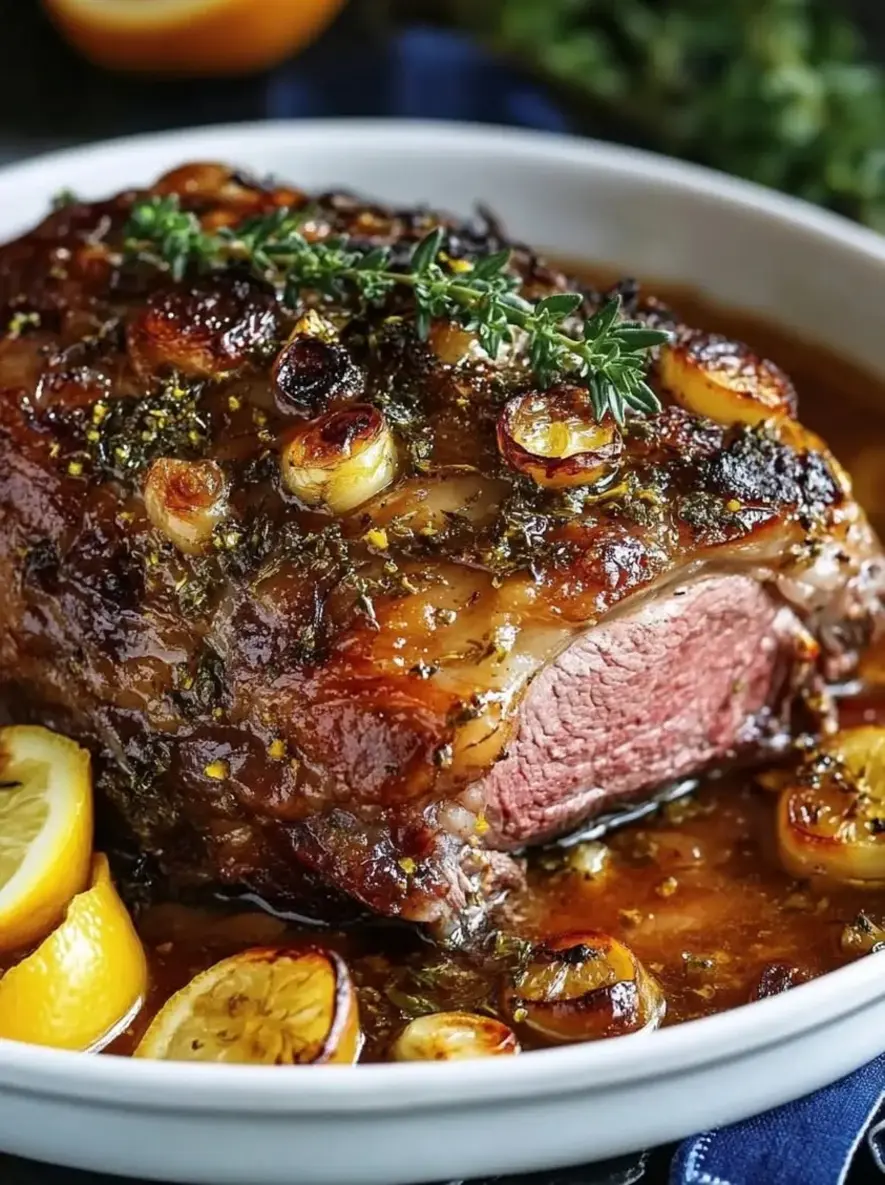
Table of Contents
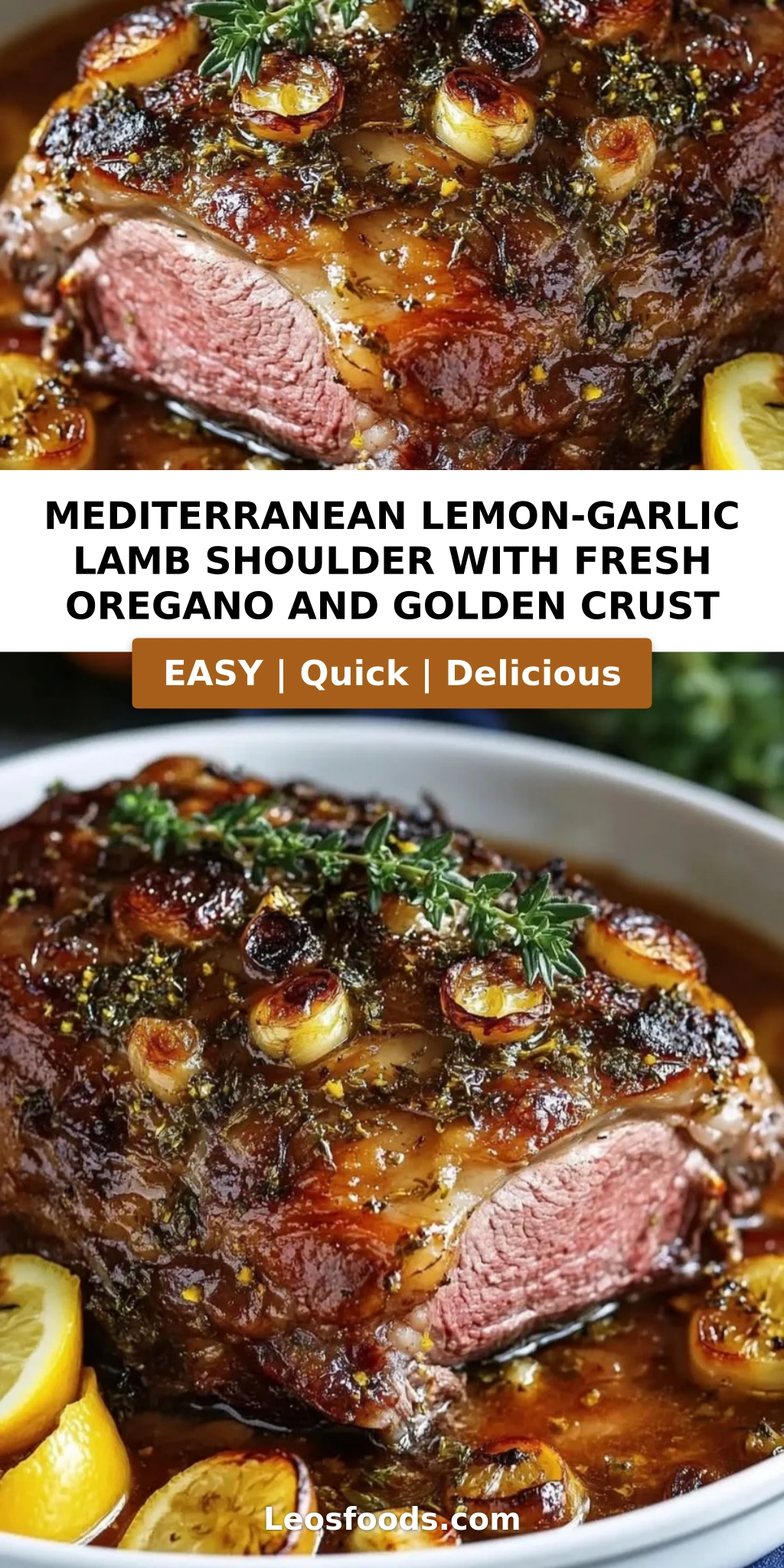
Mediterranean Lemon-Garlic Lamb Shoulder with Fresh Oregano and Golden Crust — A Slow-Roasted Stunner with a Crackling Herb Crust
I still remember the first time I tested this Mediterranean lamb shoulder recipe in my tiny NYC kitchen — the fragrance of garlic, lemon, and fresh oregano filled every corner of my apartment, and by the time I pulled that gorgeous, golden-crusted roast out of the oven, my neighbors were literally knocking on my door to ask what I was cooking. This lemon garlic lamb with its crackling herb crust is the recipe I turn to when I want to transport myself back to my mother’s kitchen in Morocco, where slow-roasted meats were always the centerpiece of our family gatherings, perfumed with North African spices and finished with a generous squeeze of bright lemon. The lamb shoulder golden crust is the real showstopper here — a sticky, caramelized, herb-flecked shell that gives way to impossibly tender, fall-apart meat underneath.
What makes this roasted lamb shoulder with oregano so unforgettable is the contrast between the bright, punchy marinade and the deep, rich flavor of the slow-cooked lamb. You get the floral pop of fresh oregano, the warm piney notes of rosemary, the smoky depth of paprika, and the sharp, clean spark of lemon zest — all clinging to a beautifully seared crust that shatters when you slice into it. The meat itself becomes so tender that you can pull it apart with a fork, and the pan juices, thickened with caramelized garlic and lemon, are nothing short of liquid gold. Every time I make this for friends or family, the silence at the table tells me everything I need to know — they’re too busy savoring every bite to talk.
This bone-in lamb shoulder recipe is my love letter to the two culinary worlds that shaped me: the bold, aromatic cooking of my Moroccan heritage and the precise, technique-driven approach I learned in Paris. I’ve tested countless iterations to find the perfect balance between a deeply golden crust and meat that stays succulent and juicy — and I’m sharing every trick I’ve learned along the way. In this post, I’ll walk you through my foolproof method for achieving that coveted crust without drying out the meat, including my secret for a sticky, flavorful glaze that forms during roasting. I’ll also point out the most common mistake home cooks make with lamb shoulder — and trust me, once you know it, you’ll never make it again. From my NYC kitchen to yours, this Mediterranean lemon-garlic lamb shoulder is about to become your new favorite showstopper dinner.
Why This Mediterranean Lamb Shoulder Recipe Is the Best
The Flavor Secret. The magic of this lemon garlic lamb lies in the way the marinade does double duty. Instead of just seasoning the surface, the combination of fresh lemon juice, minced garlic, and extra virgin olive oil penetrates deep into the lamb shoulder, while the lemon zest and fresh oregano stay on the surface to form that irresistible golden crust. I learned this technique during my culinary training in Paris — it’s all about layering flavors so that every single bite tastes bright, savory, and herbaceous. The smoked paprika adds a subtle warmth that echoes the North African spices I grew up with, tying everything together beautifully.
Perfected Texture. Getting a lamb shoulder golden crust that’s both crunchy and deeply caramelized requires a specific approach: you need a high-heat sear to jump-start the browning, followed by a low-and-slow roast that renders the fat and breaks down the collagen without burning the exterior. My method uses a reverse-sear-inspired technique that gives you the best of both worlds — a gorgeous, crackling crust and meat that’s so tender it practically melts. The bone-in cut is key here, as the bone conducts heat and adds incredible depth of flavor to the pan juices.
Foolproof & Fast. Despite its impressive presentation, this Mediterranean lamb shoulder recipe is surprisingly straightforward. You don’t need any special equipment or advanced cooking skills — just a good hot oven, a sturdy roasting pan, and about 20 minutes of hands-on prep. The oven does the heavy lifting, transforming a simple bone-in lamb shoulder into a showstopping centerpiece that will make you look like a professional chef. Plus, the recipe is naturally gluten-free and dairy-free, making it a wonderful option for entertaining guests with dietary restrictions.
Mediterranean Lamb Shoulder Recipe Ingredients
I source my lamb shoulder from the Union Square Greenmarket in NYC whenever I can — the pasture-raised, bone-in cuts from local farms have a depth of flavor that’s truly unmatched. The first time I brought one home and seasoned it with fresh oregano from my tiny fire-escape herb garden, I was instantly transported back to my mother’s kitchen in Morocco, where she always insisted on using the freshest herbs from our garden. Here’s everything you’ll need for this roasted lamb shoulder with oregano.
Ingredients List
- 4–5 lb lamb shoulder, bone-in
- 1/4 cup extra virgin olive oil
- Zest and juice of 2 large lemons
- 8 garlic cloves, finely minced
- 3 tablespoons fresh oregano, chopped
- 1 tablespoon fresh rosemary, chopped
- 2 teaspoons sea salt
- 1 teaspoon freshly cracked black pepper
- 1 teaspoon smoked paprika
Ingredient Spotlight
Bone-in lamb shoulder is the heart of this bone-in lamb shoulder recipe. The bone adds flavor and helps regulate cooking temperature, ensuring the meat stays juicy. Look for a shoulder with a nice fat cap — that fat renders during cooking and bastes the meat from the inside out. If your grocery store only has boneless shoulder, you can use it, but reduce the cooking time by about 30 minutes and check for tenderness earlier.
Fresh oregano is non-negotiable for the signature flavor of this dish. Its floral, slightly peppery notes are what give this Mediterranean lamb shoulder recipe its distinctive character. In a pinch, you can use dried oregano — use 1 tablespoon instead of 3, and add it to the marinade rather than the crust. The flavor will be more muted but still lovely.
Smoked paprika is my secret weapon. It adds a subtle smokiness that complements the lamb’s richness without overpowering the fresh herbs. I use sweet smoked paprika from Spain — the same kind I discovered during a culinary trip to Barcelona. Regular sweet paprika works too, but you’ll lose that beautiful smoky depth.
| Original Ingredient | Best Substitution | Flavor / Texture Impact |
|---|---|---|
| Fresh oregano (3 tbsp) | Dried oregano (1 tbsp) | Less floral, more earthy — add to marinade only |
| Fresh rosemary (1 tbsp) | Dried rosemary (1 tsp) | More subtle, slightly less aromatic |
| Smoked paprika (1 tsp) | Sweet paprika + pinch of cumin | Loses smoky depth, gains warm earthiness |
| Bone-in lamb shoulder | Boneless lamb shoulder (3.5-4 lbs) | Cook about 30 min less; still tender but less flavorful jus |
How to Make Mediterranean Lemon-Garlic Lamb Shoulder — Step-by-Step
This lemon garlic lamb recipe comes together in just a few straightforward steps, but each one is designed to build maximum flavor and that gorgeous golden crust. Follow along and you’ll have a showstopper roast that tastes like it came from a high-end restaurant — but made right in your own kitchen.
Step 1: Prepare the Lamb
Remove the lamb shoulder from the refrigerator about 45 minutes before you plan to cook it to let it come to room temperature. Pat it completely dry with paper towels — moisture is the enemy of a good crust! Using a sharp knife, score the fat cap in a crosshatch pattern, cutting about 1/4 inch deep. This helps the fat render more evenly and allows the seasoning to penetrate deeper into the meat.
💡 Stella’s Pro Tip: Pat the lamb dry twice — once when you take it out of the fridge, and again right before seasoning. Any surface moisture will steam instead of sear, preventing that beautiful golden crust from forming.
Step 2: Make the Marinade
In a small bowl, combine the extra virgin olive oil, lemon zest, lemon juice, minced garlic, chopped fresh oregano, chopped fresh rosemary, sea salt, black pepper, and smoked paprika. Whisk until everything is well combined. The mixture should be fragrant, bright, and slightly thick from the herbs. Taste it — it should be boldly seasoned, as some of the intensity will mellow during roasting.
⚠️ Common Mistake to Avoid: Don’t skip the lemon zest! The zest contains essential oils that cling to the meat’s surface and help form that sticky, golden crust during roasting. Lemon juice alone won’t give you the same caramelization.
Step 3: Marinate the Lamb
Place the lamb shoulder in a large dish or a resealable plastic bag. Pour the marinade all over the lamb, using your hands to massage it into every nook and cranny, including the scored fat cap and the underside. Cover (or seal) and refrigerate for at least 2 hours — but for the deepest flavor, let it marinate overnight. If you’re short on time, even 45 minutes at room temperature will give you good results, but overnight is truly transformative for this Mediterranean lamb shoulder recipe.
💡 Stella’s Pro Tip: For the most intense flavor, reserve about 1 tablespoon of the marinade before adding it to the lamb. Brush this reserved portion onto the lamb halfway through roasting for an extra layer of golden, sticky goodness.
Step 4: Sear the Lamb
Preheat your oven to 450°F. Place a large, heavy-bottomed roasting pan or cast-iron skillet on the stovetop over medium-high heat. Add a drizzle of olive oil, then carefully place the lamb shoulder fat-side down in the hot pan. Sear for 3-4 minutes without moving it, until the fat is deeply golden and crisp. Turn the lamb and sear on all sides, about 2-3 minutes per side. This initial high-heat sear is the foundation of the lamb shoulder golden crust.
⚠️ Common Mistake to Avoid: Crowding the pan or moving the lamb too early! If you try to flip it before a proper crust has formed, the meat will stick and tear. Let it sear undisturbed until it releases easily from the pan.
Step 5: Roast Low and Slow
After searing, reduce the oven temperature to 325°F. Place the lamb shoulder fat-side up in the roasting pan. Pour any accumulated juices from the searing pan over the top. Roast for about 2.5 to 3 hours, basting every 30 minutes with the pan juices. The lamb is done when the internal temperature reaches 195-200°F and the meat is fork-tender — it should pull apart with almost no resistance. If you’re using a boneless shoulder, start checking for doneness at around 2 hours.
💡 Stella’s Pro Tip: For an even more golden crust, during the last 30 minutes of roasting, increase the oven temperature to 425°F and baste the lamb with the pan juices one final time. Watch it closely — you want deep caramelization, not burnt spots!
Step 6: Rest and Serve
Remove the lamb shoulder from the oven and transfer it to a cutting board. Tent loosely with foil and let it rest for at least 20 minutes. This resting period is absolutely crucial — it allows the juices to redistribute throughout the meat, ensuring every slice is moist and flavorful. While the lamb rests, skim any excess fat from the pan juices and warm them gently on the stovetop. Slice the lamb against the grain or pull it into large chunks, and serve drizzled with the pan juices.
⚠️ Common Mistake to Avoid: Slicing the lamb too soon! If you cut into it immediately, all those beautiful juices will run out onto the cutting board instead of staying in the meat. Be patient — 20 minutes of rest makes all the difference.
| Step | Action | Duration | Key Visual Cue |
|---|---|---|---|
| 1 | Prepare lamb | 45 min rest + 5 min work | Fat cap scored in crosshatch, meat at room temp |
| 2 | Make marinade | 5 minutes | Aromatic, bright green-tinged paste |
| 3 | Marinate lamb | 2 hrs to overnight | Herbs and garlic visibly coating the surface |
| 4 | Sear lamb | 8-10 minutes | Deep golden brown crust on all sides |
| 5 | Roast lamb | 2.5-3 hours | Internal temp 195-200°F, meat pulls apart easily |
| 6 | Rest and serve | 20 minutes rest | Juices reabsorbed, meat firm yet tender |
Serving & Presentation
This roasted lamb shoulder with oregano deserves a stunning presentation. I like to serve it on a large wooden platter — the kind I picked up at a flea market in the East Village — with the lamb placed whole in the center, surrounded by roasted vegetables or fresh herbs. The golden crust should be facing up, catching the light and showing off those beautiful caramelized edges. Spoon a generous amount of the pan juices over the top just before serving, and garnish with a few fresh oregano sprigs and lemon wedges for a pop of color.
In my home, this dish is always the centerpiece of a leisurely Sunday dinner, served family-style so everyone can pull off exactly the piece they want. The contrast between the crackling crust and the tender, juicy meat is the kind of thing that makes people close their eyes while they chew — and that’s the highest compliment a cook can get. I love pairing it with simple sides that let the lamb shine, like a bright Greek salad, lemony roasted potatoes, or warm pita bread for sopping up the pan juices.
| Pairing Type | Suggestions | Why It Works |
|---|---|---|
| Side Dish | Lemon-herb roasted potatoes, Greek salad, garlicky green beans | Bright, acidic sides balance the rich lamb |
| Sauce / Dip | Tzatziki, hummus, chimichurri | Creamy, herby sauces complement the crust |
| Beverage | Full-bodied red wine (Syrah, Malbec), mint lemonade, sparkling water with lemon | Red wine echoes the richness; lemonade cuts through the fat |
| Garnish | Fresh oregano sprigs, lemon wedges, flaky sea salt, grilled lemon halves | Fresh herbs and citrus brighten the final dish visually and flavor-wise |
Make-Ahead, Storage & Reheating
In my busy NYC life, I’m all about recipes that work ahead — and this Mediterranean lamb shoulder recipe is a gift that keeps on giving. The marinated lamb can sit in the fridge for up to 24 hours before roasting, which actually improves the flavor. Leftovers (if you’re lucky enough to have any!) are absolutely wonderful the next day in sandwiches, salads, or simply reheated with a splash of broth to bring back that luscious texture.
| Method | Container | Duration | Reheating Tip |
|---|---|---|---|
| Refrigerator | Airtight container with pan juices | Up to 4 days | Reheat gently in a 300°F oven with a splash of broth, covered, for 10-15 min |
| Freezer | Freezer-safe bag or container, vacuum-sealed if possible | Up to 3 months | Thaw overnight in fridge, then reheat as above — add a little extra broth |
| Make-Ahead | Marinate in a sealed dish or bag | Up to 24 hours in advance | Bring to room temp 45 min before roasting; proceed with recipe |
For the absolute best reheating experience, I recommend slicing the leftover lamb and warming it gently in a skillet over medium-low heat with a splash of the reserved pan juices or chicken broth. This method keeps the meat moist and helps re-crisp the edges slightly — it’s my go-to for a quick lunch that tastes nearly as good as the original roast. Avoid using the microwave, as it will toughen the meat and ruin that beautiful crust.
Variations & Easy Swaps
Over the years, I’ve played with all kinds of twists on this lemon garlic lamb recipe — some inspired by my Moroccan roots, others by the seasonal bounty I find at NYC farmers markets. Here are some of my favorite variations, each tested and tweaked to perfection.
| Variation | Key Change | Best For | Difficulty Impact |
|---|---|---|---|
| Moroccan Spiced | Add 1 tsp cumin, 1/2 tsp cinnamon, 1/2 tsp turmeric to marinade | Deeper, warmer North African flavor profile | Easy — no extra steps |
| Herb-Forward | Add 2 tbsp fresh mint and 1 tbsp fresh thyme to the herb mix | Bright, garden-fresh flavor, perfect for spring | Easy — just add more herbs |
| Spicy Harissa | Add 2 tbsp harissa paste to the marinade | Smoky heat, bold and complex | Easy — stir into marinade |
Moroccan Spiced Variation
This variation is closest to my heart — it’s the version my mother would make for Eid celebrations. Add 1 teaspoon of ground cumin, 1/2 teaspoon of cinnamon, and 1/2 teaspoon of turmeric to the marinade along with the smoked paprika. The cumin and cinnamon add a warm, earthy sweetness that pairs beautifully with the lemon and garlic, while the turmeric gives the crust a gorgeous golden hue. I love serving this version with a side of saffron rice and roasted carrots for a truly North African-inspired feast.
Gluten-Free / Dairy-Free Variation
This bone-in lamb shoulder recipe is naturally gluten-free and dairy-free as written, so no swaps are needed for the base recipe. However, if you’re serving it with a side like tzatziki, simply use a dairy-free yogurt alternative made from coconut or almond milk — just look for one with a thick, creamy consistency. For a gluten-free grain side, serve with quinoa or roasted sweet potatoes instead of couscous or bread. The lamb itself is completely safe and delicious for anyone avoiding gluten or dairy.
Spring Herb Twist
When spring arrives and the farmers markets in NYC overflow with fresh herbs, I love making this variation. Add 2 tablespoons of fresh chopped mint and 1 tablespoon of fresh thyme to the marinade alongside the oregano and rosemary. The mint adds a cool, bright note that lifts the richness of the lamb, while the thyme brings an earthy, slightly floral undertone. This version is especially wonderful served with a fresh pea and mint salad and roasted new potatoes — it’s the taste of spring on a plate.
How do you get a golden crust on lamb shoulder without drying it out?
The secret to a golden crust on lamb shoulder without drying out the meat lies in a two-temperature roasting method. Start by searing the lamb at a high temperature — 450°F — on all sides until deeply browned. This kick-starts the Maillard reaction that creates that beautiful crust. Then reduce the oven to 325°F for the remainder of the cooking time. The lower temperature allows the collagen and fat to slowly render, keeping the meat moist while the exterior continues to develop flavor. Basting every 30 minutes with the pan juices also helps build a sticky, caramelized crust without burning. Finally, letting the lamb rest for 20 minutes after roasting allows the juices to redistribute, so every slice stays tender and juicy.
Can I substitute dried oregano for fresh oregano in this Mediterranean lamb recipe?
Yes, you can substitute dried oregano for fresh oregano in this Mediterranean lamb shoulder recipe, but you’ll need to adjust the quantity and method. Dried herbs are more concentrated than fresh, so use 1 tablespoon of dried oregano instead of the 3 tablespoons of fresh. I recommend adding the dried oregano to the marinade rather than using it as a surface coating, since dried herbs can burn more easily during the high-heat searing. The flavor will be slightly more earthy and less floral than fresh oregano, but the dish will still be delicious. For the best results, crush the dried oregano between your palms before adding it to the marinade to release its essential oils.
What is the best cooking temperature and time for lemon-garlic lamb shoulder?
The best cooking method for lemon-garlic lamb shoulder is a two-temperature approach. Start by searing the lamb at 450°F for about 8-10 minutes total to develop the golden crust. Then reduce the oven temperature to 325°F and roast for 2.5 to 3 hours for a 4-5 pound bone-in shoulder. The lamb is done when the internal temperature reaches 195-200°F and the meat is fork-tender — it should pull apart with almost no resistance. If you’re using a boneless shoulder, start checking for doneness at around 2 hours. For the most reliable results, use an instant-read thermometer to check the internal temperature, and always let the meat rest for 20 minutes before slicing.
What side dishes pair well with Mediterranean lemon-garlic lamb shoulder?
Mediterranean lemon-garlic lamb shoulder pairs beautifully with bright, acidic sides that balance the rich, savory meat. Some of my favorite pairings include lemon-herb roasted potatoes, a classic Greek salad with tomatoes, cucumbers, and feta, and garlicky sautéed green beans or spinach. Creamy dips like tzatziki or hummus are wonderful for adding a cool, tangy contrast, and warm pita bread is perfect for sopping up the pan juices. For a more substantial meal, serve the lamb over saffron rice, lemony quinoa, or roasted sweet potatoes. A full-bodied red wine like Syrah or Malbec complements the dish beautifully, as does a refreshing mint lemonade for a non-alcoholic option.
Can I make this lamb shoulder recipe in a slow cooker or Instant Pot?
Yes, you can adapt this Mediterranean lamb shoulder recipe for a slow cooker or Instant Pot, though the golden crust will be different. For a slow cooker, sear the lamb in a hot skillet first to develop as much color as possible, then transfer it to the slow cooker with the marinade and cook on low for 8-9 hours or on high for 4-5 hours. For the Instant Pot, use the sauté function to sear the lamb, then pressure cook on high for about 90 minutes with 1 cup of broth, followed by a natural release. In both cases, you’ll lose some of the crispy crust, but the meat will still be incredibly tender and flavorful. For a crispier finish, you can broil the lamb for 3-4 minutes after pressure cooking or slow cooking.
How do I know when lamb shoulder is done cooking?
Lamb shoulder is done cooking when it reaches an internal temperature of 195-200°F and the meat is fork-tender. Unlike a lamb roast that you might serve medium-rare, lamb shoulder needs to be cooked to a higher temperature to break down the collagen and connective tissue, which is what makes it meltingly tender. The best way to check for doneness is to use an instant-read thermometer inserted into the thickest part of the meat without touching the bone. You can also test it by inserting a fork into the meat and twisting — if it pulls apart easily with no resistance, it’s ready. Let the lamb rest for 20 minutes before serving to allow the juices to redistribute.
Can I use boneless lamb shoulder instead of bone-in?
Yes, you can use boneless lamb shoulder instead of bone-in for this Mediterranean lamb shoulder recipe. Boneless shoulder will cook faster than bone-in, so start checking for doneness at around 2 hours instead of 2.5-3 hours. The internal temperature should still reach 195-200°F for fork-tender meat. Keep in mind that the bone adds flavor to the pan juices and helps regulate cooking temperature, so you may want to add a little extra flavor to the roasting pan — try adding a few sprigs of fresh rosemary and a quartered onion to compensate. The boneless version is easier to slice and great for meal prep, but the bone-in version will have slightly more depth of flavor and a more impressive presentation.
What’s the best way to reheat leftover lamb shoulder without drying it out?
The best way to reheat leftover lamb shoulder without drying it out is to use a gentle, moist-heat method. Slice the lamb into thick pieces and place them in a baking dish with a splash of the reserved pan juices, chicken broth, or even just water. Cover the dish tightly with foil and reheat in a 300°F oven for 10-15 minutes, until the meat is warmed through. This method keeps the meat moist and helps preserve the texture. For a quicker option, reheat the lamb in a covered skillet over medium-low heat with a splash of broth, turning occasionally. Avoid using the microwave, as it tends to toughen the meat and can ruin the crust. If you have an air fryer, you can reheat slices at 350°F for 4-5 minutes for a slightly crisper exterior.
Can I prepare the marinade ahead of time?
Absolutely — preparing the marinade ahead of time is a great way to streamline this Mediterranean lamb shoulder recipe. You can mix the olive oil, lemon zest and juice, minced garlic, chopped herbs, salt, pepper, and smoked paprika up to 3 days in advance and store it in an airtight container in the refrigerator. In fact, the flavors will meld and deepen over time, making the marinade even more aromatic. Just give it a good stir before using, as the olive oil may solidify slightly when chilled. If you’re planning to marinate the lamb overnight, you can save time by combining the marinade and the lamb in a resealable bag up to 24 hours before cooking — that way, you’re ready to go straight from marinating to roasting.
Is this Mediterranean lamb shoulder recipe gluten-free and dairy-free?
Yes, this Mediterranean lamb shoulder recipe is naturally both gluten-free and dairy-free. The ingredient list contains no wheat, flour, or gluten-containing components, and there is no butter, cream, or cheese in the recipe. The marinade is made with extra virgin olive oil, fresh herbs, garlic, lemon, and spices — all naturally gluten-free and dairy-free. This makes it a wonderful main course option for guests with celiac disease, gluten sensitivity, or dairy intolerance. Just be sure to check any packaged spice blends or paprika for potential cross-contamination if gluten is a serious concern. Serve with naturally gluten-free sides like roasted potatoes, quinoa, or a fresh green salad to keep the entire meal allergen-friendly.
Share Your Version!
I absolutely love hearing about your kitchen adventures! If you try this Mediterranean lemon-garlic lamb shoulder with fresh oregano and golden crust, please leave a star rating and comment below to let me know how it turned out. Did you try one of the variations? Did you discover a new favorite side dish to go with it? Your feedback helps me create better recipes and inspires the entire community — plus, I personally read every comment and love hearing your stories!
Snap a photo of your beautiful golden-crusted lamb and share it on Instagram or Pinterest — tag me @stellarecipeblog so I can see your creation and feature it in my stories. And if you have a question about this bone-in lamb shoulder recipe that I haven’t answered here, drop it in the comments and I’ll get back to you within 24 hours. From my NYC kitchen to yours — I hope this recipe brings as much warmth to your table as it does to mine. — Stella 🧡
Love This Recipe? Save It to Pinterest!
If you enjoyed this Mediterranean Lemon-Garlic Lamb Shoulder with Fresh Oregano and Golden Crust recipe, don’t let it get lost in your browser tabs! 😄 Pin it now so you can find it again anytime — and explore hundreds more tried-and-tested recipes waiting for you on my Pinterest boards.
👉 Follow Stella on Pinterest @stellarecipeblog
📌 Pin this recipe · 🔁 Re-pin your favorites · 💬 Tag me when you make it — I love seeing your creations!
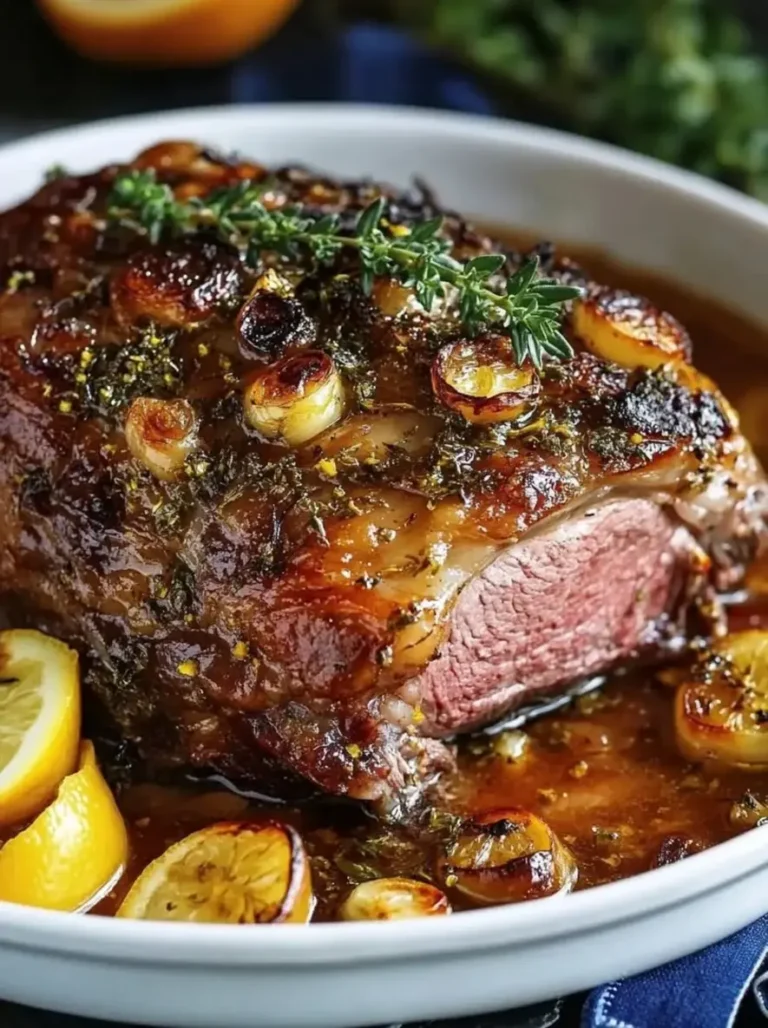
Mediterranean Lemon-Garlic Lamb Shoulder with Fresh Oregano and Golden Crust
Ingredients
- 4–5 lb lamb shoulder, bone-in
- 1/4 cup extra virgin olive oil
- Zest and juice of 2 large lemons
- 8 garlic cloves, finely minced
- 3 tablespoons fresh oregano, chopped
- 1 tablespoon fresh rosemary, chopped
- 2 teaspoons sea salt
- 1 teaspoon freshly cracked black pepper
- 1 teaspoon smoked paprika
Instructions
- Method: Main Course
- Cuisine: Mediterranean
Tried This Recipe? Leave a Comment!
Did you make this recipe? I’d love to hear how it turned out! Please leave a comment and a rating below. Your feedback helps other home cooks and supports cheerychop.com!
For more delicious inspiration, follow me on Pinterest!