Blackened Mahi Mahi Sliders with Coconut Lime Crema
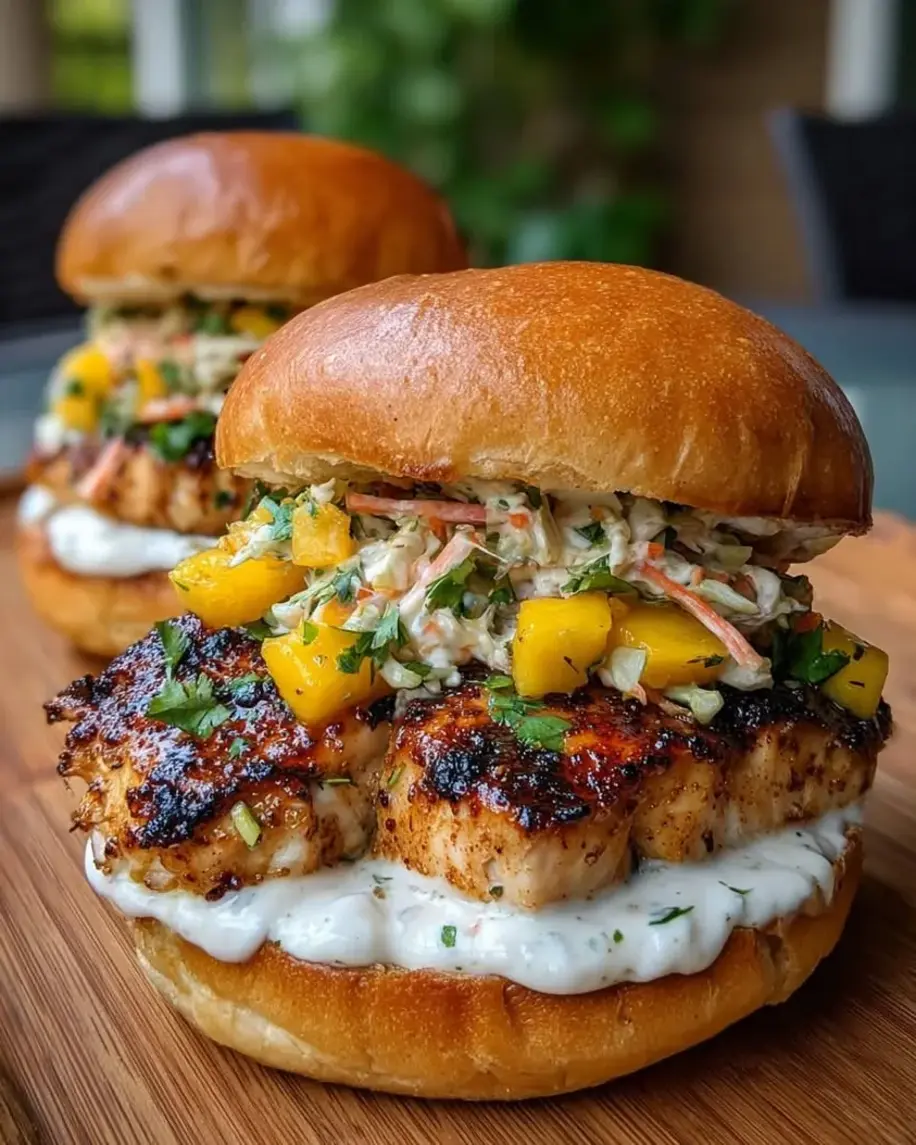
Table of Contents
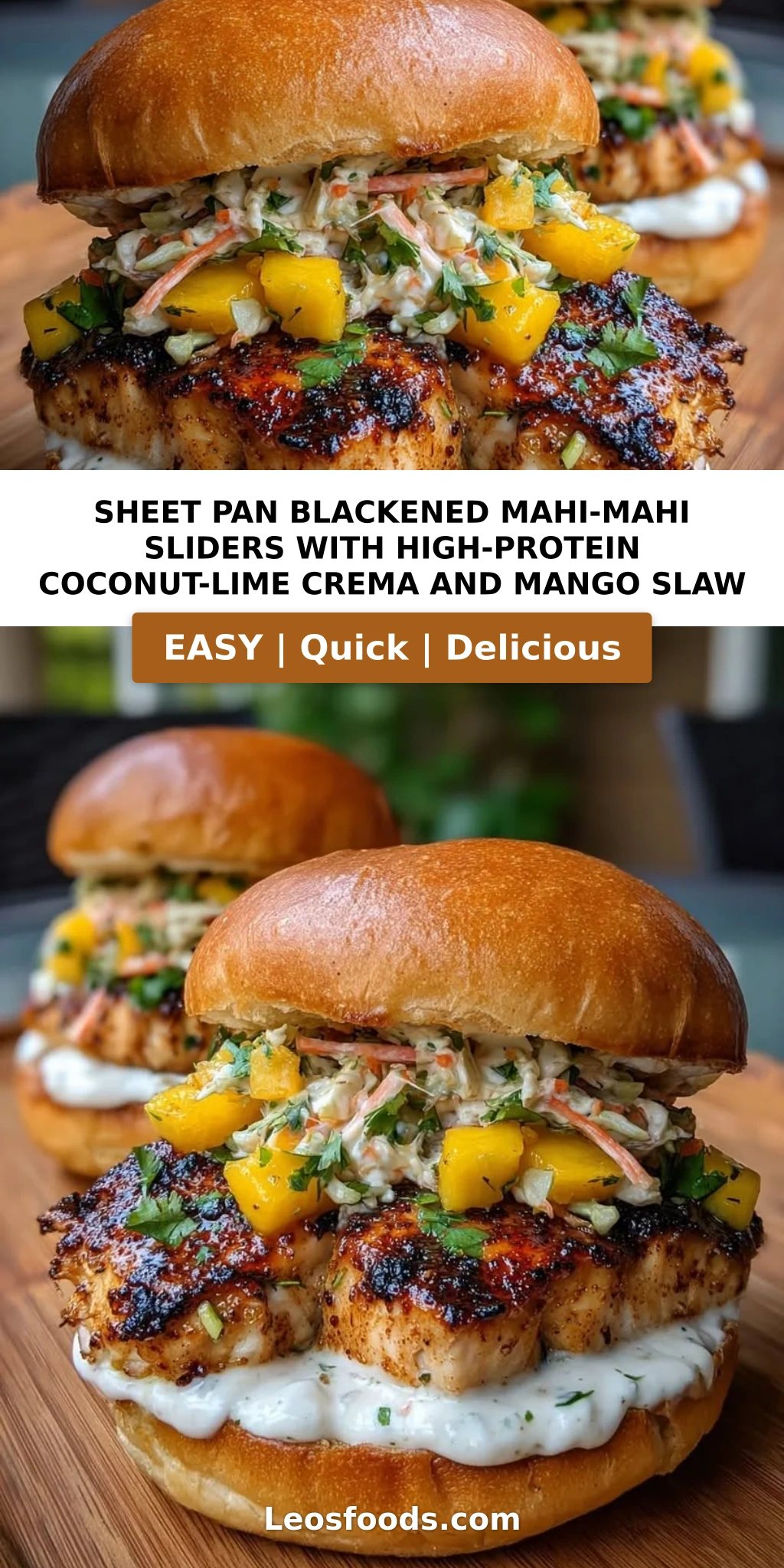
Sheet Pan Blackened Mahi-Mahi Sliders with High-Protein Coconut-Lime Crema – Tropical Summer in 25 Minutes
I still remember the first time I made blackened mahi-mahi sliders in my tiny Parisian kitchen during culinary school. I had just learned the proper technique for blackening—a method that combines high heat with a bold spice blend—and I knew instantly that this sheet pan version would become a weeknight hero. Now, living in New York City, I’ve streamlined that same fiery caramelization into a single sheet pan, so you get crisp, smoky fish without the stovetop mess. What makes these sheet pan fish sliders truly unforgettable is the trio of sweet mango slaw, cooling coconut-lime crema, and perfectly toasted brioche—all in under half an hour.
Imagine biting into a soft, buttery bun layered with flaky, spice-crusted mahi-mahi. The heat from the blackening seasoning meets the bright crunch of lime-kissed mango and red cabbage, while the velvety coconut lime crema ties everything together with a creamy, tangy finish. The aroma alone—smoky paprika, fresh cilantro, and toasted buns—will transport you straight to a beach shack. I’ve tested this recipe countless times, tweaking the blackening blend to avoid bitterness and perfecting the crema’s protein punch. The result? A balanced, vibrant slider that feels both indulgent and nourishing.
After years behind the line and in my own kitchen, I’ve learned that the key to great blackened fish is controlling the heat and timing. In this recipe, I’ll show you exactly how to get that perfect char without drying out the fish—using just your oven and a sheet pan. My high-protein twist on the crema (thanks to Greek yogurt) keeps the dish satisfying, while the mango slaw adds a fresh, no-cook element. 💡 Stella’s Pro Tip: Don’t skip the rest time for the slaw—it softens the cabbage and lets the mango juices meld. And one common mistake? Overcrowding the pan. Spread those fillets out so they sizzle, not steam.
Why This Sheet Pan Blackened Mahi-Mahi Sliders Recipe Is the Best
The Flavor Secret: My Moroccan roots taught me to layer spices with intention. The blackening blend here—smoked paprika, cayenne, garlic powder, onion powder, oregano, thyme—creates a crust that’s smoky, slightly spicy, and deeply aromatic without overwhelming the delicate mahi-mahi. The coconut-lime crema, inspired by French sauce work, balances the heat with richness and acidity. This isn’t just another fish slider; it’s a symphony of textures and temperatures.
Perfected Texture: Roasting on a sheet pan at 425°F for exactly 10 minutes gives the fish a caramelized exterior while keeping the interior moist and flaky. Unlike stovetop blackening, which can scorch the spice and smoke out your kitchen, the oven provides even, controlled heat. The slaw is tossed just before serving so it stays crisp, and the crema is whisked thick enough to cling to every bite.
Foolproof & Fast: This recipe is designed for busy weeknights. With only 15 minutes of prep and 10 minutes in the oven, you can have a restaurant-quality meal on the table. The ingredients are all easy to find at any US grocery store—no obscure spices or hard-to-find fish. Even if you’ve never cooked mahi-mahi before, the visual cues (edges charred, fish flakes easily) make it foolproof.
Blackened Mahi-Mahi Sliders Ingredients
Every time I walk through the Union Square Greenmarket in NYC, I pick up the freshest mahi-mahi and mangoes for this recipe. The key is choosing firm, glossy fillets and a mango that gives slightly to pressure—not too soft, not too hard. I still remember my mother in Marrakech teaching me to julienne mangoes for salads; this slaw is my love letter to those mornings.
Ingredients List
- The Sheet Pan:
- 4 mahi-mahi fillets (4 oz each)
- 1 tbsp olive oil
- 1 tbsp blackening seasoning (smoked paprika, cayenne, garlic powder, onion powder, oregano, thyme)
- salt
- The Mango Slaw:
- 1 ripe mango (julienned)
- 1 cup shredded red cabbage
- 1/4 cup fresh cilantro
- juice of 1 lime
- pinch of salt
- The High-Protein Coconut-Lime Crema:
- 1/2 cup Greek yogurt (0% fat)
- 2 tbsp coconut cream
- zest and juice of 1 lime
- 1 tsp honey
- pinch of salt
- The Assembly:
- 4 brioche slider buns (toasted)
- butter for toasting
Ingredient Spotlight
Mahi-Mahi: This firm, lean fish is perfect for blackening because it holds up to high heat without falling apart. Look for fillets that are shiny and smell fresh like the ocean, not fishy. If mahi-mahi isn’t available, you can substitute with swordfish, halibut, or thick cod—just adjust cooking time slightly. For a budget-friendly option, use tilapia, but note it flakes faster so check at 8 minutes.
Blackening Seasoning: The blend is the star. Smoked paprika provides depth, cayenne brings heat, and dried herbs add earthiness. I always make extra to keep on hand. You can buy a good Cajun-style blackening seasoning, but homemade allows you to control salt and spice. If you’re sensitive to heat, reduce cayenne to ½ teaspoon.
Greek Yogurt + Coconut Cream: The combo creates a high-protein crema (over 10g protein per serving) without being heavy. Full-fat Greek yogurt works too, but 0% keeps it light. Coconut cream (the thick part from a can of full-fat coconut milk) adds richness and a subtle tropical note. For a dairy-free version, use a plant-based Greek-style yogurt; the texture will be a bit thinner but still delicious.
Mango: Choose a Champagne or Ataulfo mango for its creamy, non-fibrous texture. Firm-but-slightly-soft is ideal. Unripe mango? Let it sit at room temperature for a day or two. Frozen mango works in a pinch—just thaw and pat dry before julienning to avoid excess moisture in the slaw.
| Original Ingredient | Best Substitution | Flavor / Texture Impact |
|---|---|---|
| Mahi-Mahi | Swordfish or halibut | Similar firmness; swordfish slightly oilier. |
| Greek yogurt (0%) | Dairy-free Greek-style yogurt (coconut or almond based) | Slightly thinner, less tangy; still high protein. |
| Fresh mango | Frozen mango (thawed, patted dry) | Slight loss of crunch; still sweet and juicy. |
| Brioche buns | Potato rolls or whole wheat slider buns | Less richness; still holds filling well. |
How to Make Sheet Pan Blackened Mahi-Mahi Sliders — Step-by-Step
Trust me, this is easier than it sounds. Follow these steps for perfect blackened mahi-mahi sliders every time — no smoke alarm required.
Step 1: Preheat and Season the Fish
Preheat your oven to 425°F (220°C). Line a sheet pan with parchment or foil for easy cleanup. Pat the mahi-mahi fillets dry with paper towels — moisture is the enemy of a good blackened crust. Drizzle with olive oil and rub all over. Sprinkle the blackening seasoning generously over both sides, pressing gently to adhere. Season with a pinch of salt. Don’t over-salt because the seasoning blend often contains salt.
⚠️ Common Mistake to Avoid: Using too much oil or not patting the fish dry. Excess oil will steam the fish instead of searing it, preventing that classic blackened crust.
Step 2: Roast the Fish
Place the seasoned fillets on the prepared sheet pan, spacing them at least an inch apart. Roast on the center rack for 10 minutes. The edges should look charred and slightly crisp, and the fish should flake easily when prodded with a fork. If your fillets are thicker (over 1 inch), add 2 minutes. For thinner fillets, start checking at 8 minutes.
💡 Stella’s Pro Tip: For extra char, switch the oven to broil for the last 1–2 minutes. Watch closely to avoid burning.
Step 3: Make the Mango Slaw
While the fish roasts, julienne the mango and shred the red cabbage (use a mandoline or knife). Combine in a bowl with fresh cilantro, lime juice, and a pinch of salt. Toss well and let it sit for about 5 minutes. This rest time is crucial — it softens the cabbage slightly and allows the mango juices to meld with the lime, creating a natural dressing.
⚠️ Common Mistake to Avoid: Skipping the rest time. The slaw won’t have time to soften and the flavors won’t marry, resulting in a raw, disjointed salad.
Step 4: Prepare the High-Protein Coconut-Lime Crema
In a small bowl, combine Greek yogurt, coconut cream, lime zest, lime juice, honey, and a pinch of salt. Whisk vigorously until smooth and thick. Taste and adjust — add more lime for tang, more honey for sweetness, or more salt to balance. The crema should be thick enough to dollop without running off the fillet.
💡 Stella’s Pro Tip: If the crema is too thick, add a teaspoon of cold water. If too thin, add another tablespoon of yogurt. Let it rest in the fridge while the fish finishes so the flavors meld.
Step 5: Toast Buns and Assemble
Split the brioche slider buns and butter the cut sides. Heat a skillet over medium heat and toast them cut-side down until golden, about 1–2 minutes. To assemble: spread a generous layer of coconut-lime crema on both bun halves. Place a blackened mahi-mahi fillet on the bottom bun (break it into pieces if larger than the bun). Pile on the mango slaw, then close the bun. Serve immediately while the fish is still hot and the slaw is cool and crunchy.
⚠️ Common Mistake to Avoid: Toasting buns too far in advance. They lose their crunch. Toast right before serving, or keep warm in a low oven.
| Step | Action | Duration | Key Visual Cue |
|---|---|---|---|
| 1 | Season fillets | 5 min | Fillets coated in deep red seasoning |
| 2 | Roast fish | 10 min | Edges charred, fish flakes easily |
| 3 | Make slaw | 5 min + 5 min rest | Cabbage slightly wilted, mango glossy |
| 4 | Whisk crema | 3 min | Thick, smooth, pale ivory with lime specks |
| 5 | Toast buns and assemble | 5 min | Buns golden brown, slaw piled high |
Serving & Presentation
These sliders are a complete meal on their own, but I love to serve them with a side of crispy plantain chips or a simple avocado salad. The tropical flavors pair beautifully with a cold coconut water or a light Mexican lager. For a backyard gathering, set up a slider bar: let guests build their own with extra crema and slaw on the side.
When plating, I like to arrange the sliders on a wooden board with lime wedges and extra cilantro leaves. The contrast between the dark, crusted fish, the vibrant orange slaw, and the white crema is visually stunning — it’s the kind of dish that makes everyone reach for their phone before taking a bite. My Parisian chef instructor always said we eat first with our eyes, and this recipe never disappoints.
| Pairing Type | Suggestions | Why It Works |
|---|---|---|
| Side Dish | Grilled corn on the cob, sweet potato fries, black bean salad | Adds smoky sweetness or heartiness to balance the spice |
| Sauce / Dip | Extra crema, hot sauce (like Cholula), mango salsa | Enhances creaminess or adds a spicy kick |
| Beverage | Coconut water, Mexican lager, lime-mint aguas frescas | Refreshing, cuts through the richness of the crema |
| Garnish | Lime wedges, fresh cilantro, sliced jalapeño | Adds brightness and visual pop |
Make-Ahead, Storage & Reheating
As a busy NYC food blogger, I rely on make-ahead components. The slaw and crema can be prepped up to two days in advance, but I recommend assembling sliders right before serving for the best texture. The fish is best eaten fresh, but leftovers can be stored and reheated carefully.
| Method | Container | Duration | Reheating Tip |
|---|---|---|---|
| Refrigerator | Airtight container, separate components | Up to 2 days | Reheat fish in a 300°F oven for 5 min to avoid drying |
| Freezer | Freezer-safe bag, cooked fish only (no slaw/crema) | Up to 2 months | Thaw overnight in fridge; reheat in oven or air fryer at 350°F for 4 min |
| Make-Ahead | Slaw and crema in separate containers | Slaw: 2 days; crema: 3 days | Toss slaw again before serving; whisk crema if separated |
For reheating, avoid the microwave — it will turn the fish rubbery. Instead, place leftover fillets on a sheet pan in a 300°F oven for about 5 minutes, or until just warmed through. The slaw should be served cold, so store it separately. If the crema thickens in the fridge, stir in a teaspoon of lime juice to loosen it.
Variations & Easy Swaps
| Variation | Key Change | Best For | Difficulty Impact |
|---|---|---|---|
| Harissa-Spiced Variation | Replace blackening seasoning with 1 tbsp harissa paste mixed with 1 tsp smoked paprika | North African twist, extra heat & depth | Easy |
| Gluten-Free / Dairy-Free | Use gluten-free slider buns + dairy-free yogurt (coconut-based) + skip butter (use oil for toasting) | Dietary restrictions | Easy |
| Pineapple-Jalapeño Slaw | Replace mango with fresh pineapple (julienned) and add 1 tbsp minced jalapeño | More acidity and heat | Easy |
Harissa-Spiced Variation
Growing up in Morocco, harissa was a pantry staple. For this variation, swap the blackening seasoning for a harissa paste (I love the brand Mina). Mix it with a touch of smoked paprika and olive oil, then brush onto the fish. The result is a deeper, earthier heat with floral notes. I often serve these with a dollop of extra crema to cool the fire.
Gluten-Free / Dairy-Free Variation
For my friends with dietary restrictions, this version works beautifully. Use your favorite gluten-free slider buns (I recommend Schär’s ciabatta rolls). For the crema, choose a plain unsweetened coconut yogurt — it’s naturally dairy-free. Toast the buns in avocado oil instead of butter. The texture will be a bit lighter, but the tangy-creamy balance remains intact.
Pineapple-Jalapeño Slaw Variation
On hot NYC summer days, I swap mango for fresh pineapple. Pineapple’s acidity cuts through the blackened fish even more aggressively. Add a minced jalapeño (seeds removed for less heat) for a kick that complements the smoky fish. This version pairs especially well with a mango-lime seltzer. It’s bright, spicy, and ultra-refreshing.
What is the best way to blacken mahi-mahi on a sheet pan without burning it?
The key to blackening on a sheet pan without burning is controlling the oven temperature and using a light coating of oil. Preheat to 425°F (220°C) and line your pan with parchment. Pat the fillets dry, then brush them very lightly with olive oil — excess oil can cause the spices to burn. Apply the blackening seasoning in an even, thin layer. Roast for exactly 10 minutes for 4-ounce fillets. If you want extra char, switch to broil for the last 1–2 minutes but watch closely. Also, make sure your seasoning doesn’t contain added sugar, which can burn faster. Homemade blends (using smoked paprika, garlic powder, cayenne, oregano, thyme) are easiest to control.
Can I use frozen mango for the slaw in these blackened mahi-mahi sliders?
Yes, you can use frozen mango in a pinch. Thaw it completely in the refrigerator, then drain off any excess liquid. Pat the mango pieces dry with paper towels before julienning (or just chop them if thawed pieces are too soft to julienne). Keep in mind that frozen mango will be slightly softer and less crisp than fresh, and it may release more moisture into the slaw. To compensate, you can add a little extra shredded cabbage to absorb the liquid. The flavor will still be sweet and bright — just not as texturally perfect as fresh. For best results, select a bag of frozen mango that has no added sugar.
How do I make a high-protein coconut-lime crema without dairy?
To make a dairy-free, high-protein coconut-lime crema, start with a plain unsweetened coconut or almond-based Greek-style yogurt (brands like Kite Hill or So Delicious provide around 8–10 grams of protein per serving). Use ½ cup of that yogurt as the base. Add 2 tablespoons of full-fat coconut cream (the thick part from a can of coconut milk), the zest and juice of one lime, 1 teaspoon of honey or maple syrup, and a pinch of salt. Whisk until smooth and thick. The coconut cream adds richness that mimics traditional crema, while the yogurt provides tang and protein. If the mixture seems thin, refrigerate it for 20 minutes to thicken.
What is the ideal cooking time and temperature for mahi-mahi on a sheet pan for sliders?
For perfect blackened mahi-mahi sliders, roast the fillets at 425°F (220°C) for exactly 10 minutes. This timing works for 4-ounce fillets that are about ¾-inch thick. The oven should be fully preheated before you put the pan in. Use the center rack for even heat circulation. Signs of doneness: the edges of the fish will look charred and crispy, and the flesh will flake easily when tested with a fork. If your fillets are thicker (1 inch or more), increase the time to 12 minutes. For thinner fillets (½ inch), check at 8 minutes. Avoid the temptation to open the oven door too often, which causes temperature fluctuations.
Can I make the slaw and crema ahead of time for these mahi-mahi sliders?
Absolutely! Both the mango slaw and the coconut-lime crema can be prepared up to two days in advance. Store the slaw in an airtight container in the refrigerator — it will actually improve as the flavors meld, though the cabbage may soften a bit. Before serving, give it a good toss and taste for seasoning; you might want to add an extra squeeze of lime. The crema keeps well for 3 days in a jar. If it separates, simply whisk it back together. For the fish, I recommend cooking it fresh on the day you serve the sliders, as reheated fish can lose its tender texture. If you must make the fish ahead, reheat gently (see storage section above).
What other fish can I use for sheet pan blackened sliders?
This sheet pan method works beautifully with other firm, flaky white fish. Swordfish, halibut, and thick cod (or even salmon) are excellent substitutes. Swordfish is the closest in texture to mahi-mahi and holds up perfectly to blackening. Halibut is a bit more delicate but still firm enough; reduce cooking time by 1 minute. If using salmon, note that it has a higher fat content and will cook faster — start checking at 7 minutes. Avoid thin, flaky fish like sole or tilapia unless you adjust the time significantly and watch closely. For a budget-friendly option, use catfish fillets; they are sturdy and absorb the blackening seasoning well.
How do I prevent the blackened seasoning from tasting bitter?
Bitterness in blackened seasoning usually comes from burning the spices. To avoid this, make sure your seasoning blend doesn’t contain too much sugar — sugar burns quickly at high heat. If using a store-bought blend, check the label. Another tip: apply the seasoning to the fish just before roasting, not in advance, so the spices stay fresh and don’t oxidize. Use a light hand — a thin, even coating is better than a thick crust. Finally, ensure your oven temperature is accurate (use an oven thermometer) and don’t over-roast. The 10-minute window at 425°F is your sweet spot.
Can I use these blackened mahi-mahi sliders for meal prep?
Yes, but with some smart strategies. I recommend prepping the slaw and crema up to two days ahead (store separately). Roast the fish fresh on the day you plan to eat, or cook it in bulk and reheat portions. For meal prep lunches, pack the components separately: keep the slaw cold, the crema in a small container, and the fish in another container. Toast the buns only when you’re ready to eat — they go stale quickly. Assemble the slider just before serving to keep the bun from getting soggy. This way, you have a fast, delicious lunch that tastes just like the original.
Share Your Version!
I hope you love these sheet pan blackened mahi-mahi sliders as much as I do. They’re the kind of recipe that makes a simple weeknight feel like a celebration. If you give them a try, please leave a star rating and a comment below — I read every single one and it truly makes my day. Snap a photo of your creation and tag me on Instagram @leosfoods or share it on Pinterest with #StellaRecipeBlog. I love seeing how you make it your own!
Tell me: did you try the harissa twist or the pineapple slaw? Did you serve these as tacos instead? Drop your questions below and I’ll answer personally. From my NYC kitchen to yours — I hope this recipe brings as much warmth to your table as it does to mine. — Stella 🧡
Love This Recipe? Save It to Pinterest!
If you enjoyed this Sheet Pan Blackened Mahi-Mahi Sliders recipe, don’t let it get lost in your browser tabs! 😄 Pin it now so you can find it again anytime — and explore hundreds more tried-and-tested recipes waiting for you on my Pinterest boards.
👉 Follow Stella on Pinterest @stellarecipeblog
📌 Pin this recipe · 🔁 Re-pin your favorites · 💬 Tag me when you make it — I love seeing your creations!
Did you make this recipe?
Drop a ⭐ rating below and share your photos with #StellaRecipeBlog on Instagram! I can’t wait to see your blackened mahi-mahi sliders.
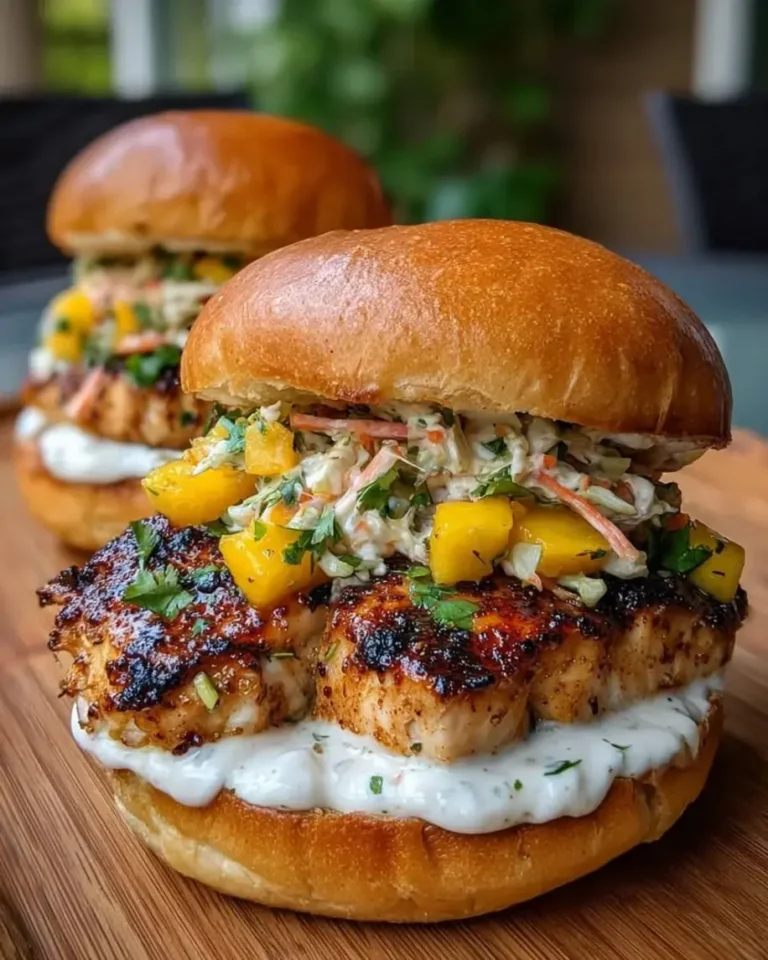
Sheet Pan Blackened Mahi-Mahi Sliders with High-Protein Coconut-Lime Crema and Mango Slaw
Sweet, spicy, and completely tropical! Crispy blackened mahi-mahi roasted on one sheet pan, stacked in soft brioche buns with a sweet mango slaw and the creamiest coconut-lime high-protein crema you have ever drizzled. Summer on a plate in 25 minutes.
- Total Time: 25 minutes
- Yield: 4 1x
Ingredients
- The Sheet Pan:
- 4 mahi-mahi fillets (4 oz each)
- 1 tbsp olive oil
- 1 tbsp blackening seasoning (smoked paprika, cayenne, garlic powder, onion powder, oregano, thyme)
- salt
- The Mango Slaw:
- 1 ripe mango (julienned)
- 1 cup shredded red cabbage
- 1/4 cup fresh cilantro
- juice of 1 lime
- pinch of salt
- The High-Protein Coconut-Lime Crema:
- 1/2 cup Greek yogurt (0% fat)
- 2 tbsp coconut cream
- zest and juice of 1 lime
- 1 tsp honey
- pinch of salt
- The Assembly:
- 4 brioche slider buns (toasted)
- butter for toasting
Instructions
- Preheat oven to 425F (220C). Coat mahi-mahi fillets in olive oil, rub generously with blackening seasoning and salt. Place on a lined sheet pan.
- Roast for 10 minutes until the edges are slightly charred and the fish flakes cleanly.
- Toss julienned mango and red cabbage with cilantro, lime juice, and salt. Let sit 5 minutes so the slaw softens and the flavors come together.
- Whisk Greek yogurt, coconut cream, lime zest, lime juice, honey, and salt until thick and smooth.
- Toast brioche buns cut-side down in a buttered pan until golden. Spread coconut-lime crema on both halves, lay the blackened mahi fillet, pile the mango slaw generously on top, and serve immediately.
- Prep Time: 15 minutes
- Cook Time: 10 minutes
Tried This Recipe? Leave a Comment!
Did you make this recipe? I’d love to hear how it turned out! Please leave a comment and a rating below. Your feedback helps other home cooks and supports cheerychop.com!
For more delicious inspiration, follow me on Pinterest!