Sheet Pan Blackened Mahi-Mahi Sliders in 25 Minutes
Sheet Pan Blackened Mahi-Mahi Sliders with High-Protein Coconut-Lime Crema & Mango Slaw – The Ultimate 25-Minute Dinner
Let me take you straight to my NYC kitchen, where the scent of smoked paprika and cayenne is drifting through the air, and a sheet pan is about to change your weeknight dinner game forever. These Sheet Pan Blackened Mahi-Mahi Sliders with High-Protein Coconut-Lime Crema & Mango Slaw are the kind of recipe I dream up after a long day of testing — bold, fast, and packed with layers of flavor that make you feel like you’re eating at a coastal cantina, not your own dining table. I came up with this version one humid August evening when I wanted the soul of blackened fish from my Paris bistro days but needed the speed and ease of a single sheet pan. The magic happens in under 25 minutes, and the high-protein crema? That’s my little secret weapon — thick, tangy, and so luscious you’ll want to drizzle it on everything.
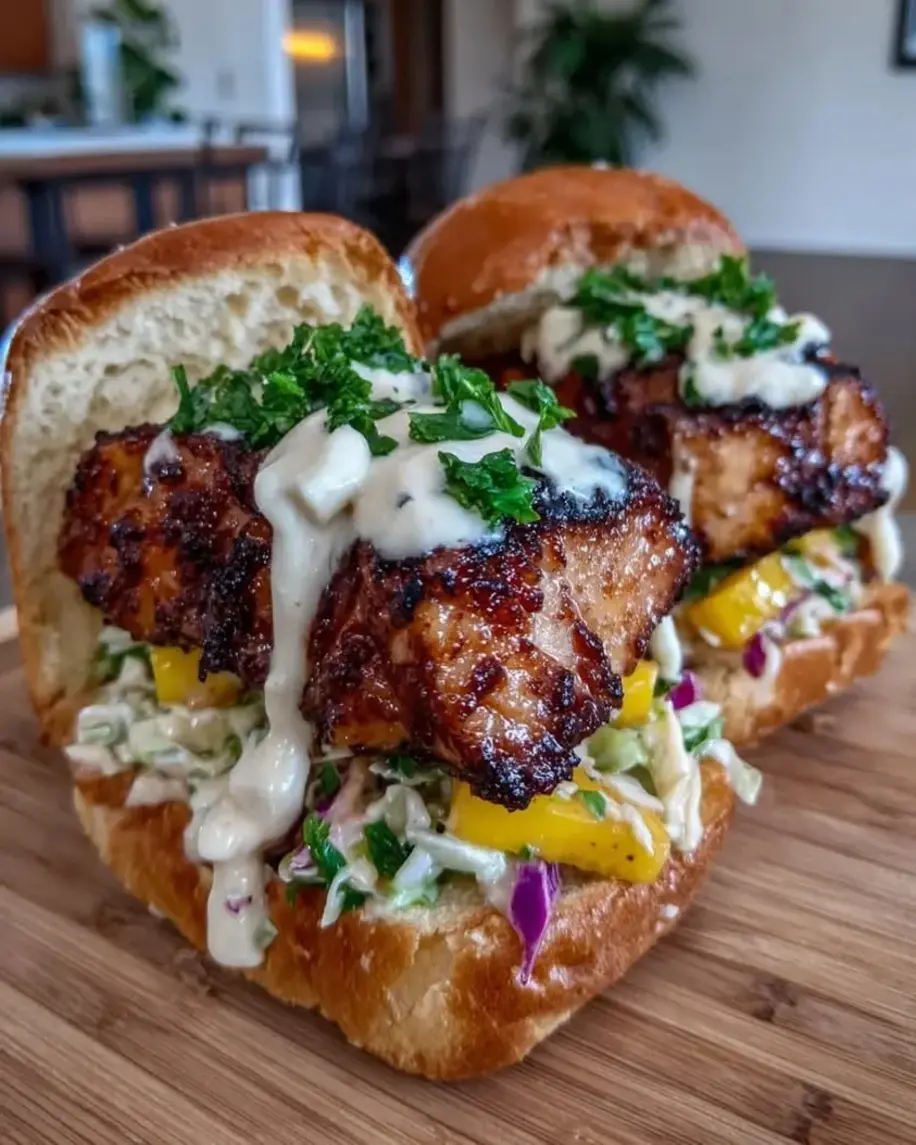
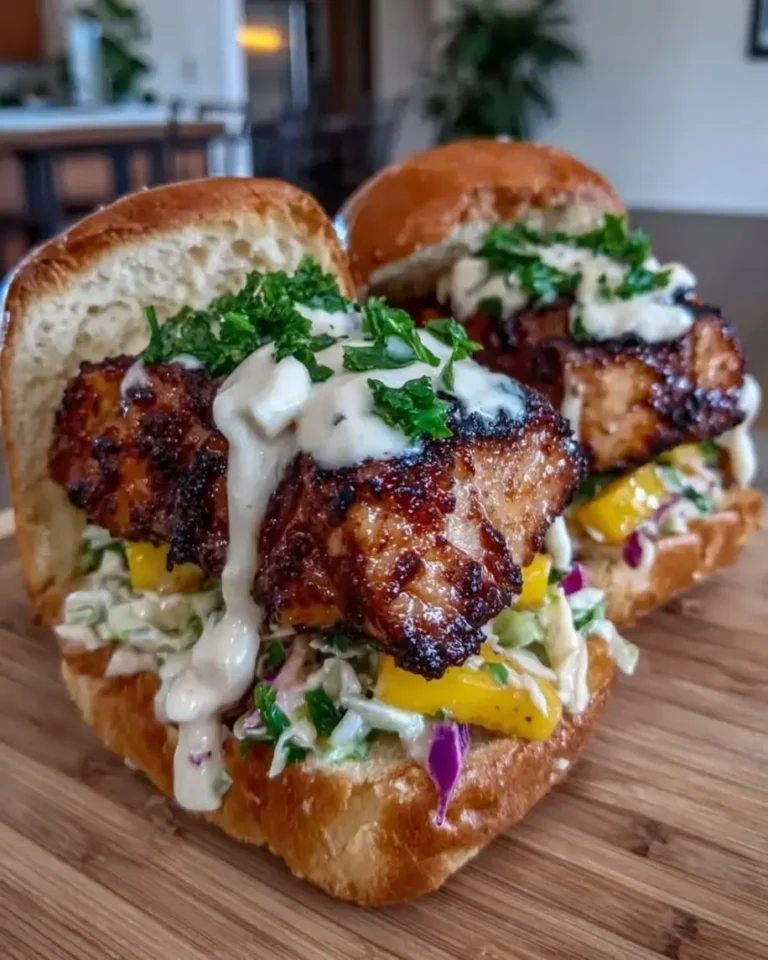
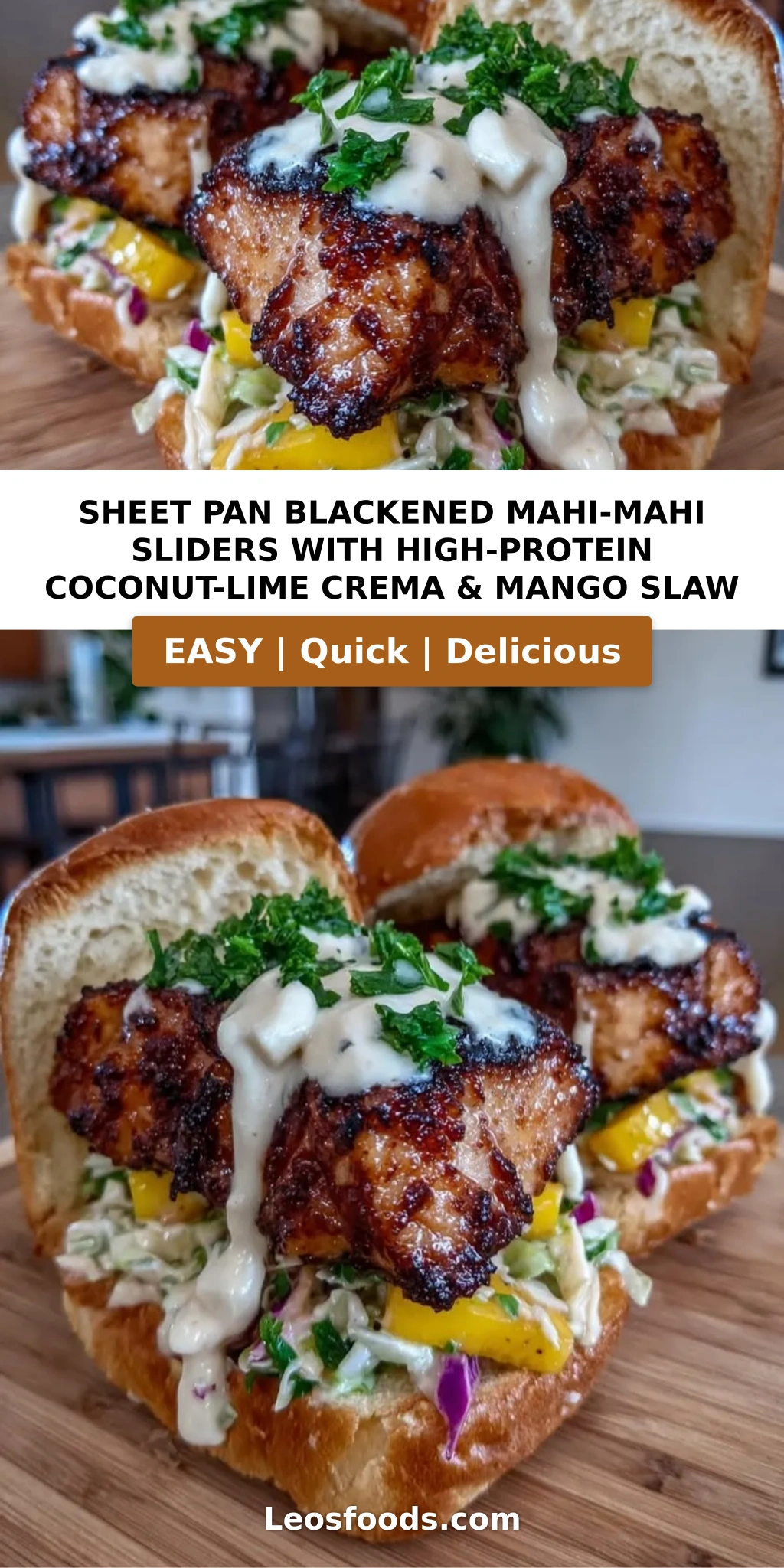
Close your eyes and imagine this: a perfectly blackened mahi-mahi fillet, its edges charred and smoky from the oven’s high heat, resting on a soft, toasted brioche bun. On top, a heap of bright, crunchy mango slaw — shredded red cabbage, juicy mango ribbons, and fresh cilantro all tangled together with a squeeze of lime. Then comes the pièce de résistance: a heavy, glorious drizzle of high-protein coconut-lime crema, so thick and creamy it clings to every corner of the slider. Each bite is a symphony — smoky, sweet, tangy, and rich — with the fish flaking apart like butter and the slaw adding a fresh, crunchy counterpoint. The aroma alone, with its warm spices and zesty lime, will have everyone wandering into the kitchen asking what’s for dinner.
What makes my version truly special is the way I build the crema. Most recipes use sour cream or mayo, but I swap in plain Greek yogurt and a splash of coconut cream for a high-protein, dairy-cool finish that balances the heat of the blackening spice without weighing things down. I learned that trick during my pastry training in Paris, where we’d lighten creams with yogurt for a cleaner tang. The sheet pan method is borrowed from my Moroccan mother’s one-pan tagines — she taught me that the best meals often come from letting the oven do the heavy lifting. And here’s the thing most home cooks get wrong: they overcook the fish. Mahi-mahi is lean and cooks fast; at 425°F, 10 to 12 minutes is all it needs. My pro tip? Pull it when the center is just barely opaque — carryover heat will finish the job. This recipe is foolproof, fast, and so full of flavor you’ll add it to your permanent rotation.
Why This Sheet Pan Blackened Mahi-Mahi Sliders Recipe Is the Best
The Flavor Secret — The blackening seasoning I use is a blend I perfected in my Paris culinary school days: smoked paprika for depth, cayenne for warmth, garlic and onion powders for savoriness, and a touch of dried oregano and thyme for an herby lift. It’s the same philosophy my mother used in her Moroccan spice blends — layering spices so they sing together rather than shout. The high-protein coconut-lime crema is my signature twist: Greek yogurt adds 15 grams of protein per serving, while coconut cream brings a subtle sweetness that tames the heat and ties the whole slider together.
Perfected Texture — The key to perfect blackened fish is a dry surface and high, even heat. By patting the mahi-mahi dry and coating it lightly in oil before the spice rub, you ensure a crust that’s deeply charred on the outside while the inside stays flaky and moist. The mango slaw is julienned thin — not shredded too fine — so it retains a satisfying crunch that contrasts with the soft bun and tender fish. I tested this a dozen times to get that balance right: the slaw should be bright and acidic, cutting through the richness of the crema and the smokiness of the fish.
Foolproof & Fast — This recipe is designed for busy weeknights when you want something that feels special but takes minimal effort. One sheet pan, one bowl for the slaw, one bowl for the crema — that’s it. The oven does the cooking while you prep the toppings, and everything comes together in 25 minutes flat. Even if you’ve never cooked mahi-mahi before, the visual cues are unmistakable: the edges will look dark and crispy, and the fish will flake easily when you press it with a fork. It’s the kind of recipe that builds confidence in the kitchen, and I’ve had readers tell me it’s the first fish dish they’ve ever made successfully at home.
Sheet Pan Blackened Mahi-Mahi Sliders Ingredients
I source most of my ingredients from the Union Square Greenmarket in Manhattan or my local Whole Foods — the freshness of the fish and the ripeness of the mango make all the difference. The ingredients for this recipe are simple and intentional, each one chosen to build layers of flavor without complexity. Let me walk you through what you’ll need and why each component matters.
Ingredients List
- 1 ½ lbs mahi-mahi fillets, cut into 4 slider portions
- 1 tbsp olive oil
- 1 tbsp blackening seasoning (smoked paprika, cayenne, garlic powder, onion powder, oregano, thyme)
- Pinch of salt
- 1 cup shredded red cabbage
- ½ ripe mango, julienned
- ¼ cup fresh cilantro
- Juice of 1 lime
- Pinch of salt
- ½ cup plain Greek yogurt (full-fat or 2% recommended)
- 2 tbsp coconut cream (from a can of full-fat coconut milk)
- Zest and juice of 1 lime
- 1 tsp honey
- Pinch of salt
- 4 soft brioche slider buns, toasted
Ingredient Spotlight
Mahi-Mahi: This firm, lean white fish is ideal for blackening because it holds its shape well under high heat and doesn’t turn mushy. Look for fillets that are bright and translucent with no fishy smell. If you can’t find mahi-mahi, swordfish or thick cod fillets work beautifully — just adjust cooking time by a minute or two depending on thickness.
Blackening Seasoning: Store-bought blends are fine, but making your own is incredibly easy and lets you control the heat level. My go-to ratio is 1 tablespoon smoked paprika, ½ teaspoon cayenne (adjust up or down), ½ teaspoon garlic powder, ½ teaspoon onion powder, ½ teaspoon dried oregano, and ½ teaspoon dried thyme. This yields about 2 tablespoons of seasoning — enough for this recipe with some left over.
Greek Yogurt: Full-fat or 2% Greek yogurt gives the crema its thick, luxurious texture without being heavy. I love Fage or Stonyfield for their tang and creaminess. Avoid nonfat yogurt here — it can be watery and won’t deliver that same rich mouthfeel.
Mango: You want a mango that’s ripe but still firm — sweet and juicy, but not so soft that it turns into mush in the slaw. Ataulfo (champagne) mangoes are my top pick because they’re less fibrous and have a creamy texture that pairs beautifully with the crunchy cabbage.
| Original Ingredient | Best Substitution | Flavor / Texture Impact |
|---|---|---|
| Mahi-Mahi | Swordfish or thick cod fillets | Swordfish is slightly firmer and richer; cod is milder and flakes more easily — both work beautifully with blackening spice. |
| Coconut Cream | Full-fat coconut milk (reduce liquid slightly) or 2 tbsp heavy cream + ½ tsp coconut extract | Coconut milk is thinner so the crema will be less thick; heavy cream version loses the coconut flavor but stays rich and creamy. |
| Brioche Buns | Potato rolls or whole wheat slider buns | Potato rolls are soft and slightly sweet like brioche; whole wheat adds nuttiness but is denser — toast well for best texture. |
| Greek Yogurt | Skyr or labneh (for thicker texture) or dairy-free yogurt (for dairy-free) | Skyr is very similar to Greek yogurt; labneh is thicker and tangier. Dairy-free yogurt will be thinner — drain it through cheesecloth for 30 minutes to thicken. |
How to Make Sheet Pan Blackened Mahi-Mahi Sliders — Step-by-Step
Trust me when I say this is one of the easiest, most rewarding dinners you can make. The oven does most of the work, and the steps are designed so that everything finishes at the same time. Here’s exactly how to do it, with all the little details that make the difference between good and unforgettable sliders.
Step 1: Prep the Sheet Pan
Preheat your oven to 425°F (220°C). Line a baking sheet with parchment paper for zero cleanup — this also prevents the seasoning from scorching onto the pan. While the oven heats, cut your mahi-mahi fillets into four equal portions, about 6 ounces each if possible. Pat them dry with paper towels; this step is crucial for getting a good crust.
💡 Stella’s Pro Tip: Don’t skip the parchment paper. The blackening seasoning contains sugar from the paprika, which can stick to a bare pan and burn. Parchment gives you perfect browning without the mess.
Step 2: Roast the Mahi-Mahi
Drizzle the olive oil over the fish and rub it in gently, then sprinkle the blackening seasoning and a pinch of salt evenly over all sides. Place the portions on the prepared sheet pan, leaving space between them for air circulation. Roast for 10 to 12 minutes, until the edges are deeply charred and the fish flakes easily when tested with a fork. The center should be just opaque — remember, it will continue cooking from residual heat for a minute or two after you pull it out.
⚠️ Common Mistake to Avoid: Overcrowding the pan. If the fish portions are too close together, they’ll steam instead of sear, and you won’t get that signature blackened crust. Use two sheet pans if needed, rotating them halfway through.
Step 3: Mix the Slaw
While the fish bakes, toss the shredded red cabbage, julienned mango, and fresh cilantro in a medium bowl. Squeeze the lime juice over the top and add a pinch of salt. Use your hands or tongs to mix everything together, then let it sit for at least 5 minutes so the acid from the lime softens the cabbage slightly and the flavors meld. The slaw should be bright, crunchy, and just barely dressed — not soggy.
💡 Stella’s Pro Tip: To julienne the mango, slice off the cheeks, then score the flesh in a crosshatch pattern and push the skin inside out — the cubes pop right off. For thinner ribbons, use a vegetable peeler on the cheek before cutting.
Step 4: Blend the Crema
In a small bowl, whisk together the plain Greek yogurt, coconut cream, lime zest, lime juice, honey, and a pinch of salt. Whisk vigorously for 30 seconds until the mixture is completely smooth, thick, and glossy. Taste and adjust — add more lime juice for tang, more honey if you prefer sweetness, or an extra pinch of salt to balance. The crema should be spoonable but not runny; if it’s too thick, add a tablespoon of water or milk.
⚠️ Common Mistake to Avoid: Using cold yogurt straight from the fridge. Let it sit at room temperature for 5 minutes before whisking, or the crema will be lumpy. Also, make sure your coconut cream is well-stirred — it separates in the can.
Step 5: Stack & Drip
Toast the brioche slider buns lightly — either in a dry skillet over medium heat for about 1 minute per side, or in the oven on the lower rack for the last 2 minutes of fish cooking time. Place a piece of hot blackened mahi-mahi on each bottom bun. Pile the mango slaw generously on top — don’t be shy, it’s the bright, crunchy star of the show. Then, and this is the most important part, flood the entire slider with a massive, heavy drizzle of the coconut-lime crema. I mean really go for it — let it drip down the sides and pool on the plate. Top with the other half of the bun and serve immediately.
💡 Stella’s Pro Tip: For extra indulgence, spread a thin layer of crema on both halves of the bun before assembling. That way, every single bite gets that creamy, tangy goodness from the first bite to the last.
| Step | Action | Duration | Key Visual Cue |
|---|---|---|---|
| 1 | Prep sheet pan & fish | 5 min | Fish patted dry, seasoning evenly coating all sides |
| 2 | Roast mahi-mahi | 10–12 min | Edges are dark and charred; fish flakes easily with fork |
| 3 | Mix mango slaw | 5 min | Cabbage slightly softened, mango ribbons bright and intact |
| 4 | Blend coconut-lime crema | 3 min | Smooth, thick, and glossy — spoonable but not runny |
| 5 | Assemble & serve | 2 min | Crema dripping down sides, slaw piled high, bun toasted golden |
Serving & Presentation
These sliders are at their absolute best the moment they’re assembled — the fish is hot and smoky, the slaw is cold and crunchy, and the crema is cool and luscious. I like to serve them open-faced on a big wooden board so everyone can admire the layers before digging in. A few extra cilantro leaves scattered on top and a lime wedge on the side make the presentation pop. In my NYC apartment, I often plate these with a handful of plantain chips or a simple side salad of arugula dressed with lemon and olive oil — the peppery greens are a lovely contrast to the sweet, spicy sliders.
For a more substantial meal, I’ll add a side of black beans or coconut rice, which ties into the tropical-lime vibe of the crema. And if I’m feeling particularly Moroccan that day — which happens often — I’ll serve a small bowl of harissa on the side for those who want an extra kick. The beauty of this recipe is that it’s both elegant and casual; it works for a quick family dinner, a game-day spread, or even a backyard barbecue with friends.
| Pairing Type | Suggestions | Why It Works |
|---|---|---|
| Side Dish | Plantain chips, coconut rice, or arugula salad | Crispy, salty chips echo the crunch of the slaw; coconut rice doubles down on the tropical notes; arugula adds a peppery contrast. |
| Sauce / Dip | Extra coconut-lime crema, harissa, or mango hot sauce | More crema is always welcome; harissa brings heat and depth; mango hot sauce ties in the fruity-spicy theme. |
| Beverage | Mexican lager, sparkling limeade, or a crisp Sauvignon Blanc | A cold lager cuts the richness; limeade echoes the citrus in the crema; Sauvignon Blanc’s acidity complements the spice and mango. |
| Garnish | Fresh cilantro, lime wedges, thinly sliced jalapeño | Fresh herbs brighten the dish; lime adds a final squeeze of acidity; jalapeño gives optional heat for spice lovers. |
Make-Ahead, Storage & Reheating
One of the questions I get most from my NYC readers is how to meal-prep these sliders without losing the magic. The good news: you can absolutely get ahead on the components. I often make the slaw and crema the night before, then just cook the fish fresh when it’s time to eat. The slaw actually benefits from sitting overnight — the lime softens the cabbage and the flavors deepen beautifully. The crema stays perfectly thick and tangy for up to three days in the fridge.
| Method | Container | Duration | Reheating Tip |
|---|---|---|---|
| Refrigerator | Airtight container, components separate | Up to 3 days | Reheat fish in a 350°F oven for 5–6 minutes, or in a dry skillet over medium heat for 2 minutes per side. Re-toast buns. |
| Freezer | Freezer-safe bag or container, fish only (cooked) | Up to 2 months | Thaw overnight in fridge, then reheat in a 350°F oven for 8–10 minutes. The texture will be slightly softer but still delicious. |
| Make-Ahead | Slaw and crema in separate airtight containers | Slaw up to 1 day, crema up to 3 days | Assemble sliders just before serving. Give the crema a quick whisk if it has separated slightly. |
A word on reheating fish: it’s always best to use gentle, dry heat rather than the microwave, which can make mahi-mahi tough and rubbery. I’ll sometimes repurpose leftover fish into a taco salad the next day — just flake it over greens with the slaw and crema, and you’ve got a whole new meal. Whatever you do, don’t let the cooked fish sit at room temperature for more than two hours; refrigerate promptly and enjoy within a couple of days for the best flavor and texture.
Variations & Easy Swaps
This recipe is wonderfully adaptable, and I’ve tested several variations over the past year for my own meal prep and for friends with different dietary needs. Whether you’re gluten-free, dairy-free, or just looking to switch up the flavors, there’s a version here for you. Below is a quick overview table, followed by deeper dives into my three favorite twists.
| Variation | Key Change | Best For | Difficulty Impact |
|---|---|---|---|
| Spicy Mango-Habanero Slaw | Add ½ minced habanero (seeds removed) to the slaw | Heat lovers who want an extra kick | Easy — just handle the pepper with care |
| Gluten-Free Sliders | Use gluten-free slider buns or large lettuce wraps | Gluten-free or low-carb diets | Easy — no change to cooking method |
| Smoky Chipotle Crema | Add 1 tsp chipotle in adobo (minced) to the crema | Smoky-spicy flavor boost | Easy — just whisk it in |
Spicy Mango-Habanero Slaw Variation
For those who like their sliders with serious heat, this variation is a game-changer. Finely mince half a habanero pepper (remove the seeds and ribs unless you want full-on inferno mode) and stir it into the slaw along with the lime juice. The fruity, floral heat of the habanero pairs amazingly with the sweet mango and the smoky blackening spice. This is the version I make when I’m craving the bold, fiery flavors I grew up with in Morocco — my mother would often add a fresh chili to her salads for that same bright, sharp kick. Just remember to wear gloves when handling habaneros, and wash your hands thoroughly afterward.
Gluten-Free & Dairy-Free Variation
Making this recipe gluten-free and dairy-free is simpler than you might think. For the buns, use your favorite gluten-free slider buns — I like the ones from Canyon Bakehouse or Schär — or go with large, sturdy lettuce wraps (butter lettuce or romaine leaves work beautifully). For the crema, swap the Greek yogurt for a thick dairy-free yogurt like unsweetened coconut-based yogurt, and use the coconut cream as is. The texture will be slightly less thick, so I recommend draining the yogurt through a cheesecloth for 30 minutes to mimic the thickness of Greek yogurt. The flavor stays bright and tangy, and the coconut notes actually become even more pronounced, which I personally love.
Smoky Chipotle Crema Variation
This is my secret-weapon variation for when I want to double down on the smoky, spicy profile. Add 1 teaspoon of minced chipotle pepper in adobo sauce to the crema ingredients and whisk until completely smooth. The chipotle adds a deep, smoky heat that echoes the blackening seasoning and gives the crema a gorgeous terra-cotta color. I discovered this combination during a late-night experiment after a trip to a taqueria in Brooklyn’s East Williamsburg, and it’s been a staple ever since. The chipotle crema is also incredible as a dip for sweet potato fries or a spread for grilled chicken sandwiches — it keeps beautifully in the fridge for up to a week.
Can I use frozen mahi-mahi for sheet pan blackened sliders, and how should I thaw it?
Absolutely — frozen mahi-mahi works wonderfully for this recipe, and I often use it myself during the winter months when fresh fish is harder to come by in NYC markets. The key is to thaw it properly to maintain the texture. The safest and most effective method is to transfer the frozen fillets (still in their vacuum-sealed packaging or a sealed plastic bag) to the refrigerator and let them thaw slowly overnight, or for at least 8 to 12 hours. If you’re short on time, place the sealed bag in a bowl of cold water — not warm water, as that can start cooking the fish unevenly — and change the water every 30 minutes. A 6-ounce fillet will thaw in about 30 to 45 minutes using this method. Once thawed, remove the fish from the packaging, pat it very dry with paper towels, and proceed with the recipe. One important note: never refreeze thawed fish, and use it within 24 hours of thawing for the best flavor and texture.
What can I substitute for coconut cream in the high-protein coconut-lime crema?
If you don’t have coconut cream on hand, there are several excellent substitutes that will still give you a deliciously creamy sauce. The best option is to use the thick, creamy top layer from a can of full-fat coconut milk — simply refrigerate the can overnight, then scoop off the solid cream that rises to the top, leaving the watery liquid behind. This yields almost the same consistency and coconut flavor as coconut cream. Alternatively, you can substitute 2 tablespoons of heavy cream mixed with ½ teaspoon of coconut extract, which will keep the crema rich and give it a subtle coconut aroma. For a dairy-free option, use full-fat coconut milk straight from the can (just stir it well first), but note that your crema will be slightly thinner — you can compensate by using a little less liquid overall. And if you’re not concerned about dairy at all, simply replacing the coconut cream with an equal amount of full-fat sour cream works beautifully, though you’ll lose the tropical coconut flavor. Adjust the salt and lime to your taste with any substitution.
How long do you bake blackened mahi-mahi on a sheet pan for sliders?
For perfectly blackened mahi-mahi that’s cooked through but still moist and flaky, bake the fillets in a preheated 425°F (220°C) oven for 10 to 12 minutes. The exact timing depends on the thickness of your fillets — thinner portions (about 1 inch thick) will be done closer to the 10-minute mark, while thicker fillets (closer to 1.5 inches) may need the full 12 minutes or even an extra minute. The most reliable way to check for doneness is to look for two visual cues: first, the edges of the fish should be deeply charred and dark from the blackening seasoning; second, the fish should flake easily when gently pressed with a fork or the tip of a paring knife. The center should be just barely opaque with no translucent raw spots. Remember that the fish will continue to cook from carryover heat for about a minute after you remove it from the oven, so it’s better to pull it when the center is still slightly translucent than to overcook it. Overcooked mahi-mahi becomes dry and tough, so keep a close eye on it during the last few minutes of baking.
Can I make the mango slaw ahead of time for these sliders?
Yes, you can absolutely make the mango slaw ahead of time, and in some ways it actually improves after a few hours in the refrigerator. The lime juice gently softens the red cabbage and allows the flavors of the mango, cilantro, and citrus to meld together beautifully. I recommend making the slaw up to 24 hours in advance — just keep it in an airtight container in the refrigerator. If you’re making it more than a few hours ahead, consider holding back half the cilantro and adding it fresh right before serving, as the herbs can lose their vibrant color and texture over time. One thing to note: the mango will continue to soften as it sits, so if you prefer a firmer, crunchier slaw, make it no more than 4 to 6 hours in advance. When you’re ready to serve, give the slaw a quick toss with a fork to redistribute the dressing, and add an extra squeeze of lime if it seems dry. This make-ahead convenience is one of the reasons I love this recipe for entertaining — you can focus on the fish and assembly while the slaw is ready and waiting.
What is the best blackening seasoning for mahi-mahi sliders?
The best blackening seasoning for these sliders is a blend that balances smokiness, heat, and savory depth without overwhelming the delicate flavor of the mahi-mahi. My go-to homemade blend combines 1 tablespoon smoked paprika, ½ teaspoon cayenne pepper (adjust for your heat preference), ½ teaspoon garlic powder, ½ teaspoon onion powder, ½ teaspoon dried oregano, and ½ teaspoon dried thyme. The smoked paprika provides that signature smoky color and depth, while cayenne adds warmth — not just heat, but a rounded warmth that complements the fish. The garlic and onion powders bring savory notes, and the herbs add a subtle earthy complexity. If you’re using a store-bought blend, I recommend Paul Prudhomme’s Blackened Redfish Magic or McCormick’s Blackened Seasoning — just check the salt content and adjust the salt in your recipe accordingly, as some blends are quite salty. Make your own blend in a small jar and keep it in your spice cabinet for up to 3 months; it’s also fantastic on chicken, shrimp, and even roasted vegetables.
Can I grill the mahi-mahi instead of using a sheet pan?
Absolutely — grilling the mahi-mahi is a fantastic alternative that adds even more smoky flavor and beautiful grill marks. To grill instead of using the sheet pan, preheat your grill to medium-high heat (about 400°F to 450°F) and lightly oil the grates to prevent sticking. Season the fish exactly as directed in the recipe, then grill the fillets for 3 to 4 minutes per side, depending on thickness, until the fish is charred on the outside and flakes easily in the center. The key is to flip the fish only once — let it develop a good crust on the first side before turning. One important adjustment: grilling can dry out lean fish faster than baking, so keep a close eye on the internal temperature. Mahi-mahi is done at 137°F to 140°F when tested with an instant-read thermometer. I love grilling these sliders during the summer months when I’m already firing up the grill for vegetables or corn on the cob. The sheet pan method remains my go-to for year-round convenience, but grilling is a wonderful seasonal variation that brings its own charm to the dish.
How do I keep the sliders from getting soggy?
Soggy buns are the enemy of a great slider, but with a few simple techniques, you can ensure every bite stays perfectly textured. The most important step is to toast the brioche buns before assembling — a light toasting creates a barrier that prevents moisture from the slaw and crema from soaking into the bread. I recommend toasting the cut sides in a dry skillet over medium heat for about 1 minute until they’re golden and crisp, or placing them on the lower oven rack for the last 2 minutes of the fish cooking time. Second, make sure your mango slaw is well-drained — after tossing it with lime juice, let it sit for a minute or two, then give it a gentle squeeze with your hands to remove any excess liquid before piling it onto the buns. Third, spread a thin layer of the coconut-lime crema on the bottom bun before adding the fish; this creates another moisture barrier. Finally, assemble the sliders just before you’re ready to serve, rather than letting them sit for more than a few minutes. Following these steps will give you perfectly crisp, non-soggy sliders every time.
Can I use a different type of fish for these blackened sliders?
Yes, many other firm, flaky white fish work beautifully in place of mahi-mahi for these blackened sliders. Swordfish is my top substitute — it has a similar firm texture and meaty bite that holds up well to the bold blackening seasoning and high heat. Thick cod fillets (like Pacific cod or Atlantic cod) are also excellent; they’re slightly more delicate and flake more easily, so reduce the cooking time by about 1 to 2 minutes. Other great options include halibut, which is lean and firm with a sweet, mild flavor, or grouper, which has a wonderful dense texture that stands up to grilling or roasting. For a more budget-friendly option, tilapia works in a pinch, though it’s thinner and more delicate, so reduce the cooking time to 6 to 8 minutes and handle the fillets gently when flipping or moving them. Salmon is a non-traditional but delicious choice — its rich, fatty flavor pairs surprisingly well with the coconut-lime crema and mango slaw, giving the sliders a completely different but equally delicious character. Whatever fish you choose, make sure the fillets are of similar thickness so they cook evenly, and always adjust your cooking time based on the thickness of your specific fillets.
How can I make this recipe lower in calories?
If you’re looking to lighten up these sliders without sacrificing flavor, there are several easy swaps you can make. For the crema, use nonfat plain Greek yogurt instead of full-fat; it will still be thick and creamy, and you’ll save about 40 calories per serving. For the coconut cream, you can reduce it to 1 tablespoon or skip it entirely — the yogurt alone will still give you a tangy, creamy sauce, though you’ll lose some of the tropical coconut flavor. For the buns, choose lighter slider buns or whole wheat versions, which add fiber and typically have fewer calories than brioche. You can also use open-faced sliders with just one bun half per serving, or substitute large lettuce wraps for a low-carb, low-calorie option. In the slaw, use half the amount of mango or replace it with jicama for a similar crunch with fewer calories and less natural sugar. For the fish, keep the olive oil to a minimum — a light spray or brush is enough, as the blackening seasoning provides plenty of flavor on its own. These modifications can reduce the calorie count by roughly 30 to 40 percent while keeping the sliders satisfying and delicious.
What side dishes pair best with these mahi-mahi sliders?
These sliders are wonderfully versatile and pair beautifully with a wide range of side dishes, depending on the occasion and your mood. For a quick weeknight dinner, I love serving them with simple plantain chips or kettle-cooked potato chips — the salty crunch is a perfect contrast to the juicy, saucy sliders. For a more substantial meal, coconut rice (made with jasmine rice cooked in half water, half light coconut milk) is a natural pairing that reinforces the tropical-lime theme. A crisp, simple salad of arugula or mixed greens tossed with lemon juice, olive oil, and a pinch of salt adds a peppery, fresh element that cuts through the richness of the fish and crema. If you’re serving these for a summer barbecue or gathering, grilled corn on the cob slathered with lime and cotija cheese, or a cold black bean and corn salsa, are both excellent choices. For a low-carb option, roasted asparagus or a green papaya salad are light and refreshing. And if you’re channeling my Moroccan roots, a small dish of harissa-spiced chickpeas or roasted carrots with cumin and honey makes a warm, comforting side that complements the smoky-sweet profile of the sliders beautifully.
Share Your Version!
I truly hope these Sheet Pan Blackened Mahi-Mahi Sliders become a staple in your kitchen the way they have in mine. There’s something so satisfying about pulling a perfectly blackened piece of fish out of the oven, piling it high with that bright mango slaw, and drizzling it with that luscious, high-protein crema — it feels like a restaurant-quality meal that you made yourself in under half an hour. I’d love to hear how yours turn out! Did you try one of the variations? Did you add your own twist with a different spice or topping? Drop a comment below and let me know — your feedback helps me create better recipes for all of us, and I personally read every single comment.
If you make this recipe, please snap a photo and tag me on Instagram or Pinterest @leosfoods — I love seeing your beautiful creations and sharing them with our community. And if you found this recipe helpful, I’d be so grateful if you could leave a 5-star rating below. Your support means the world to me, and it helps other home cooks discover this recipe too. From my NYC kitchen to yours — I hope this recipe brings as much warmth to your table as it does to mine. — Stella 🧡
Love This Recipe? Save It to Pinterest!
If you enjoyed this Sheet Pan Blackened Mahi-Mahi Sliders with High-Protein Coconut-Lime Crema & Mango Slaw recipe, don’t let it get lost in your browser tabs! 😄 Pin it now so you can find it again anytime — and explore hundreds more tried-and-tested recipes waiting for you on my Pinterest boards.
👉 Follow Stella on Pinterest @stellarecipeblog
📌 Pin this recipe · 🔁 Re-pin your favorites · 💬 Tag me when you make it — I love seeing your creations!
Sheet Pan Blackened Mahi-Mahi Sliders with High-Protein Coconut-Lime Crema & Mango Slaw
Sheet Pan Blackened Mahi-Mahi Sliders with High-Protein Coconut-Lime Crema & Mango Slaw. Prep time: 15 minutes, Cook time: 10 minutes, Total time: 25 minutes, Servings: 4.
- Total Time: 25 minutes
- Yield: 4 1x
Ingredients
- The Sheet Pan Blackened Mahi-Mahi
- 1 ½ lbs mahi-mahi fillets, cut into 4 slider portions
- 1 tbsp olive oil
- 1 tbsp blackening seasoning (smoked paprika, cayenne, garlic powder, onion powder, oregano, thyme)
- Pinch of salt
- The Mango Slaw
- 1 cup shredded red cabbage
- ½ ripe mango, julienned
- ¼ cup fresh cilantro
- Juice of 1 lime
- Pinch of salt
- The High-Protein Coconut-Lime Crema
- ½ cup plain Greek yogurt
- 2 tbsp coconut cream
- Zest and juice of 1 lime
- 1 tsp honey
- Pinch of salt
- The Assembly
- 4 soft brioche slider buns, toasted
Instructions
- Prep the Sheet Pan: Preheat your oven to 425°F (220°C). Line a baking sheet with parchment paper for zero cleanup.
- Roast the Mahi-Mahi: Coat the mahi-mahi squares in olive oil, then rub generously with the blackening seasoning and salt. Place them on the sheet pan and roast for 10 to 12 minutes until the edges are nicely charred and the fish flakes easily.
- Mix the Slaw: While the fish bakes, toss the shredded red cabbage, julienned mango, and fresh cilantro with the lime juice and salt. Let it sit for a few minutes so the flavors marry.
- Blend the Crema: In a small bowl, whisk the plain Greek yogurt, coconut cream, lime zest, lime juice, honey, and salt until completely smooth and thick.
- Stack & Drip: Lay the hot, smoky blackened mahi-mahi on the toasted brioche buns. Pile the bright, crunchy mango slaw sky-high, and flood the entire slider with a massive, heavy drizzle of the coconut-lime crema!
- Prep Time: 15 minutes
- Cook Time: 10 minutes
Tried This Recipe? Leave a Comment!
Did you make this recipe? I’d love to hear how it turned out! Please leave a comment and a rating below. Your feedback helps other home cooks and supports cheerychop.com!
For more delicious inspiration, follow me on Pinterest!