Ruby Blood Orange Cream Bombs – Shiny Jewel Shell
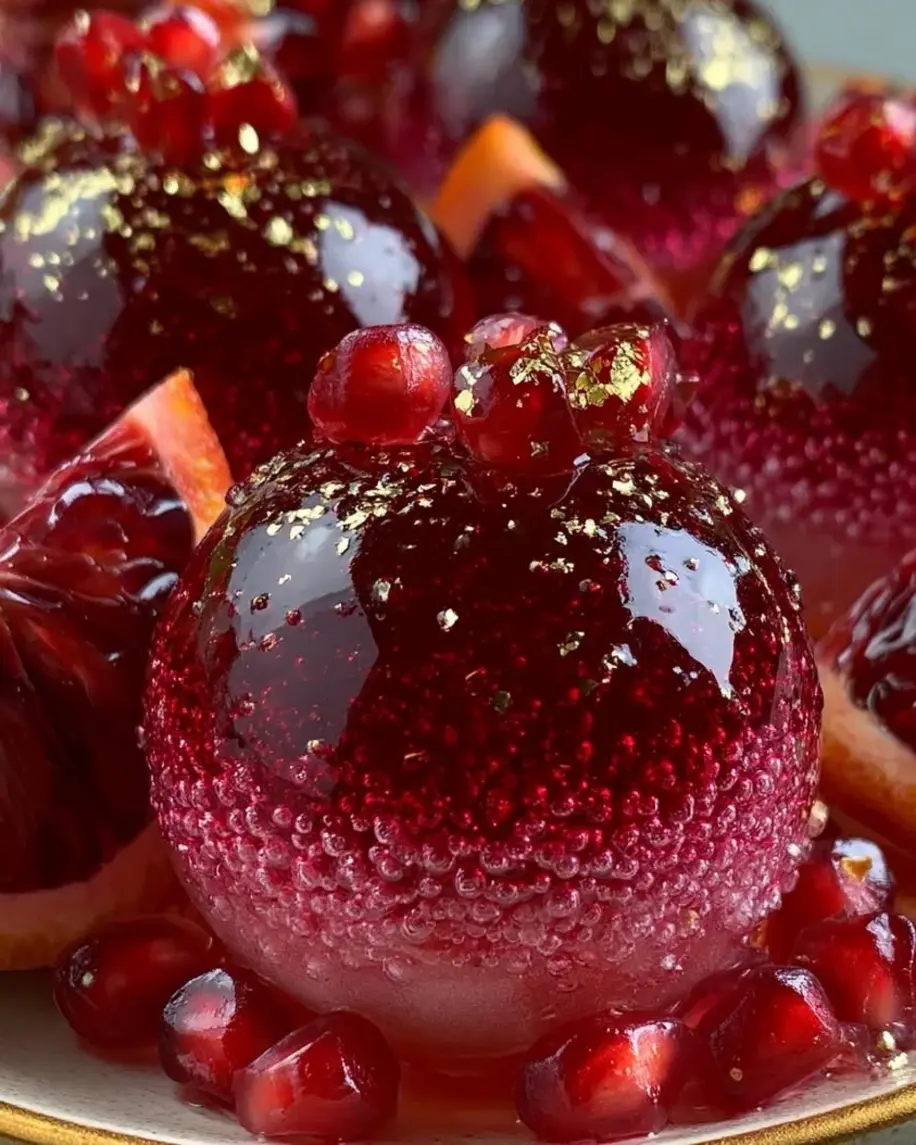
Table of Contents
Ruby Blood Orange Cream Bombs with Shiny Jewel Shell – A Stunning Dessert That Sparkles
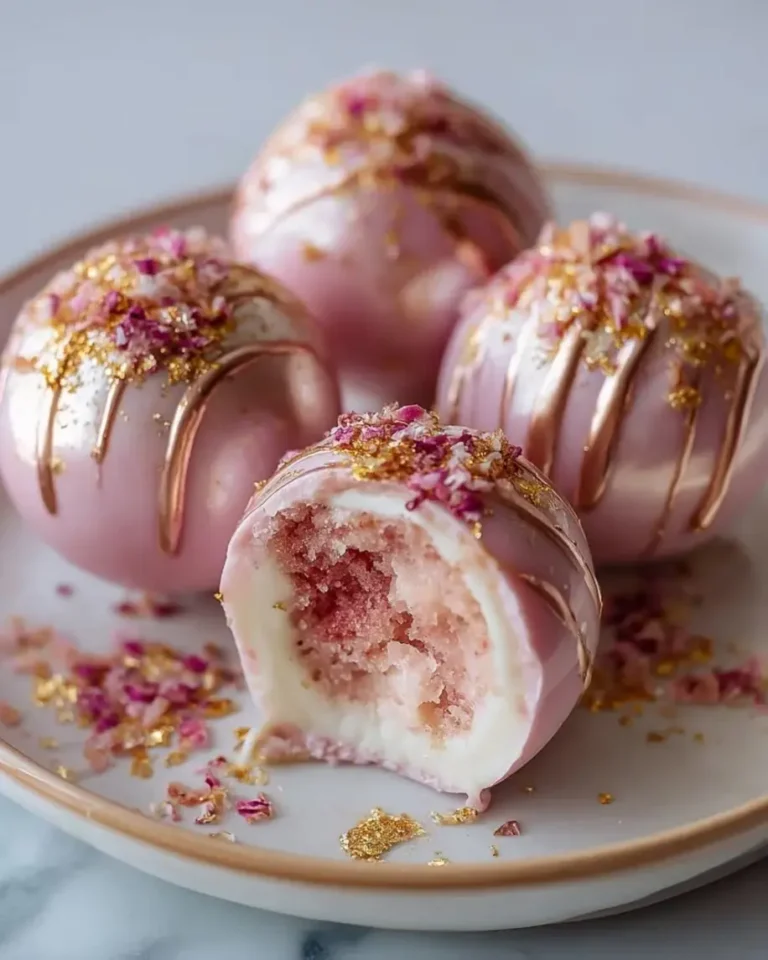
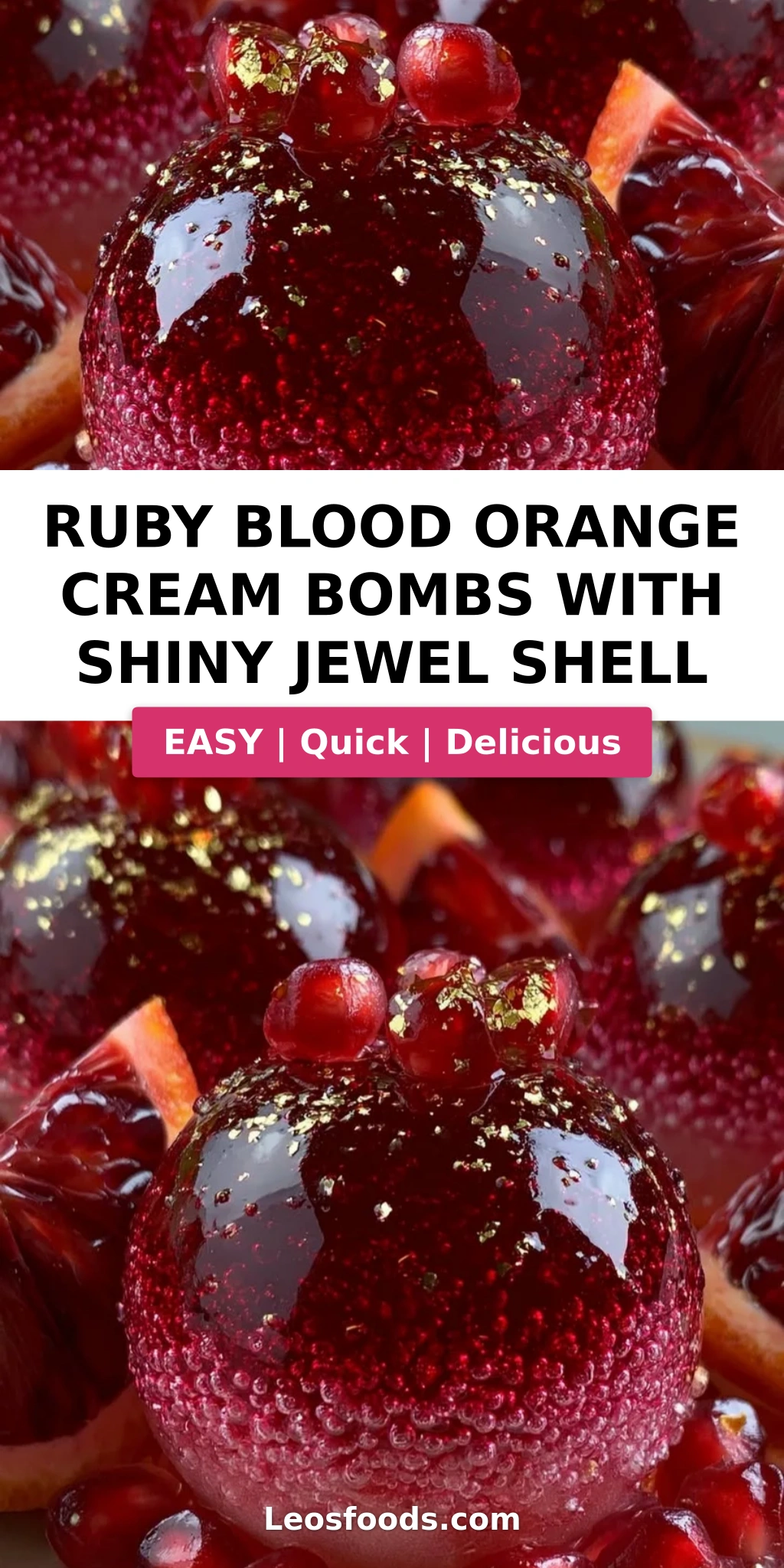
I’ll never forget the first time I tasted a blood orange in Morocco. The deep crimson flesh, the sweet-tart burst — it was like holding a ruby in my palm. Years later, after training in Paris and settling in New York, I knew I had to create a dessert that captured that jewel-like beauty. These blood orange cream bombs are the result: a delicate, translucent shell made with agar-agar and pomegranate juice, encasing a luscious mascarpone cream that melts on your tongue. Every component shines — literally, with a glossy glaze. This blood orange cream bombs recipe is the dessert equivalent of a gemstone, and I’m so excited to share it with you.
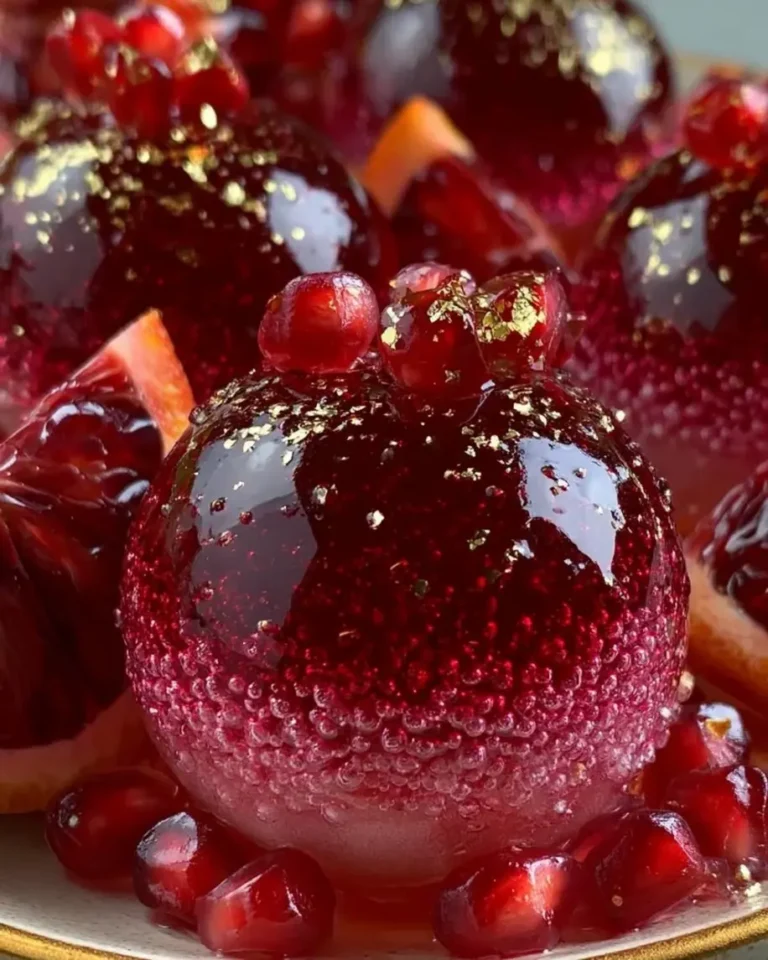
Imagine biting through a shimmering, ruby-colored sphere that gives way to silky, citrus-scented cream. The aroma is pure sunshine — blood orange zest, vanilla, and a hint of honey. The shell itself is firm yet delicate, with a slight bounce from the agar-agar. It’s not too sweet; the tartness of the juice balances the richness of the mascarpone. When you plate these bombs, they catch the light like stained glass. I love serving them at dinner parties — guests always gasp. And the secret? A French technique I learned in Paris for working with agar-agar, combined with my Moroccan love for bold fruit flavors.
What sets my blood orange cream bombs recipe apart is the shiny jewel shell coating. Most gelatin-based desserts can crack or weep, but I use a precise ratio of agar-agar to juice that creates a stable, glossy finish. Plus, the pomegranate juice adds a deeper color and a subtle tartness that makes the blood orange sing. I’ll walk you through every step — from zesting the fruit to unmolding the bombs — so you can create this stunning dessert with confidence. And don’t worry: even if you’ve never worked with agar-agar before, my pro tips will ensure your shells turn out perfectly translucent.
Why This Ruby Blood Orange Cream Bombs Recipe Is the Best
The Flavor Secret: This isn’t just another fruit dessert. I combine blood orange juice with pomegranate juice to create a complex, layered sweetness that feels luxurious without being heavy. The mascarpone cream is enriched with vanilla bean paste and fresh zest — a trick I picked up in a Parisian pastry shop. That bit of orange zest cuts through the richness and makes each bite pop.
Perfected Texture: The agar-agar shell is a revelation. Unlike gelatin, agar sets at room temperature and stays stable even when chilled. I’ve tested the exact amount — 2½ teaspoons for this volume — so the shell is firm enough to hold its shape but thin enough to shatter gently when you bite. The cream is whipped just until airy, then piped into the center so it stays fluffy. The result is a perfect contrast: a jewel-like casing around a cloud-like filling.
Foolproof & Fast: Yes, this looks fancy, but I promise it’s approachable. The active cooking time is only about 10 minutes; most of the work is waiting for the agar to set. I’ve broken down the steps so even a beginner can make these bombs. And because the recipe uses no eggs or gelatin, it’s naturally vegetarian-friendly. Whether you’re hosting a Valentine’s dinner or just want to treat yourself, this blood orange cream bombs recipe will make you feel like a pastry chef.
Blood Orange Cream Bombs Recipe Ingredients
When blood oranges are in season (December through April), I grab them at the Union Square Greenmarket. Look for ones that feel heavy for their size — that means they’re juicy. The rest of the ingredients are pantry staples. Here’s everything you’ll need for the shell, cream, glaze, and garnish.
Ingredients List
- For the Ruby Blood Orange Jewel Shell:
- 2 cups blood orange juice (from about 6–8 medium oranges)
- ½ cup pomegranate juice
- 1½ cups water
- ¾ cup granulated sugar
- 2½ tsp agar-agar powder
- 1 tbsp fresh lemon juice
- ¼ tsp salt
- For the Blood Orange Cream Center:
- 8 oz mascarpone cheese
- ½ cup heavy whipping cream
- ¼ cup powdered sugar
- 1 tsp vanilla bean paste
- 1 tbsp blood orange zest
- For the Shiny Jewel Glaze:
- ¼ cup blood orange marmalade
- 2 tbsp honey
- 1 tbsp water
- 1 tsp fresh lemon juice
- For Garnish (optional):
- Blood orange segments
- Pomegranate arils
- Edible gold dust
Ingredient Spotlight
Blood Oranges: The star of the show. Choose firm, fragrant oranges. Roll them on the counter before juicing to extract maximum juice. Zest the oranges before cutting them open. One medium blood orange yields about ¼ cup juice and 2 teaspoons zest.
Agar-Agar Powder: This plant-based gelling agent sets firmly and doesn’t melt at room temperature. I prefer the powder form because it dissolves evenly. Never substitute with gelatin directly — the ratios and setting times are different.
Mascarpone: A rich Italian cream cheese that gives the filling a velvety texture. It’s not the same as cream cheese; mascarpone is much softer and less tangy. If you can’t find it, you can mix equal parts cream cheese and heavy cream, but the flavor will be tangier.
Pomegranate Juice: Adds color and a layer of tartness that complements the blood orange. Look for 100% pomegranate juice with no added sugar. The deep red hue is what makes the shell look like a ruby.
Vanilla Bean Paste: I use this in the cream because it adds real vanilla specks and a deeper flavor than extract. You can substitute with vanilla extract, but reduce the amount to 1 teaspoon.
| Original Ingredient | Best Substitution | Flavor / Texture Impact |
|---|---|---|
| Blood orange juice | Regular orange juice + 1 tbsp lemon juice | Less intense color, slightly less floral flavor. |
| Pomegranate juice | Cranberry juice | More tart, color becomes more magenta. |
| Agar-agar powder | Agar-agar flakes (use 3 tbsp flakes) | Flakes need longer simmering to dissolve completely. |
| Mascarpone | Cream cheese + heavy cream (50/50 blended) | Slightly tangier, less silky. |
| Vanilla bean paste | 1 tsp vanilla extract | No vanilla specks, slightly less complex flavor. |
How to Make Ruby Blood Orange Cream Bombs — Step-by-Step
Making these bombs is like crafting a little piece of art — but I promise it’s fun and totally doable. Just follow each step, and you’ll have gorgeous, jewel-like desserts that will wow everyone.
Step 1: Make the Jewel Shell Mixture
In a medium saucepan, combine 2 cups blood orange juice, ½ cup pomegranate juice, 1½ cups water, ¾ cup sugar, 2½ tsp agar-agar powder, 1 tbsp lemon juice, and ¼ tsp salt. Whisk well to dissolve the agar-agar. Place over medium heat and stir constantly until the mixture comes to a gentle simmer and the sugar is fully dissolved — about 4 to 5 minutes. Do not let it boil hard, or you may get a foamy surface. Remove from heat.
💡 Stella’s Pro Tip: To avoid clumps, whisk the agar-agar powder into the cold liquid before heating. If you pour it into hot liquid, it can form lumps that are impossible to smooth out.
Step 2: Partially Set the Shells
Pour the warm mixture into sphere-shaped silicone molds (2-inch diameter is perfect). Fill each cavity only halfway. Refrigerate for 15 to 20 minutes, until the mixture is just set — still soft but no longer liquid. The surface should be slightly tacky to the touch.
⚠️ Common Mistake to Avoid: Filling the molds all the way now will cause the cream to overflow. You need room to pipe the filling later.
Step 3: Make the Cream Center
While the shells chill, prepare the cream. In a large bowl, combine 8 oz mascarpone, ½ cup heavy cream, ¼ cup powdered sugar, 1 tsp vanilla bean paste, and 1 tbsp blood orange zest. Beat with an electric mixer on medium speed until smooth and fluffy — about 2 minutes. Stop when the cream holds soft peaks; do not overbeat or it will become grainy. Transfer to a piping bag fitted with a plain round tip (or snip the corner of a zip-top bag).
💡 Stella’s Pro Tip: Make sure the mascarpone is at room temperature for at least 30 minutes before whipping. Cold mascarpone can look curdled when you beat it.
Step 4: Assemble the Bombs
Take the chilled molds from the fridge. Pipe a small mound of cream (about 2 teaspoons) into the center of each partially set shell. Then pour the remaining warm jewel shell mixture over the cream, filling each mold to the brim. Gently tap the mold on the counter to release any air bubbles. Return to the refrigerator for at least 2 hours, or until the shells are fully set and feel firm to the touch.
⚠️ Common Mistake to Avoid: Pouring the warm mixture directly over the cream can melt it slightly. To prevent this, let the warm mixture cool to lukewarm (around 90°F) before pouring.
Step 5: Unmold the Bombs
Once fully set, carefully unmold the bombs. Gently flex the silicone mold around each sphere to release the edges. Invert the mold over a chilled serving platter and let the bombs drop out. If they stick, use a small offset spatula or your fingertip to gently push them free. Arrange them on the platter with a little space between each.
💡 Stella’s Pro Tip: Lightly oil the silicone mold with a neutral oil (like grapeseed) before the first fill. This makes unmolding even easier, especially if you are new to agar desserts.
Step 6: Make the Shiny Glaze
In a small saucepan, combine ¼ cup blood orange marmalade, 2 tbsp honey, 1 tbsp water, and 1 tsp lemon juice. Warm over low heat, stirring constantly, until the marmalade melts and the mixture becomes smooth and glossy. Do not let it boil. Remove from heat and let cool for 2 to 3 minutes — it should still be warm and pourable but not hot.
⚠️ Common Mistake to Avoid: If the glaze is too thick when cooled, add a teaspoon of warm water to loosen it. Too thin? Simmer gently for 30 seconds.
Step 7: Glaze and Garnish
Using a small pastry brush, brush the warm glaze evenly over each bomb, or drizzle it over with a spoon to create a shimmering coat. Work quickly — the glaze will start to set as it cools. Immediately garnish with a blood orange segment, a few pomegranate arils, and a light dusting of edible gold dust, if desired. Serve immediately or keep chilled until serving.
💡 Stella’s Pro Tip: For an extra-brilliant shine, apply two thin layers of glaze, letting the first layer set for 30 seconds before adding the second.
| Step | Action | Duration | Key Visual Cue |
|---|---|---|---|
| 1 | Make shell mixture | 5 min | Mixture is clear and smooth, no grains |
| 2 | Partially set shells | 15–20 min | Surface is tacky, not runny |
| 3 | Whip cream center | 2–3 min | Soft peaks form |
| 4 | Pipe cream, top with shell mixture | 5 min | Cream is centered, top layer covers completely |
| 5 | Chill until fully set | 2 hr | Shell is firm, does not squish |
| 6 | Unmold | 2 min | Spheres release cleanly from silicone |
| 7 | Make and apply glaze | 5 min | Glaze is glossy, coats evenly |
| 8 | Garnish and serve | 2 min | Bombs sparkle with gold dust and fruit |
Serving & Presentation
These blood orange cream bombs are best served well chilled, straight from the fridge. The contrast between the cool, firm shell and the soft, creamy center is pure magic. Arrange three bombs on a plate with a small pool of extra glaze or a dusting of powdered sugar. In my NYC dinner parties, I love to serve them on a slate board with fresh mint sprigs and a sprinkling of pomegranate arils — the deep reds and greens look so festive.
For a more elegant presentation, you can float each bomb in a shallow bowl of chilled orange blossom water or simple syrup laced with rose water. This Moroccan touch pays homage to my roots and adds a delicate floral note. If you’re serving these for a holiday or celebration, edible gold dust is a must — it catches the light and makes the dessert feel truly special.
These bombs pair beautifully with a crisp Champagne or a floral white tea. They also work wonderfully as part of a dessert buffet alongside dark chocolate truffles or pistachio biscotti. Because they keep well, you can serve them at a brunch or afternoon tea — just make sure they stay cold until serving.
| Pairing Type | Suggestions | Why It Works |
|---|---|---|
| Side Dish | Dark chocolate truffles, pistachio biscotti | The richness of chocolate and nutty crunch balance the citrus cream. |
| Sauce / Dip | Extra blood orange glaze, strawberry coulis | Adds moisture and intensifies the fruit flavor. |
| Beverage | Brut Champagne, Jasmine tea, sparkling water with lime | The bubbles and floral notes complement the dessert without competing. |
| Garnish | Fresh mint, edible gold dust, candied orange peel | Adds visual appeal and textural contrast. |
Make-Ahead, Storage & Reheating
These beauties are perfect for advance prep — and with my busy city schedule, that’s a lifesaver. You can make the shells and cream a day ahead, then assemble and glaze the morning of your event. Here’s exactly how to store them so they stay perfect.
| Method | Container | Duration | Reheating Tip |
|---|---|---|---|
| Refrigerator | Airtight container, layers separated by parchment | Up to 3 days | Serve straight from fridge; do not warm. |
| Freezer | Freezer-safe container, individually wrapped | Up to 1 month | Thaw overnight in the fridge. Glaze may lose shine; reapply fresh glaze after thawing. |
| Make-Ahead | Shells and cream can be prepped separately | Assemble up to 24 hours before serving | Glaze just before serving for best shine. |
If you’re making these for a party, I recommend assembling the bombs (without glaze) the day before, then applying the glaze and garnishes about an hour before serving. The glaze will stay glossy for several hours in the fridge, but if you see any dullness, a quick second brush of fresh glaze will revive it. Do not microwave these — the agar shell will break down and the cream will weep. Always keep them refrigerated until the very last minute.
Variations & Easy Swaps
One of the best things about this dessert is how versatile it is. You can change the fruit, the cream, even the shape. Here are three delicious variations I’ve tested in my NYC kitchen.
| Variation | Key Change | Best For | Difficulty Impact |
|---|---|---|---|
| Raspberry Rose | Replace pomegranate juice with raspberry puree; add 1 tsp rose water to cream | Romantic occasions, Valentine’s Day | Same |
| Dairy-Free / Vegan | Use coconut cream instead of mascarpone and heavy cream (chill can of coconut cream, scoop solids) | Dairy-free guests, lighter option | Medium – coconut cream can be finicky |
| Citrus Medley | Use half blood orange juice, half grapefruit juice in the shell; add grapefruit zest to cream | Brunch, summer parties | Same |
Raspberry Rose Variation
This version feels incredibly romantic. Swap the pomegranate juice for an equal amount of raspberry puree (strained to remove seeds). The shell will be a softer pink with a delightful tartness. In the cream, add 1 teaspoon of rose water along with the vanilla. Dust with freeze-dried raspberry powder before serving. I learned this combination during a pastry workshop in Paris — the floral and berry notes are a match made in heaven.
Dairy-Free / Vegan Variation
To make this dessert completely plant-based, replace the mascarpone and heavy cream with full-fat coconut cream (the solid part from a can of coconut milk that has been refrigerated overnight). Whip the coconut cream with the powdered sugar and vanilla until light and fluffy — it won’t be as thick as mascarpone, but it will hold up well inside the shell. Omit the blood orange zest in the cream (or use a tiny bit, as it adds a nice kick). The shell itself is already vegan. This version is lighter and has a tropical undertone that pairs beautifully with the citrus.
Citrus Medley Variation
When blood oranges aren’t available at my local Greenmarket, I make this mixed citrus version. Use half blood orange juice and half pink grapefruit juice in the shell — the color turns a dreamy coral. For the cream, add the zest of one grapefruit along with the blood orange zest. The flavor is more tangy and less sweet, which is perfect for a brunch spread. Garnish with a thin slice of candied grapefruit peel for a spectacular finish.
What is the best way to extract juice and zest from a ruby blood orange for the cream filling?
For the juiciest results, roll the blood orange firmly on the counter with your palm before cutting. This breaks down the internal membranes and releases more liquid. Then cut the orange in half crosswise and use a reamer or citrus juicer. To zest, use a Microplane or fine grater, being careful not to dig into the white pith – that part is bitter. Zest the orange before juicing, as the fruit softens and becomes harder to grate. One medium blood orange gives about 1 tablespoon of zest and ¼ cup of juice.
Can I use regular oranges or another citrus fruit instead of blood oranges in this recipe?
Absolutely, though the flavor and color will change. Regular navel oranges produce a pale yellow-to-orange shell and a less floral, more straightforward citrus cream. For a more dramatic look, try Cara Cara oranges – they have a pinkish flesh that creates a lovely rose-colored shell. If you use grapefruit, balance the tartness with a bit more sugar (add 1–2 tablespoons to the shell mixture). Limes or lemons will be very tart and may require additional sweetener. The agar-agar quantity remains the same regardless of the fruit juice used.
How do you make the shiny jewel shell coating without it cracking or becoming dull?
The key is using the right agar-agar ratio and applying the glaze while it’s still warm and pourable. For the shell mixture, never boil it hard – a gentle simmer is enough to activate the agar. If the shell cracks upon unmolding, it likely set too long or was chilled too quickly. Let it set for the full 2 hours in the refrigerator, not the freezer. For the glaze, warm the marmalade mixture only until melted and smooth; overheating can cause it to become sticky and dull as it cools. Brush the glaze in thin layers – two thin coats give a much better shine than one thick coat. If it still looks dull, a light mist of water from a spray bottle can revive the gloss temporarily.
How far in advance can I prepare and store these blood orange cream bombs before serving?
You can prepare the components up to two days ahead. Make the shell mixture and store it in the refrigerator in a covered container; reheat gently to warm before pouring into molds. The cream can also be made two days ahead and kept in a piping bag in the fridge. Assemble the bombs (without glaze) up to 24 hours before serving – they will hold perfectly in the refrigerator. Glaze and garnish no more than a few hours ahead because the glaze can absorb moisture and lose its shine. For best results, glaze about one hour before serving. If you need to freeze them, do so without the glaze, and add a fresh glaze after thawing overnight in the fridge.
Can I use gelatin instead of agar-agar in the shell?
Technically yes, but the texture will be very different and this recipe was designed specifically for agar-agar. Gelatin creates a softer, melt-in-the-mouth texture that begins to soften at room temperature – not ideal for a shell that needs to hold its shape on a platter. If you must substitute, use unflavored powdered gelatin; bloom 1 tablespoon (about 3 sheets) in ¼ cup cold water for the amount of liquid in this recipe. However, I strongly recommend sticking with agar-agar for the firm, jewel-like structure. If you are avoiding animal products, note that gelatin is not vegetarian while agar is plant-based.
What if I don’t have sphere-shaped silicone molds? Can I still make these?
Absolutely! While sphere molds give the classic bomb shape, you can use any small silicone mold – half-sphere ones work beautifully and you can glue two halves together with a little warm shell mixture. Alternatively, use small ramekins or even ice cube trays for mini bombs. The setting time will be similar, but overall charm. Just remember that the shape will affect how you unmold and present them. If you use muffin tins, line with plastic wrap for easier release. I’ve even made these in small Bundt molds for a beautiful ring shape – just adjust the filling quantity.
How do I achieve the translucent ruby color in the shell?
The translucent effect comes from using clear or lightly colored liquids and not over-sweetening or boiling the mixture. Use fresh-squeezed blood orange juice for the best color – bottled juice is often pasteurized and may be darker or cloudy. Pomegranate juice adds deep red tones; look for a clear, not cloudy, brand. Strain the combined juices through a fine-mesh sieve before heating to remove pulp and foam. Agar-agar itself is clear, so the shell will show the true color of the juice. Avoid adding any dairy to the shell mixture; the cream layer below provides opacity.
Can I make these cream bombs without the shiny glaze on top?
Yes, you can skip the glaze, but the bombs will have a matte finish rather than a brilliant jewel-like sheen. The glaze is what gives them that shiny, almost glass-like appearance that makes them so stunning. If you prefer a less sweet version, you can omit the glaze altogether – the bombs are still delicious and visually appealing on their own. An alternative to the honey-marmalade glaze is a simple syrup glaze: dissolve ¼ cup sugar in ¼ cup water with a splash of lemon juice until clear, then brush it on warm. It will add shine without the extra fruit flavor.
Why did my cream filling leak out of the shell when I unmolded?
This usually happens if the shell wasn’t set enough when you added the cream, or if you overfilled the molds. The first layer of shell mixture must be partially set – tacky but not liquid – before you pipe the cream. Also, ensure the cream isn’t too warm; cold cream works best. When you pour the top layer of shell mixture, it should cover the cream completely. If any cream is exposed, it can leak during unmolding. Tap the mold gently to settle the mixture and pop any air bubbles. Finally, let the fully assembled bombs set for at least 2 hours in the refrigerator before unmolding.
What can I use instead of pomegranate juice in the shell?
Pomegranate juice adds a deep ruby color and a tart counterpoint to the sweet blood orange. If you can’t find it, try 100% cranberry juice (not cocktail) – it has a similar tartness and color. Cherry juice also works, though it will darken the shell to a deeper burgundy. For a no-juice option, you can use a beet reduction: simmer 1 peeled, chopped beet in 1 cup water until tender, then strain and use the beet water. It won’t affect flavor much and gives a beautiful red hue. Whichever substitute you choose, you may need to adjust the sugar level to taste.
Share Your Version!
I’d absolutely love to see your take on these Ruby Blood Orange Cream Bombs. Did you try a variation? Did you use different citrus? Let me know in the comments below – a star rating and a few words help other home cooks discover this recipe too.
Snap a photo of your gorgeous jewel-like desserts and tag me on Instagram or Pinterest @leosfoods. I always share my favorites on stories! And if you have a question about the agar-agar technique or the glaze, ask away – I read every comment and I’m here to help you succeed.
From my NYC kitchen to yours — I hope this recipe brings as much warmth to your table as it does to mine. — Stella 🧡
Love This Recipe? Save It to Pinterest!
If you enjoyed this Ruby Blood Orange Cream Bombs with Shiny Jewel Shell recipe, don’t let it get lost in your browser tabs! 😄 Pin it now so you can find it again anytime — and explore hundreds more tried-and-tested recipes waiting for you on my Pinterest boards.
👉 Follow Stella on Pinterest @stellarecipeblog
📌 Pin this recipe · 🔁 Re-pin your favorites · 💬 Tag me when you make it — I love seeing your creations!
Ruby Blood Orange Cream Bombs with Shiny Jewel Shell
- Yield: 6 1x
Ingredients
- For the Ruby Blood Orange Jewel Shell:
- 2 cups blood orange juice
- 1/2 cup pomegranate juice
- 1 1/2 cups water
- 3/4 cup granulated sugar
- 2 1/2 tsp agar-agar powder
- 1 tbsp fresh lemon juice
- 1/4 tsp salt
- For the Blood Orange Cream Center:
- 8 oz mascarpone cheese
- 1/2 cup heavy whipping cream
- 1/4 cup powdered sugar
- 1 tsp vanilla bean paste
- 1 tbsp blood orange zest
- For the Shiny Jewel Glaze:
- 1/4 cup blood orange marmalade
- 2 tbsp honey
- 1 tbsp water
- 1 tsp fresh lemon juice
- For Garnish (optional):
- Blood orange segments
- Pomegranate arils
- Edible gold dust
Instructions
- Combine blood orange juice, pomegranate juice, water, sugar, agar-agar powder, lemon juice, and salt in a saucepan. Heat while stirring until the sugar dissolves completely and the mixture reaches a gentle simmer.
- Pour the mixture into sphere-shaped silicone molds, filling each cavity halfway. Refrigerate until lightly set.
- Whip mascarpone cheese, heavy cream, powdered sugar, vanilla bean paste, and blood orange zest until smooth, airy, and fluffy. Transfer to a piping bag.
- Pipe a small amount of the cream filling into the center of each partially set sphere. Cover with the remaining blood orange mixture and refrigerate until fully set and translucent.
- Carefully unmold the cream bombs onto a chilled serving platter.
- Warm blood orange marmalade, honey, water, and lemon juice in a small saucepan until smooth and glossy. Cool slightly while keeping the glaze pourable.
- Brush or drizzle the shiny glaze evenly over each bomb to create a sparkling jewel-like finish.
- Garnish with blood orange segments, pomegranate arils, and a light dusting of edible gold dust. Serve well chilled.
Nutrition
- Calories: 290
- Sugar: 32g
- Fat: 15g
- Carbohydrates: 37g
- Protein: 3g
Tried This Recipe? Leave a Comment!
Did you make this recipe? I’d love to hear how it turned out! Please leave a comment and a rating below. Your feedback helps other home cooks and supports cheerychop.com!
For more delicious inspiration, follow me on Pinterest!