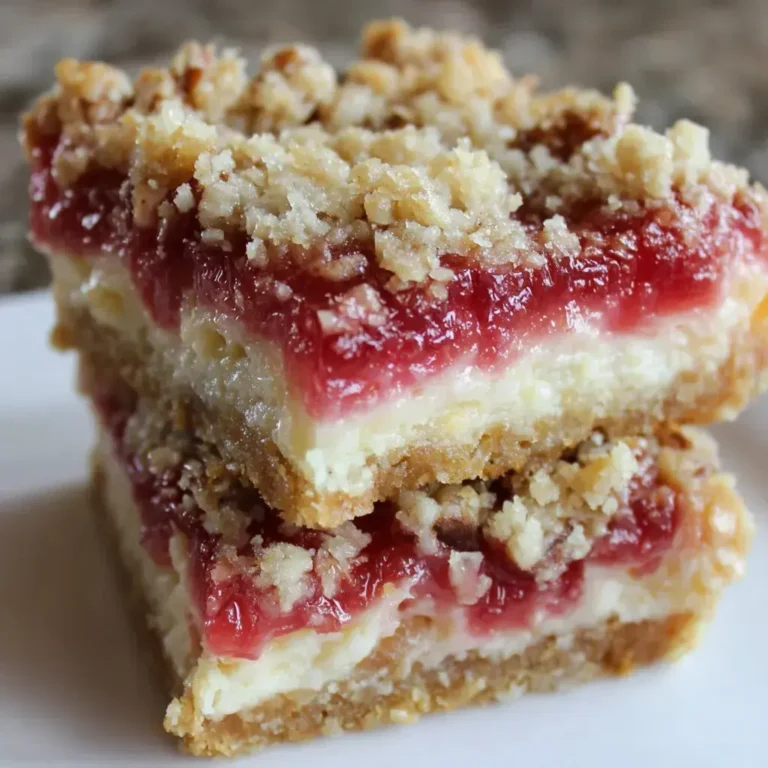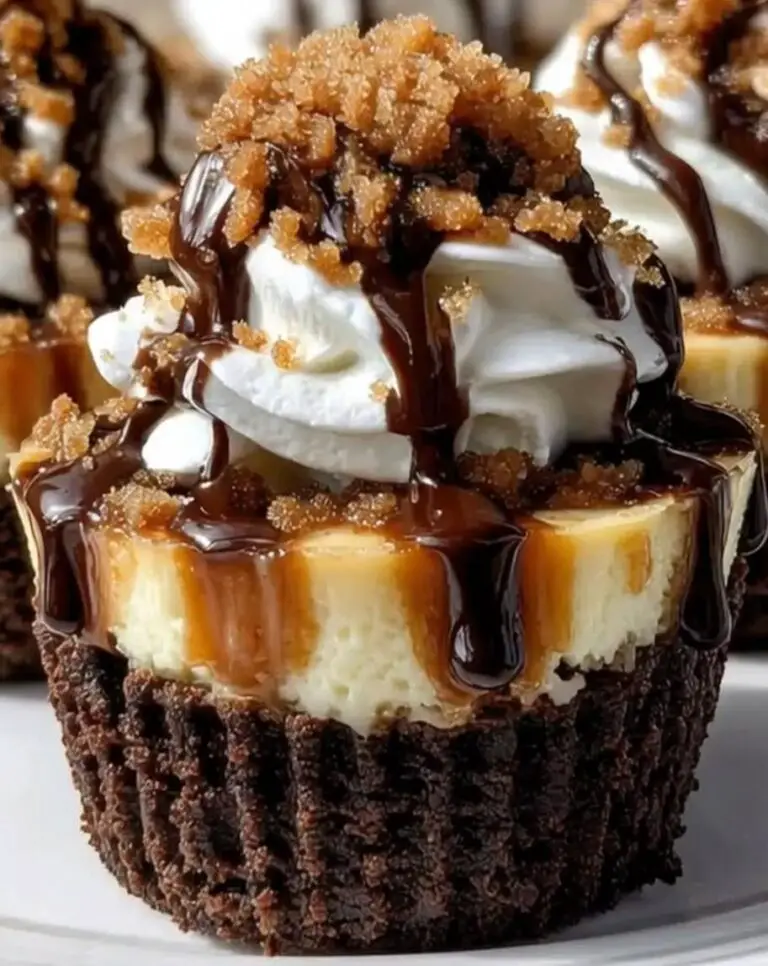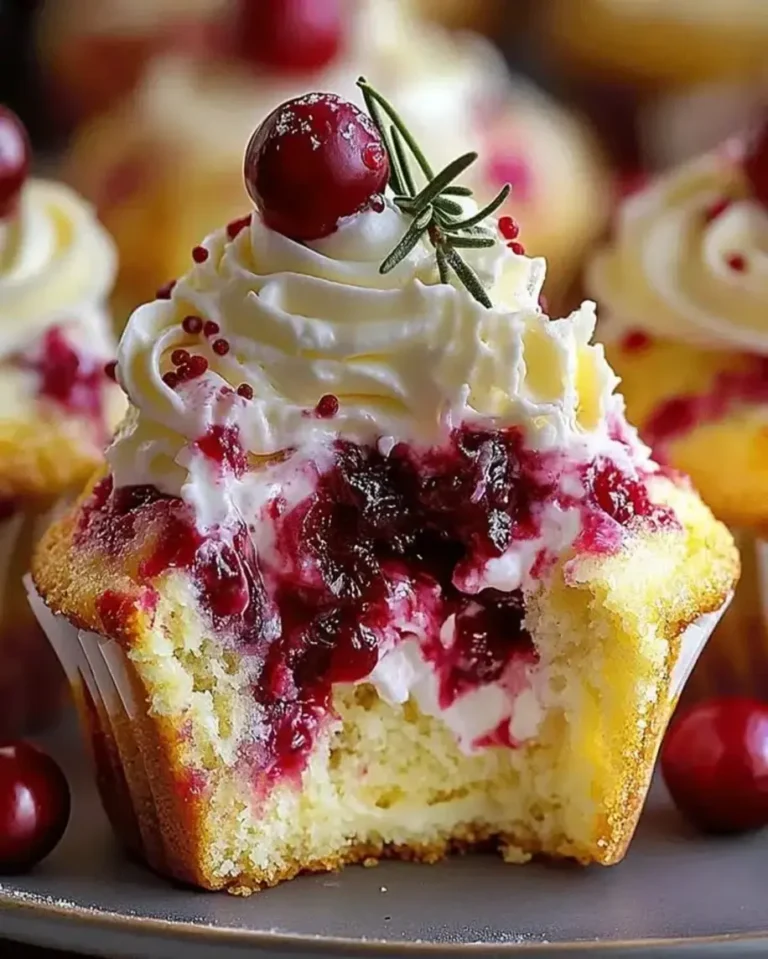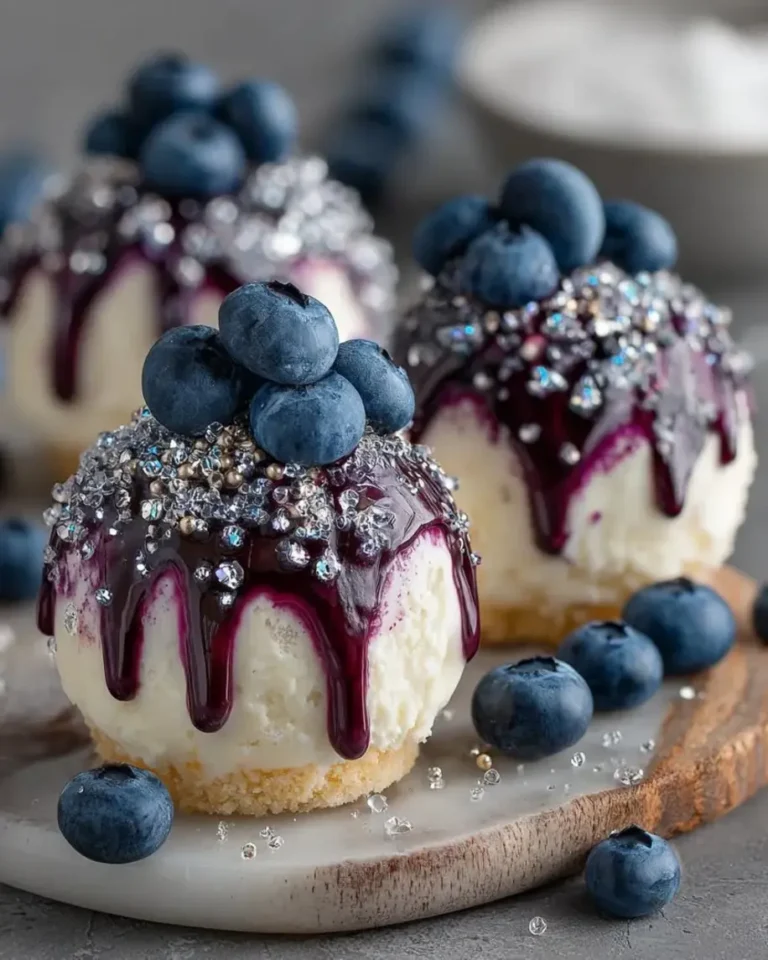
Stunning Diamond Mango Passionfruit Mirror Domes Recipe
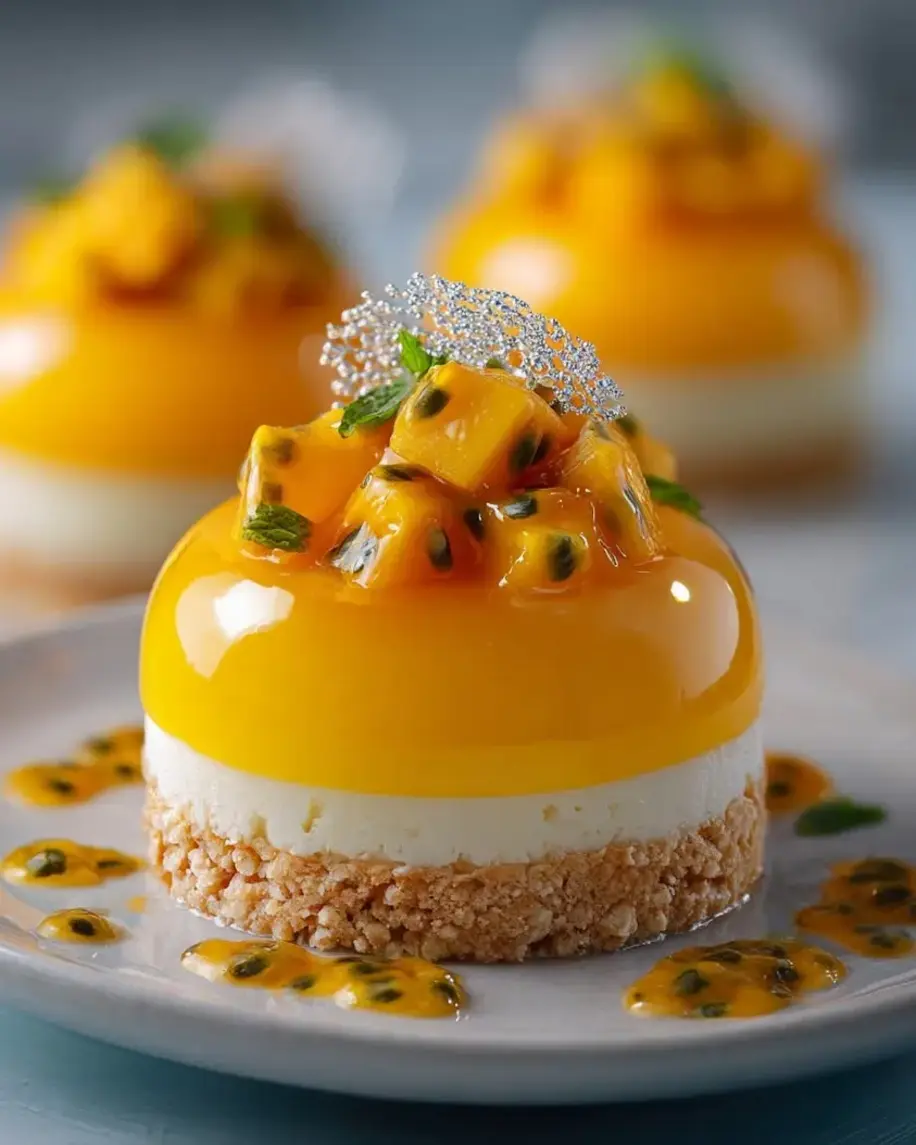
Table of Contents
Diamond Mango Passionfruit Mirror Domes – French Pastry Meets Tropical Soul
I still remember the first time I saw a mirror glaze dome in a Parisian patisserie window — a perfect jewel-like orb reflecting the morning light like a stained-glass marble. I was twenty-two, fresh out of culinary school, and utterly convinced I’d never be able to create something so impossibly polished at home. Fast forward to my NYC kitchen, where I now blend that French pastry precision with the warm, sun-drenched flavors of my Moroccan childhood, and these diamond mango passionfruit mirror domes are exactly the kind of dessert that makes me feel like I’ve come full circle. The combination of a silky mango mousse, a bright passionfruit center, and a glossy mirror glaze that shatters like golden glass is my love letter to both sides of my culinary soul.
The very first bite of these mango mirror glaze domes is a revelation: the cool, smooth mousse melts on your tongue, followed by a sudden burst of tart passionfruit that cuts through the sweetness like a beam of sunlight. The almond biscuit base adds a delicate crunch, and the glaze — oh, that glaze — shimmers with an almost liquid diamond sheen. I’ve spent years perfecting the temperature and timing of the mirror glaze, and I’m sharing every hard-won secret so you can achieve that flawless, reflective finish at home. The aroma alone — fragrant mango, floral passionfruit, a hint of lime — will transport you to a Moroccan garden in high summer, even if you’re standing in a galley kitchen in Brooklyn.
What sets my version of this passionfruit dome dessert apart is the attention to texture and the little tricks I’ve gathered from a lifetime of cooking. I use a precise gelatin ratio for the mousse that keeps it airy yet stable, and I add a touch of lime juice to brighten the mango without overwhelming it. The passionfruit center is cooked with cornstarch to create a soft-set gel that stays put during assembly, and the glaze gets its signature diamond shimmer from edible pearl dust. One common mistake I see home bakers make is pouring the glaze too hot or too cold — I’ll show you exactly how to nail that 90°F sweet spot. So whether you’re a confident home baker looking for a showstopper or someone who simply loves a beautiful mango mousse mirror cake, these domes are your next great adventure.
Why This Diamond Mango Passionfruit Mirror Domes Recipe Is the Best
The Flavor Secret: Growing up in Morocco, my mother would make a simple mango and passionfruit salad that we’d eat on hot afternoons, the tart pulp cutting through the cloying sweetness of overripe fruit. I’ve carried that memory into this recipe by balancing the mango mousse with a sharp passionfruit center and a whisper of lime. The result is a dessert that feels both indulgent and refreshing — a rare combination that keeps people coming back for a second bite. My French pastry training taught me to respect the purity of each ingredient, and here, the mango and passionfruit sing in perfect harmony.
Perfected Texture: The hallmark of a great fruit mirror glaze cake is the contrast between the silky mousse, the tender biscuit base, and the firm, shiny glaze. I use a two-step gelatin method — blooming the powder in cold water before dissolving it into the warm fruit puree — which gives the mousse a stable structure that holds its shape even after glazing. The almond biscuit base is pressed firmly into the molds and chilled until it’s almost fudge-like, providing a sturdy foundation that doesn’t get soggy. Every component is engineered to work together, so you get a clean, professional-looking dome every time.
Foolproof & Fast: I know mirror glaze desserts can look intimidating, but I’ve broken this recipe down into manageable steps that even a beginner can follow. The key is preparation: have all your ingredients measured and your molds ready before you start. I also include a detailed temperature guide for the glaze — something I wish someone had taught me in cooking school. If you can follow a simple timeline (make the centers and base one day, the mousse and glaze the next), these domes are actually surprisingly forgiving. Plus, they freeze beautifully, so you can make them well ahead of a dinner party and glaze them fresh the day of serving.
Diamond Mango Passionfruit Mirror Domes Ingredients
I source my mango puree from a specialty market in Chelsea Market in NYC, but a high-quality frozen puree works just as well — just make sure it’s 100% fruit with no added sugar. The passionfruit pulp I often buy at Kalustyan’s, a treasure trove of global ingredients near Murray Hill that reminds me of the spice souks in Marrakech. For the white chocolate in the glaze, I strongly recommend a good brand like Valrhona or Callebaut; the higher cocoa butter content gives a smoother, shinier finish. And the edible pearl shimmer dust — I order mine online, but some craft stores carry it in the cake decorating aisle.
Ingredients List
- For the Mango Mousse: 2 1/2 cups mango puree, 1/3 cup granulated sugar, 1 tbsp lime juice, 1 tsp vanilla extract, 2 tsp gelatin powder, 3 tbsp cold water, 1 cup heavy cream
- For the Passionfruit Center: 3/4 cup passionfruit pulp, 2 tbsp granulated sugar, 1 tsp cornstarch, 1 tbsp water
- For the Almond Biscuit Base: 1 1/2 cups almond cookie crumbs, 1/4 cup unsalted butter, melted, 1 tbsp brown sugar
- For the Diamond Mirror Glaze: 1 cup white chocolate, finely chopped, 1/2 cup sweetened condensed milk, 2 tsp gelatin powder, 3 tbsp cold water, 2 tbsp water, Yellow gel food coloring, 1 tsp edible pearl shimmer dust
- For Garnish (optional): Fresh mango cubes, Passionfruit seeds, Edible silver flakes
Ingredient Spotlight
Mango Puree: The soul of the mousse. Look for puree made from Alphonso or Ataulfo mangoes for the deepest, most aromatic flavor. In a pinch, thawed frozen mango puree from a reputable brand like Goya works beautifully. If substituting fresh mango, blitz ripe mango flesh in a blender and strain through a fine-mesh sieve to remove fibers.
Passionfruit Pulp: This provides the bright, tart counterpoint that makes the dessert sing. Fresh passionfruit pulp is ideal, but frozen pulp (sold in many supermarkets in the frozen fruit section) is a perfect substitute. Avoid bottled passionfruit juice, which is often too sweet and thin.
White Chocolate: The base of the mirror glaze. Use a high-quality white chocolate with at least 30% cocoa butter. Chips often contain stabilizers that can make the glaze grainy; a chopped bar is safer. I use Valrhona Ivoire for its smooth melt and beautiful sheen.
Edible Pearl Shimmer Dust: This is the secret to the diamond-like finish. It’s a fine, food-grade powder that reflects light without adding noticeable flavor. Look for brands like Rainbow Dust or PME. A little goes a long way — one teaspoon is enough for the entire glaze.
| Original Ingredient | Best Substitution | Flavor / Texture Impact |
|---|---|---|
| Mango Puree | Thawed frozen mango puree | Slightly less vibrant color; add a pinch of turmeric for color boost |
| Passionfruit Pulp | Frozen passionfruit pulp or fresh passionfruit juice reduced by half | More concentrated tartness; reduce sugar slightly if using reduced juice |
| White Chocolate | High-quality white chocolate chips (e.g., Guittard) | May require more careful tempering; slightly less glossy finish |
| Edible Pearl Dust | Lustre dust (gold or silver) | Changes color tint; use sparingly to avoid metallic taste |
| Almond Cookie Crumbs | Graham cracker crumbs + 2 tbsp almond flour | Less nutty flavor; add a drop of almond extract to compensate |
How to Make Diamond Mango Passionfruit Mirror Domes — Step-by-Step
Trust me when I say that these domes are easier than they look. The magic is all in the order of operations — prep your components in stages, and you’ll feel like a pastry chef in your own kitchen.
Step 1: Prepare the Almond Biscuit Base
Combine 1 1/2 cups almond cookie crumbs, 1/4 cup melted unsalted butter, and 1 tbsp brown sugar in a bowl. Stir until the mixture resembles wet sand. Press a scant tablespoon of the mixture into the bottom of each silicone dome mold, using the back of a spoon or a small flat-bottomed glass to pack it firmly. Place the molds in the refrigerator for at least 30 minutes to firm up.
💡 Stella’s Pro Tip: For a cleaner release, freeze the bases for 15 minutes instead of refrigerating. The firmer base will hold its shape better when you add the mousse layer later.
Step 2: Make the Passionfruit Center
In a small saucepan, whisk together 3/4 cup passionfruit pulp, 2 tbsp granulated sugar, and a slurry made from 1 tsp cornstarch and 1 tbsp water. Cook over medium heat, stirring constantly, until the mixture thickens to a loose jam consistency — about 3 to 4 minutes. Remove from heat and let cool completely. Once cool, spoon into a small silicone ice cube tray or portion into 10 small dollops on a parchment-lined tray. Freeze until solid, at least 1 hour.
⚠️ Common Mistake to Avoid: Don’t overcook the passionfruit center — it will become too stiff and won’t soften nicely inside the mousse. You want a thick gel that still holds a slight wobble when warm.
Step 3: Create the Mango Mousse
Warm 2 1/2 cups mango puree, 1/3 cup sugar, and 1 tbsp lime juice in a saucepan over medium heat until the sugar dissolves and the mixture is just warm to the touch — do not boil. Remove from heat and stir in 1 tsp vanilla extract. Meanwhile, bloom 2 tsp gelatin powder in 3 tbsp cold water for 5 minutes. Add the bloomed gelatin to the warm mango mixture and whisk until fully dissolved. Let cool to room temperature. In a separate bowl, whip 1 cup heavy cream to soft peaks. Gently fold the mango mixture into the cream in two additions, using a rubber spatula, until no streaks remain.
💡 Stella’s Pro Tip: If the mango mixture is too warm when you add it to the cream, the mousse will deflate. Let it cool until it’s just slightly warmer than room temperature — about 80°F — for the lightest, fluffiest mousse.
Step 4: Assemble and Freeze the Domes
Remove the chilled molds from the refrigerator. Spoon or pipe the mango mousse into each dome, filling about halfway. Place one frozen passionfruit center into the middle of each dome, gently pressing it down so it’s fully submerged. Top with more mousse until the mold is filled to the brim, then use an offset spatula to scrape the top level. Freeze for at least 3 hours, or overnight, until the domes are completely solid.
⚠️ Common Mistake to Avoid: If the passionfruit center is not fully frozen, it will sink to the bottom of the dome during freezing. Make sure it’s rock-solid before inserting it into the mousse.
Step 5: Prepare the Diamond Mirror Glaze
Bloom 2 tsp gelatin in 3 tbsp cold water for 5 minutes. Finely chop 1 cup white chocolate and place in a heatproof bowl. In a small saucepan, combine 1/2 cup sweetened condensed milk and 2 tbsp water. Heat gently until warm, then add the bloomed gelatin and stir until dissolved. Pour the warm milk mixture over the chopped white chocolate and let sit for 1 minute, then stir until smooth. Add yellow gel food coloring a drop at a time until you achieve a golden hue, then whisk in 1 tsp edible pearl shimmer dust. Let the glaze cool to 90°F (32°C) before using.
💡 Stella’s Pro Tip: Use an instant-read thermometer to check the glaze temperature. If it’s above 95°F, it will be too thin and run off the domes. If it’s below 85°F, it will be too thick and won’t self-level. 90°F is the sweet spot for a perfect, even coat.
Step 6: Glaze and Garnish
Remove the frozen domes from the molds and place them on a wire rack set over a baking sheet to catch drips. Pour the mirror glaze evenly over each dome in one steady motion, starting from the center and letting it cascade down the sides. Work quickly — the glaze will set in about 30 seconds. Before the glaze fully sets, garnish with fresh mango cubes, passionfruit seeds, and edible silver flakes. Transfer to a plate or serving platter and serve immediately, or refrigerate for up to 2 hours before serving.
⚠️ Common Mistake to Avoid: Don’t let the glazed domes sit at room temperature for more than 15 minutes before serving. The glaze will begin to absorb moisture from the air and lose its shine. For best results, serve within 30 minutes of glazing.
| Step | Action | Duration | Key Visual Cue |
|---|---|---|---|
| 1 | Press almond base into molds | 10 min prep + 30 min chill | Firm, compacted crumb layer |
| 2 | Cook and freeze passionfruit centers | 5 min cook + 1 hr freeze | Thick gel that holds shape |
| 3 | Prepare mango mousse | 15 min prep + cooling | Light, airy, foldable texture |
| 4 | Assemble domes and freeze | 10 min + 3 hr freeze | Domes fully solid to touch |
| 5 | Make and temper mirror glaze | 15 min + cooling to 90°F | Smooth, fluid, shiny when stirred |
| 6 | Glaze and garnish domes | 2 min per dome | Uniform glossy coat, no drips |
Serving & Presentation
These diamond mango passionfruit mirror domes are a showstopper on any table, and I love serving them on simple white plates that let the golden glaze take center stage. In my NYC apartment, I often set up a small dessert buffet with these domes as the focal point — they catch the light from the windows and look like tiny edible sculptures. For a more dramatic presentation, place each dome on a dollop of mango coulis or a swirl of passionfruit sauce, and scatter a few fresh passionfruit seeds and edible flowers around the plate.
The flavor profile of these domes is intensely tropical, so I like to pair them with light, crisp accompaniments. A small pile of fresh raspberries or a few thin slices of kiwi adds a contrasting color and a touch of acidity. If I’m feeling festive, I’ll add a tiny sprig of mint or a dusting of freeze-dried mango powder for an extra pop of flavor. In the summer, I sometimes serve them alongside a coconut sorbet for a double tropical treat that reminds me of the beach markets in Essaouira.
For a truly elegant finish, consider drizzling a little warm passionfruit sauce over the plate before placing the dome, or adding a few dots of mango puree that you can drag into a decorative arc. The goal is to create a plate that looks as beautiful as it tastes — and with these domes, that’s almost effortless.
| Pairing Type | Suggestions | Why It Works |
|---|---|---|
| Side Dish | Fresh raspberries, kiwi slices, mango coulis | Adds acidity and color contrast without overpowering the dome |
| Sauce / Dip | Passionfruit sauce, coconut cream drizzle, caramel | Enhances the tropical notes and adds a layer of richness |
| Beverage | Champagne, mango lassi, iced jasmine tea | Bubbles cut through richness; lassi echoes mango notes |
| Garnish | Mint sprigs, edible flowers, silver flakes, passionfruit seeds | Adds visual height and a touch of elegance for special occasions |
Make-Ahead, Storage & Reheating
One of the best things about these diamond mango passionfruit mirror domes is how well they work for a busy schedule. In my NYC life, I often make the components over two days: I prep the almond base, passionfruit centers, and mango mousse on Day 1, freeze the assembled domes overnight, and then glaze them on Day 2 just before guests arrive. The glaze itself is best made fresh, but the frozen domes can wait patiently for up to a week in the freezer.
| Method | Container | Duration | Reheating Tip |
|---|---|---|---|
| Refrigerator | Covered container on a rack | Up to 2 days (unglazed) | Not recommended for glazed domes — glaze will weep |
| Freezer | Airtight container, layers separated by parchment | Up to 2 weeks (unglazed) | Glaze directly from frozen — do not thaw first |
| Make-Ahead | Silicone molds in freezer | Up to 5 days before glazing | Keep sealed to prevent freezer burn |
If you’re storing glazed domes, I recommend serving them within 2 hours of glazing for the best visual effect. The glaze will start to lose its shine after a few hours in the refrigerator, and condensation can form on the surface. If you absolutely must refrigerate a glazed dome, place it in a covered container with a paper towel to absorb moisture, and let it sit at room temperature for 10 minutes before serving. The texture of the mousse remains silky and delicious even after a day in the fridge, so don’t worry about flavor — only the appearance is affected.
From my experience testing these domes for dinner parties, the best strategy is to freeze the unglazed domes up to a week ahead, then prepare the glaze the morning of your event and pour it right before guests arrive. This gives you a stress-free timeline and the most stunning result. And if you have any leftover glaze, you can reheat it gently and reuse it within a few hours — just make sure to check the temperature before pouring again.
Variations & Easy Swaps
| Variation | Key Change | Best For | Difficulty Impact |
|---|---|---|---|
| Coconut-Mango Domes | Replace heavy cream with coconut cream | Dairy-free option, tropical flavor boost | Easy — same technique |
| Berry Passionfruit Domes | Replace mango puree with mixed berry puree | Year-round availability, tangier flavor | Easy — adjust sugar to taste |
| Chocolate-Almond Base | Add 2 tbsp cocoa powder to almond crumbs | Richer base, deeper flavor contrast | Easy — no texture change |
Coconut-Mango Domes (Dairy-Free Option)
For a dairy-free version that still feels luxuriously creamy, substitute full-fat coconut cream for the heavy cream in the mousse. I discovered this variation while experimenting for a friend with lactose intolerance, and I was blown away by how well the coconut flavor complements the mango and passionfruit — it’s like a tropical piña colada in dome form. Use the solid part of a can of full-fat coconut milk (chill the can overnight and scoop off the top layer) for the best texture. The mousse will be slightly denser but equally delicious.
Gluten-Free Version
These domes are naturally gluten-free if you use gluten-free cookie crumbs for the base. Look for gluten-free almond cookies or use a combination of almond flour and gluten-free graham crackers. I’ve tested this with Simple Mills almond flour cookies and the texture is spot-on — just make sure the crumbs are finely ground so they press together well. The rest of the ingredients are naturally gluten-free, so this is one of the easiest gluten-free adaptations I know.
Seasonal Twist: Blood Orange and Passionfruit
In the winter months, when mangoes are less abundant, I swap the mango puree for blood orange juice in the mousse. The deep crimson color creates a stunning visual contrast with the yellow glaze, and the tart-sweet flavor of blood orange pairs beautifully with passionfruit. I find blood oranges at the Union Square Greenmarket in NYC from December through February, and this variation always feels like a celebration of the season. Reduce the sugar slightly to account for the orange’s natural tartness, and add a drop of red food coloring if you want a more vibrant pink hue.
What are the key ingredients needed to make Diamond Mango Passionfruit Mirror Domes?
The essential ingredients for these domes are mango puree, passionfruit pulp, white chocolate, gelatin, heavy cream, and almond cookie crumbs. For the mango mousse, you’ll need mango puree, sugar, lime juice, vanilla, gelatin, and heavy cream. The passionfruit center requires passionfruit pulp, sugar, cornstarch, and water. The almond biscuit base uses almond cookie crumbs, melted butter, and brown sugar. The mirror glaze is made with white chocolate, sweetened condensed milk, gelatin, water, yellow food coloring, and edible pearl shimmer dust. Each component plays a specific role in creating the final dessert’s flavor and texture profile.
How do you achieve a perfect mirror glaze for mango passionfruit mirror domes?
Can I use frozen passionfruit puree for the filling in Diamond Mango Passionfruit Mirror Domes?
How far in advance can I prepare Diamond Mango Passionfruit Mirror Domes for serving?
What is the best way to unmold the frozen domes without breaking them?
Can I make these domes without a silicone dome mold?
How do I prevent the mirror glaze from cracking or peeling off the dome?
What is the nutritional information for Diamond Mango Passionfruit Mirror Domes?
Can I substitute the passionfruit center with another fruit filling?
How do I store leftover mirror glaze for later use?
Share Your Version!
I absolutely love seeing how you bring these diamond mango passionfruit mirror domes to life in your own kitchen. There’s something deeply satisfying about watching a home baker nail that first perfect glaze pour — I still get the same thrill I felt in my Parisian pastry class every single time. If you make these domes, please leave a star rating and a comment below telling me how they turned out, or share a photo on Instagram or Pinterest and tag @leosfoods. Did you try one of the variations like the coconut-mango version or the blood orange twist? I’d love to hear which flavor combination becomes your signature.
And if you have any questions along the way — whether it’s about the glaze temperature, the mousse texture, or how far in advance you can prepare these — just drop them in the comments. I reply to every single one, because I remember how intimidating these techniques felt to me at first. The more you practice, the more intuitive they become. So go ahead, channel your inner pastry chef, and make something that genuinely dazzles. From my NYC kitchen to yours — I hope this recipe brings as much warmth to your table as it does to mine. — Stella 🧡
Did you make this recipe? Let me know! 🌟
Drop a comment, share your photo on Instagram with @leosfoods, or save it on Pinterest for later. I love seeing your kitchen wins!
Love This Recipe? Save It to Pinterest!
If you enjoyed this Diamond Mango Passionfruit Mirror Domes recipe, don’t let it get lost in your browser tabs! 😄 Pin it now so you can find it again anytime — and explore hundreds more tried-and-tested recipes waiting for you on my Pinterest boards.
👉 Follow Stella on Pinterest @stellarecipeblog
📌 Pin this recipe · 🔁 Re-pin your favorites · 💬 Tag me when you make it — I love seeing your creations!
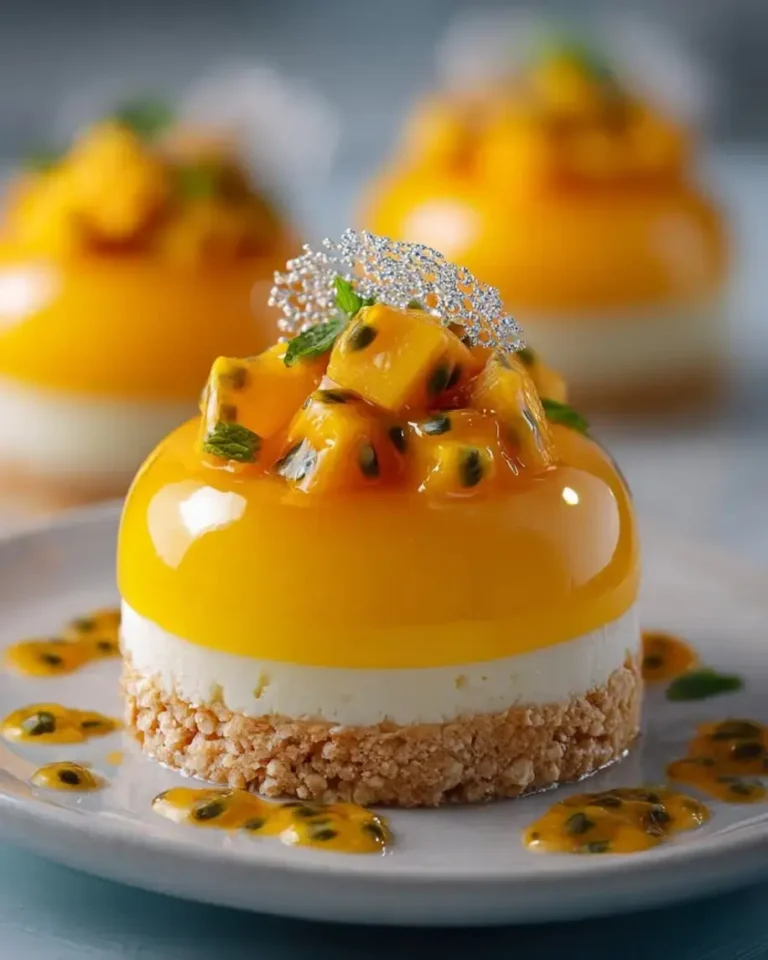
Diamond Mango Passionfruit Mirror Domes
Elegant individual desserts featuring a mango mousse dome with a passionfruit center, almond biscuit base, and a glossy diamond mirror glaze.
- Total Time: 4 hours (includes freezing)
- Yield: 10 1x
Ingredients
- For the Mango Mousse:
- 2 1/2 cups mango puree
- 1/3 cup granulated sugar
- 1 tbsp lime juice
- 1 tsp vanilla extract
- 2 tsp gelatin powder
- 3 tbsp cold water
- 1 cup heavy cream
- For the Passionfruit Center:
- 3/4 cup passionfruit pulp
- 2 tbsp granulated sugar
- 1 tsp cornstarch
- 1 tbsp water
- For the Almond Biscuit Base:
- 1 1/2 cups almond cookie crumbs
- 1/4 cup unsalted butter, melted
- 1 tbsp brown sugar
- For the Diamond Mirror Glaze:
- 1 cup white chocolate, finely chopped
- 1/2 cup sweetened condensed milk
- 2 tsp gelatin powder
- 3 tbsp cold water
- 2 tbsp water
- Yellow gel food coloring
- 1 tsp edible pearl shimmer dust
- For Garnish (optional):
- Fresh mango cubes
- Passionfruit seeds
- Edible silver flakes
Instructions
- Combine almond cookie crumbs, melted butter, and brown sugar. Press into the bottoms of silicone dome molds and chill until firm.
- In a small saucepan, cook passionfruit pulp, sugar, cornstarch, and water until slightly thickened. Cool completely, then freeze in small portions to create the center inserts.
- Warm mango puree with sugar and lime juice until smooth. Stir in vanilla extract.
- Bloom gelatin in cold water for 5 minutes, then dissolve into the warm mango mixture. Allow to cool slightly.
- Whip heavy cream to soft peaks and gently fold into the mango mixture to form a light mousse.
- Fill each dome mold halfway with mango mousse, place a frozen passionfruit center in the middle, and cover with more mousse. Freeze until completely firm.
- Bloom gelatin for the glaze, then combine with melted white chocolate, condensed milk, and water until smooth.
- Tint the glaze with yellow food coloring and pearl shimmer dust to create a glossy diamond-like finish.
- Unmold the frozen domes and place them on a wire rack. Pour the mirror glaze evenly over each dome until fully coated.
- Garnish with mango cubes, passionfruit seeds, and edible silver flakes before serving.
Notes
The glaze should be poured at around 90°F (32°C) for best results. Domes must be fully frozen before glazing.
- Prep Time: 45 minutes
- Cook Time: 15 minutes
- Method: Dessert
- Cuisine: French-inspired
Nutrition
- Calories: 335
- Sugar: 25g
- Fat: 21g
- Carbohydrates: 31g
- Protein: 4g

Tried This Recipe? Leave a Comment!
Did you make this recipe? I’d love to hear how it turned out! Please leave a comment and a rating below. Your feedback helps other home cooks and supports cheerychop.com!
For more delicious inspiration, follow me on Pinterest!