Sticky Sheet Pan Miso-Glazed Salmon and Kimchi Slaw Cups
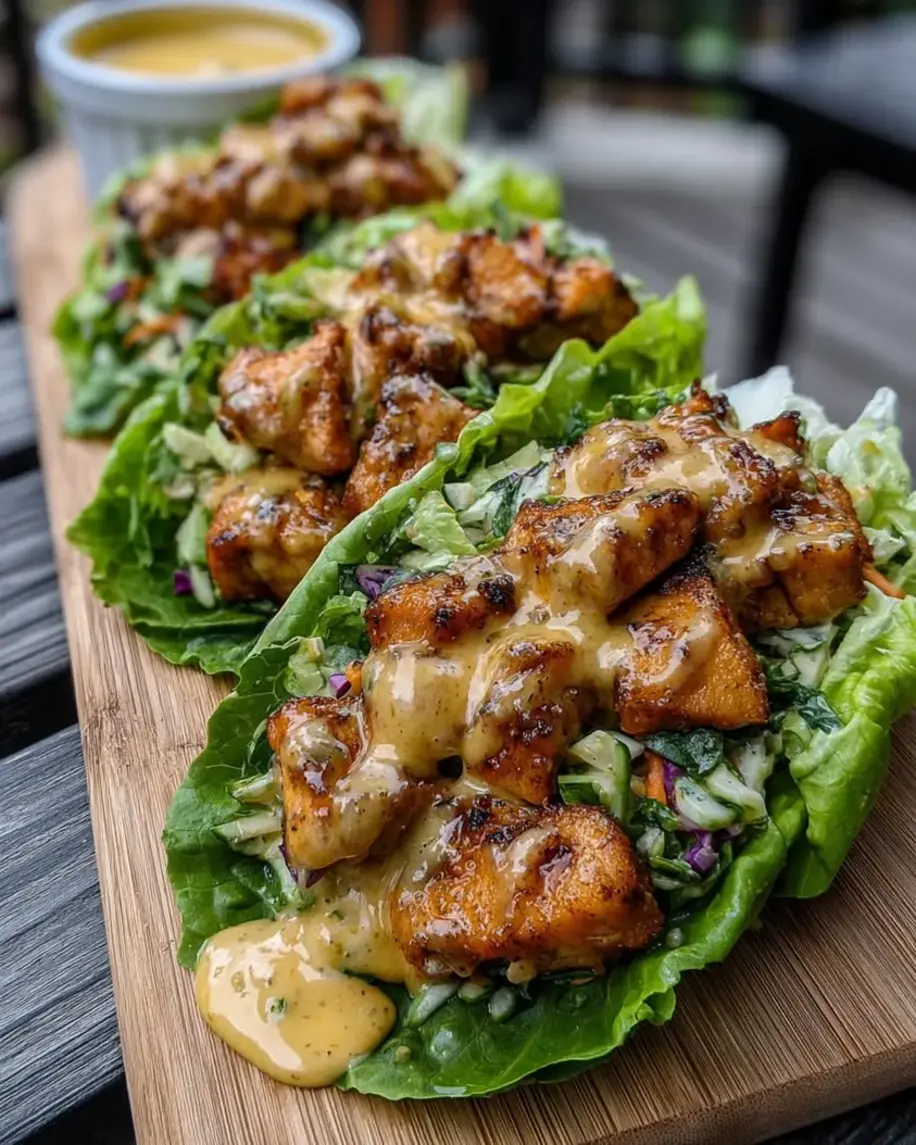
Table of Contents
Sheet Pan Miso-Glazed Salmon & Kimchi Slaw Cups – The Ultimate Low-Carb Handheld Dinner
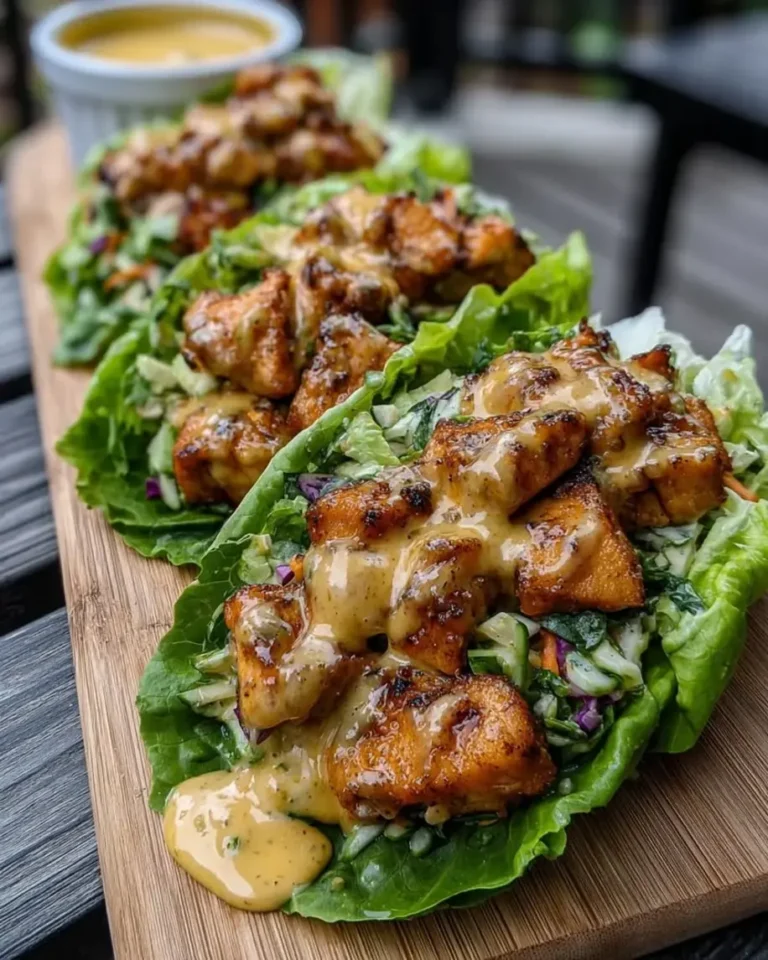
Let me tell you about the dinner that stopped my scroll mid-TikTok and had me sprinting to my NYC kitchen at 9 PM on a Tuesday. This Sheet Pan Miso Glazed Salmon with Kimchi Slaw Cups is everything I crave in a weeknight meal: it’s gut-healthy, low-carb, and absolutely dripping with flavor — literally. The first time I tested this miso salmon recipe, I stood over the baking sheet with a fork, stealing caramelized edges before they even hit the lettuce cups. That sticky-sweet miso glaze meets crunchy fermented kimchi slaw in a handheld butter lettuce cup, and every single bite is flooded with a thick, creamy miso sauce drip that is, I’m not exaggerating, completely scroll-stopping. This is the kind of healthy salmon dinner that makes you forget you’re eating something that’s actually good for you.
The magic here is in the contrasts. The salmon roasts up flaky and tender with edges that caramelize into golden-brown perfection thanks to that umami-packed miso and honey glaze. The slaw — a tangle of shredded purple cabbage and spicy chopped kimchi tossed in sesame oil — brings a vibrant, tangy crunch that cuts right through the richness of the fish. And then there’s the sauce: a thick, almost luxurious blend of mayonnaise, white miso, lime juice, and garlic powder that I’ve been perfecting since my days training in Paris, where I learned that a great sauce can transform an entire dish. Every spoonful of that glossy drip adds creaminess, tang, and a deep savory note that ties everything together. It’s bold, it’s bright, and it’s the kind of dinner that makes you feel like you’re eating something indulgent when really, it’s a low carb lettuce cups dream.
I’ve made a lot of salmon in my time — from the spice-scented tagines of my mother’s kitchen in Morocco to the precisely timed fillets I plated in French brasseries — but this sheet pan method is the one I come back to most often. It’s the kind of low-friction, high-reward cooking that works for both a busy weeknight and a weekend dinner party. What makes my version different is that thick, heavy miso sauce drip that I’ve dialed in over dozens of tests, plus the gut-healthy kimchi slaw that adds a probiotic punch without overpowering the salmon. In this post, I’ll walk you through every step, share my pro tips for getting that perfect caramelized glaze, and show you exactly how to assemble these cups so they’re beautiful, sturdy, and absolutely flooded with sauce. Let’s get cooking!
Why This Sheet Pan Miso-Glazed Salmon & Kimchi Slaw Cups Recipe Is the Best
The flavor secret here is something I learned not in a fancy Parisian kitchen, but from my mother’s cooking back in Morocco: layering umami on umami. The white miso paste in the glaze brings a fermented depth that’s both savory and slightly sweet, while the honey and soy sauce create that glossy, caramelized crust as the salmon roasts. The kimchi slaw adds a whole new dimension of fermented flavor, plus a spicy, tangy crunch that makes every bite exciting. This isn’t just a miso salmon recipe — it’s a master class in how to balance bold flavors so nothing overpowers anything else.
I’ve perfected the texture through countless sheet pan tests in my NYC kitchen. The key is cutting the salmon into bite-sized chunks rather than roasting whole fillets. This gives you more surface area for that golden caramelization and makes the fish easier to pile into lettuce cups. The slaw stays perfectly crunchy because you don’t dress it until just before serving, and the thick miso sauce — which I’ve calibrated to be just thick enough to cling to everything without being gloppy — ties it all together. Every single component is designed to maintain its integrity, from the first bite to the last.
This recipe is foolproof even for beginner cooks because it uses the sheet pan method, which means minimal cleanup and maximum flavor development. The oven does most of the work, and the ingredients are forgiving enough that you can swap in what you have on hand. Whether you’re looking for a quick healthy salmon dinner after a long day or a show-stopping low carb lettuce cups meal for guests, this recipe delivers every time. Plus, it’s naturally gluten-free if you use tamari instead of soy sauce, and it’s packed with probiotics from the kimchi and miso — so your gut will thank you, too.
Sheet Pan Miso Glazed Salmon Ingredients
I source most of my ingredients for this recipe from the Union Square Greenmarket and my local H-Mart in Koreatown — the kimchi there is worth the trip alone. The first time I made this, I used a white miso I’d picked up from a little Japanese market in the East Village, and the sweetness of it reminded me of the honey-scented tagines my mother used to make. Every ingredient in this list has a job to do, and each one brings something essential to the final dish.
Ingredients List
- 1 lb salmon fillets, cut into bite-sized chunks
- 2 tbsp white miso paste
- 1 tbsp honey
- 1 tbsp soy sauce (or tamari for gluten-free)
- 1 tsp sesame oil
- 2 cups shredded purple cabbage
- 1 cup kimchi, roughly chopped
- 1 tsp sesame oil (for the slaw)
- Crisp butter lettuce or romaine leaves (for serving)
- ¼ cup mayonnaise or Greek yogurt
- 1 tbsp white miso paste (for the sauce)
- 1 tbsp lime juice
- ½ tsp garlic powder
Ingredient Spotlight
White Miso Paste — This is the backbone of the entire dish. White miso (also called shiro miso) is fermented soybean paste with a milder, sweeter flavor than red or brown miso. It’s what gives both the glaze and the sauce their deep umami character without overwhelming the salmon. I buy mine from a Japanese market or the refrigerated section of Whole Foods — look for it in the tofu or kimchi section. If you can’t find white miso, blonde miso works well, or you can use chickpea miso for a soy-free alternative.
Kimchi — The fermented cabbage adds a spicy, tangy, probiotic-rich punch that cuts through the richness of the salmon. I recommend using a medium-spicy kimchi for balance, but if you’re sensitive to heat, go for a mild variety or rinse it briefly before chopping. My favorite is from a small Korean brand I find at H-Mart, but any good-quality store-bought kimchi works beautifully. The key is to chop it roughly so you get little bursts of flavor in every bite.
Salmon — I use wild-caught salmon when it’s available because the flavor is cleaner and the texture is firmer, which works perfectly for the sheet pan method. Farm-raised Atlantic salmon also works well, especially if you’re on a budget. Cut the fillets into uniform bite-sized chunks so they cook evenly and give you more caramelized surface area. If salmon isn’t your thing, arctic char or even thick white fish like halibut can be substituted — just adjust the cooking time slightly.
| Original Ingredient | Best Substitution | Flavor / Texture Impact |
|---|---|---|
| White Miso Paste | Chickpea miso or blonde miso | Slightly less sweet, still deeply savory; texture remains creamy |
| Honey | Maple syrup or agave nectar | Similar sweetness but maple adds a subtle smokiness; agave is thinner |
| Soy Sauce | Tamari or coconut aminos | Tamari is almost identical; coconut aminos are sweeter and less salty |
How to Make Sheet Pan Miso-Glazed Salmon & Kimchi Slaw Cups — Step-by-Step
Trust me when I say this recipe comes together faster than you can decide what to watch on Netflix. Here’s exactly how to do it, with all my chef-tested tips to make sure every component is perfect.
Step 1: Glaze the Salmon
In a medium bowl, whisk together 2 tablespoons of white miso paste, 1 tablespoon of honey, 1 tablespoon of soy sauce, and 1 teaspoon of sesame oil until the mixture is smooth and glossy. Cut your salmon into bite-sized chunks (about 1½-inch pieces) and toss them into the bowl. Use your hands or a spatula to coat every piece evenly — the glaze should cling to the salmon in a thick, sticky layer.
💡 Stella’s Pro Tip: Let the salmon sit in the glaze for 5 minutes at room temperature before roasting. This gives the miso time to start penetrating the fish, which means more flavor in every bite.
Step 2: Roast the Seafood
Preheat your oven to 400°F (200°C) and line a baking sheet with parchment paper for easy cleanup. Arrange the glazed salmon chunks in a single layer, leaving a little space between each piece so they caramelize rather than steam. Roast for 10 to 12 minutes, until the fish is flaky and the edges are beautifully golden and caramelized. The glaze will bubble and darken slightly — that’s exactly what you want.
⚠️ Common Mistake to Avoid: Don’t crowd the pan or skip the parchment paper. If the salmon pieces are touching, they’ll steam instead of caramelizing, and you’ll lose that sticky, golden crust. Use two pans if needed.
Step 3: Make the Kimchi Slaw
While the salmon roasts, toss 2 cups of shredded purple cabbage, 1 cup of roughly chopped kimchi, and 1 teaspoon of sesame oil in a medium bowl. The purple cabbage gives the slaw a beautiful vibrant color and a mild sweetness that balances the spicy, tangy kimchi. Set the slaw aside — don’t dress it with anything else yet, as the kimchi’s liquid provides plenty of moisture.
💡 Stella’s Pro Tip: For extra crunch, let the shredded cabbage sit in a bowl of ice water for 10 minutes while the salmon roasts. Drain and pat it dry before tossing with the kimchi — this makes the slaw incredibly crisp and refreshing.
Step 4: Build the Thick Drip
In a small bowl, combine ¼ cup of mayonnaise (or Greek yogurt for a lighter option), 1 tablespoon of white miso paste, 1 tablespoon of lime juice, and ½ teaspoon of garlic powder. Whisk until completely smooth and glossy. The sauce should be thick enough to coat the back of a spoon but still pourable. Taste and adjust with a drop more lime juice if you want more tang, or a pinch of salt if needed.
⚠️ Common Mistake to Avoid: Don’t skip the lime juice — it’s essential for cutting through the richness of the miso and mayonnaise. Without it, the sauce can taste heavy and one-dimensional.
Step 5: Assemble and Drip
Lay out your crisp butter lettuce or romaine leaves on a large platter or individual plates. Spoon a generous bed of the kimchi slaw into each leaf, then pile on the hot, flaky roasted miso salmon chunks. Finally — and this is the most important part — heavily flood each cup with that thick creamy miso sauce. Don’t be shy. Let it drip down over the salmon and into the slaw. Serve immediately, while the salmon is still warm and the sauce is cool and luscious.
💡 Stella’s Pro Tip: For the most dramatic presentation, drizzle the sauce from a squeeze bottle or a spoon held high above the cups — it creates that beautiful, scroll-stopping drip effect that makes everyone at the table say “wow.”
| Step | Action | Duration | Key Visual Cue |
|---|---|---|---|
| 1 | Glaze the Salmon | 5 minutes | Glaze is sticky and coats each chunk evenly |
| 2 | Roast the Seafood | 10–12 minutes | Edges are golden-brown, fish flakes easily |
| 3 | Make the Kimchi Slaw | 5 minutes | Cabbage and kimchi are evenly combined, glossy from sesame oil |
| 4 | Build the Thick Drip | 2 minutes | Sauce is smooth, glossy, and thick — coats the back of a spoon |
| 5 | Assemble and Drip | 3 minutes | Sauce floods the cups heavily — a massive, heavy drip |
Serving & Presentation
These Sheet Pan Miso-Glazed Salmon & Kimchi Slaw Cups are meant to be eaten with your hands, which is exactly how I serve them at my dinner parties in Brooklyn. Arrange the filled lettuce cups on a large wooden board or platter, with extra sauce in a small bowl for dipping. I like to scatter sesame seeds and thinly sliced green onions over the top for color and a subtle oniony bite. The contrast between the warm salmon, cool slaw, and creamy sauce is absolutely stunning — it’s the kind of dish that gets photographed before anyone takes a bite.
In terms of pairings, these cups are incredibly versatile. I love serving them with a side of steamed edamame or a simple cucumber salad dressed with rice vinegar and sesame seeds. If you’re not strictly low-carb, a bowl of steamed jasmine rice or soba noodles on the side is wonderful for soaking up any extra miso sauce. For drinks, a crisp Sauvignon Blanc or a cold Japanese lager like Sapporo cuts through the richness beautifully. And if you’re feeling fancy, a garnish of fresh cilantro or shiso leaves adds an herbal note that ties back to the Moroccan and French influences in my cooking.
| Pairing Type | Suggestions | Why It Works |
|---|---|---|
| Side Dish | Steamed edamame, cucumber salad, jasmine rice | Light, refreshing sides balance the rich salmon and creamy sauce |
| Sauce / Dip | Extra miso sauce, sriracha mayo, chili crisp | Adds heat or extra creaminess; chili crisp gives a crunchy texture |
| Beverage | Sauvignon Blanc, Sapporo lager, iced green tea | Crisp, acidic drinks cut through the umami and richness |
| Garnish | Sesame seeds, sliced green onions, fresh cilantro | Adds color, texture, and a fresh herbal finish |
Make-Ahead, Storage & Reheating
As a busy NYC food blogger who’s always testing three recipes at once, I’ve learned exactly how to make this recipe work for meal prep. The components store beautifully, and with a few smart tricks, you can have these cups ready in minutes on a hectic weeknight.
| Method | Container | Duration | Reheating Tip |
|---|---|---|---|
| Refrigerator | Airtight container, keep components separate | 3–4 days | Reheat salmon on a sheet pan at 350°F for 5 minutes; serve slaw cold |
| Freezer | Freezer-safe bag or container (salmon only) | Up to 2 months | Thaw overnight in fridge, then reheat at 350°F for 6 minutes |
| Make-Ahead | Slaw and sauce in separate containers | Slaw: 1 day in advance; Sauce: 4 days in advance | Assemble cups just before serving — don’t let the lettuce get soggy |
I recommend storing each component separately for the best results. Keep the roasted salmon in one container, the kimchi slaw in another, and the miso sauce in a small jar. When you’re ready to eat, simply reheat the salmon in a low oven or toaster oven — I find the microwave makes it rubbery, so avoid it if you can. The lettuce cups should always be fresh, so wash and dry your leaves just before serving. If you want to meal prep the whole thing, you can assemble the cups up to 2 hours ahead and keep them in the fridge, covered with a damp paper towel to keep the lettuce crisp.
Variations & Easy Swaps
| Variation | Key Change | Best For | Difficulty Impact |
|---|---|---|---|
| Spicy Gochujang Glaze | Replace 1 tbsp miso with 1 tbsp gochujang | Heat lovers who want a Korean-inspired kick | No change — same method, bolder flavor |
| Coconut-Lime Twist | Add ¼ cup coconut milk to the sauce; use lime zest | A tropical variation that’s dairy-free and creamy | No change — sauce becomes slightly thinner |
| Harissa-Miso Fusion | Add 1 tsp harissa paste to the glaze | Stella’s Moroccan-French fusion; smoky heat | No change — whisk harissa in with the miso |
Spicy Gochujang Glaze Variation
If you love heat, this is the version for you. Replace 1 tablespoon of the white miso in the glaze with gochujang, the Korean fermented chili paste that’s sweet, spicy, and deeply savory. The gochujang adds a vibrant red color and a complex heat that builds slowly. I tested this version for a dinner party with my fellow food blogger friends, and it was the first thing to disappear from the table. The spicy glaze pairs beautifully with the cool, crunchy slaw and the creamy miso sauce — just be sure to use a mild kimchi if you want to keep the heat manageable.
Dairy-Free Coconut-Lime Variation
For a dairy-free version that’s still incredibly creamy, swap the mayonnaise in the sauce for full-fat coconut milk. Whisk ¼ cup of coconut milk with the miso, lime juice, and garlic powder — the sauce will be slightly thinner but just as luscious. I love this version in the summer when I want something lighter and more refreshing. Add a teaspoon of lime zest to the sauce for an extra citrus punch, and garnish with toasted coconut flakes for texture. This variation is also naturally paleo-friendly if you use coconut aminos instead of soy sauce.
Harissa-Miso Fusion Variation
This is my personal favorite — a fusion that brings together my Moroccan roots and my French culinary training. Stir 1 teaspoon of harissa paste into the miso glaze before tossing the salmon. Harissa adds a smoky, slightly floral heat that’s completely different from the gochujang version. I buy my harissa from a Middle Eastern market in Brooklyn, but any good-quality brand works. The heat level is mild to medium, so it won’t overwhelm the other flavors. Serve these cups with a sprinkle of fresh mint and a side of cucumber-yogurt dip for a truly cross-cultural dinner experience.
Can I use a different type of fish instead of salmon for this miso-glazed sheet pan recipe?
Absolutely! This miso glaze works beautifully with a variety of fish. Arctic char is my top substitute because it has a similar fat content and cooks in the same time frame. Thick white fish like halibut, cod, or sea bass also work well — just be aware that they’re leaner, so the texture will be firmer and less flaky. If using a leaner fish, reduce the cooking time by 1–2 minutes and check for doneness early. You can even use shrimp or scallops; arrange them in a single layer and roast for just 6–8 minutes until opaque and caramelized. The key is to cut whatever protein you choose into uniform bite-sized pieces so everything cooks evenly.
How do I make the kimchi slaw less spicy for the cups?
If you’re sensitive to heat, there are a few easy ways to tone down the spice level of the kimchi slaw without losing all that wonderful fermented flavor. First, look for a mild or “white” kimchi at your grocery store — it’s made without gochugaru (Korean chili flakes) and has a much gentler, almost refreshing taste. If you already have spicy kimchi on hand, rinse it briefly under cold water before chopping to remove some of the chili paste, then pat it dry. You can also use less kimchi and add more shredded purple cabbage to dilute the heat. Another trick: add a teaspoon of honey or a splash of rice vinegar to the slaw to balance the spice with sweetness and acidity.
What can I use as a substitute for miso paste in the glaze?
If you don’t have miso paste, you can still make a delicious glaze with a few pantry-friendly swaps. The closest substitute is chickpea miso, which has a similar mild, savory flavor and creamy texture. Another option is to use tahini — it won’t have the same fermented umami depth, but it creates a rich, nutty glaze that caramelizes beautifully. Mix 2 tablespoons of tahini with the honey, soy sauce, and sesame oil as directed. For a completely different but equally delicious flavor, try using 1 tablespoon of gochujang (Korean chili paste) plus an extra teaspoon of soy sauce. This will give you a spicy, savory glaze that’s entirely its own thing.
How long should I bake the salmon on a sheet pan for the best glaze?
For perfectly glazed salmon, bake at 400°F (200°C) for 10 to 12 minutes. The exact time depends on the thickness of your salmon chunks — aim for pieces that are about 1½ inches thick for even cooking. Start checking at the 10-minute mark: the salmon should be opaque throughout and flake easily with a fork, with the edges beautifully caramelized and golden. If you prefer a deeper, stickier glaze, you can switch the oven to broil for the last 1–2 minutes, but watch it closely because the honey can burn quickly. I don’t recommend baking longer than 12 minutes, as the salmon can dry out and the glaze may turn bitter.
Can I make this recipe gluten-free?
Yes, this recipe is very easy to make gluten-free! Simply replace the soy sauce with tamari, which is naturally gluten-free and has an almost identical flavor. Coconut aminos also work well, though they’re slightly sweeter and less salty — you may want to add a pinch of salt to compensate. All other ingredients in this recipe, including miso paste (made from soybeans and rice), kimchi, and sesame oil, are naturally gluten-free. Just be sure to check the labels on your kimchi and miso paste, as some brands may add wheat-based ingredients. With these simple swaps, you’ll have a fully gluten-free healthy salmon dinner that everyone can enjoy.
Is this miso salmon recipe suitable for meal prep?
Absolutely — this is one of my go-to meal prep recipes for busy NYC weeks. Store the roasted salmon, kimchi slaw, and miso sauce in separate airtight containers in the refrigerator. The salmon stays good for 3–4 days, the slaw for 1–2 days, and the sauce for up to a week. When you’re ready to eat, reheat the salmon on a sheet pan at 350°F for about 5 minutes (the microwave works in a pinch but can make the fish rubbery), then assemble the cups with fresh lettuce leaves. I don’t recommend freezing the fully assembled cups because the lettuce will get soggy, but the salmon freezes beautifully for up to 2 months.
What can I use instead of butter lettuce for the cups?
If you can’t find butter lettuce, there are plenty of great alternatives that work just as well for these low carb lettuce cups. Romaine lettuce hearts are my second choice — they’re sturdy, crisp, and have a nice boat-like shape that holds the filling beautifully. Large Bibb lettuce leaves are also excellent and have a similar tender texture to butter lettuce. For a more substantial option, try using collard greens that have been blanched for 30 seconds to soften them, or large Swiss chard leaves. If you’re not strictly low-carb, you can also serve the filling in small corn tortillas or over a bed of steamed rice instead.
How do I store leftover miso sauce and how long does it keep?
The thick creamy miso sauce keeps beautifully in the refrigerator for up to 5–7 days when stored in an airtight container or a small jar with a tight-fitting lid. Because the sauce contains mayonnaise (or Greek yogurt), it’s important to keep it chilled and not leave it out at room temperature for more than 2 hours. Before using leftover sauce, give it a good stir — it may separate slightly as it sits. If it’s too thick after refrigeration, whisk in a teaspoon of water or lime juice to bring it back to a pourable consistency. I don’t recommend freezing the sauce, as the mayonnaise-based emulsion can break when thawed.
Can I double this recipe for a crowd?
Definitely! This recipe scales beautifully for parties and gatherings. To double it, simply use 2 pounds of salmon, double all the ingredients, and use two baking sheets instead of one — it’s important not to crowd the pan, or the salmon will steam instead of caramelizing. Roast both sheets at the same time on the upper and lower oven racks, swapping their positions halfway through (at the 6-minute mark) for even cooking. You can also assemble the components in advance and set up a DIY lettuce cup bar for guests to build their own. This is always a hit at my dinner parties — it’s interactive, beautiful, and completely delicious.
What makes the miso sauce “thick and drippy” rather than thin?
The secret to that thick, scroll-stopping drip is the ratio of mayonnaise to miso paste. Mayonnaise is naturally thick and emulsified, so it provides the body, while the miso paste adds creaminess and depth without thinning it out. I use ¼ cup of mayonnaise to 1 tablespoon of miso paste, which creates a sauce that’s thick enough to coat the back of a spoon but still pourable. If your sauce turns out too thick, thin it with a teaspoon of lime juice or water. If it’s too thin, stir in an extra half-tablespoon of miso paste or let it sit in the fridge for 10 minutes to firm up slightly. The goal is a sauce that clings heavily to the salmon and slaw, creating that dramatic drip effect in every bite.
Share Your Version!
I absolutely love hearing how my recipes come to life in your kitchens! If you make this Sheet Pan Miso-Glazed Salmon & Kimchi Slaw Cups recipe, please leave a star rating and a comment below to let me know how it turned out. Did you try one of the variations? Did you come up with your own twist? I want to hear all about it — your feedback helps me create even better recipes for you, and it helps other readers know what to expect.
Snap a photo of your beautiful, sauce-drenched cups and share it on Instagram or Pinterest — tag me @leosfoods so I can see your creation and share it with our community. And here’s my question for you: What’s your favorite unexpected ingredient to add to a miso glaze? I’m always looking for new flavor combinations, and I’d love to hear your ideas. From my NYC kitchen to yours — I hope this recipe brings as much warmth to your table as it does to mine. — Stella 🧡
Love This Recipe? Save It to Pinterest!
If you enjoyed this Sheet Pan Miso-Glazed Salmon & Kimchi Slaw Cups recipe, don’t let it get lost in your browser tabs! 😄 Pin it now so you can find it again anytime — and explore hundreds more tried-and-tested recipes waiting for you on my Pinterest boards.
👉 Follow Stella on Pinterest @stellarecipeblog
📌 Pin this recipe · 🔁 Re-pin your favorites · 💬 Tag me when you make it — I love seeing your creations!
⭐ Did you make this recipe?
I’d love to hear how it turned out! Leave a comment below and let me know if you tried any variations — your feedback helps our whole community cook better.
Sheet Pan Miso-Glazed Salmon & Kimchi Slaw Cups
A gut-healthy, high-performing low-carb leaning dinner! Flaky, sweet, and savory salmon roasted using an easy low-friction sheet pan method. Loaded into handheld lettuce cups over a vibrant fermented kimchi slaw for that ultimate crunchy seafood and slaw contrast. Every bite is heavily flooded with a massive, heavy, scroll-stopping thick creamy miso sauce drip!
- Total Time: 27 minutes
- Yield: 4 1x
Ingredients
- 1 lb salmon fillets, cut into bite-sized chunks
- 2 tbsp white miso paste
- 1 tbsp honey
- 1 tbsp soy sauce
- 1 tsp sesame oil
- 2 cups shredded purple cabbage
- 1 cup kimchi, roughly chopped
- 1 tsp sesame oil
- Crisp butter lettuce or romaine leaves
- 1/4 cup mayonnaise or Greek yogurt
- 1 tbsp white miso paste
- 1 tbsp lime juice
- 1/2 tsp garlic powder
Instructions
- Glaze the Salmon: In a medium bowl, heavily whisk the white miso paste, honey, soy sauce, and sesame oil. Toss the bright orange salmon chunks into the bowl until they are completely coated in the sweet and savory sticky glaze.
- Roast the Seafood: Arrange the glazed salmon chunks evenly on a lined baking tray for an easy, low-friction sheet pan cleanup. Bake in an oven preheated to 400°F (200°C) for 10 to 12 minutes until the fish is beautifully flaky and golden caramelized on the edges.
- Make the Kimchi Slaw: While the salmon roasts, toss the shredded purple cabbage, chopped spicy red kimchi, and sesame oil in a bowl. This creates a vibrant, gut-healthy base packed with massive flavor.
- Build the Thick Drip: In a small bowl, thoroughly mix the mayonnaise, white miso paste, lime juice, and garlic powder until completely smooth. This creates a rich, glossy, and thick creamy miso sauce.
- Assemble and Drip: Lay out your crisp green lettuce leaves to create the perfect low-carb handheld cups. Add a generous bed of the vibrant crunchy kimchi and purple cabbage slaw into each leaf. Heavily top with the hot, flaky roasted miso salmon chunks. Flood the handheld cups entirely with a massive, heavy, scroll-stopping thick creamy miso sauce drip! Serve immediately.
- Prep Time: 15 minutes
- Cook Time: 12 minutes
Tried This Recipe? Leave a Comment!
Did you make this recipe? I’d love to hear how it turned out! Please leave a comment and a rating below. Your feedback helps other home cooks and supports cheerychop.com!
For more delicious inspiration, follow me on Pinterest!