Raspberry Rose Cheesecake Pyramids with Gold Dust
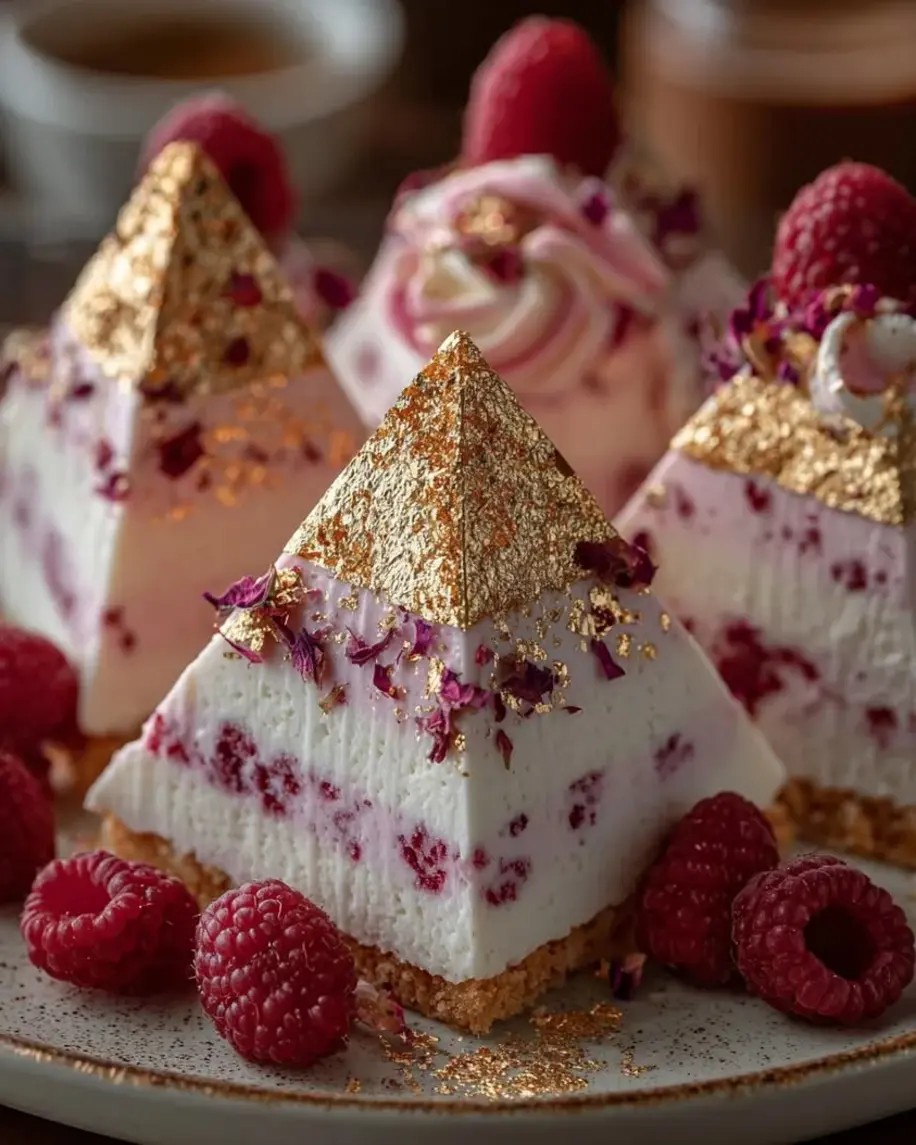
Table of Contents
Raspberry Rose Cheesecake Pyramids with Gold Dust – A Stunning Edible Gold Dessert
I still remember the first time I saw gleaming pyramids of cheesecake dusted with edible gold at a pastry shop in Paris during my culinary school days. I stood there, pressed against the glass, thinking: I have to learn how to make this. That moment—standing in the Marais, the scent of fresh baguettes drifting past—planted the seed for what would become my Raspberry Rose Cheesecake Pyramids with Gold Dust. Years later, back in my NYC kitchen, I finally developed a version that channels that same Parisian elegance while staying true to the bold, floral flavors of my Moroccan childhood. These Raspberry Rose Cheesecake Pyramids are not just a dessert—they’re a tiny edible sculpture, a conversation piece, and a love letter to two continents.
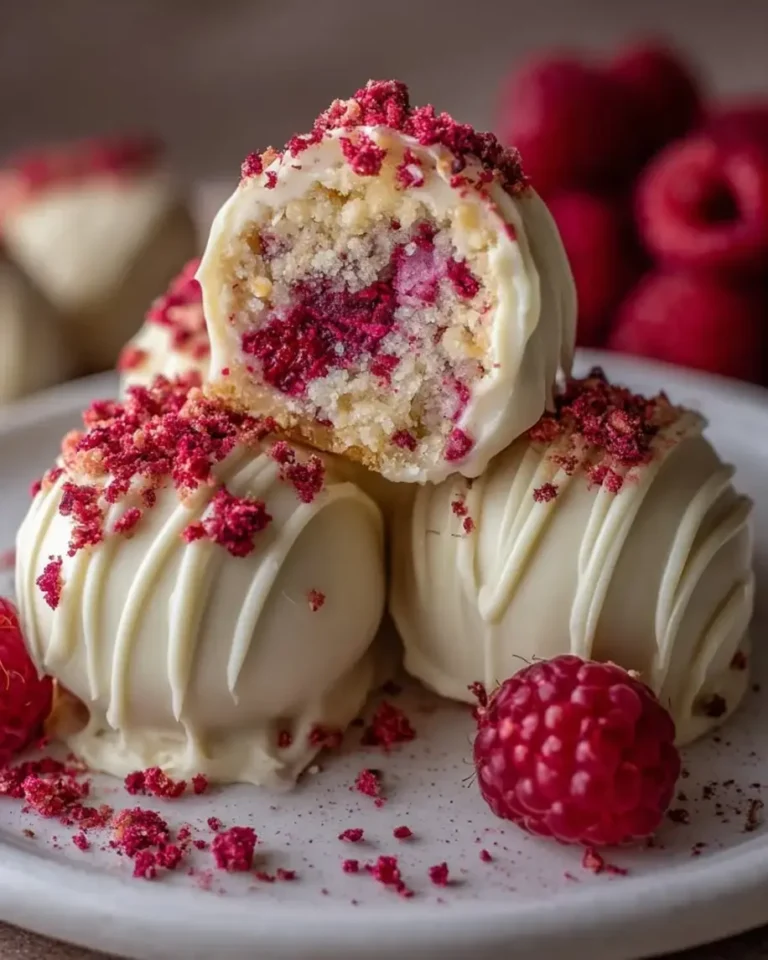
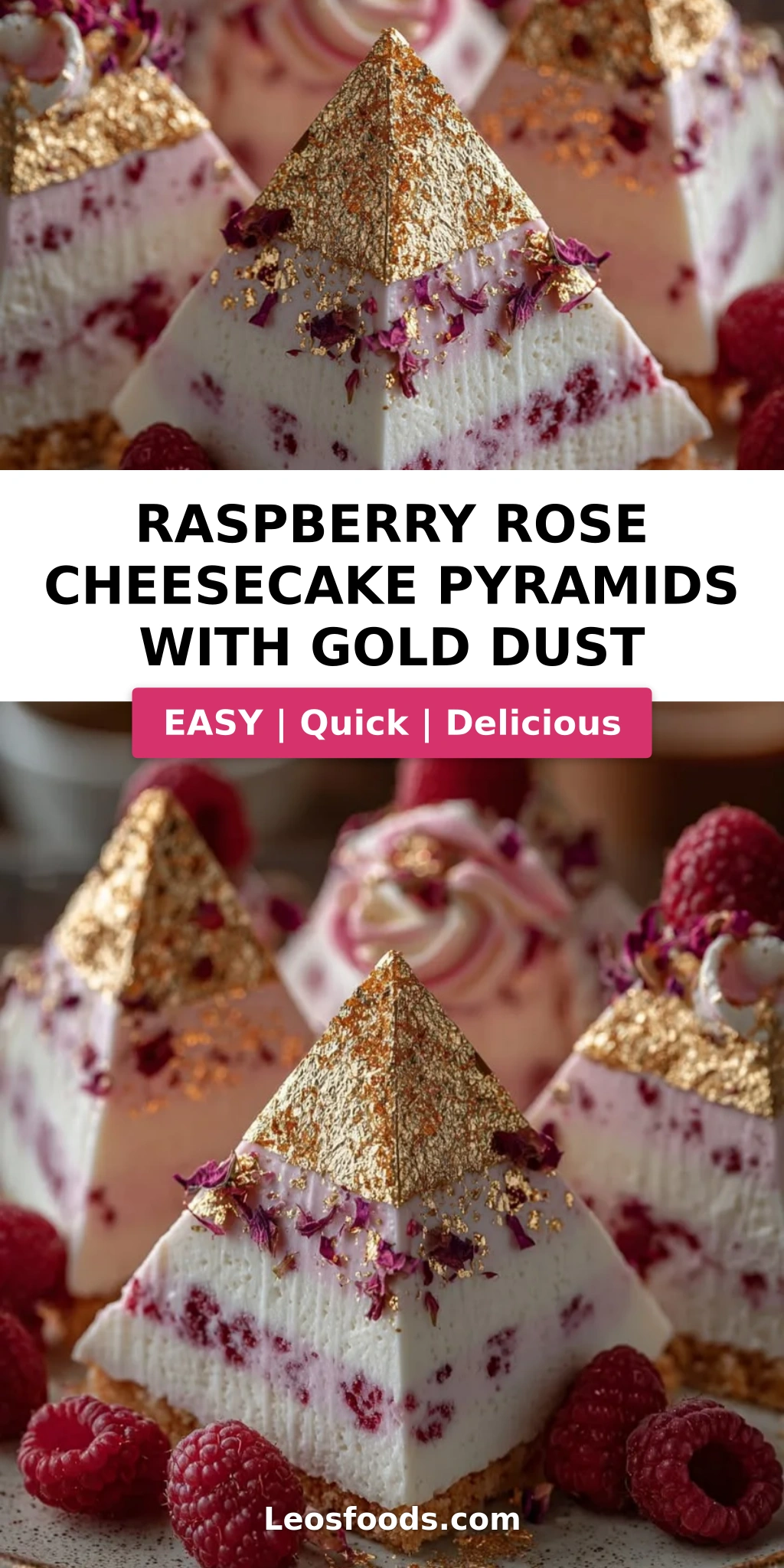
Imagine this: a silky, tangy raspberry cheesecake filling, light as mousse, hiding a luscious rose-scented mascarpone core at its center. The whole thing is encased in a glossy white chocolate coating that shatters ever so slightly when you bite into it, followed by a whisper of edible gold dust that catches the light. The rose water—the same kind I watched my mother drizzle over semolina cakes in our kitchen in Morocco—adds a heady, floral note that makes the bright raspberry flavor sing. Each pyramid is a study in contrasts: creamy yet firm, fruity yet floral, elegant yet utterly approachable. It’s the kind of dessert that makes people stop, look, and then reach for their phones to snap a photo before taking a bite.
What sets my version apart is that I’ve streamlined the technique so you can achieve professional-looking results at home—no complicated equipment required. I’ve tested this recipe a dozen times to get the gelatin ratios just right so the pyramids unmold cleanly every time. The trick is in the bloom-and-melt method for the gelatin and the way we layer the rose cream center so it stays suspended right in the middle. One common mistake I see home cooks make is not letting the pyramids freeze long enough before unmolding—trust me, patience here is everything. In this post, I’ll walk you through every step, share the pro tips I learned in Paris patisserie kitchens, and show you how to make these Raspberry Rose Cheesecake Pyramids the star of your next dinner party. 💡 Stella’s Pro Tip: Always bloom your gelatin in cold water for exactly 5 minutes—it gives you a smoother, more stable set.
Why This Raspberry Rose Cheesecake Pyramids Recipe Is the Best
The Flavor Secret: This recipe layers flavors the way I learned to layer spices in Morocco—raspberry and rose aren’t just thrown together; they’re balanced. The raspberry puree provides bright acidity that cuts through the richness of the cream cheese and white chocolate coating, while the rose water adds an aromatic lift that feels almost ethereal. I use a double hit of rose—once in the cheesecake base and once in the center cream—so the floral note lingers without overwhelming. This is the same principle my mother used when making msemen with honey and orange blossom water: let each ingredient shine without shouting.
Perfected Texture: The texture journey here is everything. You get the snappy shell of the white chocolate coating, then the airy, mousse-like cheesecake layer, then the rich, almost pudding-like rose cream center. Achieving that textural trifecta required precise gelatin work—a technique I honed during my pastry training in Paris. Too little gelatin and the pyramids won’t hold their shape; too much and they become rubbery. I’ve calibrated the exact amount so the filling is firm enough to unmold cleanly but still creamy on the palate. The whipped cream folded in at soft peaks is what gives the cheesecake its cloud-like lightness.
Foolproof & Fast: Despite the impressive look, this is actually a no-bake recipe—no oven required. The active prep time is about 45 minutes, and then the freezer does the heavy lifting. I’ve designed the steps so even a confident beginner can succeed. The pyramid molds (silicone ones work best) make shaping effortless, and the white chocolate coating is forgiving—if it thickens as it cools, just warm it gently. Plus, you can make these days ahead, which makes them ideal for entertaining. From my NYC kitchen to your table, this Raspberry Rose Cheesecake Pyramids recipe is designed to wow without the stress.
Raspberry Rose Cheesecake Pyramids Ingredients
I source my raspberries from the Union Square Greenmarket in Manhattan when they’re in season—small, intensely flavored berries that taste like summer. The rose water I use is imported from a little shop in the West Village that carries Middle Eastern pantry staples, but you can find good-quality rose water at most grocery stores or online. For the edible gold dust, I recommend looking for a brand that’s labeled “edible lustre dust” and is specifically made for food use—it’s widely available at baking supply shops or on Amazon. Every ingredient in this recipe has a purpose, and I’ll show you exactly what to look for.
Ingredients List
- For the Raspberry Rose Cheesecake Pyramids:
- 1 1/2 cups fresh raspberries, pureed and strained
- 8 oz cream cheese, softened
- 1 cup heavy cream
- 1/3 cup powdered sugar
- 1 tbsp rose water
- 1 tsp vanilla extract
- 2 tsp unflavored gelatin
- 2 tbsp cold water
- Pink food coloring, as needed
- For the Rose Cream Center:
- 1/2 cup mascarpone cheese
- 1 tbsp powdered sugar
- 1 tsp rose water
- 2 tbsp heavy cream
- For the Gold Dust Coating:
- 1 cup white chocolate, finely chopped
- 1/2 cup sweetened condensed milk
- 2 tsp unflavored gelatin
- 2 tbsp cold water
- 1/4 cup warm water
- 1 tsp edible gold dust
- For Garnish (optional):
- Dried rose petals
- Fresh raspberries
Ingredient Spotlight
Raspberries: Fresh raspberries are ideal because they puree smoothly and have a bright, tart flavor that balances the sweetness of the white chocolate coating. When selecting raspberries at the grocery store, look for berries that are deep red, plump, and dry—avoid any with mold or mushiness. If fresh aren’t available, frozen raspberries (thawed and drained) work perfectly; just be sure to strain the puree thoroughly to remove the seeds. The seeds won’t break down during cooking since this is a no-bake recipe, so straining is essential for a silky texture.
Rose Water: This is the soul of the recipe. Rose water adds a fragrant, floral note that transforms a simple cheesecake into something extraordinary. When shopping, choose a rose water that’s labeled for culinary use—some cosmetic-grade rose waters contain additives or alcohols that can ruin the flavor. Test a tiny drop on your tongue before using: it should taste like rose petals, not perfume. If you’re new to rose water, start with the amount listed—you can always add more, but you can’t take it out. A good substitution is orange blossom water (a staple in Moroccan cooking), which will give a different but equally beautiful floral note.
White Chocolate: The coating is made with white chocolate and sweetened condensed milk, which creates a glossy, stable shell that sets beautifully without needing to be tempered. For the best results, use a high-quality white chocolate that contains cocoa butter (not just vegetable oils)—it melts more smoothly and has a creamier flavor. I recommend brands like Ghirardelli or Callebaut. Avoid white chocolate chips, which often contain stabilizers that prevent smooth melting. Finely chop the chocolate from a bar so it melts evenly when the warm condensed milk mixture is poured over it.
Edible Gold Dust: This is the finishing touch that makes these Raspberry Rose Cheesecake Pyramids truly special. Edible gold dust is made from a blend of gold leaf and food-grade binders, and it’s safe to consume in small amounts. It’s available at specialty baking stores, cake decorating supply shops, and online retailers. A little goes a long way—1 teaspoon is plenty for dusting all 8 pyramids. Use a small, soft-bristled brush to apply it, and work over a piece of parchment paper so you can collect and reuse any excess.
| Original Ingredient | Best Substitution | Flavor / Texture Impact |
|---|---|---|
| Fresh Raspberries | Frozen raspberries (thawed & drained) | Slightly more liquid, strain well; flavor is nearly identical |
| Rose Water | Orange blossom water or 1/2 tsp rose extract | Orange blossom is more honeyed; extract is stronger—use less |
| Mascarpone Cheese | Full-fat cream cheese + 1 tbsp heavy cream | Slightly tangier, less rich; still delicious |
| White Chocolate | Coconut butter + 2 tbsp powdered sugar | Dairy-free option; coconut flavor will come through |
| Edible Gold Dust | Edible silver dust or pearl lustre dust | Different color, same shimmer effect |
How to Make Raspberry Rose Cheesecake Pyramids — Step-by-Step
I’ve broken this down into clear, manageable steps so you can move through the recipe with confidence. Take your time with the gelatin blooms and the folding—these are the moments where pastry magic happens.
Step 1: Bloom the Gelatin
In a small bowl, combine 2 teaspoons of unflavored gelatin with 2 tablespoons of cold water. Stir gently to distribute the gelatin, then let it sit for 5 minutes until it becomes a firm, jiggly mass. This process, called blooming, hydrates the gelatin so it dissolves smoothly later. If the gelatin doesn’t bloom properly (if it stays powdery or forms clumps), your cold water may have been too warm—start over with fresh cold water.
💡 Stella’s Pro Tip: Use cold water straight from the refrigerator for the firmest bloom. Room-temperature water will start dissolving the gelatin unevenly and can lead to a grainy texture in your cheesecake.
Step 2: Make the Raspberry Cheesecake Base
In a large mixing bowl, beat the softened cream cheese with an electric mixer until smooth and fluffy—about 2 minutes. Add the powdered sugar, rose water, vanilla extract, and strained raspberry puree, and beat until fully combined and silky. The mixture should be a soft pink color. If you want a more vibrant pink, add a drop or two of pink food coloring at this stage. Gently melt the bloomed gelatin in the microwave in 5-second bursts or over a double boiler until liquid, then stir it into the raspberry mixture immediately, making sure it’s fully incorporated.
⚠️ Common Mistake to Avoid: Adding the gelatin while it’s too hot can cause the cream cheese mixture to separate. Let the melted gelatin cool for about 30 seconds before stirring it in.
Step 3: Fold in the Whipped Cream
In a separate bowl, whip the heavy cream to soft peaks—when you lift the whisk, the cream should gently fold over itself but still hold a slight shape. Be careful not to over-whip; if the cream turns stiff or grainy, it won’t fold smoothly into the cheesecake base. Using a rubber spatula, gently fold the whipped cream into the raspberry-cream cheese mixture in three additions. Use a light hand: cut through the center, sweep along the bottom, and turn the bowl as you go. Stop when no streaks of white remain. The final mixture should be light, airy, and uniform in color.
💡 Stella’s Pro Tip: Chill your bowl and beaters for 10 minutes before whipping the cream—it whips faster and holds its shape better, especially on a warm day in my NYC apartment.
Step 4: Prepare the Rose Cream Center
In a small bowl, combine the mascarpone cheese, powdered sugar, rose water, and heavy cream. Stir with a spoon until smooth and thick—this should take less than a minute. The mixture should be spreadable but not runny. If it seems too soft, refrigerate it for 10 minutes to firm up. This rose cream center is what makes each pyramid a little treasure—it’s richer and more intensely floral than the surrounding cheesecake, creating a wonderful surprise when you bite into it.
Step 5: Assemble the Pyramids
Spoon the raspberry cheesecake mixture into a piping bag or a zip-top bag with a corner snipped off. Fill each pyramid mold about halfway full. Tap the mold gently on the counter to release any air bubbles. Place a small spoonful (about 1 teaspoon) of the rose cream center into the center of each mold—don’t press it down; the cheesecake mixture will surround it when you add the next layer. Pipe or spoon the remaining cheesecake mixture over the rose cream, filling each mold to the top. Smooth the tops with an offset spatula or the back of a spoon, making sure there are no gaps.
⚠️ Common Mistake to Avoid: Overfilling the molds can cause the pyramids to bulge or crack when unmolding. Leave a tiny bit of space at the top—the mixture will expand slightly as it freezes.
Step 6: Freeze
Place the filled molds on a small baking sheet and transfer to the freezer. Freeze for at least 5 hours, or preferably overnight, until the pyramids are completely firm to the touch. This is non-negotiable—if the pyramids aren’t fully frozen, they won’t hold their shape when you unmold and coat them. The freezing step also ensures that the white chocolate coating adheres smoothly without melting the cheesecake.
💡 Stella’s Pro Tip: If you’re short on time, you can freeze the pyramids for 3 hours at -18°C (0°F) or colder, but 5 hours is the safest bet for clean unmolding. I usually make these the day before and let them freeze overnight.
Step 7: Make the Gold Dust Coating
While the pyramids are freezing, prepare the coating. In a small bowl, bloom 2 teaspoons of gelatin with 2 tablespoons of cold water for 5 minutes. In a small saucepan, combine the sweetened condensed milk and 1/4 cup warm water. Heat over low heat, stirring occasionally, until the mixture is warm to the touch but not simmering. Remove from heat and stir in the bloomed gelatin until completely dissolved. Pour the warm milk mixture over the finely chopped white chocolate in a heatproof bowl. Let it sit for 1 minute, then stir gently until the chocolate is fully melted and the mixture is smooth and glossy. Allow the coating to cool to room temperature—it should be thick but still pourable.
⚠️ Common Mistake to Avoid: If the coating is too warm when you dip the frozen pyramids, the cheesecake will start to melt and slide off. Let the coating cool until it’s just slightly warm to the touch—about 90°F (32°C) on an instant-read thermometer.
Step 8: Unmold and Coat
Remove the molds from the freezer and let them sit at room temperature for about 2 minutes—this softens the edges slightly and makes unmolding easier. Gently press the bottom of each mold to release the pyramid. If they stick, run the outside of the mold under warm water for a few seconds (don’t get water inside the mold). Place the frozen pyramids on a wire rack set over a baking sheet. Using a spoon or a small ladle, pour the coating over each pyramid, making sure to cover all sides evenly. Let the excess coating drip off onto the baking sheet. If the coating thickens as you work, reheat it gently in the microwave for 5–10 seconds.
💡 Stella’s Pro Tip: Work quickly when coating—the frozen pyramids will start to thaw, and the coating needs to set before the cheesecake softens. Coat one pyramid at a time and let the excess drip off before moving to the next.
Step 9: Dust with Gold
While the coating is still slightly tacky (about 1–2 minutes after coating), use a small, soft brush to gently dust each pyramid with edible gold dust. Go lightly—you can always add more, but you can’t take it off. The gold dust will stick to the coating and create a beautiful shimmer that catches the light. If the coating has set completely, the gold dust won’t adhere as well, so work promptly. For a more dramatic effect, you can also mix a tiny pinch of gold dust into the coating before applying it, then dust the pyramids again afterward for a double-gold finish.
⚠️ Common Mistake to Avoid: Using too much gold dust at once can make the pyramids look dusty rather than glimmering. Apply in thin, even layers and tap off the excess brush before each application.
Step 10: Garnish and Serve
Transfer the coated, gold-dusted pyramids to a serving platter. Garnish with dried rose petals and a few fresh raspberries arranged around the base. Serve immediately while the coating is firm and the cheesecake is still chilled and creamy. These pyramids are best enjoyed within 2 hours of coating, as the coating can soften slightly over time. If you’re serving them at a party, I recommend coating them no more than 1 hour before your guests arrive so they look their absolute best.
💡 Stella’s Pro Tip: For a show-stopping presentation, place each pyramid on a tiny dollop of raspberry coulis or a swoosh of whipped cream on the plate. The contrast of the bright pink sauce against the white coating and gold dust is absolutely stunning.
| Step | Action | Duration | Key Visual Cue |
|---|---|---|---|
| 1 | Bloom gelatin | 5 mins | Firm, jiggly mass |
| 2 | Make raspberry cheesecake base | 5 mins | Smooth, pale pink, no lumps |
| 3 | Fold in whipped cream | 3 mins | Uniform color, no white streaks |
| 4 | Prepare rose cream center | 2 mins | Smooth, thick, spreadable |
| 5 | Assemble pyramids | 10 mins | Molds filled, tops smooth |
| 6 | Freeze | 5+ hours | Firm to the touch, completely solid |
| 7 | Make coating | 10 mins | Glossy, smooth, slightly warm |
| 8 | Unmold and coat | 10 mins | Evenly coated, excess drips off |
| 9 | Dust with gold | 2 mins | Shimmering, even coverage |
| 10 | Garnish and serve | 5 mins | Rose petals, fresh berries, plated |
Serving & Presentation
When I serve these Raspberry Rose Cheesecake Pyramids at dinner parties in my NYC apartment, I like to create a whole presentation moment. I arrange them on a large white platter—the contrast of the white coating, gold dust, and fresh raspberries against a clean white background is visually striking. I scatter dried rose petals around the base of each pyramid and place a few extra fresh raspberries in clusters between them. For an elegant touch, I sometimes pipe small dots of raspberry coulis on the plate and drag a toothpick through them to create a swoosh effect. The goal is to make the plate look like edible art—because that’s exactly what these are.
As for pairings, these pyramids are rich and creamy, so I like to serve them with something bright and refreshing on the side. A light, floral tea like jasmine or hibiscus works beautifully—it echoes the rose notes without competing. For a drinks pairing, a chilled glass of Prosecco or a rosé Champagne cuts through the richness of the white chocolate coating and cleanses the palate between bites. If you’re serving these as part of a larger dessert spread, they pair wonderfully with fresh berries, a light lemon sorbet, or even a small cup of Moroccan mint tea—a nod to my heritage that always makes my mother smile.
💡 Stella’s Pro Tip: For the most dramatic presentation, serve these pyramids on a mirrored or metallic platter—the gold dust will reflect in the surface and create a stunning double-shimmer effect that your guests will absolutely love.
| Pairing Type | Suggestions | Why It Works |
|---|---|---|
| Side Dish | Fresh raspberries, lemon sorbet, poached pears | Bright acidity cuts the richness of the cheesecake |
| Sauce / Dip | Raspberry coulis, salted caramel, dark chocolate ganache | Adds a contrasting flavor and extra visual appeal |
| Beverage | Prosecco, rosé Champagne, jasmine tea, Moroccan mint tea | Floral and sparkling options complement the rose notes |
| Garnish | Dried rose petals, fresh raspberries, edible flowers, mint sprigs | Adds color, texture, and aromatic freshness |
Make-Ahead, Storage & Reheating
One of the things I love most about this Raspberry Rose Cheesecake Pyramids recipe is how beautifully it works for entertaining. In my busy NYC life, I’m all about smart meal prep, and this dessert is a dream for make-ahead. You can prepare the pyramids (without the coating) up to 1 week in advance and keep them frozen—then simply coat and gold-dust them on the day you’re serving. This takes the stress out of dinner party prep and lets you focus on your main course and your guests. I often make a double batch and keep a stash in the freezer for unexpected guests or last-minute cravings.
| Method | Container | Duration | Reheating Tip |
|---|---|---|---|
| Refrigerator | Airtight container, layered with parchment | Up to 3 days | Serve chilled, no reheating needed |
| Freezer | Freezer-safe container, separated by parchment | Up to 1 month | Thaw in the refrigerator for 2 hours before serving |
| Make-Ahead | Freeze uncoated pyramids in molds, then transfer to a bag | Up to 1 week in advance | Coat and dust on serving day for best texture |
If you have leftover coated pyramids (lucky you!), store them in the refrigerator in an airtight container for up to 3 days. The coating may soften slightly over time, but they’ll still be delicious. To restore some of the coating’s snap, you can place them on a wire rack in the refrigerator (uncovered) for about 30 minutes before serving—the airflow helps the coating firm up. Avoid freezing coated pyramids, as the coating can develop condensation and lose its glossy finish when thawed. If you want to freeze them, do so before coating, then add the coating fresh when you’re ready to serve.
Variations & Easy Swaps
| Variation | Key Change | Best For | Difficulty Impact |
|---|---|---|---|
| Strawberry Rose | Substitute strawberry puree for raspberry | A sweeter, milder fruit flavor | Same — no change |
| Dairy-Free | Use vegan cream cheese, coconut cream, and dairy-free white chocolate | Lactose-intolerant or vegan guests | Moderate — texture may vary slightly |
| Pistachio Rose | Add 1/3 cup finely ground pistachios to the crust or fold into the cheesecake | A nutty, textured twist | Same — just add pistachios |
Strawberry Rose Version
This is the variation I turn to when I want a sweeter, more approachable flavor profile. Simply replace the raspberry puree with an equal amount of strawberry puree (about 1 1/2 cups fresh strawberries, pureed and strained). Strawberries are naturally sweeter and less tart than raspberries, so you may want to reduce the powdered sugar by 1 tablespoon. The rose water pairs beautifully with strawberries—it’s a classic French combination I first encountered in a Parisian pâtisserie near my school. The color will be a softer pink, almost blush-toned, which looks gorgeous with the gold dust. Everything else in the recipe stays exactly the same.
Dairy-Free Version
For a dairy-free version that still delivers on creaminess, I’ve tested this with vegan cream cheese (like Kite Hill or Violife) and full-fat coconut cream in place of the heavy cream. Use a dairy-free white chocolate made with coconut milk or rice milk for the coating. The texture will be slightly less firm than the original, so I recommend adding an extra 1/2 teaspoon of gelatin to the cheesecake base for better structure. The rose cream center works beautifully with vegan mascarpone (available at specialty grocery stores) or a thick coconut yogurt. This version is perfect for serving to guests with dairy sensitivities, and the coconut flavor actually complements the rose and raspberry notes beautifully.
Pistachio Rose Twist
This variation is inspired by the pistachio-rose flavor combination I grew up with in Morocco—we often use this pairing in pastries and sweet couscous dishes. Finely grind 1/3 cup of shelled, unsalted pistachios (using a food processor or mortar and pestle) and fold them into the raspberry cheesecake mixture just before adding the whipped cream. The pistachios add a lovely green-speckled appearance and a nutty, earthy crunch that contrasts with the creamy texture. For extra visual impact, you can also sprinkle crushed pistachios over the top of the coated pyramids before the coating sets, then dust with gold. The golden-green-pink combination is absolutely stunning.
How do you make Raspberry Rose Cheesecake Pyramids without a pyramid mold?
If you don’t have a pyramid mold, don’t worry—you can still make this recipe using a few alternative methods. The easiest option is to use a standard silicone ice cube tray with a fun shape (like diamonds or squares) or even small silicone muffin cups. Simply fill them the same way you would the pyramid molds: halfway with the cheesecake mixture, add the rose cream center, then top with more cheesecake mixture and freeze. You can also use a small loaf pan lined with plastic wrap, freeze the entire block, and then cut it into cubes or triangles once firm—just coat each piece individually after cutting. The presentation will be different, but the flavor and texture will be just as delicious.
Can I use frozen raspberries instead of fresh for this cheesecake recipe?
Yes, you can absolutely use frozen raspberries in this Raspberry Rose Cheesecake Pyramids recipe. Frozen raspberries are picked at peak ripeness and flash-frozen, so they often have excellent flavor. The key is to thaw them completely and then drain off any excess liquid before pureeing—frozen berries release more water than fresh ones, and too much liquid can make the cheesecake mixture too loose and affect the set. After thawing and draining, puree the berries and strain through a fine-mesh sieve to remove the seeds. Proceed with the recipe as written. You may need to add an extra teaspoon of gelatin if the puree seems very watery, but in most cases, the standard amount works perfectly.
What can I substitute for rose water in Raspberry Rose Cheesecake Pyramids?
If you don’t have rose water or prefer a different flavor profile, there are several excellent substitutions. Orange blossom water is my top recommendation—it’s another floral water that’s widely used in Moroccan and Middle Eastern cooking, and it pairs beautifully with raspberry. Use the same amount (1 tablespoon in the cheesecake base and 1 teaspoon in the center). Alternatively, you can use 1/2 teaspoon of rose extract (which is much more concentrated than rose water) or 1 teaspoon of vanilla bean paste for a non-floral option. If using rose extract, start with 1/4 teaspoon and taste the mixture before adding more—it’s potent. Each substitution will change the final flavor slightly, but all will produce a delicious dessert.
How far in advance can you prepare Raspberry Rose Cheesecake Pyramids for a party?
This is one of the best make-ahead desserts in my entertaining repertoire. You can prepare the uncoated pyramids up to 1 week in advance and store them frozen in an airtight container. On the day of your party, simply unmold them (if they’re still in the molds), coat them with the white chocolate mixture, dust with gold, and garnish. The coating and gold dust should be done no more than 2–3 hours before serving for the best visual presentation, though the pyramids will still taste wonderful the next day. If you want to prepare the entire dessert fully finished, you can make them 1 day ahead and store them in the refrigerator, but the coating may soften slightly. For the most stunning result, I recommend coating and dusting on the day you plan to serve them.
Can I use a different type of chocolate for the coating instead of white chocolate?
Yes, you can substitute dark or milk chocolate for the white chocolate in the coating, but keep in mind that the flavor profile will shift significantly. White chocolate is sweet and creamy, which complements the tart raspberry and floral rose notes perfectly. If you use dark chocolate (60–70%), you’ll get a richer, more bittersweet coating that will contrast sharply with the sweet cheesecake filling—this can be delicious if you love dark chocolate. Milk chocolate will give you a milder, creamier coating that’s closer to the original but less sweet. If you make this substitution, use the same amount of chocolate (1 cup, finely chopped) and follow the same coating method. The gold dust will show up beautifully on any chocolate coating.
How do I store leftovers of Raspberry Rose Cheesecake Pyramids?
Leftover Raspberry Rose Cheesecake Pyramids should be stored in an airtight container in the refrigerator, where they’ll keep for up to 3 days. The coating may soften and lose some of its initial snap, but the flavor will remain delicious. To help the coating firm up slightly, place the pyramids on a wire rack in the refrigerator (uncovered) for about 30 minutes before serving. I don’t recommend freezing the pyramids once they’re coated, as the coating can develop condensation and become sticky when thawed. If you know you’ll have leftovers, it’s better to store the uncoated pyramids in the freezer and coat only what you plan to serve fresh. The uncoated pyramids freeze beautifully for up to 1 month.
Is edible gold dust safe to eat, and where can I buy it?
Yes, edible gold dust is safe to eat when purchased from a reputable source that specifically labels it as “edible” or “food-grade.” Edible gold is biologically inert—it passes through the digestive system without being absorbed and is considered non-toxic by the FDA. You can find edible gold dust at specialty baking supply stores, cake decorating shops, and online retailers like Amazon or Wilton. I recommend looking for brands like Wilton, CK Products, or Eagle that are well-known in the baking community. Avoid craft-grade gold dust or “glitter” that is not labeled as edible—these products may contain non-food-grade materials that are not safe for consumption. A little goes a long way: 1 teaspoon is enough to dust all 8 pyramids in this recipe.
Can I make these Raspberry Rose Cheesecake Pyramids without gelatin?
Gelatin is essential for the structure of these pyramids—it’s what allows them to hold their shape when unmolded and gives the filling a stable, creamy texture without baking. If you need a vegetarian alternative, you can use agar-agar (a plant-based gelatin derived from seaweed) at a ratio of 1:1 by volume, but the texture will be slightly different. Agar-agar sets at room temperature and has a firmer, more brittle set than gelatin, so the pyramids may be less creamy and more jelly-like. If using agar-agar, dissolve it in warm liquid (not cold) and bring it to a boil for 1–2 minutes to activate it, then cool slightly before adding to the cheesecake mixture. For the coating, you can try using pectin (like Pomona’s) or simply omit the gelatin from the coating and use a mixture of melted white chocolate and coconut oil at a ratio of 2:1.
Share Your Version!
Now it’s your turn to bring a little gold-dusted magic to your kitchen! I can’t wait to see how your Raspberry Rose Cheesecake Pyramids turn out. Did you stick with the classic version, or did you try one of the variations—maybe the pistachio-rose twist or a dairy-free adaptation? Drop a comment below and let me know how it went. What was your favorite part of the process? Was it folding the whipped cream, the first unmold, or the moment you dusted on the gold and watched it shimmer? Your stories and photos inspire me every single day, and I read every comment.
If you loved this recipe, please give it a 5-star rating and share a photo on Instagram or Pinterest with the hashtag #leosfoods and tag me @stellarecipeblog — I absolutely love seeing your creations pop up in my feed! And if you have any questions about the recipe or want tips for a specific variation, just ask in the comments. I’m always here to help, whether you’re a seasoned baker or trying something ambitious for the first time. From my NYC kitchen to yours — I hope this recipe brings as much warmth to your table as it does to mine. — Stella 🧡
Love This Recipe? Save It to Pinterest!
If you enjoyed this Raspberry Rose Cheesecake Pyramids with Gold Dust recipe, don’t let it get lost in your browser tabs! 😄 Pin it now so you can find it again anytime — and explore hundreds more tried-and-tested recipes waiting for you on my Pinterest boards.
👉 Follow Stella on Pinterest @stellarecipeblog
📌 Pin this recipe · 🔁 Re-pin your favorites · 💬 Tag me when you make it — I love seeing your creations!
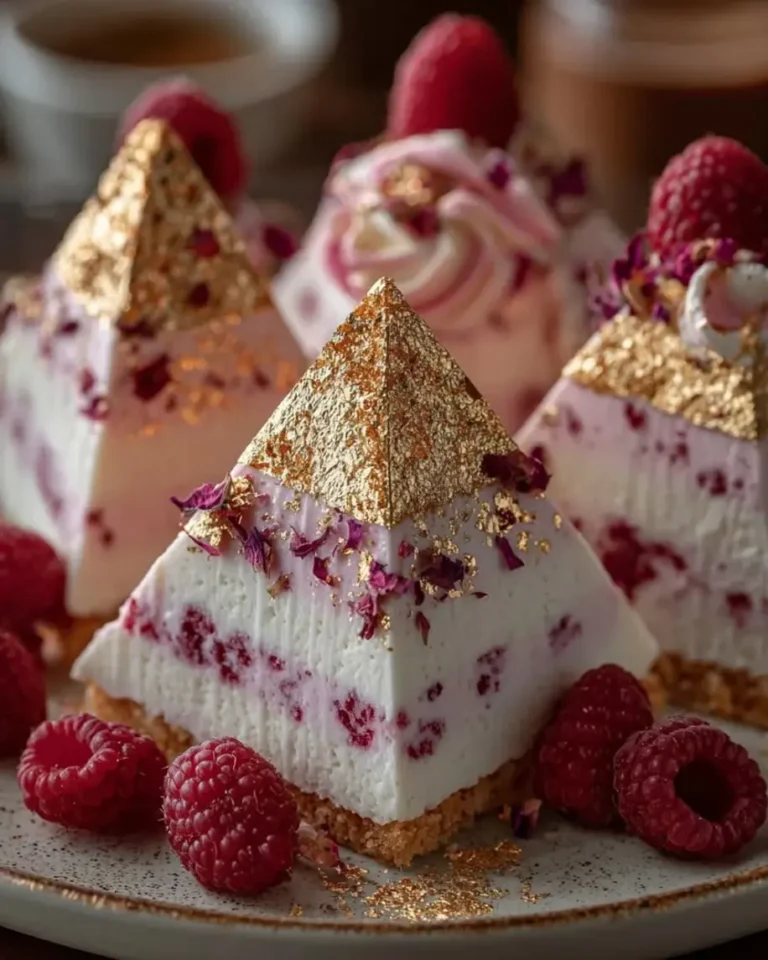
Raspberry Rose Cheesecake Pyramids with Gold Dust
- Yield: 8 1x
Ingredients
- For the Raspberry Rose Cheesecake Pyramids:
- 1 1/2 cups fresh raspberries, pureed and strained
- 8 oz cream cheese, softened
- 1 cup heavy cream
- 1/3 cup powdered sugar
- 1 tbsp rose water
- 1 tsp vanilla extract
- 2 tsp unflavored gelatin
- 2 tbsp cold water
- Pink food coloring, as needed
- For the Rose Cream Center:
- 1/2 cup mascarpone cheese
- 1 tbsp powdered sugar
- 1 tsp rose water
- 2 tbsp heavy cream
- For the Gold Dust Coating:
- 1 cup white chocolate, finely chopped
- 1/2 cup sweetened condensed milk
- 2 tsp unflavored gelatin
- 2 tbsp cold water
- 1/4 cup warm water
- 1 tsp edible gold dust
- For Garnish (optional):
- Dried rose petals
- Fresh raspberries
Instructions
- Mix gelatin and cold water in a small bowl and let bloom for 5 minutes.
- Beat cream cheese, powdered sugar, rose water, vanilla extract, and raspberry puree until smooth.
- Melt the bloomed gelatin and stir into the raspberry mixture.
- Add a few drops of pink food coloring if desired.
- Whip heavy cream to soft peaks and gently fold into the raspberry mixture.
- Combine mascarpone cheese, powdered sugar, rose water, and heavy cream until smooth.
- Fill pyramid molds halfway with the raspberry cheesecake mixture.
- Add a spoonful of rose cream center to each mold.
- Cover with the remaining cheesecake mixture and smooth the tops.
- Freeze for at least 5 hours or until completely firm.
- Bloom gelatin for the coating.
- Heat condensed milk and warm water, then stir in gelatin until dissolved.
- Pour over white chocolate and mix until smooth.
- Allow the coating to cool slightly.
- Unmold frozen pyramids and place on a wire rack.
- Coat each pyramid evenly with the white chocolate mixture.
- Lightly dust with edible gold dust.
- Garnish with dried rose petals and fresh raspberries.
- Serve chilled.
Nutrition
- Calories: 355
- Sugar: 25 g
- Fat: 25 g
- Carbohydrates: 29 g
- Protein: 5 g
Tried This Recipe? Leave a Comment!
Did you make this recipe? I’d love to hear how it turned out! Please leave a comment and a rating below. Your feedback helps other home cooks and supports cheerychop.com!
For more delicious inspiration, follow me on Pinterest!