Tender Slow-Braised Lamb Shanks with Herb Gravy
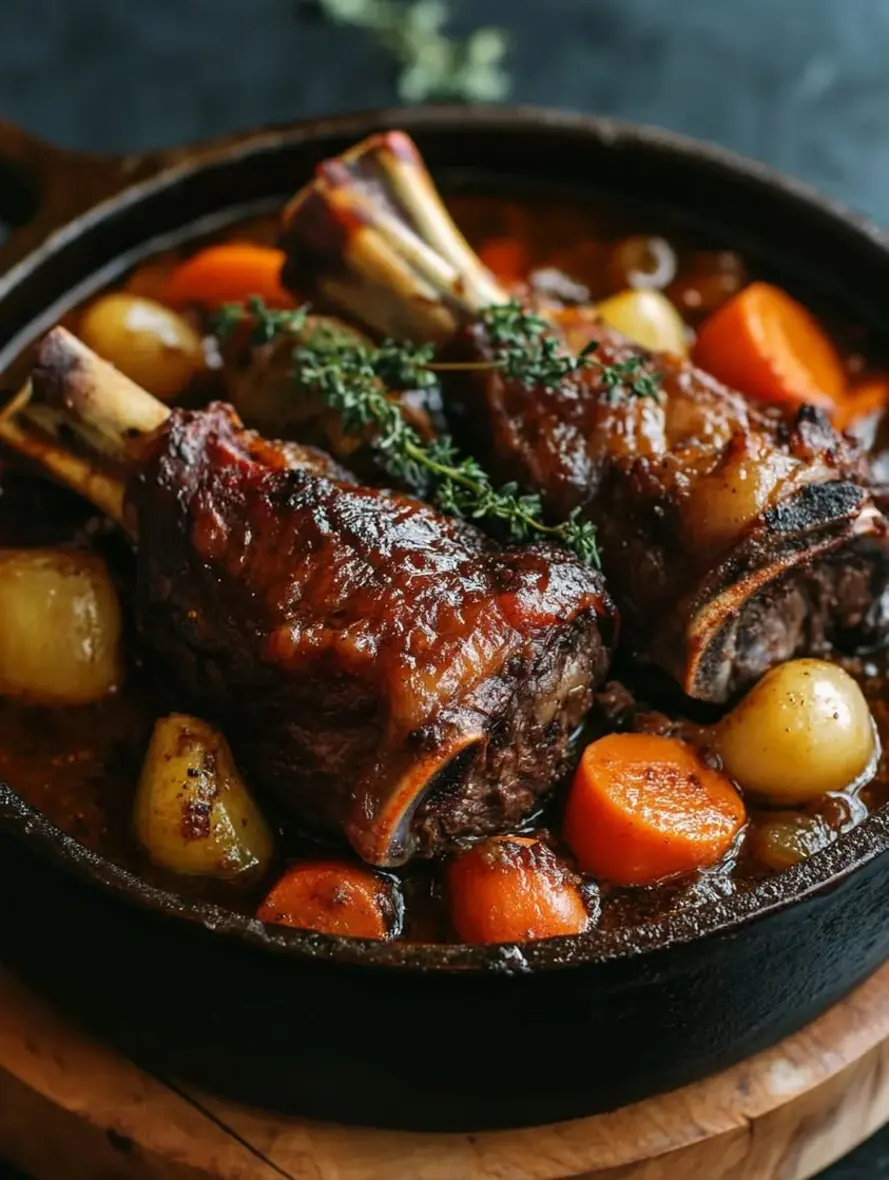
Table of Contents
Rustic Slow-Braised Lamb Shanks in Rich Herb-Infused Gravy with Seasonal Vegetables – Tender Perfection
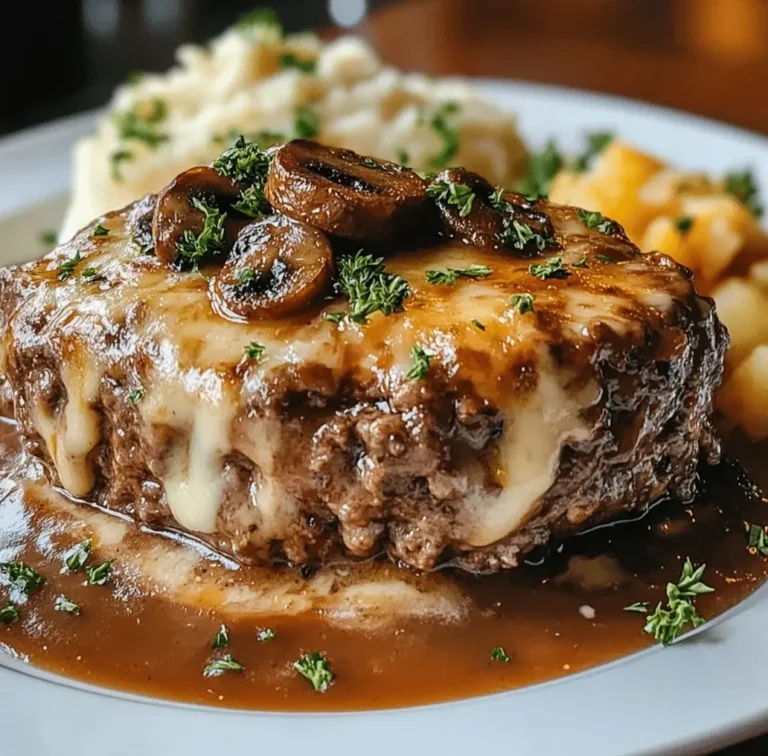
There’s something magical about a dish that unfurls its aroma through your entire home — and that’s exactly what happens when I slow-braise lamb shanks the way my mother did back in Morocco. Growing up in Marrakech, weekend lunches meant a heavy pot simmering on the stove, filled with lamb, fragrant herbs, and vegetables from the market. Now, trained in classical French technique in Paris and cooking in my tiny NYC apartment, I’ve fused those two worlds into one perfect braised lamb shanks recipe. This version is my love letter to slow cooking: tender lamb that falls off the bone, a herb infused gravy lamb that’s deeply savory, and seasonal vegetables that soak up all that goodness.
Imagine pulling open the pot after three hours: the lamb shanks are so tender you can barely lift them without them breaking apart. The gravy is thick, glossy, and brimming with the essence of rosemary, thyme, and bay leaf. The carrots and potatoes are meltingly soft, the bell pepper adds a touch of sweetness, and every spoonful of that broth is like a warm hug. The technique is straightforward — a proper sear, a gentle sauté of aromatics, and a lazy simmer that does all the work. It’s the kind of meal that makes you feel like you’ve accomplished something grand, yet it’s practically hands-off.
I’ve made this rustic lamb shanks dish dozens of times, tweaking the herb balance, perfecting the gravy consistency. What sets my version apart is a trick I learned at Le Cordon Bleu: a final whisk of cold butter into the pan juices for a velvety finish — skip the cornstarch if you want a pure, unctuous sauce. Many home cooks rush the sear or skip deglazing; don’t. Those browned bits are the foundation of flavor. And one 💡 Stella’s Pro Tip that will save you: never lift the lid during the first two hours. Let the steam work its magic. Today, I’m sharing my tried-and-true method so you can bring this rustic elegance to your own table.
Why This Rustic Slow-Braised Lamb Shanks Recipe Is the Best
The Flavor Secret — My training taught me that depth comes from layering. In Morocco, we’d start with lamb and slow-cook it with preserved lemons and saffron. Here, I build a French-style mirepoix (onion, carrot, celery) but add a red bell pepper for a touch of sweetness and color. The real magic? Letting the herbs steep in the hot broth for the entire cooking time. Fresh rosemary, thyme sprigs, and bay leaves infuse the meat and vegetables with a perfume that no dried herb can match. This isn’t just any lamb shanks with vegetables — it’s a celebration of slow time and careful technique.
Perfected Texture — The key to fork-tender lamb shanks is a low, steady heat. I braise them at a gentle simmer (around 300°F in the oven, or the lowest flame on the stove) for exactly 2.5 to 3 hours. The collagen in the connective tissue breaks down into gelatin, giving the broth body and the meat that silky, pull-apart texture. The vegetables are added early enough to soften but not disintegrate. I also like to uncover the pot for the last 20 minutes so the gravy reduces slightly and thickens naturally. The result: a dish where every component is at its best.
Foolproof & Fast — Despite the long cooking time, this recipe is incredibly forgiving. You can brown the shanks a day ahead, refrigerate, and finish the braise the next day. Even if you’re a beginner, as long as you sear well and don’t boil the liquid, you’ll succeed. This slow braised lamb shanks recipe requires just one pot, minimal prep (20 minutes!), and then you’re free to go about your day while the oven or stove does the heavy lifting. It’s the ultimate “set it and forget it” dinner that impresses every time.
Braised Lamb Shanks Recipe Ingredients
I source my lamb from the Union Square Greenmarket in NYC — the pasture-raised shanks from a family farm have the best flavor and tenderness. In Morocco, my mother would pick up fresh herbs from the souk; here, I grow rosemary on my fire escape. For this herb infused gravy lamb, every ingredient plays a role. Let’s look at what you need.
Ingredients List
- 4 lamb shanks (about 1 lb each)
- 2 tablespoons olive oil
- 1 large onion, diced
- 3 cloves garlic, minced
- 2 carrots, sliced into 1-inch rounds
- 2 celery stalks, sliced
- 2 cups baby potatoes, halved
- 1 red bell pepper, chopped
- 2 cups beef broth (or water, but broth adds more depth)
- 3 sprigs fresh rosemary
- 4 sprigs fresh thyme
- 2 bay leaves
- Salt and freshly ground black pepper, to taste
- Optional: 2 tablespoons cornstarch + 2 tablespoons cold water for thicker gravy
Ingredient Spotlight
Lamb Shanks — This cut comes from the lower leg; it’s tough and sinewy but loaded with collagen that converts to gelatin during long cooking. Look for shanks that are meaty with a good layer of fat. If you can’t find lamb, beef shanks or even osso buco are good substitutes, though cooking time will vary (beef may need an extra 30-45 minutes).
Fresh Herbs (Rosemary & Thyme) — Fresh herbs are non-negotiable for the herb infused gravy lamb. Dried rosemary can become brittle and sharp; fresh releases essential oils slowly. If fresh is unavailable, use half the amount dried but add them later in cooking to avoid bitterness.
Seasonal Vegetables — This recipe is designed for flexibility. In fall, swap baby potatoes for parsnips or turnips; in spring, add asparagus or peas in the last 15 minutes. The bell pepper adds sweetness but can be replaced with diced zucchini or even mushrooms for an earthy twist.
| Original Ingredient | Best Substitution | Flavor / Texture Impact |
|---|---|---|
| Lamb shanks | Beef shanks or osso buco (veal) | More robust flavor; slightly longer braise needed |
| Baby potatoes | Parsnips, turnips, or sweet potatoes | Parsnips add sweetness; turnips are earthier |
| Red bell pepper | Zucchini, mushrooms, or chopped tomato | Zucchini stays firm; mushrooms add umami |
| Fresh rosemary/thyme | Dried (use 1 tsp each, add later) | Less aromatic; slight bitterness if added too early |
How to Make Rustic Slow-Braised Lamb Shanks — Step-by-Step
This slow braised lamb shanks recipe follows a simple sequence: sear, sauté, braise. I’ll walk you through each step with visual cues and chef’s secrets.
Step 1: Season and Sear
Pat the lamb shanks dry with paper towels — moisture is the enemy of a good sear. Season generously on all sides with salt and pepper. Heat 2 tablespoons of olive oil in a large heavy-bottomed pot (Dutch oven works perfectly) over medium-high heat until it shimmers. Add the shanks without crowding (work in two batches if needed) and brown on all sides, about 4 minutes per side. The crust should be deep mahogany, not just pale. Transfer to a plate.
💡 Stella’s Pro Tip: Don’t rush the sear! The browned bits (fond) left in the pot are the foundation of your gravy. If they start to burn, lower the heat slightly.
Step 2: Sauté Vegetables
In the same pot, reduce heat to medium. Add the diced onion and garlic, stirring constantly for about 2 minutes until fragrant and softened. Then add the carrots, celery, baby potatoes, and red bell pepper. Cook for 5 minutes, stirring occasionally, until the vegetables begin to take on a little color and the onion is translucent.
⚠️ Common Mistake to Avoid: Overcrowding the pan with vegetables that are too wet — make sure they are dry before adding. Also, resist the urge to add salt at this stage; it will be seasoned later.
Step 3: Build the Braising Liquid
Return the lamb shanks to the pot, nestling them among the vegetables. Pour in 2 cups of beef broth (or water). Add the fresh rosemary sprigs, thyme sprigs, and bay leaves. The liquid should come about halfway up the shanks — add a little more broth if needed. Bring the mixture to a gentle simmer (you should see small bubbles, not a rolling boil).
💡 Stella’s Pro Tip: For an even richer gravy, you can replace 1 cup of the broth with dry red wine. Deglaze the pot with wine after searing, then add the broth.
Step 4: Slow-Braise
Cover the pot with a tight-fitting lid. Reduce the heat to low (or transfer to a preheated 300°F oven). Cook for 2.5 to 3 hours, or until the lamb is fall-off-the-bone tender. Check once or twice: the liquid should be barely bubbling. If using the stovetop, you may need to monitor and adjust heat to maintain a low simmer. During the last 15 minutes, if you want a thicker gravy, stir in a slurry of 2 tablespoons cornstarch mixed with 2 tablespoons cold water. Let it simmer uncovered to reduce slightly.
⚠️ Common Mistake to Avoid: Lifting the lid repeatedly releases steam and extends cooking time. Trust the process — check only after 2 hours.
Step 5: Serve
Remove and discard the woody herb stems and bay leaves. Taste the broth and adjust seasoning with salt and pepper. Using tongs, carefully transfer a lamb shank to each serving plate. Spoon the vegetables and rich pan juices over the top. Garnish with a fresh sprig of thyme or chopped parsley if desired.
💡 Stella’s Pro Tip: For a restaurant-worthy presentation, whisk a tablespoon of cold unsalted butter into the sauce just before serving. This monté au beurre technique gives the gravy a gorgeous sheen and velvety texture.
| Step | Action | Duration | Key Visual Cue |
|---|---|---|---|
| 1 | Season and sear lamb shanks | 8-10 min | Deep brown crust on all sides |
| 2 | Sauté onion, garlic, and vegetables | 7 min | Onion translucent, garlic fragrant |
| 3 | Add broth and herbs, bring to simmer | 3-4 min | Small bubbles appear, steam rises |
| 4 | Slow-braise covered | 2.5-3 hr | Meat pulls away from bone easily |
| 5 | Serve with vegetables and pan juices | 5 min | Gravy coats the back of a spoon |
Serving & Presentation
When I serve this rustic lamb shanks dish in my NYC apartment, I like to keep it family-style. Place the entire pot on a trivet in the center of the table, or plate individually with one shank, a generous pile of vegetables, and several spoonfuls of the herb infused gravy lamb. A sprinkle of fresh parsley or thyme leaves adds color and freshness.
For a complete meal, I pair these lamb shanks with creamy mashed potatoes to soak up every drop of gravy, or crusty sourdough bread for dipping. A simple green salad with lemon vinaigrette cuts through the richness. In Morocco, we’d serve this with couscous; in Paris, with buttered egg noodles. In my kitchen, I love a side of roasted root vegetables (extra carrots and parsnips) tossed in olive oil and cumin. The sweetness complements the savory lamb beautifully.
The wine pairing? A bold red like a Côtes du Rhône or a California Zinfandel — something with enough structure to stand up to the richness. For a non-alcoholic option, a sparkling water with lemon and a splash of pomegranate juice is refreshing.
| Pairing Type | Suggestions | Why It Works |
|---|---|---|
| Side Dish | Mashed potatoes, egg noodles, couscous, crusty bread | Soaks up the gravy, adds comforting starch |
| Sauce / Dip | Extra pan juices, horseradish cream, mint chutney | Brightens or cuts richness |
| Beverage | Côtes du Rhône (red), Zinfandel, pomegranate spritzer | Acidity and tannins balance the fatty lamb |
| Garnish | Fresh parsley, thyme leaves, lemon zest | Adds freshness and visual appeal |
Make-Ahead, Storage & Reheating
This slow braised lamb shanks recipe is a dream for meal prep. In fact, it tastes even better the next day as the flavors meld. I often make it on a Sunday and enjoy it for Monday dinner after a long day of writing. Here’s how to store and reheat.
| Method | Container | Duration | Reheating Tip |
|---|---|---|---|
| Refrigerator | Airtight container, meat and gravy together | 3-4 days | Reheat gently on stovetop over low heat, adding a splash of broth if needed. Microwave not recommended. |
| Freezer | Freezer-safe bag or container, remove as much air as possible | 3 months | Thaw overnight in fridge, then simmer in a pot until heated through. The gravy may need a cornstarch slurry to re-thicken. |
| Make-Ahead | Prepare through step 4, cool, cover and refrigerate | 1-2 days in advance | When ready to serve, scrape off solidified fat, reheat gently, and add fresh herbs if desired. |
One tip from my Paris training: always let the dish cool completely before refrigerating, and skim off the fat that rises to the top. It solidifies and can be saved for roasting potatoes later! For reheating, I prefer the stovetop because it restores the silky texture of the gravy. If the sauce seems too thick, thin it with a little broth or water. Avoid the microwave — it can toughen the meat unevenly.
Variations & Easy Swaps
This recipe is wonderfully adaptable. Whether you need to work with what’s in your fridge or want to experiment with new flavors, here are my favorite variations.
| Variation | Key Change | Best For | Difficulty Impact |
|---|---|---|---|
| Moroccan Spiced | Add 1 tsp cumin, 1 tsp paprika, ½ tsp cinnamon, and a pinch of saffron | Exotic twist, company dinner | Easy (just add spices) |
| Gluten-Free / Dairy-Free | Use broth instead of wine; skip butter; thicken with arrowroot instead of cornstarch | Dietary restrictions | Easy (label-conscious) |
| Spring Vegetable | Replace potatoes with asparagus and snap peas (add last 10 min) | Lighter, seasonal meal | Easy (adjust timing) |
Moroccan Spiced Version
This is the version my mother would make — warm spices that fill your kitchen with the scent of Marrakech. Along with the herbs, add 1 teaspoon ground cumin, 1 teaspoon sweet paprika, ½ teaspoon cinnamon, and a pinch of saffron threads (soaked in 2 tablespoons hot water). The saffron gives the gravy a beautiful golden hue and a floral note. I also like to add a handful of dried apricots in the last 30 minutes for a sweet-tart pop. Serve with couscous tossed with raisins and almonds.
Gluten-Free / Dairy-Free Version
This recipe is naturally gluten-free and dairy-free if you omit the butter finish. Use cornstarch or arrowroot powder to thicken (arrowroot works better for clearer gravies). Replace the butter whisked in at the end with a splash of olive oil or just skip it. Check your broth label for gluten — most are fine. This version is just as hearty and satisfying, perfect for those with sensitivities.
Spring Vegetable Twist
When spring hits the NYC farmers market, I swap the potatoes and bell pepper for tender asparagus spears (cut into 2-inch pieces), sugar snap peas, and baby leeks. Add the asparagus and snap peas during the last 10 minutes of cooking so they stay bright green and crisp-tender. The gravy becomes lighter and the dish feels like a celebration of the season. A squeeze of lemon at the end brightens everything.
How long does it take to braise lamb shanks until they are fork-tender?
For most lamb shanks, a braising time of 2.5 to 3 hours is needed at a gentle simmer (around 300°F in the oven or the lowest heat on the stovetop). Size matters: smaller shanks (around ¾ lb) may be done at 2 hours, while larger ones (1¼ lb) can take up to 3½ hours. The key is to check for tenderness — the meat should easily pull away from the bone with a fork. Do not rush this step; slow cooking breaks down collagen into gelatin, giving that silky, melt-in-your-mouth texture.
What are the best herbs to use for a rich herb-infused gravy with lamb shanks?
Fresh rosemary and thyme are the classic pair for lamb — they’re deeply aromatic and stand up to the meat’s robust flavor. Bay leaves add a subtle earthiness. For a more complex profile, add a few sprigs of fresh oregano or marjoram. If you’re using dried herbs, halve the amount and add them later in cooking to avoid bitterness. A trick I love: tie the herb sprigs together with kitchen twine so they’re easy to remove before serving.
Can I substitute the seasonal vegetables in this slow-braised lamb shank recipe?
Absolutely. This recipe is designed to be flexible with what’s in season or your pantry. Potatoes, carrots, and celery form a sturdy base, but you can swap in parsnips, turnips, sweet potatoes, or butternut squash in fall. In spring, asparagus, peas, and baby leeks work beautifully. For summer, zucchini and bell peppers are great. Just keep in mind that denser vegetables (like potatoes) need more time, so cut them smaller or add them earlier. Quick-cooking vegetables like peas should go in the last 15 minutes.
Should I sear the lamb shanks before slow-braising them?
Yes, searing is essential. It creates a deep brown crust through the Maillard reaction, which adds layers of savory flavor to the final dish. Without searing, the meat will taste boiled and one-dimensional. Pat the shanks dry, season well, and brown them in hot oil over medium-high heat. Don’t crowd the pan — work in batches if needed. The browned bits left in the pot (fond) will flavor the gravy. This step only adds about 10 minutes but makes a world of difference.
Can I cook lamb shanks in a slow cooker instead of a pot?
Yes, you can adapt this recipe for a slow cooker. After searing the lamb and sautéing the vegetables on the stovetop, transfer everything to the slow cooker. Add the broth and herbs, then cook on low for 7–8 hours or on high for 4–5 hours. Because slow cookers trap moisture, the gravy may be thinner; thicken it with a cornstarch slurry or by simmering the liquid in a saucepan for 10 minutes after cooking. Also, add delicate vegetables like peas in the last hour.
How do I make the gravy thicker without cornstarch?
If you prefer a naturally thick gravy, you can mash some of the cooked potatoes into the liquid before serving. The starch will thicken it nicely. Another French technique is to remove the shanks and vegetables, then simmer the liquid uncovered for 15–20 minutes to reduce and concentrate. For very thick gravy, you can also process a few tablespoons of the cooked vegetables (like carrots) in a blender and stir them back in. This keeps the dish gluten-free and adds body without altering flavor.
Can I use wine instead of broth for the braising liquid?
Yes, red wine is a wonderful addition. I like to replace 1 cup of the beef broth with a dry red wine like Merlot or Côtes du Rhône. After searing, pour the wine into the hot pot and scrape up the fond (deglazing). Let it bubble for 2 minutes to cook off the alcohol, then add the remaining broth and herbs. The wine adds acidity and depth. If you want a non-alcoholic version, use pomegranate juice or a splash of balsamic vinegar with extra broth.
What if my lamb shanks are frozen? Do I need to thaw them first?
Thaw frozen lamb shanks in the refrigerator for 24–48 hours before cooking. Braising from frozen is not recommended because the meat will not brown evenly and the cooking time becomes unpredictable. The sear is crucial for flavor, and you can’t achieve it with a frozen surface. If you’re in a pinch, you can thaw them in a bowl of cold water (change water every 30 minutes) and then sear. Always pat dry before seasoning and searing.
How do I prevent the lamb shanks from becoming dry?
Lamb shanks are a well-marbled cut that stays moist when braised properly. The key is to braise them in enough liquid to come about halfway up the meat, and to cook them covered at a gentle simmer — not a boil. Boiling can toughen the meat and drive out moisture. Also, resist the urge to cook them too long; 3 hours is usually enough. If the shanks are extremely lean (rare for this cut), you can add a tablespoon of butter or olive oil to the braising liquid for extra richness.
What can I do with leftover lamb shank gravy?
Leftover gravy is pure gold. Use it as a sauce for pasta (try tossing with pappardelle), spoon it over roasted potatoes, or use it as a base for a hearty soup by adding leftover lamb, more vegetables, and some barley or lentils. You can also freeze the gravy in ice cube trays and use it later to flavor stews or sauces. Just strain out the solids first. The herb-infused liquid is incredibly versatile — treat it like a concentrated stock.
Share Your Version!
I absolutely love hearing how my recipes turn out in your kitchen. This rustic slow-braised lamb shanks in rich herb-infused gravy with seasonal vegetables is a dish that begs to be shared — both at your table and online. Did you add a twist? Use a different herb? Cook it in a slow cooker? Tell me all about it in the comments below. Your feedback helps other readers decide, and it makes my day seeing your photos.
If you make this recipe, please leave a star rating (from 1 to 5) and a comment with your experience. Snap a picture and tag #leosfoods and @stellarecipeblog on Instagram or Pinterest — I’ll feature my favorites! And here’s a burning question for you: what’s your favorite side dish to serve with braised lamb? I’m always looking for new ideas. From my NYC kitchen to yours — I hope this recipe brings as much warmth to your table as it does to mine. — Stella 🧡
Love This Recipe? Save It to Pinterest!
If you enjoyed this Rustic Slow-Braised Lamb Shanks in Rich Herb-Infused Gravy with Seasonal Vegetables recipe, don’t let it get lost in your browser tabs! 😄 Pin it now so you can find it again anytime — and explore hundreds more tried-and-tested recipes waiting for you on my Pinterest boards.
👉 Follow Stella on Pinterest @stellarecipeblog
📌 Pin this recipe · 🔁 Re-pin your favorites · 💬 Tag me when you make it — I love seeing your creations!
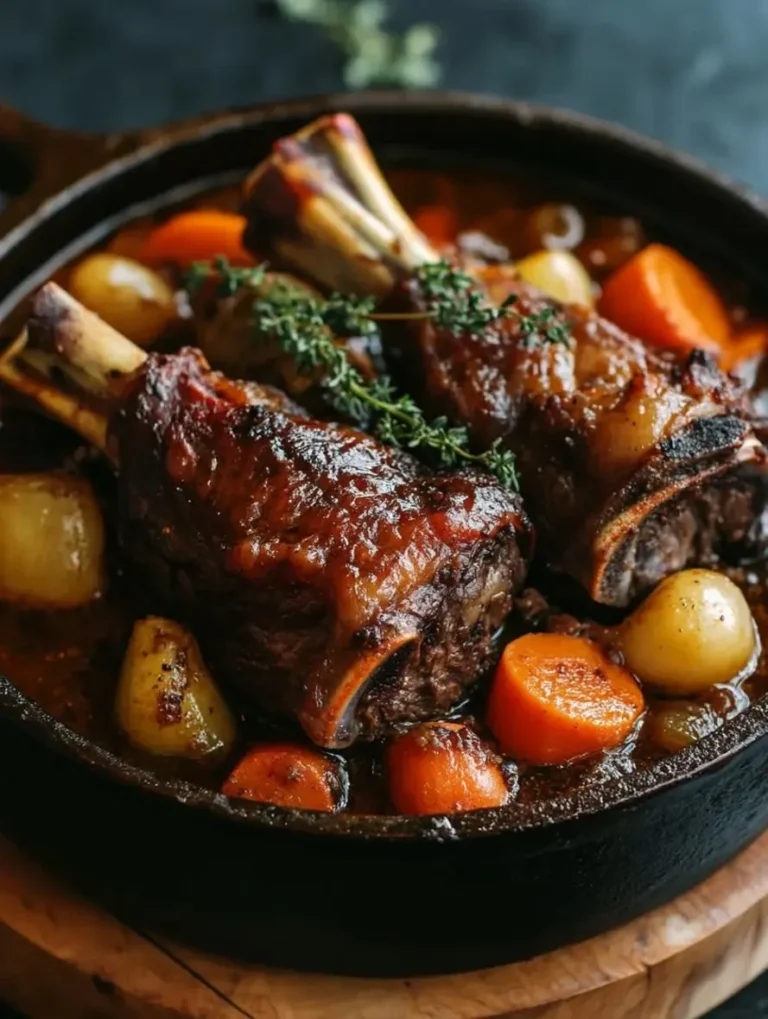
Rustic Slow-Braised Lamb Shanks in Rich Herb-Infused Gravy with Seasonal Vegetables
Savory slow-braised lamb shanks with a rich herb gravy and seasonal vegetables, followed by thick pan juices.
- Total Time: 3 hrs 20 mins
- Yield: 4 1x
Ingredients
- 4 lamb shanks
- 2 tablespoons olive oil
- 1 large onion, diced
- 3 cloves garlic, minced
- 2 carrots, sliced
- 2 celery stalks, sliced
- 2 cups baby potatoes, halved
- 1 red bell pepper, chopped
Instructions
- Step 1: Season lamb shanks with salt and pepper. Heat olive oil in a heavy pot over medium-high heat and brown shanks on all sides. Remove and set aside.
- Step 2: In the same pot, sauté onion and garlic until fragrant, about 2 minutes. Add carrots, celery, potatoes, and bell pepper. Cook for 5 minutes.
- Step 3: Return lamb shanks to the pot. Add 2 cups of beef broth or water, along with fresh rosemary, thyme, and bay leaves. Bring to a simmer.
- Step 4: Cover and cook on low heat for 2.5 to 3 hours, or until lamb is tender and falling off the bone. Adjust seasoning as needed.
- Step 5: Serve lamb shanks with vegetables and rich pan juices.
Notes
For a thicker gravy, mix 2 tablespoons of cornstarch with 2 tablespoons of cold water and stir into the pot during the last 15 minutes of cooking.
- Prep Time: 20 mins
- Cook Time: 3 hrs
- Method: Main Course
- Cuisine: Mediterranean
Nutrition
- Calories: 850 kcal
- Sugar: 8 g
- Fat: 54 g
- Carbohydrates: 22 g
- Protein: 68 g
Tried This Recipe? Leave a Comment!
Did you make this recipe? I’d love to hear how it turned out! Please leave a comment and a rating below. Your feedback helps other home cooks and supports cheerychop.com!
For more delicious inspiration, follow me on Pinterest!