Creamy Slow-Cooked Thai Yellow Curry Chicken Recipe
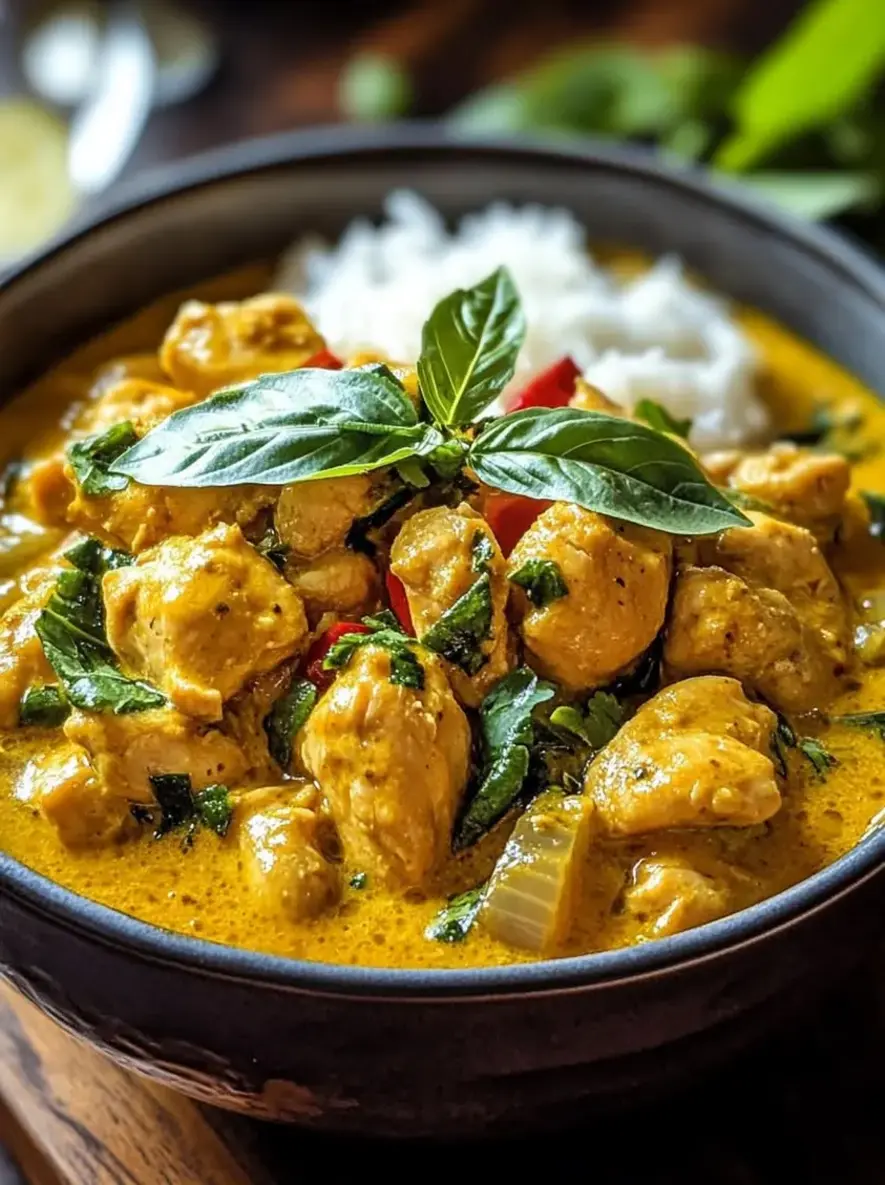
Table of Contents
Slow-Cooked Thai Yellow Curry Chicken with Coconut Cream, Tender Vegetables, and Aromatic Jasmine Rice – Rich, Creamy & Foolproof

I still remember the first time I made a slow-cooked Thai yellow curry chicken that truly transported me. It was a gray, drizzly afternoon in my New York City kitchen, and I had just returned from a morning at the Union Square Greenmarket. The air smelled of wet pavement and roasting spices from a nearby café. I wanted something warm, deeply fragrant, and hands-off — something that would fill my apartment with the kind of aroma that makes neighbors stop and ask, “What are you cooking?” This Thai yellow curry chicken recipe is exactly that. It’s the one I turn to when I need a bowl of pure comfort after a long week of recipe testing, and it never fails to deliver. The slow cooker does all the heavy lifting, turning simple ingredients into a golden, coconut-infused curry that tastes like it simmered all day in a Bangkok market stall. With tender chicken thighs, hearty Yukon Gold potatoes, and sweet carrots all bathed in a luxuriously creamy coconut sauce, this slow cooker yellow curry has become a staple in my home — and I know it will be in yours too.
What makes this coconut curry chicken so special is the way the flavors build and deepen over hours of gentle cooking. The yellow curry paste — with its warm turmeric, fragrant coriander, and subtle lemongrass — slowly infuses every bite of chicken and every wedge of potato. The coconut milk, which I always use full-fat for the silkiest texture, mellows the spice and adds a sweetness that balances the savory notes of fish sauce and garlic. Each spoonful is a study in contrasts: the richness of the cream, the brightness of fresh lime stirred in at the very end, the tender give of slow-cooked vegetables, and the aromatic jasmine rice that soaks up every drop of that golden sauce. It’s the kind of meal that makes you close your eyes on the first bite. And because it all comes together in a slow cooker, you get that deep, complex flavor without standing over a hot stove. I’ve tested this recipe a dozen times to get the balance just right — the perfect ratio of broth to coconut milk, the ideal cook time for fall-apart chicken, and the vegetables that hold their shape without turning to mush.
I learned the art of building layered sauces during my years training at Le Cordon Bleu in Paris, where we spent weeks on nothing but the mother sauces — velouté, béchamel, espagnole, tomato, and hollandaise. But my understanding of curry comes from a different place: my mother’s kitchen in Morocco, where we’d slow-cook tagines with saffron, cinnamon, and preserved lemons until the meat was so tender it fell apart at the touch of a fork. This Thai yellow curry with jasmine rice is my homage to both worlds — the French discipline of a well-built sauce and the North African love of slow-simmered, deeply spiced comfort. My version has a few special touches: I brown the chicken thighs first (a small step that adds enormous flavor), I sauté the aromatics to wake up their oils, and I finish the curry with a squeeze of fresh lime juice to brighten everything. One common mistake I see home cooks make is adding all the coconut milk at the very beginning and then wondering why the flavor falls flat — I’ll show you exactly when to add it for the best result. Whether you’re new to Thai cooking or a seasoned curry lover, this recipe is designed to be foolproof. Let me walk you through every step.
Why This Slow-Cooked Thai Yellow Curry Chicken Recipe Is the Best
The Flavor Secret: This isn’t your average dump-and-stir slow cooker curry. By taking a few extra minutes to brown the chicken and sauté the aromatics before they go into the pot, you build a foundation of flavor that simply can’t be achieved any other way. The Maillard reaction on the chicken thighs adds deep, savory notes that complement the yellow curry paste’s warm turmeric and coriander. I also bloom the curry paste with the garlic and ginger in the hot pan — a technique I learned in Paris for developing spice pastes — which unlocks their full aromatic potential. The result is a curry that tastes layered and complex, not flat or one-dimensional.
Perfected Texture: Getting the texture right in a slow cooker curry is a balancing act. Too much liquid and you end up with soup. Too little and the sauce reduces into something thick and heavy. I’ve tested this recipe to find the sweet spot: one can of full-fat coconut milk plus one cup of chicken broth creates a sauce that’s luxuriously creamy but still light enough to coat the back of a spoon. The Yukon Gold potatoes break down just slightly, naturally thickening the curry, while the carrots and bell pepper retain a gentle bite. If you prefer an even thicker curry, I’ve included my foolproof cornstarch slurry trick in the recipe notes.
Foolproof & Fast: Despite its rich, complex flavor, this recipe is remarkably forgiving. You can cook it on low for 6–7 hours or on high for 3–4 hours depending on your schedule. The chicken thighs are nearly impossible to overcook — they only get more tender the longer they simmer. And the ingredient list is built around items you can find at any well-stocked US grocery store. I tested this with brands available at my local NYC supermarket so you don’t need to hunt down specialty ingredients. Whether you’re feeding a family on a busy weeknight or meal-prepping for the week ahead, this slow-cooked Thai yellow curry chicken delivers every time.
Slow-Cooked Thai Yellow Curry Chicken Ingredients
When I shop for this recipe, I head straight to my favorite Asian market on Mott Street in Chinatown for the yellow curry paste — but I’ve also made it with brands from Whole Foods and it turns out beautifully every time. The key is choosing the right ingredients and knowing a few smart substitutions. Here’s everything you’ll need to make this Thai yellow curry chicken recipe come to life.
Ingredients List
- 2 lbs boneless skinless chicken thighs
- 1 tablespoon vegetable oil
- 1 medium onion, sliced
- 3 carrots, sliced into rounds
- 2 Yukon Gold potatoes, diced
- 1 red bell pepper, sliced
- 4 cloves garlic, minced
- 1 tablespoon fresh ginger, grated
- 3 tablespoons Thai yellow curry paste
- 1 can (14 oz) coconut milk, full-fat
- 1 cup chicken broth
- 1 tablespoon fish sauce
- 1 tablespoon brown sugar
- 1 teaspoon turmeric
- 1 teaspoon curry powder
- 1/2 teaspoon salt
- 1/4 teaspoon black pepper
- Juice of 1 lime
- Cooked jasmine rice, for serving
- Fresh cilantro and sliced red chiles (optional, for garnish)
Ingredient Spotlight
Thai Yellow Curry Paste: This is the heart of the dish. Look for a brand that lists lemongrass, galangal, turmeric, and shrimp paste as the first ingredients — Mae Ploy and Thai Kitchen are my go-to brands available in most US supermarkets. Yellow curry paste is milder than red or green, with a warm, earthy sweetness from turmeric. If you can’t find it, you can substitute with 2 tablespoons of curry powder mixed with 1 teaspoon of turmeric and a pinch of cayenne, though the flavor will be less complex.
Coconut Milk: Please use full-fat coconut milk for the creamiest result. Light coconut milk will work in a pinch but the sauce will be thinner and less luxurious. I recommend shaking the can well before opening to incorporate the cream that rises to the top. If you want an extra-rich curry, use two cans of coconut milk and omit the chicken broth — but I find the single can with broth creates the perfect balance of richness and drinkability.
Chicken Thighs: Boneless, skinless chicken thighs are ideal for slow cooking because their higher fat content keeps them moist and tender even after hours of simmering. You can substitute boneless skinless chicken breasts, but reduce the cook time to 4–5 hours on low or 2–3 hours on high to prevent them from drying out. For an even richer flavor, use bone-in, skin-on thighs and remove the skin before serving.
Fish Sauce: This is the secret to that authentic savory depth in Thai cooking. It adds umami without tasting “fishy” when used in the right proportion. If you’re vegetarian, substitute with soy sauce or tamari plus a squeeze of lime to mimic the acidity. I prefer Red Boat or Three Crabs brand for their clean, balanced flavor.
| Original Ingredient | Best Substitution | Flavor / Texture Impact |
|---|---|---|
| Chicken Thighs | Chicken Breasts (reduce cook time) | Less tender, slightly drier; still delicious |
| Thai Yellow Curry Paste | Curry powder + turmeric + cayenne | Less depth, more one-dimensional spice |
| Coconut Milk (full-fat) | Light coconut milk | Thinner sauce, less creamy richness |
| Fish Sauce | Soy sauce + lime juice (for vegetarians) | Different umami profile; still savory |
| Yukon Gold Potatoes | Sweet potatoes or butternut squash | Sweeter, softer texture; pairs well with curry |
How to Make Slow-Cooked Thai Yellow Curry Chicken — Step-by-Step
I promise you, this is one of the most forgiving and rewarding recipes you’ll ever make. Even if you’re new to slow cooking or Thai flavors, each step is designed to build confidence and delicious results. Let’s get started.
Step 1: Brown the Chicken
Heat 1 tablespoon of vegetable oil in a large skillet over medium-high heat. Pat the chicken thighs dry with paper towels (this is crucial for a good sear) and season them lightly with salt and pepper. Working in batches if needed to avoid crowding the pan, cook the chicken for about 4 minutes per side, until deeply golden brown. Transfer the browned thighs to your slow cooker. Don’t skip this step — the browned bits left in the pan are pure flavor gold.
💡 Stella’s Pro Tip: Don’t move the chicken around once it hits the pan. Let it sit undisturbed for a full 4 minutes so a beautiful golden crust forms. If you try to flip it too soon, it will stick to the pan.
Step 2: Sauté the Vegetables
In the same skillet (don’t wipe it clean — all those browned bits are flavor), add the sliced onion and minced garlic. Sauté over medium heat for 2 minutes, scraping up the fond from the bottom of the pan. Add the sliced carrots, diced Yukon Gold potatoes, and sliced red bell pepper, and cook for 3 more minutes, stirring occasionally. The vegetables should start to soften slightly and take on a bit of color. Transfer everything to the slow cooker, on top of the chicken.
⚠️ Common Mistake to Avoid: Overcrowding the pan when sautéing. If you add all the vegetables at once, they’ll steam instead of brown. Cook them in the same pan after the chicken, which gives them just enough heat to caramelize without becoming mushy in the slow cooker.
Step 3: Make the Curry Sauce
In a small bowl, whisk together the full-fat coconut milk, chicken broth, fish sauce, brown sugar, turmeric, curry powder, salt, and black pepper. Whisk until the curry paste is fully incorporated and the mixture is smooth and golden. Pour this sauce over the chicken and vegetables in the slow cooker, making sure everything is mostly submerged. Give the pot a gentle stir to distribute the sauce evenly.
💡 Stella’s Pro Tip: For the best flavor, spoon a few tablespoons of the hot sauce into a small bowl and whisk in the yellow curry paste first before adding it to the slow cooker. This “tempering” step ensures the paste dissolves completely without clumps, so every bite is perfectly seasoned.
Step 4: Slow Cook to Perfection
Cover the slow cooker and set it to low for 6–7 hours or high for 3–4 hours. The chicken is done when it’s fork-tender and easily shreds with two forks. The potatoes should be soft but not falling apart, and the carrots should yield easily when pierced. About 30 minutes before serving, if you’d like a thicker curry, mix 1 tablespoon of cornstarch with 2 tablespoons of cold water and stir the slurry into the slow cooker. Let it cook uncovered for the final 30 minutes to thicken.
⚠️ Common Mistake to Avoid: Lifting the lid too often! Every time you open the slow cooker, you release heat and add 15–20 minutes to the cook time. Resist the urge to peek — trust the process and let the gentle heat do its work.
Step 5: Finish and Serve
Just before serving, stir in the juice of 1 fresh lime. This brightens the entire dish and balances the richness of the coconut milk. Taste and adjust seasoning with a pinch more salt or a dash more fish sauce if needed. Serve the curry over a generous scoop of cooked jasmine rice, spooning extra sauce over the top. Garnish with fresh cilantro leaves and sliced red chiles if you like a little heat. I also love adding a handful of fresh basil or mint for an extra layer of freshness.
💡 Stella’s Pro Tip: Cook your jasmine rice with a cinnamon stick and a star anise for a subtly aromatic base that complements the Thai yellow curry beautifully. It’s a small touch that makes a big impression.
| Step | Action | Duration | Key Visual Cue |
|---|---|---|---|
| 1 | Brown chicken thighs | 8 mins (4 per side) | Deep golden-brown crust |
| 2 | Sauté vegetables | 5 mins | Onion translucent, potatoes slightly golden |
| 3 | Whisk and add curry sauce | 5 mins | Smooth, golden, no lumps |
| 4 | Slow cook | 6–7 hrs (low) / 3–4 hrs (high) | Chicken shreds easily, potatoes tender |
| 5 | Stir in lime juice and serve | 2 mins | Sauce brightens, aroma lifts |
Serving & Presentation
I love serving this coconut curry chicken family-style, with a big bowl of jasmine rice and the curry in a deep serving dish so everyone can help themselves. The way the golden sauce pools around the rice and the tender chicken thighs peek through the vegetables is pure comfort on a plate. For a finishing touch that feels special, I sprinkle fresh cilantro leaves, sliced red chiles, and a few torn basil leaves over the top. A wedge of lime on the side lets everyone add an extra squeeze if they want more brightness.
When I’m entertaining — which I love to do in my Brooklyn apartment with its tiny but mighty kitchen — I set up a mini curry bar with bowls of crushed peanuts, crispy fried shallots, fresh herbs, and extra lime wedges. It’s a nod to the Thai street food stalls I’ve visited and also to the Moroccan tradition of setting out bowls of toppings so everyone can customize their plate. For a weeknight dinner at home with my family, I keep it simple: a generous scoop of rice, a ladle of curry, and a sprinkle of cilantro. Pair it with a simple cucumber salad or some steamed bok choy for a complete meal that comes together with almost no extra effort.
At my neighborhood farmers market in NYC, I always grab a bunch of Thai basil or mint when it’s in season — both add a wonderful fresh contrast to the rich curry. And if I have leftover Roti or naan bread from a weekend grocery run, I’ll warm it up for dipping into the sauce. Trust me, you don’t want to waste a single drop of that golden coconut broth.
| Pairing Type | Suggestions | Why It Works |
|---|---|---|
| Side Dish | Steamed bok choy, cucumber salad, or roasted green beans | Light, fresh vegetables balance the rich curry sauce |
| Sauce / Dip | Extra lime wedges, sriracha, or sweet chili sauce | Adds heat and acidity to brighten each bite |
| Beverage | Crisp lager, Sauvignon Blanc, or iced jasmine green tea | Clean, refreshing drinks cut through the coconut richness |
| Garnish | Cilantro, basil, mint, sliced red chiles, crispy shallots | Herbs add freshness; chiles add heat; shallots add crunch |
Make-Ahead, Storage & Reheating
This slow cooker yellow curry is a meal-prepper’s dream. I often make a double batch on Sunday and portion it out for lunches throughout the week. The flavors actually deepen and improve after a day or two in the fridge, so don’t be afraid to make it ahead. Here’s how I store and reheat mine for the best results, whether I’m packing it for work or reheating a quick dinner after a busy day of recipe testing.
| Method | Container | Duration | Reheating Tip |
|---|---|---|---|
| Refrigerator | Airtight glass container | Up to 5 days | Reheat gently on stovetop with a splash of water or broth; avoid microwave if possible |
| Freezer | Freezer-safe zip bag or container | Up to 3 months | Thaw overnight in the fridge, then reheat on stovetop over medium-low heat |
| Make-Ahead | Slow cooker insert (refrigerated) | Up to 2 days in advance | Reheat on low in the slow cooker for 1–2 hours, or portion into individual containers |
One thing I’ve learned from years of meal-prepping in my NYC kitchen: store the curry and the rice separately. If you combine them, the rice will soak up all the sauce and become mushy. I like to reheat the curry in a small saucepan over medium-low heat, adding a splash of chicken broth or water to loosen the sauce if it has thickened in the fridge. The lime juice is best added fresh after reheating, so I wait to squeeze the lime until just before serving. This keeps the bright, citrusy note from fading during storage.
For busy mornings, I portion the curry into glass containers with a separate small container of cooked jasmine rice. Then I just grab one on my way out the door — lunch is ready in 2 minutes in the office microwave. I always pack an extra lime wedge and a sprinkle of fresh cilantro to revive the flavors right before eating. It makes a world of difference.
Variations & Easy Swaps
One of the things I love most about this Thai yellow curry chicken recipe is how adaptable it is. Whether you’re cooking for dietary restrictions, using up what’s in your fridge, or just looking for a new twist, there’s a variation here for you. I’ve tested all of these in my own kitchen, so you can trust they’ll work beautifully.
| Variation | Key Change | Best For | Difficulty Impact |
|---|---|---|---|
| Vegetarian Version | Replace chicken with tofu and chickpeas; use vegetable broth | Meatless Monday, plant-based meals | Easy |
| Gluten-Free & Dairy-Free | Already gluten and dairy-free — use tamari instead of soy sauce | Gluten-free, dairy-free diets | No change (already compliant) |
| Spicy Thai-Inspired Twist | Add 1–2 bird’s eye chiles, extra ginger, and a splash of fish sauce | Heat lovers, authentic Thai flavor seekers | Easy |
Vegetarian Version
For a plant-based take on this slow-cooked Thai yellow curry chicken, simply swap the chicken for 1 block of extra-firm tofu (pressed, cubed, and pan-seared until golden) and 1 can of drained chickpeas. Use vegetable broth in place of chicken broth and substitute soy sauce or tamari for the fish sauce. The tofu adds a wonderful texture that holds up well in the slow cooker, while the chickpeas bring heartiness and a subtle nuttiness. I love adding a handful of baby spinach in the last 15 minutes of cooking for a pop of green. This version reminds me of the vegetable tagines my mother would make on Fridays in Morocco — loaded with chickpeas and warm spices, served with crusty bread for soaking up every drop.
Gluten-Free & Dairy-Free
The great news is that this recipe is naturally gluten-free and dairy-free, as written! The only potential source of gluten is in some brands of yellow curry paste (a few contain wheat-based thickeners), so just check the label — Mae Ploy and Thai Kitchen are both gluten-free. If you’re using soy sauce as a substitute for fish sauce, opt for tamari or a certified gluten-free soy sauce. The coconut milk provides all the creaminess you need without any dairy. This variation is perfect for anyone with food sensitivities, and honestly, no one will miss a thing — the curry is so rich and satisfying that it’s impossible to tell it’s free of gluten and dairy.
Spicy Thai-Inspired Twist
If you love heat as much as I do, this variation is for you. Add 1–2 fresh bird’s eye chiles (sliced lengthwise) along with the vegetables, plus an extra tablespoon of grated ginger and an additional teaspoon of turmeric. For even more depth, stir in 1 teaspoon of shrimp paste (if you’re not vegetarian) and a splash of extra fish sauce. The slow cooking mellows the chiles’ raw heat, so the spice builds gradually and doesn’t overwhelm. Garnish with extra sliced chiles and Thai basil for a bowl that’s as vibrant as it is fiery. I like to serve this version with a simple cucumber-yogurt relish on the side — a trick I picked up from a Thai chef in Paris who used it to balance the heat in his curries.
What is the best way to thicken a Thai yellow curry when cooking it in a slow cooker?
The best way to thicken a Thai yellow curry in a slow cooker is to use a cornstarch slurry — mix 1 tablespoon of cornstarch with 2 tablespoons of cold water until smooth, then stir it into the curry about 30 minutes before you plan to serve. Let it cook uncovered for that final half hour so the sauce can reduce and thicken to a silky, coat-the-spoon consistency. Alternatively, you can mash some of the cooked potatoes against the side of the slow cooker to release their natural starch, which will thicken the sauce without any additional ingredients. Another option is to remove the lid during the last 30–45 minutes of cooking to let some of the liquid evaporate, though this works best on low heat to avoid drying out the chicken.
Can I substitute chicken thighs for chicken breasts in this slow-cooked Thai yellow curry recipe?
Yes, you can absolutely substitute boneless skinless chicken breasts for the thighs in this slow-cooked Thai yellow curry recipe, but you’ll need to adjust the cook time to prevent the breasts from drying out. Chicken breasts are leaner and cook faster, so reduce the slow cook time to 4–5 hours on low or 2–3 hours on high. I recommend checking for doneness at the 4-hour mark on low — the chicken should be cooked through and tender but not falling apart. For the best results, consider cutting the breasts into 2-inch chunks rather than leaving them whole, which helps them cook more evenly. If you do use breasts, I suggest adding an extra tablespoon of coconut milk or a drizzle of olive oil to compensate for the lower fat content, ensuring the meat stays moist and succulent.
How long should I cook Thai yellow curry chicken in a slow cooker on low versus high heat?
For this Thai yellow curry chicken recipe, you have two reliable slow cooker options. On low heat, cook for 6–7 hours — this is my preferred method because the longer, gentler cooking allows the flavors to meld and deepen, and the chicken thighs become exceptionally tender. On high heat, cook for 3–4 hours if you’re short on time. Both methods work well, but I find the low-and-slow approach creates a slightly more complex sauce with a richer mouthfeel. Whichever setting you choose, the chicken is done when it’s fork-tender and easily shreds, and the potatoes should be soft but still hold their shape. Always check the internal temperature of the chicken (165°F is the safe minimum) and adjust the cook time based on your slow cooker model — some run hotter than others.
Should I add the coconut cream at the beginning or at the end of slow cooking for the best flavor?
For the best flavor and texture in this slow-cooked Thai yellow curry, I recommend adding the full can of coconut milk at the beginning along with the chicken broth and seasonings. This allows the coconut milk to fully incorporate into the sauce, mellow the spices, and create a cohesive, creamy base that coats every ingredient. However, if you want an extra layer of richness, you can reserve a few tablespoons of the thick coconut cream from the top of the can and stir it in just before serving — this adds a luxurious, almost velvety finish and a beautiful swirl of white against the golden curry. I use this technique when I’m serving the dish for company or when I want an especially decadent presentation. For everyday cooking, adding it all at the start works perfectly and simplifies the process.
Can I freeze leftover Thai yellow curry chicken?
Yes, this Thai yellow curry chicken freezes beautifully for up to 3 months. The sauce, chicken, and vegetables all maintain their texture well when frozen and thawed properly. I recommend cooling the curry completely before transferring it to freezer-safe containers or zip-top bags — leave a little headroom for expansion. For best results, freeze the curry and the jasmine rice separately so the rice doesn’t become mushy when reheated. When you’re ready to enjoy it, thaw the curry overnight in the refrigerator, then reheat gently on the stovetop over medium-low heat, adding a splash of chicken broth or water to loosen the sauce if needed. The lime juice is best added fresh after reheating to restore that bright, citrusy note. I often make a double batch just for the freezer, knowing I’ll have a comforting meal ready on a busy evening.
What vegetables go best with Thai yellow curry chicken?
This Thai yellow curry chicken pairs wonderfully with a variety of vegetables that hold up well during slow cooking. My go-to combination includes Yukon Gold potatoes (which break down slightly to thicken the sauce), carrots (for natural sweetness), and red bell pepper (for color and a gentle crunch). Other excellent options include sweet potatoes, butternut squash, green beans, bamboo shoots, and cauliflower florets — all of which absorb the curry’s flavors beautifully. For a pop of freshness, I often stir in a handful of baby spinach or chopped bok choy during the last 15–20 minutes of cooking, just until wilted. Zucchini and yellow squash also work well but should be added in the final hour to prevent them from becoming mushy. The key is choosing vegetables that complement the warm, aromatic notes of the yellow curry paste.
Is Thai yellow curry spicy? How can I adjust the heat level?
Thai yellow curry is typically the mildest of the Thai curries, with a warm, earthy warmth rather than intense heat. The spiciness comes primarily from the yellow curry paste, which contains turmeric, coriander, lemongrass, galangal, and a small amount of dried red chiles. In this recipe, 3 tablespoons of curry paste creates a mild-to-medium heat that most palates find very approachable. To adjust the heat level, you have several options: for a milder curry, reduce the curry paste to 2 tablespoons and add an extra teaspoon each of turmeric and curry powder to maintain the color and flavor without additional spice; for a spicier version, increase the curry paste to 4–5 tablespoons or add 1–2 fresh bird’s eye chiles, sliced, along with the vegetables. I also recommend serving extra lime wedges and fresh herbs like cilantro or basil, which help balance and cool any heat.
What is the difference between Thai yellow curry paste and red or green curry paste?
The main difference between Thai curry pastes lies in their primary ingredients and heat level. Yellow curry paste gets its characteristic golden color from turmeric, which also gives it a warm, earthy, and mildly spicy flavor — it’s the mildest of the three. Red curry paste is made with dried red chiles, which give it a deeper, spicier profile and a vibrant red color, along with ingredients like shallots, garlic, galangal, and shrimp paste. Green curry paste is the spiciest, made with fresh green chiles, cilantro root, lemongrass, and kaffir lime zest, resulting in a bright, herbaceous, and intensely hot flavor. Each paste brings a unique personality to a dish, and while they can sometimes be used interchangeably in a pinch, the flavor profile will be noticeably different. For this slow-cooked Thai yellow curry chicken, I recommend sticking with yellow curry paste for its gentle warmth and beautiful golden hue.
Share Your Version!
I absolutely love hearing how this slow-cooked Thai yellow curry chicken turns out in your kitchen! Did you stick with the classic version, or try one of the variations? Maybe you discovered a new vegetable combination or a clever shortcut — I want to hear all about it. Drop a star rating and a comment below, and let me know what you thought. Your feedback helps other home cooks decide to try the recipe, and it always makes my day to see your photos and stories.
If you share a photo on Instagram or Pinterest, please tag @leosfoods so I can see your beautiful creation and share it with our community of curry lovers. I’m especially curious — did you go with the cornstarch slurry for a thicker sauce, or did you let the potatoes do the work for you? And if you tried the spicy Thai-inspired twist with bird’s eye chiles, I want to know how much heat you added. Your adventures in the kitchen inspire me every single day. From my NYC kitchen to yours — I hope this recipe brings as much warmth to your table as it does to mine. — Stella 🧡
Love This Recipe? Save It to Pinterest!
If you enjoyed this Slow-Cooked Thai Yellow Curry Chicken with Coconut Cream, Tender Vegetables, and Aromatic Jasmine Rice recipe, don’t let it get lost in your browser tabs! 😄 Pin it now so you can find it again anytime — and explore hundreds more tried-and-tested recipes waiting for you on my Pinterest boards.
👉 Follow Stella on Pinterest @stellarecipeblog
📌 Pin this recipe · 🔁 Re-pin your favorites · 💬 Tag me when you make it — I love seeing your creations!
💬 Did you make this recipe?
I’d love to hear how it turned out! Leave a comment below, rate the recipe, and tag me in your photos @leosfoods on Instagram. Your star rating helps other home cooks find and trust this recipe — thank you! ⭐⭐⭐⭐⭐
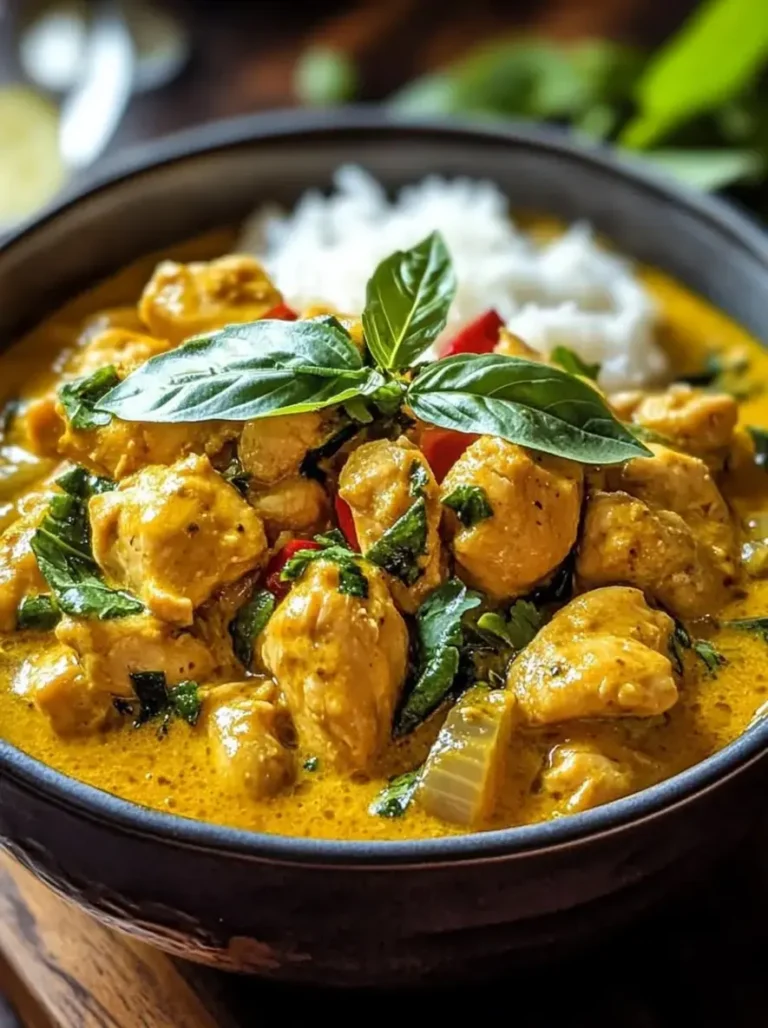
Slow-Cooked Thai Yellow Curry Chicken with Coconut Cream, Tender Vegetables, and Aromatic Jasmine Rice
This slow-cooked Thai yellow curry is rich, creamy, and deeply flavorful, with tender chicken, sweet potatoes, and aromatic jasmine rice. The yellow curry paste, coconut milk, and a touch of fish sauce create a perfect balance of spice and savory.
- Total Time: 6 hours 20 minutes
- Yield: 6 1x
Ingredients
- 2 lbs boneless skinless chicken thighs
- 1 tablespoon vegetable oil
- 1 medium onion, sliced
- 3 carrots, sliced into rounds
- 2 Yukon Gold potatoes, diced
- 1 red bell pepper, sliced
- 4 cloves garlic, minced
- 1 tablespoon fresh ginger, grated
- 3 tablespoons Thai yellow curry paste
- 1 can (14 oz) coconut milk
- 1 cup chicken broth
- 1 tablespoon fish sauce
- 1 tablespoon brown sugar
- 1 teaspoon turmeric
- 1 teaspoon curry powder
- 1/2 teaspoon salt
- 1/4 teaspoon black pepper
- Juice of 1 lime
Instructions
- Heat oil in a large skillet over medium-high heat. Brown chicken thighs on both sides, about 4 minutes per side. Transfer to slow cooker.
- In the same skillet, sauté onion and garlic for 2 minutes. Add carrots, potatoes, and bell pepper; cook for 3 more minutes. Transfer vegetables to slow cooker.
- In a small bowl, whisk together coconut milk, chicken broth, fish sauce, brown sugar, turmeric, curry powder, salt, and pepper. Pour over chicken and vegetables.
- Cover and cook on low for 6-7 hours (or high for 3-4 hours) until chicken is tender.
- Stir in lime juice just before serving. Serve over cooked jasmine rice.
Notes
For a thicker curry, mix 1 tablespoon cornstarch with 2 tablespoons cold water and stir into the slow cooker 30 minutes before serving. Garnish with fresh cilantro and sliced red chiles.
- Prep Time: 20 minutes
- Cook Time: 6 hours
- Method: Main Course
- Cuisine: Thai
Nutrition
- Calories: 485 kcal
- Sugar: 9 g
- Fat: 22 g
- Carbohydrates: 38 g
- Protein: 35 g
Tried This Recipe? Leave a Comment!
Did you make this recipe? I’d love to hear how it turned out! Please leave a comment and a rating below. Your feedback helps other home cooks and supports cheerychop.com!
For more delicious inspiration, follow me on Pinterest!