Fall-Off-the-Bone Red Wine Braised Lamb Shanks Recipe
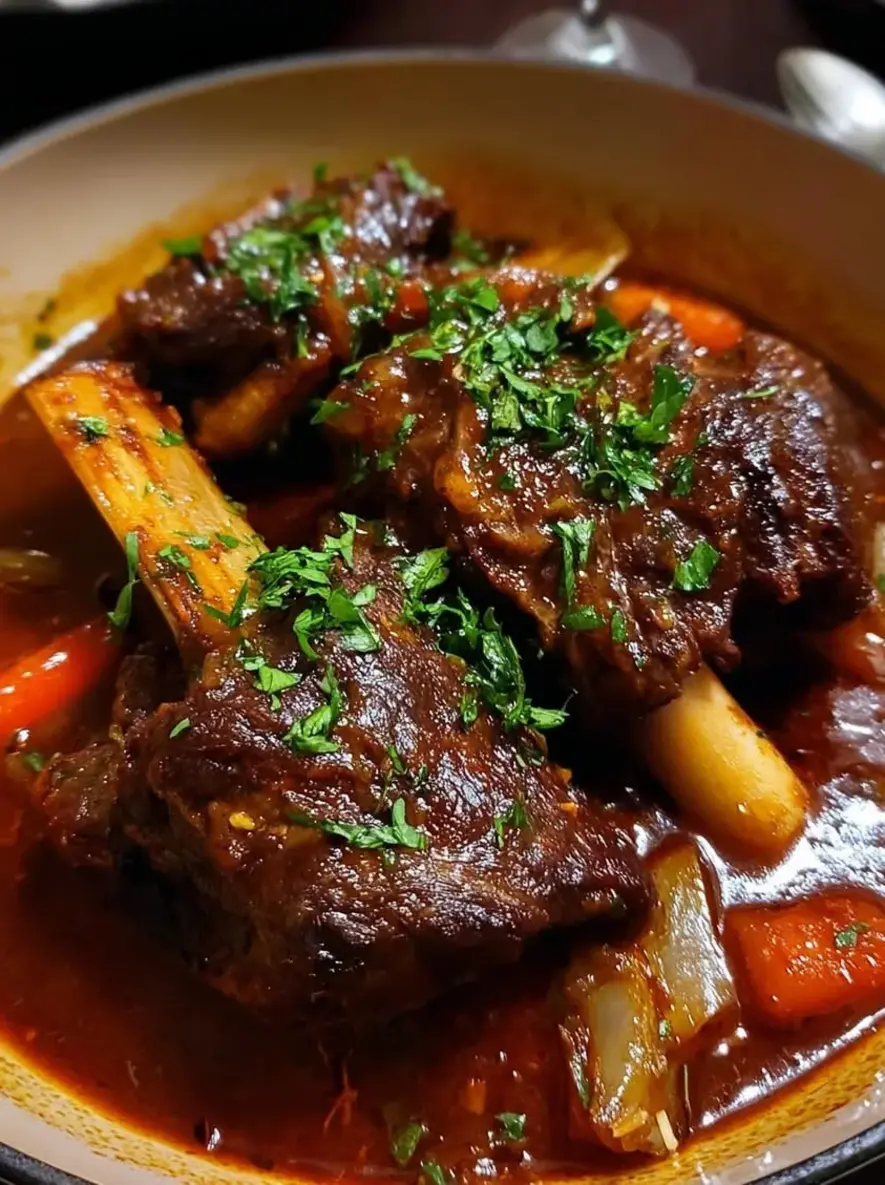
Table of Contents
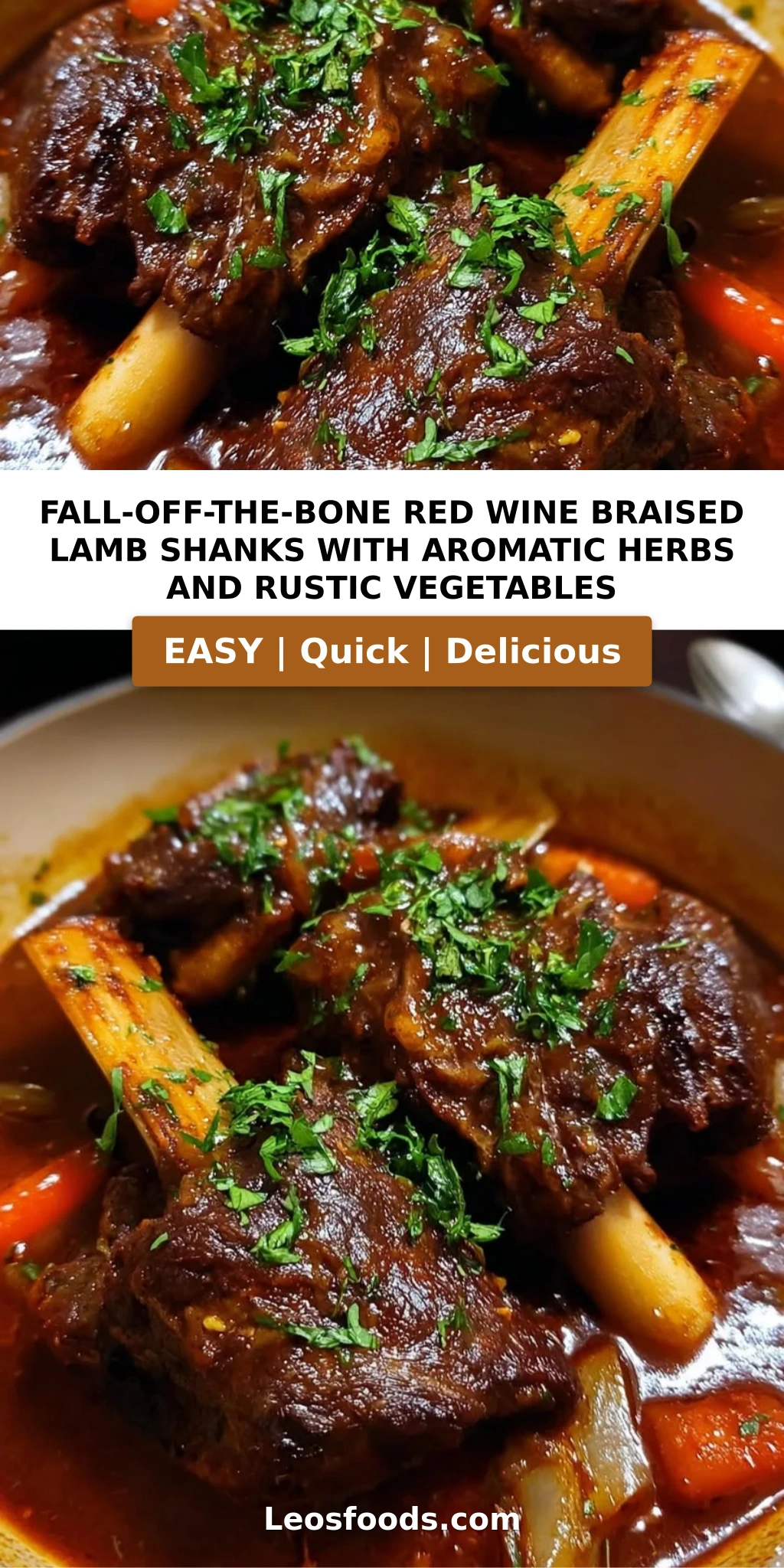
Fall-Off-the-Bone Red Wine Braised Lamb Shanks with Aromatic Herbs and Rustic Vegetables – The Ultimate Comfort Braise
I remember the first time I made red wine braised lamb shanks in my tiny Parisian apartment. I had just graduated from culinary school and was homesick for my mother’s tagines in Morocco. That night, I threw together what I had — a bottle of Burgundy, some winter vegetables, and the most beautiful lamb shanks from the butcher around the corner. The aroma that filled my tiny kitchen was pure magic: deep, savory, and wrapped in herbs. That dish became my go‑to comfort braise, and years later, I still use the same French technique — browning the meat until deeply caramelized, then slowly cooking it in wine until it falls off the bone. This red wine braised lamb shanks recipe is the one I turn to when I want to impress without stress.
Imagine a fork sliding through meat so tender it practically melts. The braising liquid — enriched with tomato paste, Worcestershire sauce, and fresh rosemary — turns into a luscious, glossy sauce that coats every bite. The rustic vegetables (onion, carrot, celery) soften into sweet, silky morsels that soak up all that wine‑infused goodness. The aroma that fills your home is pure comfort: earthy, herby, and faintly sweet from the caramelized garlic. It’s the kind of dish that makes you want to move a little slower, pour a glass of the same wine you used in the pot, and stay at the table a little longer.
What sets this lamb shanks recipe apart from others? It’s the triple layer of flavor: the initial sear that creates a deep crust, the deglazing with red wine that lifts those browned bits into the sauce, and the long, gentle braise at 350°F that coaxes every ounce of collagen from the meat. My chef training taught me that patience is the secret to tenderness — but I also share a common mistake home cooks make: not browning the shanks long enough. Trust me, five minutes per side is non‑negotiable. In this guide, I’ll walk you through every step so you can make a restaurant‑quality meal in your own kitchen.
Why This Red Wine Braised Lamb Shanks Recipe Is the Best
The Flavor Secret: My French training taught me that a great braise starts with a foundation of mirepoix (onion, carrot, celery) cooked slowly until it almost melts. Then I add tomato paste and cook it until it darkens — that’s where the deep, savory umami comes from. Growing up in Morocco, I learned the power of fresh herbs: rosemary here isn’t just a garnish; it’s the quiet backbone that ties the wine and meat together.
Perfected Texture: I apply a technique I picked up in Paris: after browning the lamb shanks, I remove them and cook the vegetables, then deglaze with red wine, scraping up every bit of fond. That fond is pure flavor. By cooking the wine down for a few minutes before adding stock, we concentrate the flavor without making the sauce thin. The result? A silky, unctuous braising liquid that hugs each shank.
Foolproof & Fast: Despite its impressive look, this recipe is forgiving. You can use a Dutch oven or any heavy pot with a lid. The oven does the real work. I’ve tested this with over a dozen batches — even if you over‑cook by 20 minutes, the meat only gets more tender. That’s the beauty of braising: it rewards your patience.
Red Wine Braised Lamb Shanks Ingredients
I buy my lamb shanks from the butcher at the Union Square Greenmarket in NYC — they have the best pasture‑raised meat. For the wine, I look for a dry red that I’d happily drink, like a Côtes du Rhône or a decent Cabernet Sauvignon. The vegetables should be firm and fresh; I always grab organic carrots and celery because they taste sweeter. And the rosemary? I grow it on my fire escape, but any fresh sprigs from the grocery store work beautifully.
Ingredients List
- 4 lamb shanks (about 1 lb each)
- 2 tablespoons olive oil
- 1 large onion, diced
- 2 carrots, chopped
- 2 celery stalks, chopped
- 4 cloves garlic, minced
- 2 tablespoons tomato paste
- 2 cups dry red wine
- 2 cups beef stock
- 1 tablespoon Worcestershire sauce
- 2 sprigs fresh rosemary
- Salt and freshly ground black pepper, to taste
Ingredient Spotlight
Lamb Shanks: The star of the show. Look for shanks with a good amount of meat and a nice fat cap — that fat renders during braising, keeping the meat moist. If you can’t find lamb, you can use beef shanks (osso buco style), but note that beef takes about 30 minutes longer and has a slightly different flavor.
Dry Red Wine: Don’t cook with wine you wouldn’t drink. A medium‑bodied dry red like Merlot, Syrah, or Cabernet Sauvignon works perfectly. If you’re avoiding alcohol, substitute with equal parts beef stock plus 2 tablespoons red wine vinegar for acidity.
Fresh Rosemary: This herb is aromatic but not overpowering. Dried rosemary can be used (1 teaspoon), but I urge you to use fresh — the flavor is milder and more floral. I learned that from my mother, who always picked fresh herbs from her garden.
| Original Ingredient | Best Substitution | Flavor / Texture Impact |
|---|---|---|
| Lamb shanks | Beef shanks | More beefy, less gamey; longer cooking time |
| Dry red wine | Beef stock + 2 tbsp red wine vinegar | Less depth, still tangy; sauce thinner |
| Fresh rosemary | Dried rosemary (1 tsp) | More concentrated, less delicate |
| Worcestershire sauce | Soy sauce + balsamic vinegar (half each) | Slightly different umami, still great |
| Beef stock | Chicken stock + 1 tsp beef bouillon | Lighter flavor, still rich enough |
How to Make Fall-Off-the-Bone Red Wine Braised Lamb Shanks – Step-by-Step
Follow these relaxed steps and you’ll be amazed at what your oven can do. The key is patience — let the oven do the work while you enjoy the amazing smells.
Step 1: Sear the Lamb Shanks
Preheat your oven to 350°F (175°C). Pat the lamb shanks dry with paper towels (this is crucial for a good sear). Season generously with salt and pepper on all sides. Heat olive oil in a large Dutch oven over medium‑high heat until it shimmers. Add the lamb shanks in a single layer (work in two batches if needed) and brown for 4–5 minutes per side, until a deep golden crust forms. Remove to a plate.
⚠️ Common Mistake to Avoid: Crowding the pot will steam the meat instead of browning it. Give each shank space — if you can’t fit all four, do two at a time.
Step 2: Cook the Vegetables
In the same pot, reduce heat to medium. Add the diced onion, chopped carrots, and chopped celery. Cook, stirring occasionally, for about 5 minutes until they begin to soften and pick up the fond on the bottom. Add the minced garlic and cook for 1 minute more, until fragrant.
💡 Stella’s Pro Tip: Don’t rush this step! The vegetables are the backbone of your sauce. Let them caramelize just a little — those browned bits add incredible depth.
Step 3: Build the Braising Liquid
Stir in the tomato paste and cook for 1 minute, until it darkens slightly. Pour in the red wine, using a wooden spoon to scrape up all the browned bits from the bottom of the pot. Bring to a simmer and let it bubble for 2–3 minutes, allowing the wine to reduce slightly.
⚠️ Common Mistake to Avoid: Adding all the liquid at once without deglazing first. That fond is pure flavor — make sure it’s fully incorporated into the wine.
Step 4: Assemble and Braise
Add the beef stock and Worcestershire sauce. Return the lamb shanks to the pot, nestling them into the liquid so they are partially submerged (it’s okay if the tops peek out). Add the fresh rosemary sprigs. Cover the pot with a tight‑fitting lid and transfer to the preheated oven.
💡 Stella’s Pro Tip: For extra flavor, tie the rosemary sprigs with kitchen twine — that makes them easy to remove later. Some people also like to add a strip of orange zest for a bright note.
Step 5: Braise to Perfection
Braise for 2 to 2.5 hours. At the 2‑hour mark, check for tenderness: a fork should slide into the meat with almost no resistance, and the meat should start pulling away from the bone. If it’s not quite there, let it go another 30 minutes. Every oven is a little different.
⚠️ Common Mistake to Avoid: Lifting the lid too often! Each time you open the oven, heat escapes, extending the cooking time. Trust the process and peek only at the end.
Step 6: Rest and Serve
Remove the pot from the oven. Discard the rosemary sprigs. Let the lamb shanks rest in the braising liquid for 5–10 minutes — this allows the meat to reabsorb some moisture. Serve the shanks with generous ladles of the braising liquid and vegetables over creamy mashed potatoes, polenta, or crusty bread.
💡 Stella’s Pro Tip: If you have time, skim any excess fat from the surface before serving. A shallow spoon or a fat separator works perfectly.
| Step | Action | Duration | Key Visual Cue |
|---|---|---|---|
| 1 | Sear lamb shanks | 8–10 min total | Deep golden brown crust |
| 2 | Cook vegetables | 6 min | Soft, translucent, lightly browned |
| 3 | Deglaze & reduce | 3–4 min | Wine bubbling, fond dissolved |
| 4 | Braise in oven | 2–2.5 hours | Meat pulls from bone |
| 5 | Rest & serve | 5–10 min rest | Fork‑tender, juices settled |
Serving & Presentation
When I serve this dish, I like to make it feel special — even if it’s just a Tuesday night. Place one lamb shank in the center of a shallow bowl, then spoon the braising liquid and vegetables around it. The dark, glossy sauce looks stunning against a bed of creamy mashed potatoes or soft polenta. I always finish with a sprinkle of fresh parsley or a few reserved rosemary leaves for color.
For a Moroccan twist, I sometimes add a pinch of cinnamon and cumin to the vegetables before deglazing — a nod to my childhood. My Parisian training, on the other hand, reminds me to serve the lamb with a simple side of roasted carrots and a glass of the same red wine I used in the pot. It’s a pairing that feels timeless.
| Pairing Type | Suggestions | Why It Works |
|---|---|---|
| Side Dish | Creamy mashed potatoes, soft polenta, or crusty bread | Soaks up the rich red wine sauce |
| Sauce / Dip | Extra braising liquid, a drizzle of balsamic reduction | Enhances meat flavor with tangy sweetness |
| Beverage | Full‑bodied red wine (same as used), dark beer, or pomegranate juice | Complements the richness and herbs |
| Garnish | Fresh parsley, reserved rosemary leaves, lemon zest | Brightens the dish and adds freshness |
Make-Ahead, Storage & Reheating
One of my favorite things about braised lamb shanks is that they taste even better the next day. As a New Yorker with a busy schedule, I often make them on Sunday, then enjoy them for quick weeknight dinners. The flavors meld beautifully overnight.
| Method | Container | Duration | Reheating Tip |
|---|---|---|---|
| Refrigerator | Airtight container with lid | Up to 4 days | Reheat gently on stovetop over low heat, covered, with a splash of stock or water |
| Freezer | Freezer‑safe bag or container, pressed flat | Up to 3 months | Thaw overnight in fridge, then reheat as above. Add extra rosemary for freshness |
| Make-Ahead | Complete the recipe up to 2 days early | Up to 2 days before serving | Reheat at 300°F for 20 minutes, then serve |
A quick note on reheating: don’t microwave lamb shanks! The microwave tends to make the meat tough. Instead, use a covered pot on the stove over low heat for 10–15 minutes, adding a little stock or water if the sauce is too thick. The gentle heat will keep the meat fall‑apart tender.
Variations & Easy Swaps
| Variation | Key Change | Best For | Difficulty Impact |
|---|---|---|---|
| Moroccan Spiced | Add 1 tsp cumin, 1/2 tsp cinnamon, and 1/2 tsp smoked paprika | A taste of North Africa; pairs with couscous | Easy |
| Gluten‑Free | Use tamari instead of Worcestershire sauce (or certified GF) | Those with gluten sensitivity | Easy |
| Dairy‑Free / Whole30 | Serve with cauliflower mash instead of potatoes | Low‑carb or Whole30 lifestyle | Easy |
Variation 1: Moroccan Spiced
This is my homage to my mother. When I add cumin, cinnamon, and smoked paprika to the mirepoix, the kitchen smells exactly like her tagine pot. The spices deepen the wine sauce without overpowering — they meld into something warm and exotic. Serve with fluffy couscous and harissa on the side for a true taste of North Africa.
Variation 2: Gluten‑Free / Dairy‑Free
Worcestershire sauce sometimes contains gluten, so I swap it for tamari (which is also richer in umami) or a gluten‑free Worcestershire. For the dairy‑free side, I replace mashed potatoes with roasted celery root puree or creamy cauliflower mash — both soak up the sauce beautifully and keep the meal light.
Variation 3: Fall Vegetable Swap
In early autumn, I replace some of the carrots with cubed butternut squash or parsnips. The squash adds a natural sweetness that complements the red wine beautifully. I add it during the last 30 minutes of braising so it doesn’t turn to mush. It’s a trick I picked up at the Union Square farmers market — they always have the most colorful produce.
What is the best way to ensure lamb shanks become fall-off-the-bone tender when braising?
The key to fall‑off‑the‑bone tenderness is the combination of a good sear and a long, gentle braise in the oven at 350°F (175°C). Be patient and let the lamb cook for 2 to 2.5 hours. Collagen in the connective tissue slowly breaks down into gelatin, which makes the meat super tender and the sauce rich. Also, make sure the shanks are submerged at least halfway in liquid — they need that moist heat to soften properly.
Can I substitute the red wine with another liquid for braising lamb shanks?
Absolutely. If you prefer not to use wine, replace the 2 cups of dry red wine with an equal amount of beef stock plus 2 tablespoons of red wine vinegar or balsamic vinegar for acidity. You can also use chicken stock with a splash of pomegranate juice for a sweeter profile. Keep in mind that the final sauce will be milder and less complex without the wine’s tannins and fruitiness.
How long should I cook lamb shanks in the oven for the most tender results?
For perfect tenderness, braise the lamb shanks in a 350°F (175°C) oven for 2 to 2.5 hours. After 2 hours, test with a fork — the meat should easily pull away from the bone. If it isn’t quite there, continue checking every 15 minutes. Every oven runs a little differently, and the size of your shanks matters too. Larger shanks may need the full 2.5 hours.
What vegetables work best to pair with aromatic herbs in a red wine braised lamb shank recipe?
Classic mirepoix — onions, carrots, and celery — is my top choice because it creates a rich, savory base that complements the herbs and wine. For a rustic twist, add peeled pearl onions or chunks of parsnip in the last 30 minutes. These vegetables soften beautifully and absorb the braising liquid. If you want a lighter touch, try fennel bulbs; they add a gentle anise note that pairs wonderfully with rosemary.
Can I use a slow cooker for this red wine braised lamb shanks recipe?
Yes, you can adapt this recipe for a slow cooker. Sear the lamb and cook the vegetables on the stovetop as directed, then transfer everything to the slow cooker. Cook on LOW for 6–8 hours or on HIGH for 4–5 hours, until the meat is very tender. The sauce will be slightly thinner than oven‑braised, so you may want to thicken it with a cornstarch slurry or reduce it on the stovetop after cooking.
Do I need to trim the fat from lamb shanks before braising?
No, you don’t need to trim the fat — in fact, I recommend leaving it on. The fat cap bastes the meat during cooking and adds moisture and flavor. Once the shanks are cooked, you can easily skim any excess fat from the surface of the braising liquid with a spoon or fat separator. A little bit of fat in the sauce adds richness.
What can I serve with red wine braised lamb shanks besides potatoes?
Mashed potatoes are a classic, but you have plenty of other options. Soft polenta, creamy grits, or a bed of buttery egg noodles work wonderfully. For a lighter choice, try roasted root vegetables or a simple green salad with a tangy vinaigrette to cut through the richness. Couscous, especially with a Moroccan spice rub, is another excellent pairing.
How do I store leftover lamb shanks and how long do they last?
Store leftover lamb shanks in an airtight container with the braising liquid in the refrigerator for up to 4 days. You can also freeze them for up to 3 months. The flavors actually improve after a day or two as the meat continues to absorb the sauce. When reheating, always do so gently on the stovetop over low heat to avoid drying out the meat.
Can I make this red wine braised lamb shanks recipe ahead of time for a dinner party?
Absolutely! This is a perfect make‑ahead dish. Prepare the recipe completely up to 2 days in advance, then let it cool and refrigerate the lamb in its liquid. On the day of your party, reheat the whole pot in a 300°F (150°C) oven for about 20–30 minutes, or until hot. The sauce will be even more flavorful. Garnish with fresh herbs just before serving for that just‑cooked look.
Is it necessary to brown the lamb shanks before braising?
Yes, browning is essential for maximum flavor. When you sear the lamb at high heat, you create a deep, caramelized crust through the Maillard reaction. Those browned bits left in the pot are then deglazed with the wine, infusing the entire sauce with complex, savory notes. If you skip browning, the final dish will be much paler in flavor and color. It only adds about 10 minutes to the prep time but makes a huge difference.
Share Your Version!
I’d love to hear how your red wine braised lamb shanks turned out! Did you try the Moroccan spice variation? Or maybe you added extra vegetables? Drop a star rating and comment below — your feedback helps other home cooks decide what to make. Tag me on Instagram or Pinterest with your photo and use #LeosFoods — I share my favorites on my stories. And if you have a burning question about braising (like “Can I use a different cut?”), ask away in the comments!
From my NYC kitchen to yours — I hope this recipe brings as much warmth to your table as it does to mine. — Stella 🧡
Love This Recipe? Save It to Pinterest!
If you enjoyed this Fall-Off-the-Bone Red Wine Braised Lamb Shanks with Aromatic Herbs and Rustic Vegetables recipe, don’t let it get lost in your browser tabs! 😄 Pin it now so you can find it again anytime — and explore hundreds more tried-and-tested recipes waiting for you on my Pinterest boards.
👉 Follow Stella on Pinterest @stellarecipeblog
📌 Pin this recipe · 🔁 Re-pin your favorites · 💬 Tag me when you make it — I love seeing your creations!
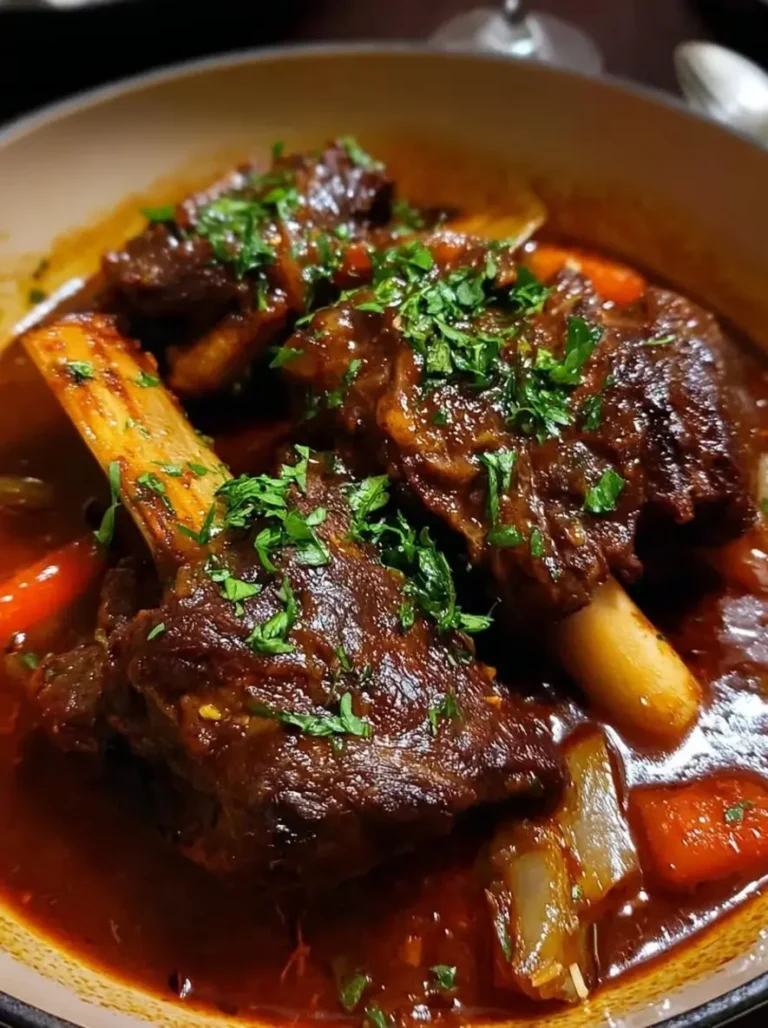
Fall-Off-the-Bone Red Wine Braised Lamb Shanks with Aromatic Herbs and Rustic Vegetables
A hearty and flavorful braised lamb shank dish cooked in red wine with aromatic herbs and rustic vegetables.
- Total Time: 2 hours 50 minutes
- Yield: 4 1x
Ingredients
- 4 lamb shanks
- 2 tablespoons olive oil
- 1 large onion, diced
- 2 carrots, chopped
- 2 celery stalks, chopped
- 4 cloves garlic, minced
- 2 tablespoons tomato paste
- 2 cups dry red wine
- 2 cups beef stock
- 1 tablespoon Worcestershire sauce
- 2 sprigs fresh rosemary
Instructions
- Preheat oven to 350°F (175°C).
- Season lamb shanks with salt and pepper. Heat olive oil in a large Dutch oven over medium-high heat. Brown lamb shanks on all sides, about 4-5 minutes per side. Remove and set aside.
- In the same pot, add onion, carrots, and celery. Cook until softened, about 5 minutes. Add garlic and cook for 1 minute more.
- Stir in tomato paste and cook for 1 minute. Pour in red wine, scraping up any browned bits from the bottom. Bring to a simmer and cook for 2-3 minutes.
- Add beef stock and Worcestershire sauce. Return lamb shanks to the pot, nestling them into the liquid. Add rosemary sprigs.
- Cover and transfer to the oven. Braise for 2 to 2.5 hours, until the meat is very tender and falling off the bone.
- Remove from oven. Discard rosemary sprigs. Serve lamb shanks with the braising liquid and vegetables.
- Prep Time: 20 minutes
- Cook Time: 2.5 hours
- Method: Main Course
- Cuisine: Mediterranean
Tried This Recipe? Leave a Comment!
Did you make this recipe? I’d love to hear how it turned out! Please leave a comment and a rating below. Your feedback helps other home cooks and supports cheerychop.com!
For more delicious inspiration, follow me on Pinterest!