Royal Indian Lamb Bhuna with Rich Caramelized Onion Masala
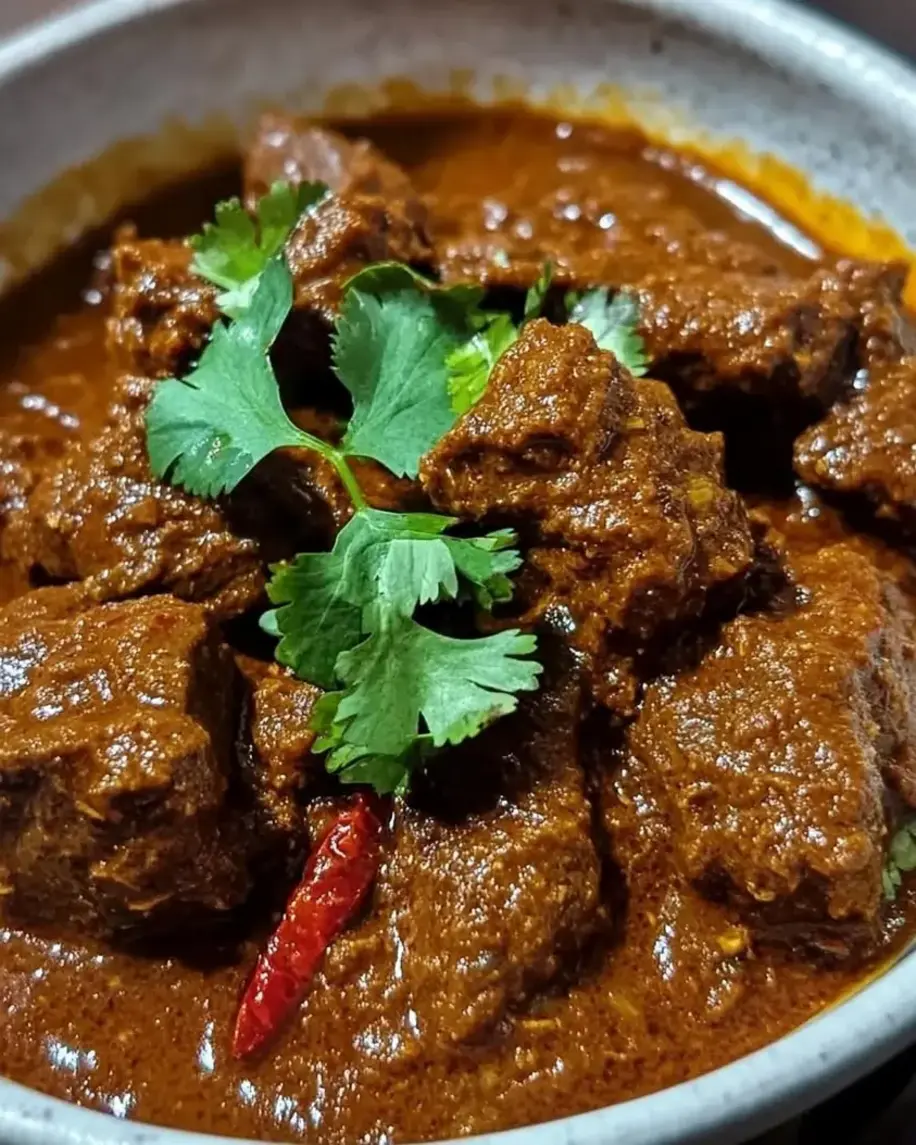
Table of Contents
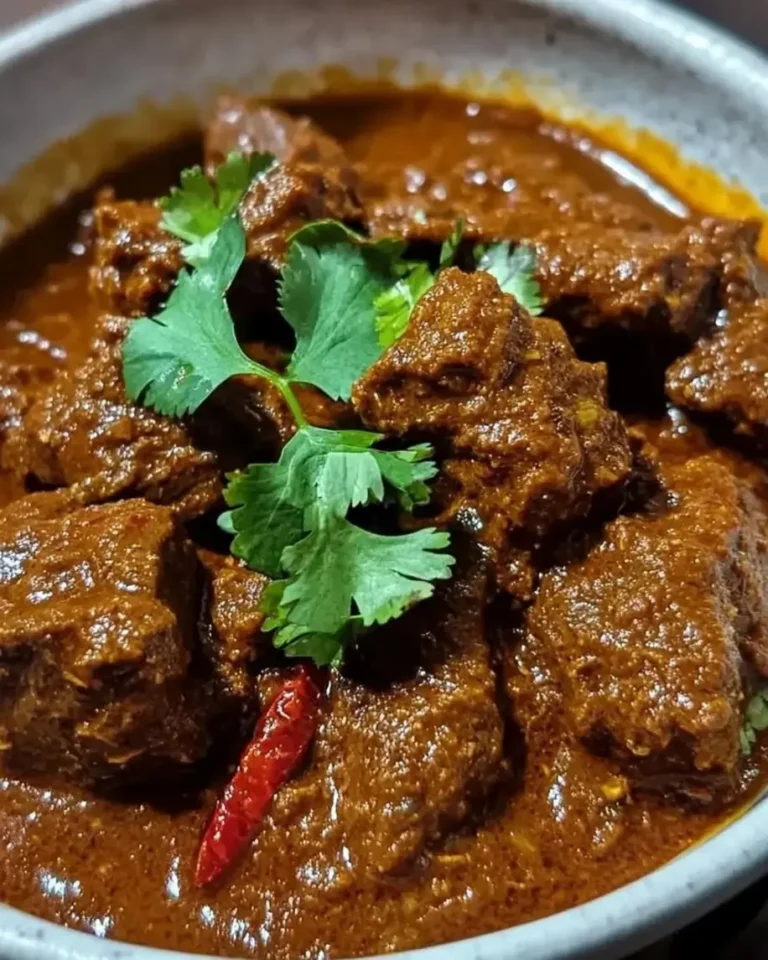
Royal Indian Lamb Bhuna Simmered in a Rich Onion Tomato Masala – A Slow-Cooked Curry That Melts in Your Mouth
I still remember the first time I tasted a truly great bhuna. It was at a tiny Pakistan-Indian restaurant in Jackson Heights, Queens, not long after I moved to New York City from Paris. The lamb was so tender it barely needed a knife, and the masala — dark, caramelized, intensely oniony — clung to each piece like a velvet coat. I leaned over and asked the owner, “What’s your secret?” He just smiled and said, “Patience, and let the onions do the work.” That moment lodged itself in my brain, and years later, after training at Le Cordon Bleu in Paris and spending countless weekends in my mother’s Moroccan kitchen, I set out to create my own version of a Royal Indian Lamb Bhuna simmered in a rich onion tomato masala. This recipe is the result of all those worlds colliding — French technique, Moroccan warmth, and the bold, unapologetic flavors of Indian home cooking.
Imagine walking into your kitchen and being greeted by the scent of cumin seeds crackling in hot oil, followed by the deep sweetness of onions slowly caramelizing to a deep mahogany brown. That’s where this Lamb Bhuna Recipe begins. The onions are not just a supporting player here — they are the foundation. Cooked low and slow until they almost melt into themselves, they create a masala that is thick, dark, and spoon-lickingly good. The lamb shoulder, cut into generous chunks, simmers gently in that lush onion tomato masala until it becomes fall-apart tender. Each bite is layers of flavor: earthy turmeric, warm coriander, a hint of paprika, and the quiet hum of garlic and ginger. This is not a quick weeknight curry — this is a Sunday-afternoon, let-it-bubble-while-you-read-a-book kind of dish. And it is absolutely worth every minute.
What makes my Royal Indian Lamb Bhuna different? I use a French technique I learned in Paris — sweating the onions with a pinch of salt and a lid for the first ten minutes to release their juices before removing the lid and letting them caramelize slowly. This ensures maximum sweetness without burning. I also bloom the spices in the residual oil after the tomatoes have cooked down, which deepens their aroma and gives the masala a toasty, almost smoky quality. And here’s a tip my mother taught me: finish the dish with a small knob of butter stirred in just before serving — it rounds out the acidity of the tomatoes and gives the curry a silky sheen. If you’ve ever thought your homemade Indian curry was missing something, I promise you: this technique will change everything. From my NYC kitchen to yours — I hope this recipe brings as much warmth to your table as it does to mine.
Why This Lamb Bhuna Recipe Is the Best
The Flavor Secret — Most lamb bhuna recipes rush the onions. I don’t. I take a full 25 to 30 minutes to cook them down, first covered with salt to sweat, then uncovered to caramelize. This creates a masala so rich and deep you won’t believe there’s no cream or coconut milk in it. The onion tomato masala becomes the star, and the lamb is simply the vehicle for that incredible flavor.
Perfected Texture — Lamb shoulder is my cut of choice because it has just the right amount of marbling to keep the meat juicy during the long simmer. I sear the lamb in batches to build a deep brown crust before adding it to the masala. That browning adds a layer of savory richness — called the Maillard reaction in French culinary school — that you simply cannot get from skipping this step. The result is lamb that is tender but not mushy, holding its shape while yielding to the slightest pressure of a fork.
Foolproof & Fast (Relatively!) — While the total time is about two hours, the active prep is only 20 minutes. Once the lamb is in the pot, you can walk away. This is the kind of recipe that practically cooks itself — perfect for a weekend meal prep session or a cozy dinner party where you want to impress without being chained to the stove. Even if you’re new to cooking Indian food at home, the step-by-step instructions I’ve laid out below will guide you to a perfect result on your very first try.
Lamb Bhuna Recipe Ingredients
I buy my lamb shoulder from the butcher at the Union Square Greenmarket in Manhattan — they source from local farms in the Hudson Valley and the quality is unmatched. The onions I get from the corner bodega in my neighborhood in Astoria, where they stock huge bags of Spanish onions that are perfect for caramelizing. Every time I cook this Royal Indian Lamb Bhuna, I’m reminded of the spice shops in the medina in Marrakech, where the air is thick with the scent of cumin and coriander. Here’s everything you’ll need.
Ingredients List
- 2 lbs lamb shoulder, cut into 2-inch chunks
- 3 tablespoons vegetable oil
- 2 large onions, finely sliced
- 4 cloves garlic, minced
- 1 tablespoon fresh ginger, grated
- 2 large tomatoes, finely chopped
- 2 tablespoons tomato paste
- 1 teaspoon cumin seeds
- 2 teaspoons ground coriander
- 1 teaspoon turmeric
- 1 teaspoon paprika
- 1 teaspoon salt (plus more to taste)
- ½ teaspoon black pepper
- 1 cup warm water (plus more as needed)
- 2 tablespoons fresh cilantro, chopped (for garnish)
- 1 tablespoon unsalted butter (optional, for finishing)
Ingredient Spotlight
Lamb Shoulder — This is the best cut for a slow-simmered bhuna because it has enough fat and connective tissue to stay moist and tender during the long cooking time. If you can’t find lamb shoulder, boneless leg of lamb is a good alternative — just trim off any large pieces of fat and cut it into similar-sized chunks. Lamb stew meat from the grocery store also works, but look for pieces that are evenly sized so they cook at the same rate.
Onions — Spanish or yellow onions are ideal for this dish because they have a high sugar content that caramelizes beautifully. Red onions can be used in a pinch, but they will yield a slightly sharper flavor and a lighter colored masala. Whatever you do, don’t skip the long caramelization step — it is the heart of this Onion Tomato Masala Lamb recipe.
Tomatoes — Use ripe, in-season tomatoes if you can find them — they will break down more easily and add natural sweetness. In the winter months, I sometimes use canned whole San Marzano tomatoes that I crush by hand. If your tomatoes are not very ripe, add a pinch of sugar to balance the acidity. The tomato paste is non-negotiable — it gives the masala body and depth.
Cumin Seeds — These are bloomed in hot oil at the very beginning of the cooking process. This step releases their essential oils and fills your kitchen with an unmistakable warm, earthy aroma. Do not skip blooming the whole spices — ground cumin added later will not give you the same toasty, layered flavor.
| Original Ingredient | Best Substitution | Flavor / Texture Impact |
|---|---|---|
| Lamb Shoulder | Boneless leg of lamb or beef chuck | Beef is firmer, less gamey; still very tender. |
| Fresh Tomatoes | Canned crushed tomatoes (1 cup) | Slightly more acidic; add ½ tsp sugar. |
| Cumin Seeds | 1 tsp ground cumin (add with other powders) | Less aromatic; still good but not as deep. |
| Tomato Paste | ¼ cup tomato puree, simmered until thick | Weaker color; cook down to concentrate. |
| Vegetable Oil | Ghee or clarified butter | Richer, nuttier flavor — highly recommended! |
How to Make Royal Indian Lamb Bhuna — Step-by-Step
Trust me when I say this: if you can caramelize onions and brown meat, you can make this Royal Indian Lamb Bhuna. I’ve broken it down into simple steps with visual cues so you know exactly what to look for at every stage.
Step 1: Bloom the Cumin Seeds
Heat the vegetable oil in a heavy-bottomed pot or Dutch oven over medium heat. Add the cumin seeds and let them sizzle for about 30 seconds, until they become fragrant and start to pop slightly. Be careful not to burn them — they should smell toasty, not acrid. Immediately add the sliced onions and stir to coat them in the oil.
⚠️ Common Mistake to Avoid: Adding the cumin seeds to oil that isn’t hot enough. The seeds won’t bloom properly and will taste raw rather than toasty. Wait until the oil shimmers — about 20 seconds over medium heat — before adding them.
Step 2: Caramelize the Onions
Reduce the heat to medium-low. Add a pinch of salt to the onions and stir. Cover the pot and let the onions sweat for 10 minutes, stirring once halfway through. This releases their natural moisture. Remove the lid and continue cooking, stirring every 3–4 minutes, for another 15–20 minutes, until the onions are a deep golden brown and have reduced significantly in volume. This is the most important step in building the flavor of your Bhuna Masala Lamb.
💡 Stella’s Pro Tip: If the onions start sticking to the bottom of the pot, add a splash of water — about 2 tablespoons — and scrape up the browned bits with a wooden spoon. That browning is pure flavor, and you want it incorporated into the masala, not burned on the bottom.
Step 3: Add the Aromatics
Add the minced garlic and grated ginger to the pot and stir constantly for 1 minute, until fragrant. Then add the finely chopped tomatoes and tomato paste. Cook for 5–7 minutes, stirring occasionally, until the tomatoes have broken down and the mixture has thickened into a deep red paste. The oil will start to separate from the masala — that’s a good sign that your base is ready.
⚠️ Common Mistake to Avoid: Adding the garlic and ginger too early or cooking them on high heat. They can burn quickly and turn bitter. Always add them after the onions are caramelized, and keep the heat low.
Step 4: Toast the Ground Spices
Sprinkle the ground coriander, turmeric, and paprika over the masala. Stir continuously for 30 seconds — this blooms the spices in the residual oil and intensifies their flavor. Immediately add the lamb chunks and toss to coat each piece in the masala. Cook for 3–4 minutes, turning the lamb occasionally, until the exterior is lightly seared.
💡 Stella’s Pro Tip: Don’t overcrowd the pot when searing the lamb. If your pot is small, sear the lamb in two batches. Overcrowding creates steam instead of sear, and you want that brown crust for maximum flavor.
Step 5: Simmer the Bhuna
Pour in 1 cup of warm water, add the salt and black pepper, and stir everything together. Bring the curry to a gentle boil, then reduce the heat to low, cover the pot, and let it simmer for 60–75 minutes, stirring every 15 minutes or so. The lamb should be fork-tender and the masala should be thick and clinging to the meat. If the curry looks too dry at any point, add another ¼ cup of warm water. If it looks too thin, remove the lid for the last 15 minutes to let it reduce.
⚠️ Common Mistake to Avoid: Simmering on too high a heat. The lamb needs gentle, low heat to break down the connective tissue. A rapid boil will toughen the meat and evaporate the liquid too quickly. Keep it at a gentle bubble — just a few small bubbles breaking the surface — for the best texture.
Step 6: Finish and Garnish
Once the lamb is tender, taste the masala and adjust salt and spices if needed. If using, stir in the tablespoon of unsalted butter until it melts and gives the curry a glossy finish. Remove from heat and let it rest for 5 minutes. Garnish with fresh chopped cilantro and serve immediately.
💡 Stella’s Pro Tip: The butter is optional but transformative. It’s a classic French technique called “monter au beurre” — finishing a sauce with cold butter for richness and shine. My Moroccan mother would use a drizzle of olive oil instead. Both are delicious!
| Step | Action | Duration | Key Visual Cue |
|---|---|---|---|
| 1 | Bloom cumin seeds in hot oil | 30 seconds | Seeds pop and smell toasty |
| 2 | Caramelize onions (covered then uncovered) | 25–30 mins | Deep golden brown, greatly reduced |
| 3 | Add aromatics and tomatoes | 6–8 mins | Oil separates from thick paste |
| 4 | Toast ground spices and sear lamb | 4–5 mins | Spices fragrant, lamb lightly browned |
| 5 | Simmer with water, covered | 60–75 mins | Lamb fork-tender, masala thick |
| 6 | Finish with butter and garnish | 5 mins rest | Silky, glossy masala |
Serving & Presentation
This Royal Indian Lamb Bhuna is the kind of dish that demands to be the center of the table. I like to serve it in a wide, shallow bowl so the rich onion tomato masala pools around the lamb. A generous sprinkle of fresh cilantro on top adds a pop of green and a fresh, herbaceous contrast to the deep, warm spices. For a finishing touch, I sometimes scatter a few thinly sliced red onions that have been soaked in cold water for 10 minutes and drained — they add a subtle crunch and a bright, sharp note that cuts through the richness.
In my NYC kitchen, I pair this with fragrant basmati rice that I cook with a cinnamon stick and a few cardamom pods — a trick I picked up from a Pakistani friend in Jackson Heights. Warm, pillowy naan bread is essential for sopping up every last drop of the masala. For a more Moroccan-inspired twist, I sometimes serve it with couscous that I’ve tossed with toasted almonds and dried apricots. The sweet and savory combination is absolutely magical.
| Pairing Type | Suggestions | Why It Works |
|---|---|---|
| Side Dish | Basmati rice, naan bread, roti, or couscous | Absorbs the rich masala and balances the spices. |
| Sauce / Dip | Cool raita (yogurt with cucumber & mint), mango chutney | Raita cools the palate; chutney adds sweet-tart contrast. |
| Beverage | Mint lassi, cold beer (lager), or a crisp Riesling | Lassi soothes; beer and wine cut through the richness. |
| Garnish | Fresh cilantro, thinly sliced red onion, lemon wedges | Adds freshness, crunch, and acidity to brighten the dish. |
Make-Ahead, Storage & Reheating
This is one of those rare recipes that actually tastes better the next day. The flavors continue to meld and deepen as it sits, making it a perfect make-ahead meal for busy weeknights. I often double the batch on a Sunday and portion it out for lunches throughout the week. Here’s how to store and reheat it properly so it tastes just as good as the day you made it.
| Method | Container | Duration | Reheating Tip |
|---|---|---|---|
| Refrigerator | Airtight glass or BPA-free plastic container | 4–5 days | Reheat on stovetop over low heat with 2 tbsp water, stirring until hot. |
| Freezer | Freezer-safe ziplock bag or rigid container (leave 1-inch headspace) | 3 months | Thaw overnight in fridge, then reheat on stove with a splash of water. |
| Make-Ahead | Prepare fully, cool, and refrigerate in a covered pot | Up to 3 days in advance | Reheat gently; add water if too thick. Flavor improves overnight! |
One thing I’ve learned from years of meal-prepping in my tiny NYC kitchen: always cool the bhuna completely before storing it in the refrigerator. I spread it out on a large plate or shallow dish to speed up the cooling process, then transfer it to containers. Reheating on the stovetop is always better than the microwave — it’s gentler on the meat and allows the spices to reawaken. If you’re in a hurry, microwave in 30-second bursts at 50% power, stirring between each burst. And don’t forget: the butter finish is even better the next day, so go ahead and add it before serving even if you didn’t the first time around.
Variations & Easy Swaps
| Variation | Key Change | Best For | Difficulty Impact |
|---|---|---|---|
| Spicy Lamb Bhuna | Add 1–2 chopped green chilies with garlic, and ½ tsp cayenne | Heat lovers who want a fiery kick | Easy — no extra steps |
| Dairy-Free / Vegan | Replace lamb with chickpeas or paneer; use coconut oil instead of butter | Plant-based or dairy-free diets | Easy; reduce simmer to 20 mins |
| Moroccan-Spiced Twist | Add 1 tsp ras el hanout, ½ tsp cinnamon, and a pinch of saffron | Fusion lovers; pairs beautifully with couscous | Easy — stir in with other spices |
| Slow Cooker / Instant Pot | Sear and caramelize on stovetop; transfer to slow cooker (low 6–8 hrs) or pressure cook 35 mins | Busy schedules; hands-off cooking | Medium — extra steps but worth it |
Spicy Lamb Bhuna
If you’re like me and love heat that builds slowly and warmly, this variation is for you. Add 1 or 2 finely chopped green chilies (such as serrano or Thai bird’s eye) at the same time as the garlic and ginger. For an extra layer of heat, stir in ½ teaspoon of cayenne pepper along with the ground coriander and turmeric. The heat will mellow as the curry simmers, so don’t be afraid to be generous — but always taste and adjust at the end. Serve with a cooling raita or a slice of plain yogurt on the side to balance the fire.
Dairy-Free / Vegan Bhuna
This recipe adapts beautifully to a plant-based version. Swap the lamb for 2 cans of chickpeas (drained and rinsed) or 12 oz of paneer cut into cubes. For the fat, use coconut oil or a neutral vegetable oil in place of the butter. The cooking method stays the same through the masala stage, but once you add the chickpeas or paneer, you only need to simmer for 15–20 minutes — just long enough for them to absorb the flavors. Finish with a drizzle of good olive oil instead of butter. I’ve tested this for my dairy-free readers and it’s become a fan favorite.
Moroccan-Spiced Twist
This variation is close to my heart — it brings a taste of my childhood in Morocco into this Indian-inspired dish. Add 1 teaspoon of ras el hanout (a North African spice blend that typically includes rose petals, cumin, ginger, and cinnamon), ½ teaspoon of cinnamon, and a pinch of saffron threads soaked in 2 tablespoons of warm water. Stir these in along with the other ground spices. The saffron adds a golden color and a subtle floral note that pairs beautifully with the lamb and onions. Serve this version over fluffy couscous studded with dried apricots and toasted almonds, and you’ll have a dish that bridges two continents.
What is the best cut of lamb to use for a Royal Indian Lamb Bhuna?
Lamb shoulder is hands-down the best cut for this dish. It has a generous amount of marbling and connective tissue that breaks down during the long, slow simmering process, resulting in meat that is incredibly tender and flavorful. Boneless leg of lamb is a good second choice — just trim off any large hunks of fat and cut it into uniform 2-inch chunks so it cooks evenly. Avoid using lean cuts like lamb loin or leg steaks, as they will dry out and become tough during the extended cooking time. If you’re shopping at a standard US grocery store, look for “lamb shoulder stew meat” in the meat section, or ask your butcher to cut a boneless lamb shoulder into chunks for you.
Can I substitute the onions with onion paste in this rich onion tomato masala?
I strongly recommend using finely sliced onions rather than onion paste for this particular recipe, and here’s why: the magic of a true bhuna lies in the caramelization of the onions. When you slice onions and cook them low and slow, they develop a deep, sweet, almost jammy flavor that you simply cannot achieve with a paste. Onion paste contains a lot of water and lacks the structure needed for proper caramelization — it will steam rather than brown, and the resulting masala will be thinner and less complex. If you are truly short on time, you can pulse the onions in a food processor until finely chopped (not a paste), and then cook them down as directed. But trust me: the extra 15 minutes of hands-off caramelization time is what makes this dish truly royal.
How long should I simmer the lamb bhuna to get the perfect tender texture?
For lamb shoulder, you want to simmer the bhuna for 60 to 75 minutes over low heat. The exact time depends on the size of your lamb chunks and how fresh the meat is. Start checking at the 60-minute mark: pierce a piece of lamb with a fork — it should slide in easily with very little resistance, and the meat should be tender but still holding its shape. If it’s not there yet, continue simmering for another 10 to 15 minutes and check again. Always simmer with the lid on to retain moisture, and keep the heat low enough that you see only a gentle bubble breaking the surface. A rapid boil will toughen the meat and cause the liquid to evaporate too quickly. Patience is your best friend here — the reward is lamb that melts in your mouth.
What side dishes pair best with Royal Indian Lamb Bhuna?
This rich, deeply flavored curry pairs wonderfully with a variety of sides. My number one recommendation is fragrant basmati rice — cook it with a cinnamon stick and a few green cardamom pods for an extra layer of aroma that complements the bhuna beautifully. Warm, pillowy naan bread is essential for sopping up every last drop of the masala; you can find good-quality naan in the freezer section of most grocery stores or make your own if you’re feeling ambitious. For a cooling contrast, serve a simple raita made with plain yogurt, grated cucumber, fresh mint, and a pinch of cumin. A crisp salad of sliced cucumbers, red onions, and tomatoes with a squeeze of lemon also works wonderfully to cut through the richness. And if you want to go the Moroccan route I love, try serving it with couscous tossed with toasted almonds and dried apricots.
Can I make Lamb Bhuna in a slow cooker or Instant Pot?
Absolutely! This recipe adapts well to both appliances, with one important caveat: you must still caramelize the onions and sear the lamb on the stovetop first. Those steps are non-negotiable for building deep flavor. For a slow cooker: after caramelizing the onions and searing the lamb, transfer everything to the slow cooker, add the water, and cook on low for 6 to 8 hours or on high for 3 to 4 hours. For an Instant Pot: use the sauté function to caramelize and sear directly in the pot, then add the water, lock the lid, and pressure cook on high for 35 minutes with a natural pressure release of 15 minutes. Both methods yield tender, flavorful results — just remember that the stovetop version allows the masala to reduce and thicken more, so you may need to simmer the sauce on sauté mode for a few minutes after pressure cooking to reach the perfect consistency.
What is the difference between bhuna and regular curry?
Great question! Bhuna is both a cooking technique and a style of curry in Indian cuisine. The word “bhuna” means “to fry” or “to sauté” in Hindi/Urdu, and the method involves cooking the masala — typically onions, garlic, ginger, tomatoes, and spices — in oil over medium-low heat until the oil separates from the mixture. This process concentrates the flavors and creates a thick, intensely flavorful sauce that clings to the meat or vegetables. Unlike a “regular” curry that might have a thinner, more liquid gravy, a bhuna is characterized by its dryish, almost paste-like consistency where the masala coats each piece of meat. There is very little liquid added — just enough to gently braise the meat until tender. The result is a dish that is bold, deeply spiced, and incredibly satisfying.
Can I use beef instead of lamb for this Bhuna Masala Lamb recipe?
Yes, beef works very well as a substitute for lamb in this recipe. Beef chuck is the best cut to use — it has a similar amount of marbling and connective tissue that will break down during the long simmer, yielding tender, flavorful meat. Cut the beef into 2-inch chunks and follow the recipe exactly as written. The cooking time may be slightly longer — around 75 to 90 minutes — depending on the tenderness of the meat. Keep in mind that beef has a milder, less gamey flavor than lamb, so the masala will be more dominant. I sometimes add an extra teaspoon of ground coriander and a pinch more paprika when using beef to boost the spice profile. The result is a hearty, satisfying curry that tastes just as royal as the original.
Why is my lamb bhuna bitter and how can I fix it?
Bitterness in a lamb bhuna usually comes from one of three sources: burned onions, burned garlic, or burned spices. Onions can turn bitter if they are cooked on too high heat and become dark brown or black in spots rather than an even golden caramel color. Garlic is especially prone to bitterness if it is added too early or cooked on high heat — it only needs 30 to 60 seconds in the pot. Cumin seeds and ground spices can also turn bitter if they are overheated. To fix a bitter bhuna, try adding a teaspoon of sugar or a splash of coconut milk to balance the bitterness. You can also stir in a knob of butter or a tablespoon of plain yogurt to mellow the harsh notes. Prevention is best: always cook on medium-low heat, stir frequently, and add garlic and spices only after the onions are fully caramelized.
Can I freeze Lamb Bhuna and how should I reheat it?
Yes, this Lamb Bhuna freezes beautifully — in fact, I often make a double batch just for this purpose. To freeze, let the curry cool completely to room temperature, then transfer it to freezer-safe containers or heavy-duty ziplock bags. Leave about an inch of headspace in containers, or squeeze out excess air from bags. It will keep well for up to 3 months. When you’re ready to enjoy it, thaw the bhuna overnight in the refrigerator. Reheat it gently on the stovetop over low heat, adding 2 to 3 tablespoons of water to loosen the sauce if needed. Stir occasionally until the curry is heated through and bubbling gently. Avoid using the microwave if possible, as it can reheat unevenly and cause the meat to become tough in spots. The reheated bhuna will taste even better than the original, as the flavors have had time to meld and deepen.
What is the secret to a thick, rich onion tomato masala for lamb bhuna?
The secret to a thick, rich onion tomato masala lies in three key steps. First, caramelize the onions slowly and thoroughly — this takes 25 to 30 minutes and is absolutely crucial. The onions should be a deep golden brown and greatly reduced in volume before you add anything else. Second, cook the tomatoes and tomato paste until the oil separates from the mixture, which takes 5 to 7 minutes. This signals that the water has cooked off and the flavors have concentrated. Third, avoid adding too much liquid at the simmering stage. Bhuna is meant to be a dry-ish curry with just enough water to tenderize the meat. Start with 1 cup of warm water and add more only if the curry looks like it’s sticking to the pot. The final masala should be thick enough to coat the back of a spoon — not soupy, not pasty, but lusciously clingy.
Share Your Version!
I absolutely love hearing how this recipe turns out in your kitchen. Did you try the Moroccan-spiced twist? Did your family go back for seconds? Did you discover a new favorite side dish to pair with it? Leave a star rating and a comment below — your feedback helps other home cooks find and trust this recipe, and it means the world to me. If you share a photo on Instagram or Pinterest, tag @leosfoods so I can see your beautiful creation. And if you have any questions about the technique or ingredient substitutions, just drop them in the comments and I’ll answer personally. I read every single one, and there’s nothing I love more than helping you nail this Royal Indian Lamb Bhuna in your own kitchen.
From my NYC kitchen to yours — I hope this recipe brings as much warmth to your table as it does to mine. — Stella 🧡
Love This Recipe? Save It to Pinterest!
If you enjoyed this Royal Indian Lamb Bhuna Simmered in a Rich Onion Tomato Masala recipe, don’t let it get lost in your browser tabs! 😄 Pin it now so you can find it again anytime — and explore hundreds more tried-and-tested recipes waiting for you on my Pinterest boards.
👉 Follow Stella on Pinterest @stellarecipeblog
📌 Pin this recipe · 🔁 Re-pin your favorites · 💬 Tag me when you make it — I love seeing your creations!
⭐ Made this recipe? I’d love to hear from you!
👉 Rate it with ⭐⭐⭐⭐⭐ in the comments below
📸 Share a photo and tag @leosfoods on Instagram or Pinterest
💬 Tell me: What side dish did you serve with your Royal Indian Lamb Bhuna?
Every comment, rating, and tag makes my day — thank you for cooking with me! 🧡
Royal Indian Lamb Bhuna Simmered in a Rich Onion Tomato Masala
Ingredients
- 2 lbs lamb shoulder, cut into chunks
- 3 tablespoons vegetable oil
- 2 large onions, finely sliced
- 4 cloves garlic, minced
- 1 tablespoon fresh ginger, grated
- 2 large tomatoes, finely chopped
- 2 tablespoons tomato paste
- 1 teaspoon cumin seeds
- 2 teaspoons ground coriander
- 1 teaspoon turmeric
- 1 teaspoon paprika
Instructions
- Method: Main Course
- Cuisine: Indian
Tried This Recipe? Leave a Comment!
Did you make this recipe? I’d love to hear how it turned out! Please leave a comment and a rating below. Your feedback helps other home cooks and supports cheerychop.com!
For more delicious inspiration, follow me on Pinterest!