Steak & Shrimp Stir-Fry Noodles with Thick Savory Sauce
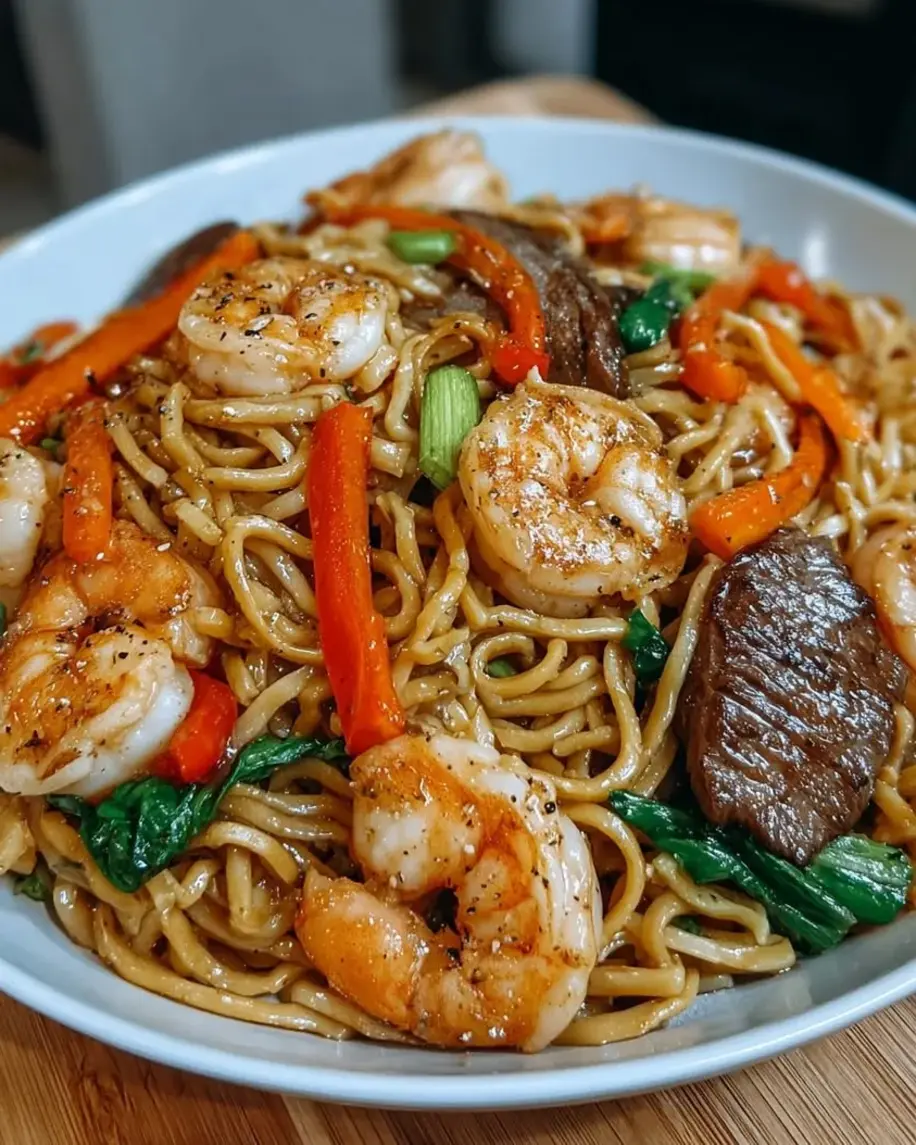
Table of Contents
Steak & Shrimp Stir-Fry Noodles – The Ultimate Surf and Turf Stir Fry with Thick Savory Sauce
I still remember the first time I made surf and turf stir fry noodles in my tiny Parisian kitchen — it was late, I was homesick for Morocco, and all I had was a sad piece of steak, some frozen shrimp, and a bundle of noodles. I threw it all in a hot pan with garlic and ginger, and something magical happened. That messy, glorious bowl became the blueprint for the recipe I’m sharing today: a truly unforgettable surf and turf stir fry noodles dish that brings together tender sirloin, plump shrimp, and lo mein noodles in a thick, glossy, savory sauce that clings to every strand.
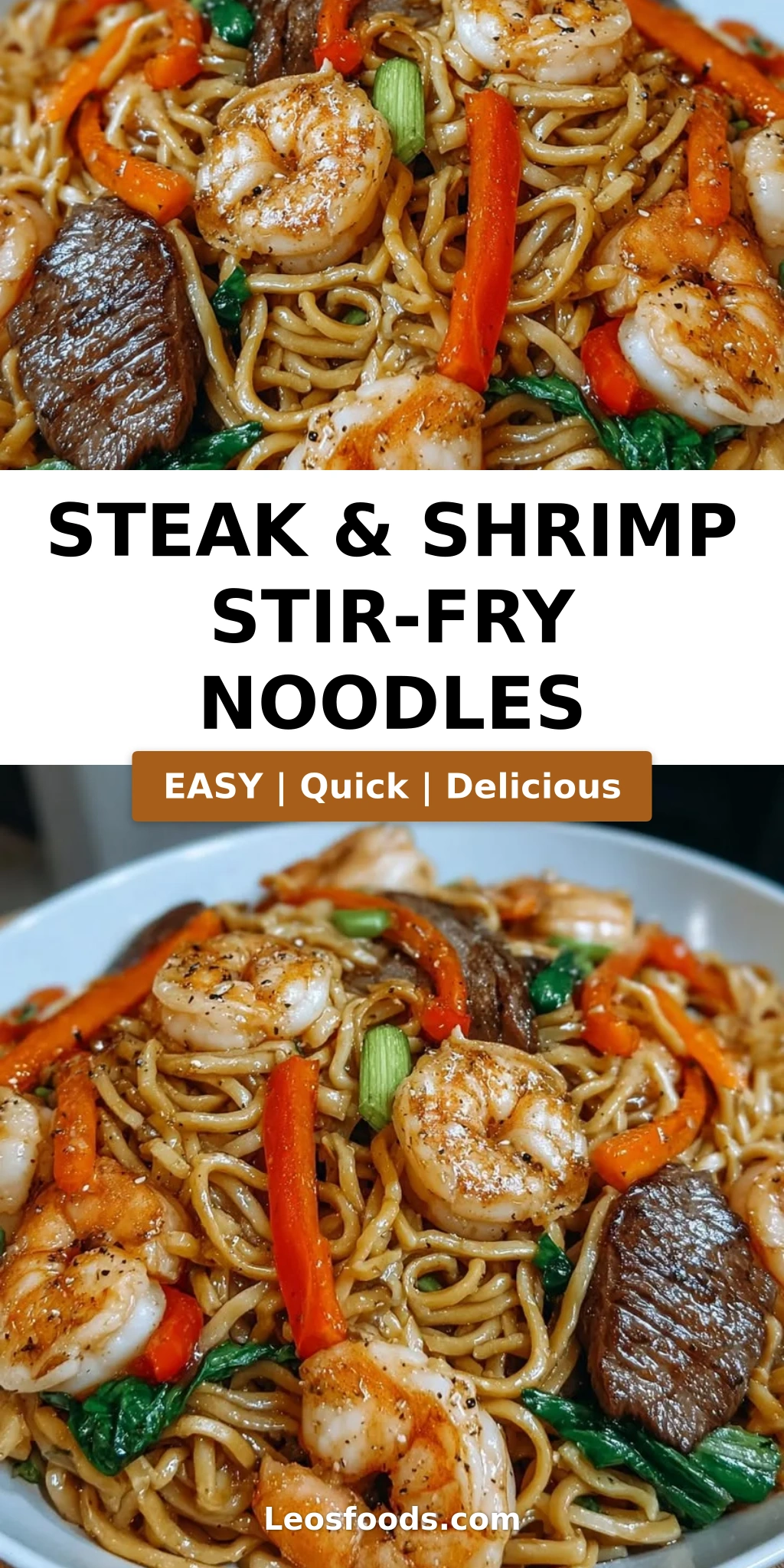
Imagine this: you lift your fork and the noodles are draped in a dark, shiny sauce that smells of soy, sesame, and a whisper of brown sugar. The steak is caramelized at the edges, the shrimp are pink and juicy, and the vegetables — carrots, bell pepper, spinach — add color and crunch. Every bite is a balance of savory, sweet, and umami, with that signature garlic-ginger punch that makes you go back for more. The sauce is the star here — it’s not thin or watery. It’s a thick drip that coats everything like a velvet robe.
What sets this surf and turf stir fry apart from the usual takeout-style versions is my “Thick Drip” technique — a method I developed during my French culinary training, where I reduce the sauce directly in the wok until it becomes syrupy and intense. I’ll show you exactly how to do it, plus share my pro tip for getting that perfect sear on both steak and shrimp without overcrowding the pan. And I’ll warn you about the one mistake that can make your noodles soggy. From my NYC kitchen to yours — let’s make something unforgettable.
Why This Surf and Turf Stir Fry Noodles Recipe Is the Best
The Flavor Secret: The magic of this steak and shrimp lo mein lies in the way the sauce is built. Instead of just pouring a liquid sauce over the noodles, I let the soy, oyster sauce, brown sugar, and sesame oil bubble and reduce in the wok after cooking the vegetables. This reduction technique — something I learned in pastry school for making glazes — creates a thick, clingy sauce that adheres to every noodle and piece of protein. It’s the same principle behind a great gastrique, just with an Asian twist. The result is a depth of flavor that tastes like it’s been simmering for hours, but it comes together in minutes.
Perfected Texture: Texture is where so many stir-fry noodle recipes fall short. The noodles turn mushy, the steak is tough, or the shrimp are rubbery. I’ve solved all three. The noodles are cooked al dente and tossed with a touch of sesame oil to keep them separate. The steak is seared in batches over high heat for a caramelized crust while staying medium-rare inside. The shrimp are cooked just until they turn bright pink — about 90 seconds total. Every component is treated with the respect it deserves, and the final toss in the bubbling sauce brings it all together in perfect harmony.
Foolproof & Fast: This easy steak shrimp noodle recipe is designed for busy weeknights but impressive enough for company. It’s a 30-minute meal from start to finish, and I’ve broken down every step with specific visual cues so you know exactly what to look for. Whether you’re a seasoned cook or a beginner, you’ll feel confident wielding that wok. And because everything happens in one pan (plus a pot for noodles), cleanup is a breeze — which, let’s be honest, is the real win.
Surf and Turf Stir Fry Noodles Ingredients
When I’m shopping for these ingredients in New York City, I head to the Union Square Greenmarket for the freshest vegetables and to my local butcher on Bleecker Street for the steak. For the shrimp, I love the wild-caught ones from the fishmonger at Chelsea Market. Each ingredient plays a crucial role in building the layers of flavor and texture that make this easy steak shrimp noodle recipe sing.
Ingredients List
- 8 oz sirloin steak, cut into bite-sized pieces
- 1 lb large shrimp, peeled and deveined
- 2 tbsp vegetable oil
- 12 oz lo mein noodles (or low-carb keto noodles)
- 1 cup baby spinach
- 1 cup carrots, sliced into sticks
- 1 red bell pepper, sliced
- 3 cloves garlic, minced
- 1 tsp fresh ginger, grated
- 1/4 cup soy sauce
- 2 tbsp oyster sauce
- 1 tbsp brown sugar
- 1 tsp sesame oil
- 1 tbsp sesame seeds
- 2 green onions, sliced
Ingredient Spotlight
Sirloin Steak: Sirloin is my go-to for stir-fries because it offers a great balance of tenderness and beefy flavor without breaking the bank. Look for steak with good marbling — those thin white lines of fat running through the meat ensure it stays juicy during the quick sear. If you can’t find sirloin, flank steak or ribeye are excellent substitutes. Just make sure to slice flank steak against the grain for maximum tenderness.
Lo Mein Noodles: These wheat-based noodles are the classic choice for this savory garlic ginger noodles dish. They have a chewy, satisfying texture that holds up well to the thick sauce. You can find them in the refrigerated section of most supermarkets or in Asian grocery stores. For a low-carb option, use keto-friendly noodles made from konjac or shirataki — just rinse them well and dry-fry them in a hot pan for a minute to remove excess moisture before adding them to the wok.
Fresh Ginger and Garlic: This is the aromatic backbone of the entire dish. Fresh ginger adds a warm, slightly spicy brightness that cuts through the richness of the steak and shrimp. Fresh garlic provides that pungent, savory depth. I never use the jarred stuff here — the flavor difference is night and day. When grating ginger, use a microplane or the fine side of a box grater for a paste-like consistency that melts into the sauce.
Oyster Sauce: This thick, dark sauce is what gives the stir fry noodles with steak and shrimp that unmistakable umami richness and glossy finish. It’s made from oyster extracts, soy sauce, and sugar, and it adds a complexity that soy sauce alone can’t deliver. Look for a brand with oyster extract listed as one of the first ingredients — Lee Kum Kee is a reliable choice. For a vegetarian version, use mushroom oyster sauce, which has a similar savory profile.
| Original Ingredient | Best Substitution | Flavor / Texture Impact |
|---|---|---|
| Sirloin steak | Flank steak or ribeye | Flank is leaner, slice thinly across the grain; ribeye is richer and more tender |
| Lo mein noodles | Udon noodles or spaghetti | Udon is thicker and chewier; spaghetti works in a pinch but is less authentic |
| Oyster sauce | Hoisin sauce + 1 tsp fish sauce | Sweeter and less briny; add fish sauce for umami depth |
| Fresh ginger | 1/2 tsp ground ginger | Less bright and aromatic; use in a pinch, but fresh is best |
| Baby spinach | Bok choy or Swiss chard | Bok choy adds crunch; chard is earthier and holds up better to heat |
How to Make Steak & Shrimp Stir-Fry Noodles — Step-by-Step
Trust me, this easy steak shrimp noodle recipe is simpler than it sounds. Follow these steps, and you’ll have a restaurant-quality bowl of savory garlic ginger noodles in just about 30 minutes.
Step 1: Cook the Noodles
Bring a large pot of salted water to a rolling boil. Add the 12 oz of lo mein noodles and cook according to the package directions, usually 3 to 5 minutes, until they are tender but still have a slight chew — al dente. Drain them in a colander and rinse briefly with cold water to stop the cooking. Toss with a few drops of sesame oil to prevent sticking, and set aside.
💡 Stella’s Pro Tip: Undercook the noodles by about 30 seconds from the package recommendation. They’ll finish cooking when you toss them in the hot wok with the sauce, so you want them to still have a bit of resistance.
Step 2: Sear the Proteins
Heat 1 tablespoon of vegetable oil in a large wok or skillet over medium-high heat until it shimmers. Add the bite-sized sirloin steak pieces in a single layer — don’t crowd the pan. Sear for 2 to 3 minutes per side until beautifully browned and crusty. Remove the steak to a plate. In the same wok, add another tablespoon of oil if needed, then sear the shrimp for 1 to 2 minutes per side until they turn bright pink and juicy. Remove and set aside with the steak.
⚠️ Common Mistake to Avoid: Overcrowding the pan! If you add all the steak at once, the temperature drops and the meat steams instead of searing. Cook in batches if necessary. No soggy, gray steak allowed here.
Step 3: Stir-Fry the Veggies
Reduce the heat to medium and toss the minced garlic, grated ginger, carrot sticks, and sliced red bell pepper into the hot wok. Stir-fry for 2 to 3 minutes until the vegetables are vibrant and tender-crisp — they should still have a little bite. Fold in the baby spinach and cook for just 30 seconds until it’s wilted but still bright green.
💡 Stella’s Pro Tip: Keep the vegetables moving in the wok. Constant motion ensures even cooking and prevents the garlic from burning. If the wok looks too dry, add a splash of water or a drizzle of oil.
Step 4: Build the Thick Drip
In a small bowl, whisk together the 1/4 cup soy sauce, 2 tbsp oyster sauce, 1 tbsp brown sugar, and 1 tsp sesame oil until the sugar is completely dissolved and the mixture is smooth. Pour this sauce directly into the wok with the vegetables. Let it bubble and reduce for about 1 minute, stirring occasionally, until it becomes thick, glossy, and deeply aromatic. This is the “Thick Drip” — the heart of the dish.
⚠️ Common Mistake to Avoid: Adding the sauce and immediately tossing in the noodles. Let the sauce reduce first! This concentration step is what gives you that luscious, clingy coating instead of a thin, watery sauce.
Step 5: Assemble and Drip
Add the cooked noodles, browned steak, and bright pink shrimp back into the wok. Toss everything continuously for 1 to 2 minutes until every noodle and piece of protein is heavily coated in the thick, glossy sauce. Plate the stir fry noodles with steak and shrimp in bowls, then spoon any extra sauce from the wok over the top — that final heavy, scroll-stopping drip is what makes this dish truly unforgettable. Garnish with sesame seeds and sliced green onions, and serve immediately.
💡 Stella’s Pro Tip: Use tongs and a spatula together when tossing the noodles. The tongs help you lift and turn the noodles, while the spatula scrapes the sauce from the bottom of the wok and incorporates it evenly. This duo makes for a flawless toss every time.
| Step | Action | Duration | Key Visual Cue |
|---|---|---|---|
| 1 | Cook the Noodles | 3–5 min | Tender but chewy, still holds shape |
| 2 | Sear the Proteins | 4–6 min total | Steak: deep brown crust; Shrimp: bright pink and curled |
| 3 | Stir-Fry the Veggies | 2–3 min | Carrots and peppers are tender-crisp, spinach just wilted |
| 4 | Build the Thick Drip | 1 min | Sauce is thick, glossy, and bubbling slowly |
| 5 | Assemble and Drip | 1–2 min | All noodles and proteins are evenly coated and glossy |
Serving & Presentation
Plating this surf and turf stir fry noodles is where you get to make it your own. I like to serve it in wide, shallow bowls so the noodles can spread out and show off that gorgeous sauce. Use tongs to lift and twist a portion of noodles into a neat nest in the center of the bowl, then arrange a few pieces of steak and shrimp on top. Spoon a generous amount of the remaining thick sauce from the wok right over the top — that dramatic, glossy drip is what stops people mid-conversation. Finish with a generous sprinkle of sesame seeds and a shower of sliced green onions.
For a complete meal, I love pairing this dish with a simple cucumber salad dressed with rice vinegar and a pinch of red pepper flakes — the cool crunch is a perfect contrast to the rich, savory noodles. A side of steamed edamame with sea salt also works beautifully. And if you’re feeling nostalgic for my Paris days, a small glass of chilled Sauvignon Blanc is surprisingly lovely with the garlic and ginger notes. This easy steak shrimp noodle recipe is also fantastic with a cold Japanese lager or a sparkling green tea.
| Pairing Type | Suggestions | Why It Works |
|---|---|---|
| Side Dish | Cucumber salad, steamed edamame, miso soup | Light, fresh sides balance the rich, saucy noodles |
| Sauce / Dip | Chili crisp, sriracha mayo, extra soy sauce | Adds heat and another layer of flavor for those who like it spicy |
| Beverage | Sauvignon Blanc, Japanese lager, sparkling green tea | Crisp, clean drinks cut through the umami and refresh the palate |
| Garnish | Sesame seeds, green onions, cilantro, fried shallots | Adds texture, color, and a fresh finishing touch |
Make-Ahead, Storage & Reheating
As a busy NYC food blogger, I’m all about meals that work for my schedule. This steak and shrimp lo mein is fantastic for meal prep — just keep the components separate until you’re ready to eat. The sauce can be made up to 3 days in advance, and the vegetables can be sliced ahead of time and stored in airtight containers in the fridge. When you’re ready to cook, everything comes together in minutes.
| Method | Container | Duration | Reheating Tip |
|---|---|---|---|
| Refrigerator | Airtight container | Up to 3 days | Reheat in a hot wok with a splash of water to revive the sauce |
| Freezer | Freezer-safe container or bag | Up to 2 months | Thaw overnight in the fridge, then reheat in a skillet over medium heat |
| Make-Ahead | Separate containers for each component | Up to 2 days in advance | Store sauce, noodles, proteins, and veggies separately; combine and reheat in a wok |
For the best results when reheating, I always use a wok or a large skillet over medium-high heat. Add a tiny splash of water or broth to help loosen the sauce, then toss the noodles and proteins until everything is hot and glossy again. Avoid the microwave if you can — it tends to make the shrimp rubbery and the noodles mushy. If you’re in a rush, a quick 30-second blast in the microwave with a damp paper towel over the bowl will do, but the stovetop method is far superior.
Variations & Easy Swaps
One of the things I love most about this savory garlic ginger noodles recipe is how versatile it is. Over the years, I’ve experimented with different proteins, vegetables, and flavor twists — some inspired by my Moroccan roots, others by my French training, and many by the vibrant seasonal produce I find at NYC farmers markets. Here are three of my favorite variations to keep this dish feeling fresh and new.
| Variation | Key Change | Best For | Difficulty Impact |
|---|---|---|---|
| Spicy Moroccan Twist | Add harissa and preserved lemon | Adventurous palates, North African flavors | Easy — just stir in the harissa with the sauce |
| Gluten-Free / Low-Carb | Use keto noodles and tamari | Gluten-free or low-carb diets | Easy — same method, different noodles |
| Vegetable-Packed Summer | Add snap peas, corn, and zucchini | Summer produce, lighter meal | Easy — add with the other vegetables |
Spicy Moroccan Twist
This one is straight from my heart. When I’m craving the flavors of my childhood in Morocco, I stir 1 to 2 teaspoons of harissa paste into the sauce along with a tablespoon of finely chopped preserved lemon. The harissa adds a warm, smoky heat that builds slowly, while the preserved lemon brings a bright, salty-citrus pop that cuts through the richness of the steak and shrimp. It’s an unexpected fusion that works brilliantly — the North African spices play off the soy and ginger in a way that feels both exotic and familiar. Garnish with fresh cilantro instead of green onions for an extra nod to home.
Gluten-Free / Low-Carb Version
For my gluten-free friends and anyone watching their carbs, this variation is a total game-changer. Swap the lo mein noodles for your favorite keto-friendly noodles — I love the ones made from konjac or shirataki. Rinse them thoroughly under cold water, then dry-fry them in a hot pan for about 2 minutes to remove excess moisture before adding them to the wok. Replace the soy sauce with tamari or coconut aminos (both are gluten-free), and make sure your oyster sauce is gluten-free as well. The texture is slightly different — the noodles have a clean, neutral chew — but the thick, glossy sauce coats them just as beautifully, and you get all the flavor without the carbs.
Vegetable-Packed Summer Version
When summer hits New York City and the farmers markets are overflowing with produce, I load up this stir fry noodles with steak and shrimp with as many vegetables as I can fit. In addition to the carrots and bell pepper, I add a handful of sugar snap peas (halved on the diagonal), the kernels from one ear of fresh corn, and a small zucchini cut into half-moons. The snap peas add a satisfying crunch, the corn brings a burst of sweetness, and the zucchini soaks up the sauce beautifully. This version feels lighter and brighter — perfect for warm evenings when you want something satisfying but not heavy. I sometimes add a squeeze of lime at the end for extra freshness.
What is the best cut of steak to use for stir-fry noodles with shrimp?
Sirloin steak is my top pick for this surf and turf stir fry noodles recipe because it strikes the perfect balance between tenderness, flavor, and affordability. It has enough marbling to stay juicy during the quick sear, and it’s widely available in US grocery stores. Flank steak is an excellent alternative — just be sure to slice it thinly against the grain for maximum tenderness. Ribeye is a luxurious option that’s incredibly tender and richly flavored, though it’s pricier. Avoid tougher cuts like chuck or round, which require longer cooking to break down. Whichever you choose, cut the steak into uniform bite-sized pieces so they cook evenly in the hot wok.
Do I need to cook the shrimp and steak separately before adding them to the noodles?
Yes, absolutely! Cooking the steak and shrimp separately before adding them to the noodles is one of the most important steps in this easy steak shrimp noodle recipe. Each protein requires a different cooking time and temperature to reach its best texture. The steak needs a high-heat sear for 2 to 3 minutes per side to develop a deep brown crust while staying medium-rare inside. The shrimp cook much faster — just 1 to 2 minutes per side until they turn bright pink. If you cooked them together, the shrimp would be overcooked and rubbery by the time the steak is done. Plus, cooking them separately allows you to build layers of flavor in the wok with the fond left behind from each sear.
What kind of noodles work best for a steak and shrimp stir-fry?
Lo mein noodles are the classic choice for this steak and shrimp lo mein — they’re wheat-based, slightly chewy, and have a wonderful ability to hold onto a thick sauce. You can find them in the refrigerated section of most supermarkets or at Asian grocery stores. If you can’t find lo mein, fresh udon noodles are a fantastic substitute with a thicker, even chewier texture. In a pinch, dried spaghetti or linguine can work — just cook them al dente and toss with a bit of oil to prevent sticking. For a low-carb option, keto-friendly konjac or shirataki noodles work well; just be sure to rinse and dry-fry them before adding to the wok. Avoid rice noodles here — they’re more delicate and can become mushy when tossed with the thick sauce.
Can I use frozen shrimp for this stir-fry noodle recipe?
Yes, you can definitely use frozen shrimp for this savory garlic ginger noodles recipe, and it’s a great convenience option. The key is to thaw them properly for the best texture. Place the frozen shrimp in a colander and run cold water over them for about 5 minutes, or transfer them to the refrigerator the night before. Pat them very dry with paper towels before cooking — excess moisture will cause them to steam instead of sear, and you’ll lose that beautiful browning. I prefer to use raw, peeled, and deveined frozen shrimp for the quickest prep. Cook them straight from thawed, and keep a close eye on the timing since they cook in just 1 to 2 minutes per side.
How do I keep the noodles from sticking together when making stir fry noodles with steak and shrimp?
This is a common frustration, but the fix is simple. After cooking and draining the lo mein noodles, rinse them briefly with cold water to stop the cooking and wash away excess starch. Then toss them with about a teaspoon of sesame oil (or any neutral oil) in a bowl. The oil coating prevents the noodles from clumping together while they wait for the wok. When you add the noodles to the hot wok with the sauce, toss them immediately and continuously — don’t let them sit still or they’ll stick to the hot surface. If you’re meal-prepping, store the oiled noodles in an airtight container in the fridge for up to 2 days. These steps guarantee perfectly separate, glossy noodles every time.
Can I make this surf and turf stir fry noodles dairy-free or gluten-free?
Absolutely! This recipe is naturally dairy-free as written — there’s no butter, milk, or cream involved. For a gluten-free version, simply swap the soy sauce for tamari or coconut aminos, and use a gluten-free oyster sauce (many brands are available, or you can substitute with gluten-free hoisin sauce). The lo mein noodles are traditionally made with wheat flour, so you’ll need to replace them with gluten-free noodles — rice noodles, soba noodles made from 100% buckwheat, or gluten-free spaghetti all work well. If you’re also avoiding carbs, use keto-friendly konjac noodles and follow the preparation tips in the recipe. All these swaps are tested and delicious.
How do I get that restaurant-style thick sauce on my steak and shrimp lo mein?
The secret is what I call the “Thick Drip” technique, and it’s all about reduction. After stir-frying the vegetables, pour the sauce mixture (soy sauce, oyster sauce, brown sugar, and sesame oil) directly into the hot wok. Let it bubble and reduce for about 1 minute, stirring occasionally, until it becomes thick, glossy, and syrupy. Don’t add any cornstarch or slurry — the natural sugars in the brown sugar and the viscosity of the oyster sauce will create the perfect clingy texture when reduced properly. The key visual cue is when the sauce coats the back of a spoon and leaves a clear trail when you run your finger through it. That’s when you know it’s ready for the noodles and proteins.
What vegetables can I add or substitute in this easy steak shrimp noodle recipe?
This recipe is incredibly flexible when it comes to vegetables. The carrots and bell pepper provide sweetness and crunch, while the spinach adds a soft, earthy note. Feel free to swap in whatever you have on hand or what’s in season. Broccoli florets, snap peas, snow peas, bok choy, shredded cabbage, mushrooms, and zucchini all work beautifully. Just keep in mind the cooking time — dense vegetables like broccoli or carrots need a minute or two longer, while delicate greens like spinach or baby bok choy need just 30 seconds. I recommend cutting all vegetables into similar-sized pieces so they cook evenly. The key is to maintain that tender-crisp texture — no mushy vegetables allowed in my kitchen!
Share Your Version!
I absolutely love hearing from you — it’s the best part of running this little corner of the internet. If you make this surf and turf stir fry noodles, please leave a star rating and a comment below telling me how it turned out. Did you try the Spicy Moroccan Twist? Did you load it up with summer vegetables from your farmers market? I read every single comment, and your feedback helps me create better recipes for all of us.
And don’t forget to snap a photo of your beautiful bowl and share it on Instagram or Pinterest — tag @leosfoods so I can see your creation and feature it in my stories. I’d especially love to know: which variation are you most excited to try? Let me know in the comments! From my NYC kitchen to yours — I hope this recipe brings as much warmth to your table as it does to mine. — Stella 🧡
Love This Recipe? Save It to Pinterest!
If you enjoyed this Steak & Shrimp Stir-Fry Noodles recipe, don’t let it get lost in your browser tabs! 😄 Pin it now so you can find it again anytime — and explore hundreds more tried-and-tested recipes waiting for you on my Pinterest boards.
👉 Follow Stella on Pinterest @stellarecipeblog
📌 Pin this recipe · 🔁 Re-pin your favorites · 💬 Tag me when you make it — I love seeing your creations!
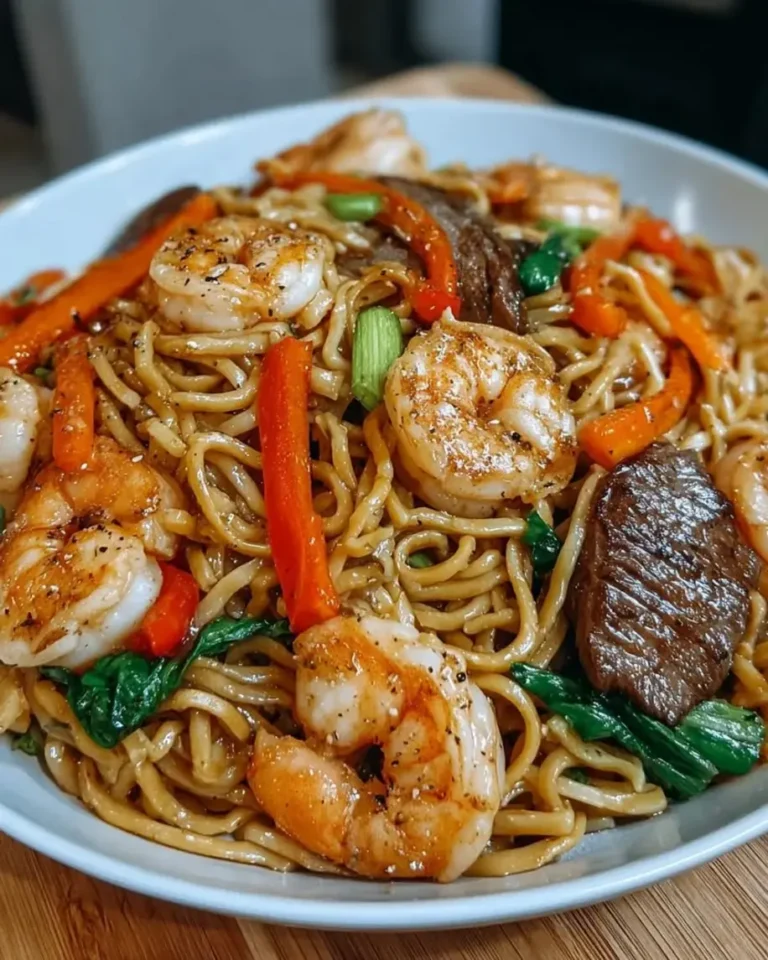
Steak & Shrimp Stir-Fry Noodles
A surf and turf stir-fry with tender sirloin steak, juicy shrimp, colorful vegetables, and lo mein noodles in a thick savory sauce.
- Total Time: 30 minutes
- Yield: 4 1x
Ingredients
- 8 oz sirloin steak, cut into bite-sized pieces
- 1 lb large shrimp, peeled and deveined
- 2 tbsp vegetable oil
- 12 oz lo mein noodles (or low-carb keto noodles)
- 1 cup baby spinach
- 1 cup carrots, sliced into sticks
- 1 red bell pepper, sliced
- 3 cloves garlic, minced
- 1 tsp fresh ginger, grated
- 1/4 cup soy sauce
- 2 tbsp oyster sauce
- 1 tbsp brown sugar
- 1 tsp sesame oil
- 1 tbsp sesame seeds
- 2 green onions, sliced
Instructions
- Cook the Noodles: Boil the lo mein noodles in a large pot of salted water according to the package directions until tender. Drain and set aside.
- Sear the Proteins: Heat the vegetable oil in a large wok or skillet over medium-high heat. Drop in the bite-sized sirloin steak and sear until beautifully browned. Remove the steak and set aside. In the exact same wok, sear the raw shrimp for 1 to 2 minutes per side just until they turn beautifully bright pink and juicy. Remove and set aside with the steak.
- Stir-Fry the Veggies: Toss the minced garlic, grated ginger, carrot sticks, and sliced red bell pepper into the hot wok. Stir-fry until the vegetables are vibrant and tender-crisp. Fold in the baby spinach and cook for 30 seconds until just wilted.
- Build the Thick Drip: In a small bowl, heavily whisk the soy sauce, oyster sauce, brown sugar, and sesame oil until completely smooth. Pour this mixture directly into the wok with the veggies, letting it bubble and reduce slightly into a rich, thick, glossy dark savory sauce.
- Assemble and Drip: Toss the cooked noodles, browned steak, and bright pink shrimp back into the bubbling wok. Toss everything continuously until every single noodle and piece of protein is heavily coated. Plate the meal and flood it with an extra massive, heavy, scroll-stopping thick glossy dark savory sauce drip straight from the wok! Garnish with sesame seeds and sliced green onions, then serve immediately.
- Prep Time: 15 minutes
- Cook Time: 15 minutes
Nutrition
- Calories: 620 kcal per serving
- Protein: 38g per serving
Tried This Recipe? Leave a Comment!
Did you make this recipe? I’d love to hear how it turned out! Please leave a comment and a rating below. Your feedback helps other home cooks and supports cheerychop.com!
For more delicious inspiration, follow me on Pinterest!