Tender Thai Red Curry Beef in Creamy Coconut Sauce
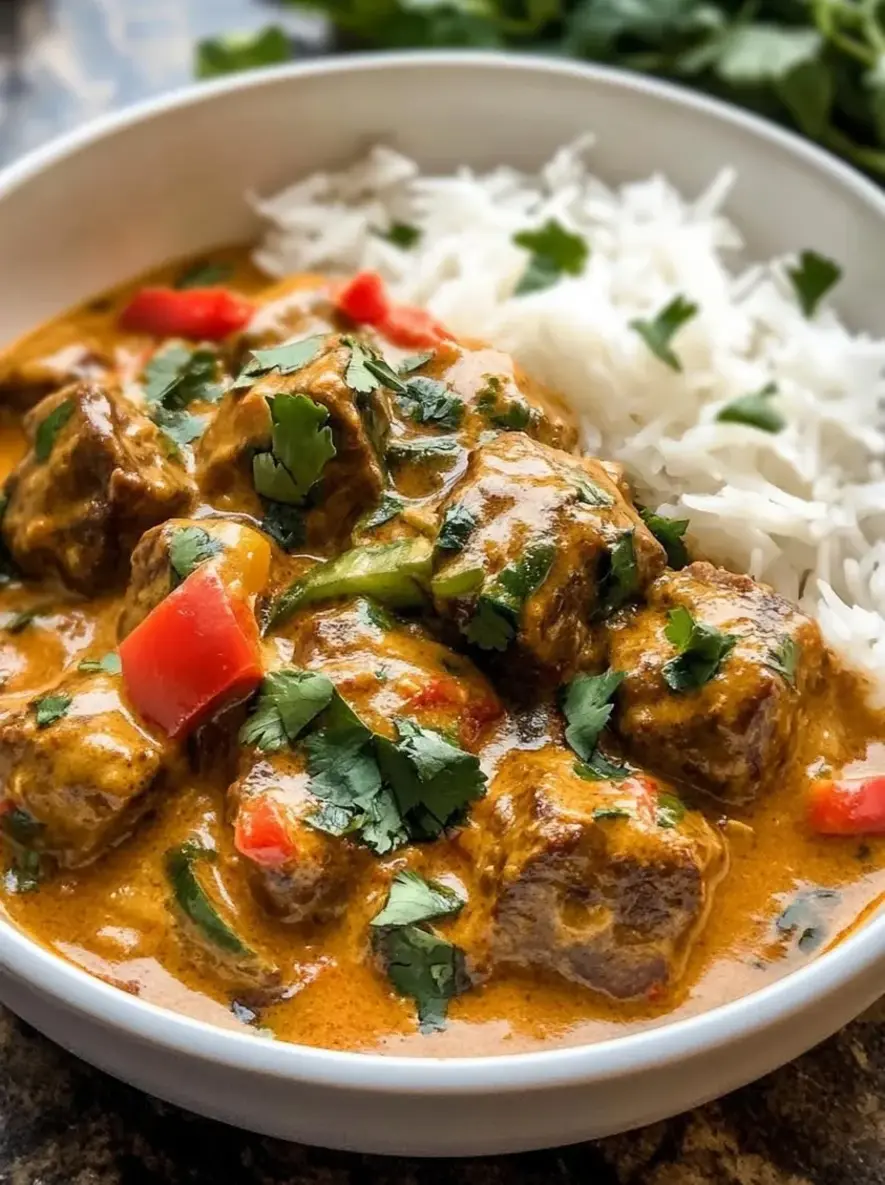
Table of Contents
Tender Thai Beef Strips in Creamy Red Coconut Curry Sauce – A Fragrant One-Pan Wonder
I still remember the first time I made a truly memorable Thai red curry beef — it was a drizzly Tuesday evening in my tiny NYC apartment, and I was craving something that would wrap itself around me like a warm blanket. Growing up in Morocco, my mother would often slow-simmer beef with cinnamon, ginger, and saffron until it fell apart into a fragrant, soulful tagine. Years later, in Paris, I learned how a properly built sauce — layered with aromatics, reduced with patience, finished with cream or coconut — could elevate simple ingredients into something extraordinary. This Thai red curry beef recipe is the love child of those worlds: the bold, aromatic warmth of North African spice philosophy, the French discipline of building a sauce, and the bright, herbal punch of authentic Thai cooking. It’s my go-to when I want a deeply satisfying dinner that feels both exotic and familiar, all in under an hour.
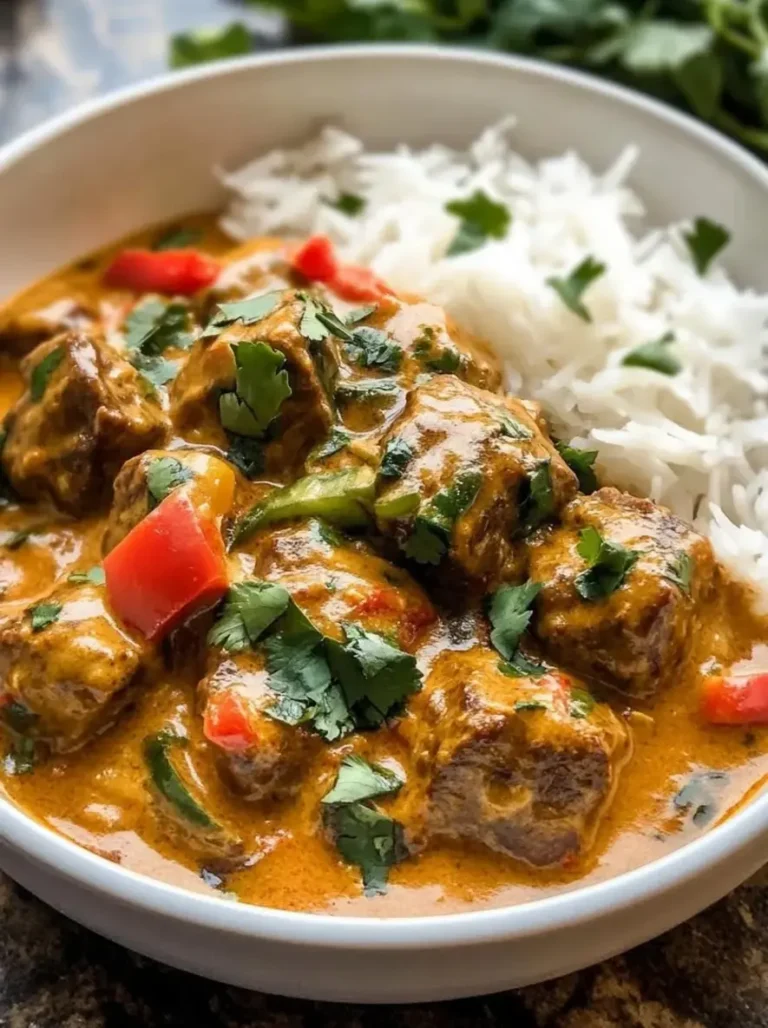
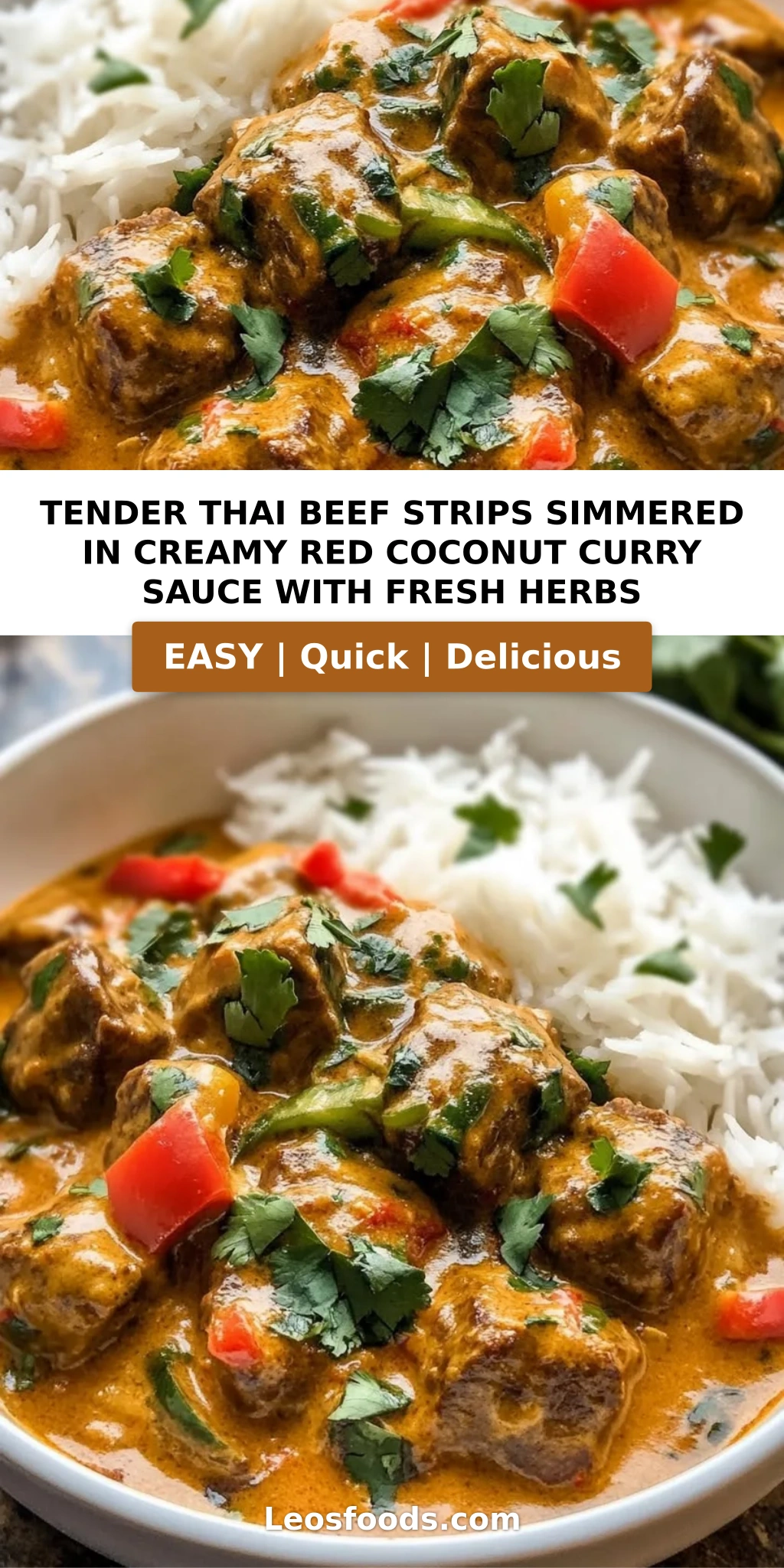
Imagine this: tender strips of beef sirloin, seared until golden at the edges, then gently simmered in a luscious, creamy red coconut curry sauce that coats every piece like velvet. The sauce itself is a symphony — the earthy heat of red curry paste, the sweetness of coconut milk, the salty umami of fish sauce, and a whisper of brown sugar to balance it all. And then come the vegetables: thinly sliced onion that melts into the sauce, red bell pepper adding a pop of color and sweetness, and snap peas that stay delightfully crisp. Fresh Thai basil, cilantro, and mint scattered over the top just before serving bring a bright, perfumed finish that makes the whole dish sing. Every spoonful is creamy, spicy, savory, and herb-fresh — a bowl of pure comfort that tastes like a hug from the inside.
What makes my version of this Thai beef strips recipe stand out? It’s the technique I brought home from Paris — a quick marinade for the beef in a touch of fish sauce and lime juice before searing, which tenderizes and seasons the meat from the inside out. Then, instead of just dumping everything into the pot, I build the curry sauce in stages: bloom the curry paste in hot oil until fragrant, add the coconut milk slowly, and let it all simmer just long enough for the flavors to meld without toughening the beef. One common mistake people make is boiling the coconut milk on high heat, which can cause it to separate and turn grainy — I’ll show you exactly how to keep it silky. And I’ll share my favorite trick for getting restaurant-quality tenderness from affordable beef sirloin. Let’s dive into this creamy coconut curry beef that’s destined to become a weeknight staple.
Why This Thai Red Curry Beef Recipe Is the Best
The Flavor Secret. The magic starts with a quick marinade — just a splash of fish sauce and fresh lime juice massaged into the beef strips before cooking. This isn’t a step you want to skip: the acidity and salt work together to tenderize the meat and infuse it with savory depth. Then, blooming the red curry paste in hot oil until it becomes dark and fragrant unlocks essential oils that make the sauce infinitely more complex. It’s the same technique I use when building a curry base in Moroccan cooking — patience with aromatics pays off in every bite.
Perfected Texture. Beef sirloin is lean, which means it can turn tough if you overcook it. My method — searing the strips in batches over high heat, then adding them back to the sauce only at the very end — ensures they stay tender and juicy. The sauce itself is a study in balance: full-fat coconut milk provides creaminess, while a small amount of beef broth keeps it from becoming too heavy. The vegetables are added in stages so each one retains its ideal texture — the snap peas stay bright green and crisp, the bell pepper softens just slightly, and the onion practically dissolves into the sauce.
Foolproof & Fast. Despite the layered flavors, this easy Thai curry with beef comes together in about 40 minutes from start to finish. It’s a one-pan meal (well, one skillet and a cutting board) that’s impressive enough for company but simple enough for a busy Tuesday. I’ve tested this recipe for home cooks of all levels, and the feedback is always the same: it tastes like something from a restaurant, but it’s surprisingly straightforward to make. With clear visual cues and step-by-step guidance, you’ll feel like a pro — even if it’s your first time making a Thai curry.
Thai Red Curry Beef Ingredients
I love shopping for the ingredients for this red curry with beef and vegetables at my local NYC farmers market in Union Square — the snap peas in spring are incredible, and I always grab extra Thai basil from the specialty herb stand. When I can’t find fresh Thai basil, regular sweet basil with a handful of mint works beautifully. Below is everything you’ll need, plus my tested substitutions for those harder-to-find items.
Ingredients List
- 1½ lbs (680 g) beef sirloin, thinly sliced
- 1 tablespoon fish sauce (for marinade)
- 1 tablespoon fresh lime juice (for marinade)
- 2 tablespoons vegetable oil, divided
- 1 small onion, thinly sliced
- 1 red bell pepper, sliced
- 1 cup snap peas, trimmed
- 2 cloves garlic, minced
- 2 tablespoons red curry paste
- 1 can (14 oz) full-fat coconut milk
- ½ cup beef broth, low-sodium
- 1 tablespoon brown sugar
- 1 tablespoon fish sauce (for sauce)
- For garnish: fresh Thai basil leaves, fresh cilantro, fresh mint, lime wedges, sliced red chili (optional)
Ingredient Spotlight
Beef Sirloin: This cut strikes the perfect balance between tenderness, flavor, and affordability. It’s lean but not tough when sliced thinly against the grain and cooked quickly. For an even more tender result, you can use flank steak or rib-eye — just adjust cooking time slightly as rib-eye cooks faster. If you’re on a budget, top round works well too; just be sure to slice it very thin and don’t overcook it.
Red Curry Paste: The heart of this dish. Look for a brand like Mae Ploy or Thai Kitchen in the international aisle of most US grocery stores. Red curry paste typically contains red chilies, lemongrass, galangal, garlic, and shrimp paste — it’s intensely aromatic and spicy. If you’re sensitive to heat, start with 1½ tablespoons and taste before adding more. Avoid using curry powder as a substitute; it has a completely different flavor profile.
Coconut Milk: Full-fat coconut milk is non-negotiable for that velvety, creamy coconut curry beef texture. Light coconut milk will result in a thinner, less luxurious sauce and may not emulsify as well. Shake the can well before opening, or better yet, scoop the thick cream from the top and use it to bloom the curry paste — that’s a French technique that adds even more richness.
Thai Basil: This herb has a distinct anise-like flavor that’s essential to authentic Thai curry. If you can’t find it, sweet basil combined with a few mint leaves makes an excellent substitute — the mint mimics that slight licorice note. Never skip the fresh herbs at the end; they take the dish from good to extraordinary.
| Original Ingredient | Best Substitution | Flavor / Texture Impact |
|---|---|---|
| Beef Sirloin | Flank steak or rib-eye | Flank is slightly chewier; rib-eye is more tender and rich |
| Red Curry Paste | Yellow or green curry paste | Milder heat (yellow) or brighter, herbal notes (green) |
| Coconut Milk (full-fat) | Coconut cream + water (thin to desired consistency) | Richer, thicker sauce; may need more liquid |
| Thai Basil | Sweet basil + mint (1:1 ratio) | Slightly less anise flavor, but still fresh and aromatic |
| Fish Sauce | Soy sauce + a pinch of salt | Less umami depth; add a splash of lime for brightness |
How to Make Tender Thai Beef Strips in Creamy Red Coconut Curry Sauce — Step-by-Step
I’ve designed this recipe to flow smoothly from one step to the next, so you can cook with confidence and ease. Read through the steps once before you start, and you’ll see how quickly it all comes together.
Step 1: Marinate and Prep the Beef
Place the thinly sliced beef sirloin in a medium bowl. Drizzle with 1 tablespoon fish sauce and 1 tablespoon fresh lime juice. Toss well with your hands to coat every piece. Let it sit at room temperature for 10 minutes while you prep the vegetables. This quick marinade tenderizes the beef and infuses it with savory, citrusy flavor. If you have more time, you can cover and refrigerate for up to 30 minutes — the flavor only gets better.
💡 Stella’s Pro Tip: Slice the beef against the grain for maximum tenderness. Look for the lines of muscle fiber running along the meat, then cut perpendicular to them. This shortens the fibers and makes each bite melt-in-your-mouth tender.
Step 2: Sear the Beef in Batches
Heat 1 tablespoon of vegetable oil in a large skillet or wok over high heat until it shimmers. Add half the beef strips in a single layer — don’t overcrowd the pan. Sear for 1½ minutes per side until nicely browned but not cooked through. Transfer to a clean plate and repeat with the remaining ½ tablespoon oil and the rest of the beef. The beef will finish cooking later in the sauce, so a quick sear is all you need here.
⚠️ Common Mistake to Avoid: Overcrowding the pan causes the beef to steam instead of sear, which means you lose that rich, browned flavor. Always cook in batches — it’s worth the extra minute!
Step 3: Sauté the Aromatics and Vegetables
Reduce the heat to medium. Add the remaining ½ tablespoon oil to the same skillet. Add the sliced onion and cook for 3 minutes, stirring occasionally, until softened and lightly golden. Add the minced garlic and cook for 30 seconds until fragrant. Then add the sliced red bell pepper and snap peas, and cook for 2 minutes — the bell pepper should begin to soften but the snap peas should still be bright green.
💡 Stella’s Pro Tip: Keep the snap peas slightly undercooked at this stage — they’ll continue to cook when the sauce goes in, and you want them to retain that satisfying crunch.
Step 4: Bloom the Curry Paste
Push the vegetables to the edges of the skillet, creating a well in the center. Add 2 tablespoons of red curry paste to the center and cook for 1 minute, stirring constantly, until the paste darkens and becomes intensely fragrant. This blooming step is crucial — it wakes up the spices and deepens the overall flavor of the sauce. If the paste starts to stick, add a splash of the coconut milk to loosen it.
⚠️ Common Mistake to Avoid: Adding the curry paste directly to the liquid without blooming it first. This results in a flat, one-dimensional flavor. Always bloom in hot oil for at least 30–60 seconds.
Step 5: Build the Creamy Coconut Sauce
Slowly pour in the full-fat coconut milk while stirring continuously to incorporate the bloomed curry paste. Then add the beef broth, brown sugar, and 1 tablespoon fish sauce. Bring the sauce to a gentle simmer — small bubbles should appear around the edges, but no vigorous boiling. Reduce the heat to low and let the sauce simmer for 5 minutes, stirring occasionally, to allow the flavors to meld and the sauce to thicken slightly.
💡 Stella’s Pro Tip: Simmer the sauce gently — never let it boil hard. Boiling can cause the coconut milk to separate and become grainy. A low, steady simmer keeps it silky-smooth and luxurious.
Step 6: Combine and Finish
Return the seared beef strips (and any accumulated juices) to the skillet. Stir everything together and cook for 2–3 minutes over medium-low heat, just until the beef is heated through and cooked to perfection. Remove from heat immediately — you don’t want to overcook the beef. Taste the sauce and adjust seasoning if needed: add a pinch more fish sauce for saltiness, a squeeze of lime for brightness, or a pinch of brown sugar for sweetness.
⚠️ Common Mistake to Avoid: Adding the beef back too early and simmering it for too long. Beef sirloin is lean and can become tough if overcooked. Add it at the very end and just warm it through.
| Step | Action | Duration | Key Visual Cue |
|---|---|---|---|
| 1 | Marinate beef | 10 mins | Beef is evenly coated and slightly glossy |
| 2 | Sear beef in batches | 3 mins per batch | Deep golden-brown crust on each side |
| 3 | Sauté aromatics | 5–6 mins | Onion golden, garlic fragrant, snap peas bright green |
| 4 | Bloom curry paste | 1 min | Paste darkens and smells deeply aromatic |
| 5 | Simmer sauce | 5 mins | Sauce thickens slightly, small bubbles around edges |
| 6 | Combine and finish | 2–3 mins | Beef warmed through, sauce coats the back of a spoon |
Serving & Presentation
This creamy coconut curry beef is wonderfully versatile when it comes to serving. I love to ladle it over a bed of steamed jasmine rice, which soaks up every drop of that luscious red curry sauce. For a low-carb option, serve it over cauliflower rice or with rice noodles. The fresh herbs at the end are non-negotiable in my kitchen — a generous scattering of Thai basil, cilantro, and mint adds a bright, aromatic finish that balances the richness of the sauce.
For a stunning presentation, arrange the beef strips and vegetables in a shallow bowl, spoon the sauce over the top, and finish with a few whole Thai basil leaves, a sprig of cilantro, and a wedge of lime on the side. If you like heat, add thinly sliced red chili on top — it adds a pop of color and a kick of spice. This is the kind of dish that makes a weeknight dinner feel like a special occasion, whether you’re cooking for yourself or for friends.
When I serve this at home in NYC, I often pair it with a simple cucumber salad dressed with rice vinegar and sesame oil — the cool, crunchy freshness is a lovely contrast to the warm, creamy curry. And for a touch of North African flair, I sometimes add a sprinkle of toasted sesame seeds or crushed peanuts over the top, a habit I picked up from my mother’s kitchen.
| Pairing Type | Suggestions | Why It Works |
|---|---|---|
| Side Dish | Steamed jasmine rice, rice noodles, cauliflower rice | Neutral base absorbs the rich, creamy sauce |
| Sauce / Dip | Extra lime wedges, chili oil, pickled ginger | Adds brightness, heat, and acidity to cut richness |
| Beverage | Crisp lager, dry Riesling, iced green tea | Refreshing, light drinks balance the spicy, creamy curry |
| Garnish | Thai basil, cilantro, mint, sliced red chili, lime wedge | Fresh herbs add aroma, color, and a bright finish |
Make-Ahead, Storage & Reheating
As a busy NYC mom and food blogger, I’m all about meals that work for my schedule. This Thai beef strips recipe is one of my favorite meal-prep options because the flavors actually deepen and improve overnight. I often make a double batch on Sunday and portion it out for quick lunches or dinners throughout the week. The key is to store the beef and sauce together so the meat stays moist and infused with flavor.
| Method | Container | Duration | Reheating Tip |
|---|---|---|---|
| Refrigerator | Airtight glass container | Up to 4 days | Reheat gently in a skillet over medium-low heat with a splash of water or broth to refresh the sauce. Microwave in 30-second bursts if short on time. |
| Freezer | Freezer-safe zip-top bag or container | Up to 3 months | Thaw overnight in the fridge. Reheat in a skillet over medium heat, adding a little coconut milk or broth to restore the creamy texture. |
| Make-Ahead | Store in the fridge in a sealed container | Up to 2 days in advance | Prepare the full recipe, cool completely, and refrigerate. Reheat gently and add fresh herbs just before serving for the best flavor. |
One thing I’ve learned the hard way: if you’re freezing this dish, leave the fresh herbs out until serving. Thai basil and cilantro don’t freeze well — they turn limp and lose their aromatic punch. Instead, add them fresh after reheating for that burst of brightness that makes this easy Thai curry with beef so special. Also, when reheating, be patient and use gentle heat to prevent the coconut milk from separating. A low-and-slow approach keeps the sauce silky every time.
Variations & Easy Swaps
One of the things I love most about this recipe is how adaptable it is. Whether you’re cooking for dietary needs, seasonal produce, or just what you have on hand, there’s a variation that will work beautifully. Below are my favorite ways to switch it up, each tested in my own kitchen.
| Variation | Key Change | Best For | Difficulty Impact |
|---|---|---|---|
| Chicken Thai Red Curry | Substitute boneless chicken thighs for beef | Poultry lovers; often more affordable | Same difficulty — adjust cooking time to 8–10 mins |
| Vegetarian Thai Red Curry | Replace beef with extra-firm tofu or chickpeas | Meatless Monday; plant-based diets | Slightly easier — no need to sear in batches |
| Spicy Thai Red Curry Beef | Add 1–2 bird’s eye chilies with the curry paste | Heat seekers; adventurous palates | Same difficulty — just add more heat |
Chicken Thai Red Curry Variation
If you’re in the mood for poultry instead of beef, boneless, skinless chicken thighs are your best bet. They stay juicy and tender even with a slightly longer simmer. Cut them into bite-sized pieces, season with a pinch of salt and pepper, and sear them just as you would the beef — about 2 minutes per side. Then follow the same steps for the sauce, but let the chicken simmer in the sauce for 8–10 minutes (instead of 2–3) to ensure it’s cooked through. This variation is especially lovely with a handful of fresh cilantro stirred in at the end, a trick I learned from a street food vendor in Bangkok during a trip years ago.
Vegetarian Thai Red Curry Variation
For a plant-based version that’s just as satisfying, replace the beef with 14 oz (400 g) of extra-firm tofu, pressed and cubed, or 1½ cups of cooked chickpeas. If using tofu, toss the cubes in a little cornstarch and pan-fry them in oil until golden and crispy on all sides — this gives them a wonderful texture that holds up in the sauce. Use soy sauce or tamari in place of fish sauce, and choose a vegetable broth over beef broth. The result is a hearty, protein-rich vegan Thai red curry that’s become a staple in my weekly rotation. My Moroccan mother would approve of the chickpea version — she always said chickpeas and cumin are a match made in heaven.
Spicy Thai Red Curry Beef Variation
For those who like it hot — and I mean really hot — this variation is for you. When you add the curry paste to bloom, toss in 1 or 2 finely chopped bird’s eye chilies (Thai chilies) along with it. These little peppers pack a serious punch, so start with one and taste before adding another. If you can’t find bird’s eye chilies, serrano peppers make a fine substitute. I like to finish this version with a generous squeeze of lime and extra fresh mint to cool things down. It’s the kind of bold, fiery red curry with beef and vegetables that reminds me of the vibrant street food stalls in Bangkok’s Chatuchak market.
What is the best cut of beef to use for tender Thai red coconut curry strips?
Beef sirloin is my top recommendation for this Thai red curry beef recipe because it strikes the perfect balance between tenderness, flavor, and affordability. It’s lean but not tough, especially when sliced thinly against the grain. Flank steak is another excellent option — it has a slightly more robust meaty flavor and tenderizes beautifully with the quick lime-fish sauce marinade. If you’re willing to splurge, rib-eye yields incredibly tender results thanks to its marbling, but it’s pricier and can make the sauce a bit greasier. Avoid tougher cuts like chuck or brisket for this quick-cooking dish, as they require long, slow braising to become tender.
Can I substitute coconut milk with coconut cream in this Thai beef curry recipe?
Yes, you can substitute coconut milk with coconut cream, but you’ll need to adjust the consistency. Coconut cream is much thicker and richer than coconut milk, so I recommend thinning it with water or beef broth to achieve a similar texture. Start by whisking together ½ cup of coconut cream with ½ cup of water or broth, then add it to the curry as you would coconut milk. The result will be an even more luxurious, velvety sauce — perfect if you love an ultra-creamy coconut curry beef. Just be careful not to let it boil rapidly, as coconut cream is more prone to separating than coconut milk.
How long should I simmer the beef strips in the red coconut curry sauce for the best tenderness?
For the most tender results, simmer the beef strips in the red coconut curry sauce for just 2 to 3 minutes after adding them back to the skillet. The beef sirloin has already been seared and only needs to be heated through — any longer and it will start to toughen and dry out. The key is to build the sauce completely before returning the beef, so you’re only warming the meat at the end. If you’re using a tougher cut like flank steak, you can simmer for up to 5 minutes, but I always recommend sirloin or rib-eye for this quick, tender Thai beef strips recipe.
What fresh herbs pair best with Thai red coconut curry beef?
Thai basil is the classic herb for this dish — it has a distinct anise-like flavor that complements the spicy, creamy coconut sauce beautifully. I also love adding fresh cilantro and mint, which bring brightness and a cooling effect that balances the heat from the curry paste. For a finishing touch, scatter a handful of these herbs — whole or roughly torn — over the curry just before serving. If you can’t find Thai basil, sweet basil combined with a few mint leaves is an excellent substitute. The herbs aren’t just garnish; they’re an integral part of the flavor profile in this easy Thai curry with beef.
Can I make this Thai red curry beef recipe ahead of time for meal prep?
Absolutely — this creamy coconut curry beef is one of my favorite meal-prep recipes because the flavors deepen and meld beautifully overnight. You can prepare the full recipe up to 2 days in advance and store it in an airtight container in the refrigerator. When reheating, do so gently over medium-low heat, adding a splash of water or broth to refresh the sauce. Avoid adding the fresh herbs until just before serving, as they lose their vibrant flavor and texture when stored. For freezer meal prep, freeze the curry (without herbs) for up to 3 months — thaw overnight in the fridge and reheat gently.
What can I use instead of fish sauce in this Thai beef strips recipe?
If you don’t have fish sauce or need a vegetarian alternative, soy sauce or tamari is your best bet. Use 1 tablespoon of soy sauce in place of the fish sauce for the marinade, and another tablespoon for the sauce. The flavor won’t be exactly the same — fish sauce has a distinct umami depth that soy sauce can’t fully replicate — but the result will still be delicious. To mimic some of that funky, savory complexity, I like to add a squeeze of lime juice and a tiny pinch of salt alongside the soy sauce. Coconut aminos also work well and are a popular paleo-friendly option.
Is this Thai red curry with beef and vegetables spicy?
This Thai red curry with beef and vegetables has a moderate level of heat — it’s warm and aromatic without being fiery. The 2 tablespoons of red curry paste provide a pleasant spiciness that’s balanced by the richness of the coconut milk and the sweetness of the brown sugar. If you’re sensitive to heat, I recommend starting with 1½ tablespoons of curry paste and tasting the sauce before adding more. For those who love extra heat, you can add sliced bird’s eye chilies or a drizzle of chili oil when blooming the curry paste. The fresh herbs and lime wedges served alongside also help cool things down.
What vegetables work best in a creamy coconut curry beef?
For this creamy coconut curry beef, I use red bell pepper, snap peas, and thinly sliced onion as my go-to vegetable trio. The bell pepper adds sweetness and color, the snap peas contribute a lovely crunch, and the onion melts into the sauce, thickening it naturally. Other vegetables that work beautifully include zucchini (sliced into half-moons), bamboo shoots (canned, drained), baby corn, and eggplant (cubed and sautéed until golden). If you’re adding eggplant, I recommend salting it first to draw out bitterness, a technique I learned in Paris that makes a noticeable difference in the final dish.
Share Your Version!
I absolutely love hearing from you — it’s the best part of running this little kitchen on the internet. If you make this Thai red curry beef recipe, please leave a star rating and a comment below to let me know how it turned out. Did you try one of the variations? Did you add your own twist? Your feedback helps other home cooks feel confident trying it for the first time.
And if you’re active on social media, I’d love to see your creation! Snap a photo of your beautiful bowl of creamy coconut curry beef and share it on Instagram or Pinterest — tag @leosfoods so I can see and share your version. Whether you’re cooking for your family, meal-prepping for the week, or impressing dinner guests, I want to celebrate your success. From my NYC kitchen to yours — I hope this recipe brings as much warmth to your table as it does to mine. — Stella 🧡
Love This Recipe? Save It to Pinterest!
If you enjoyed this Tender Thai Beef Strips Simmered in Creamy Red Coconut Curry Sauce with Fresh Herbs recipe, don’t let it get lost in your browser tabs! 😄 Pin it now so you can find it again anytime — and explore hundreds more tried-and-tested recipes waiting for you on my Pinterest boards.
👉 Follow Stella on Pinterest @stellarecipeblog
📌 Pin this recipe · 🔁 Re-pin your favorites · 💬 Tag me when you make it — I love seeing your creations!
💬 I’d love to hear from you!
Did you make this Thai red curry beef? Drop a comment below and tell me how it went — or ask me any question about the recipe. I read and reply to every single one! 🧡
⭐ Rate this recipe · 💬 Share your twist · 📸 Tag @leosfoods on Instagram
Tender Thai Beef Strips Simmered in Creamy Red Coconut Curry Sauce with Fresh Herbs
Ingredients
- For the Beef:
- 1½ lbs (680 g) beef sirloin, thinly sliced
- 1 tablespoon vegetable oil
- 1 small onion, thinly sliced
- 1 red bell pepper, sliced
- 1 cup snap peas
- 2 cloves garlic, minced
- For the Red Curry Sauce:
- 2 tablespoons red curry paste
Instructions
Tried This Recipe? Leave a Comment!
Did you make this recipe? I’d love to hear how it turned out! Please leave a comment and a rating below. Your feedback helps other home cooks and supports cheerychop.com!
For more delicious inspiration, follow me on Pinterest!