Aromatic Tropical Lamb Stew with Sweet Potatoes
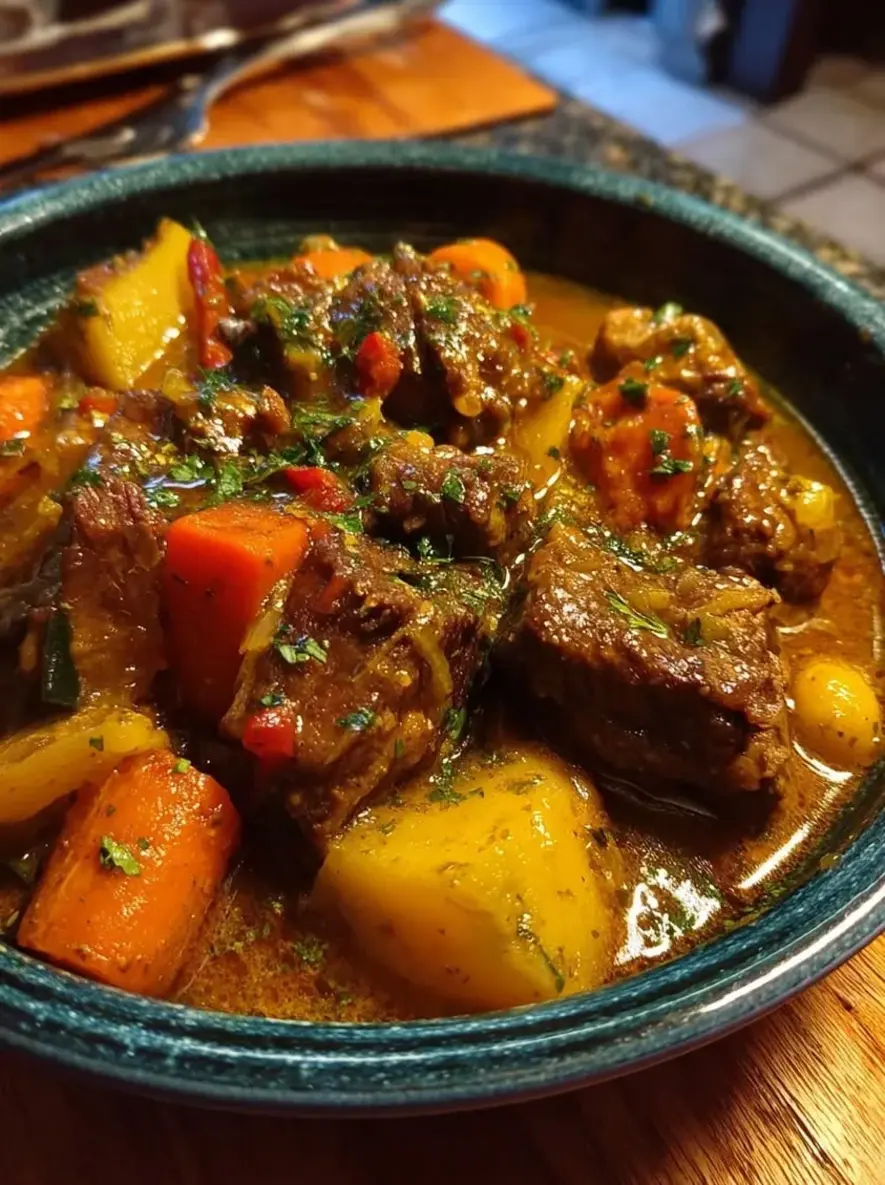
Table of Contents
Tropical Island Lamb Stew with Coconut-Spiced Broth, Sweet Potatoes, and Caribbean Herbs – A Fusion of Island & Home
When I first moved to New York City from Morocco, I brought with me a deep love for slow-cooked meats and bold spice blends. But it wasn’t until a trip to a Caribbean market in Brooklyn that I discovered the magic of coconut milk mingling with allspice and thyme. That day, I knew I had to create a tropical lamb stew recipe that would bridge my North African roots with the vibrant flavors of the islands. This Caribbean lamb stew is the result: a bowl of pure comfort where tender lamb swims in a coconut-spiced broth with sweet potatoes and fragrant herbs. The first spoonful hit me with warmth, a hint of cinnamon, and the creamy richness of coconut — it felt like a hug from two worlds at once.
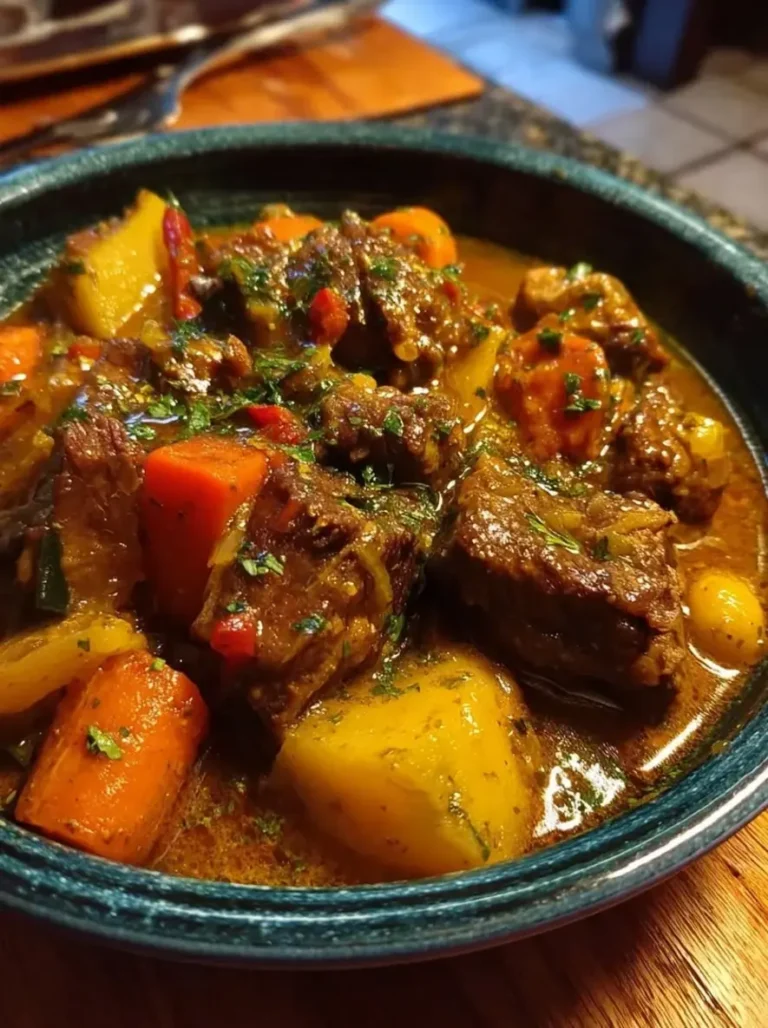
Imagine a stew where each bite of lamb is so tender it nearly melts, the broth is luscious and fragrant with ginger, garlic, and smoked paprika, and the sweet potatoes add a natural sweetness that balances the spices. The aroma that fills your kitchen is intoxicating — allspice and thyme dancing with the sweetness of coconut. The visual is equally inviting: golden chunks of sweet potato nestled in a pale, creamy broth flecked with green herbs. This isn’t a quick weeknight dinner; it’s a slow-cooked labor of love that pays you back in every spoonful. I learned the importance of building flavor in layers during my time at Le Cordon Bleu in Paris, and this stew showcases that technique beautifully.
What sets my version apart is the way I marry Moroccan spice wisdom with French technique and Caribbean soul. I sear the lamb in batches for deep browning, then slowly coax out the sweetness of the allspice and cinnamon before adding the coconut milk. The result is a lamb stew with sweet potatoes that’s both comforting and sophisticated. Throughout this post, I’ll share my 💡 Stella’s Pro Tip for getting the most tender lamb, and I’ll warn you about the common mistake of adding the coconut milk too early (it can separate). By the end, you’ll be making this island lamb stew like a pro, whether you’re in a tiny NYC apartment or a spacious kitchen anywhere.
Why This Tropical Lamb Stew Recipe Is the Best
The Flavor Secret: Most stews rely on a single broth base, but here I layer flavors by first toasting the spices in the rendered lamb fat, then deglazing with tomato paste before adding the coconut milk. This technique – learned from my Parisian chef instructor – extracts maximum depth from every ingredient. The allspice and smoked paprika aren’t just added; they bloom in the hot oil, releasing essential oils that infuse the entire dish. The final touch of fresh culantro or cilantro brightens everything. This is a tropical lamb stew recipe that tastes like sunshine and smoke.
Perfected Texture: Lamb shoulder is the star here because its marbling breaks down during the long simmer, creating fork-tender pieces that retain a bit of bite. I brown the lamb in two batches to avoid steaming, a method I picked up in French kitchens. The sweet potatoes are added halfway through cooking so they soften but don’t disintegrate, offering creamy pockets against the tender meat. Every spoonful has a mix of textures – tender lamb, soft sweet potato, and a silky broth that coats your tongue.
Foolproof & Fast (for a stew): Don’t let the ingredient list intimidate you. This stew comes together with simple prep: chop the onion, mince the garlic and ginger, cut the lamb and sweet potatoes. The hands-on time is just 20 minutes; the rest is gentle simmering. I’ve made this countless times in my small NYC kitchen, and even beginner cooks can nail it. The key is to taste and adjust seasoning at the end – a habit my mother taught me in her Moroccan kitchen. Trust the process, and you’ll have a restaurant-quality Caribbean lamb stew on your table.
Tropical Lamb Stew Recipe Ingredients
I love shopping for these ingredients at the Union Square Greenmarket or my local Caribbean grocery. The lamb shoulder I source from a halal butcher in Astoria, and the fresh culantro I find at a Latin market in the Bronx. Every ingredient tells a story – the allspice reminds me of a spice market in Marrakech, while the coconut milk takes me back to a little beach shack in Jamaica. Here’s everything you’ll need:
Ingredients List
- 2 lbs lamb shoulder, cut into 1½-inch chunks
- 2 tablespoons vegetable oil (or coconut oil for extra flavor)
- 1 large onion, diced
- 4 cloves garlic, minced
- 1 tablespoon fresh ginger, grated
- 2 tablespoons tomato paste
- 1 teaspoon ground allspice
- 1 teaspoon smoked paprika
- 1 teaspoon dried thyme (or 2 teaspoons fresh)
- ½ teaspoon ground cinnamon
- 1 can (14 oz) full-fat coconut milk
- 2 cups low-sodium chicken or beef broth
- 1 cup water (if needed)
- 2 medium sweet potatoes (about 1 lb), peeled and cut into 1-inch chunks
- 1 cup fresh culantro or cilantro, chopped (for garnish)
- Salt and freshly ground black pepper, to taste
- Optional: 1 Scotch bonnet pepper (left whole for gentle heat) or ½ teaspoon cayenne
Ingredient Spotlight
Lamb Shoulder: The best cut for this coconut lamb stew because of its fat content and connective tissue. When slow-cooked, it becomes melt-in-your-mouth tender. Look for meat with some marbling – avoid lean cuts like leg as they can dry out. If you can’t find lamb, beef chuck works, but cook 30 minutes longer. I always ask my butcher to cut it into uniform pieces for even cooking.
Allspice: This is the heart of Caribbean cooking. Don’t skip it – it brings warmth and a hint of clove, nutmeg, and cinnamon all in one. Buy whole allspice and grind it yourself for the most vibrant flavor. A pinch extra won’t hurt; this stew loves spice.
Coconut Milk: Full-fat is non-negotiable for that velvety richness. Light coconut milk will result in a thin broth and fewer flavor compounds. Shake the can well before opening – the cream and water separate. If you see solid cream, that’s a sign of quality. For a dairy-free option, no substitution needed; this is naturally lactose-free.
Sweet Potatoes: They add natural sweetness and a creamy texture that complements the spicy broth. Choose firm, unblemished sweet potatoes with orange flesh (like Beauregard). Yams (true yams) are starchier and less sweet; I don’t recommend them here. If you must substitute, try butternut squash – it holds its shape and adds a similar sweetness.
Culantro vs. Cilantro: Culantro (sometimes called “shado beni” or “recao”) has a stronger, more pungent flavor than cilantro and is traditional in Caribbean cooking. It can be found in Latin or Asian markets. If unavailable, use fresh cilantro – use double the amount as it’s milder. The herbs brighten the finished stew and cut through the richness.
| Original Ingredient | Best Substitution | Flavor / Texture Impact |
|---|---|---|
| Lamb shoulder | Beef chuck | Slightly beefier flavor; cook 30 min longer |
| Coconut milk (full-fat) | Coconut cream diluted with water | Richer but similar; adjust liquid ratio |
| Sweet potatoes | Butternut squash | Less sweet, firmer texture; still delicious |
| Fresh culantro | Fresh cilantro (double amount) | Milder, still brightens; don’t skip |
| Smoked paprika | Sweet paprika + ¼ tsp liquid smoke | Closer smokiness; liquid smoke is potent |
How to Make Tropical Island Lamb Stew — Step-by-Step
This stew comes together in a single pot – I use a heavy Dutch oven, but a large pot with a tight-fitting lid works too. Follow these steps and you’ll be rewarded with a deeply flavorful, soul-warming meal.
Step 1: Sear the Lamb
Pat the lamb chunks dry with paper towels (moisture prevents browning). Season generously with salt and black pepper. Heat 1 tablespoon of the oil in your pot over medium-high heat until shimmering. Add half the lamb in a single layer (don’t overcrowd – cook in batches) and sear without moving for 3-4 minutes until a deep brown crust forms. Turn and brown all sides, about 2 more minutes per batch. Transfer to a plate. Repeat with remaining lamb and the other tablespoon of oil. The browned bits stuck to the pot are flavor gold – don’t clean it.
💡 Stella’s Pro Tip: For extra flavor, dust the lamb with a little allspice and cinnamon before searing. It creates a fragrant crust that infuses the whole stew.
Step 2: Sauté Aromatics
Reduce heat to medium. Add the diced onion and cook, stirring occasionally, for 5 minutes until softened and translucent. Add the minced garlic and grated ginger; cook for 1 minute until fragrant – do not let them burn. Stir in the tomato paste and cook for 2 minutes, stirring constantly, until it darkens slightly and releases a rich, sweet aroma. This step deepens the umami of the stew.
⚠️ Common Mistake to Avoid: Don’t rush the tomato paste – undercooked it tastes raw and acidic. Cook it until it turns a shade darker and smells sweet.
Step 3: Build the Coconut-Spiced Broth
Sprinkle the allspice, smoked paprika, dried thyme, and cinnamon over the onions. Stir constantly for 30 seconds until the spices become fragrant. Pour in the coconut milk and broth, stirring to scrape up all the browned bits from the bottom of the pot. Add the seared lamb back along with any accumulated juices. If the lamb isn’t fully submerged, add up to 1 cup water. Increase heat to high and bring to a boil, then immediately reduce heat to low, cover, and simmer gently for 45 minutes. The broth should just barely bubble – a vigorous boil would toughen the meat.
💡 Stella’s Pro Tip: Add a whole Scotch bonnet pepper (pierced with a knife) to the pot for a gentle, fruity heat that doesn’t overpower. Remove it before serving – it’s only there to infuse.
Step 4: Simmer with Sweet Potatoes
After 45 minutes, taste the broth and adjust salt. Add the sweet potato chunks, pushing them into the liquid. Cover and continue simmering for another 25-30 minutes, until the sweet potatoes are just tender when pierced with a fork – they should offer slight resistance, not fall apart. The lamb by now should be very tender; if it’s still tough, give it 10 more minutes before adding the sweet potatoes.
⚠️ Common Mistake to Avoid: Adding sweet potatoes too early will turn them into mush. They need only 25-30 minutes; if you want firmer chunks, add them after 50 minutes of the lamb cooking.
Step 5: Finish and Adjust
Remove the pot from heat. If you used a Scotch bonnet, take it out. Stir in the fresh chopped culantro or cilantro (reserve a little for garnish). Taste once more and adjust seasoning with salt, pepper, or a squeeze of lime for brightness. The broth should be creamy and just slightly thickened from the sweet potatoes. If it’s too thin, simmer uncovered for 5-10 minutes to reduce. If too thick, thin with a splash of broth or water.
💡 Stella’s Pro Tip: Let the stew rest off the heat for 10 minutes before serving. This allows the flavors to meld and the meat to relax, making it even more tender.
| Step | Action | Duration | Key Visual Cue |
|---|---|---|---|
| 1 | Sear lamb | 6-8 min per batch | Deep brown crust, caramelized bits on pot |
| 2 | Sauté aromatics | 8 min | Onions transluscent, tomato paste darkens |
| 3 | Build broth & simmer lamb | 45 min | Broth is fragrant, bubbles gently |
| 4 | Add sweet potatoes | 25-30 min | Potatoes tender but not falling apart |
| 5 | Finish & rest | 10 min rest | Steam rises, aroma intensifies |
Serving & Presentation
I love serving this stew in wide, shallow bowls so the beautiful golden broth and tender lamb shine. Ladle the stew over a bed of fluffy white rice or creamy coconut rice – the rice soaks up the spiced coconut broth like a dream. For a low-carb option, serve with cauliflower rice or crusty bread to mop up every drop. Arrange the lamb and sweet potatoes artfully, then sprinkle the reserved culantro or cilantro on top for a vibrant green finish. A squeeze of fresh lime adds brightness that cuts through the richness.
Growing up in Morocco, we always served slow-cooked lamb with a side of harissa or a tangy preserved lemon sauce. Here, I like to offer a small bowl of hot sauce (like my homemade Scotch bonnet sauce) on the table for those who want extra heat. For a touch of Parisian elegance, garnish with a few microgreens or edible flowers – it’s a little flourish that impresses guests. In my NYC kitchen, I often pair this stew with a simple salad of arugula and avocado dressed with lime vinaigrette. The freshness balances the richness beautifully.
When I make this for friends, I set out a platter of fried plantains (tostones) on the side – the salty crunch is a fantastic contrast. For a truly island-inspired meal, serve with mango salsa or pickled red onions. Leftovers (if any) are even better the next day, so make a double batch. This stew freezes beautifully, making it a perfect Sunday meal prep for busy weeks.
| Pairing Type | Suggestions | Why It Works |
|---|---|---|
| Side Dish | Coconut rice, white rice, cauliflower rice, crusty bread | Absorbs the flavorful broth; rice adds comforting heft |
| Sauce / Dip | Scotch bonnet hot sauce, lime crema, mango chutney | Adds heat or cooling contrast; complements Caribbean flavors |
| Beverage | Cold beer (lager), light red wine (Grenache), ginger beer | Refreshing and cuts richness; ginger beer echoes the spice |
| Garnish | Fresh culantro/cilantro, lime wedges, fried shallots, toasted coconut flakes | Adds color, freshness, texture; coconut flakes echo the broth |
Make-Ahead, Storage & Reheating
This tropical lamb stew recipe is a dream for meal prep. I often make it on Sunday and enjoy it for lunches throughout the week. The flavors continue to meld, so day two is even better. For my busy NYC schedule, I portion it into individual containers – it’s a lifesaver when I have back-to-back recipe testing.
| Method | Container | Duration | Reheating Tip |
|---|---|---|---|
| Refrigerator | Airtight glass or plastic container | 4-5 days | Reheat gently on stovetop over medium-low, adding a splash of broth or water to loosen the sauce. Microwave in 30-second bursts. |
| Freezer | Freezer-safe zip-top bag or rigid container | 3 months | Thaw overnight in fridge. Reheat in a pot over low heat, stirring occasionally. The broth may separate slightly – whisk to recombine. |
| Make-Ahead | Complete stew, cooled | Up to 3 days in advance | Assemble fully, then reheat. The sweet potatoes will soften more on the second day – if you prefer firmer ones, add them fresh when reheating. |
A few extra tips from my kitchen: If freezing, leave the sweet potatoes slightly undercooked – they’ll soften during reheating. For best texture, I sometimes freeze the stew without the sweet potatoes and add fresh ones when reheating. The coconut milk may separate upon thawing; a vigorous stir or a quick whisk brings it back together. Never reheat the entire batch if you’ll only eat a portion – repeated heating and cooling affects the texture of the lamb.
Variations & Easy Swaps
| Variation | Key Change | Best For | Difficulty Impact |
|---|---|---|---|
| Goat Stew | Replace lamb with goat meat | Traditional Caribbean flavor; leaner meat | Easy – cook time similar, but meat may be less tender |
| Vegetarian Island Stew | Replace lamb with chickpeas & jackfruit | Plant-based, high protein | Medium – adjust liquid & reduce simmer time |
| Spicy Coconut Lamb | Add 2 Scotch bonnets (seeded) + 1 tsp cayenne | Heat lovers; Jamaican-style | Easy – just more spice; balance with extra coconut milk |
Goat Stew (Caribbean-Style)
In many Caribbean islands, goat is the traditional meat for stew. It’s leaner than lamb, so I recommend marinating the goat pieces overnight in lime juice, garlic, and allspice to tenderize. Increase cooking time by about 30 minutes, and be careful not to overcook – goat can become tough if boiled vigorously. The flavor is gamey and wonderful; the coconut broth mellows it beautifully. This is my nod to the Jamaican curries I learned to love from a friend in Brooklyn.
Vegetarian Island Stew
For a meatless version that still feels hearty, swap the lamb for 2 cans of chickpeas (drained) and 1 cup of shredded young green jackfruit (canned in brine, not syrup). Sear the jackfruit first for texture, then proceed as directed. Reduce the broth simmer time to 20 minutes since the chickpeas just need to warm through. Add the sweet potatoes earlier (at the same time as the jackfruit) so they soften. This variation is packed with fiber and still delivers that coconut lamb stew vibe – just without the lamb. I often make this for my vegetarian friends, and they love it.
Spicy Coconut Lamb
If you’re like me and crave a serious kick, this variation is for you. Add 2 Scotch bonnet peppers (seeds removed and thinly sliced) along with the spices, plus 1 teaspoon cayenne pepper. The heat builds as the stew simmers, so taste before adding more. To balance, increase the coconut milk by half a can – the extra fat tames the fire. Serve with a dollop of cooling yogurt or a side of sliced mango. This is the version I make when I want a truly fiery island lamb stew that wakes up all my senses.
What is the best cut of lamb to use for tropical island lamb stew to keep it tender?
Lamb shoulder is hands-down the best cut for this tropical lamb stew recipe. It has enough marbling and connective tissue to break down during the long simmer, resulting in fork-tender meat. I always buy boneless lamb shoulder from my butcher – it’s economical and forgiving. Avoid lean cuts like leg of lamb or loin, which can dry out and become tough. If you can only find lamb stew meat (often from various parts), check that it has visible fat. Pro tip: cut the meat into uniform 1½-inch pieces so they cook evenly. If lamb shoulder isn’t available, beef chuck is a solid second choice, just add 30 minutes to the simmering time.
Can I substitute sweet potatoes with regular potatoes or yams in this Caribbean lamb stew?
You can, but the flavor and texture will change. Regular potatoes (like Yukon Gold or Russet) are starchier and less sweet – they’ll act as thickeners but won’t provide that tropical sweetness that balances the spices. If you use them, reduce the amount of broth slightly as they’ll absorb more liquid. True yams (not the orange sweet potatoes often mislabeled as yams) are very starchy and drier; I don’t recommend them because they don’t get tender in the same way. For the best result in this coconut lamb stew, stick with orange-fleshed sweet potatoes. They hold their shape, add natural sweetness, and their creamy texture is perfect with the coconut broth. Butternut squash is the best substitution if you must avoid sweet potatoes.
How long should I simmer the coconut-spiced broth to develop the flavors fully?
I recommend a total simmer time of about 1 hour 15 minutes to 1 hour 30 minutes after adding the broth and lamb. The first 45 minutes are for the lamb to become tender, and the last 25-30 minutes are for the sweet potatoes. During this time, the coconut milk melds with the spices – allspice, smoked paprika, cinnamon – and the aromatics deepen. Don’t rush it; low and slow is key. If you’re short on time, you can pressure-cook in an Instant Pot (10 minutes high pressure with natural release for the lamb, then add sweet potatoes and cook 5 minutes more), but the stovetop version yields a richer flavor because of the gradual reduction.
What Caribbean herbs work best in this lamb stew if I can’t find fresh thyme or culantro?
If fresh thyme is unavailable, use 1 teaspoon dried thyme (as listed in the ingredients) – it works beautifully. For the culantro, the best substitute is fresh cilantro, but use twice as much because cilantro is milder. Another Caribbean herb you can try is “chadon beni” (essentially the same as culantro) – if you have a Latin market nearby, ask for “recao” or “culantro.” In a pinch, you can use a mix of fresh parsley and a little mint – that will bring a bright, herbal note. The key is to add fresh herbs at the end of cooking to preserve their vibrant flavor. Dried herbs won’t give the same pop, so I advise against substituting with dried culantro.
Can I make this tropical lamb stew in a slow cooker or Instant Pot?
Yes! For a slow cooker, sear the lamb and sauté the aromatics on the stove first to build flavor, then transfer everything (except sweet potatoes and fresh herbs) to the slow cooker. Cook on low for 6-8 hours or on high for 4-5 hours. Add the sweet potatoes during the last 30 minutes of cooking. For an Instant Pot, use the sauté function for searing and aromatics, then pressure cook on high for 20 minutes with natural release. After releasing pressure, add the sweet potatoes and cook on sauté mode for 15-20 minutes until tender. The flavors are slightly different – the stovetop version allows more reduction for a thicker broth – but both methods are delicious.
What can I do if my coconut milk separates or curdles in the stew?
Don’t panic – curdled coconut milk usually means it was heated too high or the acidity (from tomato paste) was too high. To prevent separation, always use full-fat coconut milk (light varieties are more prone to curdling) and add a pinch of salt to stabilize it. If it does separate, whisk the stew vigorously off the heat – often it will re-emulsify. If that doesn’t work, use an immersion blender to briefly blend the broth (avoiding the lamb and sweet potatoes) to recombine. Another trick from my Paris training: stir in a tablespoon of cornstarch mixed with a little cold water, then simmer until thickened – this masks the separation and improves texture.
Can I add other vegetables to this Caribbean lamb stew?
Absolutely! This stew is very adaptable. Popular Caribbean additions include diced bell peppers (add with the onions), chopped okra (add in the last 15 minutes to avoid sliminess), and chunks of chayote squash. For a more substantial stew, you can stir in dark leafy greens like kale or callaloo (amaranth leaves) during the last 10 minutes. Just be mindful of cooking times – delicate vegetables should be added late. I sometimes add a large chopped carrot along with the sweet potatoes for extra color and sweetness. The broth is robust enough to handle any of these, so feel free to get creative.
How do I thicken the broth if it’s too thin?
If your broth is thinner than you like after the stew is done, you have several options. The easiest is to simmer the stew uncovered for 10-15 minutes to reduce and concentrate the flavors. Alternatively, mash a few of the cooked sweet potato chunks against the side of the pot and stir – their starch will naturally thicken the broth. For a faster fix, mix 1 tablespoon cornstarch with 2 tablespoons cold water or broth to make a slurry, then stir it into the simmering stew and cook for 1-2 minutes until thickened. Avoid adding flour directly as it can clump. Remember that the broth will thicken as it cools, so don’t over-thicken.
Can I use ground lamb or other meat instead of lamb shoulder?
Ground lamb can work but will change the texture significantly – you’ll end up with a more ragù-like stew. Brown the ground lamb in the pot, breaking it into small pieces, then proceed with the recipe. It will cook much faster, so add the sweet potatoes after just 10 minutes of simmering. This version is great for a quick weeknight meal. For other meats, beef chuck is the best alternative (see earlier FAQ). Goat meat is also excellent but requires longer cooking. I don’t recommend chicken or pork as they don’t have the same richness and may dry out.
What should I serve with this lamb stew to make it a complete meal?
This stew is hearty enough on its own, but I love serving it with coconut rice (just cook jasmine rice in half water, half coconut milk with a pinch of salt) to soak up all the sauce. A simple side of steamed green beans or a crisp green salad with lime vinaigrette adds freshness. For a true Caribbean feast, add fried plantains (maduros or tostones), a mango slaw, or some fluffy dumplings. If you’re in the mood for bread, try warm johnnycakes or crusty baguette (my French side showing). And don’t forget a cold bottle of ginger beer or a light lager to complete the island vibe.
Share Your Version!
I truly hope you fall in love with this tropical lamb stew as much as I have. It’s one of those recipes that feels both exotic and familiar – the kind of dish that brings friends and family to the table with anticipation. When you make it, please leave a star rating and a comment below – I read every one and love hearing how it turned out in your kitchen. Did you add extra heat? Did you use goat instead of lamb? Your variations inspire me and help other readers too.
And don’t be shy – share a photo of your creation on Instagram or Pinterest! Tag @leosfoods so I can see your beautiful bowls. I’m especially curious: what’s your favorite way to garnish this stew? A sprinkle of toasted coconut? A few fresh mango cubes? Let me know in the comments! From my NYC kitchen to yours – I hope this recipe brings as much warmth to your table as it does to mine. — Stella 🧡
Love This Recipe? Save It to Pinterest!
If you enjoyed this Tropical Island Lamb Stew recipe, don’t let it get lost in your browser tabs! 😄 Pin it now so you can find it again anytime — and explore hundreds more tried-and-tested recipes waiting for you on my Pinterest boards.
👉 Follow Stella on Pinterest @stellarecipeblog
📌 Pin this recipe · 🔁 Re-pin your favorites · 💬 Tag me when you make it — I love seeing your creations!
💬 What’s your favorite way to add heat to this stew? Drop your answer in the comments – I’d love to hear how you spice things up! 🌶️
Tropical Island Lamb Stew with Coconut-Spiced Broth, Sweet Potatoes, and Caribbean Herbs
Ingredients
- 2 lbs lamb shoulder, cut into chunks
- 2 tablespoons vegetable oil
- 1 large onion, diced
- 4 cloves garlic, minced
- 1 tablespoon fresh ginger, grated
- 2 tablespoons tomato paste
- 1 teaspoon ground allspice
- 1 teaspoon smoked paprika
- 1 teaspoon dried thyme
- 1/2 teaspoon ground cinnamon
Instructions
Tried This Recipe? Leave a Comment!
Did you make this recipe? I’d love to hear how it turned out! Please leave a comment and a rating below. Your feedback helps other home cooks and supports cheerychop.com!
For more delicious inspiration, follow me on Pinterest!